Tag: Comparison

  • Geometric vs Fluted vs Slat Wood Panels: A Complete Comparison

    Geometric vs Fluted vs Slat Wood Panels: A Complete Comparison

    The wood wall panel market has three dominant surface formats: geometric (mosaic or 3D relief), fluted (vertical parallel channels routed into a flat panel), and slat (individual strips of timber mounted on a backing). All three are available in solid wood and engineered alternatives. All three look good in the right context. Knowing the genuine differences between them — not just how they photograph but how they perform — is what allows you to make a confident decision.

    The Three Formats: A Quick Definition

    Geometric panels have a designed pattern geometry: triangles, squares, crossings, honeycomb shapes, concentric profiles. The pattern is formed by the arrangement of pieces (mosaic) or by routed relief (3D). Visual interest comes from the pattern and the shadows it creates. Examples: all products in the GroovePanel® Geometric wood wall panels.

    Fluted panels have parallel vertical channels routed into a solid board or MDF panel, creating a ribbed surface. The channels create shadow lines and texture while the overall panel remains flat in outline. Visual interest comes from the regularity of the ribbing and the shadow lines between channels.

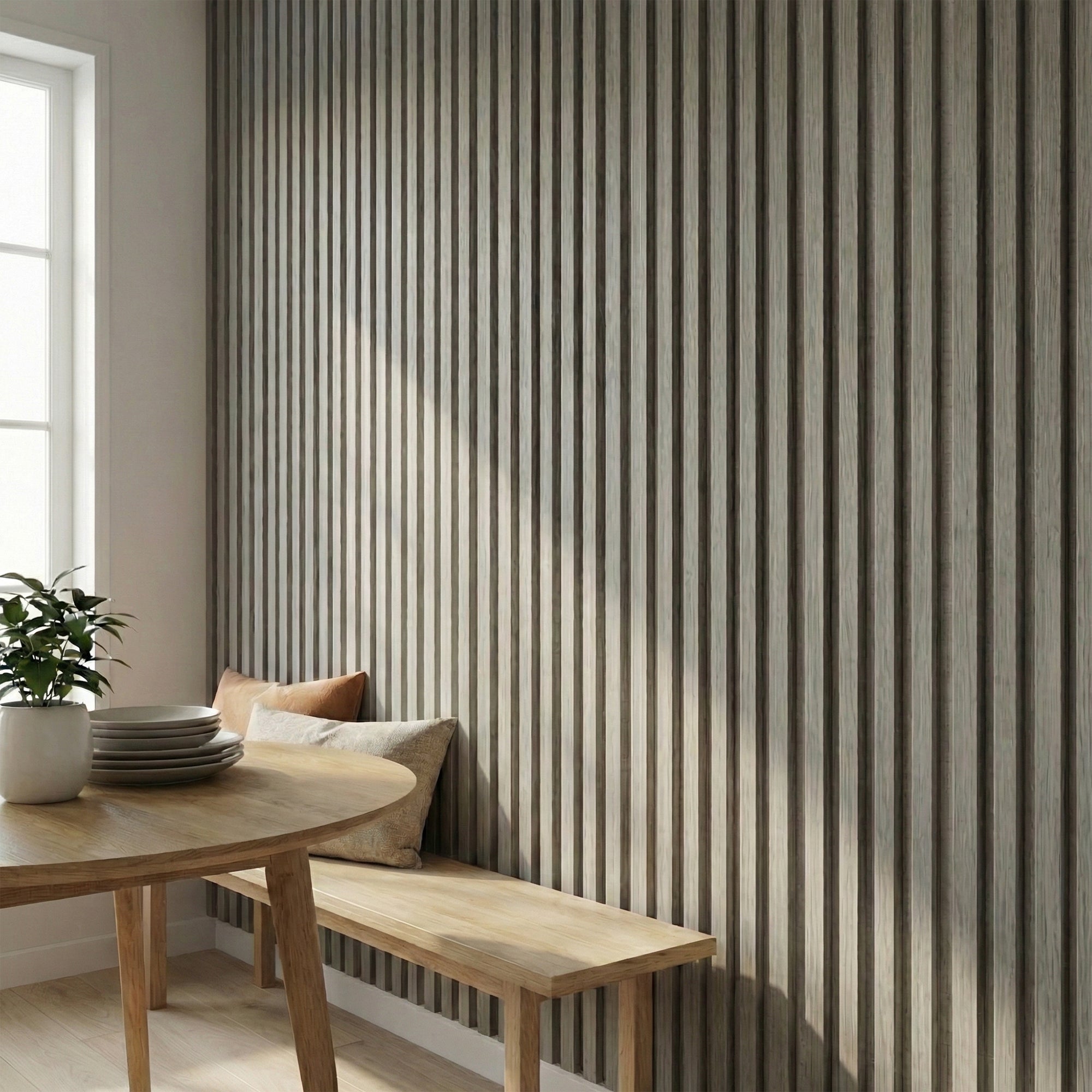
    Slat panels are individual strips of timber — typically 10–30mm wide — mounted at regular intervals on a backing board (usually felt or MDF). The gaps between slats reveal the backing. Acoustic slat panels use felt backing to absorb sound. Visual interest comes from the rhythm of the slats and the revealed depth between them. Examples: the SoundPanel® Acoustic panels.

    Visual Character: What Each Format Looks Like

    Geometric panels

    Bold, complex, graphic. Geometric panels create a surface that demands attention and provides sustained visual interest at close range. Different patterns convey different qualities: concentric squares feel precise and architectural; triangle mosaics feel dynamic and contemporary; honey mosaics feel organic and warm. In rooms with directional light, the shadow effects of 3D and mosaic formats create an installation that changes appearance through the day.

    Fluted panels

    Quieter and more linear than geometric. Fluted panels create vertical rhythm without the complexity of a multi-directional pattern. They read as refined and restrained — a texture that is present without being demanding. Better suited to rooms where other elements are already carrying visual interest. The fluted format also appears on kitchen island fronts, cabinet doors, and furniture — making it integrate well with a room that uses fluting as a broader design theme.

    Slat panels

    Light and airy. The gaps between slats create a sense of openness and depth — the wall appears to have layers rather than being a solid flat surface. Acoustic slat panels also perform a real acoustic function, which geometric and fluted panels don’t provide to the same degree. For rooms where sound quality matters (home offices, home theaters, living rooms in open-plan apartments), slat panels combine aesthetic and function. See our guide to acoustic wood slat wall panels for more detail.

    Acoustic Performance

    • Geometric panels: Minimal acoustic benefit. Solid wood surfaces scatter some sound but don’t significantly absorb it.
    • Fluted panels: Slightly better than flat panels due to surface area increase, but not materially significant.
    • Slat panels (with felt backing): Meaningful mid-frequency sound absorption. The felt backing absorbs sound energy passing through the slat gaps. This is a real and measurable benefit for room acoustics.

    Installation Complexity

    • Geometric panels: Variable. Mosaic tiles are installed piece by piece, which is slower but manageable for DIY. Large-format 3D panels are installed similarly to tiles.
    • Fluted panels: Typically the easiest — large flat panels that install like standard board panels.
    • Slat panels: Moderate — backing boards are large format, installation is relatively quick once the first board is levelled.

    Which to Choose?

    If you want… Choose
    Bold geometric pattern, visual drama, shadow effects Geometric (GroovePanel®)
    Quiet linear texture, refined and restrained Fluted
    Warm airy texture plus real acoustic benefit Slat (SoundPanel®)
    A combination — pattern wall plus acoustic treatment Geometric on feature wall, slat on return walls

    The Combination Approach

    Many rooms benefit from mixing formats. A geometric panel on the main feature wall provides the pattern and shadow drama; slat panels on the adjacent walls manage acoustics and add warmth without competing. This is a common specification in home cinemas, music rooms, and home offices where both aesthetics and acoustic performance are required.

    Browse geometric options at GroovePanel® Geometric Wood Wall Panels and acoustic slat options at SoundPanel® Acoustic Wood Wall Panels. For additional comparison detail, read our guides on fluted vs slat panels and 3D wall panels.
  • Pattern Wall Panels vs Plain Wood Panels: Which Makes a Better Feature Wall?

    Pattern Wall Panels vs Plain Wood Panels: Which Makes a Better Feature Wall?

    When planning a feature wall, one of the most fundamental decisions is whether to use a patterned panel — geometric mosaic, 3D relief, or crossing lines — or a plain, flat timber panel such as a wood slat wall or smooth veneer board. Both are legitimate choices. They produce entirely different results, and the decision should be deliberate rather than defaulted to whichever option you’ve seen most recently.

    This comparison breaks down when pattern panels win, when plain panels win, and what determines the right choice for a given room.

    What We Mean by Pattern vs Plain

    Pattern panels have a designed surface geometry — triangle mosaics, concentric squares, crossing line grids, 3D relief profiles. The visual interest comes from the pattern itself rather than purely from the wood grain. Examples: the GroovePanel® Geometric range, including the 3D Concentric Square and Crossing Lines panels.

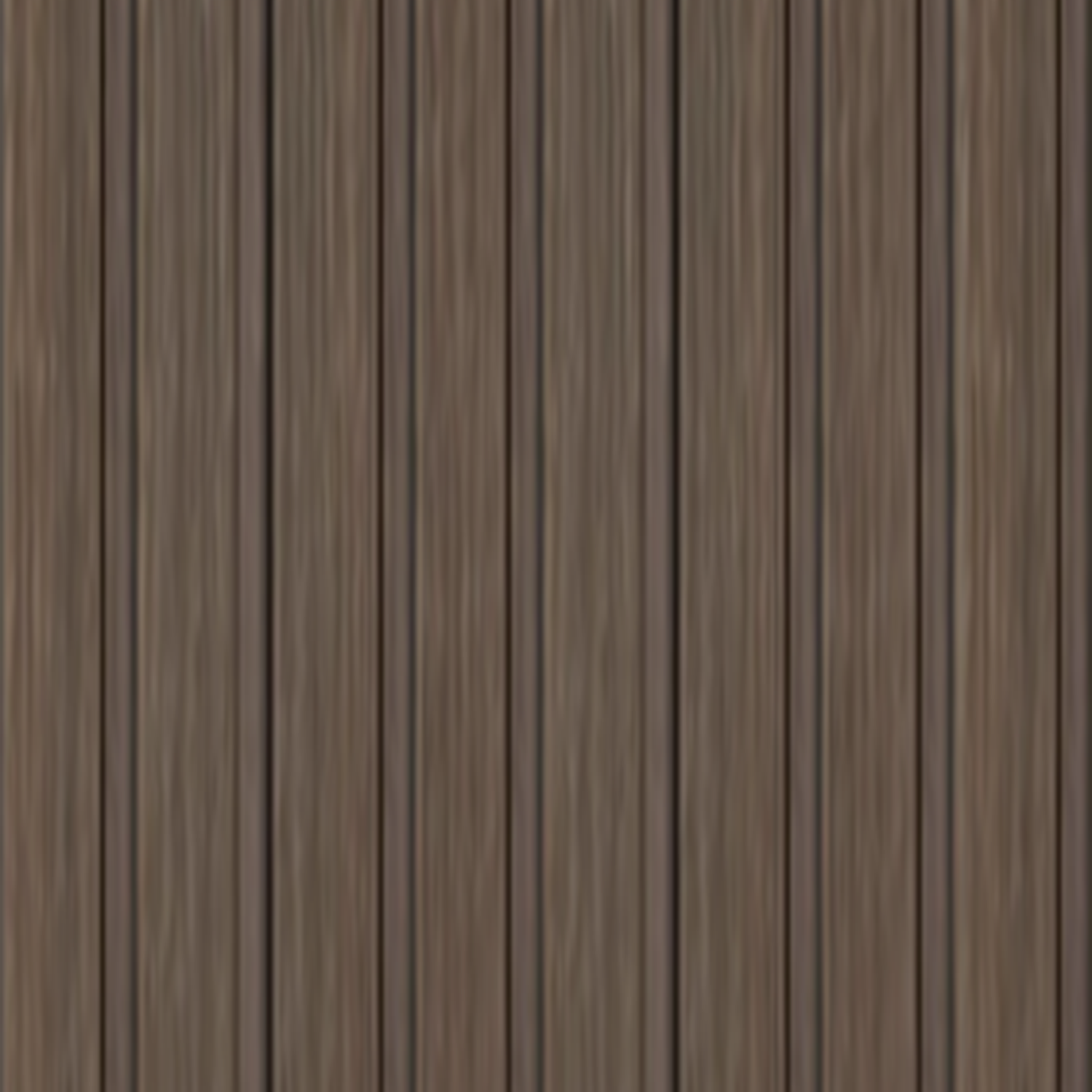
    Plain panels have a flat or relatively flat surface where the visual interest comes from the timber grain, species colour, and material quality. Examples: wood slat panels, wide plank veneer boards, smooth MDF panels with painted finishes.

    When Pattern Panels Win

    When the room is otherwise visually quiet

    If your room has plain walls, simple furniture, and a minimal palette, a pattern panel gives the space its visual focus. A plain timber panel in the same context can read as understated to the point of being uninteresting — the grain alone doesn’t create enough differentiation from a well-painted wall.

    When you want the wall itself to be the artwork

    In rooms where you’re not planning to hang art or display objects, a geometric pattern panel fills the role of the artwork. The pattern, shadow, and texture of a solid wood mosaic or 3D panel provide the same kind of sustained visual interest as a large-format print — without requiring anything to be hung or lit.

    When the architecture is simple and needs character

    Plain rectangular rooms in new-build houses often lack inherent architectural character. A geometric panel wall creates it — the pattern becomes the room’s defining feature in the way that an ornate cornice or arched window would in an older property.

    When you’re designing for shadow and light dynamics

    3D geometric panels and mosaic patterns respond to changing light conditions in a way that flat panels don’t. If the wall receives natural side-light or has directional artificial lighting, a pattern panel becomes a different surface at different times of day. A flat panel doesn’t have this quality.

    When Plain Panels Win

    When the room is already visually complex

    In rooms with patterned upholstery, decorative rugs, multiple artworks, or strong architectural features, adding a geometric panel wall can tip the space into visual overload. A plain timber slat panel or smooth board adds material warmth and texture without competing.

    When the goal is material quality rather than graphic impact

    In rooms where the design brief is about luxury materials and quiet refinement rather than bold statements, the subtlety of a plain panel often communicates more sophistication than a strong geometric pattern. Wide oak planks or a smooth walnut veneer board can be just as high-end as a mosaic — they just make their case differently.

    When the wall is in a functional zone

    Behind a kitchen cabinet run, in a utility room, or as a splashback behind a sink (with appropriate waterproofing), a plain panel is more appropriate than a geometric one. The functional context doesn’t call for visual drama.

    The Hybrid Approach

    Pattern and plain panels can coexist in the same room — and often the combination is stronger than either alone. A common approach: geometric pattern panel on the main feature wall (behind a sofa, bed, or dining table), plain wood slat panels on the adjacent walls for material consistency without competing pattern. The variety of texture and surface within the same timber palette creates depth without conflict.

    Making the Decision

    The quickest test: hold a sample of your intended panel against the wall in question and ask whether the room needs more visual complexity or less. If it needs more — choose pattern. If it needs less — choose plain. Most rooms have a clear answer if you look honestly at what’s already there.

    Browse patterned geometric options at GroovePanel® Geometric Wood Wall Panels. For slat and acoustic panels, see the SoundPanel® acoustic panels. Order a sample of both to compare in your space before deciding. For context on how pattern types differ within the geometric category, read our guide to geometric wood wall panel patterns and styles.