Tag: feature wall ideas living room

  • Wood Panel Accent Wall Ideas: 12 Ways to Create a Stunning Feature Wall

    Wood Panel Accent Wall Ideas: 12 Ways to Create a Stunning Feature Wall

    Why Wood Panels Make the Best Accent Walls
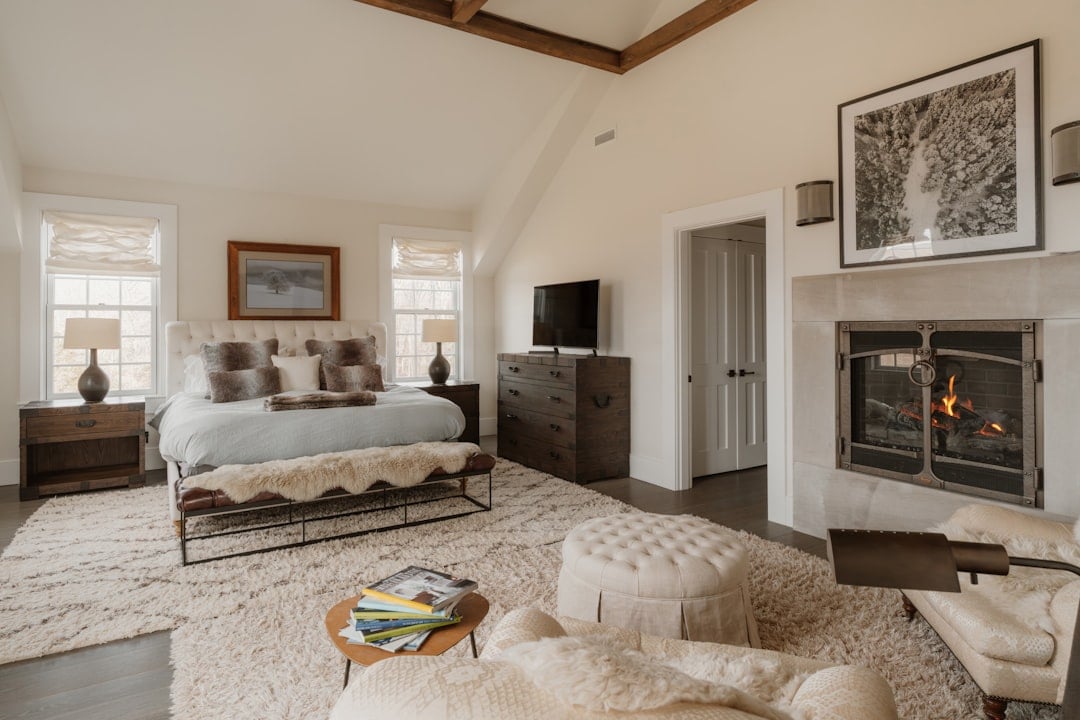
    Why Wood Panels Make the Best Accent Walls
    Photo by Clay Banks on Unsplash

    Paint creates colour. Wallpaper adds pattern. Wood panels do something different: they add physical texture, natural warmth, and a material presence that changes how a room feels rather than just how it looks. A wood panel accent wall introduces real wood — grain, depth, shadow — into a space in a way that no flat surface treatment can replicate.

    The key is choosing the right panel type and pattern for your room. Here are twelve approaches, from the most subtle to the most dramatic.

    1. Crossing Lines Grid Panel Wall

    1. Crossing Lines Grid Panel Wall
    Photo by franci ee on Unsplash

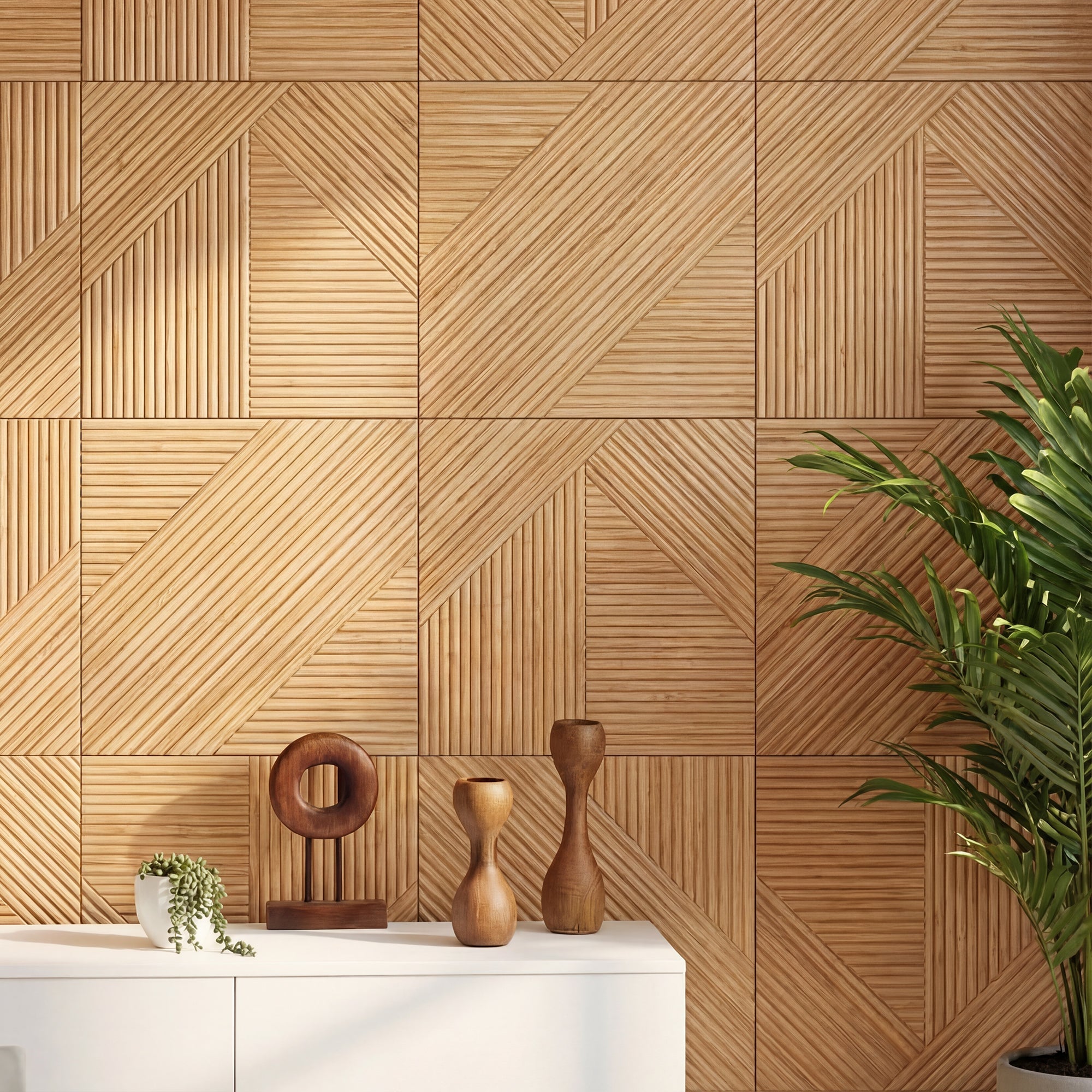
    Crossing Lines Solid Wood Wall Panels - Oak - View 11

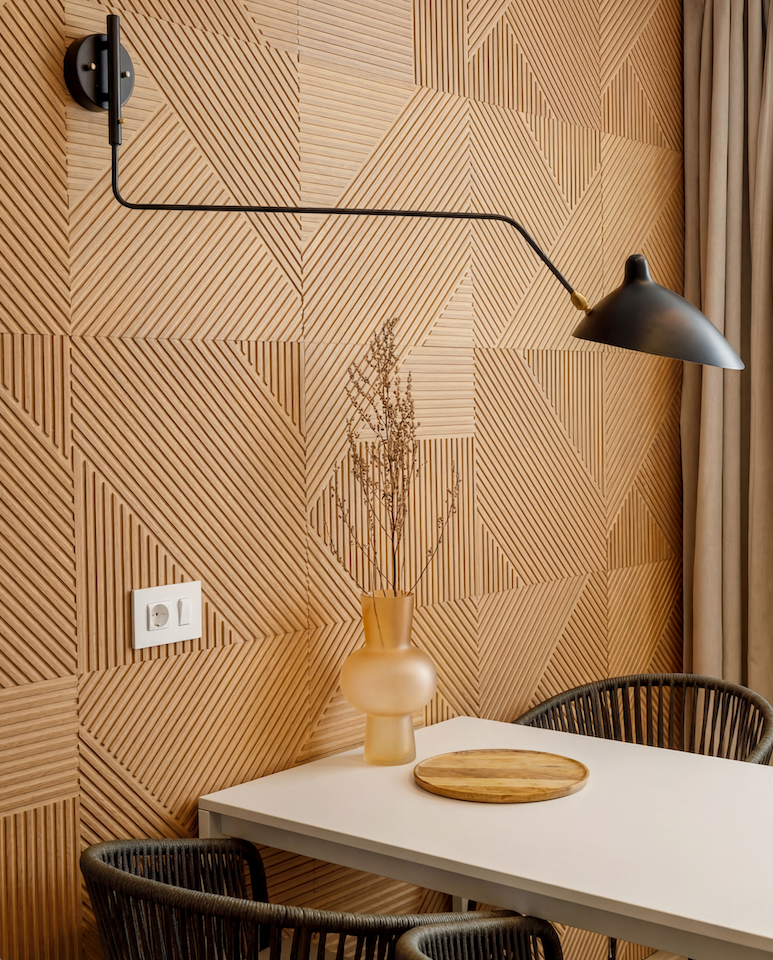
    A wall of precision-cut crossing lines in solid wood creates a refined, architectural texture that reads as background detail from a distance and rewards close inspection. This is the most versatile geometric option — it suits contemporary, minimalist, Japandi, and mid-century interiors. Use it behind a sofa, behind a bed, or in an entrance hall. The GroovePanel® Crossing Lines panel is 100% solid wood with precision-machined grooves that hold crisp geometry permanently.

    2. Concentric Square Relief Wall
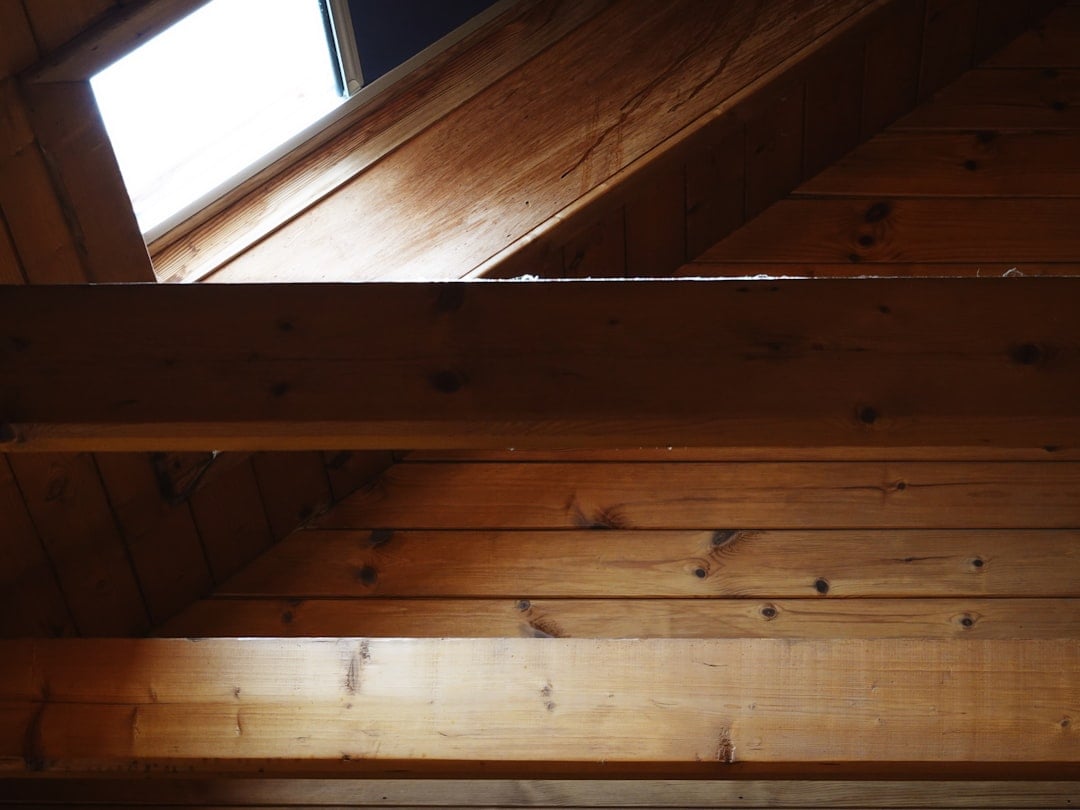
    2. Concentric Square Relief Wall
    Photo by Callum on Unsplash

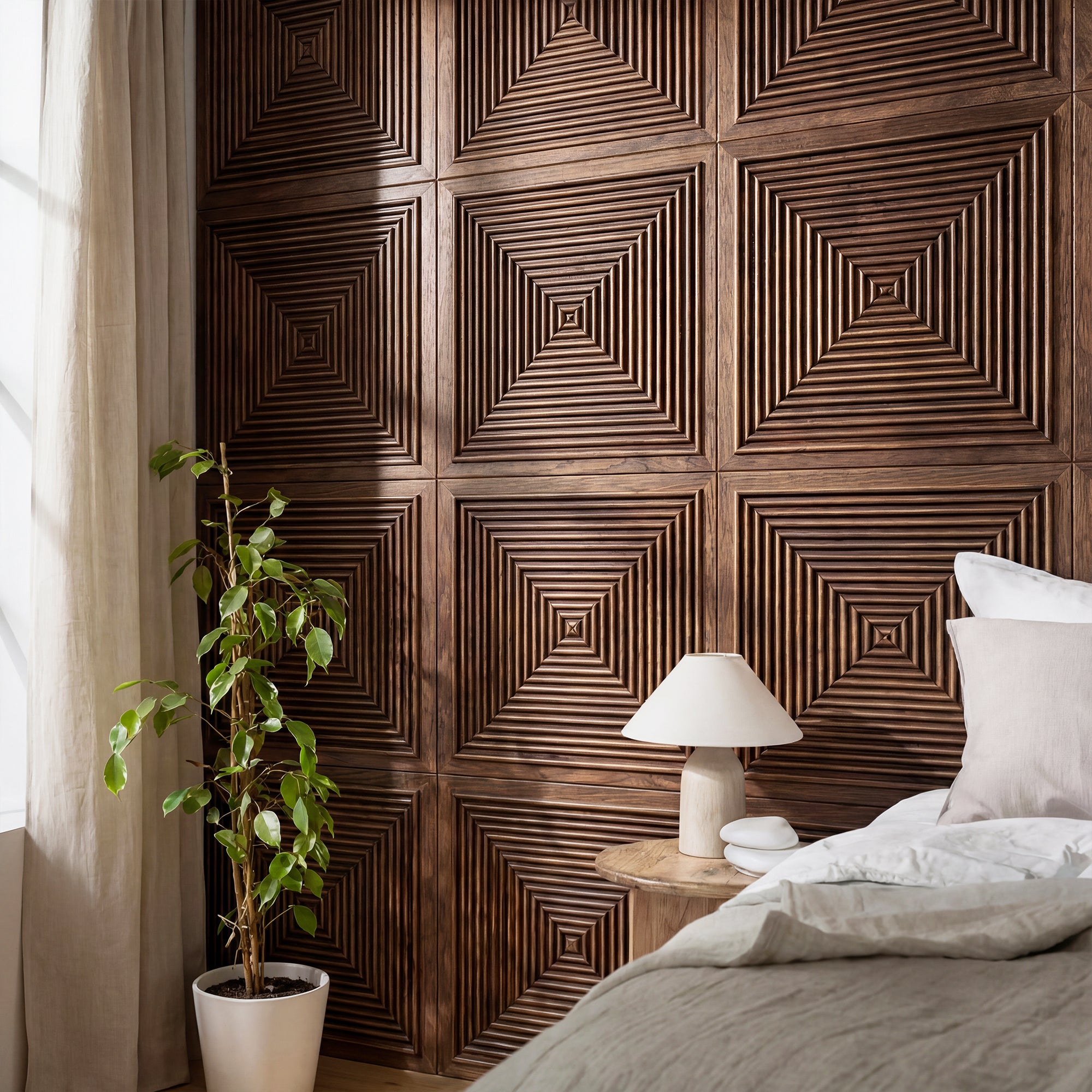
    3D Concentric Square Wood Wall Panel - Walnut - View 2

    Concentric square panels — nested squares machined into the panel face — create a radiating, focal-point pattern that suits living rooms and bedrooms. Position a single panel as a centrepiece or tile multiple panels for a repeating wall-wide pattern. The concentric geometry reads as both contemporary and timeless — it does not date the way trend-specific finishes do.

    3. Full-Height Slat Panel Wall
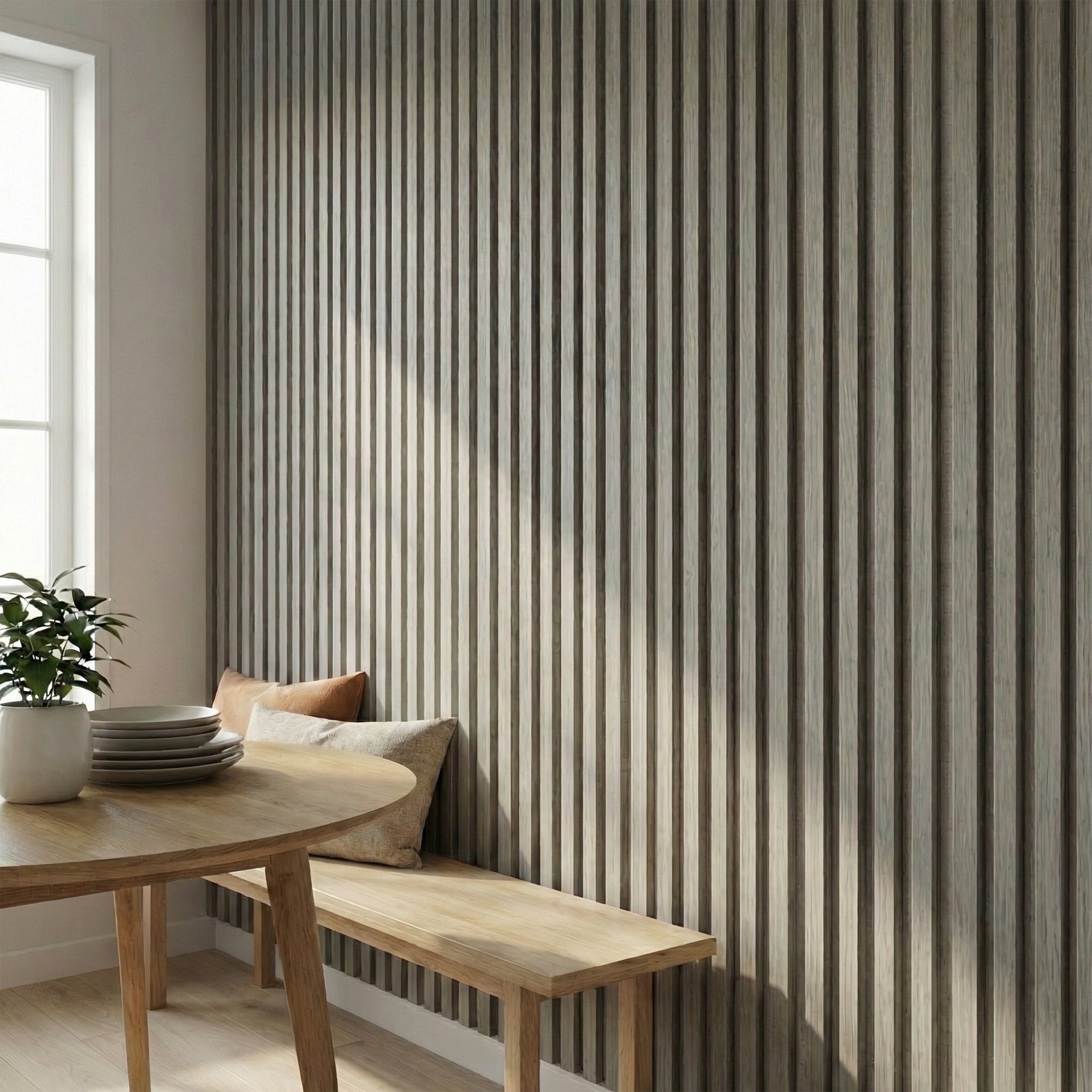
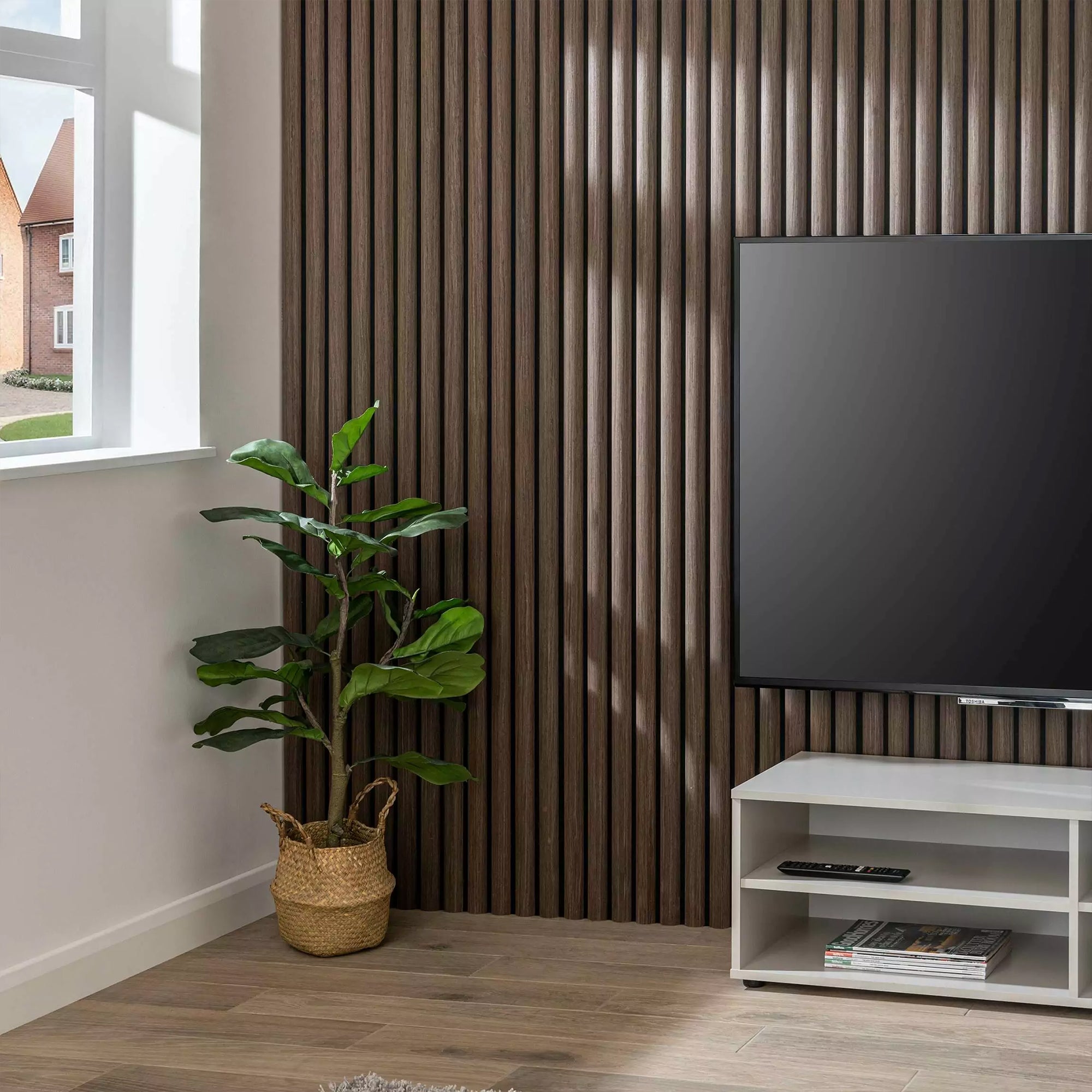
    Floor-to-ceiling vertical slats in natural oak or walnut create a warm, linear texture that stretches the room height visually. This is one of the most popular contemporary interior applications — used in living rooms, bedrooms, and dining rooms. The shadow gaps between slats add depth without the visual complexity of patterned panels. See our wood slat panel living room guide for detailed design ideas.

    4. Half-Wall Panel Treatment

    Panelling the lower half of a wall — from floor to roughly waist height — creates a contemporary version of the traditional dado. This approach is particularly effective in hallways and dining rooms where full-height panelling might feel overpowering. Choose a panel with a strong horizontal grain or a geometric pattern that reads well at lower viewing distances.

    5. TV Wall Panel Surround

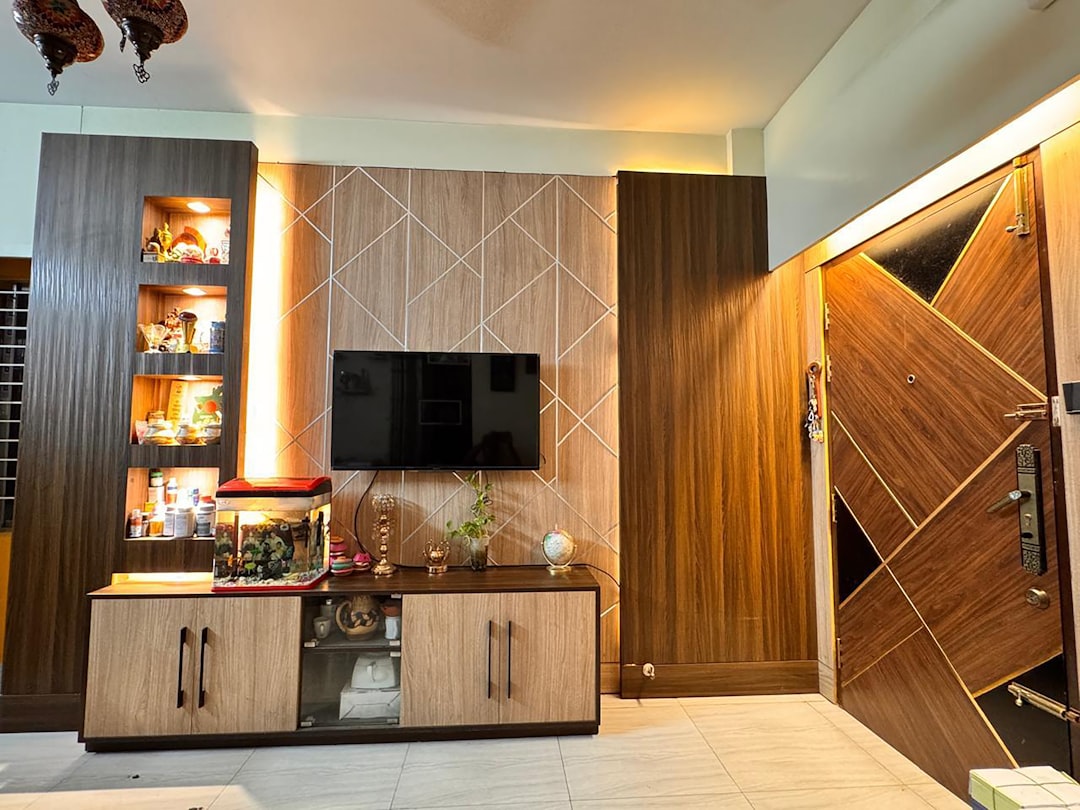
    Panelling the entire wall behind a television gives the TV a designed context rather than leaving it as an isolated black rectangle on a plain wall. Panel from floor to ceiling for maximum impact, or create a framed panel zone that matches the width of the TV unit below. This approach is particularly effective with geometric panels — the angular precision of the panel pattern complements the rectangular form of the television and cabinetry.

    6. Fireplace Alcove Panels

    The recessed sections on either side of a chimney breast are natural candidates for wall panelling. Panelling these alcoves frames the fireplace, gives recessed shelving a material backdrop, and adds warmth to what are otherwise often plain painted surfaces. Wood-toned panels suit traditional and contemporary fireplaces equally well. For a stone look alongside the fireplace itself, see our RockSurface® faux stone panels.

    7. Bedroom Headboard Wall

    A panelled wall behind the bed functions as an architectural headboard — eliminating the need for a separate headboard piece and giving the sleeping space a strong focal point. For bedrooms, choose panels with subtle geometry or fine linear texture rather than bold 3D relief — the goal is warmth and calm rather than high visual drama. Our bedroom panel design guide covers this in detail.

    8. Home Office Backdrop Wall

    A wood wall paneling behind a desk transforms the home office experience — both for the person working and for anyone joining video calls. A single wall of geometric or slat panels reads as intentional and professional on camera without requiring art, accessories, or additional styling. The natural wood warmth also improves the room’s visual quality in a way that painted walls rarely achieve.

    9. Dining Room Focal Wall

    The wall at the head of a dining table — or the full-length wall facing the dining seats — is an underused design opportunity. A wood panel accent wall here anchors the dining space and creates the sense that meals are happening in a designed room rather than just a functional one. Deeper geometric patterns or walnut-toned panels suit the formality that dining rooms often call for. See our dining room panel ideas guide for eight specific approaches.

    10. Staircase and Landing Panels

    Staircase walls are among the longest continuous wall surfaces in most homes — and among the most overlooked. Running wood panels along a staircase wall, either full-height or as a dado, transforms a functional transitional space into a considered design statement. Linear slat panels work particularly well on staircase walls because the direction of the slats echoes the diagonal of the stair flight.

    11. Bathroom Feature Wall

    Moisture-resistant wood panel systems can be used in bathrooms — but material selection matters significantly. Some wood species and finishes handle bathroom humidity well; others do not. Our bathroom wood panel guide covers which materials work and which to avoid. For a fully waterproof option, waterproof wall panels are the safer choice in wet zones.

    12. Commercial Accent Wall

    Wood panel accent walls in offices, retail environments, hotel lobbies, and restaurants create a material quality and warmth that painted walls cannot match. The combination of natural wood grain and geometric precision in panels like GroovePanel® positions a space as design-conscious and premium. FSC® and EPD certification means these panels also meet sustainability requirements for commercial fit-outs. Our commercial wall panel guide covers specification considerations for non-residential applications.

    How to Get Started

    Before committing to a full installation, order a sample from The Panel Hub. Seeing the grain, depth, and shadow-play of a real panel in your own room — under your own lighting — is the most reliable way to make a confident decision. Browse the full GroovePanel® geometric collection and wood wall panel range to find the right style for your accent wall.
  • Feature Wall Ideas for Living Room: 12 Looks That Actually Work

    Feature Wall Ideas for Living Room: 12 Looks That Actually Work

    Why Your Living Room Needs a Feature Wall

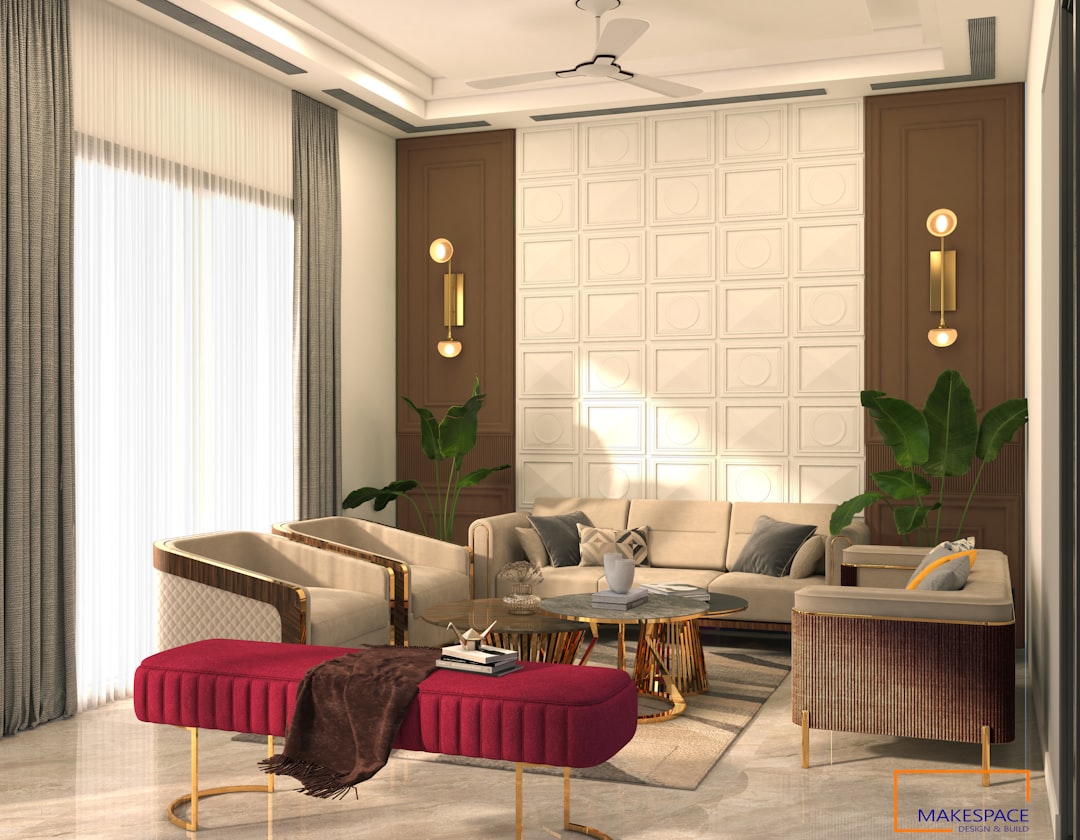
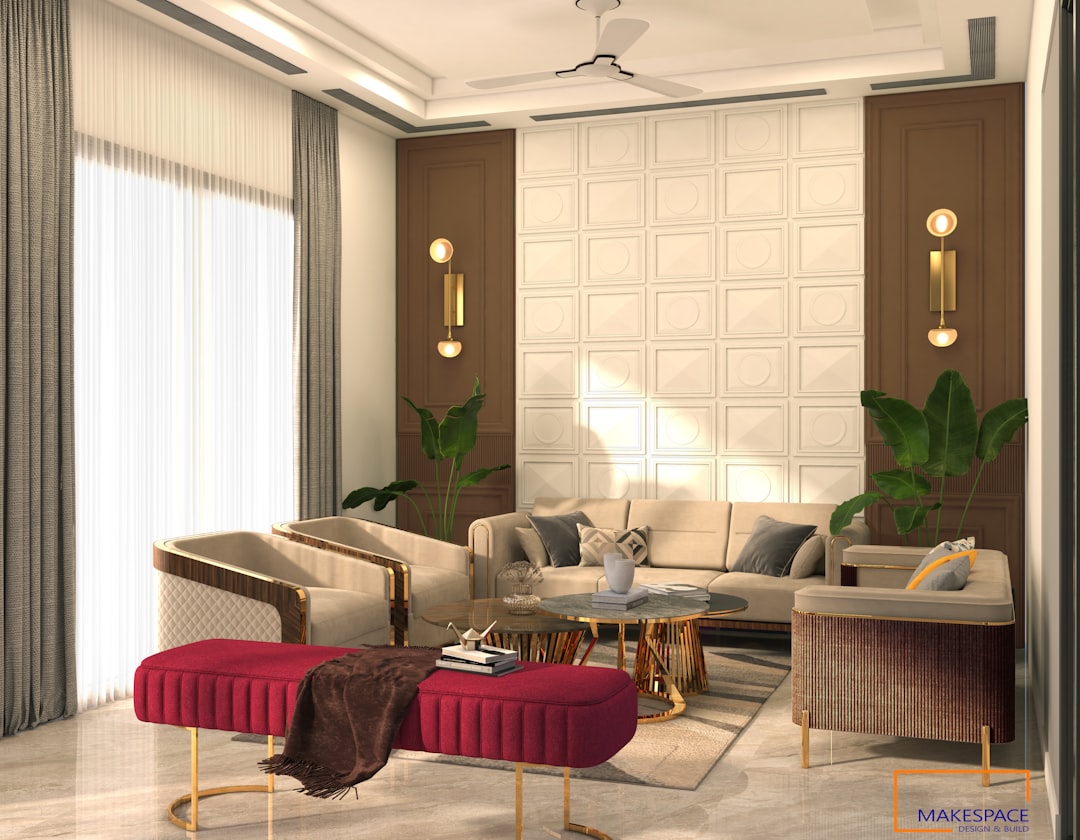
    Panel Hub living room feature wall with natural wood panels adding warmth and depth
    Photo by Makespace Design on Unsplash

    A feature wall turns a plain room into a designed space. In the living room — typically the largest, most-used room in the home — a well-chosen feature wall creates a focal point, frames your furniture, and gives the room a sense of intention. Without one, even a well-furnished living room can feel unfinished.

    The good news: feature wall ideas for living rooms range from a single afternoon’s work (paint, panels) to more involved projects (stone cladding, built-in shelving) — so there’s a budget-appropriate option for everyone.

    12 Feature Wall Ideas for Living Rooms

    Panel Hub 12 feature wall ideas for living rooms including geometric and slat panels
    Photo by Makespace Design on Unsplash

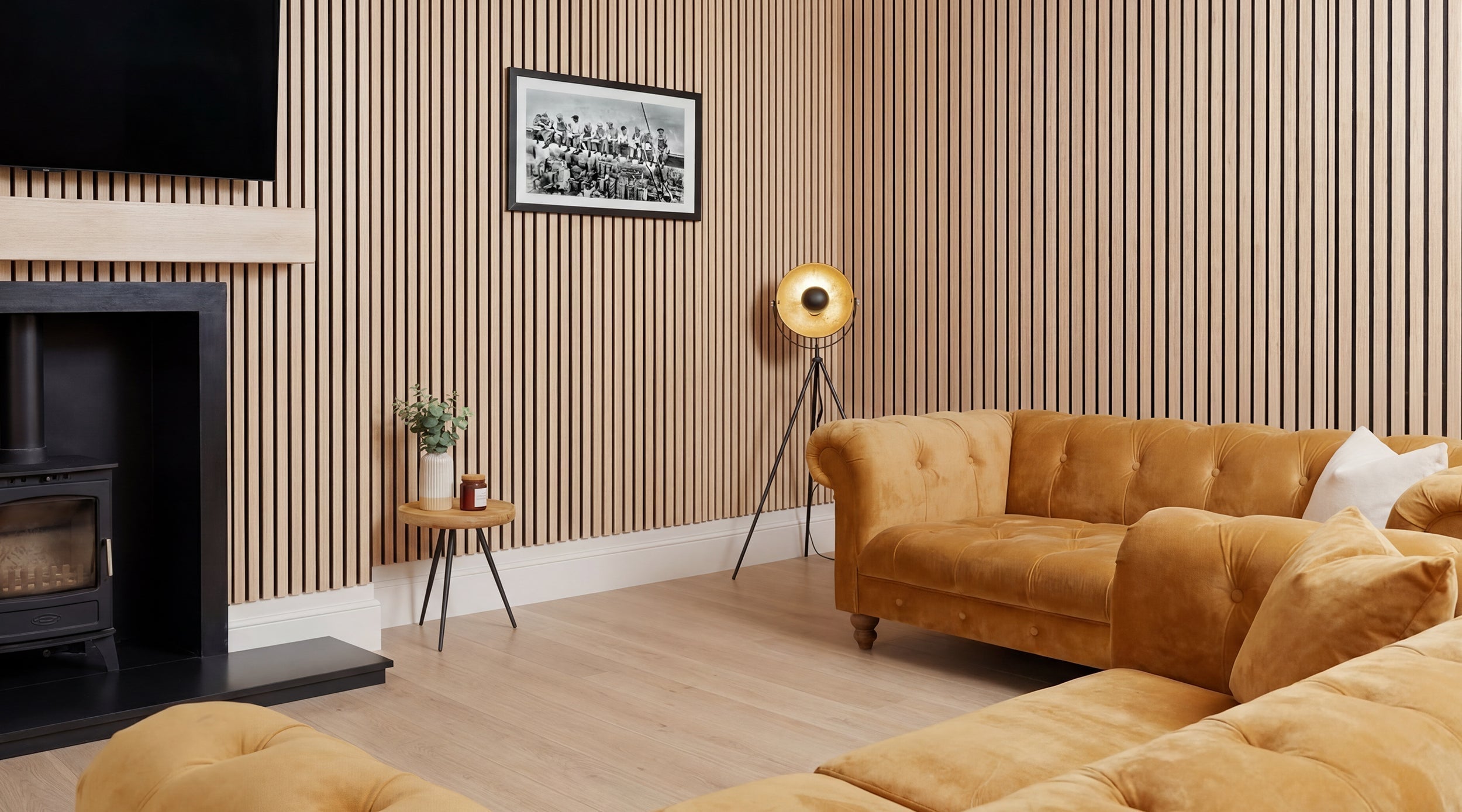
    1. Acoustic Wood Slat Panels Behind the Sofa

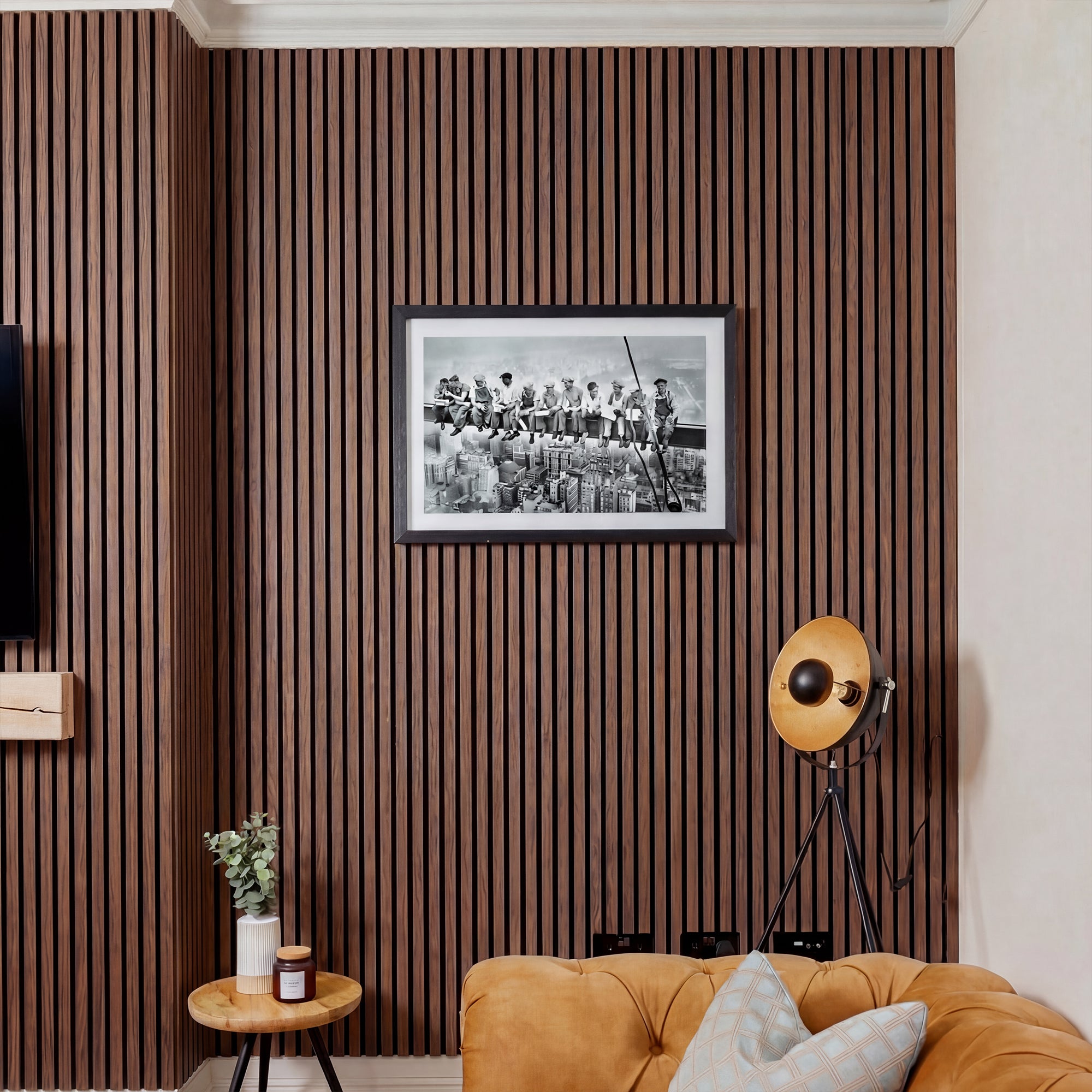
    American Acoustic Slat Wood Wall Panels - Oak - View 29

    The most sought-after living room feature wall right now. A full wall of vertical wood slat panels behind the sofa creates instant architectural character, adds warmth, and — thanks to felt-backed acoustic technology — reduces the echo that plagues hard-surfaced living rooms. Pair with warm lighting for a cosy, hotel-lobby feel.

    2. TV Wall with Wood Panels

    Acoustic Curve Wood Wall Panels - Oak - View 13

    Frame your TV in wood panels rather than leaving it floating on a painted wall. Floor-to-ceiling wood slat panels with the TV recessed or surface-mounted transforms the media wall from an afterthought into a design feature. Add LED strip lighting behind the panels for ambient depth.

    3. Painted Arch Feature

    Paint a large arch shape in a contrasting colour on one wall. It costs almost nothing, requires no materials beyond paint, and creates a bold, graphic statement. Works especially well in minimal or Bauhaus-inspired living rooms.

    4. Limewash or Textured Paint

    Limewash paint builds up layers of chalky texture that absorb light differently at different times of day. It suits earthy, organic, and Mediterranean-inspired interiors and adds texture without any 3D materials.

    5. Full-Height Stone Panel Wall

    Highland Rock Wall Panel - Grey - View 7

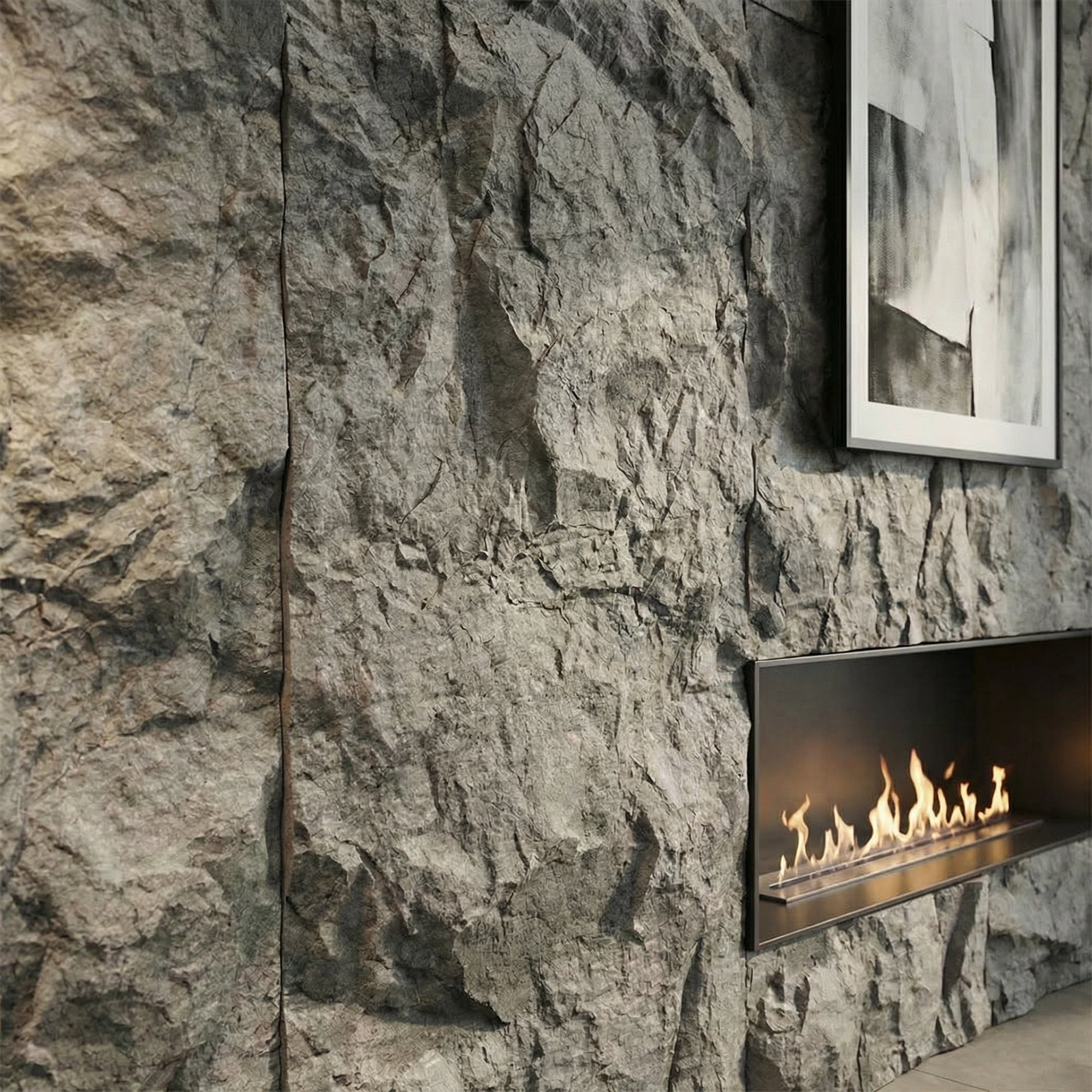
    Faux stone panels — like RockSurface® cladding — bring natural stone aesthetics without the structural demands or cost of real stone. Ideal for fireplace walls or living room feature walls with an outdoor or industrial edge.

    6. Fluted Wood Panel Wall

    Fluted panels with their vertical grooves create a sculpted, light-catching texture that adds architectural drama. Popular in contemporary and transitional living rooms, especially in walnut or oak finishes.

    7. Bookshelf Wall

    Built-in bookshelves that span an entire wall make a room feel curated and lived-in. Combine with a contrasting back-panel colour for added depth — or use wood panels as the backboard behind the shelves.

    8. Wallpaper Mural

    A botanical, landscape, or abstract mural wallpaper on a single wall is a dramatic option that requires no structural work. Best for bold personalities and rooms with simple, clean furniture so the wall isn’t competing.

    9. Wainscoting with Paint Above

    Wainscoting covers the lower third of the wall in panels, with a contrasting paint colour above. It’s traditional, practical, and works beautifully in formal or transitional living rooms.

    10. Brick Effect Panels

    Industrial, loft-style living rooms benefit from the warmth and texture of exposed brick — but you don’t need the real thing. Lightweight brick-effect panels give the look without the mess or cost.

    11. Vertical Garden Wall

    A living plant wall brings biophilic design into the living room. Even a modular faux-plant version creates warmth, colour, and an organic focal point that photographs beautifully.

    12. Mirror Panel Wall

    Mirrored or partially mirrored panels expand the perceived size of the room and bounce natural light. Best in smaller living rooms or dark spaces that need visual breathing room.

    How to Choose a Feature Wall in Your Living Room

    Panel Hub guide to choosing a feature wall for your living room interior
    Photo by Studio Archifiction on Unsplash

    Always choose the wall your eye falls on first when entering the room. In most living room layouts, that’s either:

    • The wall behind the main sofa
    • The wall the TV sits on
    • The chimney breast wall

    For acoustic comfort, choose a textured material — wood slat panels are the most practical because they combine aesthetics with real sound performance.

    Budget Guide

    • Under $100: Limewash paint, painted arch
    • $100–$500: Wallpaper mural, wainscoting with moulding
    • $500–$1,500: Acoustic slat panels, faux stone cladding
    • $1,500+: Built-in shelving, solid wood feature walls

    For the best value-to-impact ratio, acoustic wood slat panels remain the single most transformative living room upgrade available. They’re tangible, tactile, and deliver both visual and functional benefits in a single installation.

    For styling advice that goes beyond the feature wall — furniture placement, colour, lighting, and panel combinations throughout the full room — read how to decorate a living room with wood paneling.

    How to Style Your Living Room Around a Feature Wall

    A feature wall only works when the rest of the room responds to it. Once you commit to a bold or textured wall treatment, every other decision — furniture, lighting, colour — should reinforce it rather than compete.

    • Keep the opposite wall quiet. If your feature wall uses stone cladding, dark wood panels, or a mural, the wall directly opposite should be plain and neutral. Two competing feature walls cancel each other out.
    • Float the sofa slightly away from the wall. Pulling the sofa 6–10 inches forward from a panelled feature wall creates visual breathing room between the furniture and the material, making both read better.
    • Match the material’s undertone. Walnut slat panels carry warm, reddish-brown undertones — pair them with camel, burnt orange, or deep green textiles. Cool-toned stone panels call for grey, dusty blue, or sage soft furnishings. Undertone harmony is what separates a designed room from an assembled one.
    • Light the wall deliberately. Without directional lighting, a textured feature wall disappears at night. A floor lamp with uplighting placed in front of the panel wall grazes the surface and creates dramatic shadow depth in the slat gaps or stone texture. Even a single well-placed lamp transforms how the room reads after dark.
    • Let the feature wall set the room’s accent colour. Pull one tone from the wall material and use it as the accent colour in cushions, artwork, or a throw. This creates visual continuity without making the room feel monotonous.

    Common Feature Wall Mistakes to Avoid

    Feature walls fail for predictable reasons. Knowing these in advance saves an expensive or time-consuming reversal.

    • Choosing the TV wall instead of the sofa wall. The wall behind the TV competes visually with the screen every evening. The feature wall should be the one your guests face and you look toward — typically the wall behind the main sofa.
    • Stopping below the ceiling. Panels or wallpaper that stop a foot below the cornice look unresolved and make ceilings feel lower. Go floor to ceiling, or at minimum to the top of the door frame height. Half-height feature walls only work on walls with deliberate dado rail or wainscoting detailing.
    • Overloading a textured wall with accessories. The wall itself is the feature. Adding fifteen frames, shelves, and decorative objects to a stone or slat panel wall turns a statement into clutter. Let the material do the work.
    • Ignoring the acoustic consequences. Hard feature wall materials — stone panels, brick effect, mirrored tiles — increase the echo and reverberation in the room. If you choose a hard-surface feature wall, balance it with an acoustic treatment elsewhere: soft furnishings, rugs, curtains, or acoustic slat panels on an adjacent wall.
    • Mismatching scale to room size. Fine-grain textures and small-scale patterns disappear on a wall viewed from 12 feet away. Choose materials with a scale — slat width, stone block size, pattern repeat — that reads clearly at the viewing distance of your room.

    Shop Living Room Wall Panels

    Explore the living room panel collection — for geometric and 3D relief options, the GroovePanel® geometric wood wall panel collection covers solid wood mosaic, crossing lines, and concentric square formats that work especially well as living room statement walls. at The Panel Hub, or browse the full wood wall panel range for every option. For more living room ideas, our interior slat wall ideas guide shows 50+ looks across styles and budgets. If you’re considering a panel with acoustic properties, the acoustic panel buyer’s guide explains what to look for.