Tag: geometric wood wall panels

  • Concentric Square Wall Panels: The Retro-Modern Pattern Reshaping Interior Design

    Concentric Square Wall Panels: The Retro-Modern Pattern Reshaping Interior Design

    What Are Concentric Square Wall Panels?
    What Are Concentric Square Wall Panels?
    Photo by Alexandr Istomin on Unsplash

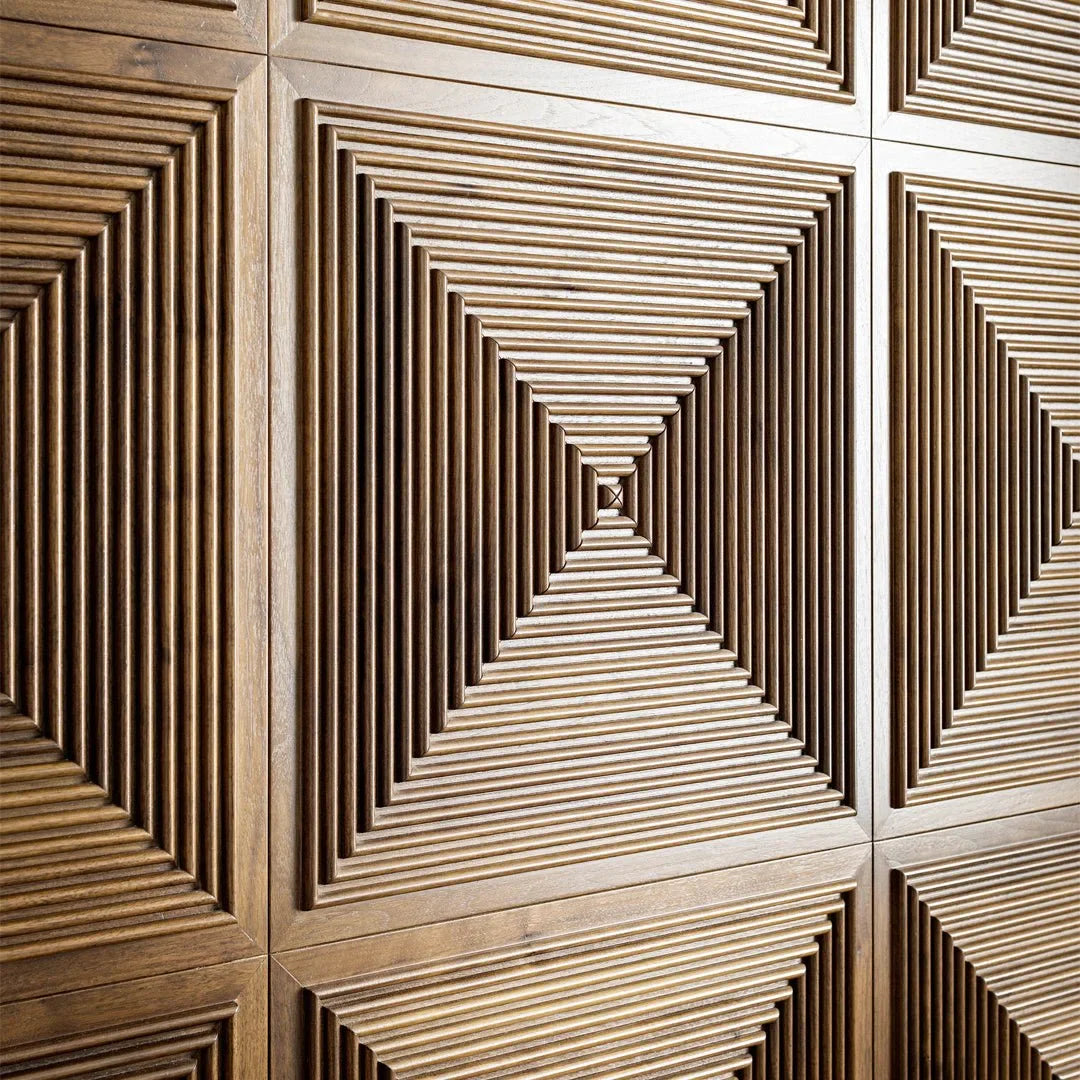
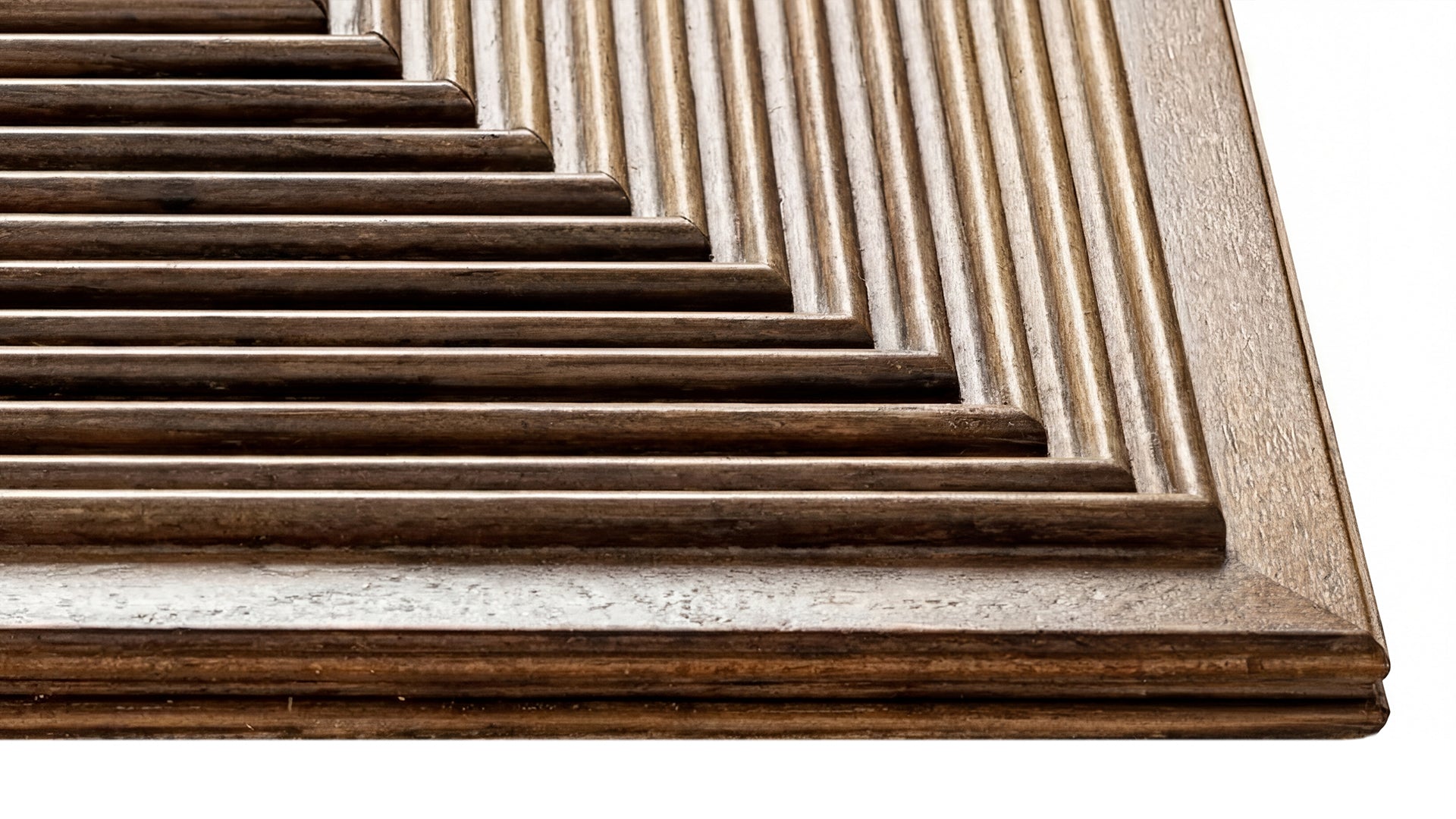
    Concentric square panels are solid wood wall panels with a series of nested squares machined into the panel face — each square progressively smaller than the last, all sharing the same centre point. The result is a radiating geometric pattern on each panel face: a series of recessed groove lines that draw the eye inward toward the panel’s centre.

    When multiple panels are installed across a wall, the concentric pattern either repeats panel-to-panel for a regular, rhythmic effect, or panels can be staggered to create a more complex, offset pattern across the full wall surface.

    The GroovePanel® Concentric Squares panel is machined from 100% solid wood. The groove edges show the same grain as the panel face — not a veneer edge, not an MDF cross-section — which gives the geometry a clean, permanent sharpness that manufactured-core panels cannot match.

    The Design History Behind the Pattern
    The Design History Behind the Pattern
    Photo by Lee Milo on Unsplash

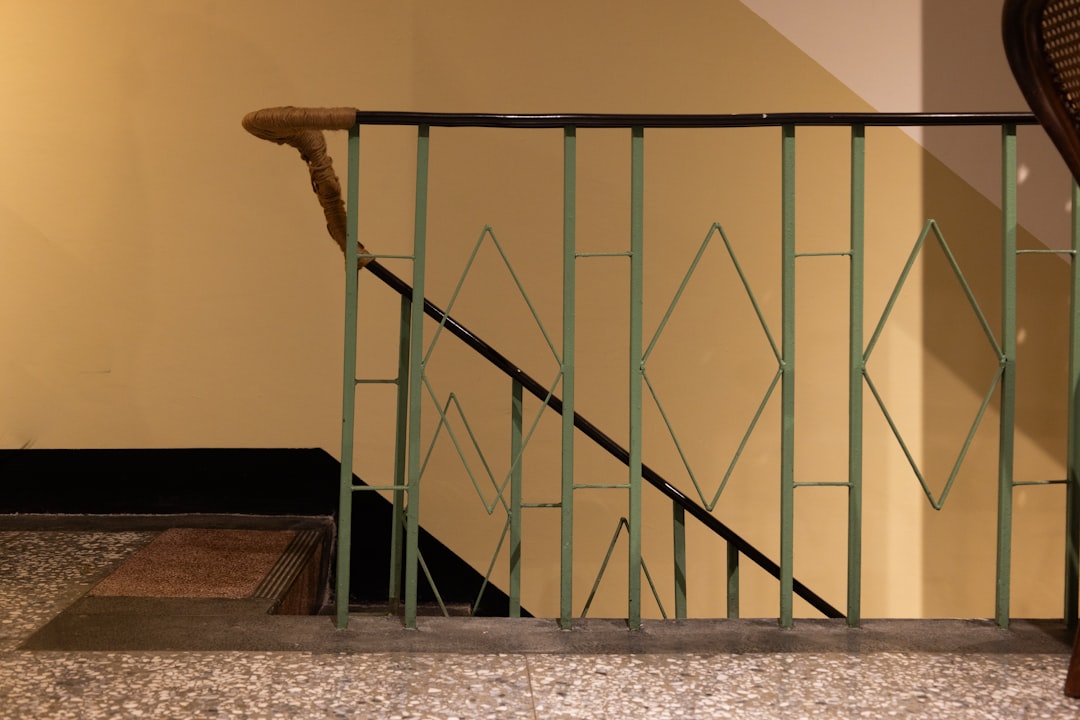
    Concentric geometric forms have appeared in decorative arts and architecture across centuries — in Islamic geometric tilework, in Art Deco motifs, in the target forms of Op Art. In interior design specifically, the concentric square gained significant traction in the mid-twentieth century. The clean geometry and visual rhythm of nested squares suited the post-war modernist interior’s preference for pattern that was ordered and systematic rather than organic and flowing.

    The contemporary revival of concentric square panels draws on this history but reinterprets it in natural solid wood rather than the painted MDF and synthetic materials that carried the pattern through the 1980s and 90s. The combination of a historically resonant geometric form with a premium natural material is exactly the formula that defines the best contemporary interior design — something that feels simultaneously familiar and fresh.

    Why Concentric Squares Work as a Wall Pattern
    Why Concentric Squares Work as a Wall Pattern
    Photo by Y M on Unsplash

    Creating Focal Points

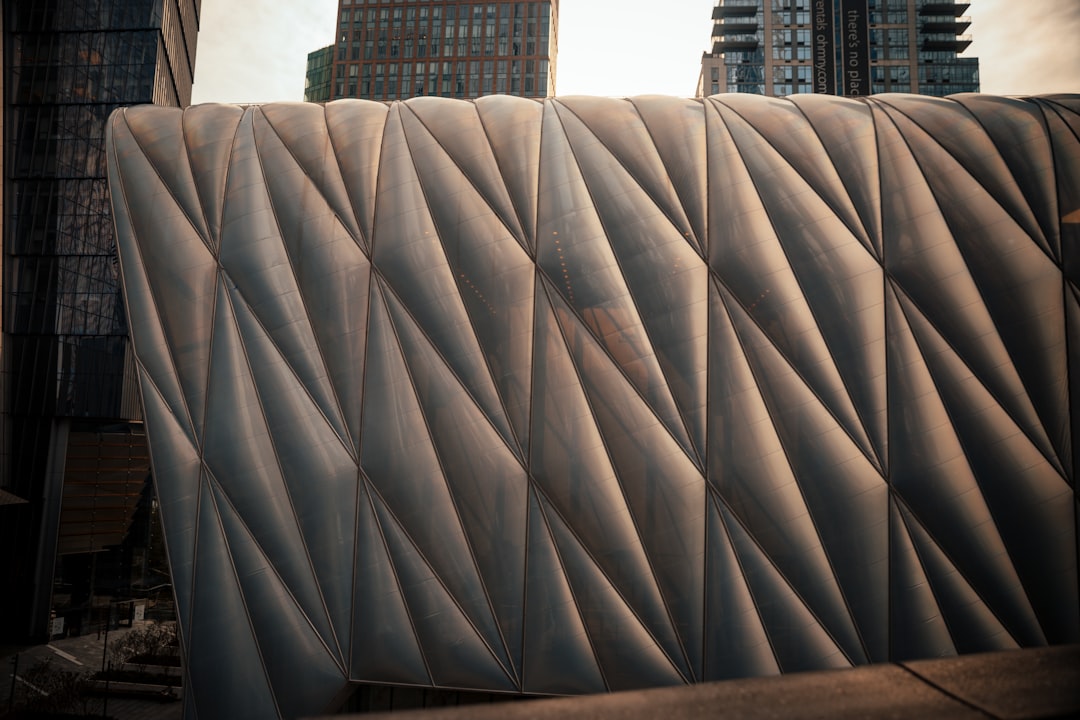
    Concentric patterns have a specific visual property: they create focal points. The eye is drawn to the centre of the concentric rings and then follows them outward. This makes concentric square panels particularly effective when you want a wall surface that anchors attention — behind a bed, behind a sofa, at the end of a hallway. The pattern does the work of establishing a visual centre that the room can organise around.

    Working at Multiple Scales

    Unlike some geometric patterns that only work at one scale, concentric squares read effectively at close range and from a distance. Up close, the groove detail and wood grain are the dominant visual elements. From across the room, the nested square geometry creates a bold, architectural pattern. A wall of concentric square panels delivers visual reward at every viewing distance.

    Balancing Bold Geometry with Natural Warmth

    The geometric precision of concentric squares is softened by the natural variation of wood grain. No two solid wood panels have identical grain patterns — the tonal variation, the subtle texture of the grain, and the way different parts of the panel catch light slightly differently all give warmth and life to what could otherwise be a cold, hard geometric exercise. This combination — rigorous geometry in a warm natural material — is one of the most consistently satisfying visual experiences in interior design.

    Where to Use Concentric Square Wall Panels

    Bedroom Headboard Wall

    The most natural home for concentric square panels. Installed behind the bed, the radiating geometry creates a subtle focal-point effect that frames the sleeping position. The panels read as architectural headboard — structured and designed — without the visual weight of a physical headboard piece. This is particularly effective in bedrooms with otherwise simple, clean furniture where the panel wall is intended to be the room’s primary design statement. Our bedroom wall panel design guide covers placement and panel selection in detail.

    Living Room Feature Wall

    Behind a sofa or in a chimney breast alcove, concentric square panels create a strong focal point that anchors the seating group. They work particularly well in living rooms that already have geometric elements in the furniture — rectangular sofas, square coffee tables, angular shelving — where the panel pattern reinforces an existing design commitment to clean lines and orderly form.

    Home Office and Study

    A concentric square panel wall behind a desk creates an immediate impression on video calls and in person. The geometry reads as considered and precise — which subtly reinforces the character of the person working in front of it. In a study or library context, the panel wall also provides a warm, textural backdrop for book collections and shelving displays.

    Dining Room Focal Wall

    The wall behind the dining table host position or the end wall facing the dining seats is an ideal location for concentric square panels. The pattern provides visual interest at a surface that guests face throughout a meal, and the natural wood warmth contributes to the convivial atmosphere that good dining rooms aim for. See our dining room panel ideas guide for more approaches.

    Entrance Hall Statement Wall

    A single concentric square panel — or a section of the entrance hall wall — sets a design tone for the entire home. Visitors encounter the pattern as they enter, and it communicates material quality and design confidence before they have seen any other room. In a narrow hallway where a full panel wall might feel overwhelming, a single large panel or a section of panels between doors creates the statement without dominating the limited space.

    Combining Concentric Squares with Other Patterns

    Concentric square panels work well in combination with other elements from the GroovePanel® range:

    • Concentric squares + crossing lines: Use concentric square panels as a centrepiece with crossing lines panels flanking on either side. The focal-point character of the concentric pattern is emphasised by the more even, background texture of the crossing lines panels surrounding it.
    • Concentric squares + plain solid wood: Framing a section of concentric square panels with plain solid wood panels of the same species creates a picture-frame effect that emphasises the geometric panel as a designed element within the wall composition.

    Our full geometric wood panel guide covers how different patterns work together and in isolation across different room types.

    Browse Concentric Square Wall Panels

    The GroovePanel® collection includes Concentric Squares panels alongside the 3D Geometric Pattern panel and other formats, all in multiple wood species — all 100% solid wood, FSC® and EPD certified, with a 5-year warranty and factory-direct pricing. Free US delivery on every order. Order a sample to see the pattern scale and grain quality in your own space before purchasing.
  • Crossing Lines Wall Panels: Why Linear Geometric Patterns Are Trending in 2026

    Crossing Lines Wall Panels: Why Linear Geometric Patterns Are Trending in 2026

    What Are Crossing Lines Wall Panels?

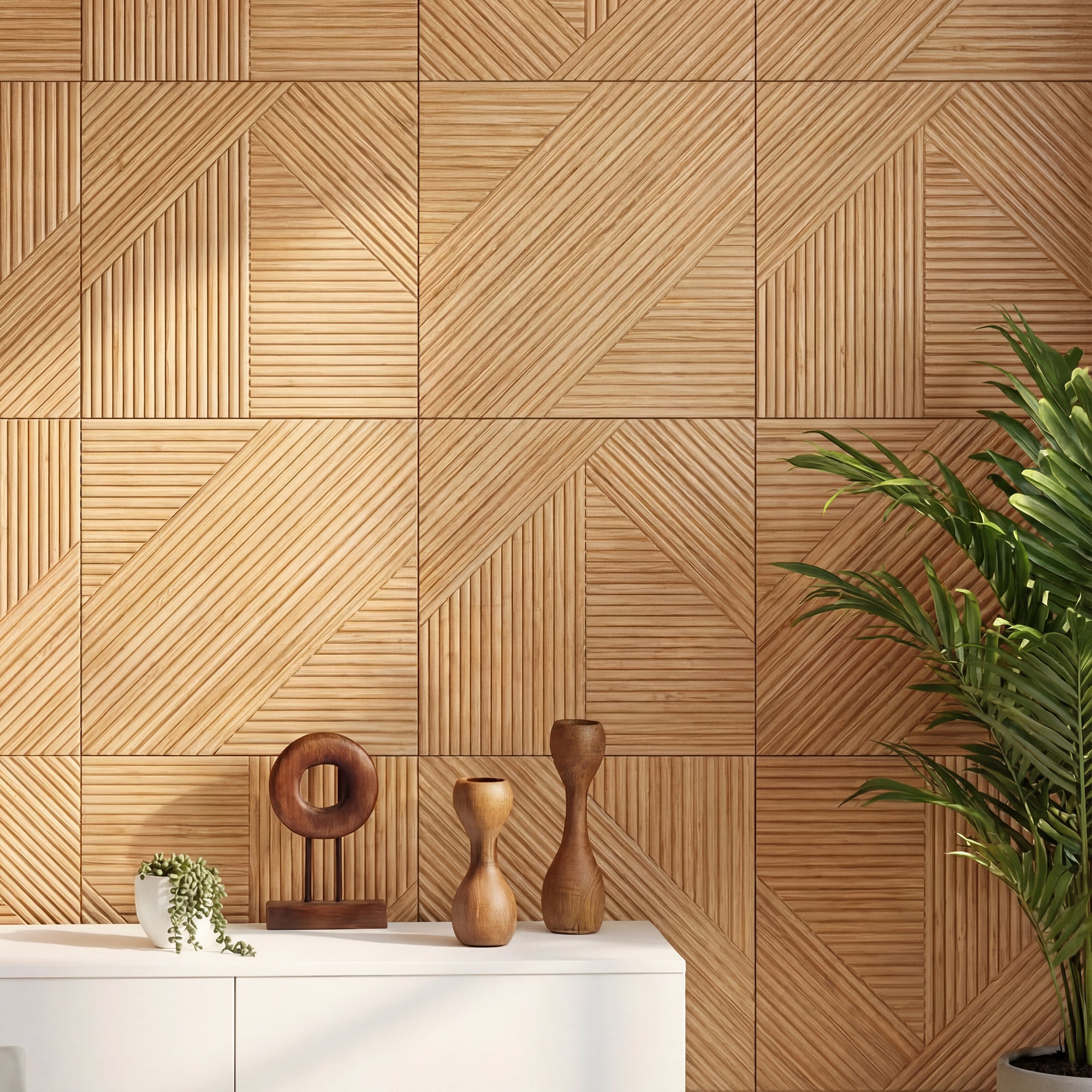
    Crossing lines wall panels are solid wood panels with a grid of intersecting horizontal and vertical grooves machined into the panel face. The grooves create a lattice pattern — a series of recessed shadow lines that divide the panel face into a regular grid of raised wood squares or rectangles.

    The result is a wall surface with architectural precision and natural material warmth simultaneously — the regularity of the grid pattern reads as designed and controlled, while the solid wood grain beneath gives the surface genuine organic character. It is one of the few wall treatments that manages to feel both modern and timeless at once.

    The GroovePanel® Crossing Lines panel at The Panel Hub is machined from 100% solid wood throughout — meaning the grain runs continuously through the groove edge, not ending at a veneer boundary. This makes the groove geometry sharper, more permanent, and more visually coherent than veneer-faced equivalents.

    Why Crossing Lines Patterns Are Dominant in 2026

    Why Crossing Lines Patterns Are Dominant in 2026
    Photo by Katerina on Unsplash

    The Shift Away from Plain Surfaces

    The last decade of interior design was characterised by a move toward minimal, unadorned surfaces — white walls, smooth plaster, no mouldings. That aesthetic created a problem it was supposed to solve: rooms that felt cold, hard, and characterless. The correction has been arriving gradually since around 2022, and by 2026 it is well established: designers and homeowners are returning to surface texture, natural materials, and architectural detail — but with restraint and geometric discipline rather than the ornamental excess of previous decorative periods.

    Crossing lines panels sit perfectly in this moment. They provide visual texture and depth without ornament. The pattern is geometric — not floral, not figurative, not period-specific — which means it reads as contemporary regardless of the broader design context.

    Compatibility with Dominant Design Languages

    Crossing lines patterns are exceptionally compatible with the design languages currently dominant in residential interiors:

    • Japandi: The grid pattern echoes the shoji screen geometry and tatami mat proportions of Japanese design — translated into a Western material (solid oak or walnut) and a Western scale (full wall panels rather than sliding partitions)
    • Contemporary minimalism: The grid provides texture without pattern in the conventional sense — there is no motif, only structure, which suits rooms where the goal is material quality over decorative complexity
    • Transitional: The crossing lines pattern reads as neither specifically traditional nor specifically modern, which makes it an effective choice in transitional interiors that combine period architectural elements with contemporary furniture

    Lighting Performance

    Crossing lines panels respond exceptionally well to the directional and layered lighting approaches that have become standard in well-designed residential interiors. Under recessed downlights positioned 300–400mm from the wall face, the shadow in each groove deepens and the grid pattern reads with strong contrast. As natural light changes through the day, the shadow depth shifts and the wall surface appears different at different times — a quality that flat surfaces simply cannot offer.

    Design Applications

    Design Applications
    Photo by Phước Sang on Unsplash

    The Living Room Sofa Wall

    The sofa wall is the most viewed surface in most living rooms — the wall you face when seated. A wooden panel wall here creates a backdrop that anchors the seating group and gives the room a clear focal point without competing with art, accessories, or furniture. The grid pattern works particularly well behind sofas with clean rectangular lines — the angular geometry of the panel pattern and the sofa silhouette reinforce each other.

    Bedroom Headboard Wall

    A crossing lines panel wall behind the bed provides architectural structure without the visual weight of a heavy headboard piece. The grid geometry creates a calm, ordered backdrop — appropriate for a sleeping environment where visual complexity can feel agitating. In fine-scale configurations (tight grid spacing, shallow grooves), crossing lines panels are among the most restful wall treatments available for bedrooms.

    Home Office Feature Wall

    Behind a desk, a crossing lines panel wall reads on video calls as intentional, design-conscious, and professional — a substantial improvement over a plain painted wall or a cluttered bookshelf. The grid pattern photographs well and does not distract from the person in the foreground. It also improves the physical experience of working in the room by adding material warmth and visual interest to a surface that would otherwise be visually inert.

    Hallway and Staircase

    Long walls — hallways, staircase runs, landing walls — benefit from the repeating rhythm of a crossing lines pattern. The grid provides visual punctuation along surfaces that would otherwise feel monotonous, and the shadow lines create depth in spaces that often have limited natural light. Our hallway panelling guide covers this application in full.

    Scale and Proportion: Getting the Grid Right

    The scale of the crossing lines grid should be proportional to the room size and ceiling height:

    • Small rooms and low ceilings: A tighter grid — smaller squares, narrower groove spacing — reads as refined texture rather than bold pattern. This avoids the grid feeling oversized relative to the room.
    • Large rooms and tall ceilings: A wider grid — larger raised sections between grooves — can breathe at scale and creates strong shadow lines visible from across the room.
    • Medium rooms: A medium-scale grid with 80–120mm raised squares between grooves is the most versatile specification — it reads well at close range and from a distance, in most ceiling heights and room volumes.

    Crossing Lines vs Other Groove Patterns

    Crossing lines is one of several groove configurations available in the GroovePanel® range. By comparison:

    • Crossing Lines vs Concentric Squares: Crossing lines creates an even, all-over texture; concentric squares creates a focal-point pattern that radiates from the panel centre. Crossing lines suits walls where an even, non-directional texture is preferred; concentric squares suits walls where a specific visual focal point is desired. See our Concentric Squares guide.
    • Crossing Lines vs 3D Relief: Crossing lines creates shadow through groove depth; 3D relief creates shadow through physical projection from the wall plane. Crossing lines is more versatile across lighting conditions; 3D relief performs more dramatically under directional light.

    Our geometric wood panel pattern guide covers the complete range with room-by-room recommendations.

    Browse Crossing Lines Wall Panels

    The GroovePanel® collection includes Crossing Lines panels alongside the 3D Geometric Pattern panel and other formats, all in multiple wood species and groove configurations — all 100% solid wood, FSC® and EPD certified, with factory-direct pricing and free US delivery. Order a sample to see the grid scale, groove depth, and grain quality before committing to a full wall installation.

  • Geometric Wood Wall Panels: Design Guide

    Geometric Wood Wall Panels: Design Guide

    What Are Geometric Wood Wall Panels?

    Geometric wood wall panels are solid or engineered wood panels with precision-cut patterns — grid lines, concentric shapes, 3D relief, or interlocking angular forms — that create visual depth and rhythm on a flat wall surface. Unlike plain slat panels that rely on linear spacing for texture, geometric panels use the panel face itself as a design canvas, with grooves and relief work that cast shadows and shift in appearance as the light changes throughout the day.

    The result is a wall that does more than fill space. At The Panel Hub, our GroovePanel® geometric wood wall panels are crafted from 100% solid wood throughout — no MDF core, no veneer face — so the same natural grain runs across the face, the cut edge, and the back of every panel.

    The Main Types of Geometric Wood Panel Patterns

    Crossing Lines

    Crossing lines geometric wood wall panel in walnut

    Horizontal and vertical grooves intersect to create a grid or lattice pattern across the panel face. The depth and width of the grooves determine how bold or subtle the effect appears. Shallow, narrow cuts read as refined texture; deeper, wider cuts produce strong shadow lines that read as deliberate pattern even from across a room. Crossing lines patterns suit modern, minimalist, and Japandi-influenced interiors where geometric precision is part of the design language.

    Concentric Squares

    Concentric square 3D geometric wood wall panel

    Grooves cut in a series of nested squares — each progressively smaller, one inside the last — create a radiating, architectural motif on the panel surface. Concentric square panels carry a mid-century modern sensibility but work equally well in contemporary spaces. Installed across multiple panels, the pattern can align panel-to-panel for a continuous repeating motif, or stagger deliberately for a more relaxed, broken-grid effect.

    3D Relief Panels

    3D relief geometric wood wall panel

    Relief panels use the panel thickness itself to create dimensional geometry — stepped profiles, angular facets, or raised elements that project from the wall surface. These panels respond dramatically to light: under directional downlights or raking wall-wash fixtures, the shadow cast by each relief element becomes part of the design. In flat or diffuse light, the same panel reads more quietly. 3D relief is the most dramatic of the geometric categories and works best as a singular feature wall rather than a room-wide application. The 3D Geometric Pattern Wooden Panel is the most versatile entry point — a solid wood relief panel that delivers strong shadow definition without requiring the precise centring of a concentric square format.

    Diamond and Diagonal Patterns

    Diamond and diagonal walnut triangle geometric wood wall panel

    Diagonal groove lines or diamond-shaped relief elements introduce dynamic movement — the eye follows the diagonal rather than settling, which makes a room feel more energetic and less static. Diamond patterns suit statement walls in hallways, behind beds, and in commercial or hospitality environments where high visual impact is the primary goal.

    Where to Use Geometric Wood Panels

    Living Room Feature Wall

    The most common application is a single wall behind a sofa or within an alcove. Geometric panels work well here because the room’s main seating faces the wall directly, so the pattern is viewed from a consistent distance and angle. Crossing lines or concentric square patterns suit rooms with existing geometric elements in furniture or textiles. 3D relief panels suit rooms with good directional lighting already in place — or planned.

    Behind the Bed

    Geometric panels behind a bed function as an architectural headboard — framing the sleeping space without requiring a separate furniture piece. For bedrooms, subtler geometric patterns (shallow crossing lines, fine grid work) suit a calm environment better than bold 3D relief. Our bedroom wood wall panel guide covers placement and pattern selection in detail.

    Home Office

    Geometric panels behind a desk make an immediate impression on video calls without requiring art, accessories, or additional styling. A single panelled wall in a home office reads as intentional and professional — a designed space rather than a spare room. Crossing lines and grid patterns work particularly well in office contexts because the angular precision of the geometry reinforces a sense of focus and order.

    Hallway and Entrance

    Narrow hallways benefit from geometric panelling because the pattern provides visual interest in a space where there is little room for furniture or art. Running geometric panels at dado height (halfway up the wall) is a classical approach updated with modern precision-cut geometry rather than traditional raised-and-fielded panels. Our hallway wood panelling guide explores this further.

    Commercial and Hospitality Spaces

    Hotel lobbies, restaurant feature walls, boutique retail environments, and office reception areas are natural homes for geometric wood panels. The combination of natural wood warmth and geometric precision positions a brand as high-quality and considered. GroovePanel® is FSC® and EPD certified — relevant for commercial projects requiring sustainability credentials for LEED or BREEAM compliance.

    How to Choose the Right Geometric Panel for Your Room

    Match the Pattern to the Room’s Existing Design Language

    Geometric panels look best when the pattern language connects to something already present in the room. A space with grid-patterned textiles, rectangular furniture silhouettes, and straight architectural lines will carry crossing lines or concentric square panels naturally. A room with curved furniture and organic forms can still use geometric panels, but the panel should be the single geometric anchor rather than competing with other angular elements.

    Consider Scale Relative to Room Size

    Larger groove patterns and deeper relief elements suit larger rooms and taller ceilings where the scale of the pattern can breathe. In smaller rooms, fine-scale geometric patterns — tighter grid spacing, shallower groove depths — are more appropriate. An oversized geometric pattern in a small room can feel aggressive rather than designed.

    Plan Your Lighting First

    3D relief panels require directional light to perform properly. Before specifying them, confirm whether the wall receives raking daylight from a nearby window, or whether you can add directional downlighters or wall-wash fixtures above the panel. Crossing lines and concentric patterns are less light-dependent — they create pattern and visual interest in any light condition.

    Why Solid Wood Holds Geometric Cuts Better Than MDF Veneer

    For geometric panels with precision-cut grooves, core material matters significantly. MDF core panels with wood veneer faces can struggle to hold crisp groove edges over time — the MDF compresses slightly at cut edges, and thin veneer on the face can separate at groove lines with seasonal movement. 100% solid wood holds a precision cut permanently. The grain runs through the groove edge identically to the face — there is no veneer edge to separate or delaminate. Our MDF vs solid wood wall panel comparison covers this in full.

    Installation

    GroovePanel® geometric panels install with standard construction adhesive and finishing nails — no specialist tools required. Panel-to-panel pattern alignment is the key technique: on geometric panels with repeating patterns, how the pattern meets at panel joints determines whether the installation reads as one continuous surface or a series of segments. Full installation instructions are in our step-by-step wood panel installation guide.

    Geometric Wood Wall Panel FAQs

    What are geometric wall panels?

    Geometric wall panels are decorative panels cut or assembled into repeating shapes such as triangles, diamonds, chevrons, or layered 3D relief. They are used on feature and accent walls to add texture, depth, and a designed look that flat paint or wallpaper cannot achieve.

    Are geometric wood panels real wood?

    It depends on the maker. Many are printed vinyl or a thin veneer over MDF. The Panel Hub’s GroovePanel geometric range is 100% solid wood throughout, so the grain and tone are authentic on every surface and the cut edges stay crisp over time.

    Where should I use a geometric feature wall?

    They work best on a single feature wall rather than a whole room. Popular spots are behind a bed, behind a living-room sofa or TV, in an entryway, or on a client-facing office or reception wall.

    Are geometric panels hard to install?

    No, but they take a little more care than plain panels because the pattern needs to line up at each seam. Get the first panel level and aligned, then work across the wall. Most panels fix with a panel adhesive, with screws added for heavier solid-wood options.

    Browse Geometric Wood Wall Panels

    The GroovePanel® collection at The Panel Hub includes Crossing Lines, Concentric Squares, and 3D relief panels — all 100% solid wood, FSC® certified, with a 5-year warranty and factory-direct pricing. Free US shipping, 60-day returns, and 24/7 support if you need help choosing. Order a sample before committing to a full wall.

  • Grooved Wall Panels: What They Are, Why Designers Love Them, and How to Use Them

    Grooved Wall Panels: What They Are, Why Designers Love Them, and How to Use Them

    What Are Grooved Wall Panels?

    What Are Grooved Wall Panels?
    Photo by Heather Newsom on Unsplash

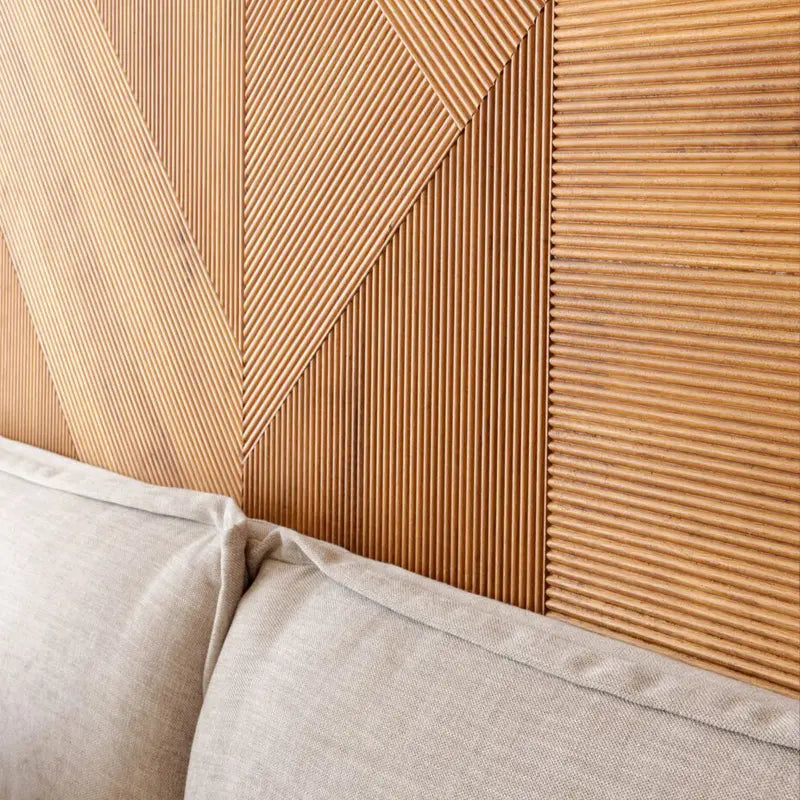
    Grooved wall panels are wood wall panels with deliberate channels — grooves — machined or routed into the panel face. The grooves can run in a single direction (vertical or horizontal), intersect in a grid, radiate outward in a concentric pattern, or form more complex geometric configurations depending on the panel design.

    The groove itself is doing two things simultaneously: creating a physical shadow line that adds depth to the wall, and defining a geometric pattern that gives the wall visual rhythm and organisation. The result is a wall surface that is more than a flat backdrop — it has its own architectural character.

    At The Panel Hub, our GroovePanel® collection is built around this principle. Every panel in the range is 100% solid wood throughout — no MDF core, no veneer face — with precision-machined grooves that hold their geometry permanently. The same grain that appears on the panel face runs through the groove edge and the panel back, because there is no veneer edge to separate or degrade over time.

    How Grooves Create Depth and Shadow

    How Grooves Create Depth and Shadow
    Photo by Heather Newsom on Unsplash

    The visual appeal of a grooved wall panel is directly tied to how light interacts with the groove geometry. A groove cut into a panel face creates a recessed shadow line — a darker band that contrasts with the lit surfaces on either side. As the light source changes through the day, the shadow depth and position shift, which means a grooved wall panel looks different in morning light, afternoon light, and under artificial evening lighting. The panel is not static.

    The depth and width of the groove determines how strong this effect is:

    • Shallow, narrow grooves (3–6mm deep): Create subtle texture — refined background detail that rewards close inspection without dominating the room from a distance. Best suited to rooms where the wall should provide warmth and interest without competing with furniture or art.
    • Deep, wide grooves (10–20mm deep): Create strong, hard shadow lines visible from across the room. These grooves read as bold architectural pattern and suit rooms where the wall is intended to be the primary visual statement.

    Groove direction adds another dimension. Vertical grooves extend the visual height of a room — the eye follows the groove lines upward. Horizontal grooves extend visual width. Intersecting grooves in a grid create even, balanced texture with no directional emphasis.

    Why Interior Designers Specify Grooved Panels

    Why Interior Designers Specify Grooved Panels
    Photo by l ch on Unsplash

    Material Authenticity

    Grooved panels in solid wood are a genuine material — real grain, real texture, real warmth. Designers working at the premium end of the residential and commercial market specify them because they introduce natural material quality that painted surfaces, wallpaper, and even most laminate finishes cannot replicate. The tactile quality of a grooved solid wood panel — the way the groove edge feels under a fingertip, the way the grain changes tone at the cut edge — is something that has to be experienced to be fully understood.

    Precision and Control

    Grooved panels give designers precise control over the visual character of a wall. The groove spacing, depth, direction, and pattern are all specified and consistent across every panel — unlike hand-finished or painted surfaces where the result depends on the skill of the tradesperson on the day. CNC-machined grooves are repeatable and exact. The panel-to-panel alignment on an installed wall reflects that precision.

    Versatility Across Design Styles

    Grooved panels sit comfortably across a wide range of interior design languages:

    • Japandi and Scandinavian: Fine-scale vertical grooves in pale oak or natural ash sit perfectly within the clean, material-honest aesthetic of Nordic-influenced interiors
    • Contemporary and minimalist: Intersecting grid grooves in a mid-tone wood create architectural texture without ornament
    • Mid-century modern: Concentric square grooves reference the geometric forms of 1950s and 60s design with a contemporary material execution
    • Transitional: Horizontal grooves in a warm walnut tone add character to transitional interiors without reading as period-specific

    Acoustic Contribution

    In rooms where sound quality matters — home offices, media rooms, dining rooms with hard floor surfaces — grooved panels contribute a small but measurable acoustic benefit. The grooves break up the flat reflective surface of the wall, introducing surface irregularity that diffuses rather than reflects sound. For more significant acoustic treatment, dedicated acoustic slat panels with felt backing are the appropriate specification — our SoundPanel® collection is designed specifically for this purpose.

    Where to Use Grooved Wall Panels

    Feature Walls and Focal Points

    The most common application — a single grooved panel wall as the primary focal point of a room. Living room sofa walls, bedroom headboard walls, and home office backdrop walls are the most frequent choices. A single well-executed grooved panel feature wall transforms the quality of a room in a way that few other interventions can achieve for equivalent cost and effort.

    Full-Room Applications

    In smaller rooms — walk-in wardrobes, studies, powder rooms — wrapping all four walls in a fine-scale grooved panel creates a cohesive, immersive material environment. The groove pattern unifies the space and eliminates the need for any other wall treatment or decoration. This approach requires precise panel-to-panel planning to ensure the groove pattern reads continuously at internal corners.

    Alcoves and Recesses

    Grooved panels used to line alcoves, recesses, or the interior of shelving units create a premium material backdrop that elevates the objects displayed against it. Books, objects, and plants all look better against a grooved wood surface than against painted plaster.

    Commercial and Hospitality Spaces

    Hotel reception walls, restaurant feature walls, office boardrooms, and boutique retail environments regularly specify grooved wood panels because the material quality and geometric precision signals investment and attention to detail. GroovePanel® FSC® and EPD certification means these panels meet sustainability requirements for LEED, BREEAM, and other commercial green building frameworks.

    Choosing Between Groove Patterns

    The GroovePanel® collection includes three primary groove configurations:

    • Crossing Lines: Horizontal and vertical grooves intersect to create a grid. Even, balanced, works at any scale. See our Crossing Lines panel guide for specific design applications.
    • Concentric Squares: Nested squares machined into each panel face. Creates a radiating focal-point pattern. See our Concentric Squares guide for room-specific ideas.
    • 3D Relief: Stepped and faceted relief elements that create physical depth beyond a single groove plane. Requires directional lighting to perform at its best. The 3D Geometric Pattern panel is the most striking expression of this format in the GroovePanel® range.

    Our geometric wood panel guide covers the full range of patterns, their visual character, and which rooms suit each one.

    Browse the GroovePanel® Collection

    Explore the full GroovePanel® range at The Panel Hub — 100% solid wood, FSC® and EPD certified, with factory-direct pricing, free US shipping, a 5-year warranty, and 24/7 support. Order a sample to see the groove depth, grain quality, and shadow-play in your own space before committing to a full wall.