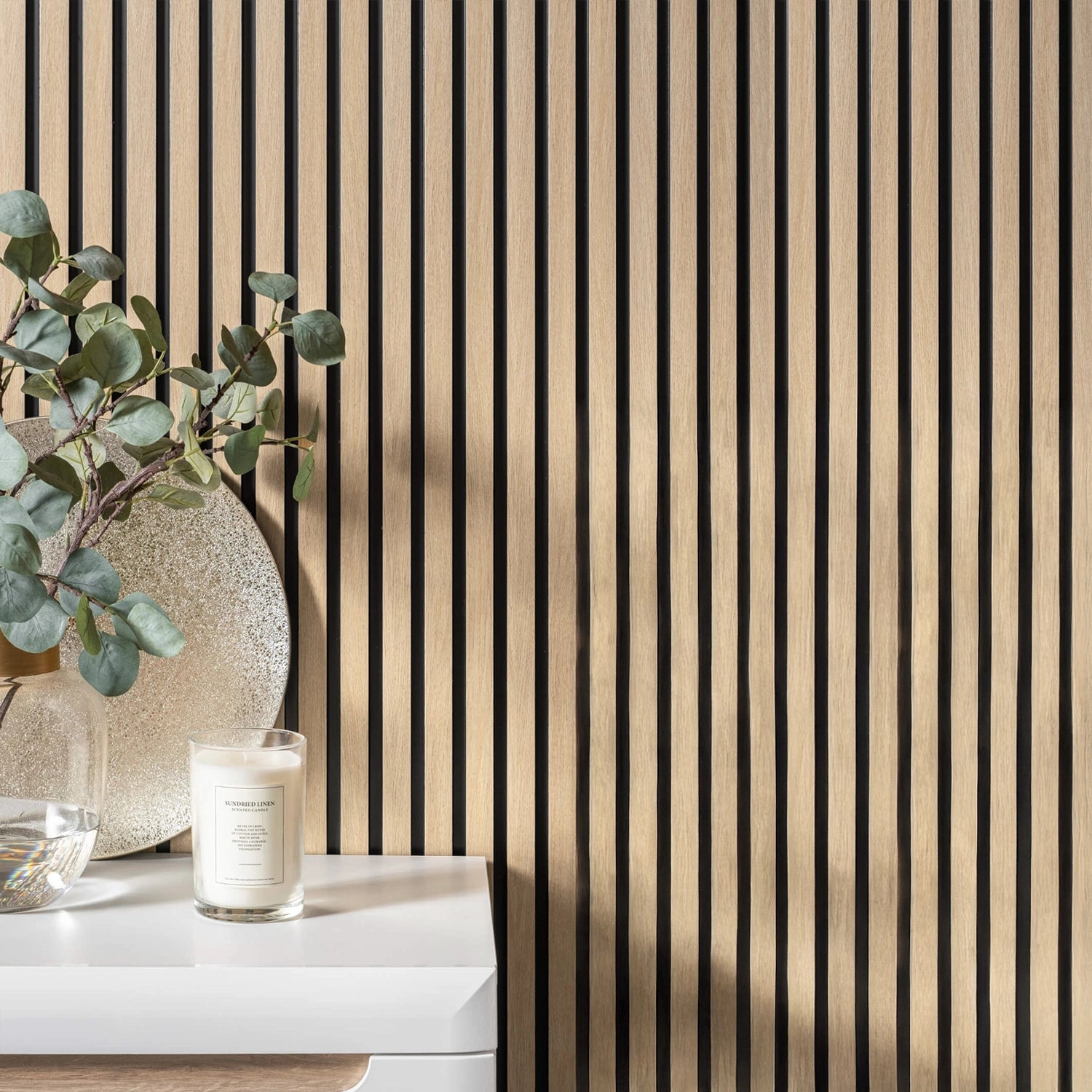
Tag: ideas

  • Wood Accent Wall Ideas: Transform Your Space with a Modern Touch

    Wood Accent Wall Ideas: Transform Your Space with a Modern Touch

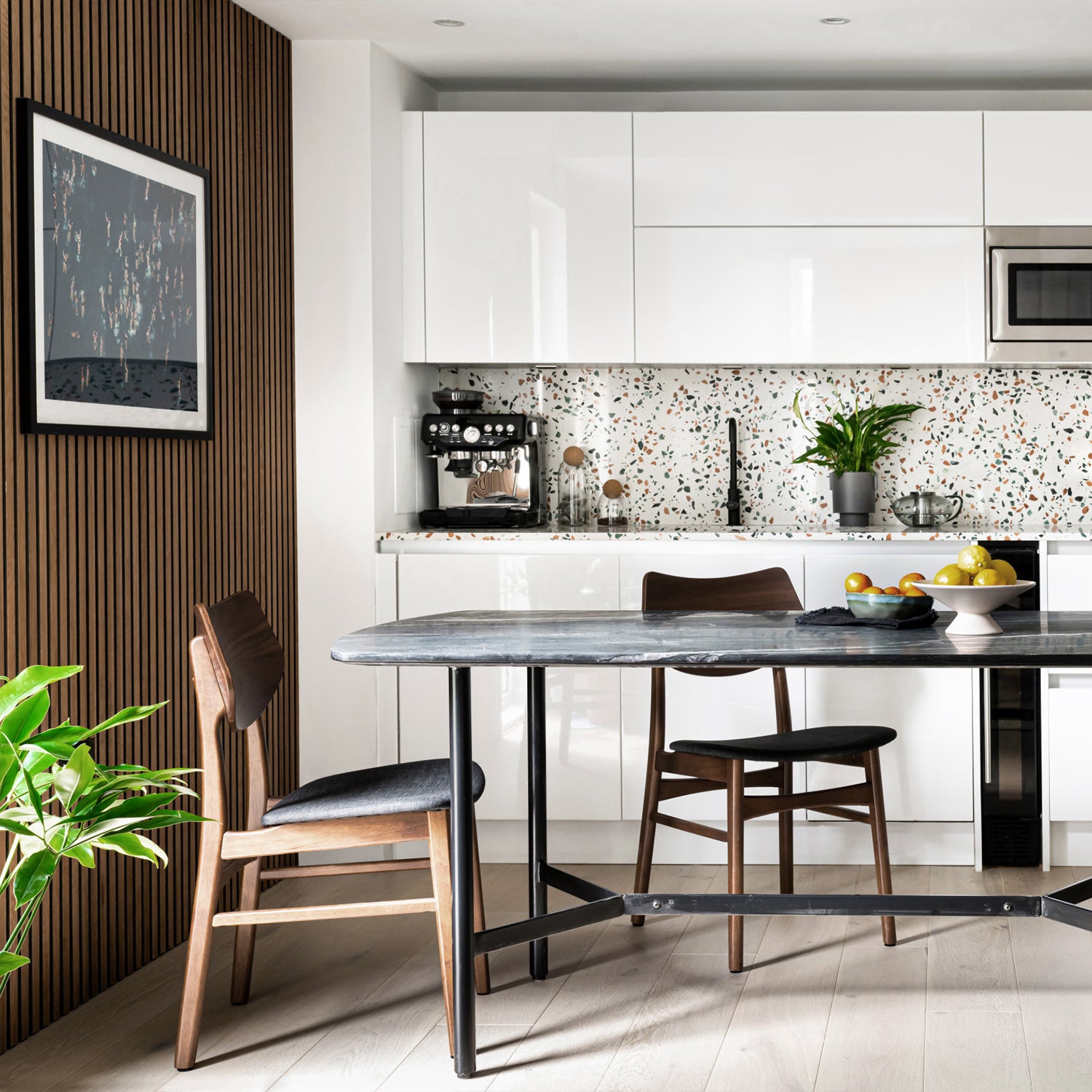
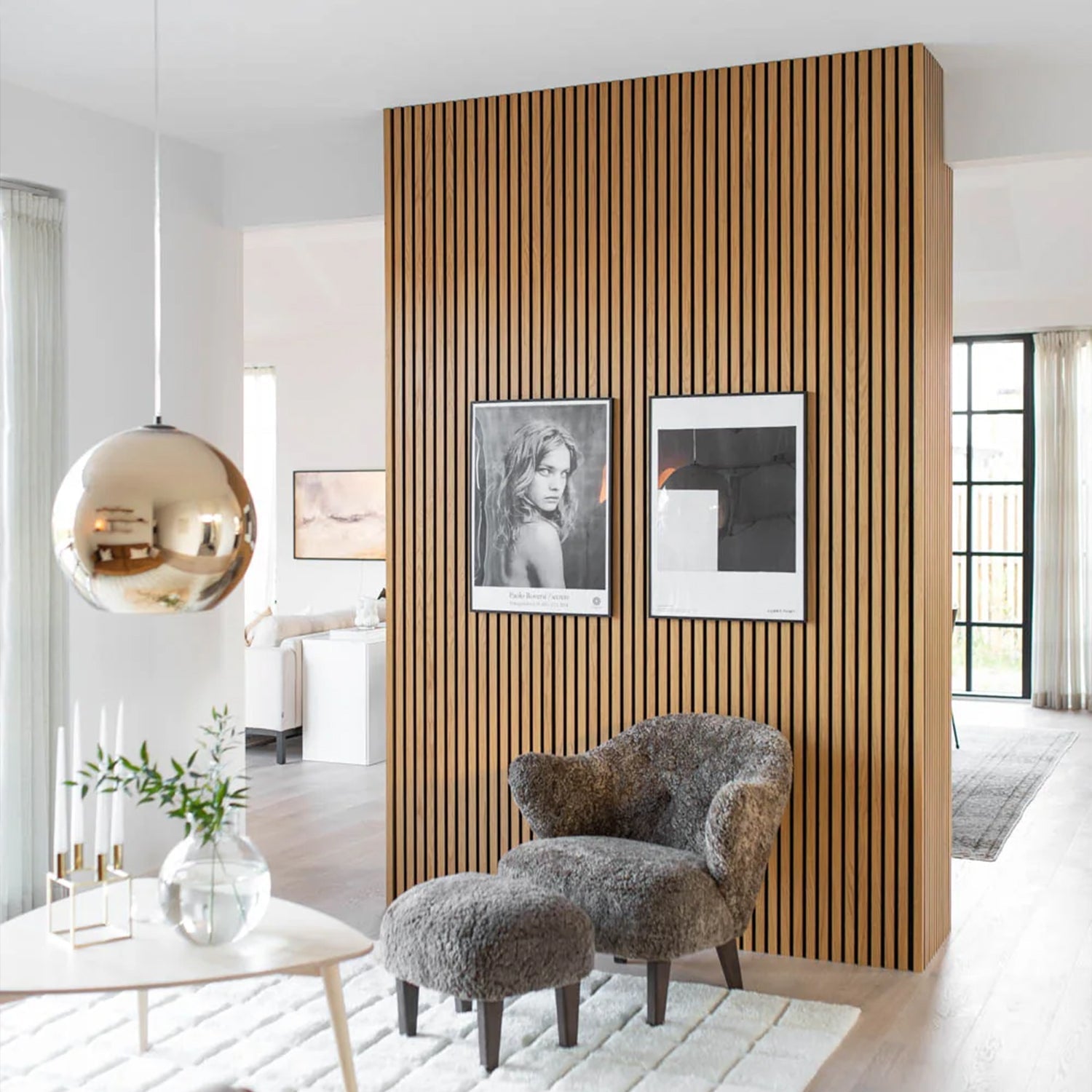
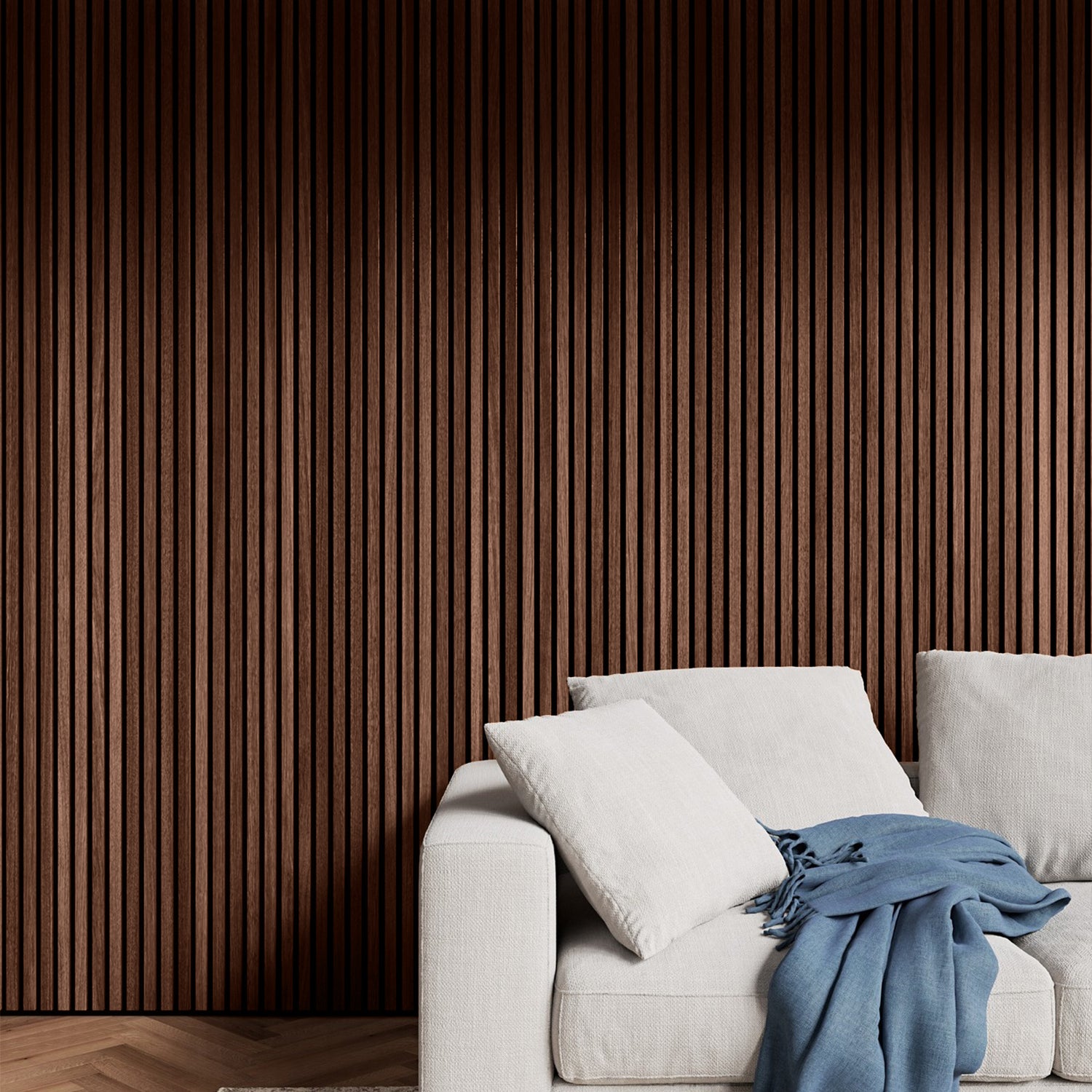
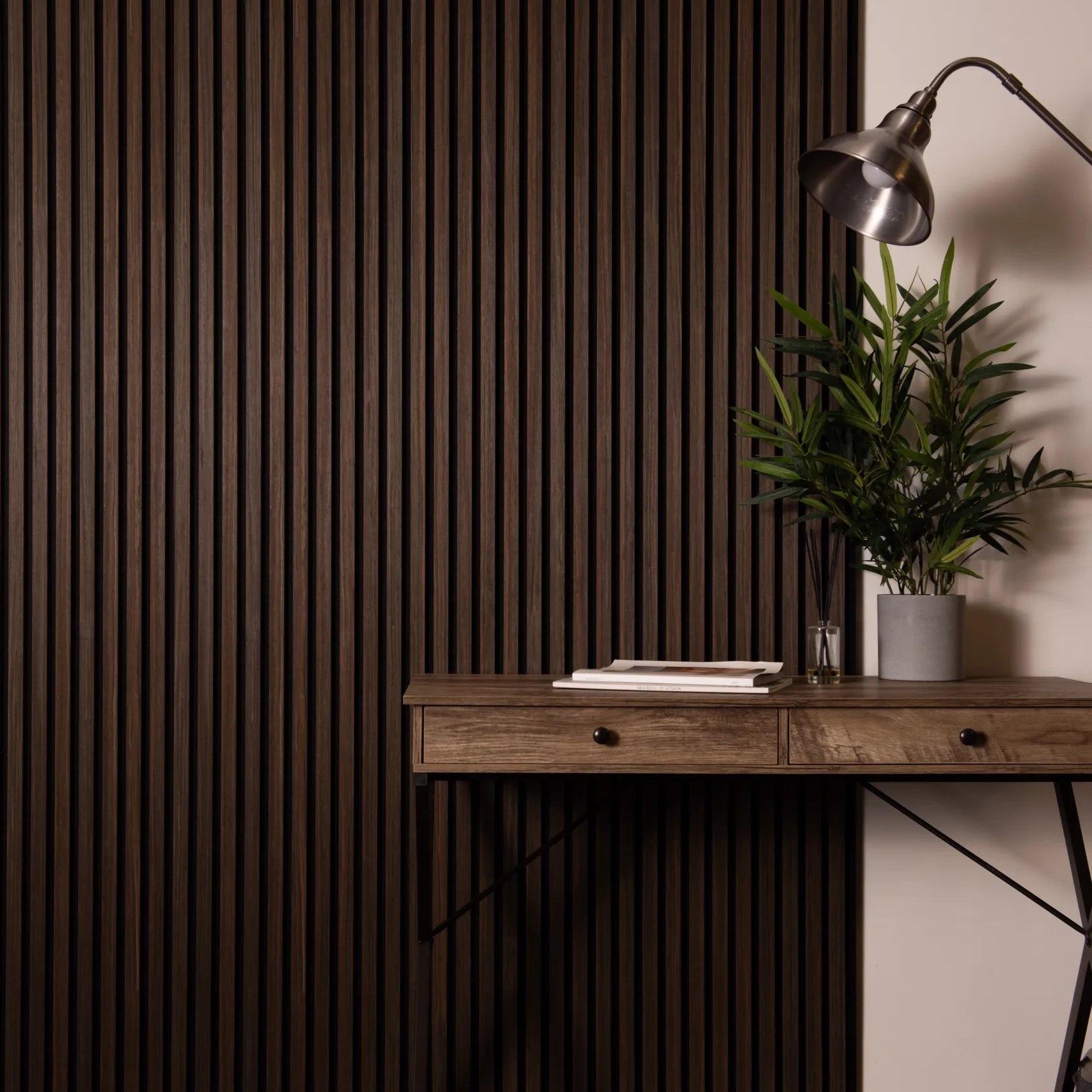
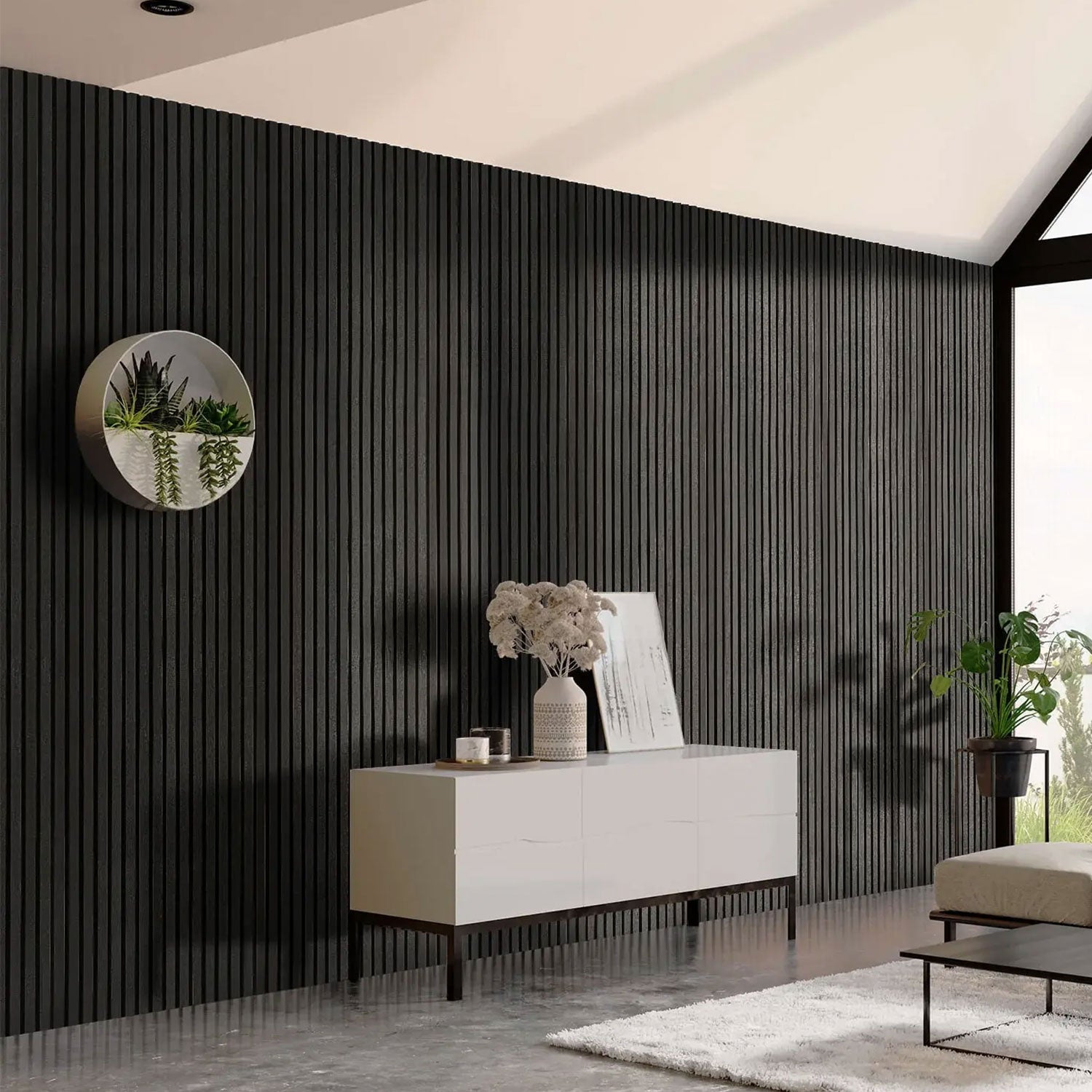
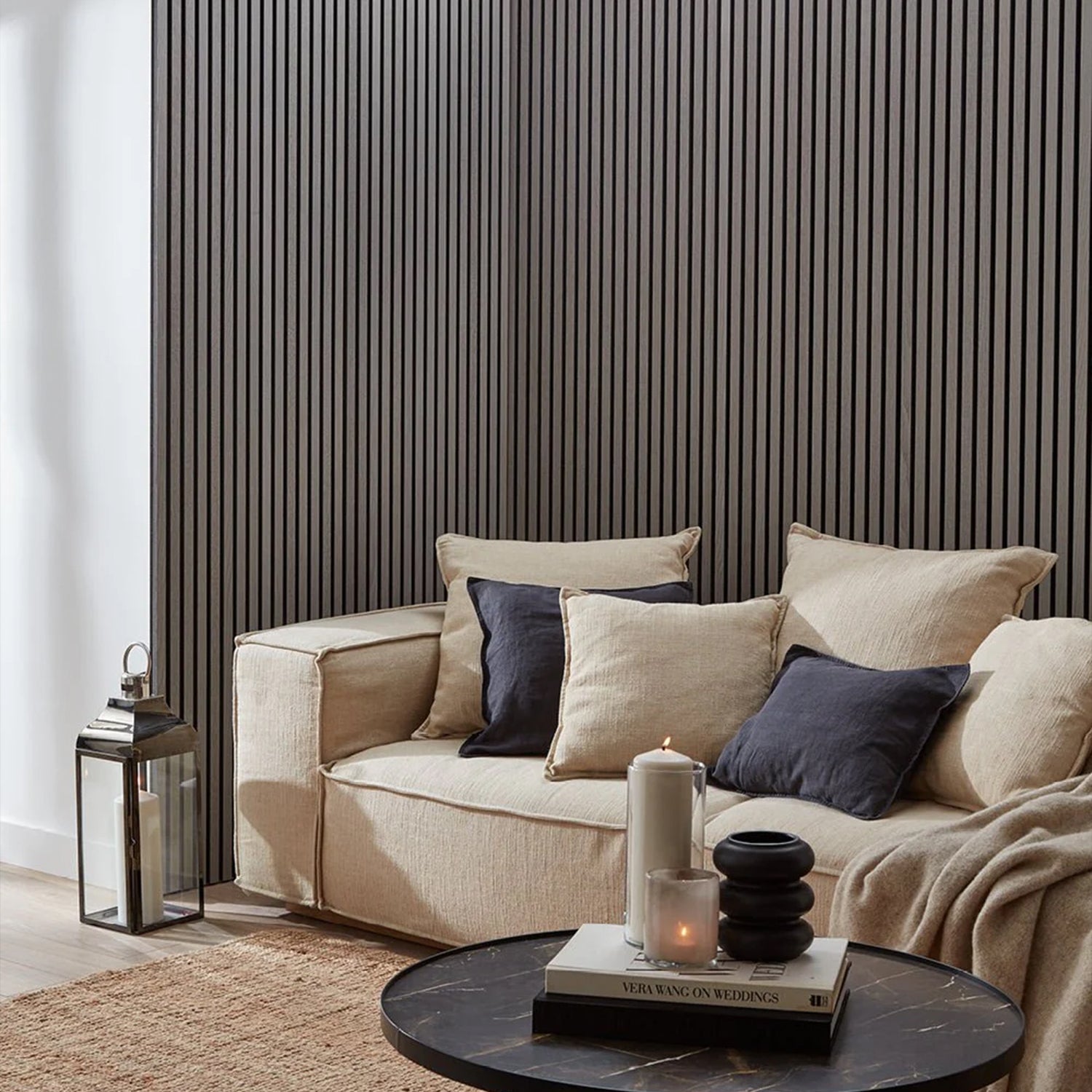
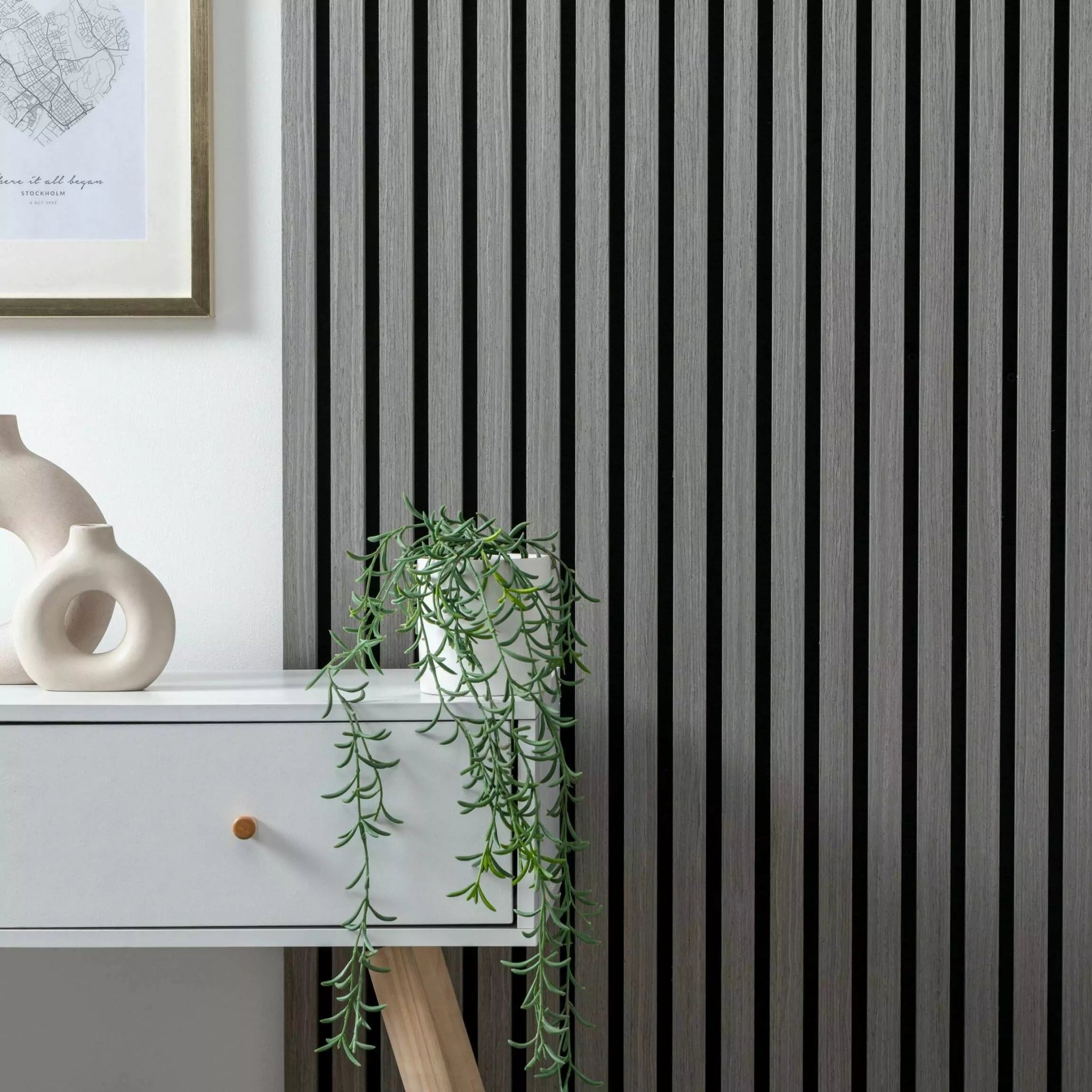
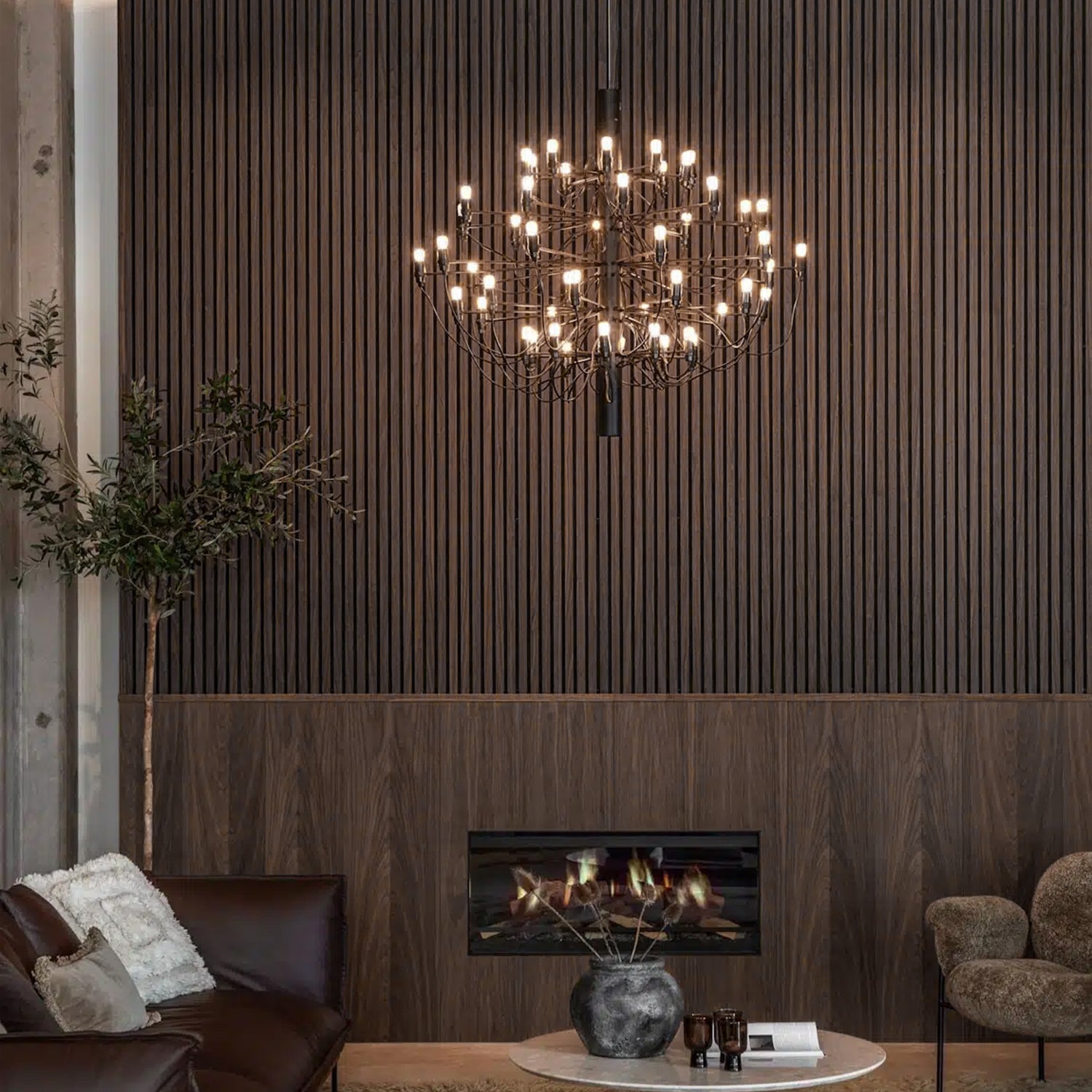
    A wood accent wall can instantly add warmth, texture, and elegance to any room. Whether you’re looking to create a focal point in your living room, enhance your bedroom with a cozy vibe, or make your hallway more inviting, a wooden accent wall can transform the atmosphere. With its versatility and timeless appeal, a modern wood accent wall is an easy way to elevate your interior design.

    In this guide, we will explore various wood accent wall ideas, design tips, and different styles of wooden accent walls to inspire your next home improvement project.

    Why a Wood Accent Wall is a Smart Design Choice

    A wood accent wall can completely transform a room by creating visual interest and enhancing the overall ambiance. Its natural texture adds depth, while its ability to complement any style makes it a perfect fit for modern, rustic, or contemporary spaces.

    Benefits of wood accent walls include:

    • Aesthetic appeal: A wooden accent wall brings sophistication and elegance to any space.

    • Warmth: Wood naturally adds warmth to rooms, making it perfect for spaces like bedrooms.

    • Sound insulation: A wood wall accent can help reduce noise, especially when placed in bedrooms or office spaces.

    • Customization: Wood can be stained, painted, or left natural, allowing for a variety of styles.


    Stunning Wood Accent Wall Ideas

    1. Wood Accent Wall Bedroom

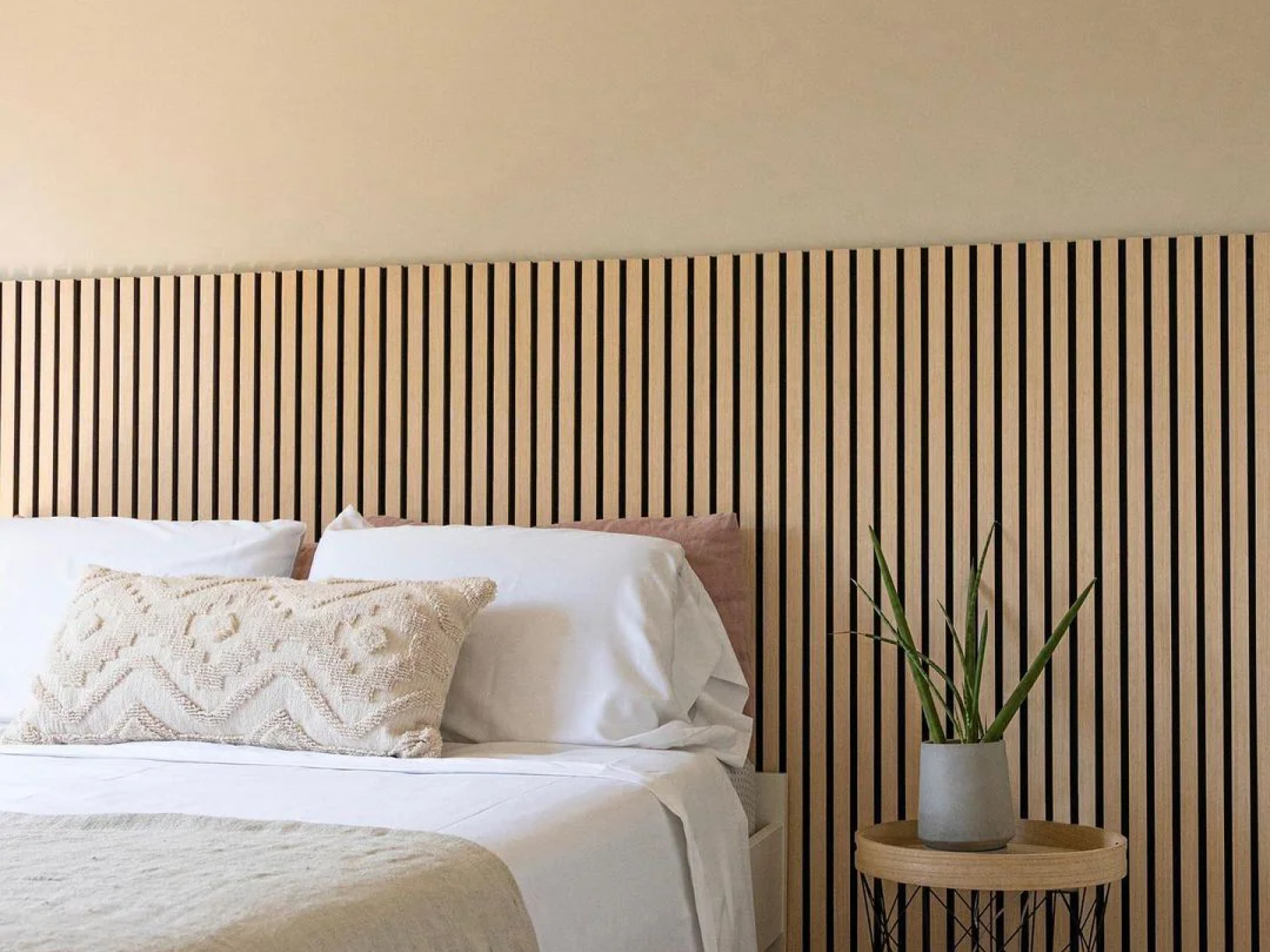
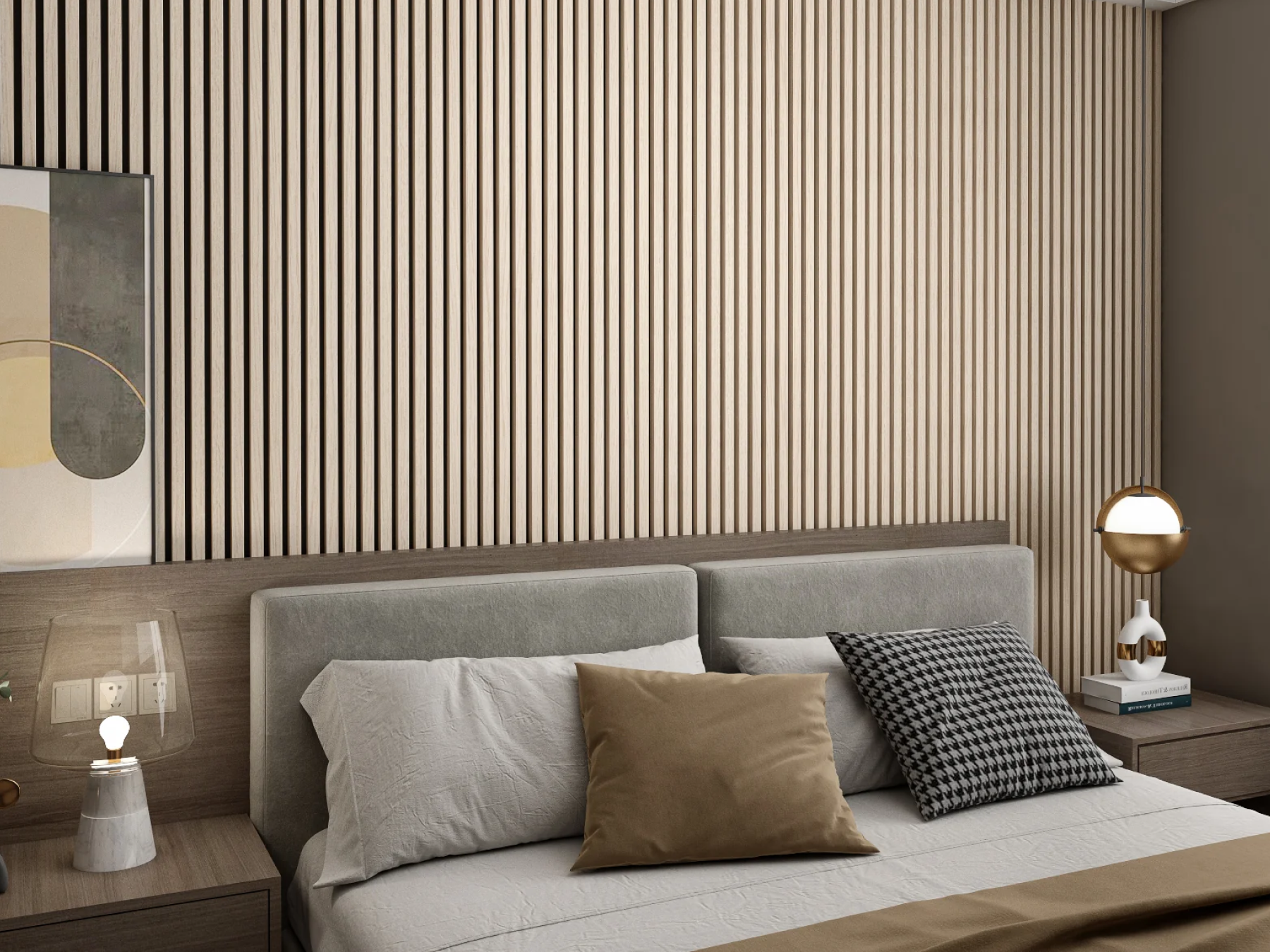
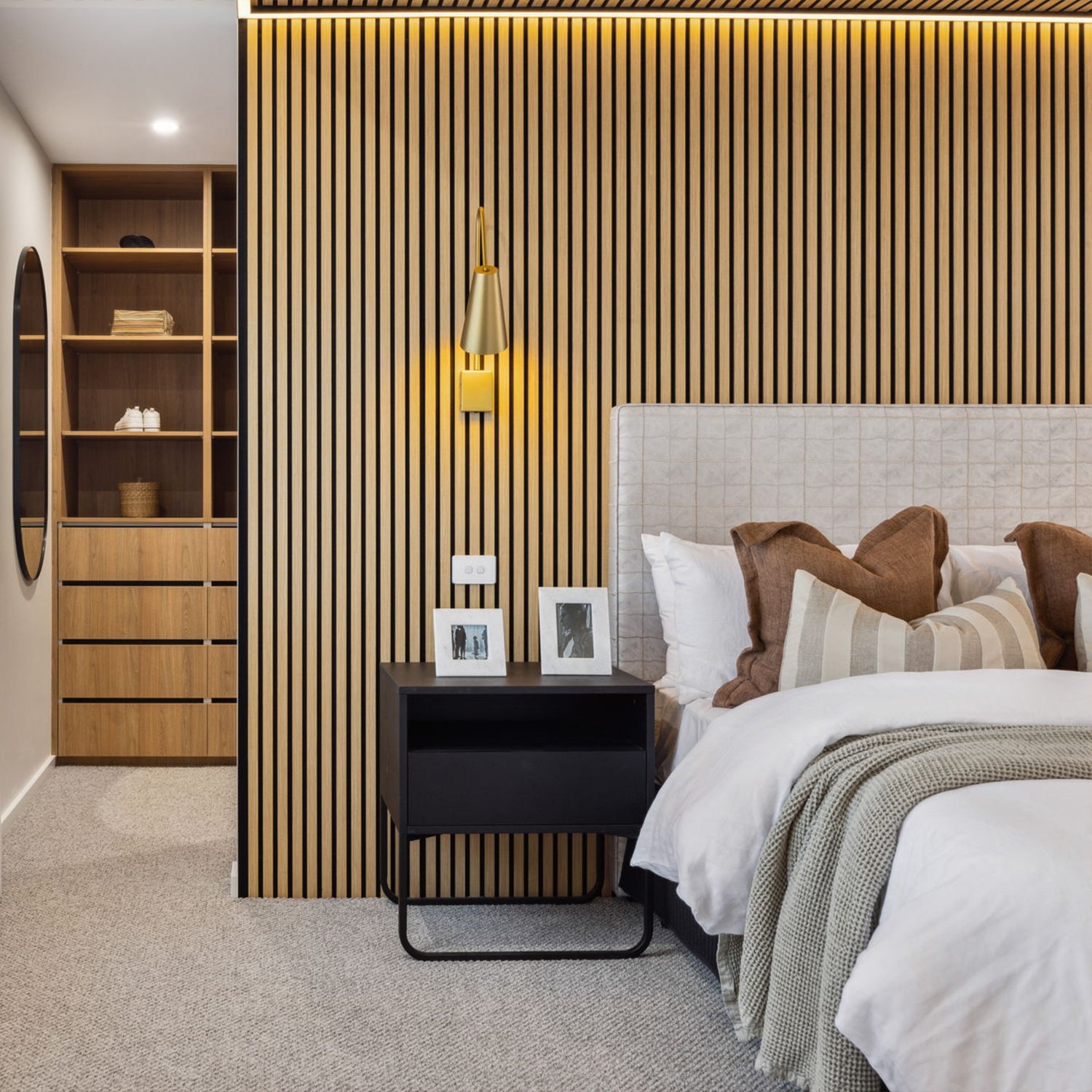
    One of the most popular ways to use a wood accent wall is in the bedroom. A wooden accent wall behind the bed creates a striking focal point, making the room feel cozy and inviting.

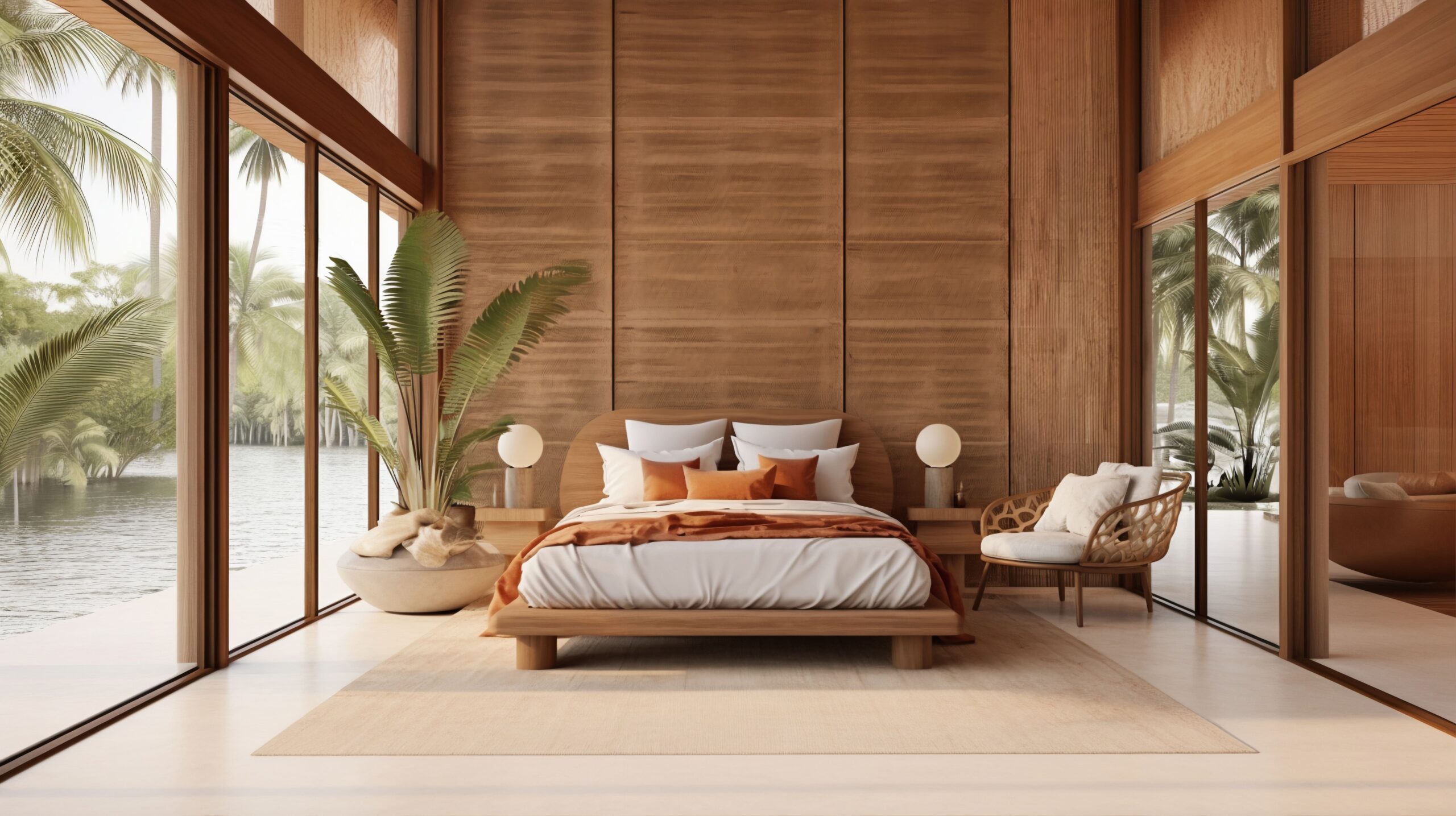
    Modern bedroom with a wooden accent wall, large windows offering a scenic view, and a cozy bed with warm-toned bedding and pillows

    Ideas for a wood accent wall bedroom:

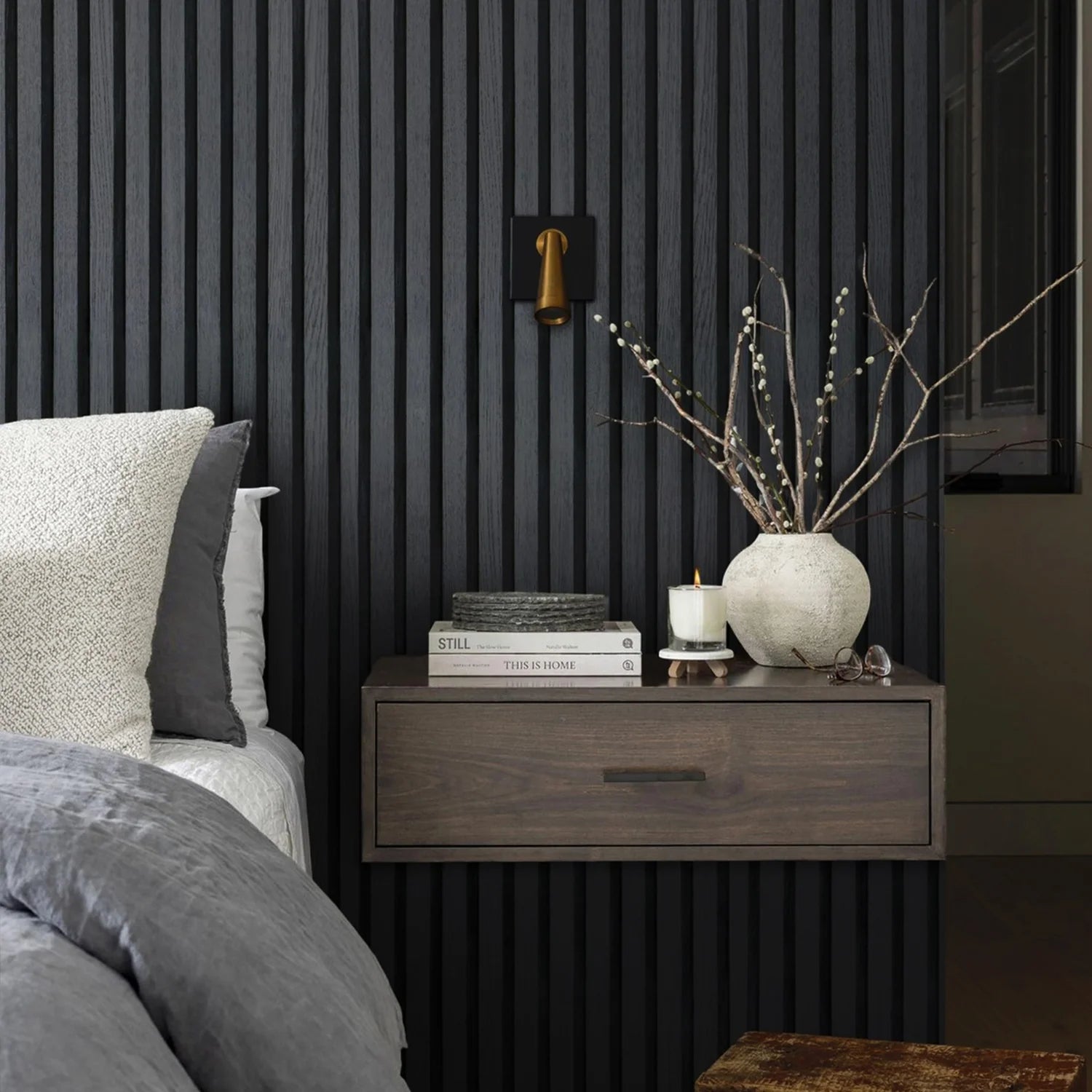
    • Behind the headboard: Use a rich, dark wood to create a luxurious and intimate setting.

    • Vertical slats: A modern take with vertical wood slats or boards adds height and sophistication.

    • Whitewashed wood: For a lighter, more airy look, opt for whitewashed or light oak wood to keep the room feeling open and bright.

    2. Modern Wood Accent Wall

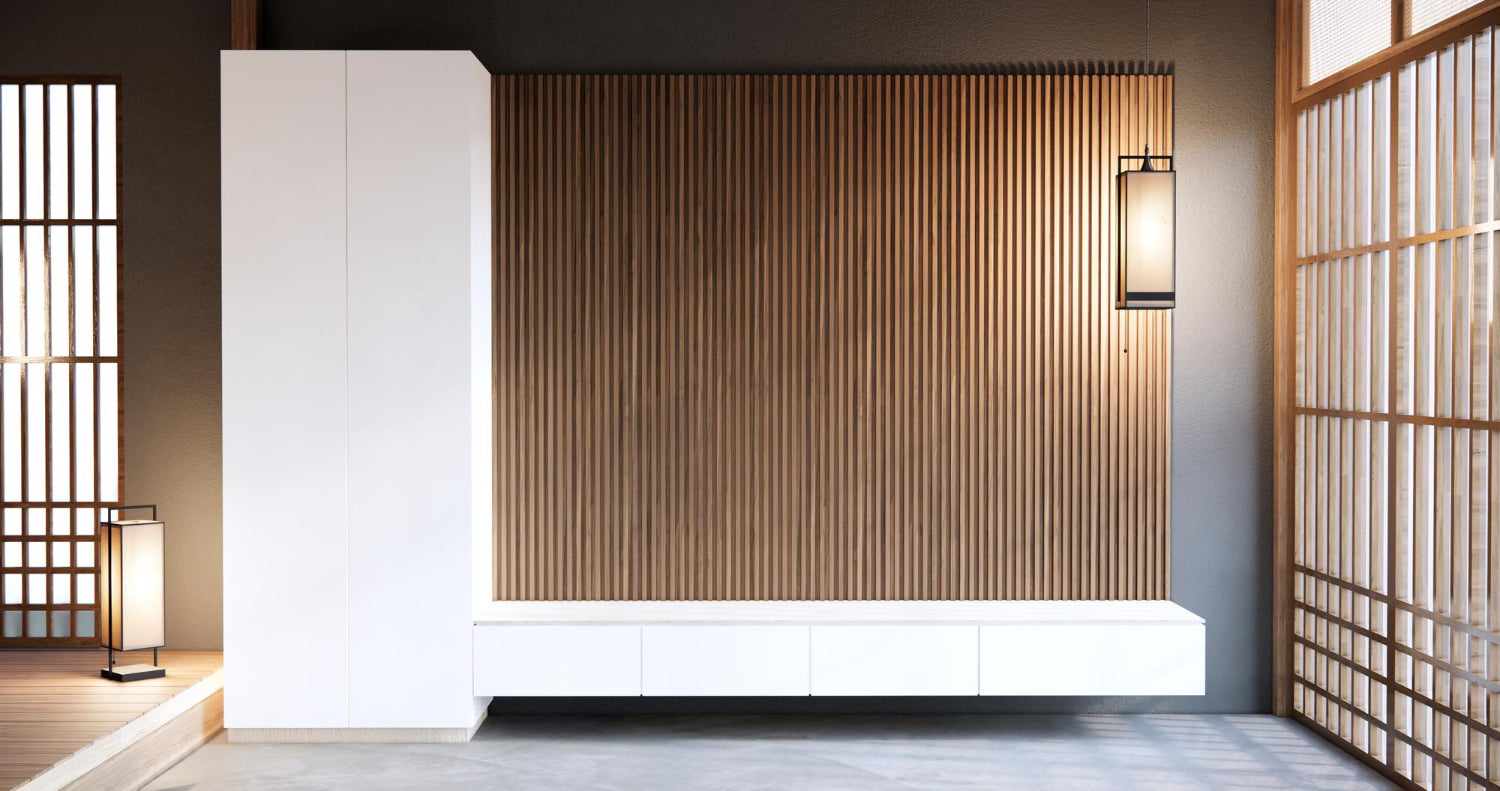
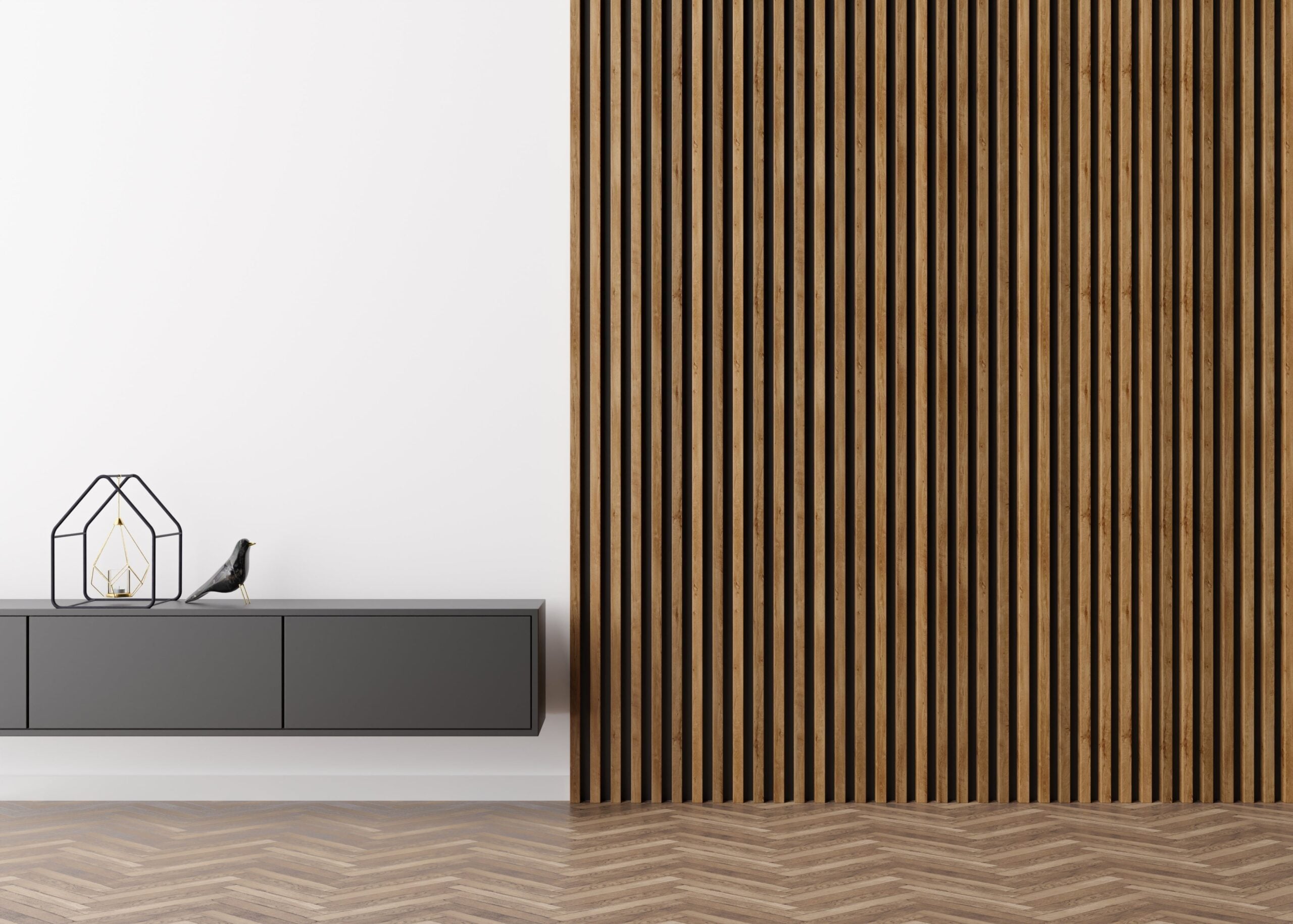
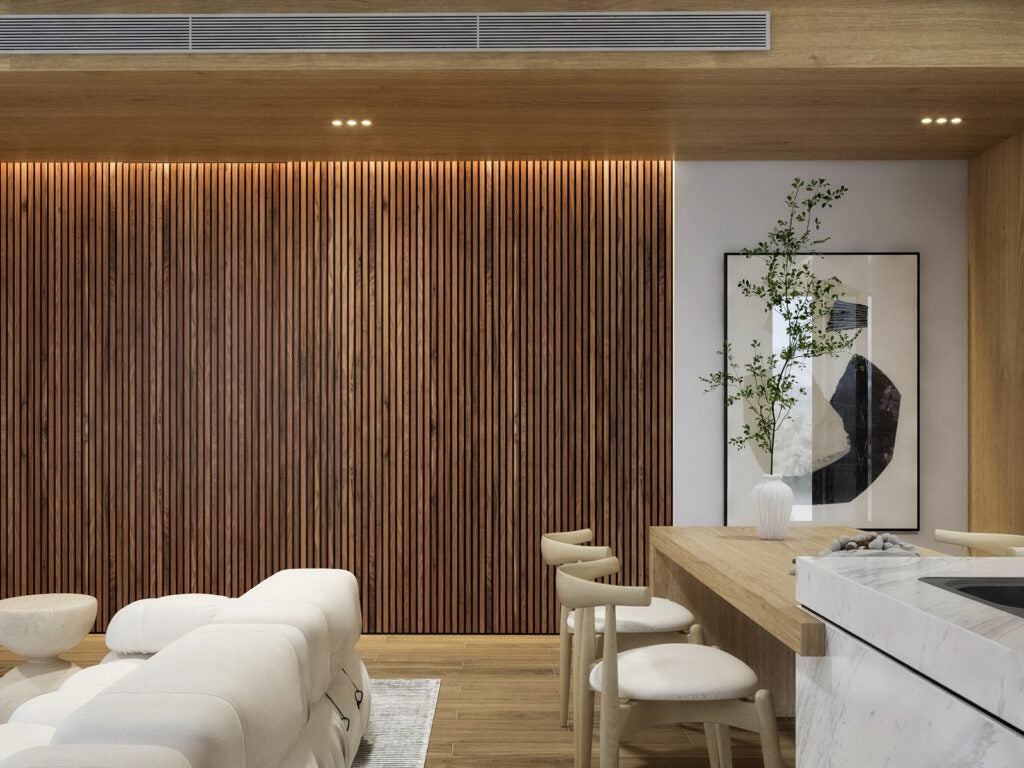
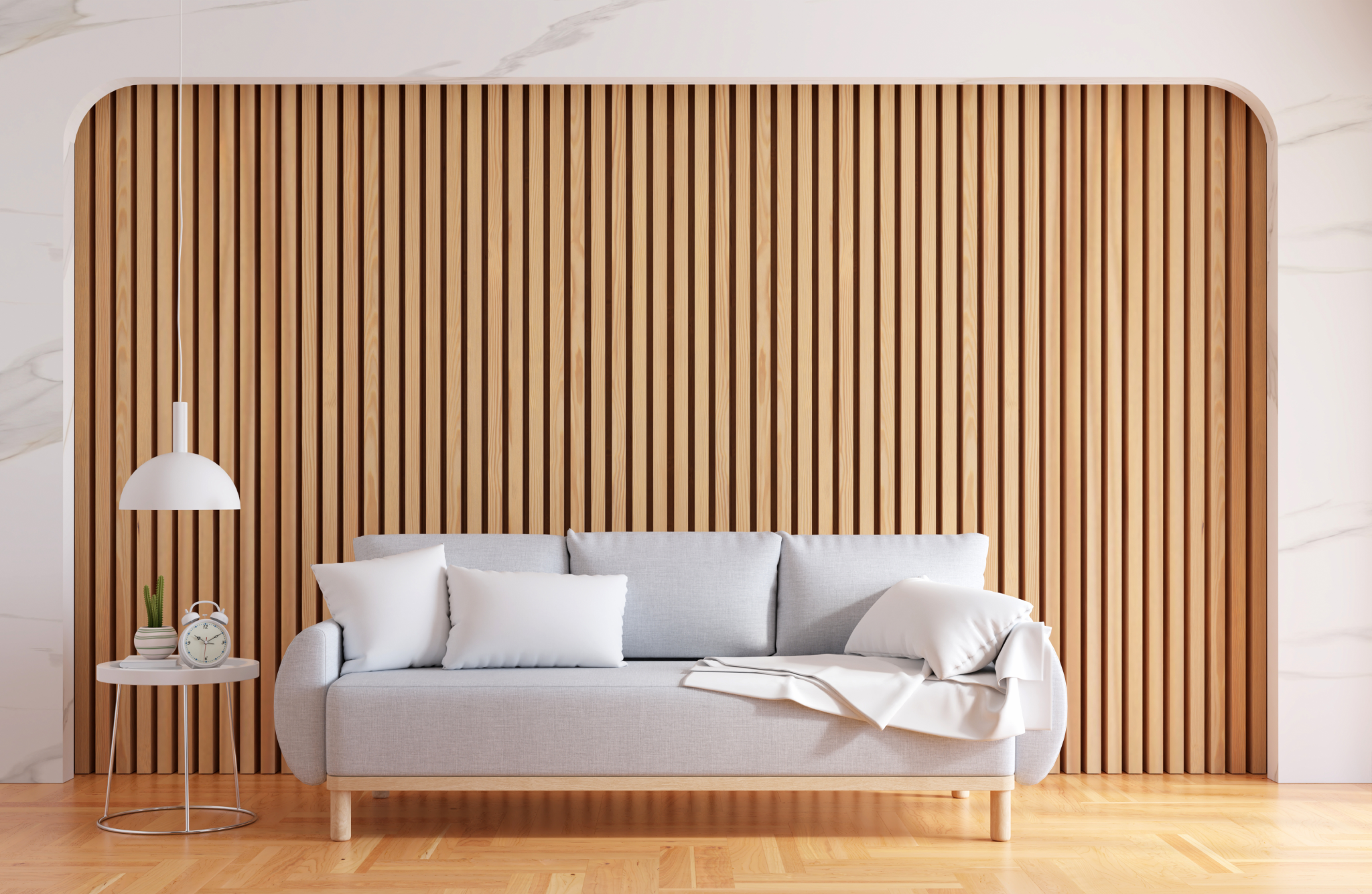
    For a modern wood accent wall, sleek lines, geometric patterns, and minimalist designs are key. A modern wood accent wall is not just about the material—it’s also about the design.

    Minimalistic interior featuring a wooden accent wall paired with white furniture and soft lighting.

    Ideas for a modern wood accent wall:

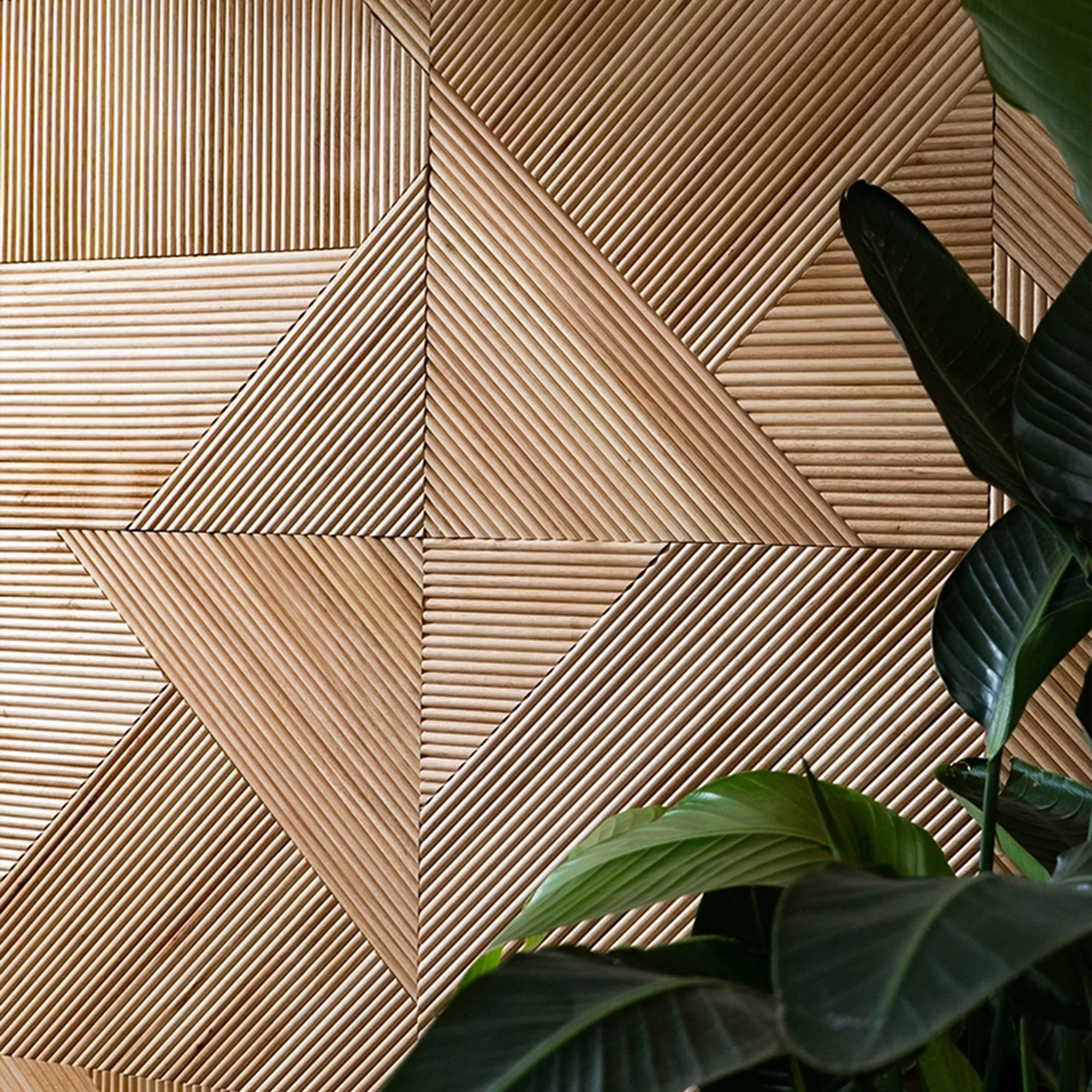
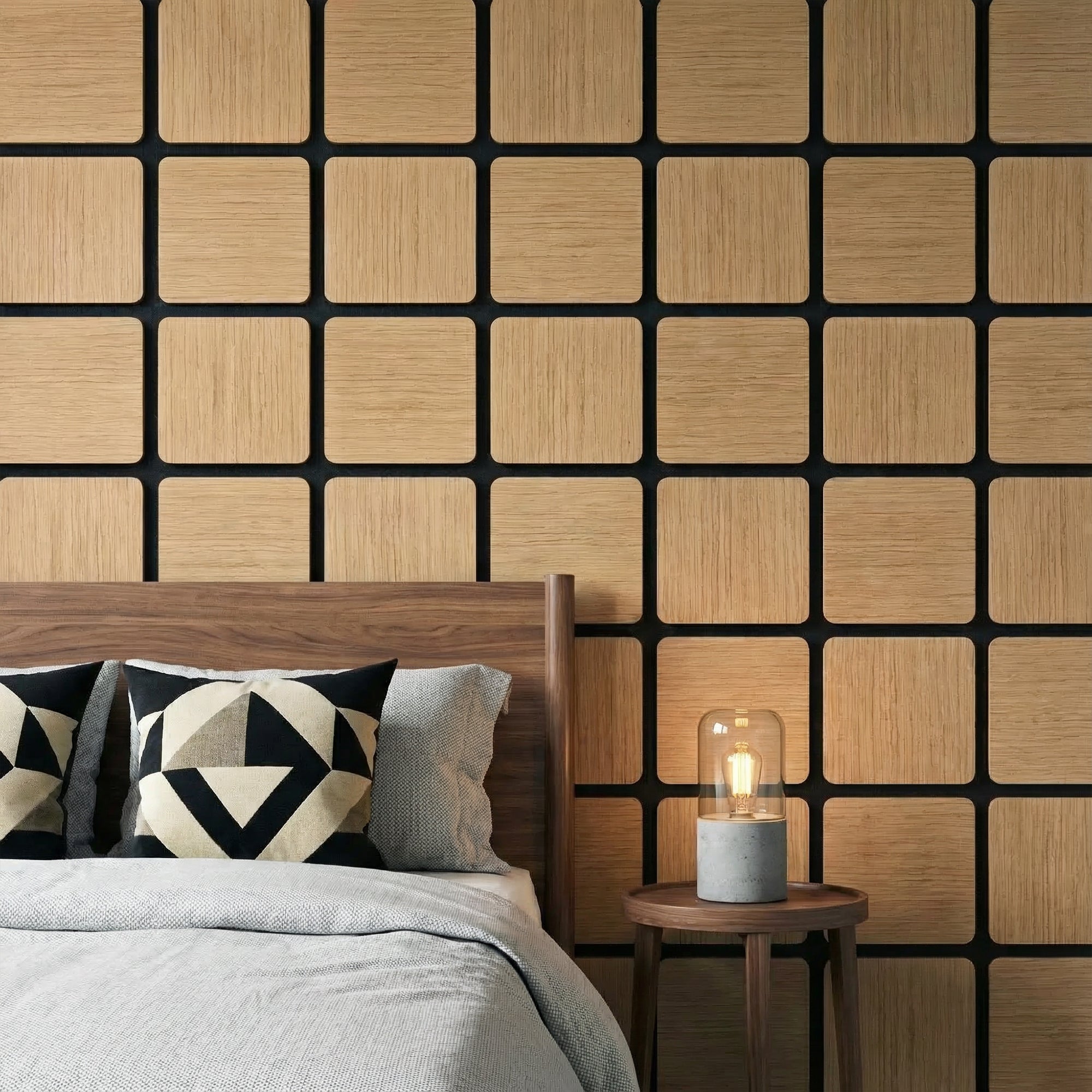
    • Geometric patterns: Combine square or triangular panels for an edgy and artistic look.

    • Natural finishes: Keep the wood in its natural state to highlight its grain and texture.

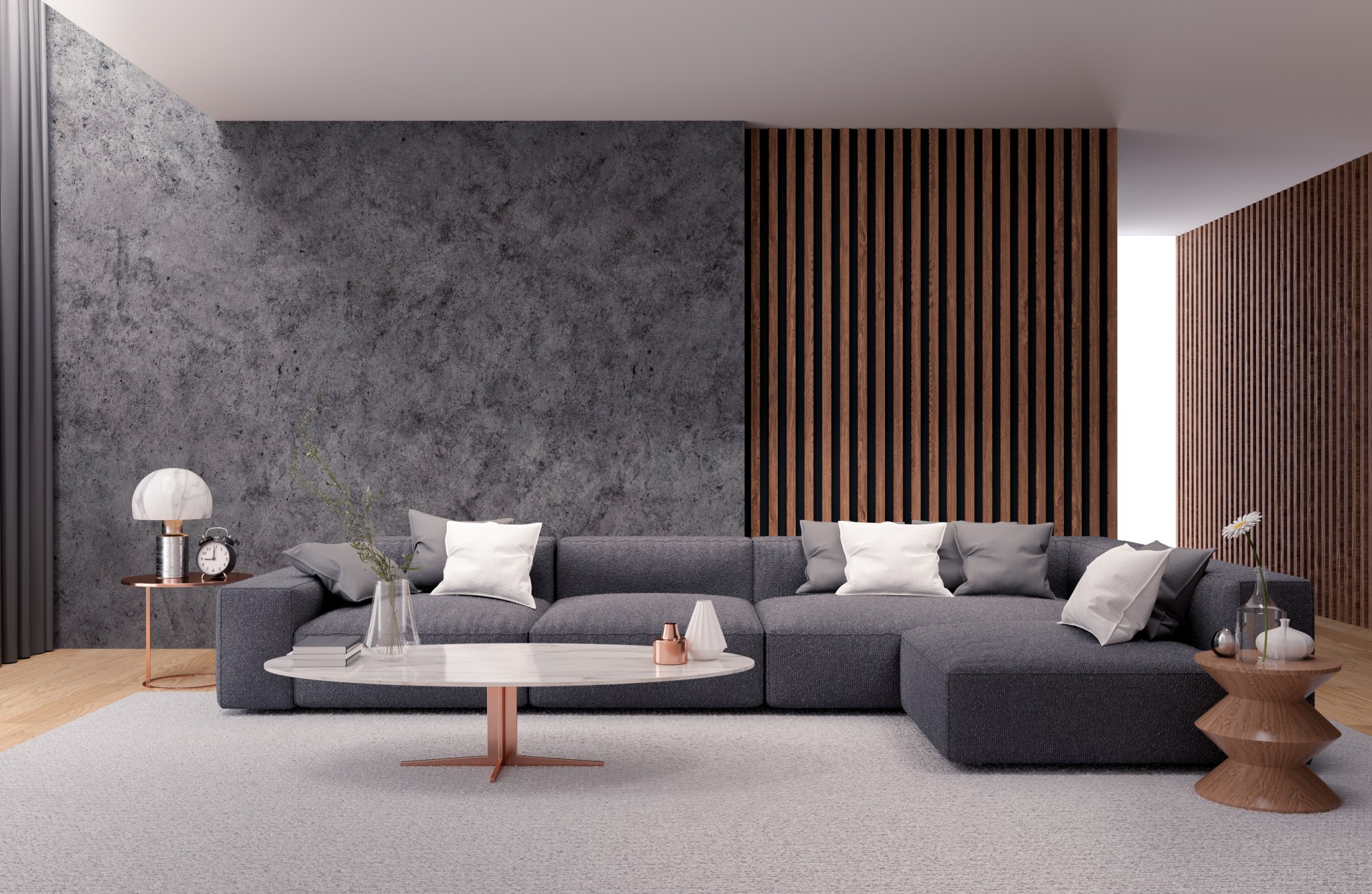
    • Contrast with other materials: Pair your wood accent wall with concrete, glass, or metal for a striking contrast.

    Creative Uses for Wood Accent Walls

    1. Living Room Wood Accent Wall

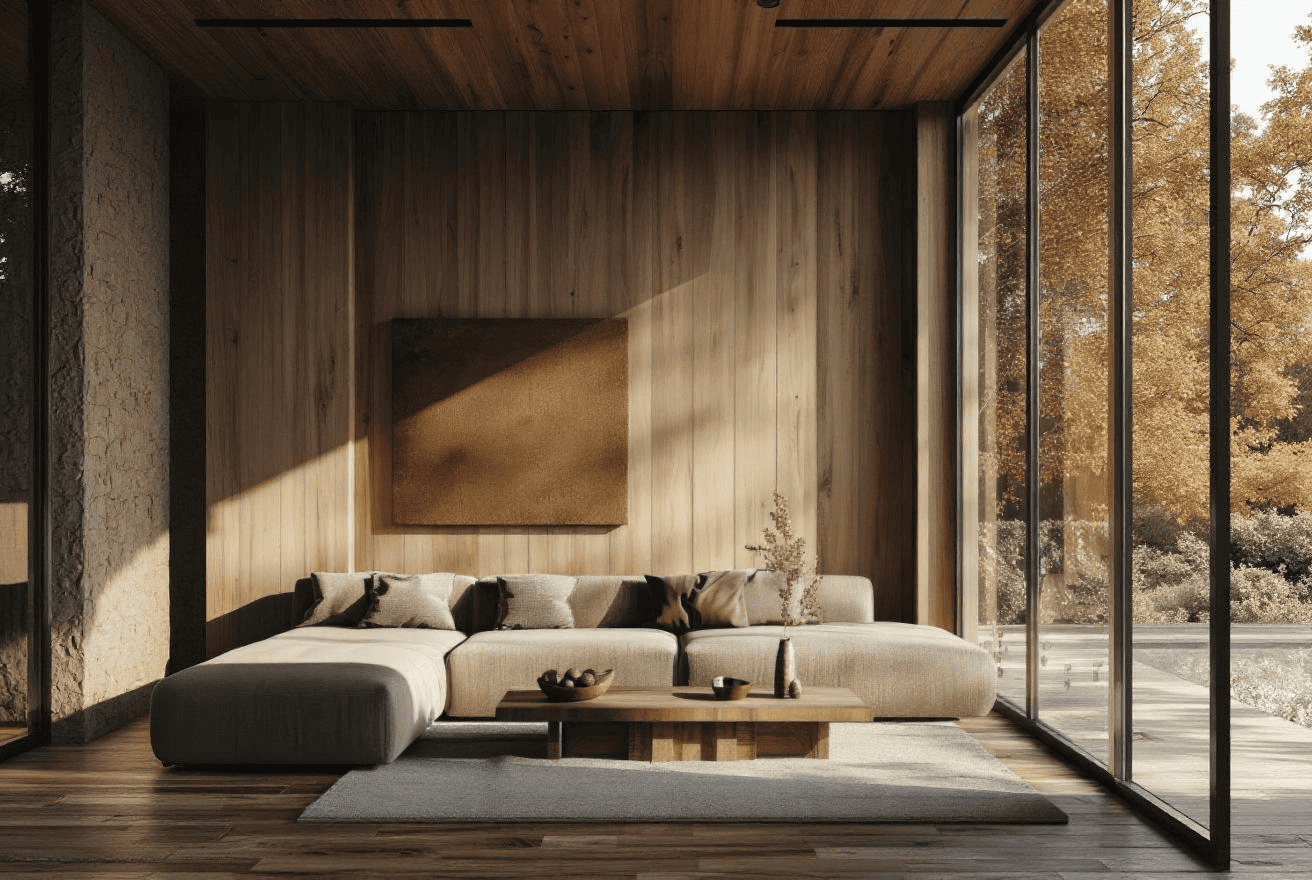
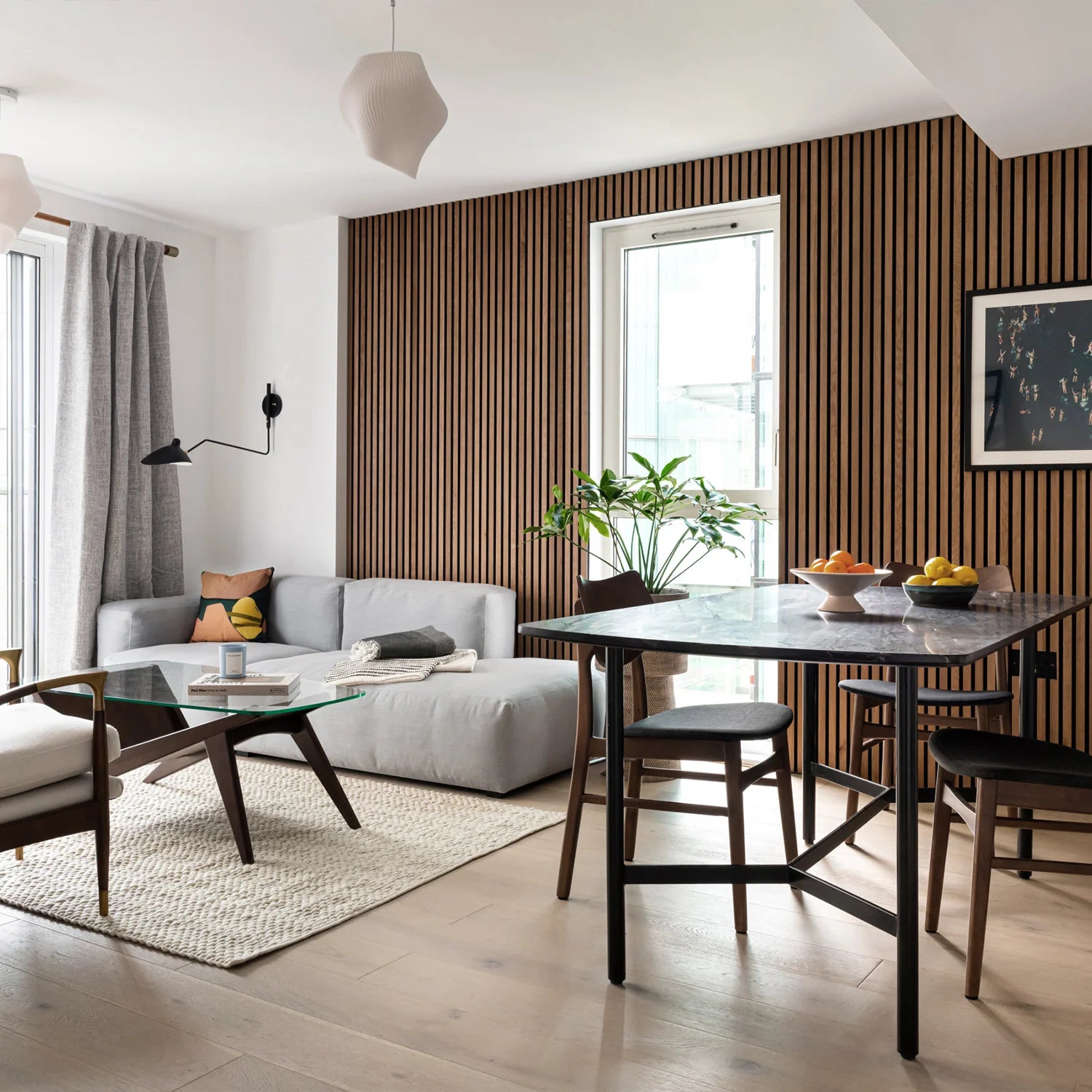
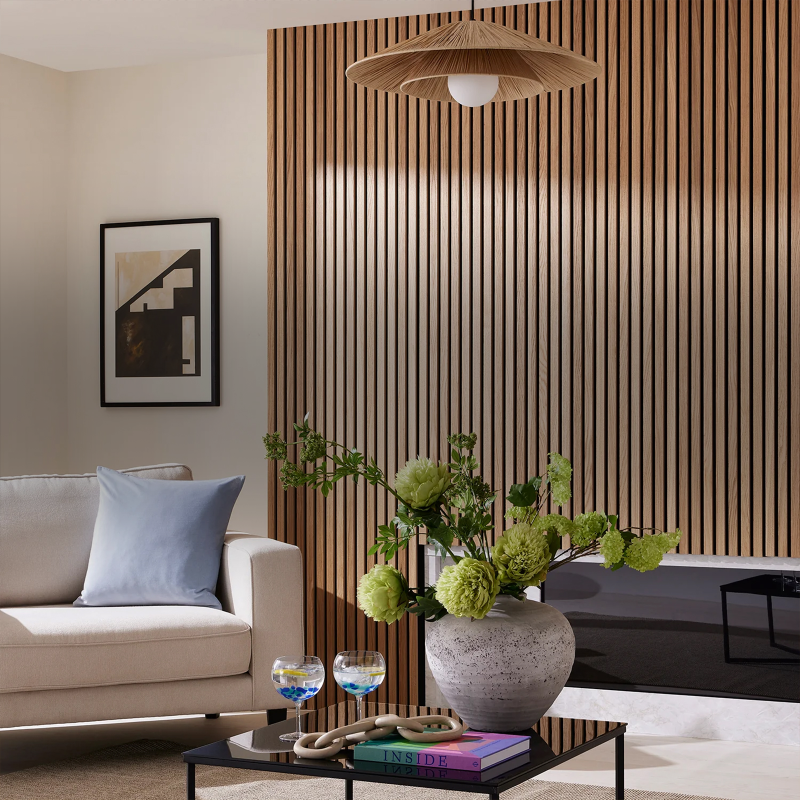
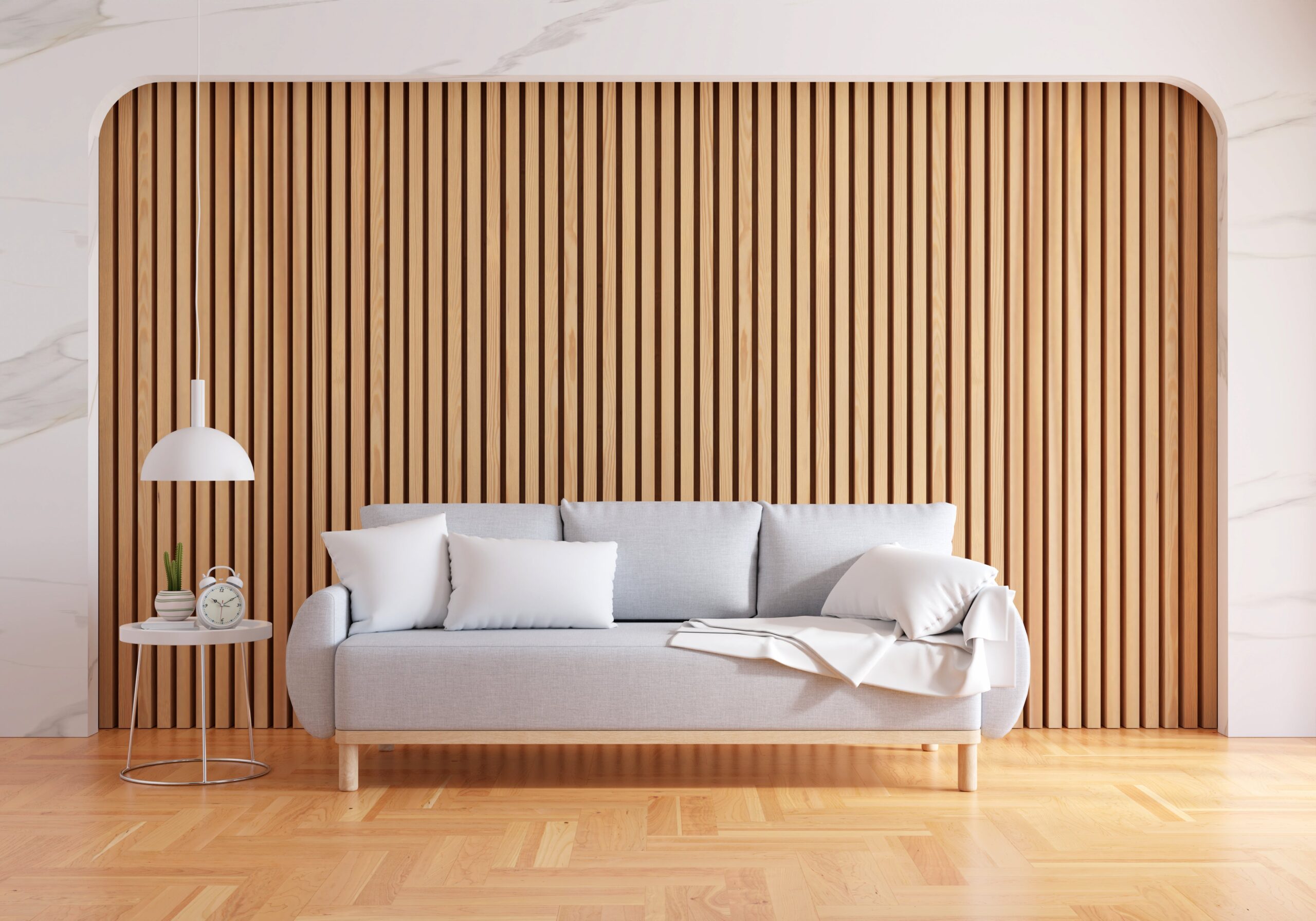
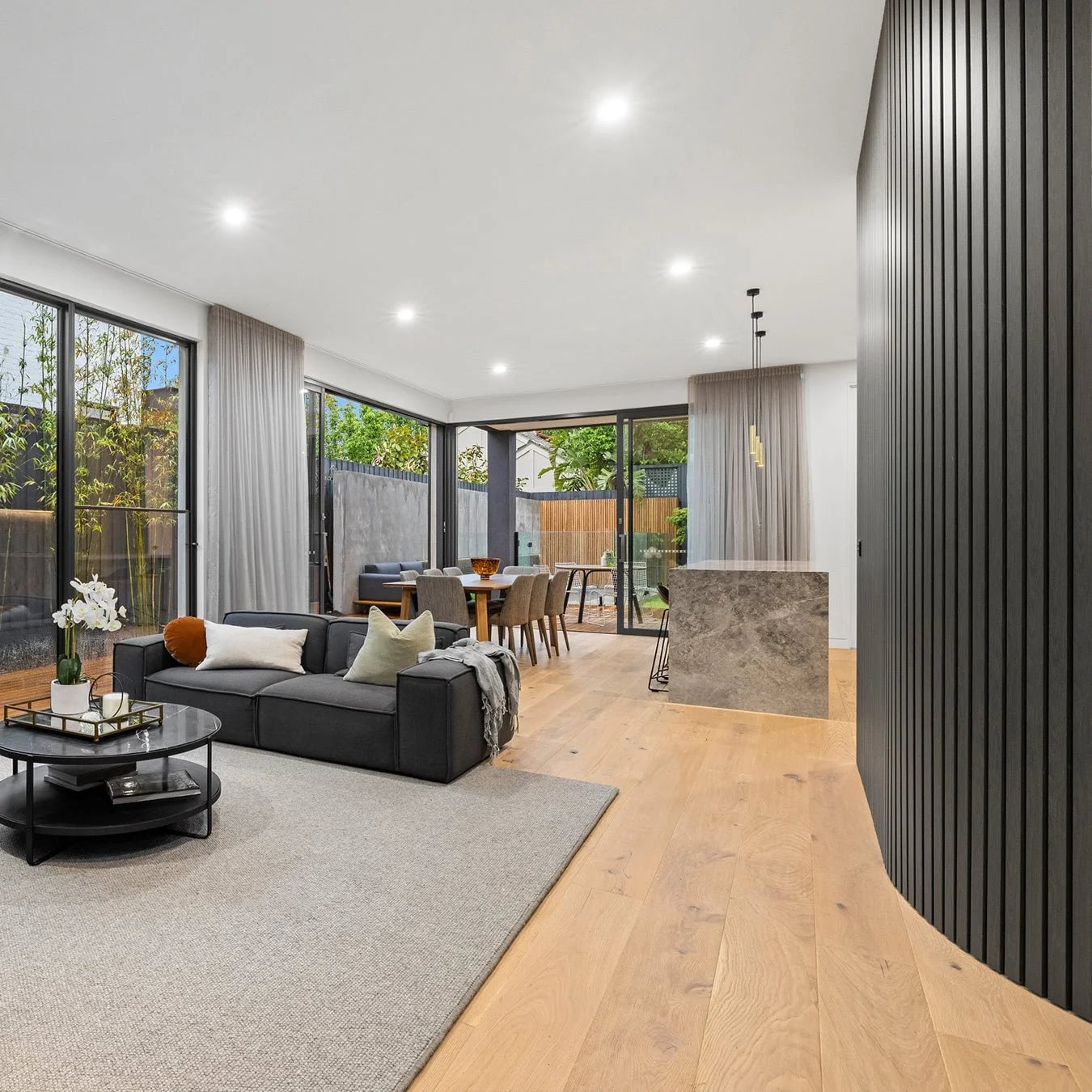
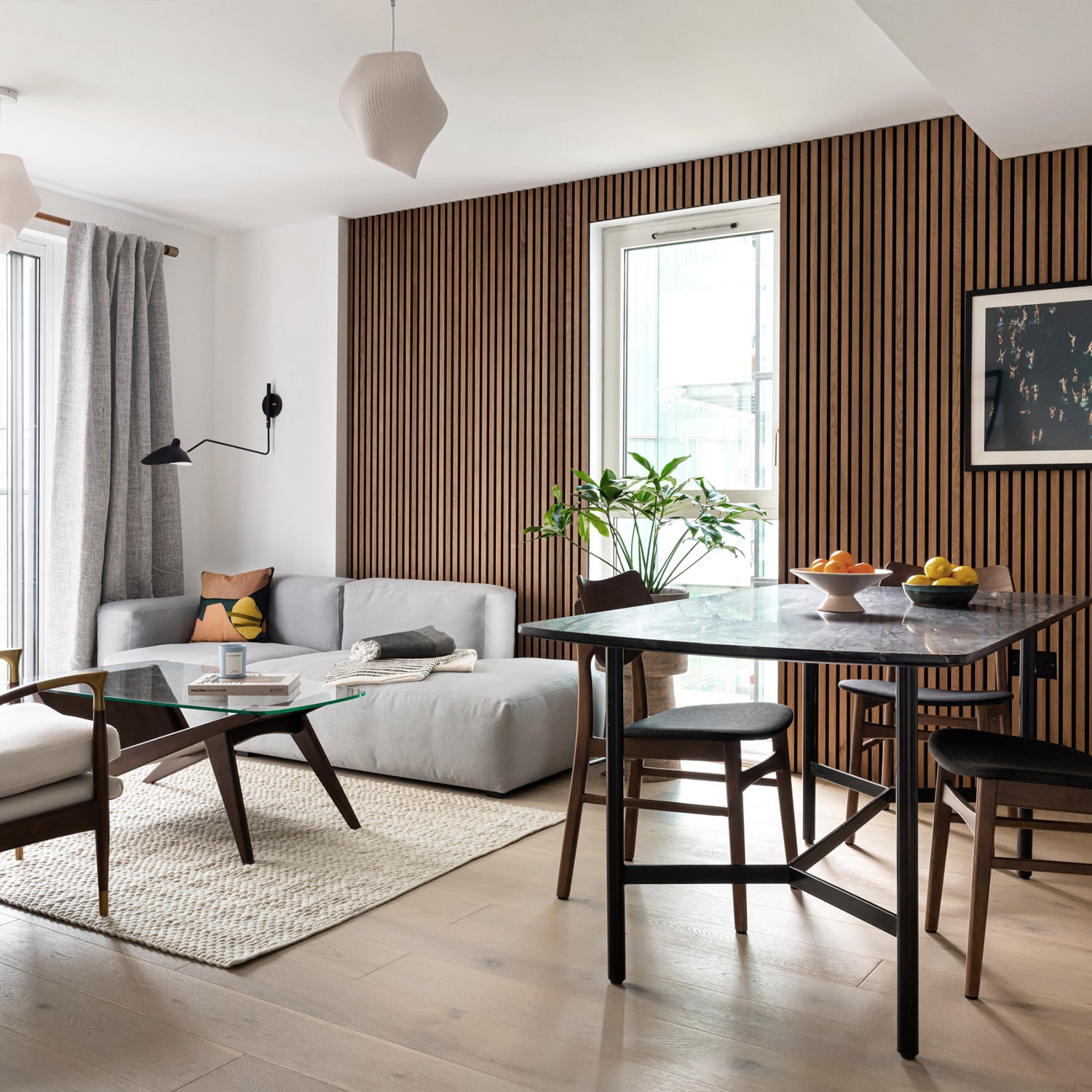
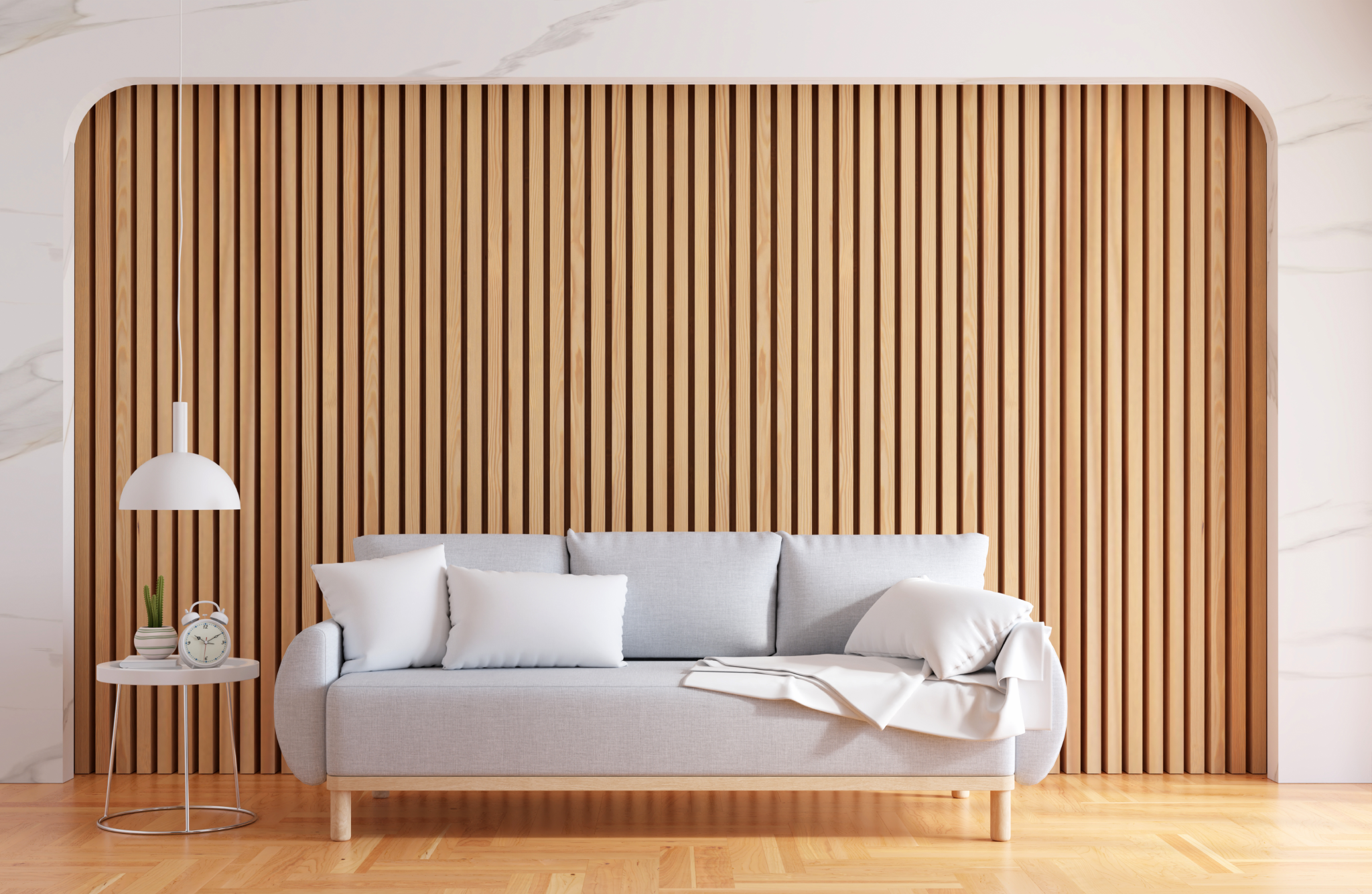
    Transform your living room into a welcoming space with a wood accent wall that complements your furniture and décor. Whether it’s a statement wall behind the TV or a feature wall with a fireplace, a modern wood accent wall will add warmth and character to the space.

    Stylish living room with a wooden accent wall, large windows, a neutral-colored sofa, and natural lighting.


    2. Entryway Wood Accent Wall

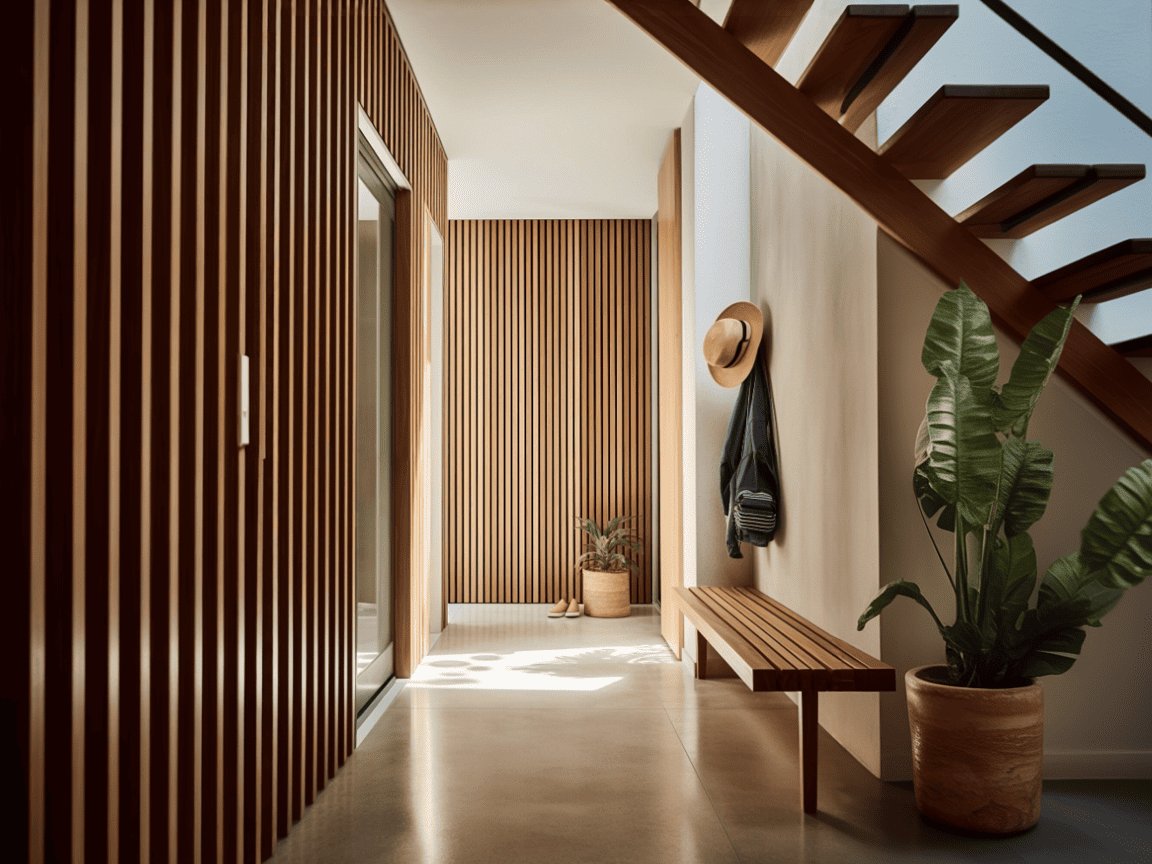
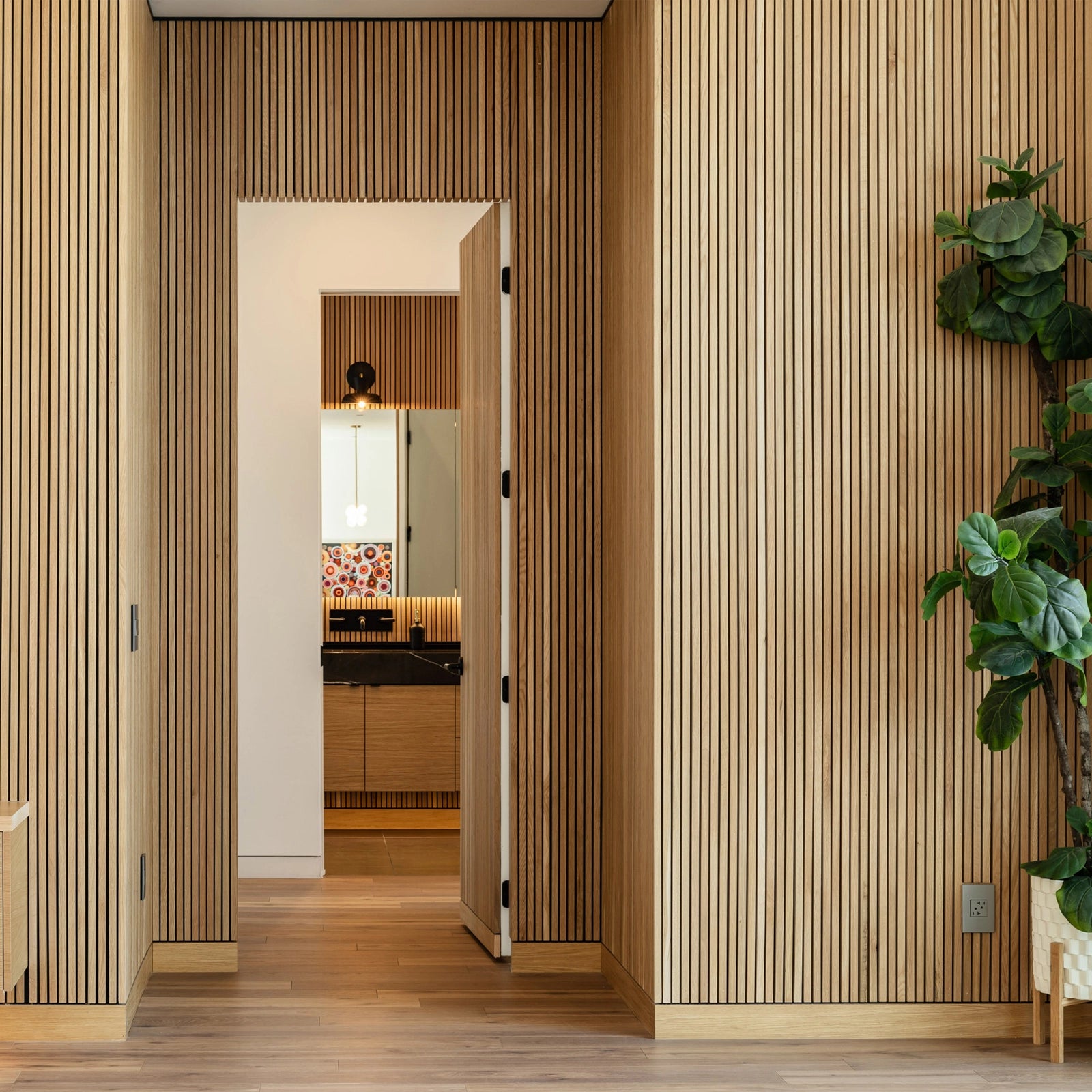
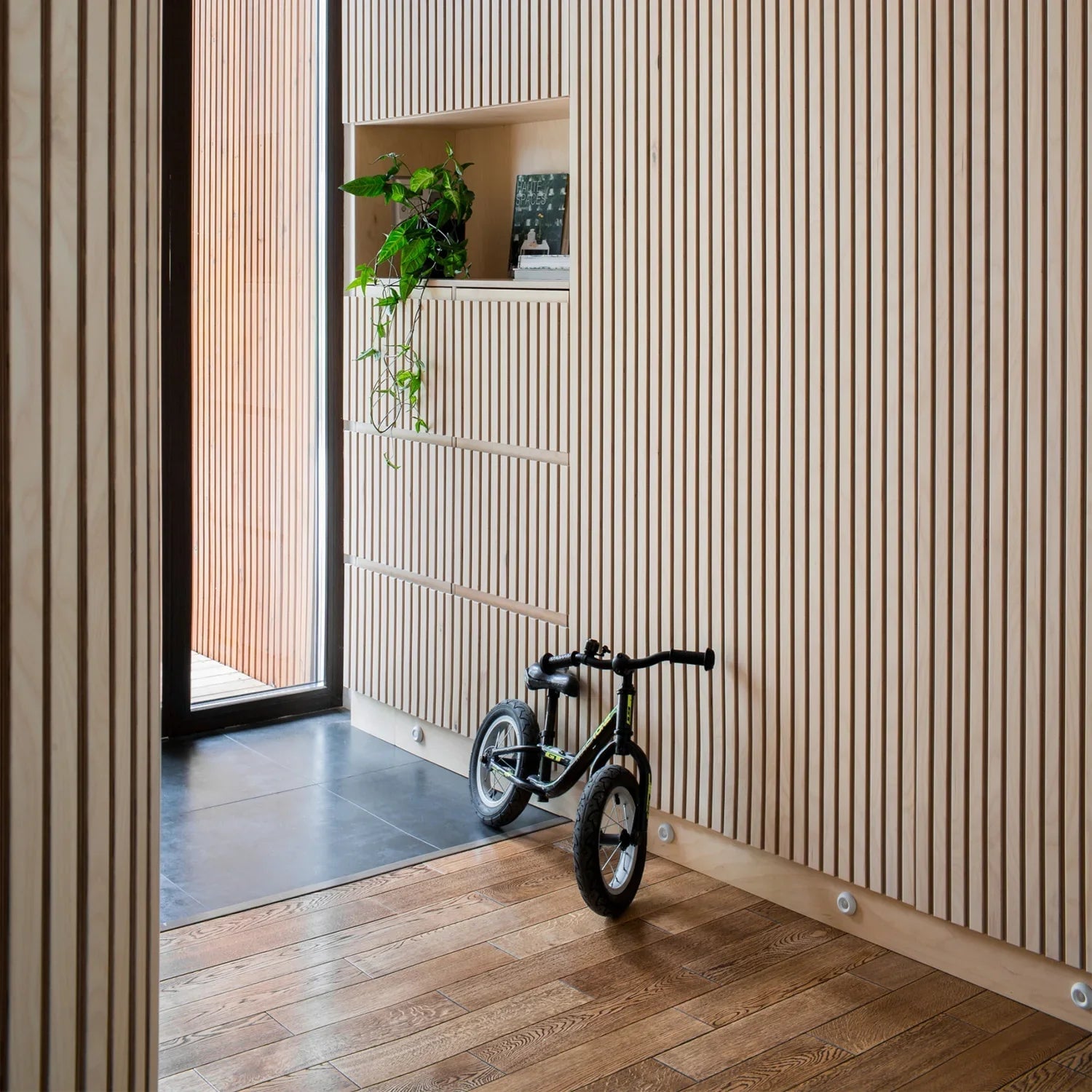
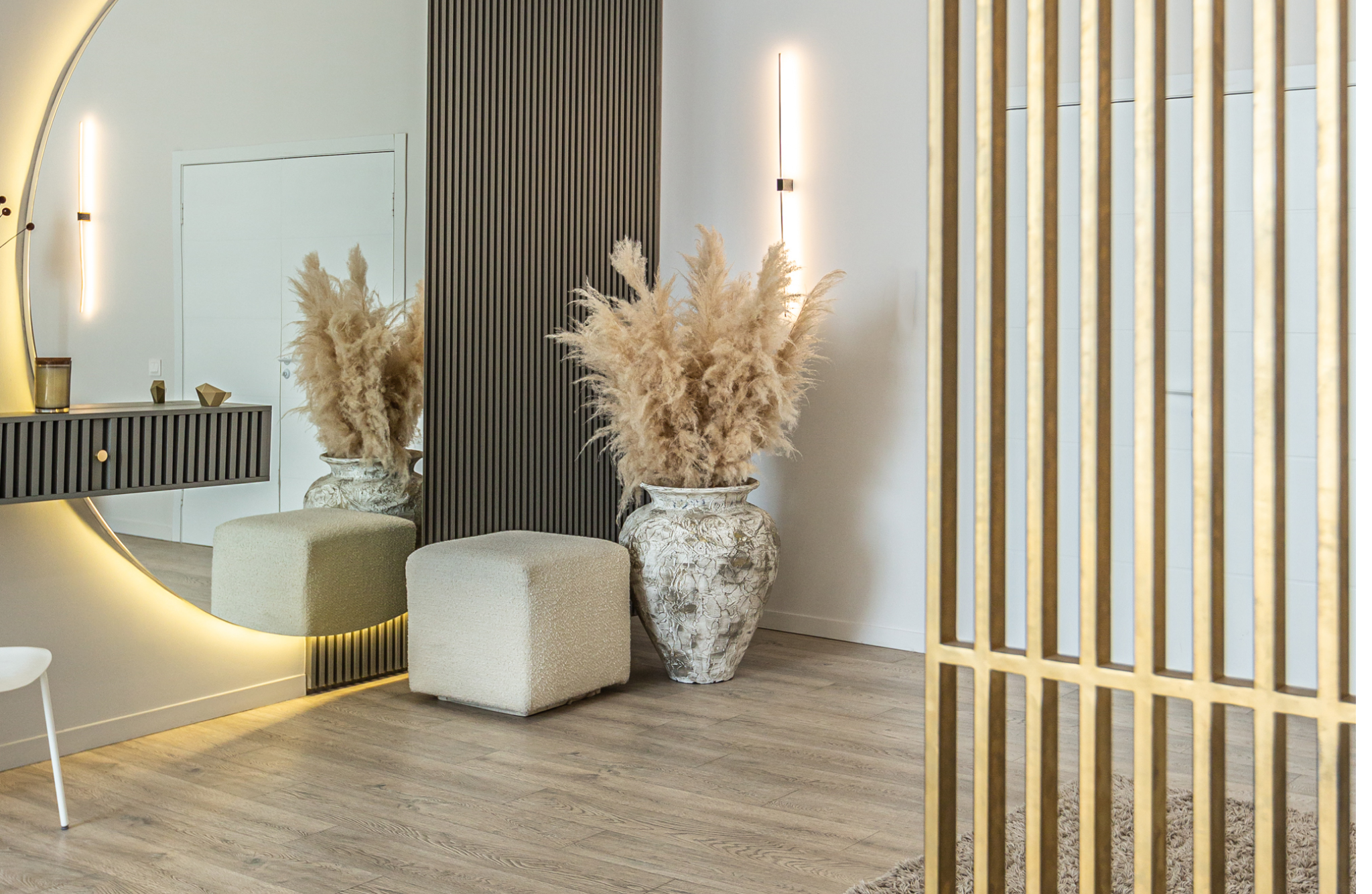
    Make a bold first impression by adding a wood accent wall in your entryway. This design choice immediately sets the tone for the rest of your home, combining elegance and coziness.

    Elegant entryway featuring a wooden accent wall, a modern bench, and potted plants.


    3. Office Wood Accent Wall

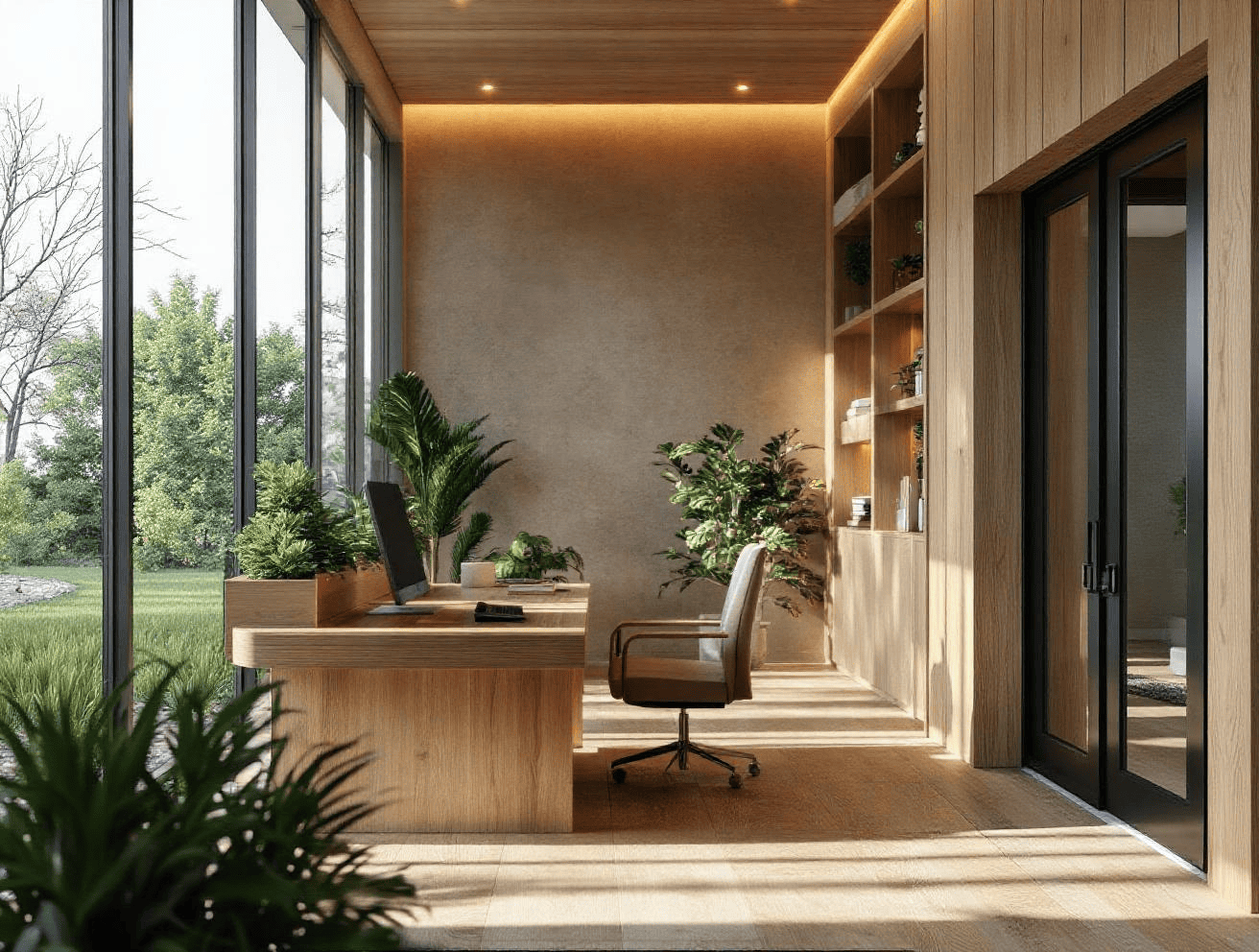
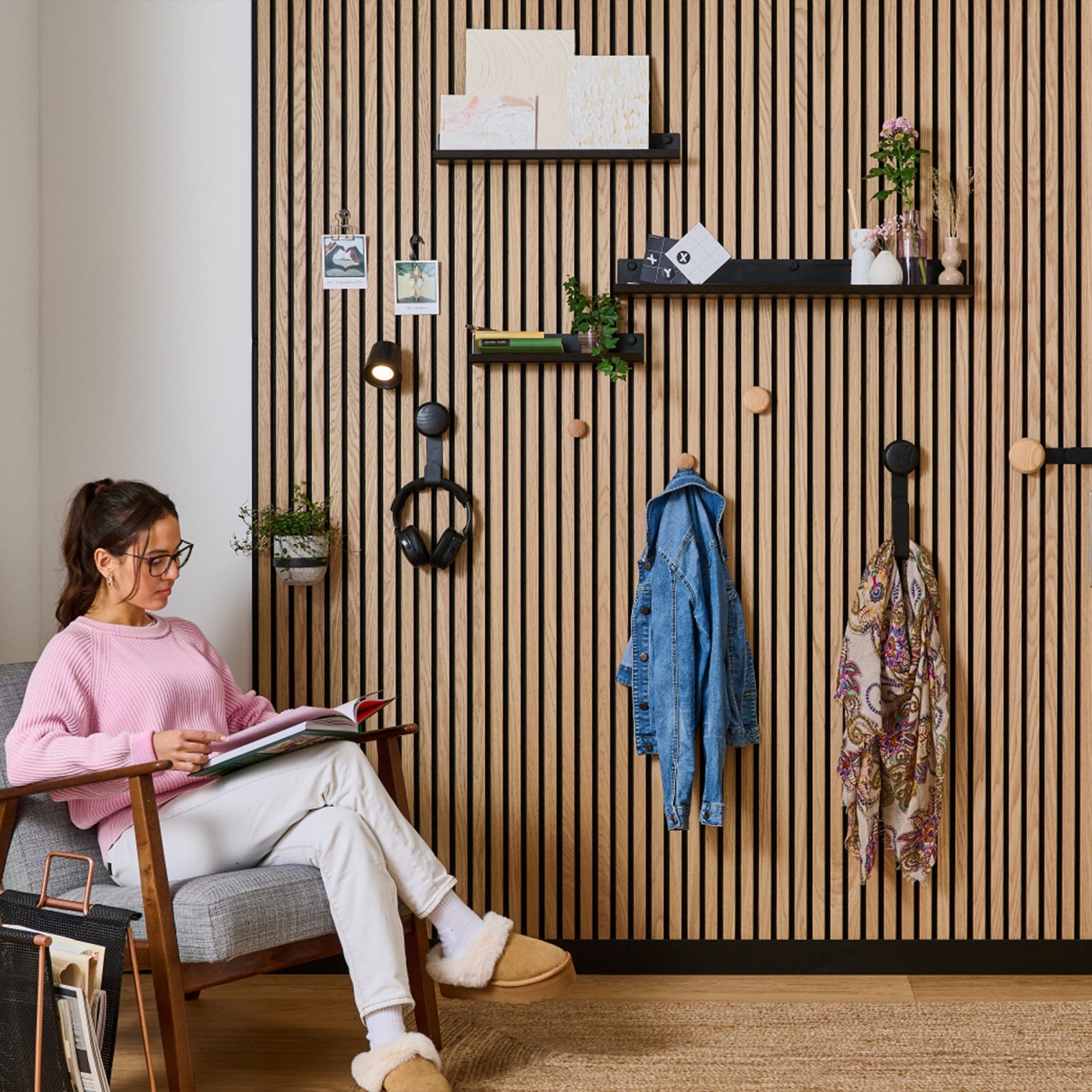
    For a home office or study, a wooden accent wall can create a calming and focused environment. Choose light wood tones for a bright, airy feel or dark woods for a more traditional, executive look.

    Modern office with wooden walls, large windows letting in natural light, and greenery adding a touch of freshness to the space.


    How to Install a Wood Accent Wall

    Materials You’ll Need:

    • Wood panels: Choose between reclaimed wood, shiplap, or wood slats.

    • Measuring tape: Accurate measurements are essential.

    • Adhesive or nails: Secure the wood panels to the wall.

    • Tools: A saw to cut the panels, a level to keep everything straight, and a hammer or nail gun for installation.

    Steps to Install a Wood Accent Wall:

    1. Measure the wall: Determine the area you want to cover and calculate how many panels you will need.

    2. Prepare the wall: Clean the surface and ensure it is smooth and level for easy installation.

    3. Cut the panels: Depending on the design, cut your wood to the correct size.

    4. Install the panels: Begin from one corner and work your way across the wall, securing each panel with adhesive or nails.

    5. Finish the edges: Add trim around the edges of the panels for a polished, professional look.

    Maintaining Your Wood Accent Wall

    Wood is a natural material that requires minimal maintenance, but a few simple steps can help keep your wood accent wall looking its best:

    • Dust regularly: Use a soft cloth to dust the surface to prevent buildup.

    • Clean spills immediately: Wood is susceptible to staining, so be sure to wipe up spills promptly.

    • Refinish or reseal: Depending on your wood’s finish, you may need to reapply a wood sealant to maintain its color and texture.

    Where to Buy Wood Accent Wall Materials

    When looking for materials to create a modern wood accent wall, many reputable suppliers provide high-quality wood panels, shiplap, and wood slats. For a wide variety of options, consider purchasing from:

    • Home improvement stores like Home Depot and Lowe’s

    • Specialty suppliers like The Panel Hub® for premium, prefinished wood panels

    • Online marketplaces such as Amazon or Wayfair for budget-friendly options

    Keep Exploring: Accent & Feature Wall Ideas

    Final Thoughts: Create Your Perfect Wood Accent Wall

    A wood accent wall is a versatile design element that can be customized to fit any room in your home. Whether you’re aiming for a wood accent wall bedroom or looking for a modern wood accent wall in your living space, this trend is a great way to bring natural warmth and style into your home.

    Start with one of these wood accent wall ideas, and soon you’ll have a stunning focal point that adds both beauty and value to your space.


    Frequently Asked Questions

    You can add a wood accent wall in your bedroom by placing wood paneling behind your bed to create a stunning focal point. Opt for wood finishes for a cozy feel.

    For a modern wood accent wall, walnut, oak, or reclaimed wood are popular choices, offering a sleek yet warm aesthetic.

    Yes! A wood accent wall can be installed as a DIY project using basic tools and wood panels. It’s a great weekend project.

    To maintain your wood accent wall, regularly dust it, clean up spills immediately, and reseal or refinish the wood when needed.

    Yes! Wood accent walls are a timeless design choice that continues to be popular in 2025 due to their versatility and natural beauty.


  • Japanese Wall Art Panels: Modern and Traditional Techniques for Elegant Walls

    Japanese Wall Art Panels: Modern and Traditional Techniques for Elegant Walls

    Japanese wall art panels draw on centuries of craft tradition to bring calm, balance, and extraordinary visual depth into contemporary interior spaces.

    By focusing on minimalism, natural materials, and expert craftsmanship, Japanese design provides a pathway to creating beautiful yet functional wall art. Techniques such as Wagoya, Kumiko, and Yakisugi can inspire anyone looking to add a timeless and refined touch to their home.

    In this article, we will explore these three key traditional Japanese woodwork techniques. Then, it will show you how to create your own Japanese-inspired wall by blending tradition with

    Japanese wall art

    Traditional Japanese Wall Art: A Balance of Function and Beauty

    Traditional Japanese wall art is more than just decoration. Obviously, it is closely tied to the architectural principles of balance, harmony, and respect for nature. This aesthetic is rooted in clean lines and thoughtful design, bringing serenity into the home. Indeed, Japanese interiors emphasize simplicity and natural elements. 

    Wood plays a central role, often left untreated or given minimal finishing touches to reveal its organic beauty. Moreover, earthy colors and minimal decoration create a calm, unobtrusive atmosphere, allowing the space to breathe. Every element, from the materials to design, is carefully chosen to foster a sense of peace and simplicity. 

    Additionally, the lack of clutter in Japanese interiors direct attention to craftsmanship and the beauty of the natural world. Natural light plays an important role. It softly illuminates the textures of wood and highlights the minimalist design. These principles form the basis for creating Japanese woodworking-inspired walls that are both visually appealing and functional.Through a balanced combination of aesthetic and practical elements, Japanese wall art brings a sense of calm and timeless elegance into any home. 

    Wagoya: The Art of Traditional Japanese Joinery

    In traditional Japanese wall art, there is a technique called Wagoya. This joinery method avoids the use of nails, screws, or any modern fasteners. Instead, it relies on precisely cut wooden joints to create strong and durable structures. For example, Wagoya is often used in temples and traditional homes. This intricate craftsmanship required for Wagoya results in breathtakingly detailed patterns that showcase skill and precision.

    Inspiration for walls: Although traditionally associated with architecture, Wagoya principles can be adapted to inspired creative wall design. Imagine incorporating interlocking wooden panels or geometric patterns as a feature wall. This approach adds both texture and architectural interest to the space, creating a dynamic focal point. Moreover, the beauty of Wagoya lies in its timelessness, offering a sophisticated, natural look that will never go out of style. By introducing Wagoya-inspired elements into modern spaces, you bring a sense of balance and craftsmanship that will never go out of style. Just like the Natural Reeded Wall Panel, this Wagoya-inspired design brings a touch of structural elegance to any room, all while remaining true to the traditional technique. Additionally, using natural wood materials complements the minimalist aesthetic of Japanese design, enhancing the overall harmony of the space.

    Kumiko

    Kumiko: Delicate Lattice Woodwork

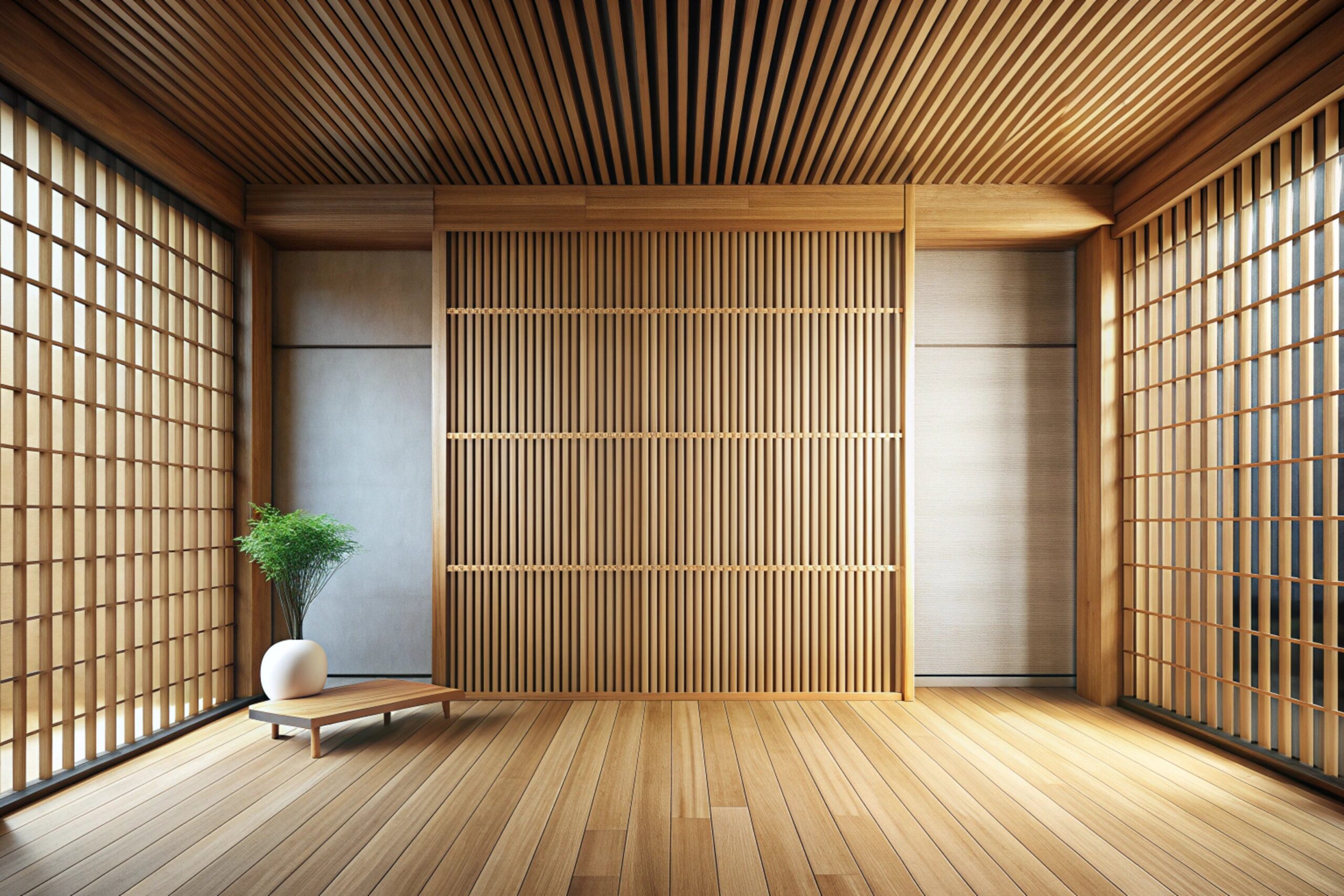
    Another technique, it’s called Kumiko, an ancient craft that involves creating intricate lattice patterns from thin wooden strips. This delicate method requires precision and patience, showcasing the remarkable skill of Japanese artisans. Traditionally, Kumiko is used in shoji screens and sliding doors, adding not only a soft and light feel but also a unique visual texture to an interior. The geometric patterns of Kumiko are designed to allow natural light to gently filter through, creating a serene, airy ambiance in any space.

    Inspiration for walls: Moreover, incorporating Kumiko into modern wall designs, it can add a refined touch of Japanese elegance. A simple Kumiko accent piece or wall panel can enhance a room’s style. For modern twist, try out Groove Panel Mosaic Panel, this product will seamlessly blend tradition with contemporary design. Whether used in partitions, wall panels, or accent pieces, Kumiko brings a sense of airiness and intricate artistry that transforms any space into a calming retreat. Additionally, its delicate patterns create an understated focal point that draws the eye without overwhelming the room.

    Yakisugi

    Yakisugi: Charred Wood with Rustic Appeal

    Last but not least, Yakisugi, or shou sugi ban, is a traditional technique where wood is charred to increase durability. This ancient method not only preserves the wood but also enhances its resistance to the elements, making it ideal for both indoor and outdoor use. The charring process creates striking textures and a bold, rustic aesthetic that cannot be replicated with other methods.

    Inspiration for walls: Particularly, Yakisugi walls make a bold statement, especially in minimalist spaces where simplicity is key. The deep, rich texture and dark tones of charred wood contrast beautifully with neutral or light-colored surroundings, adding a dramatic yet natural touch to modern interiors. This technique can be applied to accent walls, headboards, or even entire feature walls to create a strong visual impact. For those looking to achieve this look more easily, Acoustic Hexagonal Wall Panel or Acoustic Slat panels offers a pre-finished charred wood option that brings the rustic beauty of Yakisugi into homes without the need for complex treatment. Whether you’re aiming for a traditional feel or a contemporary twist, this product helps you introduce a unique, natural texture into any living space.

    Conclusion

    To sum up, from the timeless joinery of Wagoya to the intricate latticework of Kumiko and the rustic appeal of Yakisugi, traditional Japanese woodwork offers a wealth of inspiration for modern wall design. Each technique reflects the core values of Japanese art: simplicity, craftsmanship, and harmony with nature.

    After delving into these traditional techniques, it’s clear that they blend seamlessly with modern sensibilities. By combining the minimalism of traditional woodwork with contemporary design elements, you can create a unique space that reflects both tradition and modernity. For instance, pairing Kumiko-inspired lattice panels with bold, modern colors, or integrating Yakisugi wood into a minimalist room, creates an exciting fusion of old and new. The clean, geometric lines of Wagoya can also be mirrored in modern modular wall units or shelving, blending function with beauty.

    Exploring the world of Japanese wall art panels and integrating these elements into your home can transform your walls into a work of art. If you want to explore geometric wood panels that will suit Japanese-inspired interiors, explore The Panel Hub now!

  • HDF vs MDF: Which Wood Panel is Best for Your Project?

    HDF vs MDF: Which Wood Panel is Best for Your Project?

    Understanding the Basics: What is HDF Wood?

    HDF wood

    When deciding between HDF (High-Density Fiberboard) and MDF (Medium-Density Fiberboard) for your next project, understanding their differences is essential. Both HDF vs MDF are engineered wood products, but their properties make them suitable for different projects. HDF wood is denser and more durable, making it a top choice for certain tasks. MDF, on the other hand, is easier to work with but not as strong. Let’s explore HDF vs MDF and see which is better for your needs.

    HDF Panels: Toughness You Can Count On

    If you’re looking for something that can withstand heavy use, HDF panels are the way to go. I’ve used them in projects where strength and durability are essential, like creating cabinet doors or flooring. HDF is much denser than MDF, meaning it won’t dent or chip as easily. It’s great for areas with high traffic or heavy-duty furniture.

    However, keep in mind that HDF panels are heavier and harder to cut. If you’re planning to DIY a project, you might need extra tools or professional help to manage HDF. But in terms of longevity, especially in places where there’s a lot of wear and tear, HDF panels are an excellent investment.

    MDF Panels: A Friendlier Option for Beginners

    MDF Panels

    For beginners or those on a budget, MDF is a more forgiving material. It’s much easier to cut, shape, and sand, making it great for DIY projects or intricate designs. When I first started working with wood, MDF was my go-to because it didn’t require fancy tools or techniques. Whether you’re making shelves, decorative wall panels, or simple furniture, MDF is an accessible and easy-to-use option.

    The downside to MDF is that it’s less durable than HDF. I wouldn’t recommend using it in high-traffic areas or for pieces that will be exposed to moisture. MDF tends to swell when exposed to water, so it’s better for indoor projects that don’t involve kitchens or bathrooms.

    HDF Flooring: The Ultimate in Durability

    When it comes to flooring, I can’t recommend HDF enough. HDF flooring is incredibly strong and resistant to scratches, which makes it perfect for homes with kids or pets. I’ve installed HDF flooring in high-traffic areas like hallways and living rooms, and it’s held up wonderfully. Its density makes it less likely to warp or dent over time, and it’s a great choice if you want something that lasts.

    One thing to remember is that HDF flooring can be more expensive than other options like laminate or even MDF-based flooring. However, the investment is worth it if you’re looking for long-term durability. Plus, HDF floors have a more refined look, often resembling hardwood flooring at a fraction of the price.

    MDF for Decorative Projects: A Budget-Friendly Choice

    If you’re working on a decorative project, MDF is a great choice. Its smooth surface makes it ideal for painting or laminating, and you can create intricate designs without worrying about splintering. I’ve used MDF for crown molding, wall panels, and even picture frames, and it’s always turned out well. It’s a versatile material that allows for creativity, even on a budget.

    That said, MDF is not as durable as HDF. It’s not ideal for projects where the wood will bear weight or be exposed to rough use. For decorative purposes, however, it’s perfect, especially if you want to create a polished, professional-looking finish without breaking the bank.

    Moisture Resistance: HDF Wins the Battle

    If moisture is a concern, HDF is hands down the better option. HDF panels are denser and less porous, making them more resistant to moisture. I’ve used HDF in areas like the kitchen and bathroom, and it’s held up great without warping or swelling. MDF, in contrast, will swell and become damaged if it comes into contact with water. For any project in a humid area or one that might get wet, HDF is a safer bet.

    However, if moisture isn’t an issue, MDF can still be a reliable choice for indoor projects. Just make sure to avoid using it in places where water exposure is a concern.

    Weight and Handling: MDF is Easier to Work With

    One of the first things I noticed when working with both materials is the weight difference. HDF is much heavier and harder to handle, especially for a solo DIYer. Cutting and installing HDF requires some muscle and the right tools. If you’re working on a big project like flooring or cabinetry, it might be easier to hire a professional to install it.

    MDF, on the other hand, is much lighter and easier to manipulate. For smaller projects, or if you don’t have a lot of experience, MDF is a great option. You can cut it with basic tools, and it’s much easier to transport and work with. Just be aware that the ease of use comes at the expense of durability.

    Cost Considerations: MDF is More Affordable

    Cost is always a consideration when choosing materials, and MDF is generally more affordable than HDF. For large-scale projects, MDF can save you a significant amount of money without sacrificing too much in terms of appearance. I’ve used MDF for budget-friendly renovations, and it always delivers a clean, polished look at a lower cost.

    However, for projects that require durability, especially in high-traffic areas, I recommend spending the extra money on HDF. While it may cost more upfront, HDF’s longevity and resistance to damage will save you money in the long run by reducing the need for repairs or replacements.

    HDF vs MDF: Best Uses

    HDF Panels

    After working with both materials on various projects, I’ve found that each has its strengths depending on the application. HDF is best for heavy-duty projects like flooring, cabinetry, and doors. Its strength and durability make it perfect for high-traffic areas, and its moisture resistance makes it ideal for kitchens and bathrooms.

    MDF, on the other hand, excels in decorative applications and light-use furniture. Its smooth surface is great for painting and detailed work, and it’s much easier to handle and cut. If you’re doing a DIY project or working with a limited budget, MDF is a versatile and affordable option.

    Read More: Medium Density Fiberboard (MDF): Features, Uses, and Benefits

    Final Thoughts: Which Should You Choose?

    In the battle of HDF vs MDF, there’s no one-size-fits-all answer. It really depends on your specific project and what qualities you prioritize. If you need something that’s strong, moisture-resistant, and long-lasting, HDF is the way to go. It’s a bit more challenging to work with, but its durability makes it worth the effort.

    If you’re looking for something budget-friendly and easy to handle, MDF is a great choice, especially for indoor projects and decorative applications. It may not be as tough as HDF, but it’s still a reliable material for many woodworking projects. Ultimately, the best choice depends on your needs, budget, and skill level.

    If you’re looking for reliable, high-quality MDF wood panels for your walls, The Panel Hub offers a range of commercial-grade options designed for both performance and style, including acoustic slat panels and geometric wall panels. Crafted for durability, consistency, and a smooth finish, these panels are ideal for modern interiors, feature walls, and decorative applications. Whether you’re upgrading a residential space or working on a larger project, explore The Panel Hub’s collection to find MDF wall panels that combine quality materials with clean, contemporary design.

  • Medium Density Fiberboard (MDF): Features, Uses, and Benefits

    Medium Density Fiberboard (MDF): Features, Uses, and Benefits

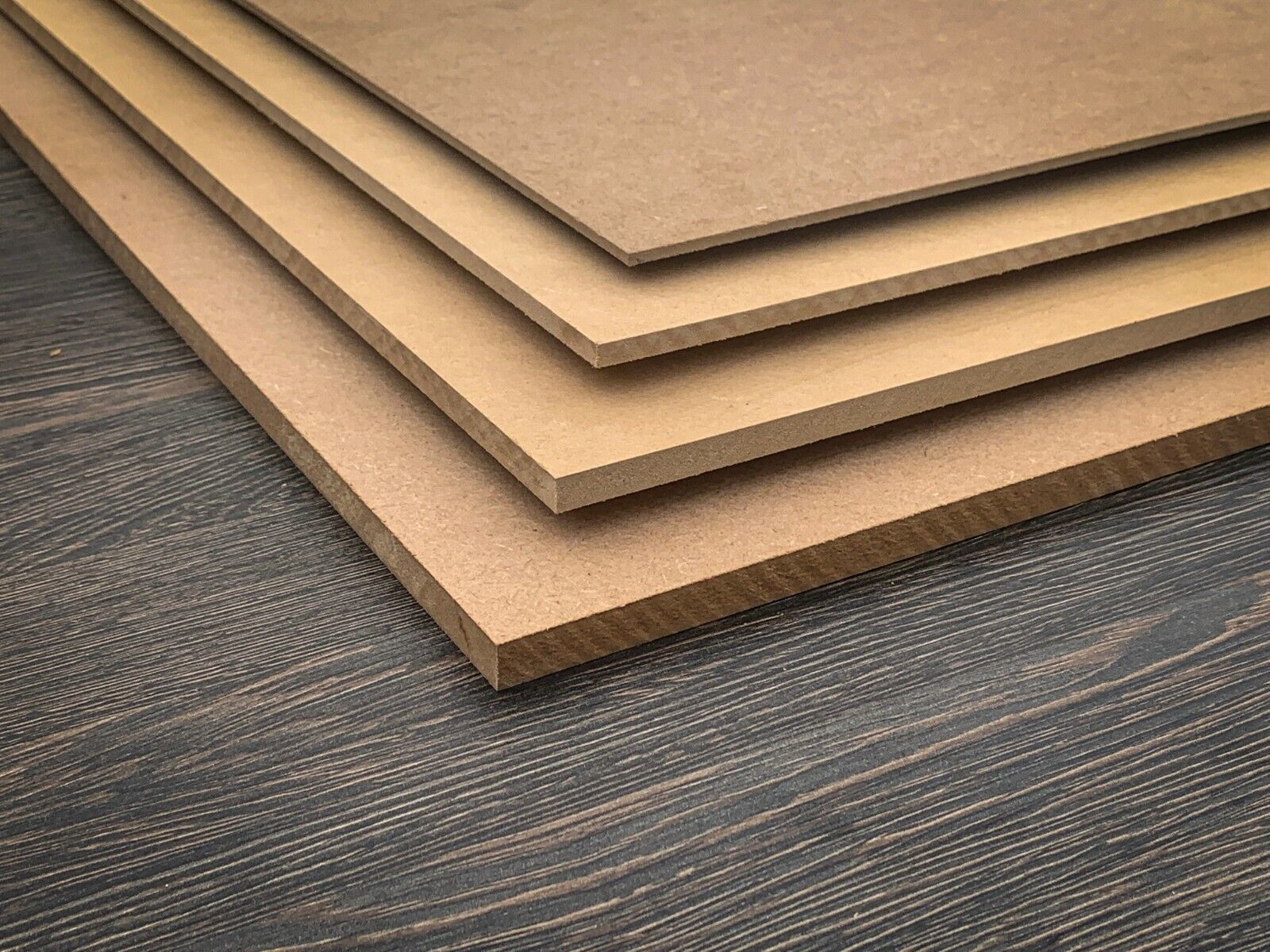
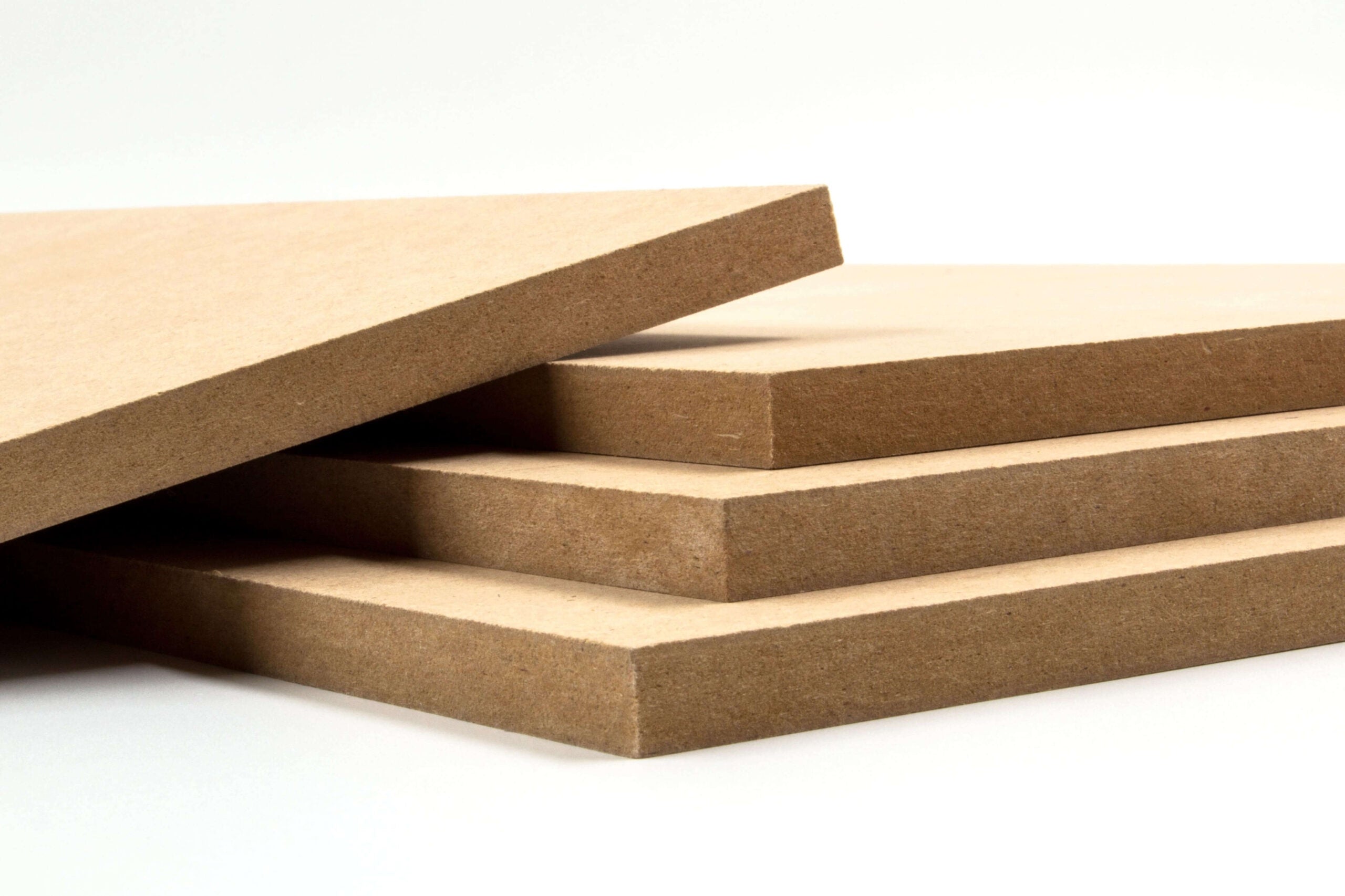
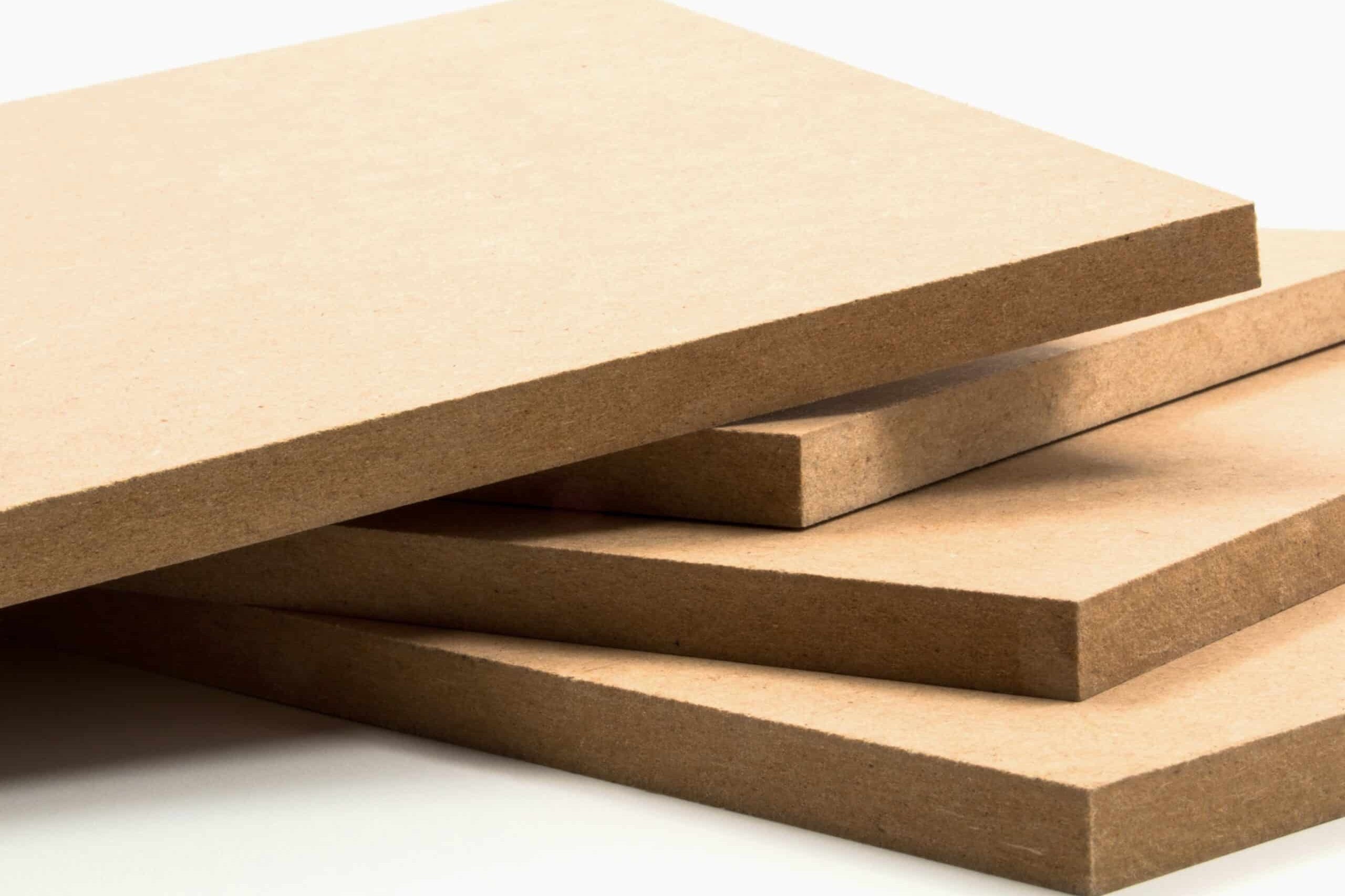
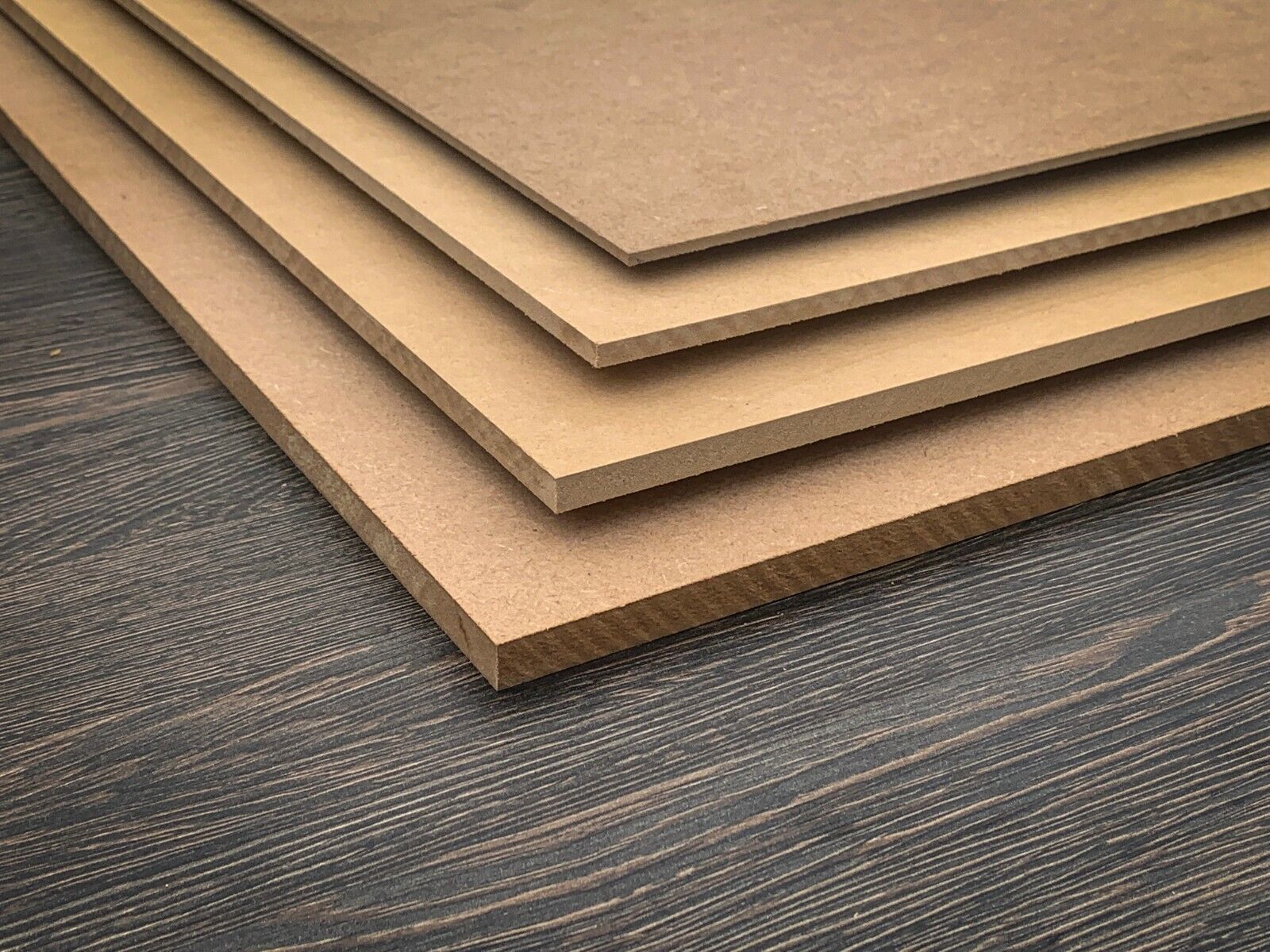
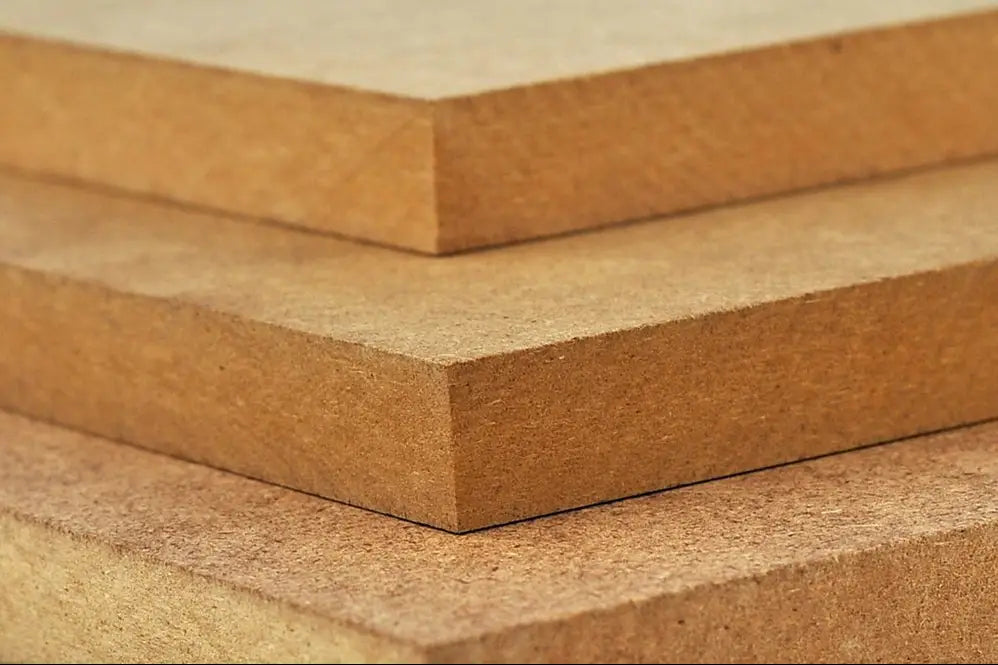
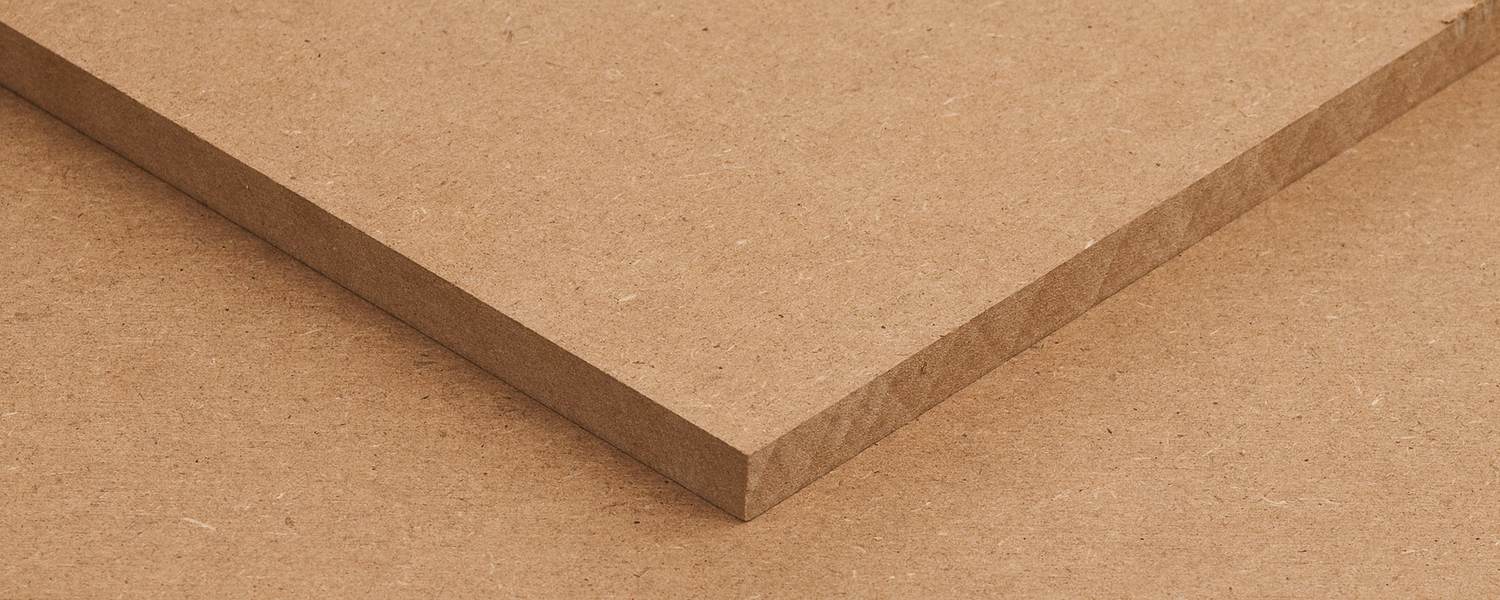
    Medium Density Fiberboard (MDF) is a widely used engineered wood product known for its versatility and affordability. Made from wood fibers combined with resin and wax, MDF is formed under high pressure and heat to create a dense, strong, and smooth board.

    It has become a popular choice in various industries, including furniture manufacturing, cabinetry, and construction, due to its consistent quality and ease of use. In this article, we’ll delve into the features, applications, and benefits of Medium Density Fiberboard, helping you understand why it’s a favored material in many projects.

    What is Medium Density Fiberboard (MDF)?

    Medium Density Fiberboard

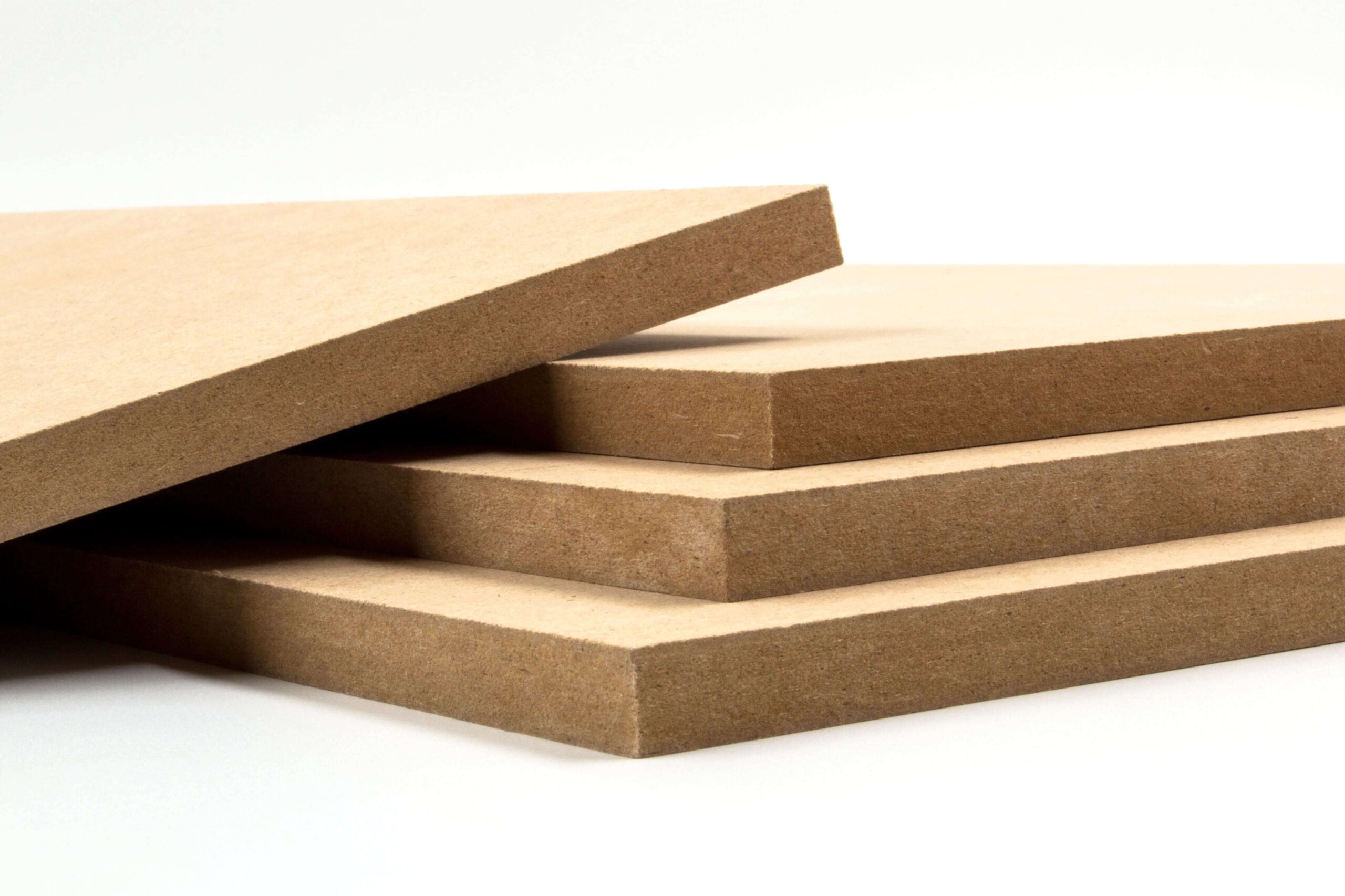
    Medium Density Fiberboard, commonly referred to as MDF, is an engineered wood product composed of wood fibers bonded together with resin and wax under high temperature and pressure. The process creates a smooth, uniform board with no visible wood grain, making it ideal for applications that require a consistent finish. Unlike natural wood, MDF is free from knots, rings, and other imperfections, which can make it easier to work with in various projects.

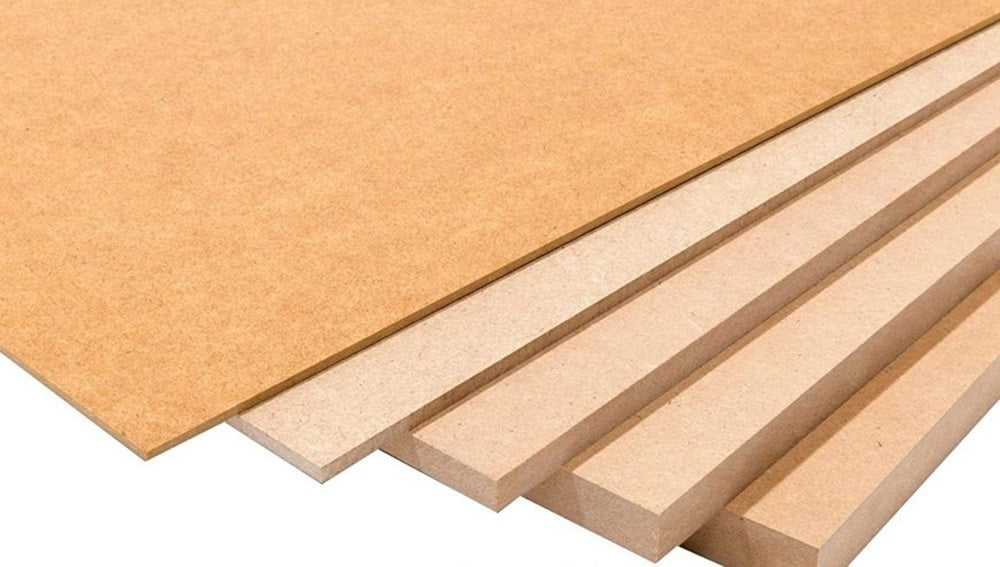
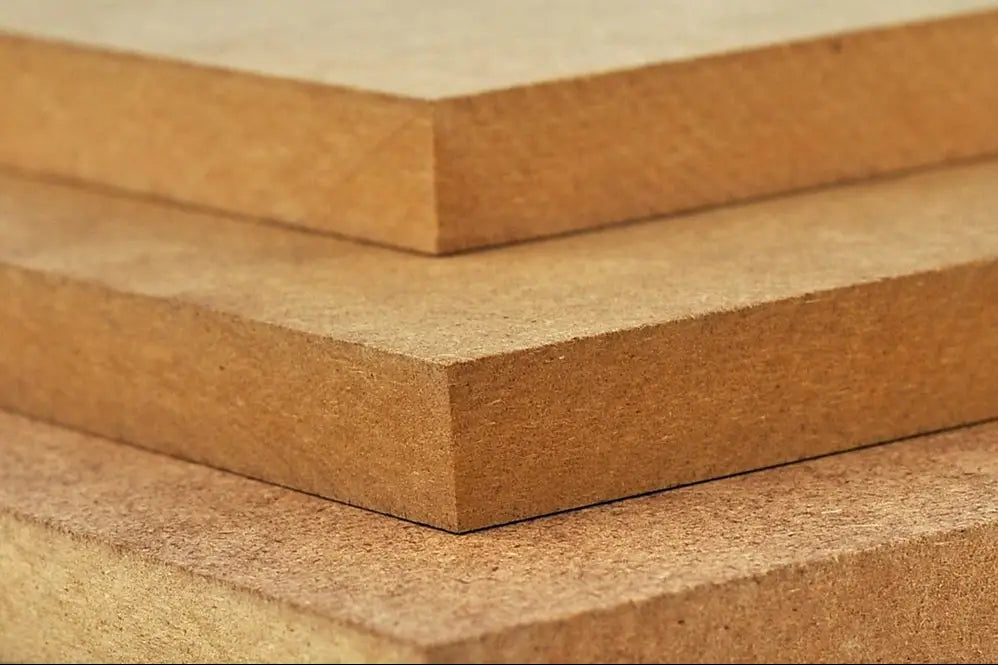
    MDF is available in different thicknesses, typically ranging from 1/4 inch to 1 inch, allowing for versatility in use. It can be easily cut, shaped, and painted, making it a preferred material for custom furniture, cabinetry, and interior paneling. Despite being denser than plywood, MDF is still relatively lightweight, which makes it easier to handle during installation.

    One of the key characteristics of MDF is its smooth surface, which is ideal for painting or applying veneers. This makes MDF an excellent choice for projects where a high-quality finish is desired, such as in decorative molding or painted furniture.

    The Manufacturing Process of MDF

    Medium Density Fiberboard

    The production of Medium Density Fiberboard involves several steps, starting with the breaking down of wood into fibers. These fibers are then combined with a synthetic resin adhesive and wax, forming a mat that is subjected to high temperature and pressure. The result is a dense, uniform board with a smooth surface and consistent density throughout.

    The manufacturing process allows for the production of large, homogenous boards that are free from the natural defects found in solid wood. This consistency is one of the reasons MDF is so popular in applications where precision and uniformity are essential. Additionally, the process can incorporate recycled wood fibers, making MDF a more sustainable option compared to some other wood products.

    Another advantage of MDF’s manufacturing process is its ability to be made into various sizes and thicknesses, providing flexibility for different applications. The boards can also be easily cut to size without splintering, which is a common issue with natural wood.

    Read More: Modern Hidden Door Ideas: 5 Inspirations You’ll Love

    Common Uses of MDF

    1. In Furniture

    MDF is widely used in the furniture industry due to its versatility and cost-effectiveness. Unlike natural wood, MDF has no knots or grain variations, making it an ideal base for precision-cut panels, including decorative wood wall panels and acoustic slat panels. Its engineered composition allows for clean finishes, uniform spacing, and seamless integration into contemporary interiors.

    In acoustic slat panels, MDF plays a crucial role as the core material behind the wood veneer finish. It provides the stability needed for evenly spaced slats while supporting felt backing that enhances sound absorption. This combination not only improves the visual appeal of a space but also helps reduce echo and ambient noise, making MDF-based panels especially popular in living rooms, offices, and commercial environments where both aesthetics and acoustics matter.

    At The Panel Hub, all of our SoundPanel slat acoustic panels collections are crafted using commercial-grade MDF that meets strict quality standards. Our panels are fire tested and CE certified, ensuring both safety and performance in residential and commercial settings. If you’re looking to elevate your interior with a balance of style and functionality, explore our wide range of wood slat and decorative panels, available in 5 elegant color options designed to suit any modern space.
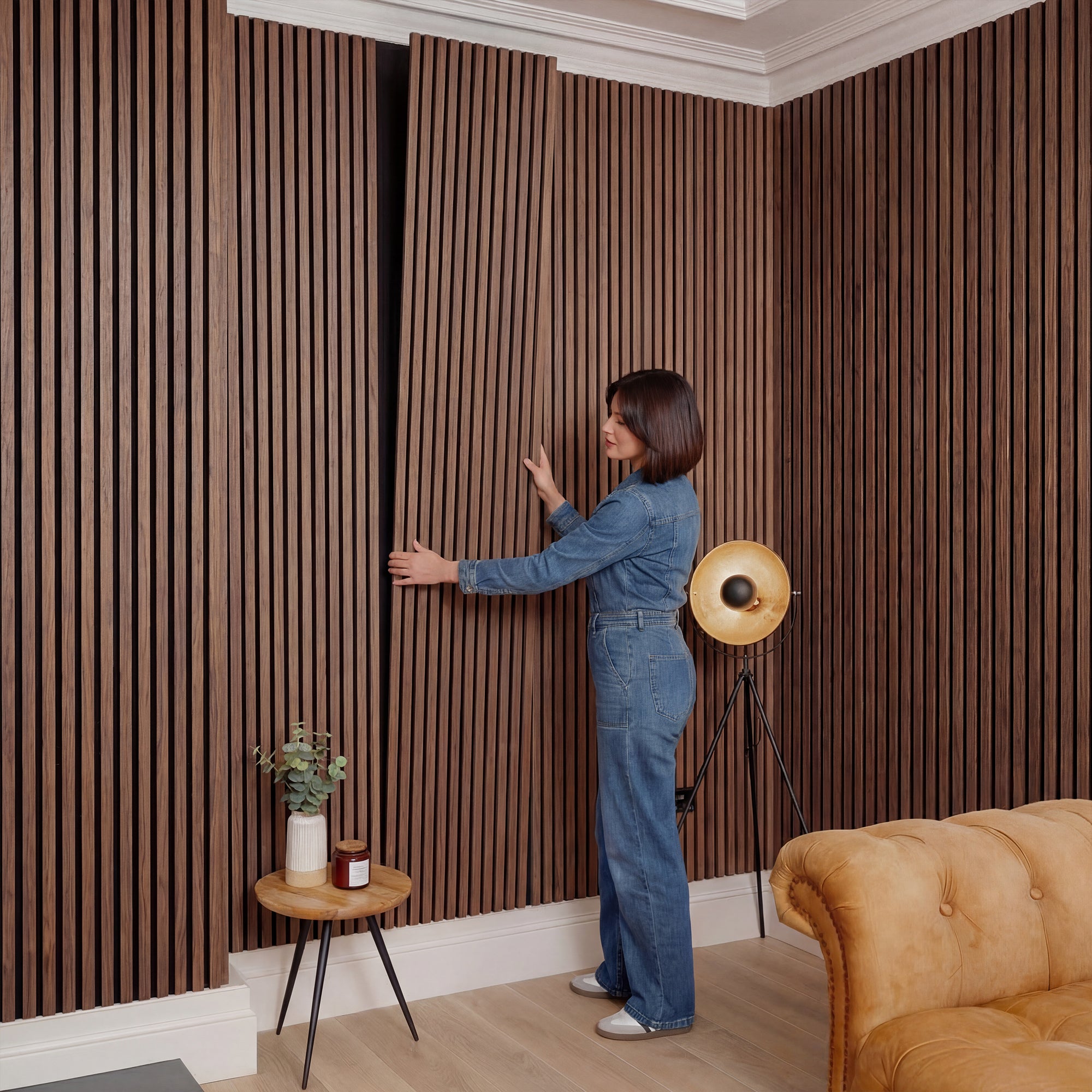
    American Acoustic Slat Wood Wall Panels - Oak - View 28

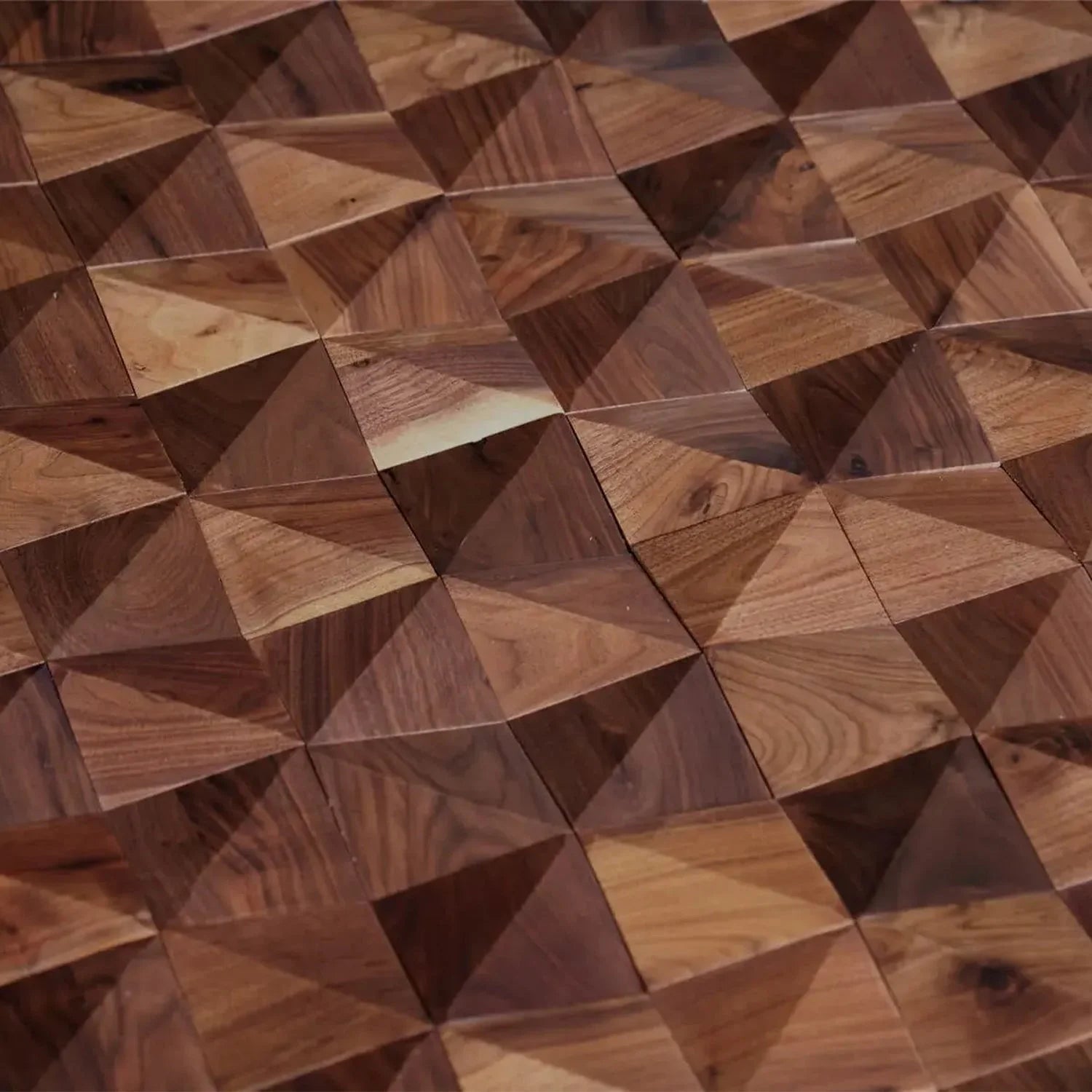
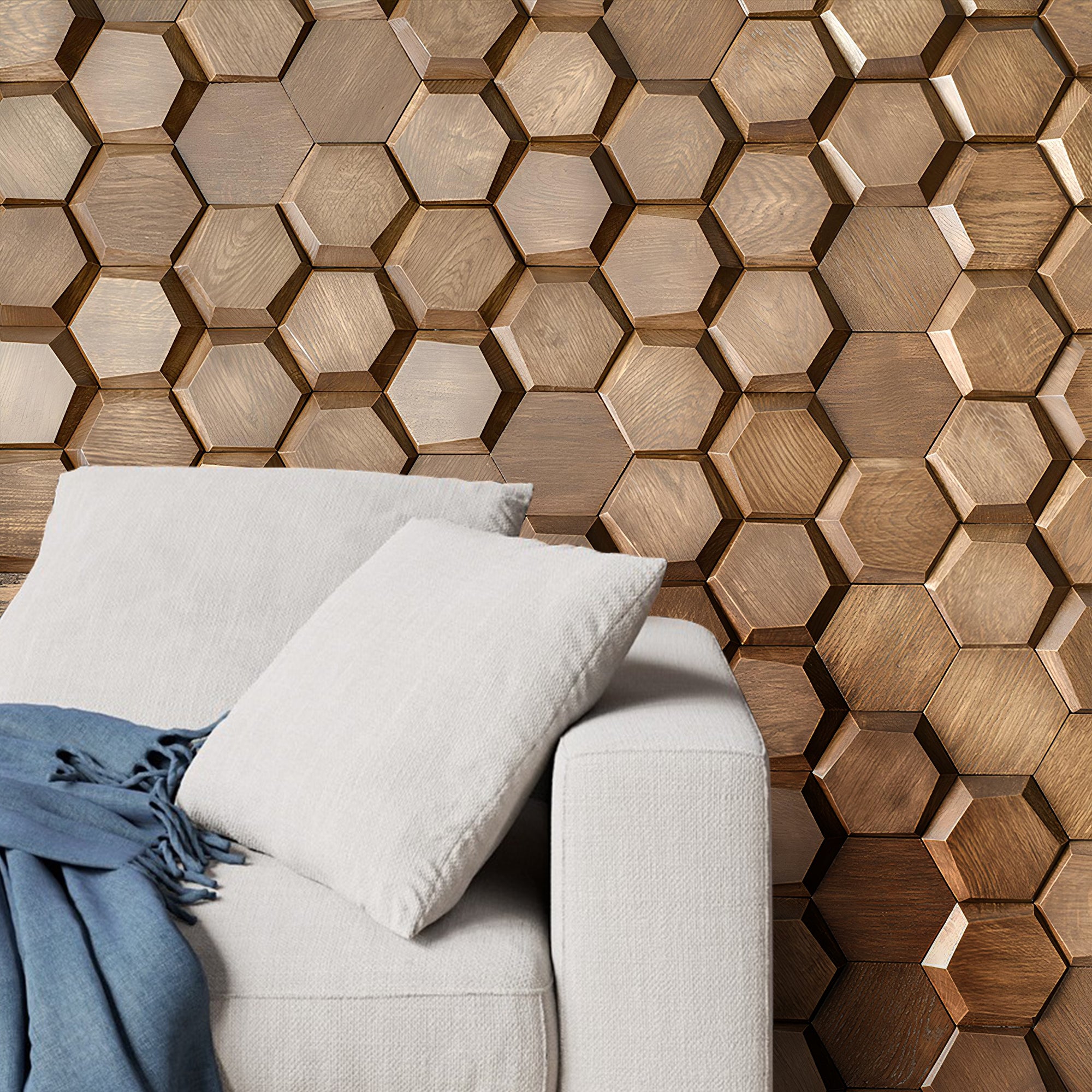
    For those seeking a decorative, mosaic-inspired aesthetic, our 3D Geometric Pattern Wooden Panels | GroovePanel® offer a striking design crafted from 100% real solid wood — a natural complement to MDF-based slat installations in mixed-material interiors.
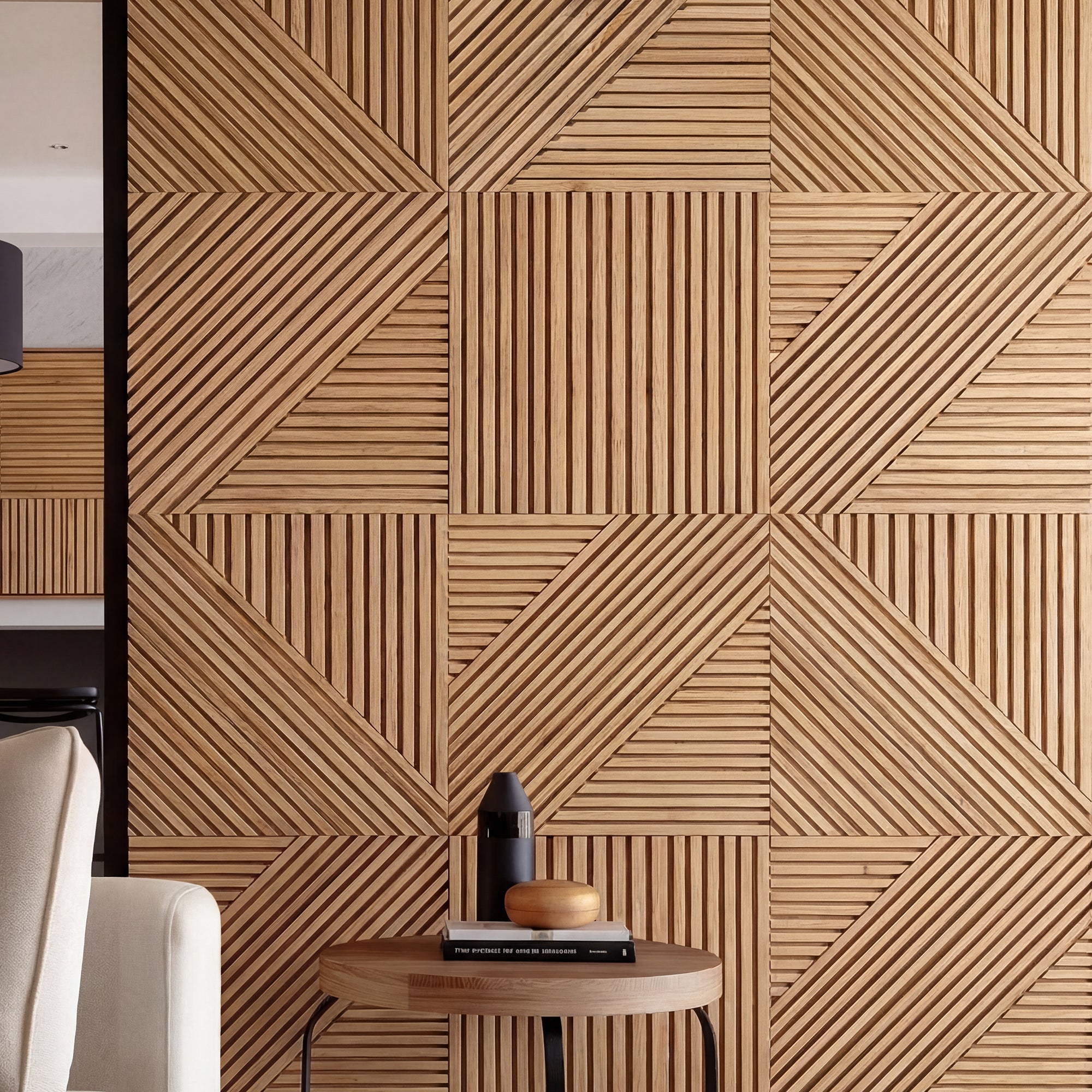
    3D Geometric Pattern Wooden Panels - GroovePanel® - The Panel Hub

    2. In Cabinetry and Millwork

    MDF is a popular material in cabinetry and millwork due to its stability and smooth finish. In cabinetry, MDF is often used for doors and panels, where its consistent surface allows for a flawless paint finish. Unlike solid wood, MDF doesn’t expand or contract with changes in humidity, making it an ideal choice for kitchen and bathroom cabinetry where moisture levels can fluctuate.

    In millwork, MDF is used to create baseboards, crown molding, and other decorative trims. Its ability to be easily shaped and its smooth surface make it perfect for detailed work. Additionally, MDF’s affordability makes it an attractive option for homeowners looking to achieve a high-end look without the cost associated with solid wood.

    MDF’s resistance to warping and cracking also makes it a preferred choice for painted millwork. The material takes paint exceptionally well, resulting in a smooth, even finish that enhances the overall appearance of the millwork.

    3. In Construction

    MDF is not only popular in furniture and cabinetry but also has a range of applications in the construction industry. It is commonly used for interior paneling, door cores, and as a substrate for countertops and flooring. MDF’s smooth surface makes it an excellent choice for these applications, where a consistent finish is required.

    In construction, MDF is often used as a backing material for veneers, laminates, and other surface finishes. Its uniformity ensures that the final product has a flawless appearance, free from the inconsistencies that can occur with natural wood. Additionally, MDF’s stability makes it a reliable choice for areas where moisture levels may fluctuate, reducing the risk of warping or cracking.

    MDF’s affordability and ease of installation also make it a popular choice for large-scale construction projects. Its ability to be easily cut and shaped on-site allows for greater flexibility in design and reduces installation time.

    Advantages of MDF Over Solid Wood

    One of the main advantages of MDF over solid wood is its cost-effectiveness. MDF is generally less expensive than solid wood, making it a popular choice for budget-conscious projects. Despite its lower cost, MDF offers a range of benefits that make it an attractive alternative to solid wood in many applications.

    Another advantage of MDF is its uniformity. Because it is manufactured, MDF is free from the natural imperfections found in solid wood, such as knots and grain patterns. This makes it easier to work with, as there are no inconsistencies to account for during cutting or shaping. MDF’s smooth surface also allows for a high-quality finish, whether painted or veneered.

    MDF’s stability is another significant advantage. Unlike solid wood, MDF doesn’t expand or contract with changes in humidity, making it less prone to warping, cracking, or splitting. This makes MDF a reliable choice for projects in areas with fluctuating humidity levels, such as kitchens, bathrooms, and basements. Learn more about how MDF compares to solid wood.

    MDF Durability: What to Expect

    When used correctly, MDF is a surprisingly durable material. It resists warping and cracking better than solid wood in fluctuating temperature environments, and shows better termite resistance in certain conditions. However, its durability depends heavily on how it is used and maintained.

    Moisture Sensitivity

    Untreated MDF swells and weakens when exposed to water or sustained high humidity. For bathrooms, kitchens, or basements, always specify moisture-resistant MDF (MR MDF) and ensure all edges are properly sealed before installation.

    Heat Resistance

    Direct exposure to heat sources — such as fireplaces or radiators — can cause MDF to warp over time. Maintain adequate ventilation and consider heat-resistant coatings for panels near heat-emitting appliances.

    Fastening Strength

    MDF doesn’t hold screws as strongly as solid wood, particularly near edges. Use fine-thread screws and pre-drill to prevent splitting. For heavy loads, reinforce with appropriate hardware.

    Tips to Maximise MDF Longevity

    • Apply moisture-resistant sealant to all edges before installation in humid areas
    • Pre-drill screw holes to prevent edge cracking during fastening
    • Wipe surfaces regularly with a lightly damp cloth — avoid soaking
    • In high-moisture environments, opt for MR MDF or consider alternative panel materials

    Environmental Considerations of MDF

    Medium Density Fiberboard

    When it comes to environmental impact, MDF has both advantages and disadvantages. On the positive side, MDF often incorporates recycled wood fibers, making it a more sustainable option compared to solid wood products that require harvesting new trees. The use of wood waste in MDF production helps reduce the demand for virgin timber, contributing to forest conservation efforts.

    However, the production of MDF also involves the use of synthetic resins and adhesives, which can release formaldehyde, a volatile organic compound (VOC). Some manufacturers have addressed this issue by producing low-formaldehyde or formaldehyde-free MDF, which meets stricter environmental standards and is safer for indoor air quality.

    When considering MDF for a project, it’s important to look for certifications such as the CARB (California Air Resources Board) compliance label or the EPA’s (Environmental Protection Agency) regulations, which ensure that the MDF meets low-emission standards and is safer for use in indoor environments.

    Working with MDF: Tools and Techniques

    Working with MDF requires some specific tools and techniques to ensure the best results. Due to its density, MDF can be tough on cutting tools, so it’s important to use carbide-tipped blades and bits designed for cutting composite materials. This will help prevent dulling of the tools and ensure clean, precise cuts.

    When cutting MDF, it’s essential to wear a dust mask and use proper ventilation, as MDF dust can be fine and potentially harmful if inhaled. Sanding MDF can also generate a lot of dust, so using a vacuum attachment or working in a well-ventilated area is recommended.

    MDF is known for its smooth surface, but the edges can be more porous and may require sealing before painting. Applying a primer or wood sealer to the edges will help achieve a smooth, even finish when painting or applying veneers.

    Read More: 5 Best Modern PVC Wall Panel Design for Bedroom

    MDF vs. Plywood: A Comparison

    Medium Density Fiberboard

    When choosing between MDF and plywood for a project, it’s important to consider the specific requirements of the application. Plywood is generally stronger and more durable than MDF, making it a better choice for structural applications such as subfloors and shelving that need to support heavy loads.

    However, MDF offers a smoother surface and is easier to machine, making it ideal for applications that require detailed work or a high-quality painted finish. MDF is also more affordable than plywood, making it a cost-effective option for projects where budget is a concern.

    Both materials have their strengths and weaknesses, and the choice between MDF and plywood will depend on the specific needs of the project. For applications where strength and durability are paramount, plywood may be the better choice, while MDF is the go-to material for projects that require a smooth finish and precise machining.

    As environmental concerns continue to grow, the future of MDF usage may see a shift towards more sustainable production practices. Manufacturers are increasingly exploring ways to reduce the environmental impact of MDF, such as using bio-based resins and adhesives, and incorporating more recycled materials into the production process.

    Another trend is the development of moisture-resistant MDF, which expands the range of applications for the material, particularly in areas prone to high humidity. This innovation makes MDF a more versatile material, capable of being used in environments where traditional MDF might not have been suitable.

    As technology advances, we may also see more customization options for MDF, allowing manufacturers to create boards with specific properties tailored to particular applications. This could include everything from increased fire resistance to improved sound insulation, further enhancing MDF’s appeal in both the construction and furniture industries.

    Read More: 5 Kitchen Wall Paneling Ideas to Spice Up Your Space

    Conclusion

    Medium Density Fiberboard (MDF) is a versatile and cost-effective material that has found widespread use in the furniture, cabinetry, and construction industries. Its smooth surface, uniformity, and stability make it an ideal choice for a wide range of applications, from slat panels, decorative molding, to custom cabinetry.

    As environmental considerations become more important, the future of MDF may see even greater innovation, with more sustainable production methods and enhanced material properties. Whether you’re a professional or a DIY enthusiast, understanding the benefits and applications of MDF can help you make informed decisions for your next project. Explore The Panel Hub to find acoustic panels made from commercial-grade MDF.

    Frequently Asked Questions about MDF

    Is MDF better than plywood?

    MDF and plywood serve different purposes, so one isn’t universally “better” than the other. MDF is smoother, more uniform, and ideal for painted finishes, decorative panels, and detailed machining. Plywood is stronger, more moisture-resistant, and better suited for structural applications. For a clean, modern interior finish, MDF is often the preferred choice.

    Is MDF waterproof?

    Standard MDF is not waterproof and can swell or weaken when exposed to moisture. Moisture-resistant variants (MR MDF) perform better in humid environments like kitchens. Even so, MDF should not be used in areas with direct or prolonged water exposure unless properly sealed.

    How long does MDF last?

    In dry, indoor environments and with proper care, MDF furniture and panels can easily last 10–20 years or more. Longevity depends on exposure to moisture, load weight, and overall maintenance.

    Is MDF good for furniture?

    Yes, MDF is a popular material for furniture requiring a smooth, painted finish — commonly used for cabinets, shelves, and decorative pieces. It may not be the best choice for heavy-duty furniture that needs to withstand significant weight over time.

    Does MDF warp?

    MDF is generally resistant to warping compared to solid wood because it has no natural grain. However, it can swell or deform if exposed to moisture or excessive humidity. Proper sealing, installation, and keeping it in a controlled indoor environment will help maintain its shape and durability.
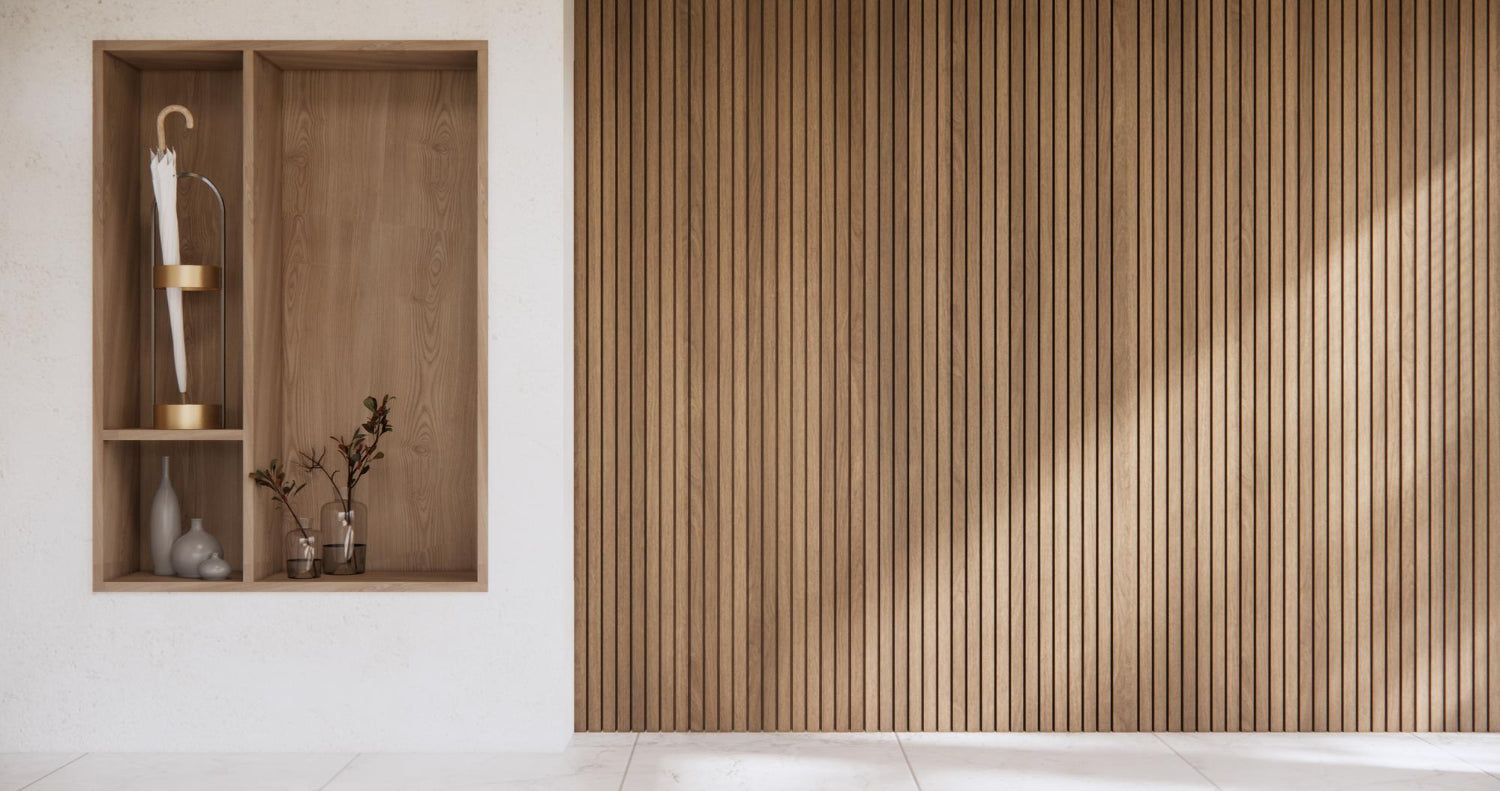
  • 50 Creative Interior Wood Slat Wall Ideas to Transform Your Space

    50 Creative Interior Wood Slat Wall Ideas to Transform Your Space

    Interior wood slat walls panels have become a popular trend in modern home design, offering a stylish and functional way to enhance any space. These versatile panels add texture, warmth, and visual interest to your interiors, making them an excellent choice for homeowners looking to update their decor.

    Whether you’re aiming for a minimalist look or a more rustic charm, wood slat walls can be tailored to fit your style. In this article, we’ll explore various interior wood slat wall ideas that can transform your space into a sophisticated and inviting environment.

    What are Wood Slat Walls?

    Wood slat walls are decorative wall panels made from evenly spaced wooden strips (slats) mounted onto a backing material, typically felt, MDF, or plywood. They create a linear, textured look that adds depth, warmth, and a modern architectural feel to interior spaces.

    Originally popular in Scandinavian and mid-century design, wood slat walls are now widely used in contemporary homes, offices, and commercial interiors for both aesthetic and functional purposes.

    Each panel consists of vertical (sometimes horizontal) wooden slats attached to a base layer. This backing often includes acoustic felt, which helps absorb sound and reduce echo, making these panels both decorative and practical.

    Types of Wood Slat Walls

    Modern Minimalist Wood Slat Walls

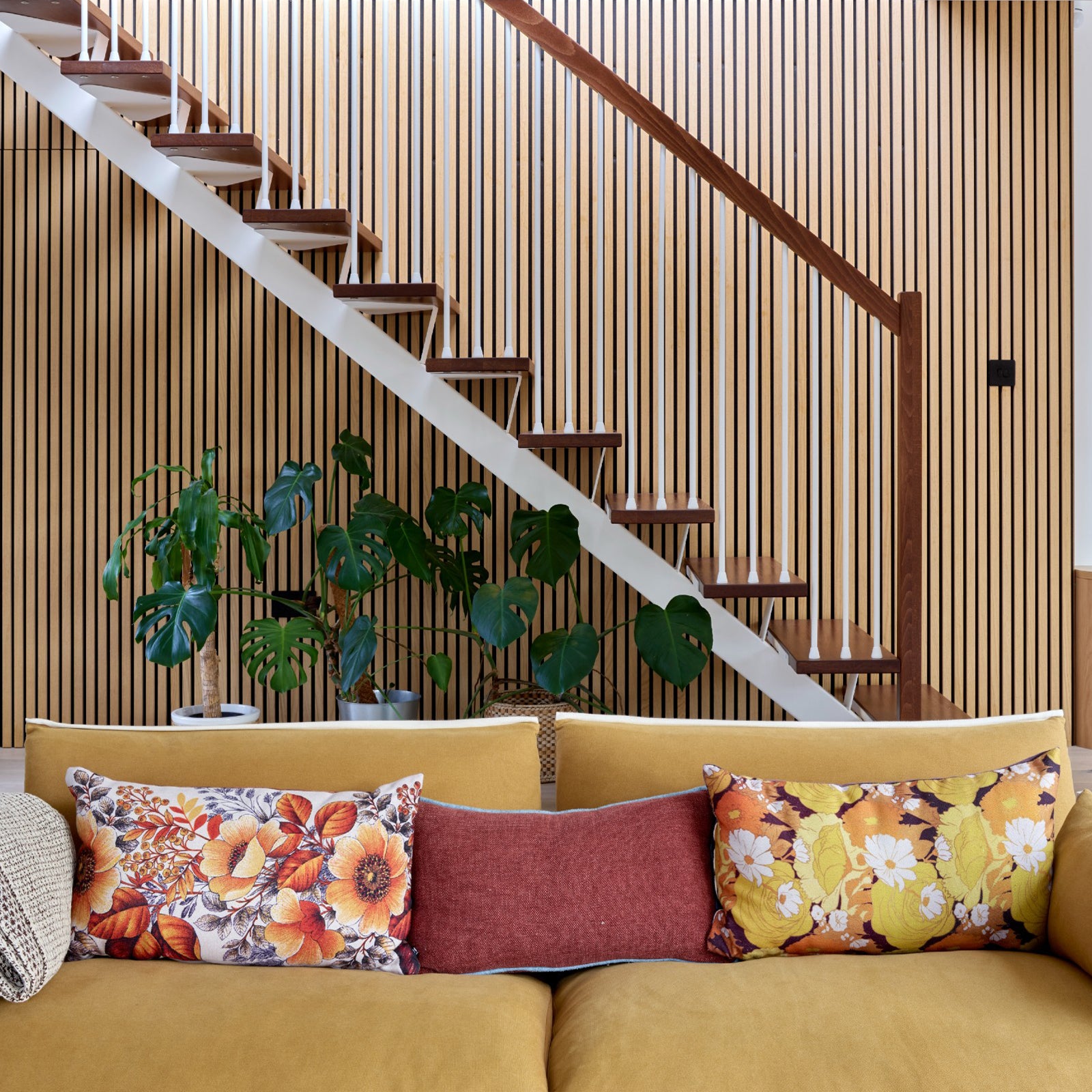
    Modern minimalist design emphasizes simplicity, clean lines, and a clutter-free aesthetic. Wood slat walls are an ideal addition to this style, as they offer a subtle yet impactful way to introduce natural elements into your home. For a sleek and contemporary look, consider installing the wood panels evenly spaced, narrow wood slats in a light finish such as oak or birch. This approach not only creates a calming atmosphere but also adds depth and texture without overwhelming the space.

    Another idea is to use wood slat walls as a focal point in a room. For instance, you can create an accent wall in your living room or bedroom by positioning wood slats vertically from floor to ceiling. This method draws the eye upward, enhancing the room’s height and giving it a more spacious feel. Pairing the wood slats with neutral tones and minimal decor will further emphasize the modern minimalist theme.

    Additionally, integrating hidden lighting behind the slats can create a soft, ambient glow that enhances the room’s ambiance. This technique works especially well in living rooms and bedrooms, where a cozy and inviting atmosphere is desired.

    Read More: 3 Best Kitchen Wall Panels Idea: Sleek, Stylish, and Durable

    Rustic Charm with Reclaimed Wood Slat Walls

    For those who appreciate a more rustic or farmhouse aesthetic, reclaimed wood slat walls offer a perfect solution. The unique character of reclaimed wood, with its natural imperfections and weathered appearance, adds a sense of history and warmth to any interior. By choosing wood with different tones and textures, you can create a visually striking wall that serves as a conversation piece.

    Installing horizontal wood slats with varying widths can enhance the rustic charm, making the wall appear more dynamic and less uniform. This technique is particularly effective in spaces like kitchens, dining rooms, or home offices, where the rustic aesthetic can create a cozy and welcoming environment.

    Scandinavian-Inspired Wood Slat Walls

    Scandinavian design is known for its emphasis on functionality, simplicity, and the use of natural materials. Wood slat walls fit seamlessly into this style, providing both aesthetic appeal and practical benefits. A Scandinavian-inspired wood slat wall typically features light-colored wood, such as pine or maple, arranged in clean, linear patterns.

    To achieve a true Scandinavian look, consider installing wood slat walls in areas like the living room or hallway, where they can serve as a backdrop for minimalist furniture and decor. The light wood tones will reflect natural light, brightening the space and creating a sense of openness.

    Mid-Century Modern Wood Slat Walls

    Mid-century modern design is characterized by its clean lines, organic shapes, and a focus on functionality. Wood slat walls are a great way to incorporate this design style into your home. Opt for darker wood tones like walnut or teak to create a rich and sophisticated look that complements the mid-century aesthetic.

    One idea is to use wood slat walls as a room divider, separating different functional areas within an open floor plan. This approach not only maintains the flow of the space but also adds a touch of mid-century flair. The vertical slats can create a sense of privacy without completely closing off the area, making it ideal for spaces like living rooms and dining rooms.

    Contemporary Accent Walls

    Contemporary design is all about embracing the latest trends while maintaining a sense of timelessness.  One idea is to install wood slats in a diagonal or chevron pattern, which adds visual interest and a modern twist to the traditional wood slat wall. This design works well in living rooms, bedrooms, and entryways, where it can serve as a bold statement piece.

    Another contemporary approach is to mix materials, such as combining wood slats with metal or glass. This fusion of materials creates a dynamic and eye-catching design that feels fresh and innovative. For example, you could frame a wood slat wall with metal accents or incorporate glass panels between the slats for a more industrial-chic look.

    Read More: Hidden Door Ideas: Discover the Magic of Secret Doors

    Best Wood Slats Decorative Wall Panel Recommendation in 2026

    American Acoustic Slat Wood Wall Panels | SoundPanel

    Classic Lines Wall Panel

    Introducing the SoundPanel, a distinguished collection of The Panel Hub wood wall panels series, designed to infuse your dining room with a blend of timelessness and sophistication.

    Each wall panel, unique in its own right, showcases individual textures and grain patterns that are characteristic of high-quality wood paneling for walls. The classic lines of this design impart a subtle yet luxurious touch, elevating your dining area with unparalleled elegance and character.

    In perfect harmony with a wide spectrum of interior designs, our American Acoustic Slat Wood Wall Panel is a versatile choice that seamlessly fits into everything from traditional to modern wood paneling for walls.

    Read More: Mastering the Process: How to Install Shower Wall Panels Like a Pro

    Why People Choose Wood Slat Wall Panels in 2026

    Timeless Elegance

    Wood Slats Decorative Wall Panels have a timeless appeal that transcends trends and fads. In 2026, these panels take center stage as the embodiment of elegance and sophistication.

    Whether you opt for a contemporary, minimalist look or embrace a rustic, natural vibe, these panels seamlessly adapt to your vision. Their versatility in design and texture allows you to create a space that not only impresses but also reflects your unique style.

    Versatile Design Possibilities

    One of the standout features of wood slats is their versatility in design. In 2026, you’ll discover an array of possibilities to transform your living or working space. Experiment with different finishes, colors, and installation patterns to achieve the ambiance you desire.

    These panels can be used in various settings, from accent walls in residential homes to creating a captivating backdrop in commercial spaces. The flexibility they offer ensures that your creativity knows no bounds.

    Read More: How To Install Wall Panelling In Your Home – 5 Simple Steps

    Eco-Friendly Living

    As sustainability continues to gain importance, Wood Slats Decorative Wall Panels emerge as a beacon of eco-friendly living in 2026. Crafted from sustainable materials and manufactured using environmentally responsible processes, these panels contribute to a greener planet.

    Moreover, their durability means fewer replacements over time, reducing waste and minimizing your environmental footprint. By choosing Wood Slats Wall Panels, you not only enhance your space but also make a conscious commitment to a more sustainable future.

    Durability and Longevity

    Investing in Wood Slats Decorative Wall Panels in 2026 means investing in durability and longevity. These panels are built to withstand the test of time, ensuring that your interior design remains stunning and functional for years to come.

    With minimal maintenance requirements, you can enjoy their beauty without the hassle of constant upkeep, making them a practical choice for busy lifestyles.

    Read More: 5 Best Modern PVC Wall Panel Design for Bedroom

    Aesthetic Appeal for All

    Wood Slats Decorative Wall Panels have a broad aesthetic appeal that transcends design preferences. Whether you have a penchant for modern, sleek interiors or a love for traditional and rustic decor, these panels seamlessly integrate into any setting.

    Their adaptability ensures that regardless of your style, you can incorporate Wood Slats Wall Panels to elevate your space and create a truly captivating environment.

    50 Creative Wood Slat Wall Ideas

    For those looking to bring their interior wood wall panel ideas to life, having visual inspiration can be incredibly helpful. To spark your creativity, we’ve curated a gallery of 50 unique wood slat wall designs that showcase a range of styles, materials, and applications. These images offer a wealth of ideas, from modern minimalist setups to rustic, reclaimed wood installations, ensuring there’s something for every taste.

    Each image in this gallery highlights different ways to incorporate wood slats into various spaces within your home. Whether you’re considering a statement wall in your living room, a cozy bedroom backdrop, or a functional room divider, these photos will provide you with practical and stylish examples to guide your design process.

    Take your time to explore the gallery, noting how different wood tones, slat arrangements, and complementary decor can transform a space. By drawing inspiration from these 50 creative ideas, you’ll be better equipped to make informed decisions about your own interior wood slat wall project, ensuring it perfectly reflects your personal style and the atmosphere you wish to create in your home.

    Explore Wall Panels

    The_Panel_Hub_-_Gallery_2-The Panel Hub

    grey-acoustic-slat-wall-panel-room-The Panel Hub

    Buy This Panel

    The_Panel_Hub_-_Hero_Banner_5_Mobile_57c0cca5-9d59-4682-9716-517d73eed303-The Panel Hub

    The_Panel_Hub_-_Hero_Banner_6_Mobile_9202e549-b0b4-48c7-98dc-38d4076b8c9b-The Panel Hub

    American Walnut Acoustic Slat Wood Wall Panels | 3-Sided Veneer | SoundPanel®-Indoor-The Panel Hub

    SoundPanel_-ClassicOak_1-The Panel Hub

    wall_panel_bedroom_collection_1-The Panel Hub

    bedroom_wall_panel_4-The Panel Hub

    walnut-modern-wood-slat-accent-wall-2-1024x768-The Panel Hub

    grey-acoustic-slat-wall-panel-room-The Panel Hub

    Buy Here

    American Golden Acoustic Slat Wood Wall Panels | SoundPanel®.

    American Walnut Acoustic Slat Wood Wall Panels | 3-Sided Veneer | SoundPanel®-Indoor-The Panel Hub

    America Golden Acoustic Wall Panels | 3 - Sided Wood Veneer | SoundPanel® - The Panel Hub

    3D Acoustic Slat American Smoked Oak Wood Wall Panel

    Explore Wall Panels

    3D Acoustic Slat American Smoked Oak Wood Wall Panel

    3D Acoustic Slat Black Oak Wood Wall Panel

    America Grey Acoustic Wall Panels | 3-Sided Wood Veneer | SoundPanel®.

    America Grey Acoustic Wall Panels | 3-Sided Wood Veneer | SoundPanel®.

    America Classic Acoustic Wall Panels | 3-Sided Wood Veneer | SoundPanel®.

    America Golden Acoustic Wall Panels | 3 - Sided Wood Veneer | SoundPanel® - The Panel Hub

    Wood Wall Panel

    What to Do Before Buying Wood Slat Decorative Panels (2026 Guide)

    1. Define the Purpose First (Design vs Acoustic vs Both)

    Before buying wood slat decorative panels, it’s essential to clearly define your goal, as this is where many buyers make costly mistakes. Consider whether you’re aiming for purely decorative impact, improved sound absorption, or a combination of both.

    You should also think about where the panels will be installed, whether on a feature wall, ceiling, or across an entire room. This distinction matters because decorative panels are typically thinner and focused on visual appeal, while acoustic panels are built with felt backing and come with an NRC rating for sound performance.

    In 2026, more buyers are leaning toward multi-functional panels that offer both aesthetic value and acoustic benefits, making this step critical before making a purchase.

    2. Measure Your Wall (Accurately)

    Accurate measurements are crucial when planning your wood slat panel installation, as rough estimates often lead to material shortages or unnecessary waste. Start by calculating the full wall dimensions, including width and height, then account for any obstacles such as windows, doors, or electrical outlets.

    Ceiling height is also important, especially if you plan to install vertical slats, as it affects both layout and panel selection. To avoid running short during installation, it’s recommended to order an additional 5–10% of material to cover cutting loss and adjustments.

    Taking the time to measure properly ensures a smoother installation process and a more polished final result.

    3. Choose the Right Material

    Not all wood slat panels are created equal, and selecting the right material can significantly impact both aesthetics and durability. Solid wood panels offer a premium, natural look with unique grain variations, but they tend to be more expensive.

    Wood veneer panels with an MDF core are currently the most popular choice in 2026, as they provide a balance between affordability, consistency, and visual appeal. For more budget-conscious or moisture-prone environments, faux wood or laminate options are a practical alternative due to their resistance to humidity and wear. 

    4. Understand Acoustic Performance (If Relevant)

    If sound quality is a factor in your space, understanding acoustic performance is essential before choosing your panels. Key specifications to look for include the NRC (Noise Reduction Coefficient) rating, which indicates how much sound the panel can absorb, for example, an NRC of 0.85 means 85% of sound is absorbed.

    You should also evaluate the thickness of the felt backing and the overall density of the panel, as these contribute to better sound absorption. It’s important to note that wood slat panels are not designed for soundproofing; they do not block noise but instead reduce echo and improve overall acoustics within a room.

    Including this clarification in your content not only educates buyers but also strengthens trust and authority.

    5. Check Panel Dimensions & Coverage

    Panel dimensions and coverage vary significantly between brands, making it important to review specifications carefully before purchasing.

    Typical panels range from 12 to 24 inches in width and are often available in heights such as 94 or 108 inches. Additionally, the width of individual slats and the spacing between them can influence the overall look and feel of the installation. These factors affect visual density, total project cost, and how the panels will be arranged during installation.

    Understanding these details in advance helps ensure that the final design aligns with your expectations and minimizes the need for adjustments during the installation process.

    Conclusion

    Interior wood slat walls are a versatile and stylish way to enhance your home’s decor, offering endless possibilities to suit any aesthetic. Whether you’re drawn to the clean lines of modern minimalism, the warmth of rustic charm, the simplicity of Scandinavian design, the sophistication of mid-century modern, or the boldness of contemporary style, wood slat walls can be tailored to meet your vision.

    Browse our best-selling wood wall panels to bring a natural, organic touch to your space, without compromising on quality, durability, or authentic wood grain look. Choose SoundPanel for sound absorption and a quieter environment, or GroovePanel for a decorative, textured finish that adds depth and elegance.

    Enjoy free U.S. shipping and a 60-day satisfaction guarantee, shop now!

  • Elevate Your Interiors: A Beginner’s Guide to Panel Moulding in 2026

    Elevate Your Interiors: A Beginner’s Guide to Panel Moulding in 2026

    Panel moulding is more than just a decorative feature; it’s a transformative design element that adds elegance and architectural interest to any space. Ideal for those looking to elevate their home’s style, panel moulding can complement both modern and traditional decors.

    In this guide, we will walk you through the essentials of panel moulding, including selection, installation, and styling, to help you beautifully enhance your living environment.

    Understanding Panel Moulding

    Panel moulding dates back to Georgian times and was originally used to frame wallpaper, fabric, or paint, creating distinct, decorative wall segments that added richness and depth to room interiors. Today, it serves both decorative and practical purposes, defining spaces, concealing joints, and adding sophistication to plain walls.

    When planning to incorporate panel moulding in your home, it’s crucial to understand the different types— from simple beaded designs to more elaborate, sculpted options— and how each can impact your room’s aesthetics.

    Choosing the Right Material

    Panel Moulding

    The material of your panel moulding significantly affects both its appearance and durability. Wood mouldings bring a classic, rich feel to a space and can be customized with paint or stain. MDF is a more budget-friendly option that is easy to cut and install, ideal for painted finishes but less resistant to moisture.
    PVC or polyurethane mouldings are suitable for bathrooms or kitchens where humidity is higher. When selecting the material, consider the room’s environmental conditions and the desired finish to ensure your moulding complements the space for years to come.

    Read More: How To Install Wall Panelling In Your Home – 5 Simple Steps

    Design and Planning

    Panel Moulding

    Effective planning is vital to achieving the desired outcome with panel moulding. Begin by considering the scale of the room and the height of the ceilings. Larger, bolder moulding suit high ceilings, while subtler designs may be more appropriate for standard rooms.

    Use a sketch or digital layout to map out the placement of the mouldings, thinking about how they will frame furniture or artwork and influence the room’s flow and feel. This step helps prevent common issues like overcrowding a room or mismatching with existing decor styles.

    Tools and Materials Needed

    Before starting the installation, gathering the right tools and materials is essential to ensure a smooth process. Basic tools include a tape measure, saw, level, sandpaper, adhesive, caulk, and a nail gun or hammer.

    Also, consider any safety equipment like gloves and goggles. Preparing all necessary items beforehand can streamline your installation process and help achieve professional-looking results.

    Installation Basics

    Panel Moulding

    Installation of panel moulding can vary slightly based on the material and design but generally follows a consistent process. First, measure and mark the wall according to your design plan. Cut the moulding pieces to size, then sand the edges if necessary for a clean finish.

    Test-fit each piece on the wall before securing it with adhesive and nails, using a level to ensure straight, even placement. Proper installation is crucial for the moulding to look seamless and integrated into the space.

    Painting and Finishing Touches

    After installation, finishing touches like painting or staining will complete the look of your panel moulding. If painting, apply a primer followed by at least two coats of high-quality paint, sanding lightly between coats for the best finish.

    If staining, choose a stain that complements other woodwork in your room and apply it evenly, following up with a clear protective coat. These steps not only enhance the moulding’s beauty but also protect it from wear and damage.

    Styling with Panel Moulding

    Panel Moulding

    Panel moulding can significantly enhance your room’s character and style. It works wonderfully as a backdrop for artwork or to create visual interest behind shelving units.

    In larger rooms, moulding can help define different areas or functions, such as delineating a reading nook or dining area. Experiment with color contrasts within the panels to add depth or keep things monochrome for a sleek, unified look.

    Maintenance Tips

    Maintaining your panel moulding is straightforward but essential for preserving its appearance and longevity. Regular dusting and wiping down with a damp cloth can keep the moulding looking fresh.

    For wood or MDF, touch up any chips or scratches in the paint promptly to prevent moisture damage. Regular inspections for signs of peeling or detachment can help catch issues before they become more significant.

    Common Mistakes to Avoid

    Common pitfalls in panel moulding projects include poor planning, inadequate preparation of surfaces, and using inappropriate materials for the room conditions.

    Avoid these by taking the time to plan thoroughly, prepare walls by cleaning and smoothing them before installation, and choosing materials suited to the environmental conditions of your space.

    Read More: 3 Creative Wall Panel Ideas: Transform Your Space!

    Wood Wall Paneling: A Great Alternative to Panel Moulding

    American Acoustic Slat White Felt Wood Wall Panels - Oak - View 29

    Wood wall paneling offers a more modern and versatile alternative to traditional panel moulding, especially for homeowners looking to add texture and depth without intricate trim work. While panel moulding relies on creating visual frames using thin strips, wood paneling introduces full-surface coverage that instantly transforms a wall into a design feature. It provides a cleaner, more contemporary look and often requires less precision compared to measuring and aligning multiple moulding pieces. In addition, wood panels can offer functional benefits such as improved acoustics and durability, making them a practical upgrade beyond just aesthetics.

    If you are exploring wood wall paneling options, check out our best-selling acoustic wood wall panels and geometric wall panels to transform your space!

    Walnut Triangle Solid Wood Wall Panels | GroovePanel®.

    Tips for Using Wood Wall Paneling as an Alternative

    Choose the Right Style for Your Space

    Select a panel design that complements your interior. Slat panels work well for modern and minimalist spaces, while flat or textured panels can suit more classic or transitional designs.

    Use Paneling as a Feature Wall

    Instead of covering every wall, apply wood paneling to one focal area—such as behind a sofa or bed—to achieve a balanced and visually appealing result.

    Play with Orientation and Layout

    Vertical panels can make ceilings appear higher, while horizontal layouts can make a room feel wider. Choosing the right orientation helps enhance the proportions of your space.

    Combine with Paint or Other Finishes

    Pair wood panels with painted sections to create contrast and avoid overwhelming the room. This approach mimics the look of panel moulding while offering more depth and texture.

    Consider Functionality, Not Just Aesthetics

    If possible, opt for panels that offer additional benefits, such as acoustic performance or moisture resistance, depending on where they will be installed.

    Keep Installation Simple

    Many modern wood panels are designed for easy installation using adhesive or screws, making them a more beginner-friendly option compared to traditional moulding setups.

    FAQs

    What is panel moulding?
    Panel moulding is a decorative wall treatment created by applying thin strips of trim to form shapes such as squares or rectangles on a flat wall. It adds depth and architectural detail without requiring full wall panel installation.

    Is panel moulding suitable for beginners?
    Yes, panel moulding is beginner-friendly compared to more complex wall treatments. With proper measuring, basic tools, and careful planning, many homeowners can complete a panel moulding project as a DIY upgrade.

    What materials are used for panel moulding?
    Panel moulding is typically made from MDF, wood, or polyurethane. MDF is the most popular choice due to its affordability, smooth surface, and ease of painting.

    What tools do I need for panel moulding installation?
    Basic tools include a measuring tape, level, saw (or pre-cut moulding), adhesive or nails, and caulk for finishing. A laser level can also help ensure clean, straight lines.

    How do I plan the layout for panel moulding?
    Start by measuring your wall and dividing it into evenly spaced sections. Symmetry is key, so sketch your layout beforehand or use painter’s tape to visualize the design before installation.

    What height should panel moulding be installed?
    It depends on your design, but common placements include full wall coverage or lower wall applications (similar to wainscoting). For balanced proportions, many designs follow wall height divisions such as thirds.

    Should panel moulding be painted the same color as the wall?
    It can be painted the same color for a subtle, elegant look or a contrasting color to make the design stand out. Matching colors is a popular modern approach for a seamless finish.

    Can panel moulding be installed on textured walls?
    It’s best installed on smooth surfaces for a clean result. Textured walls may require sanding or a backer board to ensure proper adhesion and alignment.

    Conclusion

    Panel moulding is an excellent way to add elegance and character to your home. With the right tools, some planning, and a bit of creativity, you can successfully install and enjoy the beauty of panel moulding in any room.

    Remember, the key to a successful installation is preparation and patience. Take your time to measure, cut, and align everything correctly, and you’ll be rewarded with a stunning result that can dramatically enhance your living space.

  • What is Fretwork? An Intricate Art Form Explained!

    What is Fretwork? An Intricate Art Form Explained!

    Have you ever encountered furniture or architectural elements adorned with beautiful, intricate cut-out designs? This captivating embellishment is known as fretwork. But what is fretwork, exactly? This article unveils the history, techniques, and applications of this timeless craft, inspiring you to incorporate its charm into your own space.

    The History of Fretwork

    Fretwork dates back to ancient civilizations, including the Egyptians, Greeks, and Romans, who used it to embellish buildings and furniture. The technique became particularly popular during the Gothic and Renaissance periods in Europe, where it was employed in cathedrals and palaces. Over the centuries, fretwork has evolved, incorporating new materials and technologies while maintaining its traditional charm.

    Techniques Used in Fretwork

    what is fretwork?

    Fretwork involves creating intricate patterns by cutting through a thin sheet of material. Here are some common techniques used to achieve these decorative designs:

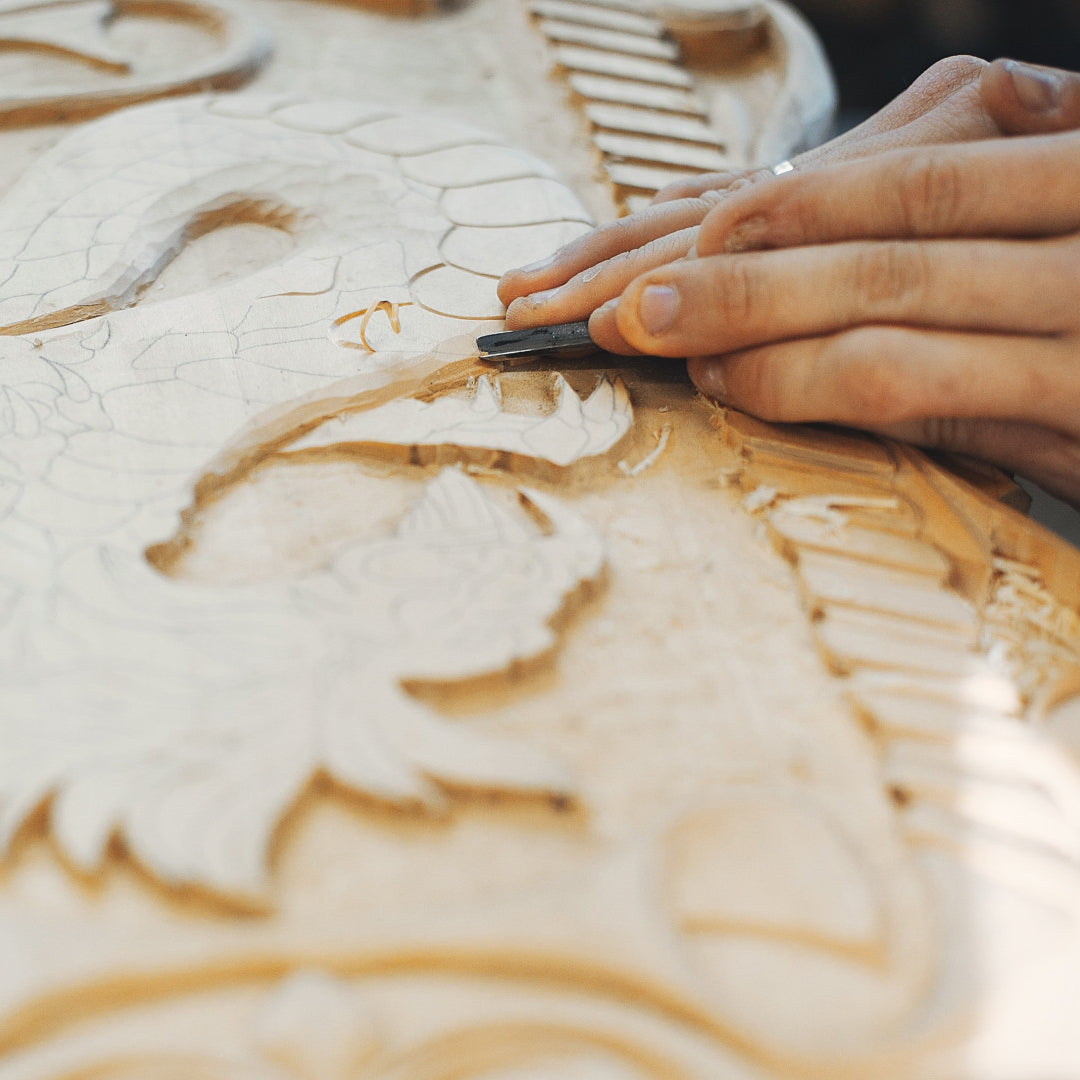
    Hand Carving

    This traditional method represents the pinnacle of fretwork craftsmanship. Skilled artisans meticulously chip away at wood or metal using chisels and gouges, bringing their artistic vision to life. Hand-carved fretwork is a true labor of love, resulting in unique, one-of-a-kind pieces that boast a depth and character unmatched by other techniques.

    Fretsawing

    This method offers a balance between tradition and efficiency. A fretsaw, a fine-toothed handheld saw, allows for precise cuts along even the most intricate design lines. While requiring patience and a steady hand, fretsawing enables detailed fretwork on a smaller scale, making it a popular choice for hobbyists and smaller projects.

    Coping Saw

    Similar to a fretsaw, a coping saw is a handheld tool ideal for creating tighter curves and navigating intricate corners. Its smaller blade size allows for sharper turns and finer details compared to a fretsaw. Coping saws are well-suited for fretwork designs with swirling patterns, flowers, or other elements that demand precise cuts on curved lines.

    Jigsaw

    Electric jigsaws offer a faster and more versatile approach to fretwork, particularly for larger projects. The electric motor provides greater cutting power, allowing for quicker completion times on intricate designs. Jigsaws can also handle thicker materials compared to traditional hand saws, making them suitable for fretwork on plywood or thicker wood panels.

    Laser Cutting

    Modern technology has entered the world of fretwork with laser cutting. This method utilizes a computer-controlled laser to precisely burn intricate patterns onto the material. Laser cutting offers unmatched precision and the ability to create highly complex designs. While ideal for mass production or achieving extremely detailed patterns, laser cutting lacks the personal touch and artistry of traditional hand-crafted fretwork techniques and tools.

    Fretwork Wall Panels: Adding Elegance to Your Space

    Fretwork wall panels are a stylish way to incorporate this ancient art form into modern interiors. These panels feature intricate designs that add depth and texture to walls, creating a focal point in any room. Available in various materials and finishes, fretwork wall panels can complement different decor styles, from traditional to contemporary.

    Related to: What Floors Look Best with Wood Paneling? 6 Ways to Decide!

    Benefits of Using Fretwork Wall Panels

    Aesthetic Appeal: Fretwork wall panels enhance the visual appeal of any space with their intricate designs and patterns. They can transform a plain wall into a stunning work of art, adding a touch of sophistication and visual intrigue.

    Versatility: These panels are available in various materials, including wood, metal, and MDF, allowing them to fit seamlessly into any design scheme. With a wide range of design options from classic to modern and geometric, fretwork panels cater to diverse aesthetic preferences. They can also be painted or stained to match your existing decor, ensuring a cohesive look.

    Easy Installation: Modern fretwork wall panels are designed for easy installation. They can be mounted on walls using adhesive or screws, making them a convenient option for DIY enthusiasts. Many pre-finished panels simply require attaching them to the wall, allowing for a quick and mess-free installation process.

    Promote Airflow: Open fretwork designs, with their beautiful cut-out patterns, can subtly improve air circulation within a room. This gentle air movement can enhance comfort and create a more breathable atmosphere, especially in rooms that tend to get stuffy.

    Read more: Beware of Style: Accent Wall Panel Ideas and Why You Should Shun Them 

    Fretwork vs. Other Decorative Techniques

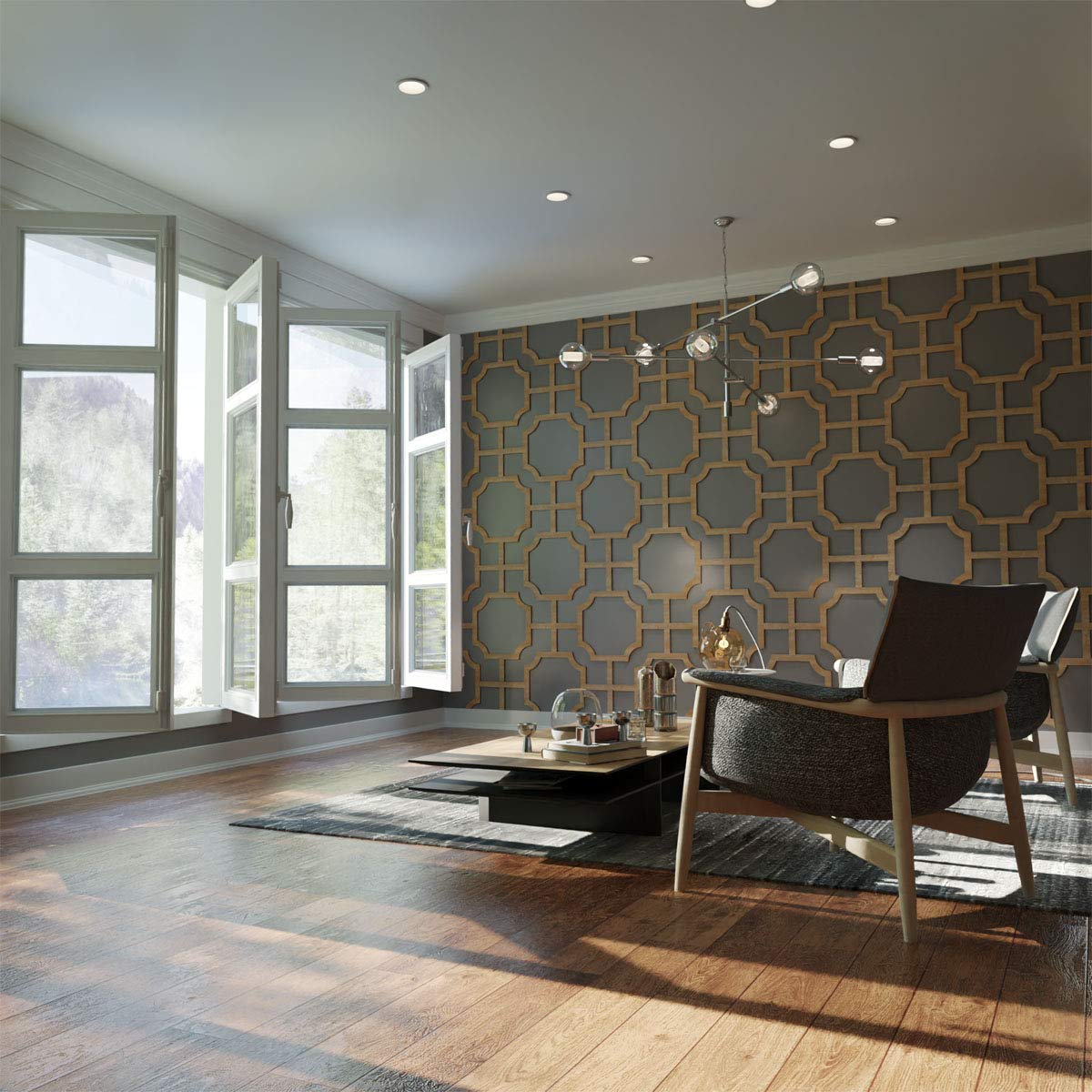
    Amazon.com: Ekena Millwork WALW16X16X0250BRDWA Bradley Decorative Fretwork  Wall Panels, 26 7/8"W x 15 3/8"H x 1/4"T, Walnut : Everything Else

    Fretwork vs. Carving
    While both fretwork and carving involve intricate designs, fretwork is typically more delicate and involves cutting patterns into thin materials. Carving, on the other hand, often involves sculpting three-dimensional shapes out of thicker materials.

    Fretwork vs. Engraving
    Engraving involves incising a design into a surface, while fretwork involves cutting out portions of the material to create a pattern. Fretwork tends to be more elaborate and visually striking due to its openwork design.

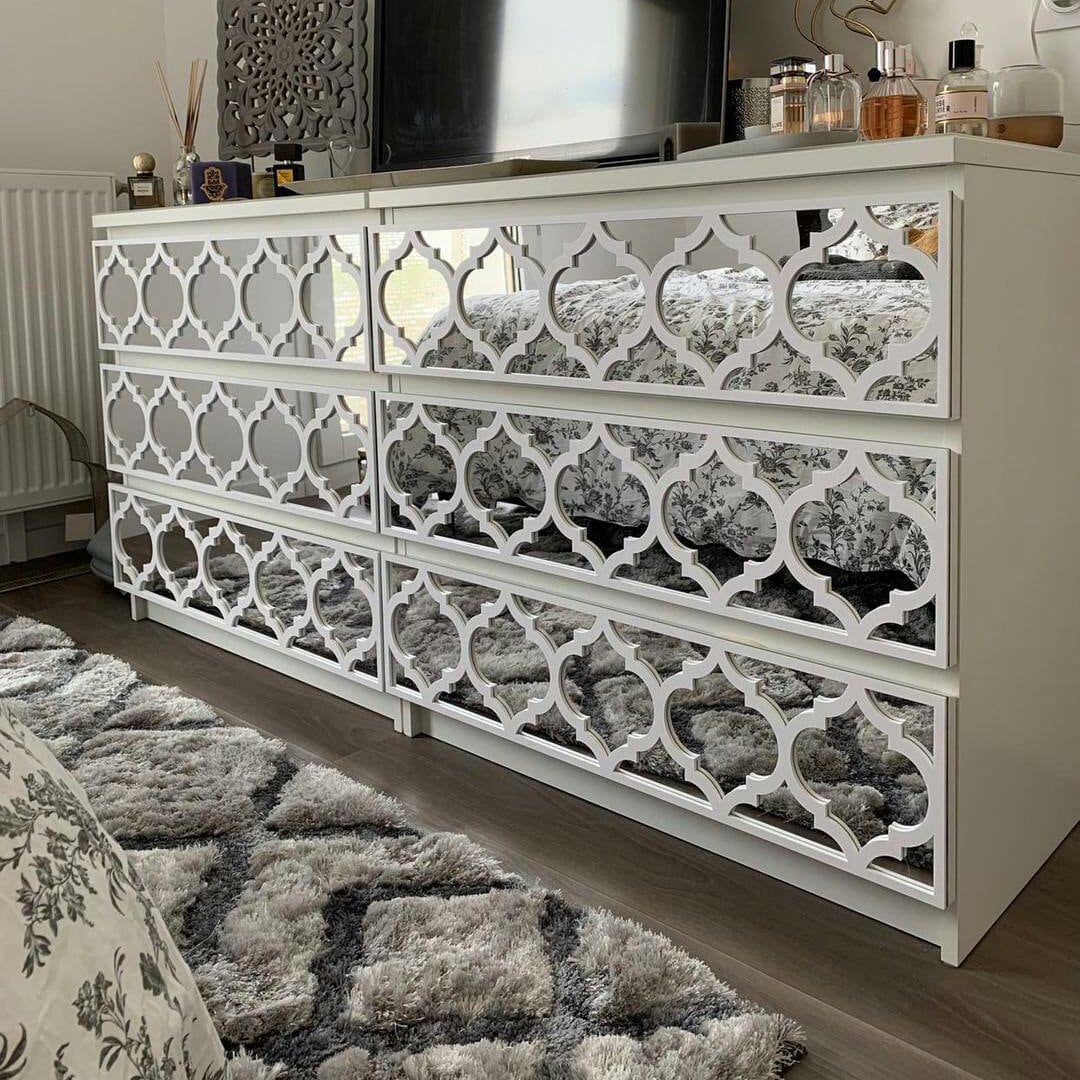
    Fretwork, Trellis, Overlays, Furniture Appliques, Malm Kits, Mirror,  Lattice, Refurbish, Sku:trellismi - EtsyFurniture

    Fretwork is commonly used to embellish furniture, adding a touch of elegance to cabinets, tables, and chairs.

    Architectural Elements

    In architecture, fretwork can be found in balustrades, window screens, and decorative ceilings, adding a sophisticated touch to buildings.

    Decorative Accessorie

    From picture frames to mirror surrounds, fretwork is used in various decorative accessories, enhancing their aesthetic appeal.

      How to Incorporate Fretwork into Your Home


      Fretwork wall
      1. Statement Walls
        Create a stunning focal point in your living room or bedroom with a fretwork wall panel. Choose a design that complements your decor and watch your space transform.
      2. Room Dividers
        Use fretwork panels as stylish room dividers. They provide privacy while allowing light and air to flow through, maintaining an open feel in your home.
      3. Furniture Accents
        Incorporate fretwork into your furniture by adding panels to cabinet doors or drawer fronts. This subtle touch can elevate the overall design of your pieces.

      Relate to: 3D Wall Panels: A Guide to Choosing the Perfect Design

      Conclusion

      Fretwork is a timeless art form that continues to inspire and beautify spaces with its intricate designs. Whether you choose to incorporate fretwork wall panels or other decorative elements, this technique adds elegance and charm to any interior. Explore the possibilities of fretwork and transform your space into a sophisticated haven.

    1. Best Wall Covering Options for Luxurious Yet Affordable Home Interiors

      Best Wall Covering Options for Luxurious Yet Affordable Home Interiors

      When it comes to home decoration, wall-covering options play a pivotal role in setting the aesthetic tone of a space. They are one of the first things noticed by guests and can make or break the perceived elegance and comfort of your home. 

      For homeowners, especially in bustling urban areas of Canada, the USA, and Europe, the challenge often lies in finding wall solutions that are both striking and budget-friendly. This article delves into various wall-covering options that cater to sophisticated tastes without necessitating a hefty investment. 

      Whether you are looking to refresh a room or undertake a complete renovation, understanding how to choose the right wall treatments can help you enhance your home’s interior while impressing friends and clients alike.

      Read also: 10 Cheap Wall Covering Ideas for Bad Walls: Style on Budget

      Understanding Wall Coverings

      Understanding Wall Coverings Option

      The wall covering is any material that is used to cover or decorate walls. From paint to tiles to fabric panels, each type offers its unique aesthetic and functional benefits. Choosing the right wall covering involves balancing cost, ease of installation, durability, and style. 

      This article covers three types of wall covering that I have dug upon my research on countless websites, running down friends’ houses, and asking our expert. Start from the economical wall covering options to the luxurious ones, then go down to the most special option. So, here we go.

      Economical Choices for Wall Coverings

      Economical Choices for Wall Coverings Option with Paint

      These options cater to the needs of homeowners who seek to beautify their living spaces without breaking the bank. Each choice offers unique advantages and can be tailored to the specific aesthetic desires and practical requirements of your household.

      • Paint:

        • Types: Choices range from matte, which provides a non-reflective finish, to high-gloss, which offers a vibrant, durable surface.
        • Pros: Cost-effective, offers unlimited color options, easy to apply and change.
        • Cons: May require frequent touch-ups, especially in high-traffic areas, and is less durable than some alternatives.

      Read also: 9 Most Unique Hallway Paint Ideas to Dazzle Guests (and Yourself!)

      • Wallpaper:

        • Types: Includes vinyl, which is durable and easy to clean; foil, which can add a metallic finish; and flock, for a textured, velvet-like feel.
        • Pros: Provides a wide range of patterns and textures, is relatively durable, and can last many years if properly installed.
        • Cons: Higher quality options can be costly; installation and removal can be challenging without professional help.
      • Wood Panels:

        • Types: Options include affordable reclaimed wood, environmentally friendly bamboo panels, and versatile MDF (Medium Density Fiberboard).
        • Pros: Adds warmth and elegance to any room; varieties like reclaimed wood are often less expensive and more environmentally sustainable.
        • Cons: Depending on the type of wood, may require significant maintenance; some types like bamboo are pricey.

      Read also: [Spring Sale 2024] Essential Tips for Your Outdoor Decor

      Premium but Prudent Choices

      Wall Covering Options for Luxurious Yet Affordable Home Interiors: Premium but Prudent Choices

      While economizing is crucial, some homeowners may opt for slightly pricier materials that offer longer durability and a more distinctive style. These choices, while requiring a higher initial investment, provide a luxurious finish and can prove to be more cost-effective in the long run due to their durability.
      • Fabric Panels:

        • Pros: Fabric panels offer a luxurious texture and aesthetic appeal that is hard to match with other materials. They are excellent for soundproofing, making them ideal for busy households and those in noisy city environments.
        • Cons: The cost can be a barrier; they generally require professional installation and a careful selection process to ensure the fabric complements the interior décor.
      • Stone Veneer:

        • Pros: Stone veneers provide a high-end, natural stone appearance at a fraction of the cost of real stone. They are incredibly durable and maintenance is minimal once installed.
        • Cons: Installation can be costly due to the need for specialized labor. The weight of the material may also require an assessment of the wall structure.
      • Tiles:

        • Types: Ceramic tiles offer a classic look and substantial durability, porcelain tiles are known for their moisture resistance and robustness, and mosaic tiles are best for adding an artistic touch.
        • Pros: Tiles are durable, water-resistant, and offer a modern look with minimal maintenance. They are ideal for areas that are exposed to moisture, such as kitchens and bathrooms.
        • Cons: The cost of both materials and installation can be high; the hard surface may not suit all areas of a home.

      Read also: Best Wood Trim Accent Walls Ideas in 2024

      DIY Wall Covering Ideas

      Installing Shiplap or Wood Panel

      For the hands-on homeowner looking to personalize their space uniquely while controlling costs, DIY wall covering projects are a perfect solution. These projects not only enhance the aesthetic appeal of your home but also allow for a tailored experience to fit your style and needs. Here are a few DIY ideas that are both budget-friendly and stylish:

      • Stenciling Over Paint:

        • Tools Needed: Stencils, acrylic or stencil paint, stencil brush or roller.
        • Process: Choose a stencil that matches your decor theme. Use painter’s tape to hold the stencil in place. Apply the paint using a brush or roller. Carefully remove the stencil and repeat across the wall.
        • Pros: Highly customizable, inexpensive, and a great way to add intricate, hand-painted designs to any room. 
        • Cons: Time-consuming and requires a steady hand or prior painting experience.
      • Homemade Fabric Panels:

        • Tools Needed: Fabric of choice, a canvas or wooden frame, staple gun, and mounting hardware.
        • Process: Stretch the fabric over the frame and secure it with a staple gun. Mount the frame on the wall using appropriate hardware.
        • Pros: Can choose from a vast array of fabrics to match any interior. Adds texture and color, excellent for large feature walls.
        • Cons: Fabric quality can greatly influence the look and feel of the panels; may require sewing skills if edges need to be hemmed.
      • Installing Shiplap or Wood Panels:

        • Tools Needed: Wood panels or shiplap, nails, hammer (or nail gun), saw, level, and sandpaper.
        • Process: Measure and cut the wood to fit the wall. Sand any rough edges. Starting at the bottom, level and nail each piece to the wall, overlapping slightly if using a shiplap.
        • Pros: Provides a rustic, cozy feel. Good for adding character to modern spaces.
        • Cons: Wood can be expensive depending on the type; installation can be labor-intensive.

      Conclusion

      Choosing the right pick among all the wall covering options can significantly enhance your home’s interior both aesthetically and functionally. Whether you opt for economical paints, rich fabrics, or durable tiles and woods, the proper selection will combine luxury with affordability.
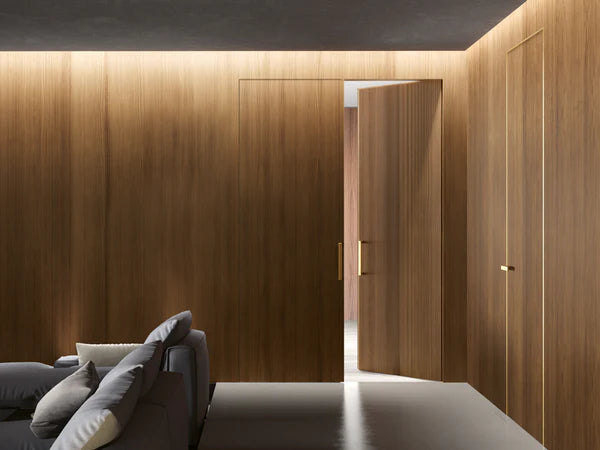
      By understanding your space’s needs and mixing materials, you can create a visually impressive environment that respects your budget.

      With the right choices, you can achieve a beautiful interior that will impress visitors and offer a lasting appeal. Start your decorating journey with confidence and create a space that truly feels like home.

    2. The Perfect Palette: 7 Colors That Go With Golden Oak Wood

      The Perfect Palette: 7 Colors That Go With Golden Oak Wood

      Golden oak wood has a warm, honey-toned grain that pairs beautifully with the right colour palette, but choosing the wrong shade can make it look dated rather than timeless. Get the palette right, though, and you can let your oak wood shine just the way it is.

      Here at the Panel Hub, our team of color experts has curated a selection of colors that can transform outdated oak trim into something contemporary and chic. We have listed 7 colors that go with golden oak really well.

      Golden oak trim has a unique ability to complement various home styles and interior designs, enhancing their overall look. It can accentuate the distinct design and architectural features of a space, providing compelling reasons to retain it. Moreover, keeping the original oak trim intact can contribute to maintaining the value of your home, particularly if it boasts historical significance. 

      Curious to know which colors we’ve handpicked to accentuate oak trim and potentially sway your decision to keep it? Keep reading to find out

      Read also: [SALE] Essential Tips for Your Outdoor Decor

      Best Colors to Complement Golden Oak

      Golden oak sets a warm and inviting stage in any home, offering a blend of durability and timeless elegance. The key to unlocking its full potential lies in pairing it with the right colors. Hence, these chosen hues are not just about aesthetics; they’re about creating a space that feels right, a perfect balance between comfort and style. So here it is the 7 best colors that go perfectly with golden oak wood:

      1. Soft Whites and Creams

      Wavy 3D PVC Wall Panel

      Nothing says fresh and clean like soft whites and creams. They provide a light, airy backdrop that allows the beauty of golden oak to stand out. Perfect for walls, they also help in making spaces appear larger and more inviting. 

      Such as the wavy 3D white PVC wall panel (in the picture), where the colors are warm enough to not offset the golden oak yet distinct enough to leave a lasting impression on all the guests that leave your house.

      2. Rich Blues

      Colors That Go With Golden Oak Wood: Rich blue

      From the depths of navy blue to the vibrancy of royal blue, these hues create a stunning contrast with golden oak, bringing a sophisticated and dynamic energy to any room. Consider blue accents like cushions, rugs, or a feature wall for a striking effect.

      3. Earthy Greens

      Colors That Go With Golden Oak Wood"Colors That Go With Golden Oak Wood: earthy greens

      Olive, sage, and other earthy greens emphasize the natural vibe of golden oak. They’re ideal for creating a calming and grounded environment. Textiles, wall paint, or even indoor plants can introduce this color seamlessly into your space.

      4. Deep Grays

      Colors That Go With Golden Oak Wood"Colors That Go With Golden Oak Wood: Deep grays

      Gray offers a contemporary twist, adding sophistication and a modern flair when paired with golden oak. It works well as a color for flooring, furniture, or accent walls, providing a neutral but impactful contrast.

      5. Warm Neutrals

      warm neutral room with golden oak wood floor paneling

      Beige, taupe, and soft browns blend beautifully with golden oak, enhancing its warmth without overpowering it. These colors are great for larger furniture pieces or as a general color scheme to unify the space.

      6. Metallic Accents

      Colors That Go With Golden Oak Wood"Colors That Go With Golden Oak Wood: with gold accents

      To really make golden oak pop, incorporate metallic accents in gold, bronze, or copper. These can come through in light fixtures, hardware, or decorative objects, adding a touch of luxury and elegance.

      7. Greige

      Greige, a blend of gray and beige sofa and golden oak wood floor paneling

      Click Here to Buy Golden Acoustic Wall Panels

      Greige, a blend of gray and beige, strikes a perfect balance between warm and cool tones. Its neutral nature allows it to effortlessly blend with the warmth of golden oak while providing a contemporary backdrop. Greige walls paired with golden oak furniture create a sophisticated and inviting atmosphere, making it an excellent choice for living rooms and bedrooms.

      Read also: Best Wood Trim Accent Walls Ideas

      Incorporating These Colors in Your Home

      Mixing these colors into your home decor isn’t just about painting walls or buying new furniture. It’s about creating layers of texture and color that enhance the natural beauty of golden oak. Start with a neutral base and add pops of color through accessories like throw pillows, rugs, or artwork. 

      Balance is key; too much of any one color can overwhelm. Test out small accents first, and adjust until you find the perfect mix that feels right for your space.

      Read also: 9 Most Unique Hallway Paint Ideas to Dazzle Guests (and Yourself!)

      Colour Pairing FAQs for Golden Oak Wood

      What is the best paint colour for walls with golden oak wood panels?
      Warm off-whites and creamy neutrals (such as Farrow & Ball’s “Pointing” or “Clunch”, or Dulux “Natural Calico”) complement golden oak by referencing its warm honey tones without competing. Deep greens (sage, forest, olive) create a rich contrast that is extremely popular in contemporary interiors — the botanical reference pairs naturally with wood. Warm terracotta and earthy clay tones reinforce the warmth of the oak. Avoid cool greys and stark whites, which conflict with the yellow-warm undertone of golden oak.

      Does golden oak wood work with black or charcoal accents?
      Yes — black and charcoal create a strong, contemporary contrast with golden oak that is very effective in modern interiors. Black window frames, black ironmongery, and charcoal upholstery against a golden oak panel wall is a well-established combination in kitchen and living room design. The key is balance: too much black alongside warm golden oak creates a heavy, oppressive scheme; used as accents against a predominantly warm, light interior, it provides definition and modernity.
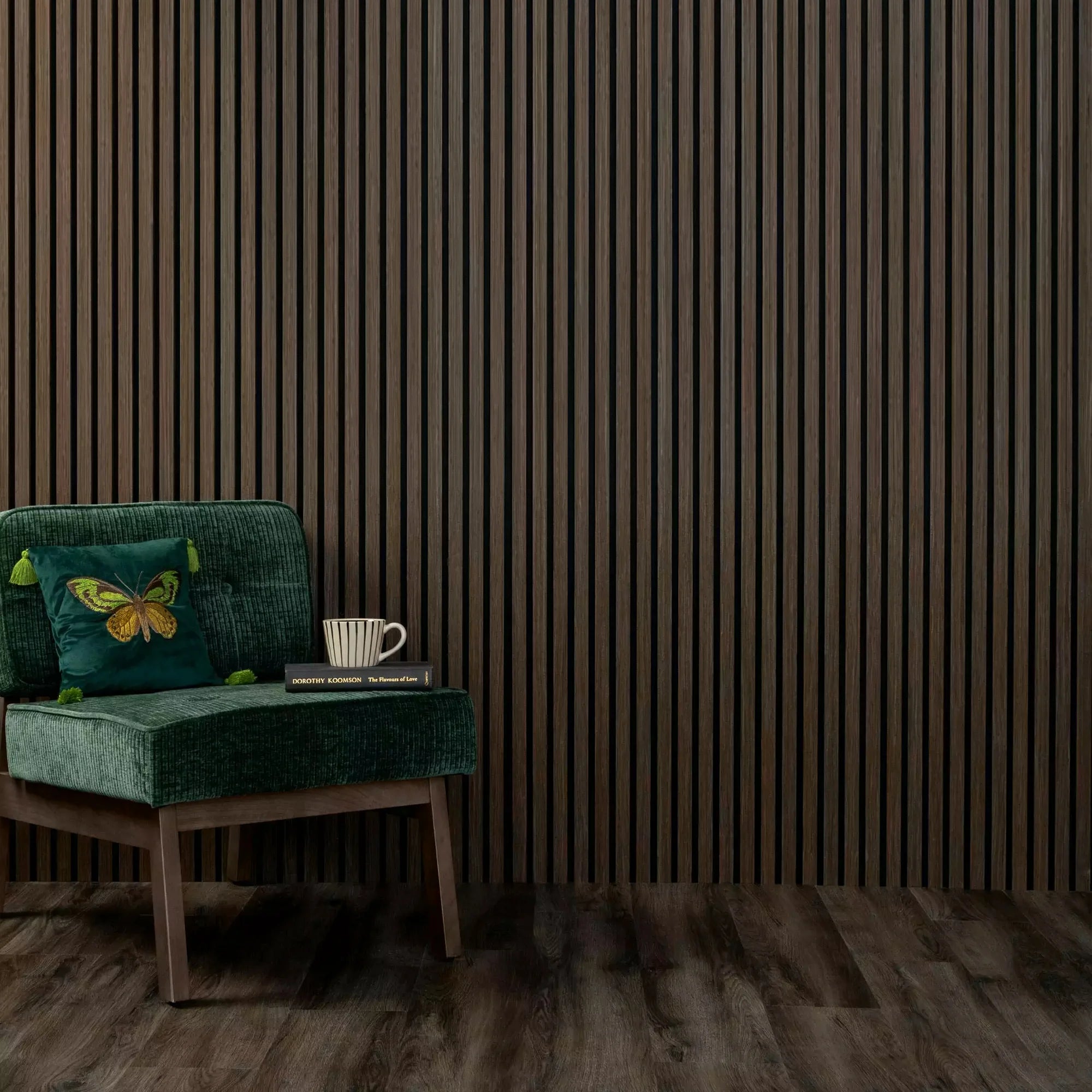
      Can I mix golden oak with darker wood tones in the same room?
      Mixing wood tones works best when you maintain a clear distinction — pair golden oak prominently with one significantly darker or lighter wood rather than with multiple mid-tones that are similar but not matching. Golden oak with dark walnut accents (furniture legs, frames, shelving) is a sophisticated combination. Golden oak alongside lightly smoked or cerused oak in a similar tone creates an uncomfortable “near-match” that reads as an error rather than a deliberate choice.
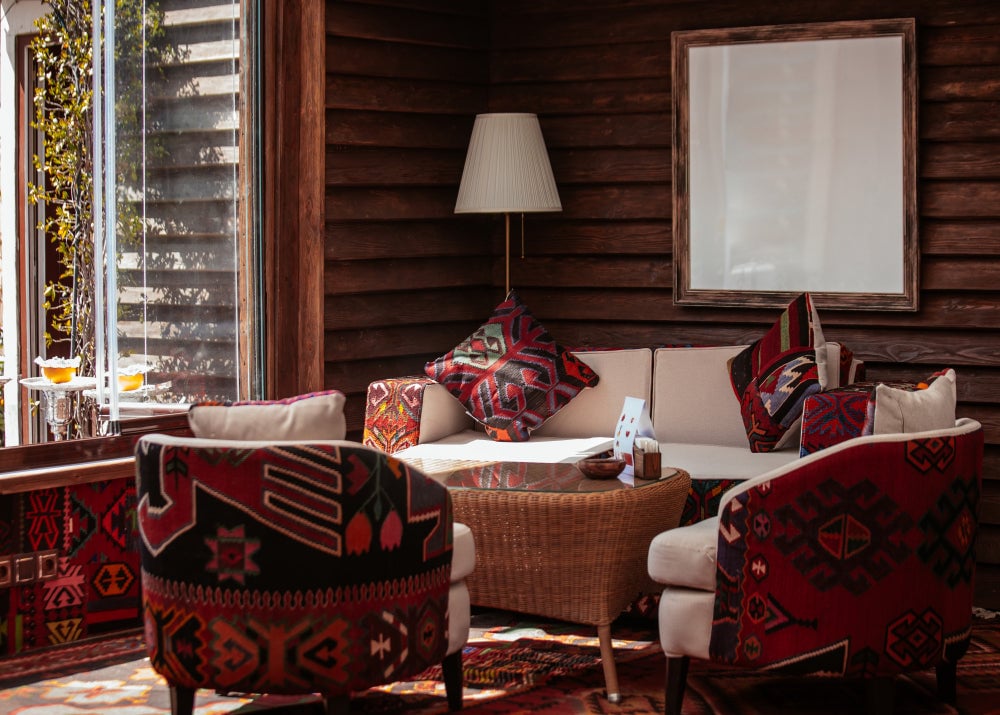
      What flooring goes best with golden oak wall panels?
      The safest approach is tonal contrast — lighter floor, darker panels (or vice versa) — to prevent the room from reading as monolithic. Light stone-effect porcelain tiles or pale grey/cream carpet create clear separation from warm golden oak wall panels. Natural oak engineered flooring in a similar tone is a more contemporary matching approach that can work successfully if the tonal values are deliberately close rather than near-misses. Avoid direct wood-on-wood combinations where grain patterns and tones are similar but not identical.

      Conclusion

      As we’ve explored, the key to enhancing the beauty of golden oak wood lies in choosing the right colors to accompany it. From the soft embrace of whites and creams to the bold contrast of rich blues and grays, there’s a palette to suit every taste and style. So why not take the plunge and reimagine your space with these inspired combinations?

      If you’re looking to upgrade your space with the natural beauty of wood but want something more premium, consider wood wall panels from The Panel Hub! Made from high-quality, sustainably sourced hardwoods like oak and walnut, our panels offer a luxurious look with 100% real wood surface, not laminate. Available in two main categories: sound absorbing panels and decorative solid wood wall panels. With Superior Sound Absorption (NRC 0.85), our wall panels are perfect for adding function and style to any room.