Tag: Maintenance

  • How to Clean and Maintain Faux Stone Wall Panels

    How to Clean and Maintain Faux Stone Wall Panels

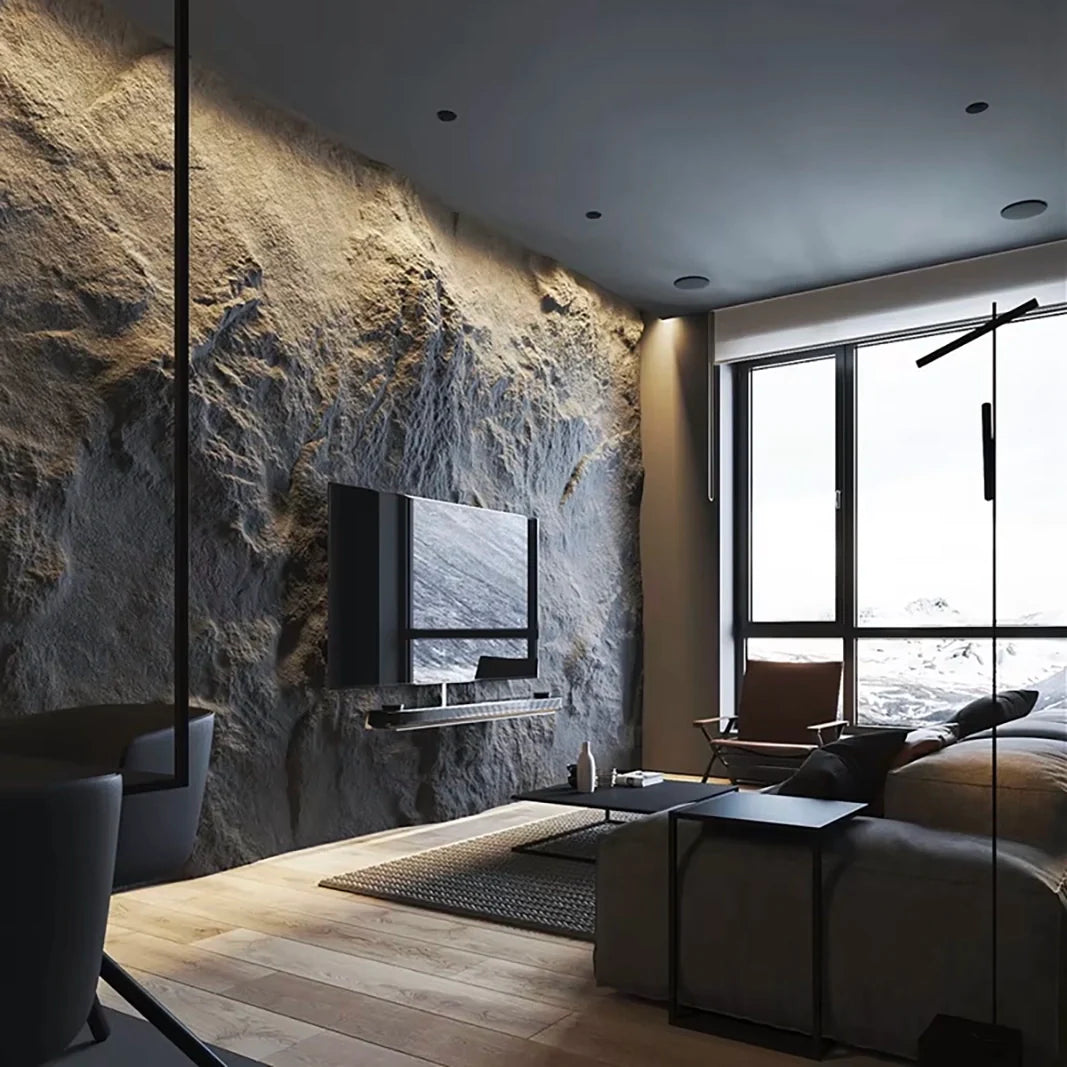
    One of the underappreciated advantages of faux stone wall panels over real stone is maintenance. Natural stone — particularly porous varieties like limestone and sandstone — requires regular sealing, careful cleaning product selection, and ongoing attention to prevent staining and biological growth. Faux stone panels are significantly more forgiving.

    That said, “low maintenance” doesn’t mean “no maintenance.” This guide covers what routine care looks like, how to handle staining, and what to avoid to keep faux stone panels looking their best over the long term.

    Routine Cleaning

    • Dust regularly: Use a soft brush, vacuum with a brush attachment, or a dry microfibre cloth. The textured surface of stone panels accumulates dust more readily than flat walls.
    • Wipe down periodically: A lightly damp cloth with warm water handles most marks and general cleaning. Wipe in the direction of the panel texture rather than against it.
    • Mild detergent for marks: A small amount of washing-up liquid in warm water handles most household marks. Apply with a soft cloth, work gently, and rinse with clean water.

    Dealing with Stains

    Grease and Kitchen Splatter

    In kitchen applications, a degreasing spray applied to a soft cloth — rather than directly to the panel — works effectively. Avoid spraying cleaning products directly into deep-relief textured surfaces as residue can accumulate in recesses.

    Mould and Mildew

    In bathrooms or humid environments, surface mould can develop in panel recesses if ventilation is poor. A solution of 1 part white vinegar to 3 parts water, applied with a soft brush and left for 10 minutes before rinsing, handles most surface mould. For persistent mould, a specialist bathroom cleaner suitable for the panel material may be required.

    Scuffs and Impact Marks

    The three-dimensional surface of stone-effect panels is naturally resistant to scuffing because impact is spread across the relief. Minor scuffs can often be concealed using a stone touch-up pen or paint matched to the panel colour.

    What to Avoid

    • Abrasive cleaners or pads: Scouring pads and abrasive cleaning powders scratch the panel surface and damage the finish permanently.
    • Solvent-based cleaners: Acetone, bleach at high concentrations, and solvent-based cleaners can strip the surface finish. Test any unfamiliar product on an inconspicuous area first.
    • High-pressure washing: For exterior panels, high-pressure washing can force water behind panels or damage adhesive bonds. Use a standard garden hose and soft brush instead.
    • Steam cleaning: High-temperature steam can affect adhesive bonds and panel finishes.

    Long-Term Care Schedule

    • Weekly: Dust or wipe with a dry cloth in high-use areas such as kitchens and bathrooms
    • Monthly: Damp wipe with mild detergent solution
    • Annually: Inspect for any loose panels; re-seal if recommended by the manufacturer

    For product-specific maintenance guidance, contact The Panel Hub directly. The team can advise on the best approach for your specific RockSurface® panels.
  • Wood Wall Panel Maintenance: How to Clean and Care for Your Panels

    Wood Wall Panel Maintenance: How to Clean and Care for Your Panels

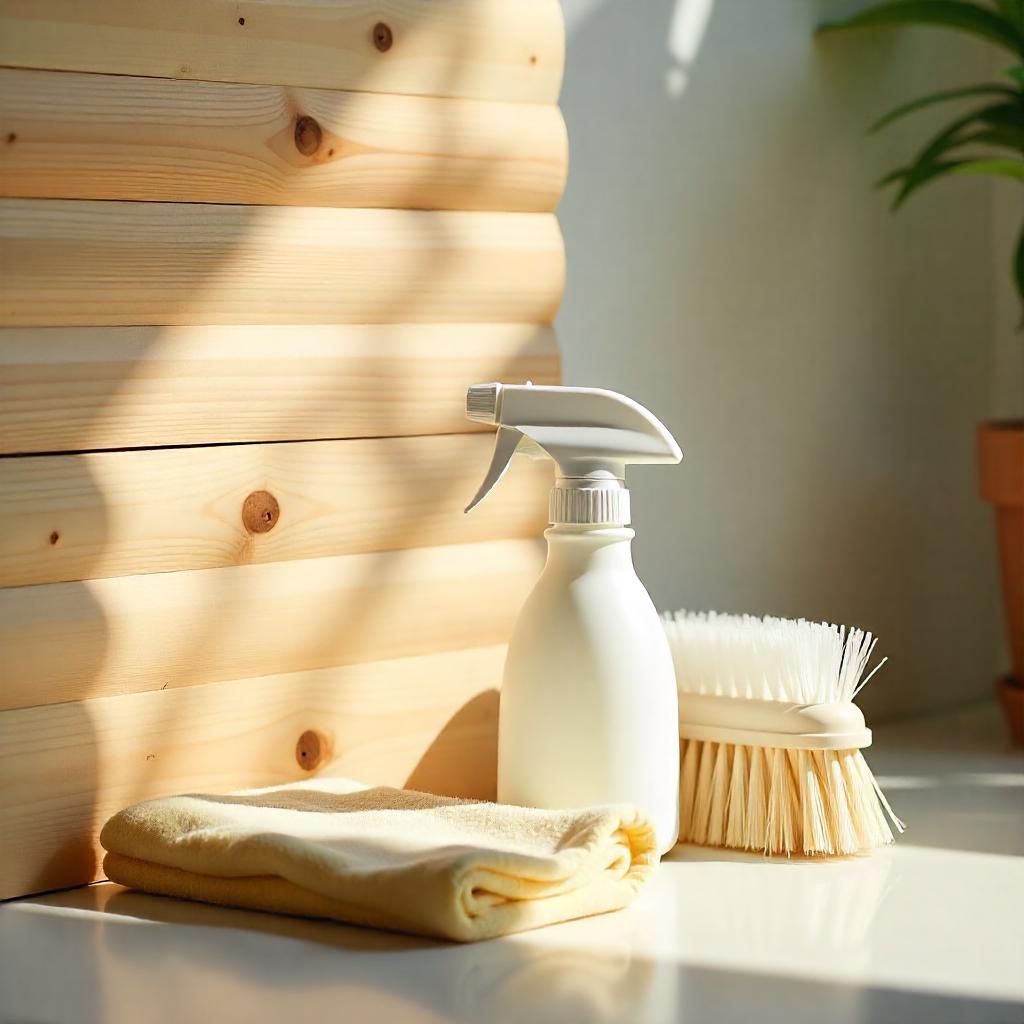
    Wood wall panel maintenance is actually very handy these day. These panels have a reputation for being high-maintenance — an impression inherited from hardwood flooring, outdoor decking, and traditional painted joinery that needs regular attention. The reality for contemporary engineered wood wall panels is quite different. A quality wood panel installation requires a fraction of the maintenance of hardwood flooring and far less than tiled surfaces with grout joints.

    Routine Cleaning

    Dusting

    Wood slat and fluted panels accumulate dust in their grooves and gaps more readily than flat walls. A soft brush attachment on a vacuum cleaner, or a microfibre duster, removes surface dust without scratching the finish. In bedrooms and living rooms, monthly dusting is typically sufficient. In kitchens where airborne grease deposits are a factor, more frequent cleaning is recommended.

    Wiping Down

    A lightly damp microfibre cloth handles most surface marks on finished wood wall panels. Wipe along the grain of the wood or in the direction of the slat profile. Use minimal moisture — wood panels should never be saturated, even those with moisture-resistant surface treatments.

    Stubborn Marks

    For marks that don’t respond to a damp cloth, a mild solution of washing-up liquid in warm water applied with a soft cloth handles most household marks. Rinse with a clean damp cloth immediately and dry with a soft towel. Avoid leaving soapy residue on the surface.

    Dealing with Specific Issues

    Moisture and Humidity

    Wood is hygroscopic — it absorbs and releases moisture from the surrounding air. In spaces with variable humidity (bathrooms, kitchens), this can cause minor expansion and contraction of individual slats or panels. Quality engineered wood panels like the GroovePanel® and SoundPanel™ are designed to manage this movement, but good ventilation in moisture-prone rooms is the best mitigation.

    Scratches and Surface Marks

    Fine surface scratches in oiled or brushed wood finishes can often be addressed using a small amount of matching wood touch-up oil applied with a soft cloth, worked along the grain direction. For deeper marks, a touch-up pen matched to the panel colour can conceal damage effectively.

    Loose Panels or Slats

    If an individual slat or panel section becomes loose, re-adhere it using the same type of adhesive used in the original installation. Clean both surfaces before re-gluing and allow adequate curing time before putting the surface back in use.

    What to Avoid

    • Harsh chemical cleaners: Bleach, ammonia, and solvent-based products can strip the surface finish and cause permanent discolouration.
    • Abrasive pads or brushes: Steel wool, scouring pads, and stiff brushes scratch wood surfaces.
    • Excess moisture: Wet cloths, steam cleaners, and standing water are all harmful to wood panels regardless of surface treatment.
    • Direct sunlight without UV protection: Prolonged direct sun causes wood finishes to fade. UV-filtering window film or window treatments help protect panels in south-facing rooms.

    Long-Term Care Schedule

    • Monthly: Light dust with microfibre cloth or soft brush
    • Quarterly: Wipe down with damp cloth; check for any loose slats or panels
    • Annually: Apply maintenance oil or wax if the surface finish requires it — check manufacturer guidance

    For specific care guidance for your panels, contact The Panel Hub directly or read our care & maintenance guide — maintenance requirements vary by panel type and surface finish.