Tag: MDF

  • MDF Wall Panels vs Solid Wood: Which Is Worth the Investment?

    MDF Wall Panels vs Solid Wood: Which Is Worth the Investment?

    MDF (Medium Density Fibreboard) and solid wood are the two primary substrate options for wood wall panels. Both can deliver excellent results. Both have genuine weaknesses. The choice between them matters — not just for budget, but for durability, appearance, environmental impact, and long-term performance in your specific application.

    What Is MDF and What Is Solid Wood?

    MDF Wall Panels

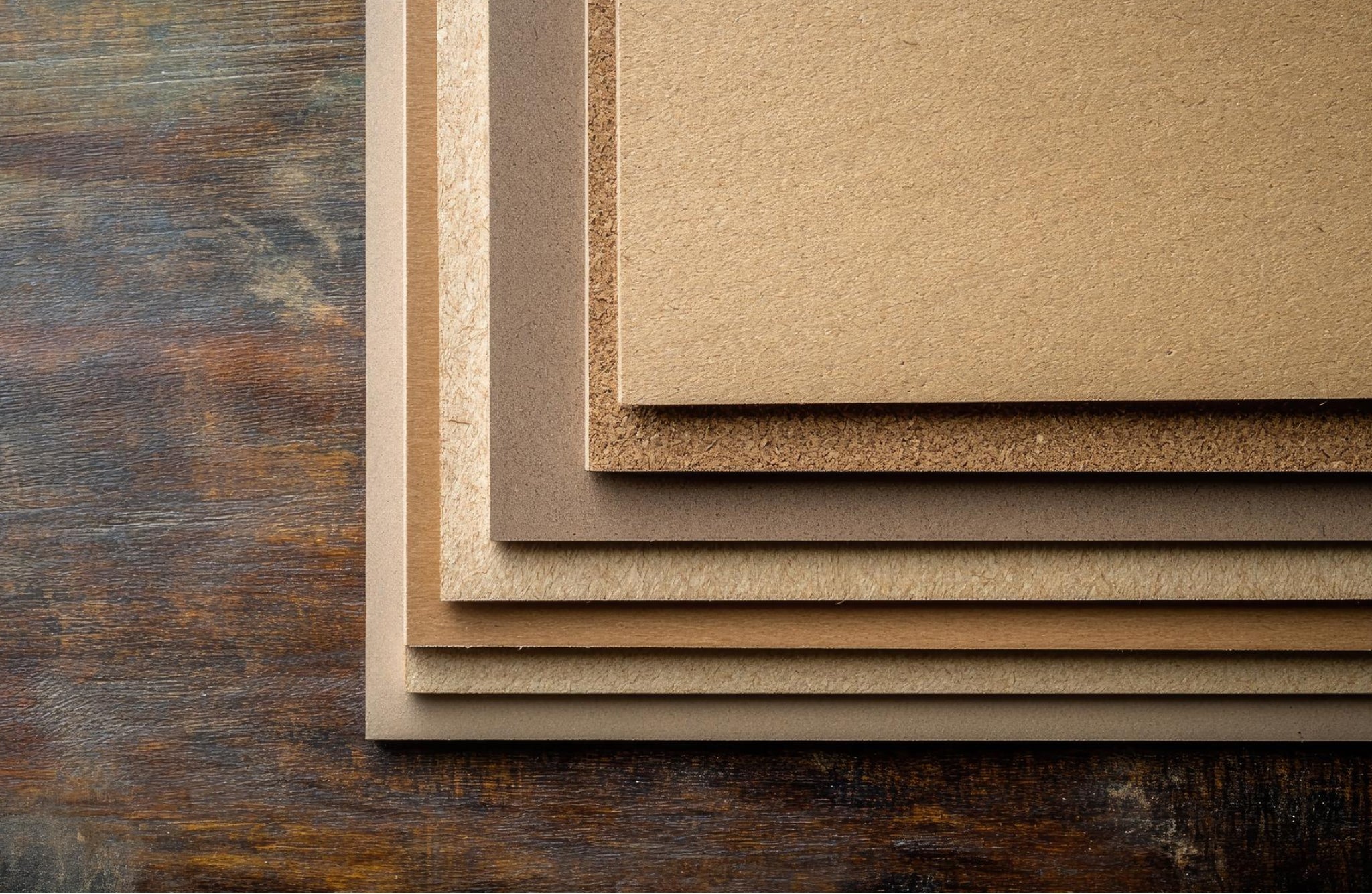
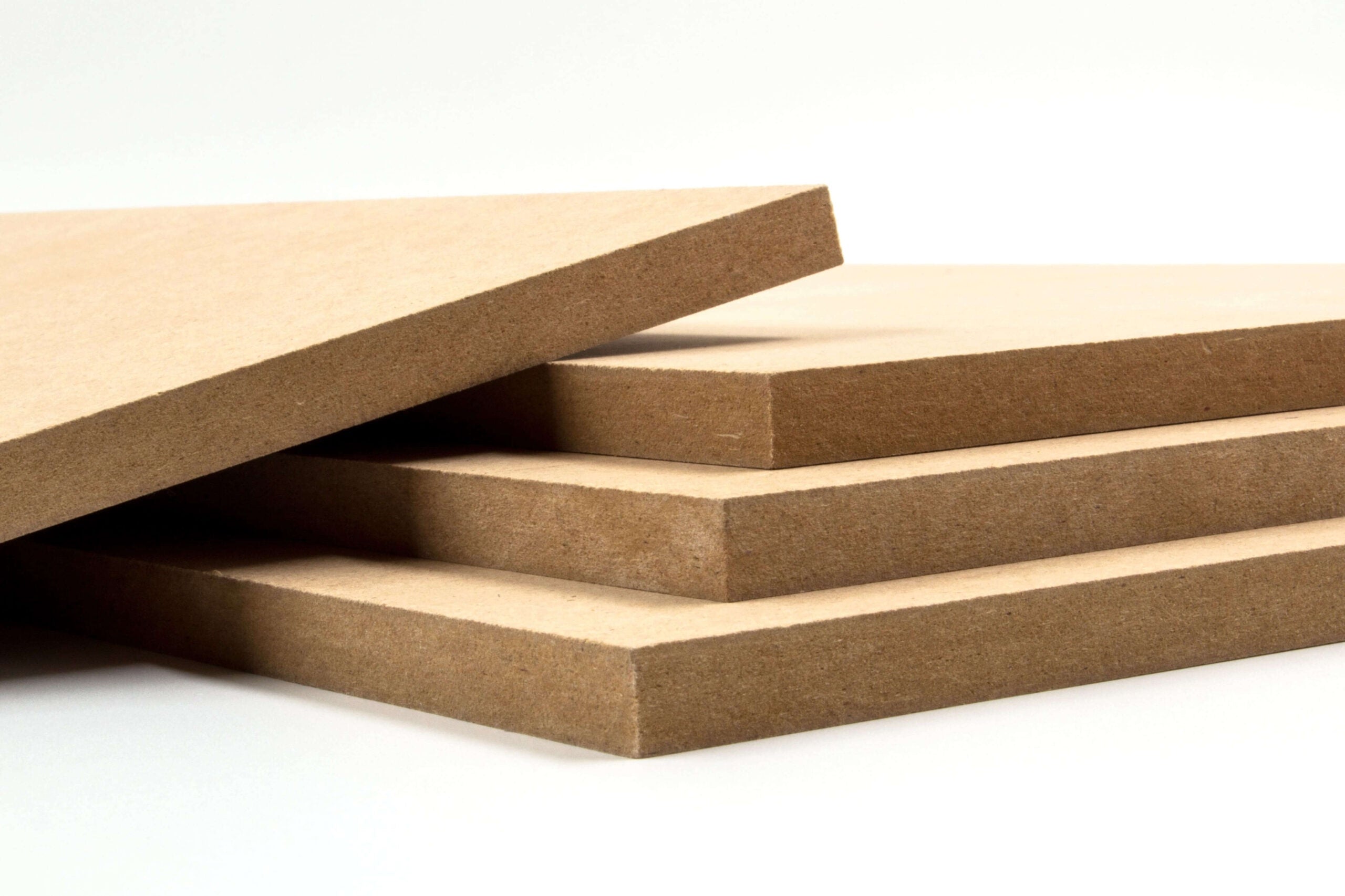
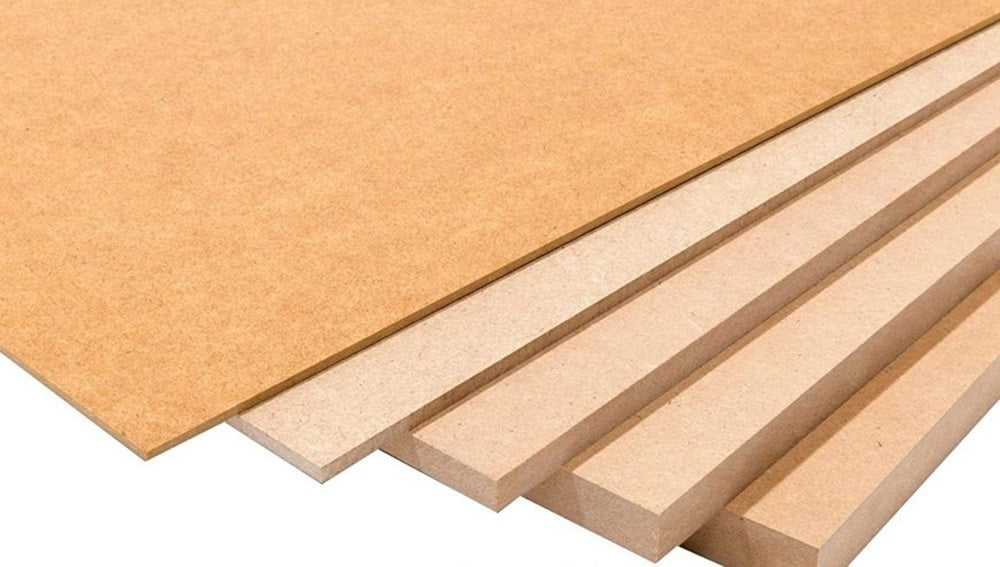
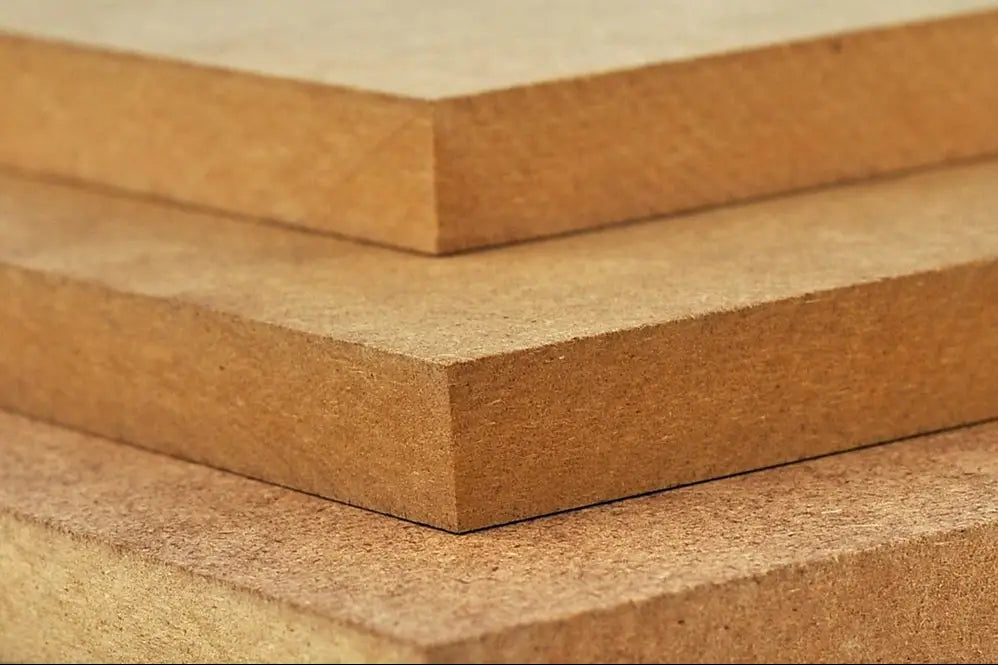
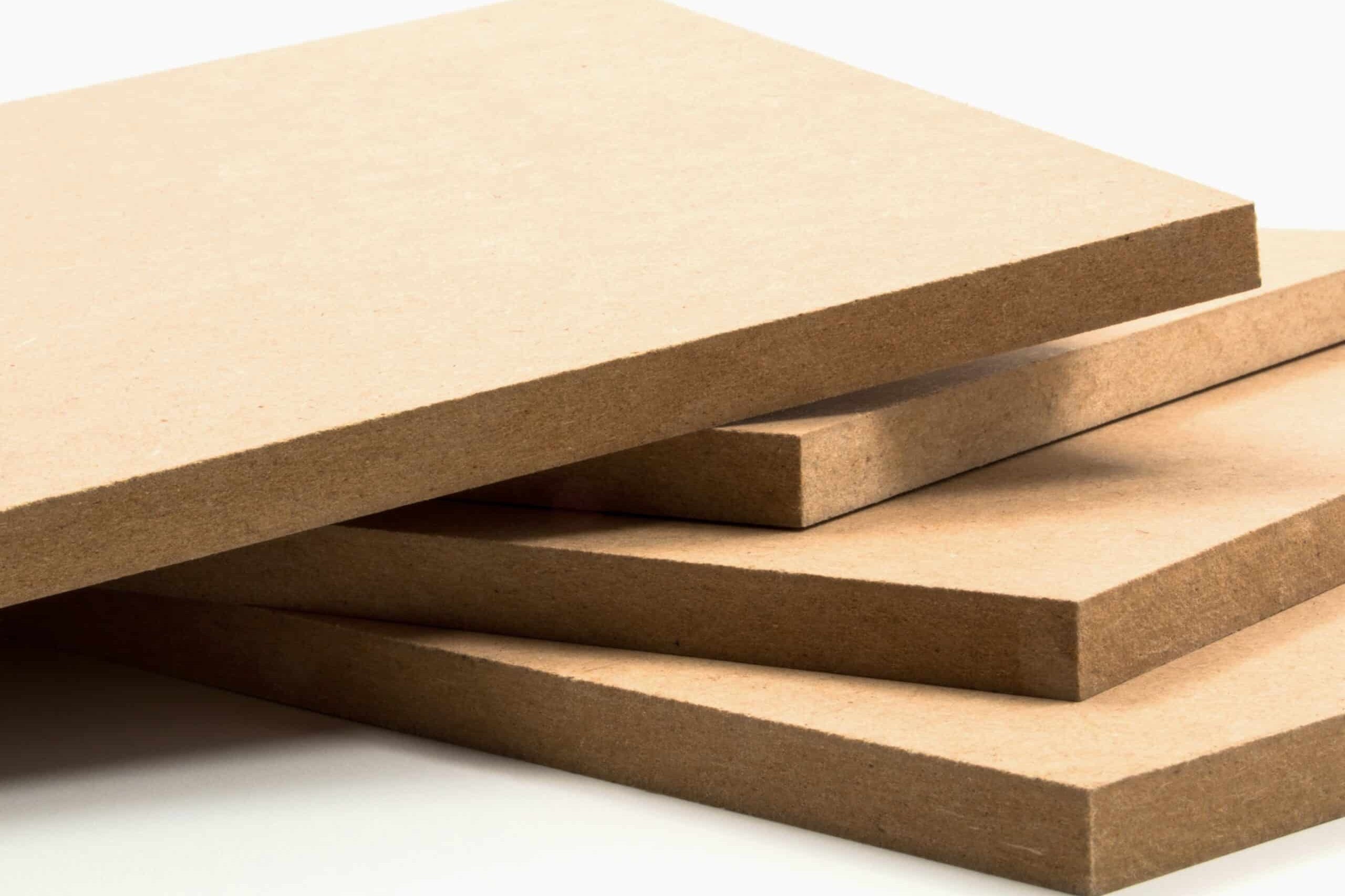
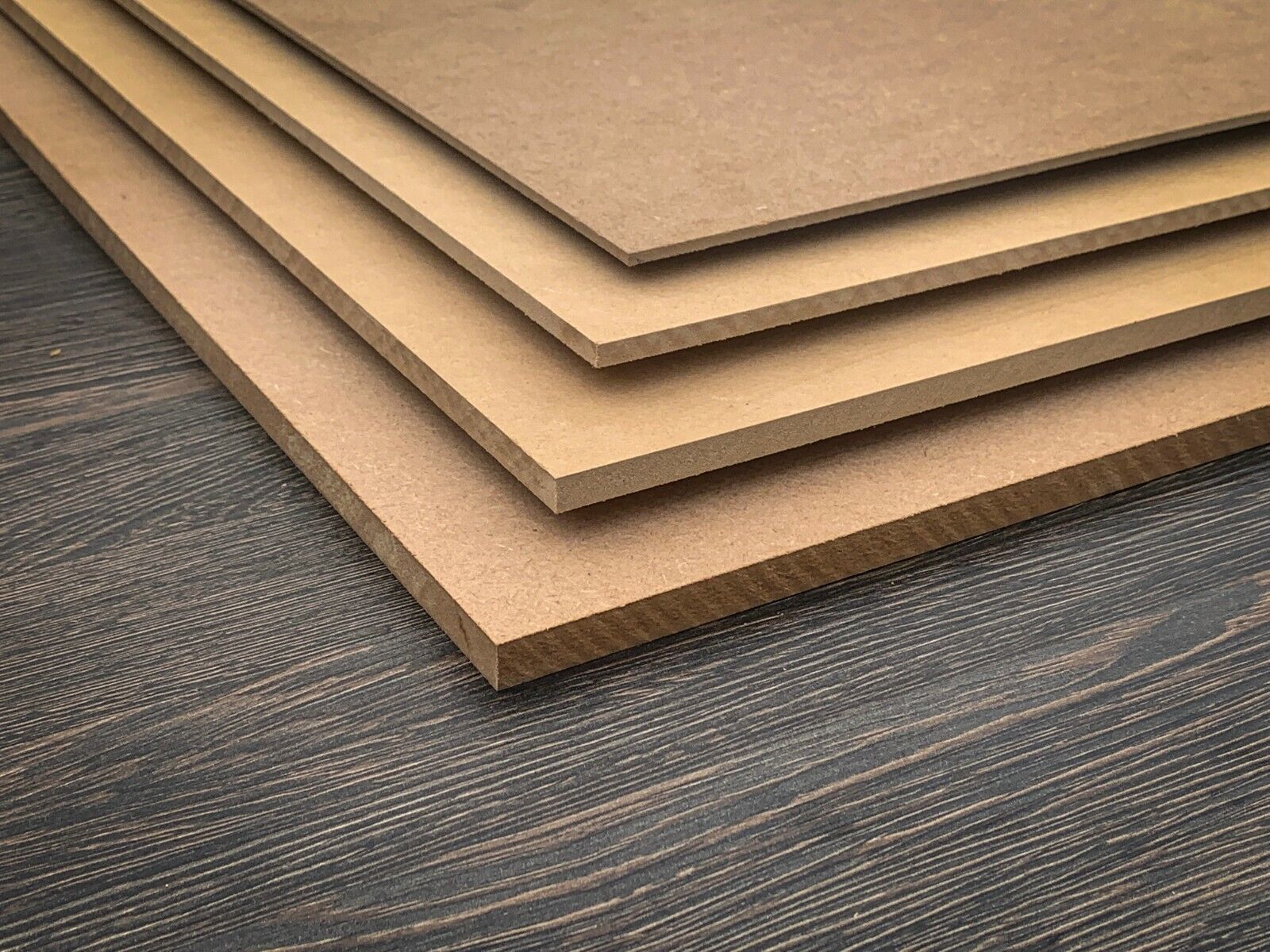
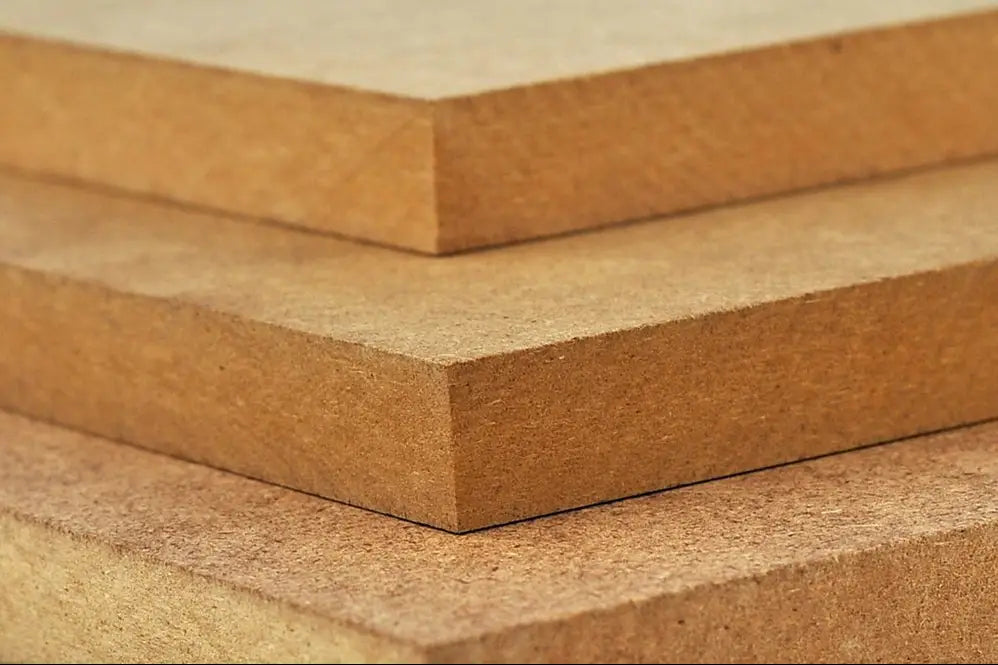
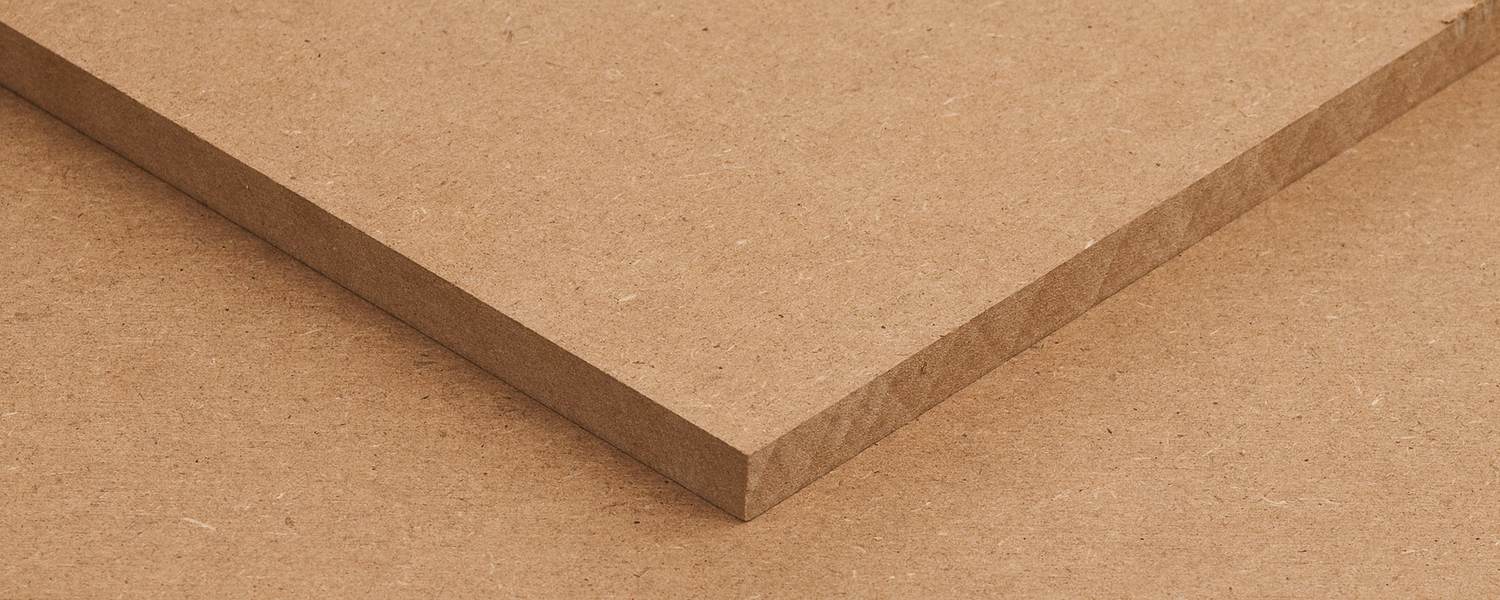
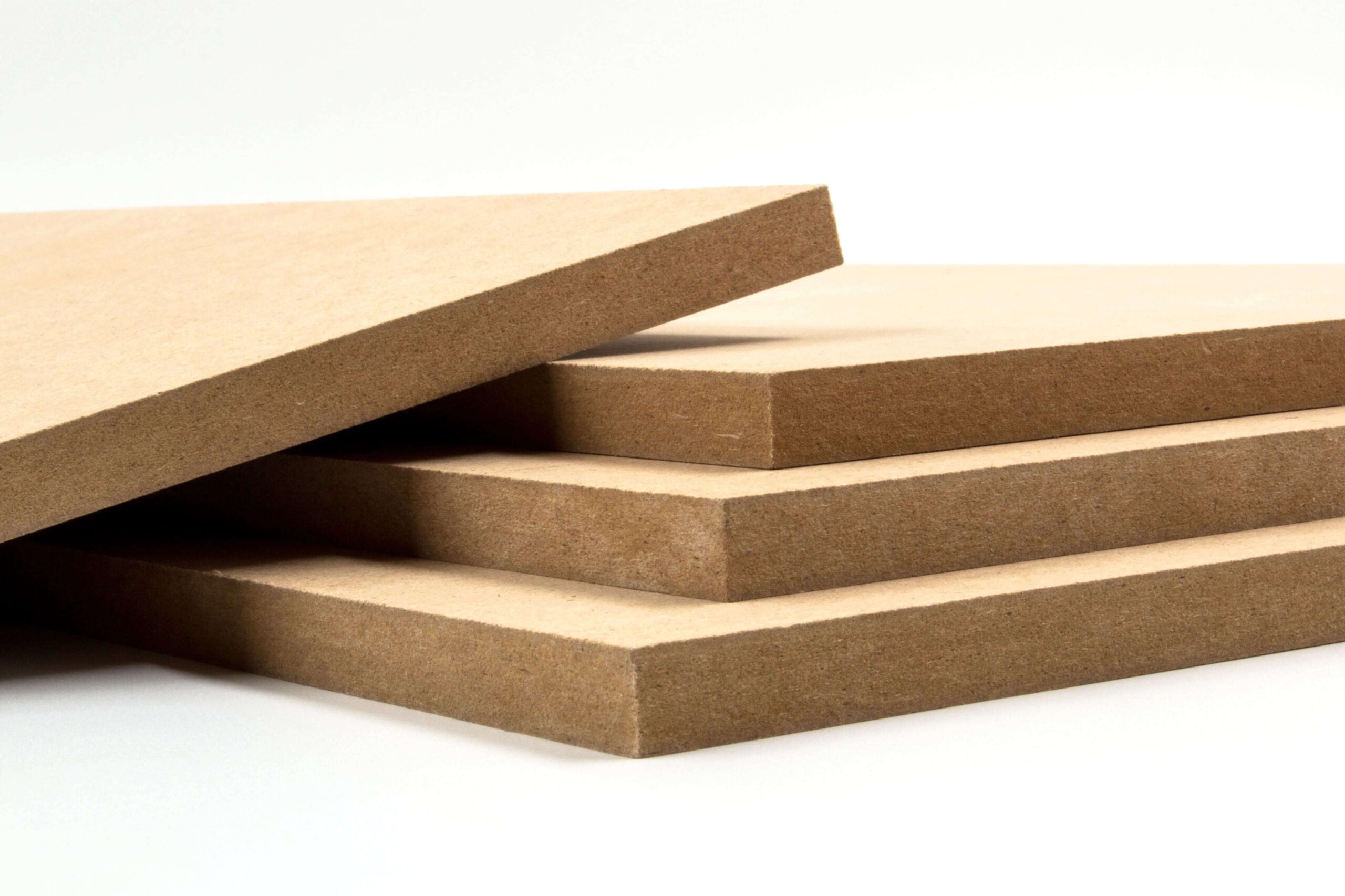
    MDF is an engineered wood product made from wood fibres, resin, and wax compressed under high pressure and heat. It’s dimensionally stable — it doesn’t expand, contract, or warp the way solid timber does — and has a smooth, consistent surface that takes paint, veneer, and surface finishes well. Most painted or foil-wrapped wall panels use MDF cores.

    Solid Wood Panels

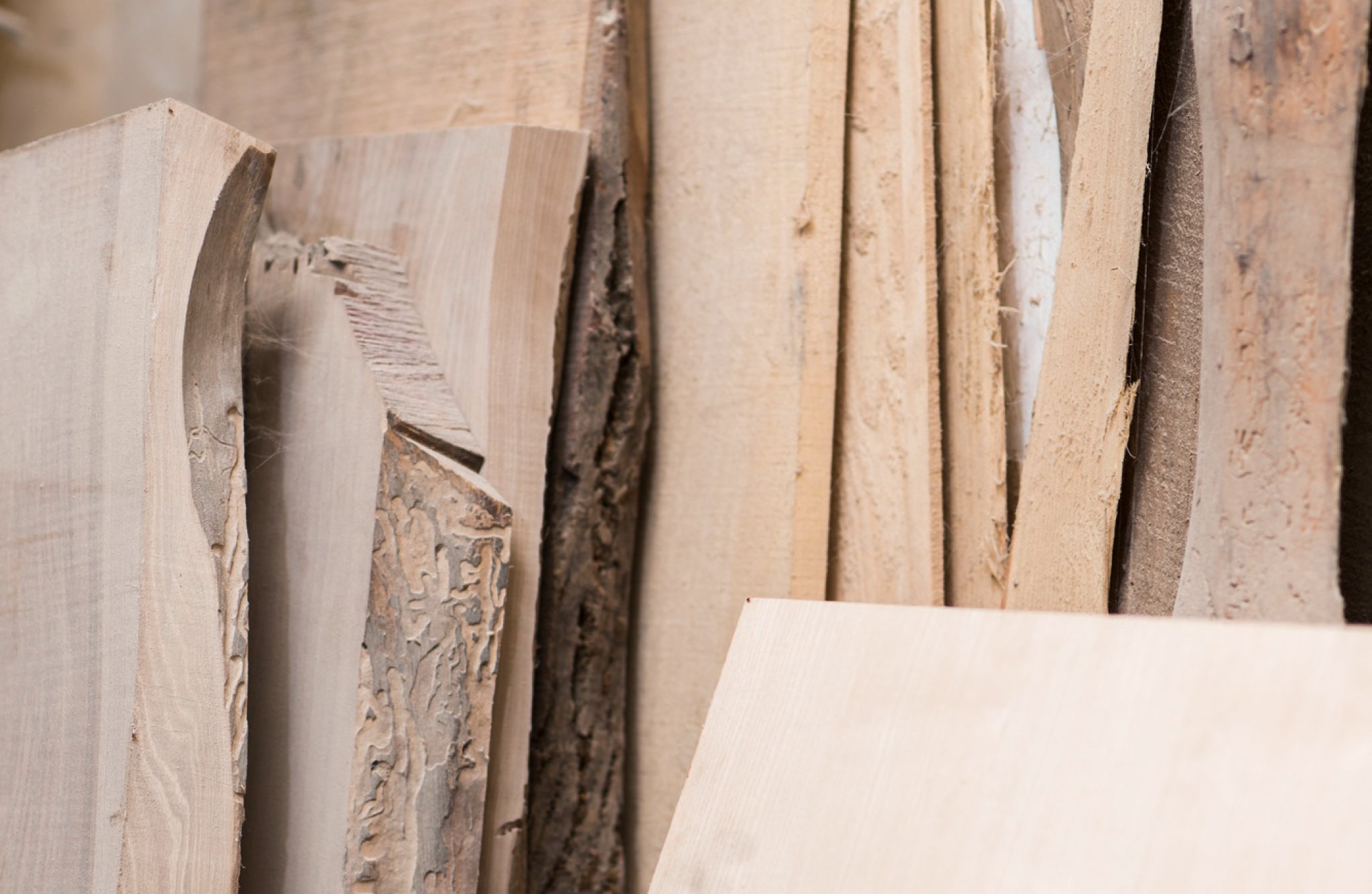
    Solid wood panels use real timber — often oak, pine, walnut, or other hardwoods — as the primary material. The GroovePanel® and SoundPanel™ ranges from The Panel Hub use solid wood construction. Real wood brings visible grain, natural colour variation, and authentic warmth that engineered materials cannot replicate.

    Appearance and Finish

    Solid wood has the advantage for visible grain and natural authenticity. The grain, knots, colour shifts, and texture of real timber create a surface that looks and feels genuinely organic. In slat and fluted profiles, the grain of real wood creates visual depth that printed or foil-wrapped MDF cannot match.

    MDF has the advantage for painted finishes. Its smooth, consistent surface provides a flawless base for paint — no grain telegraphing through the finish. For painted panel applications, MDF is often the better material choice.

    Durability

    Solid wood is more durable in general use. It’s harder to dent, holds fixings well, and can be sanded and refinished if damaged. Solid wood panels, with appropriate maintenance, can last decades.

    MDF is less impact-resistant and has a critical weakness: moisture. MDF swells and disintegrates when exposed to sustained moisture. For bathroom or kitchen applications, only moisture-resistant (MR) MDF cores should be specified, and even then direct water exposure should be avoided.

    Cost

    MDF panels are generally less expensive than solid wood panels of equivalent dimensions. For painted applications where the material character isn’t visible in the final finish, MDF offers good value. For applications where the natural wood surface is part of the design — stained, oiled, or natural finishes — solid wood delivers an appearance that MDF cannot replicate.

    Environmental Considerations

    Solid wood from certified sustainable sources (FSC or PEFC) is renewable and stores carbon. MDF uses wood waste fibres but the resin binders are synthetic and typically non-recyclable. Look for certification claims when evaluating any wood panel product.

    Which Should You Choose?

    • Choose solid wood if natural grain and material character are important, if long-term durability is a priority, or if the application is in a dry environment where solid wood’s properties are best preserved.
    • Choose MDF if you’re painting the panels, if cost is the primary constraint, or if the application is in a dry interior environment where MDF’s moisture weakness is not a factor.

    For solid wood wall panels that deliver genuine material quality, explore the GroovePanel® and SoundPanel™ collections at The Panel Hub.

  • Tongue and Groove Wall Panels Make Upgrading Your Home Easy!

    Tongue and Groove Wall Panels Make Upgrading Your Home Easy!

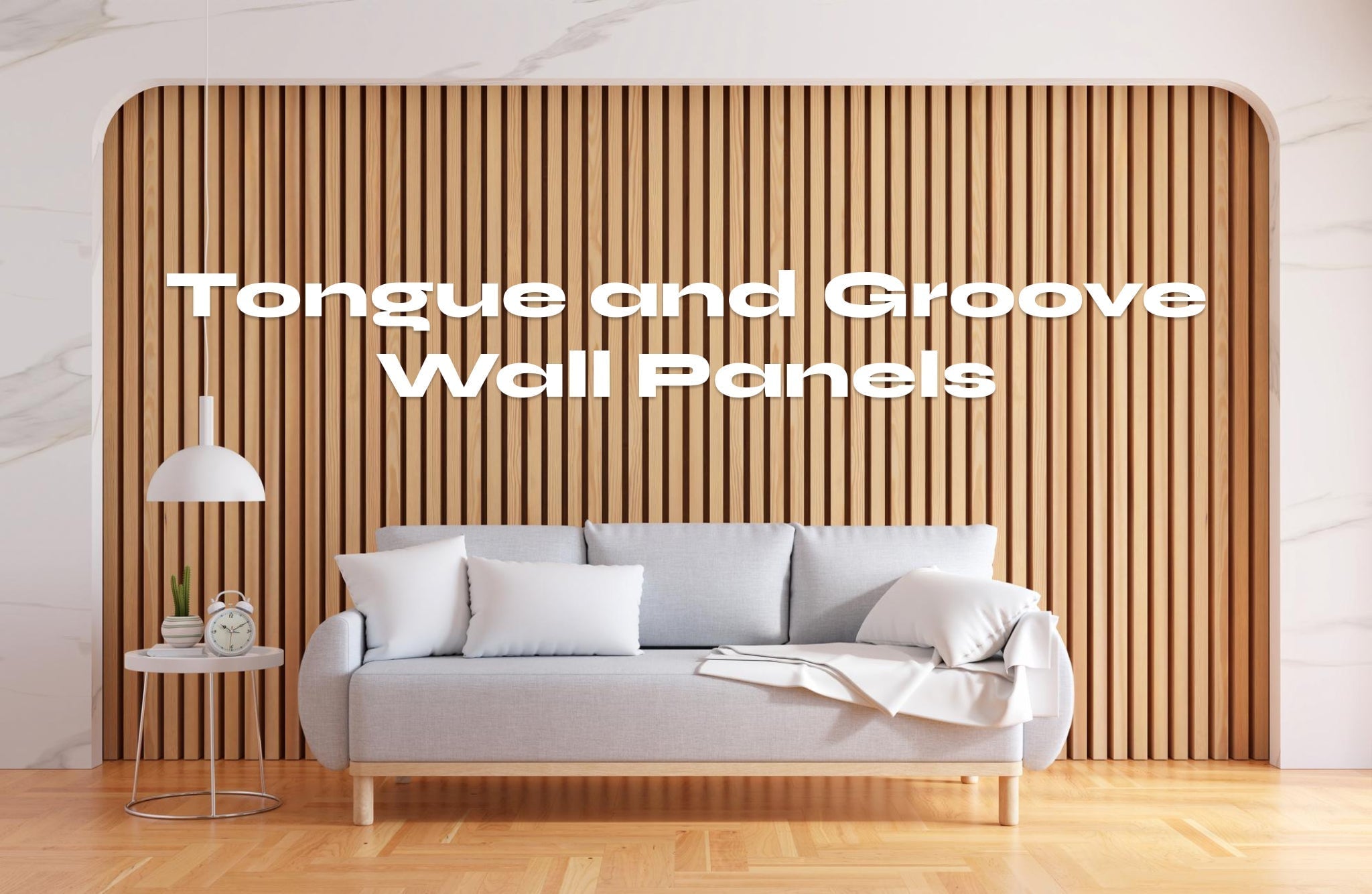
    Looking for a seamless way to enhance your walls with a clean, classic finish? Tongue and groove wall panels might be just what you need. These versatile panels interlock with ease, creating a smooth, continuous surface that adds warmth and style to any room. But what exactly makes these panels so popular?

    What Are Tongue and Groove Wall Panels?

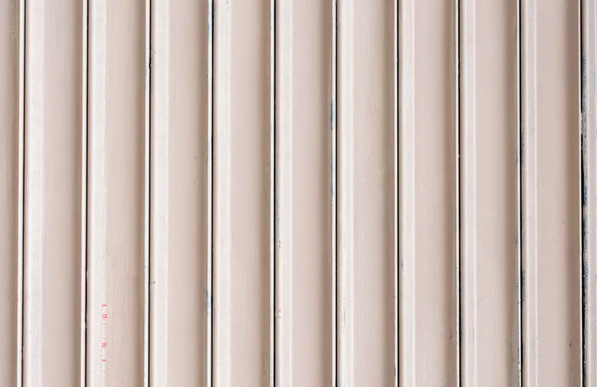
    tongue and groove panel sample

    Tongue and groove wall panels are named after their unique interlocking design. Each panel has a “tongue” on one side and a “groove” on the other, allowing the panels to fit together snugly without visible gaps. This construction results in a polished, uniform look, making it perfect for both traditional and modern spaces.

    Why Choose These Panels?

    Not only do these panels offer a sleek aesthetic, but they are also very easy to install. Their design ensures stability and eliminates the need for visible nails or screws. Additionally, they provide excellent durability and you can install them vertically, horizontally, or even diagonally for design flexibility. For a detailed guide on how to easily set up wall panels, check out our step-by-step instructions in: How To Install Wall Panelling In Your Home: 5 Simple Steps

    Benefits of Tongue and Groove Wall Panels

    • Easy Installation: Thanks to their interlocking design, these panels are beginner-friendly and for the most part, doesn’t require professional help for installation.
    • Enhanced Durability: The snug fit of each panel enhances structural stability, making the walls more resilient to wear and tear.
    • Versatile Design: Available in a variety of materials like wood, MDF, and PVC, tongue and groove panels suit different styles, from rustic to contemporary.
    • Concealed Fastening: The design hides nails or screws, providing a clean finish.
    • Insulation Capabilities: When paired with the right materials, these panels can also improve thermal insulation.

    A Simple Installation Guide

    1. Prepare the Surface: Clean and smooth the surface where you’ll install the panels, whether it’s drywall, plaster, or wood. Ensure it is free of dust or debris.
    2. Measure and Cut Panels: Measure the wall space and cut the tongue and groove panels to fit. Ensure precise cuts for a seamless fit.
    3. Start Installation: Begin by fitting the first panel. Secure it using adhesive or nails, depending on your preference and surface type.
    4. Fit Panels Together: Align the tongue of one panel into the groove of the next, pressing them together for a secure connection.
    5. Finish with Trim: Once all panels are installed, add trim around the edges to give a clean, finished look.

    Let’s Talk Best Materials

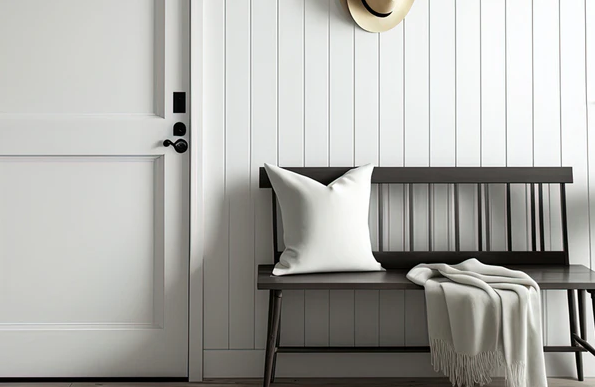
    white tongue and groove wall panel

    WoodPeople like this basic material because it is warm and looks nice. It has an old-fashioned look that works well in both traditional and modern settings. Wood panels last a long time and you can actually add color/dye to it to match any decor style. They give a room a bit of class and luxury. But wood needs to be cared for regularly, especially in damp places, to keep it from twisting or getting damaged.

    MDF (Medium-Density Fiberboard): MDF is a more affordable option that provides a smooth surface, ideal for painting. It’s perfect for achieving a sleek, modern look without the cost of natural wood. MDF is easy to install and provides a consistent finish. However, it’s less durable in moist environments, so it’s better for dry areas like living rooms or bedrooms.

    PVC: Known for its moisture resistance, PVC panels are a great choice for areas exposed to humidity, such as bathrooms or kitchens. PVC is lightweight, durable, and easy to clean, making it a low-maintenance option. While it doesn’t offer the same natural warmth as wood, PVC panels can still be styled to resemble wood or other materials, providing versatility in design without compromising on functionality.

    Tongue and Groove Panels for Different Spaces

    tongue and groove panels in large space

    These panels are incredibly versatile and can be used in various parts of the home:

    • Living Rooms: For a cozy, cabin-like feel.
    • Bathrooms: PVC versions are moisture-resistant, making them ideal for humid environments.
    • Kitchens: Add a rustic touch or create a sleek modern finish with MDF panels.

    Maintenance and Care

    Maintaining tongue and groove wall panels is quite simple, but it varies slightly depending on the material used.

    • For wood panels, regular dusting with a soft cloth and periodic polishing are essential to keep the wood looking vibrant and prevent dullness. It’s important to avoid excess moisture, as wood can warp in humid conditions.
    • For MDF panels, a damp cloth can be used for cleaning, but be sure to avoid soaking the material to prevent water damage. Dusting frequently will help maintain the finish.
    • PVC panels are the easiest to maintain, requiring only a wipe down with a mild cleaner and water. They are water-resistant, making them perfect for humid areas, and don’t require any special treatments over time.

    Is This Panel for You?

    To wrap things up, tongue and groove wall panels are a stylish and flexible way to change the look of a room. There is a material for everyone, whether you want the natural warmth of wood, the low cost of MDF, or the ability to fight water damage of PVC. 

    Besides looking good, these panels are also pretty simple to put up, which makes them a great do-it-yourself project for people who want to improve the look of their homes. 

    If you take care of your tongue and groove panels the right way, they can improve the look and usefulness of your home for many years to come. Get ready to make your room better?

    Tongue and Groove vs Other Panel Types: A Quick Comparison

    Tongue and groove panels occupy a distinctive place in the wall panelling market — but how do they compare to the alternatives you might be considering?

    Versus shiplap: Shiplap uses a simpler rebated overlap joint, creating a visible shadow gap between boards. Tongue and groove panels interlock fully with no visible gap, resulting in a smoother, more seamless surface. Shiplap reads as more casual and rustic; tongue and groove leans towards the refined and traditional. Both can be painted or stained, and both are available in wood, MDF, and PVC variants.

    Versus flat wall panels: Large-format flat panels (typically 8×4 sheets) install more quickly and cover a wall in fewer pieces, but the horizontal or vertical joint lines between sheets are difficult to conceal without careful filling and finishing. Tongue and groove boards create natural shadow lines that are part of the visual design rather than a defect to be hidden.

    Versus beadboard: Beadboard is a specific type of tongue and groove with a narrow rounded bead machined between each board, giving it a distinctive cottage or period aesthetic. Standard tongue and groove without the bead reads as more versatile — suitable for rustic, coastal, and Scandinavian interiors as well as traditional ones. If you want the farmhouse feel, beadboard delivers it more immediately; if you want something that adapts to multiple styles, smooth tongue and groove is the better choice.

    Versus tiles: In areas like bathrooms and kitchens, tongue and groove PVC panels are a genuine alternative to wall tiles. They are quicker to install (no grouting), warmer to the touch, and easier to replace if damaged. The trade-off is perceived durability — a well-installed tile wall will outlast panels in heavy-use commercial environments, but for residential bathrooms and kitchens, quality PVC tongue and groove panels perform excellently for decades.

    Tongue and Groove Wall Panel FAQs

    Can tongue and groove panels be used on ceilings as well as walls?
    Yes — tongue and groove boards are one of the most popular choices for panelled ceilings, particularly in cottages, lodges, and garden rooms. The interlocking joint means boards can span between ceiling joists without visible fixings, and the natural linear pattern draws the eye along the room rather than upward, which can make low-ceiling spaces feel more welcoming rather than claustrophobic.

    Do tongue and groove panels need an air gap behind them?
    In most interior applications, no air gap is required. Panels are typically fixed directly to battens or to the existing wall surface. However, in rooms with known damp issues or in converted outbuildings, a small ventilated air gap behind the battens helps prevent moisture build-up. For solid exterior walls, a vapour-permeable membrane between the masonry and the battens provides additional protection.

    What is the best adhesive for tongue and groove wall panels?
    Solvent-free grab adhesive (such as No More Nails or similar construction adhesives) is the standard choice for tongue and groove panels in interior applications. Apply in a zigzag pattern to the back of each board. For panels in humid areas, use a waterproof adhesive rated for bathroom and kitchen use. Always combine adhesive with mechanical fixings — nails or screws — for the first and last boards in any run to ensure the installation remains stable over time.

    Can I paint tongue and groove panels without sanding them first?
    If the panels are bare wood or pre-primed MDF, a light sanding with 120-grit paper before painting gives better adhesion and a smoother finish. For panels that have been previously painted with a sound, non-flaking surface, a wash with sugar soap and a light key sanding is sufficient. Avoid painting over glossy surfaces without keying first — the topcoat will peel within months if the gloss remains intact below.

  • Putting MDF Durability to The Test: Is It Really All That?

    Putting MDF Durability to The Test: Is It Really All That?

    Is MDF as Durable as You Think? Have you ever wondered how MDF (Medium-Density Fiberboard) stacks up in terms of durability? Often overshadowed by solid wood, MDF surprises many with its strength and resilience. But how durable is it really, and when is it the right choice for your project? Let’s dig into the details to uncover what makes MDF a durable and cost-effective material.

    What Exactly Is MDF?

    MDF Durability

    Before talking a lot more about durability, it’s important to understand what MDF is. Medium-Density Fiberboard is engineered from wood fibers, wax, and resin, creating a dense, uniform material. This manufacturing process gives MDF its consistent texture, making it easier to work with and perfect for a variety of applications such as furniture, cabinetry, and paneling.

    Why MDF Durability Matters for Your Projects

    MDF Durability

    When it comes to choosing materials for your project, durability is key. MDF may not have the reputation of hardwood, but its structural integrity is impressive. It doesn’t warp or crack like solid wood can in fluctuating temperatures or humidity levels. Its smooth surface also makes it ideal for painting and veneering, which can further enhance its longevity.

    Comparing MDF Durability to Solid Wood

    MDF Durability

    When comparing MDF to solid wood, many assume wood has the upper hand in durability. However, MDF can outperform wood in specific situations. For example, it doesn’t split, crack, or warp easily, making it a better option in environments where humidity and temperature fluctuate. It’s also less prone to termites and other pests that can weaken wood over time.

    MDF

    Pros:

    • Smooth surface: Ideal for painting and veneering.
    • Affordable: Cheaper than plywood, making it cost-effective for interior applications.
    • Easily customizable: Can be cut and shaped with precision.
    • Consistent: No knots or grains that could cause splintering.

    Cons:

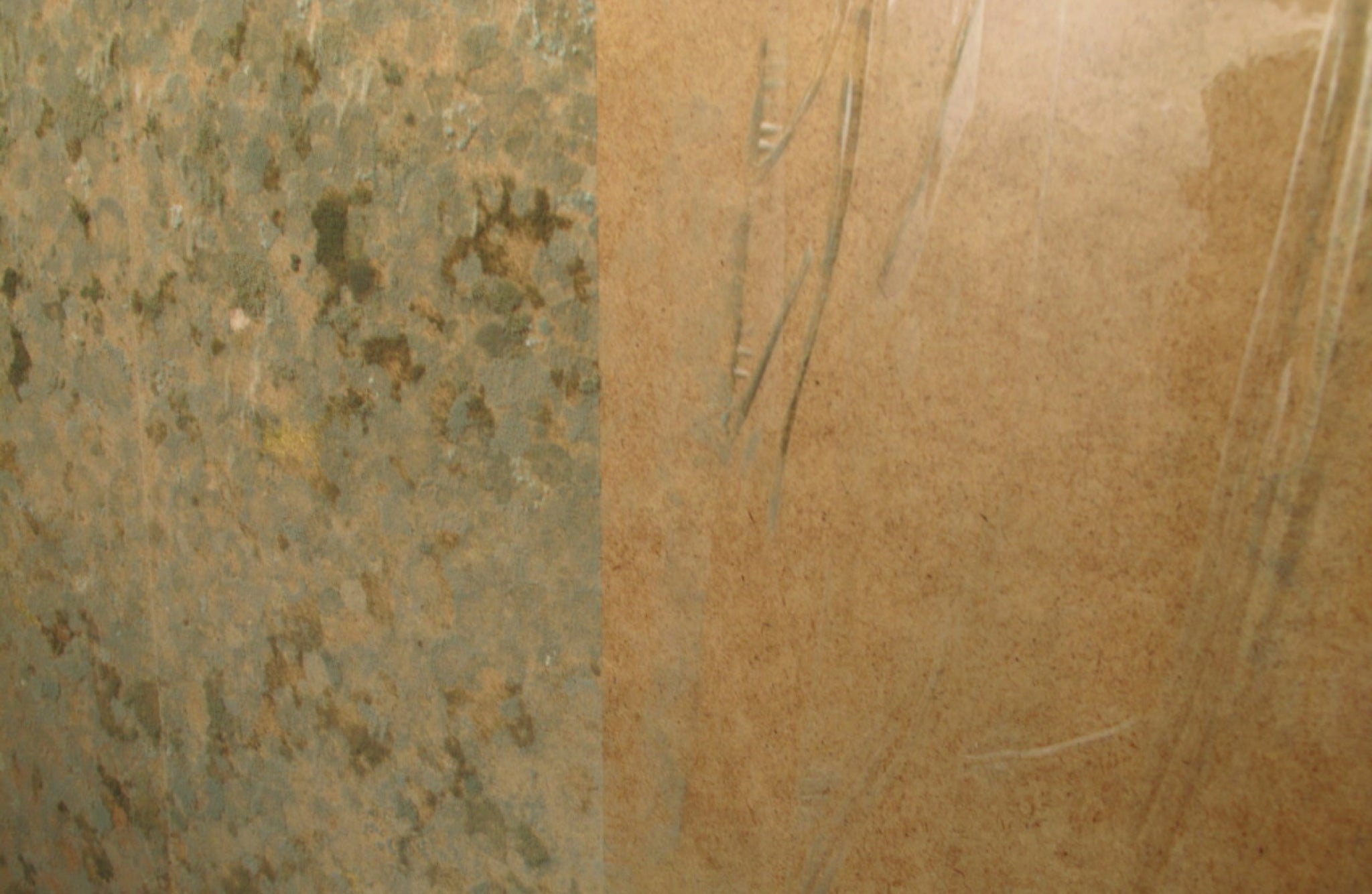
    • Moisture-sensitive: Can swell when exposed to water unless treated.
    • Not as strong as plywood: Can sag under heavy weight.
    • Susceptible to heat damage: Warps when exposed to high temperatures.

    Plywood

    Pros:

    • Durable: Great strength, even for heavy loads.
    • Moisture-resistant: Performs better in outdoor or damp environments.
    • Lightweight: Easier to work with than MDF for large projects.

    Cons:

    • Higher cost: Typically more expensive than MDF.
    • Grain texture: May require more work to finish smoothly.
    • Less consistent surface: Can have knots and uneven grain.

    Best Uses for MDF in High-Durability Applications

    MDF Durability

    MDF can be your go-to material for projects that require both strength and cost-efficiency. Common applications where MDF shines include:

    • Cabinetry: MDF’s smooth surface and adaptability to paints and finishes make it a great fit.
    • Furniture: The uniformity of MDF allows for intricate designs, making it popular for custom pieces.
    • Wall Paneling: Its durability makes MDF perfect for decorative wall panels, providing a sleek finish that lasts.

    Enhancing MDF Durability with Proper Care

    While MDF is naturally durable, taking extra care can significantly prolong its lifespan. Applying a moisture-resistant sealant or finish is one of the most effective ways to protect MDF from swelling and damage caused by water exposure. For rooms with high humidity, such as bathrooms or kitchens, consider using moisture-resistant MDF. Regularly dusting and cleaning the surface prevents buildup of dirt that may weaken the structure over time.

    Additionally, when working with MDF, ensure you use the right adhesives and screws for assembly. Opt for wood glue with strong bonding properties and use pre-drilled holes to prevent the material from splitting. Proper installation helps prevent sagging or weakening at the joints. By taking these proactive steps, you ensure that your MDF furniture or panels stay strong and visually appealing for years to come.


    Pain Points of MDF

    MDF Durability

    Moisture Sensitivity

    One of MDF’s major weaknesses is its vulnerability to moisture. Untreated MDF swells and loses structural integrity when exposed to water, making it unsuitable for damp environments without protective treatment. Moisture-resistant MDF is available and performs much better in humid or damp areas. To ensure the longevity of your MDF-based furniture or panels, it’s crucial to apply a sealant or finish if used in bathrooms or kitchens where moisture exposure is higher.

    Read more: Waterproof Wall Panels for Bathrooms: Say Bye to Blandness

    Heat Resistance

    Heat can also affect the durability of MDF. While MDF works well in most indoor environments, placing it near direct heat sources like fireplaces or ovens can cause it to warp over time. For better performance, avoid placing MDF near high-heat areas unless the material has been treated with heat-resistant coatings. Proper ventilation and care can further extend the lifespan of MDF in heat-exposed zones.

    Termite Vulnerability

    Although MDF is generally more termite-resistant than solid wood, it is not completely immune to these pests. Untreated MDF, especially in warm and humid climates, can still attract termites. Using treated MDF or applying pest-resistant coatings can protect against infestations. Implementing preventative pest control measures can also help safeguard MDF in environments where termites are prevalent.

    Mold and Fungal Growth

    When it comes to mold and fungus, MDF is susceptible in areas where moisture levels are consistently high. The material can absorb moisture, creating a breeding ground for mold and mildew, which can weaken the structure. To prevent this, ensure that moisture-resistant MDF is used in damp environments, and consider applying antifungal treatments for added protection. Ventilation and humidity control in spaces like basements can also help mitigate mold risks.

    MDF Durability FAQs

    How long do MDF wall panels last?
    In a normal interior environment (stable temperature, low humidity), quality MDF wall panels with appropriate surface treatment can last 20–30 years without significant deterioration. The limiting factors are moisture exposure (MDF absorbs water and swells if moisture is present consistently), impact damage at edges (MDF is more brittle at edges than solid wood), and the condition of the paint or surface finish over time. Well-installed, properly sealed MDF panels in a protected interior environment are a genuinely durable wall treatment.

    Can MDF wall panels be repaired if damaged?
    Yes. Surface dents and scratches can be filled with lightweight filler, sanded flush, primed, and repainted. Edge damage — chipping or delamination — is more challenging: fill the damaged area with a two-part wood filler, sand back, and prime before repainting. For significant structural damage (deep impact damage or water-swelling), the affected panel section should be replaced rather than repaired — attempting to repair severely water-damaged MDF typically produces a visible repair even with careful finishing.

    Is moisture-resistant MDF suitable for bathrooms?
    Moisture-resistant MDF (sometimes marketed as MR MDF or green-core MDF) has improved resistance to swelling in humid conditions compared to standard MDF. It is suitable for bathroom wall panels that are not in direct contact with water — panel walls in a bathroom where the panels are separated from wet zones by a good distance. For panels immediately adjacent to showers or baths, PVC or WPC panels remain the better specification — moisture-resistant MDF is not fully waterproof and will absorb water at cut edges if exposed directly to spray.

    What type of surface treatment is most durable on MDF?
    A properly applied two-pack polyurethane paint system provides the most durable surface on MDF — it is resistant to scratching, impact, and cleaning chemicals, and is used in cabinetry and shopfitting where surface durability is critical. For standard residential wall panels, a high-quality water-based eggshell applied over a proper MDF primer provides excellent durability at a much more accessible cost and with easier application. The difference between a good primer-and-eggshell system and a two-pack system is minor in most residential contexts.

    Conclusion

    While MDF offers an affordable and versatile material for many projects, understanding its durability is key to making the most of it. From moisture resistance to heat sensitivity, and susceptibility to pests and mold, MDF requires proper treatment and maintenance to ensure long-lasting performance. However, when used in the right environment and with the appropriate precautions, MDF can be an excellent choice for furniture, cabinetry, and other indoor applications.

  • HDF vs MDF: Which Wood Panel is Best for Your Project?

    HDF vs MDF: Which Wood Panel is Best for Your Project?

    Understanding the Basics: What is HDF Wood?

    HDF wood

    When deciding between HDF (High-Density Fiberboard) and MDF (Medium-Density Fiberboard) for your next project, understanding their differences is essential. Both HDF vs MDF are engineered wood products, but their properties make them suitable for different projects. HDF wood is denser and more durable, making it a top choice for certain tasks. MDF, on the other hand, is easier to work with but not as strong. Let’s explore HDF vs MDF and see which is better for your needs.

    HDF Panels: Toughness You Can Count On

    If you’re looking for something that can withstand heavy use, HDF panels are the way to go. I’ve used them in projects where strength and durability are essential, like creating cabinet doors or flooring. HDF is much denser than MDF, meaning it won’t dent or chip as easily. It’s great for areas with high traffic or heavy-duty furniture.

    However, keep in mind that HDF panels are heavier and harder to cut. If you’re planning to DIY a project, you might need extra tools or professional help to manage HDF. But in terms of longevity, especially in places where there’s a lot of wear and tear, HDF panels are an excellent investment.

    MDF Panels: A Friendlier Option for Beginners

    MDF Panels

    For beginners or those on a budget, MDF is a more forgiving material. It’s much easier to cut, shape, and sand, making it great for DIY projects or intricate designs. When I first started working with wood, MDF was my go-to because it didn’t require fancy tools or techniques. Whether you’re making shelves, decorative wall panels, or simple furniture, MDF is an accessible and easy-to-use option.

    The downside to MDF is that it’s less durable than HDF. I wouldn’t recommend using it in high-traffic areas or for pieces that will be exposed to moisture. MDF tends to swell when exposed to water, so it’s better for indoor projects that don’t involve kitchens or bathrooms.

    HDF Flooring: The Ultimate in Durability

    When it comes to flooring, I can’t recommend HDF enough. HDF flooring is incredibly strong and resistant to scratches, which makes it perfect for homes with kids or pets. I’ve installed HDF flooring in high-traffic areas like hallways and living rooms, and it’s held up wonderfully. Its density makes it less likely to warp or dent over time, and it’s a great choice if you want something that lasts.

    One thing to remember is that HDF flooring can be more expensive than other options like laminate or even MDF-based flooring. However, the investment is worth it if you’re looking for long-term durability. Plus, HDF floors have a more refined look, often resembling hardwood flooring at a fraction of the price.

    MDF for Decorative Projects: A Budget-Friendly Choice

    If you’re working on a decorative project, MDF is a great choice. Its smooth surface makes it ideal for painting or laminating, and you can create intricate designs without worrying about splintering. I’ve used MDF for crown molding, wall panels, and even picture frames, and it’s always turned out well. It’s a versatile material that allows for creativity, even on a budget.

    That said, MDF is not as durable as HDF. It’s not ideal for projects where the wood will bear weight or be exposed to rough use. For decorative purposes, however, it’s perfect, especially if you want to create a polished, professional-looking finish without breaking the bank.

    Moisture Resistance: HDF Wins the Battle

    If moisture is a concern, HDF is hands down the better option. HDF panels are denser and less porous, making them more resistant to moisture. I’ve used HDF in areas like the kitchen and bathroom, and it’s held up great without warping or swelling. MDF, in contrast, will swell and become damaged if it comes into contact with water. For any project in a humid area or one that might get wet, HDF is a safer bet.

    However, if moisture isn’t an issue, MDF can still be a reliable choice for indoor projects. Just make sure to avoid using it in places where water exposure is a concern.

    Weight and Handling: MDF is Easier to Work With

    One of the first things I noticed when working with both materials is the weight difference. HDF is much heavier and harder to handle, especially for a solo DIYer. Cutting and installing HDF requires some muscle and the right tools. If you’re working on a big project like flooring or cabinetry, it might be easier to hire a professional to install it.

    MDF, on the other hand, is much lighter and easier to manipulate. For smaller projects, or if you don’t have a lot of experience, MDF is a great option. You can cut it with basic tools, and it’s much easier to transport and work with. Just be aware that the ease of use comes at the expense of durability.

    Cost Considerations: MDF is More Affordable

    Cost is always a consideration when choosing materials, and MDF is generally more affordable than HDF. For large-scale projects, MDF can save you a significant amount of money without sacrificing too much in terms of appearance. I’ve used MDF for budget-friendly renovations, and it always delivers a clean, polished look at a lower cost.

    However, for projects that require durability, especially in high-traffic areas, I recommend spending the extra money on HDF. While it may cost more upfront, HDF’s longevity and resistance to damage will save you money in the long run by reducing the need for repairs or replacements.

    HDF vs MDF: Best Uses

    HDF Panels

    After working with both materials on various projects, I’ve found that each has its strengths depending on the application. HDF is best for heavy-duty projects like flooring, cabinetry, and doors. Its strength and durability make it perfect for high-traffic areas, and its moisture resistance makes it ideal for kitchens and bathrooms.

    MDF, on the other hand, excels in decorative applications and light-use furniture. Its smooth surface is great for painting and detailed work, and it’s much easier to handle and cut. If you’re doing a DIY project or working with a limited budget, MDF is a versatile and affordable option.

    Read More: Medium Density Fiberboard (MDF): Features, Uses, and Benefits

    Final Thoughts: Which Should You Choose?

    In the battle of HDF vs MDF, there’s no one-size-fits-all answer. It really depends on your specific project and what qualities you prioritize. If you need something that’s strong, moisture-resistant, and long-lasting, HDF is the way to go. It’s a bit more challenging to work with, but its durability makes it worth the effort.

    If you’re looking for something budget-friendly and easy to handle, MDF is a great choice, especially for indoor projects and decorative applications. It may not be as tough as HDF, but it’s still a reliable material for many woodworking projects. Ultimately, the best choice depends on your needs, budget, and skill level.

    If you’re looking for reliable, high-quality MDF wood panels for your walls, The Panel Hub offers a range of commercial-grade options designed for both performance and style, including acoustic slat panels and geometric wall panels. Crafted for durability, consistency, and a smooth finish, these panels are ideal for modern interiors, feature walls, and decorative applications. Whether you’re upgrading a residential space or working on a larger project, explore The Panel Hub’s collection to find MDF wall panels that combine quality materials with clean, contemporary design.

  • Medium Density Fiberboard (MDF): Features, Uses, and Benefits

    Medium Density Fiberboard (MDF): Features, Uses, and Benefits

    Medium Density Fiberboard (MDF) is a widely used engineered wood product known for its versatility and affordability. Made from wood fibers combined with resin and wax, MDF is formed under high pressure and heat to create a dense, strong, and smooth board.

    It has become a popular choice in various industries, including furniture manufacturing, cabinetry, and construction, due to its consistent quality and ease of use. In this article, we’ll delve into the features, applications, and benefits of Medium Density Fiberboard, helping you understand why it’s a favored material in many projects.

    What is Medium Density Fiberboard (MDF)?

    Medium Density Fiberboard

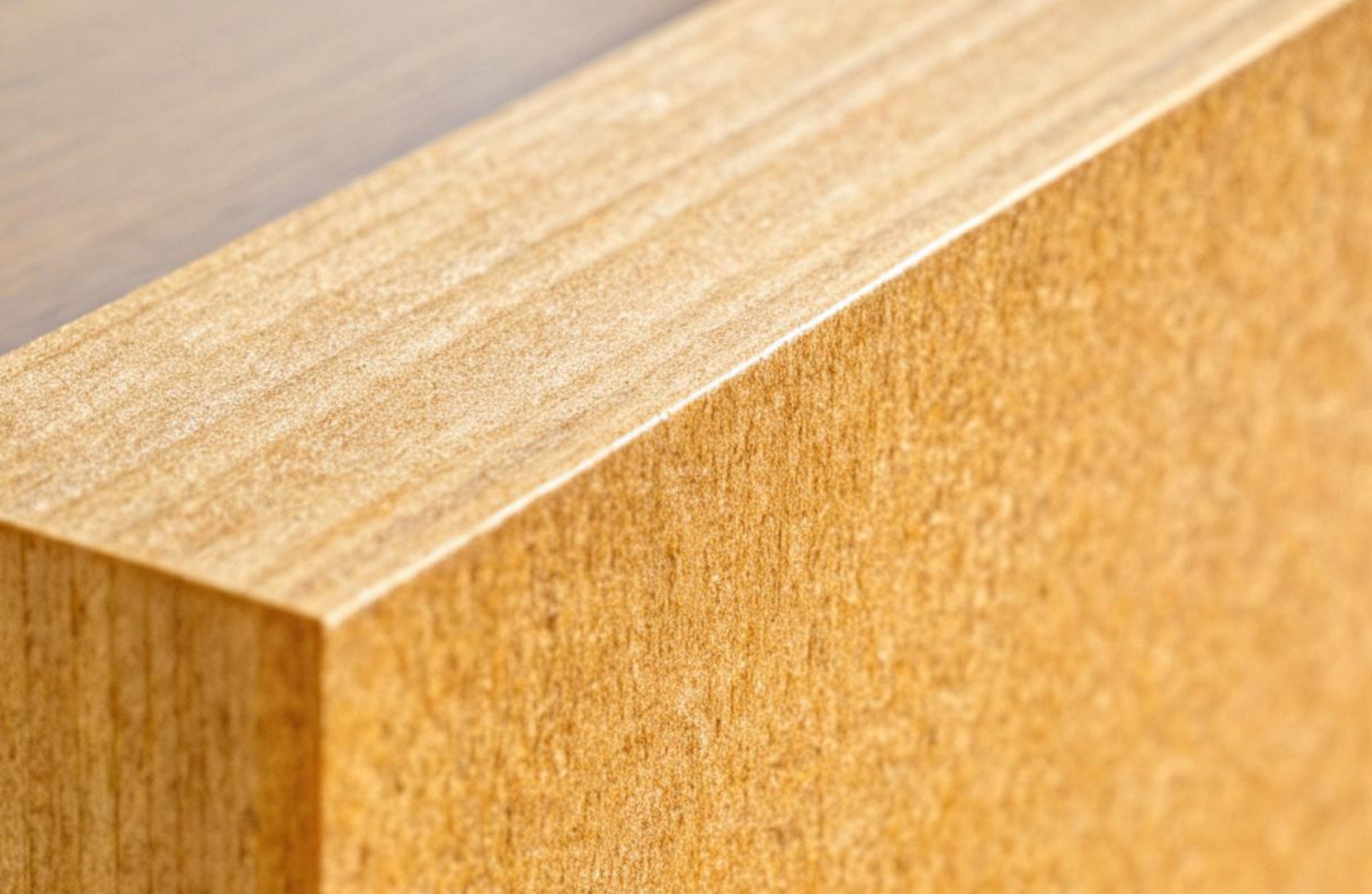
    Medium Density Fiberboard, commonly referred to as MDF, is an engineered wood product composed of wood fibers bonded together with resin and wax under high temperature and pressure. The process creates a smooth, uniform board with no visible wood grain, making it ideal for applications that require a consistent finish. Unlike natural wood, MDF is free from knots, rings, and other imperfections, which can make it easier to work with in various projects.

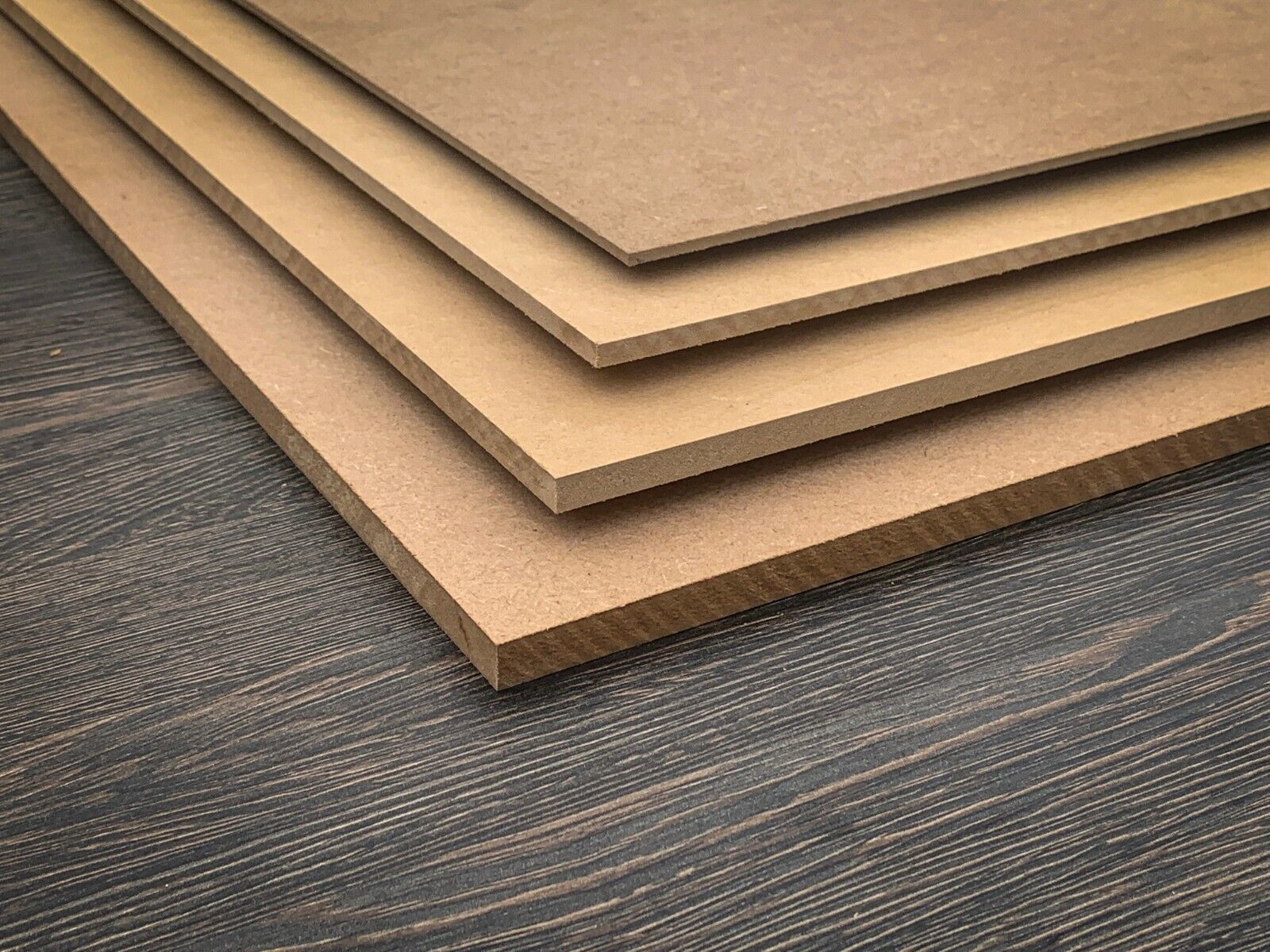
    MDF is available in different thicknesses, typically ranging from 1/4 inch to 1 inch, allowing for versatility in use. It can be easily cut, shaped, and painted, making it a preferred material for custom furniture, cabinetry, and interior paneling. Despite being denser than plywood, MDF is still relatively lightweight, which makes it easier to handle during installation.

    One of the key characteristics of MDF is its smooth surface, which is ideal for painting or applying veneers. This makes MDF an excellent choice for projects where a high-quality finish is desired, such as in decorative molding or painted furniture.

    The Manufacturing Process of MDF

    Medium Density Fiberboard

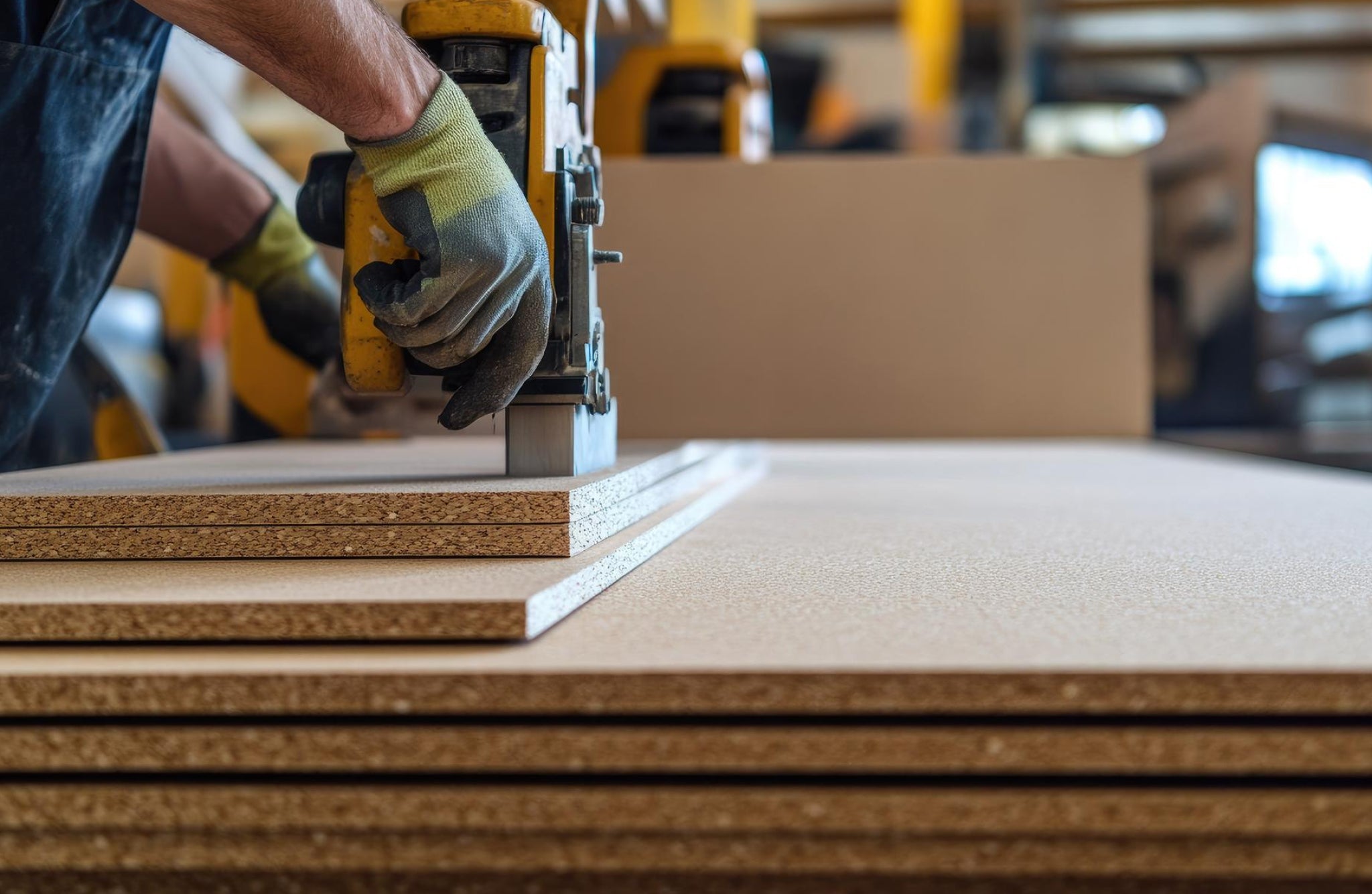
    The production of Medium Density Fiberboard involves several steps, starting with the breaking down of wood into fibers. These fibers are then combined with a synthetic resin adhesive and wax, forming a mat that is subjected to high temperature and pressure. The result is a dense, uniform board with a smooth surface and consistent density throughout.

    The manufacturing process allows for the production of large, homogenous boards that are free from the natural defects found in solid wood. This consistency is one of the reasons MDF is so popular in applications where precision and uniformity are essential. Additionally, the process can incorporate recycled wood fibers, making MDF a more sustainable option compared to some other wood products.

    Another advantage of MDF’s manufacturing process is its ability to be made into various sizes and thicknesses, providing flexibility for different applications. The boards can also be easily cut to size without splintering, which is a common issue with natural wood.

    Read More: Modern Hidden Door Ideas: 5 Inspirations You’ll Love

    Common Uses of MDF

    1. In Furniture

    MDF is widely used in the furniture industry due to its versatility and cost-effectiveness. Unlike natural wood, MDF has no knots or grain variations, making it an ideal base for precision-cut panels, including decorative wood wall panels and acoustic slat panels. Its engineered composition allows for clean finishes, uniform spacing, and seamless integration into contemporary interiors.

    In acoustic slat panels, MDF plays a crucial role as the core material behind the wood veneer finish. It provides the stability needed for evenly spaced slats while supporting felt backing that enhances sound absorption. This combination not only improves the visual appeal of a space but also helps reduce echo and ambient noise, making MDF-based panels especially popular in living rooms, offices, and commercial environments where both aesthetics and acoustics matter.

    At The Panel Hub, all of our SoundPanel slat acoustic panels collections are crafted using commercial-grade MDF that meets strict quality standards. Our panels are fire tested and CE certified, ensuring both safety and performance in residential and commercial settings. If you’re looking to elevate your interior with a balance of style and functionality, explore our wide range of wood slat and decorative panels, available in 5 elegant color options designed to suit any modern space.
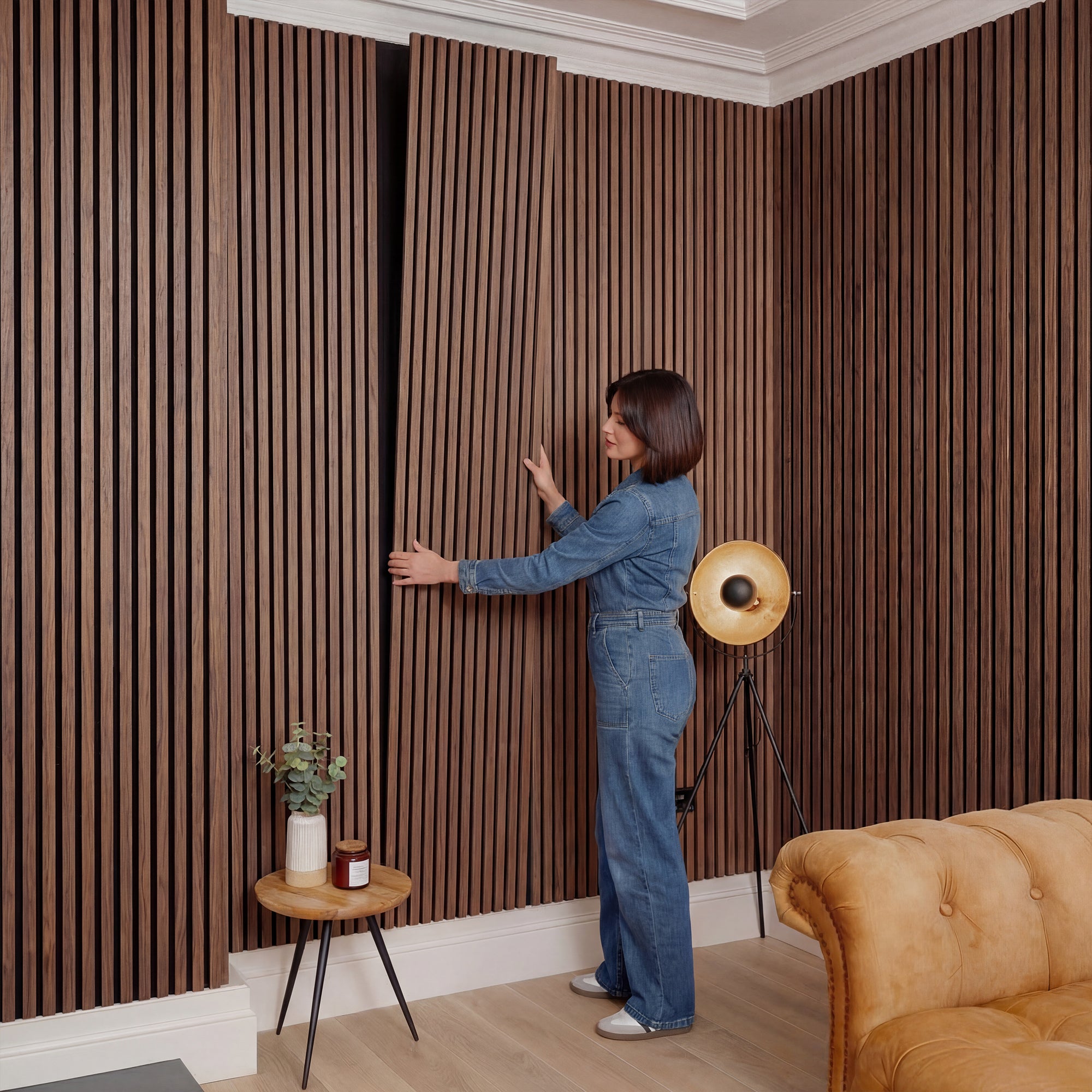
    American Acoustic Slat Wood Wall Panels - Oak - View 28

    For those seeking a decorative, mosaic-inspired aesthetic, our 3D Geometric Pattern Wooden Panels | GroovePanel® offer a striking design crafted from 100% real solid wood — a natural complement to MDF-based slat installations in mixed-material interiors.
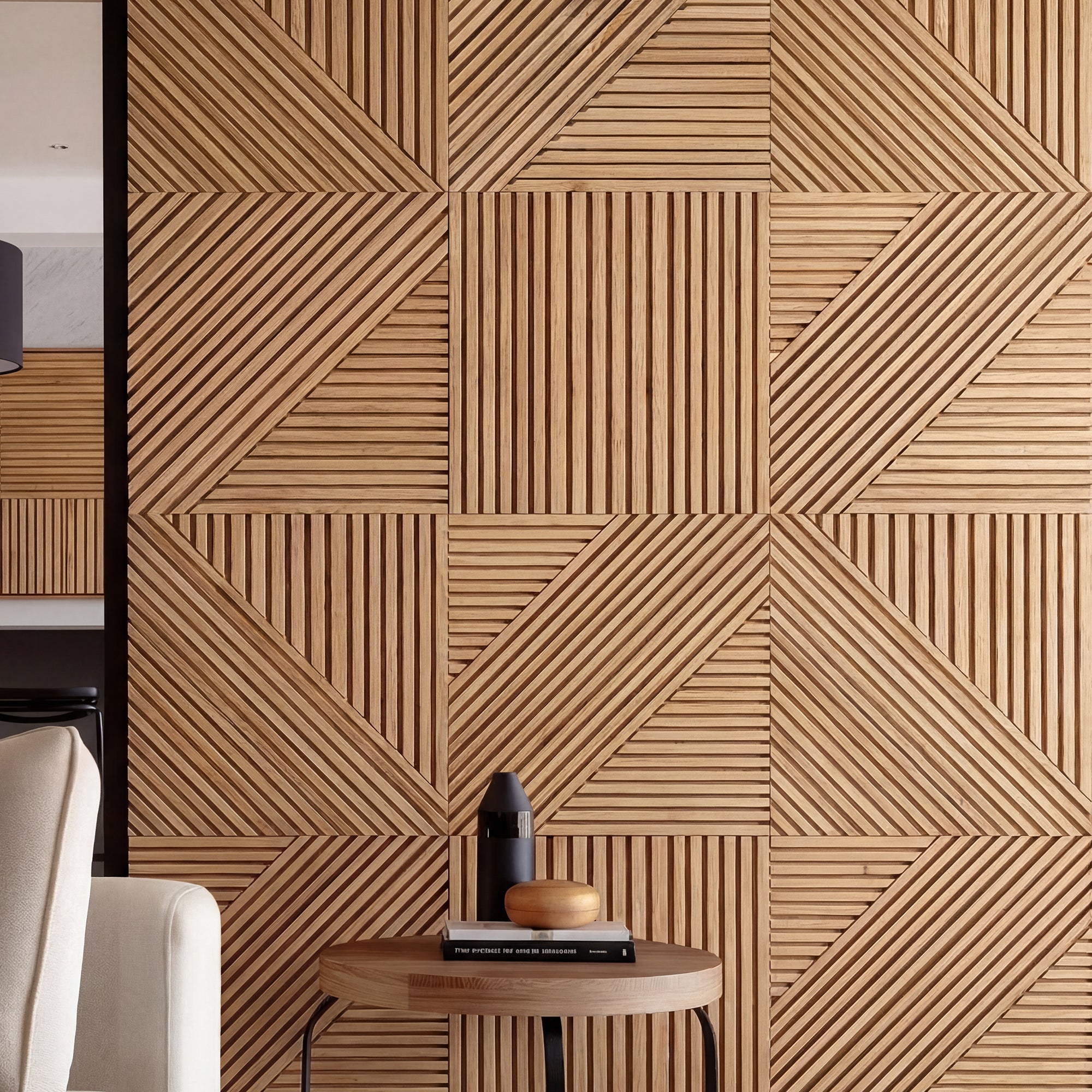
    3D Geometric Pattern Wooden Panels - GroovePanel® - The Panel Hub

    2. In Cabinetry and Millwork

    MDF is a popular material in cabinetry and millwork due to its stability and smooth finish. In cabinetry, MDF is often used for doors and panels, where its consistent surface allows for a flawless paint finish. Unlike solid wood, MDF doesn’t expand or contract with changes in humidity, making it an ideal choice for kitchen and bathroom cabinetry where moisture levels can fluctuate.

    In millwork, MDF is used to create baseboards, crown molding, and other decorative trims. Its ability to be easily shaped and its smooth surface make it perfect for detailed work. Additionally, MDF’s affordability makes it an attractive option for homeowners looking to achieve a high-end look without the cost associated with solid wood.

    MDF’s resistance to warping and cracking also makes it a preferred choice for painted millwork. The material takes paint exceptionally well, resulting in a smooth, even finish that enhances the overall appearance of the millwork.

    3. In Construction

    MDF is not only popular in furniture and cabinetry but also has a range of applications in the construction industry. It is commonly used for interior paneling, door cores, and as a substrate for countertops and flooring. MDF’s smooth surface makes it an excellent choice for these applications, where a consistent finish is required.

    In construction, MDF is often used as a backing material for veneers, laminates, and other surface finishes. Its uniformity ensures that the final product has a flawless appearance, free from the inconsistencies that can occur with natural wood. Additionally, MDF’s stability makes it a reliable choice for areas where moisture levels may fluctuate, reducing the risk of warping or cracking.

    MDF’s affordability and ease of installation also make it a popular choice for large-scale construction projects. Its ability to be easily cut and shaped on-site allows for greater flexibility in design and reduces installation time.

    Advantages of MDF Over Solid Wood

    One of the main advantages of MDF over solid wood is its cost-effectiveness. MDF is generally less expensive than solid wood, making it a popular choice for budget-conscious projects. Despite its lower cost, MDF offers a range of benefits that make it an attractive alternative to solid wood in many applications.

    Another advantage of MDF is its uniformity. Because it is manufactured, MDF is free from the natural imperfections found in solid wood, such as knots and grain patterns. This makes it easier to work with, as there are no inconsistencies to account for during cutting or shaping. MDF’s smooth surface also allows for a high-quality finish, whether painted or veneered.

    MDF’s stability is another significant advantage. Unlike solid wood, MDF doesn’t expand or contract with changes in humidity, making it less prone to warping, cracking, or splitting. This makes MDF a reliable choice for projects in areas with fluctuating humidity levels, such as kitchens, bathrooms, and basements. Learn more about how MDF compares to solid wood.

    MDF Durability: What to Expect

    When used correctly, MDF is a surprisingly durable material. It resists warping and cracking better than solid wood in fluctuating temperature environments, and shows better termite resistance in certain conditions. However, its durability depends heavily on how it is used and maintained.

    Moisture Sensitivity

    Untreated MDF swells and weakens when exposed to water or sustained high humidity. For bathrooms, kitchens, or basements, always specify moisture-resistant MDF (MR MDF) and ensure all edges are properly sealed before installation.

    Heat Resistance

    Direct exposure to heat sources — such as fireplaces or radiators — can cause MDF to warp over time. Maintain adequate ventilation and consider heat-resistant coatings for panels near heat-emitting appliances.

    Fastening Strength

    MDF doesn’t hold screws as strongly as solid wood, particularly near edges. Use fine-thread screws and pre-drill to prevent splitting. For heavy loads, reinforce with appropriate hardware.

    Tips to Maximise MDF Longevity

    • Apply moisture-resistant sealant to all edges before installation in humid areas
    • Pre-drill screw holes to prevent edge cracking during fastening
    • Wipe surfaces regularly with a lightly damp cloth — avoid soaking
    • In high-moisture environments, opt for MR MDF or consider alternative panel materials

    Environmental Considerations of MDF

    Medium Density Fiberboard

    When it comes to environmental impact, MDF has both advantages and disadvantages. On the positive side, MDF often incorporates recycled wood fibers, making it a more sustainable option compared to solid wood products that require harvesting new trees. The use of wood waste in MDF production helps reduce the demand for virgin timber, contributing to forest conservation efforts.

    However, the production of MDF also involves the use of synthetic resins and adhesives, which can release formaldehyde, a volatile organic compound (VOC). Some manufacturers have addressed this issue by producing low-formaldehyde or formaldehyde-free MDF, which meets stricter environmental standards and is safer for indoor air quality.

    When considering MDF for a project, it’s important to look for certifications such as the CARB (California Air Resources Board) compliance label or the EPA’s (Environmental Protection Agency) regulations, which ensure that the MDF meets low-emission standards and is safer for use in indoor environments.

    Working with MDF: Tools and Techniques

    Working with MDF requires some specific tools and techniques to ensure the best results. Due to its density, MDF can be tough on cutting tools, so it’s important to use carbide-tipped blades and bits designed for cutting composite materials. This will help prevent dulling of the tools and ensure clean, precise cuts.

    When cutting MDF, it’s essential to wear a dust mask and use proper ventilation, as MDF dust can be fine and potentially harmful if inhaled. Sanding MDF can also generate a lot of dust, so using a vacuum attachment or working in a well-ventilated area is recommended.

    MDF is known for its smooth surface, but the edges can be more porous and may require sealing before painting. Applying a primer or wood sealer to the edges will help achieve a smooth, even finish when painting or applying veneers.

    Read More: 5 Best Modern PVC Wall Panel Design for Bedroom

    MDF vs. Plywood: A Comparison

    Medium Density Fiberboard

    When choosing between MDF and plywood for a project, it’s important to consider the specific requirements of the application. Plywood is generally stronger and more durable than MDF, making it a better choice for structural applications such as subfloors and shelving that need to support heavy loads.

    However, MDF offers a smoother surface and is easier to machine, making it ideal for applications that require detailed work or a high-quality painted finish. MDF is also more affordable than plywood, making it a cost-effective option for projects where budget is a concern.

    Both materials have their strengths and weaknesses, and the choice between MDF and plywood will depend on the specific needs of the project. For applications where strength and durability are paramount, plywood may be the better choice, while MDF is the go-to material for projects that require a smooth finish and precise machining.

    As environmental concerns continue to grow, the future of MDF usage may see a shift towards more sustainable production practices. Manufacturers are increasingly exploring ways to reduce the environmental impact of MDF, such as using bio-based resins and adhesives, and incorporating more recycled materials into the production process.

    Another trend is the development of moisture-resistant MDF, which expands the range of applications for the material, particularly in areas prone to high humidity. This innovation makes MDF a more versatile material, capable of being used in environments where traditional MDF might not have been suitable.

    As technology advances, we may also see more customization options for MDF, allowing manufacturers to create boards with specific properties tailored to particular applications. This could include everything from increased fire resistance to improved sound insulation, further enhancing MDF’s appeal in both the construction and furniture industries.

    Read More: 5 Kitchen Wall Paneling Ideas to Spice Up Your Space

    Conclusion

    Medium Density Fiberboard (MDF) is a versatile and cost-effective material that has found widespread use in the furniture, cabinetry, and construction industries. Its smooth surface, uniformity, and stability make it an ideal choice for a wide range of applications, from slat panels, decorative molding, to custom cabinetry.

    As environmental considerations become more important, the future of MDF may see even greater innovation, with more sustainable production methods and enhanced material properties. Whether you’re a professional or a DIY enthusiast, understanding the benefits and applications of MDF can help you make informed decisions for your next project. Explore The Panel Hub to find acoustic panels made from commercial-grade MDF.

    Frequently Asked Questions about MDF

    Is MDF better than plywood?

    MDF and plywood serve different purposes, so one isn’t universally “better” than the other. MDF is smoother, more uniform, and ideal for painted finishes, decorative panels, and detailed machining. Plywood is stronger, more moisture-resistant, and better suited for structural applications. For a clean, modern interior finish, MDF is often the preferred choice.

    Is MDF waterproof?

    Standard MDF is not waterproof and can swell or weaken when exposed to moisture. Moisture-resistant variants (MR MDF) perform better in humid environments like kitchens. Even so, MDF should not be used in areas with direct or prolonged water exposure unless properly sealed.

    How long does MDF last?

    In dry, indoor environments and with proper care, MDF furniture and panels can easily last 10–20 years or more. Longevity depends on exposure to moisture, load weight, and overall maintenance.

    Is MDF good for furniture?

    Yes, MDF is a popular material for furniture requiring a smooth, painted finish — commonly used for cabinets, shelves, and decorative pieces. It may not be the best choice for heavy-duty furniture that needs to withstand significant weight over time.

    Does MDF warp?

    MDF is generally resistant to warping compared to solid wood because it has no natural grain. However, it can swell or deform if exposed to moisture or excessive humidity. Proper sealing, installation, and keeping it in a controlled indoor environment will help maintain its shape and durability.