Tag: stone feature wall

  • Stone Accent Wall Ideas: 10 Ways to Add Natural Texture to Any Room

    Stone Accent Wall Ideas: 10 Ways to Add Natural Texture to Any Room

    Why a Stone Accent Wall Works in Almost Any Room
    Why a Stone Accent Wall Works in Almost Any Room
    Photo by Clay Banks on Unsplash

    Stone has a permanence and warmth that few other materials match. In architecture and interior design, exposed stone walls signal quality, character, and a connection to natural materials that is difficult to achieve any other way. The challenge has always been practical: real stone is heavy, expensive, requires skilled installation, and is permanent once in place.

    Modern faux stone wall panels solve these problems. Products like our RockSurface® faux stone panels are designed to replicate the texture, depth, and visual character of natural stone — at a fraction of the weight, cost, and installation complexity. The result is a stone accent wall that looks authentic and lasts, without the structural requirements or budget of the real thing.

    Here are ten ways to use a stone accent wall effectively.

    1. Living Room Fireplace Wall
    1. Living Room Fireplace Wall
    Photo by Dhiemas Afif Febriyan on Unsplash

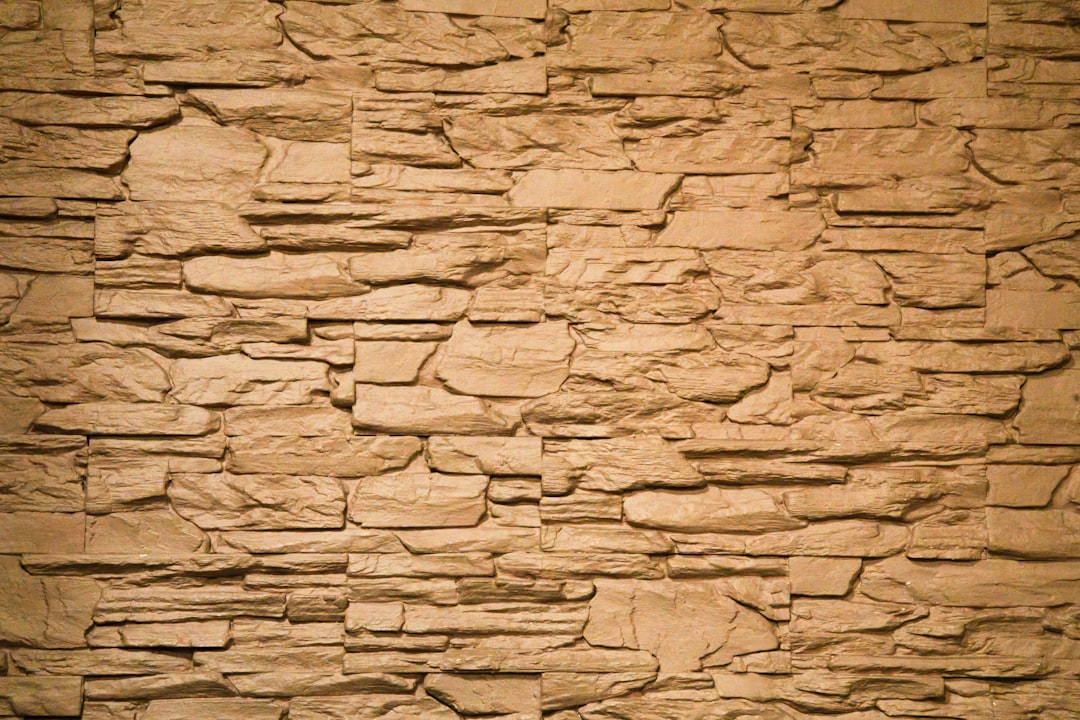
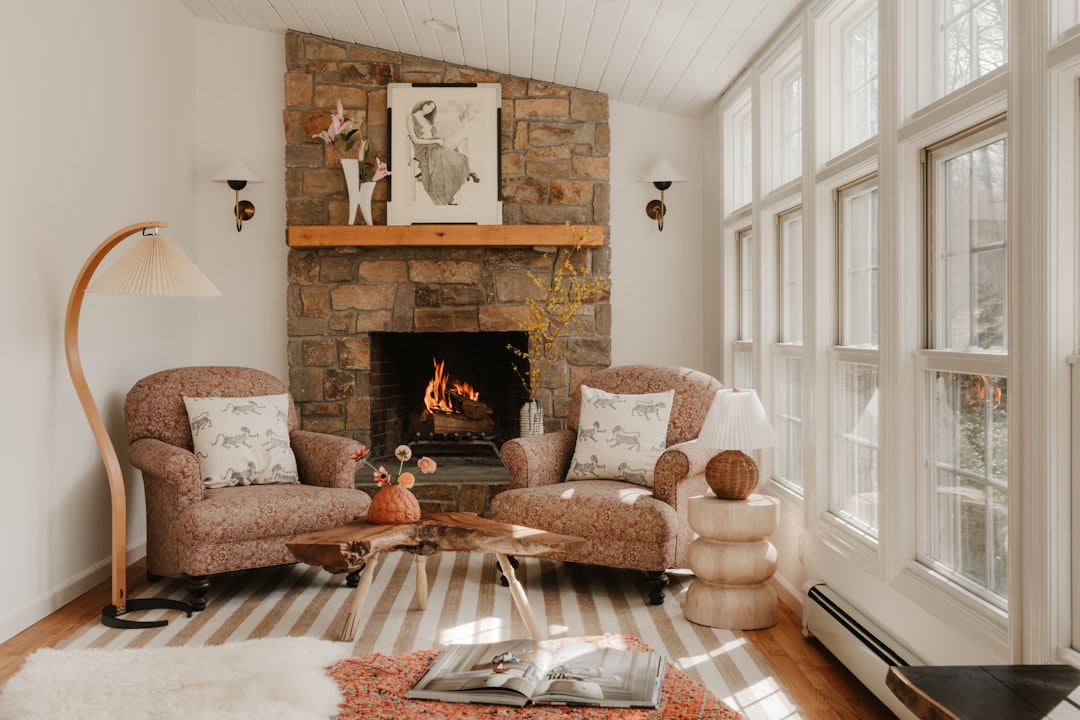
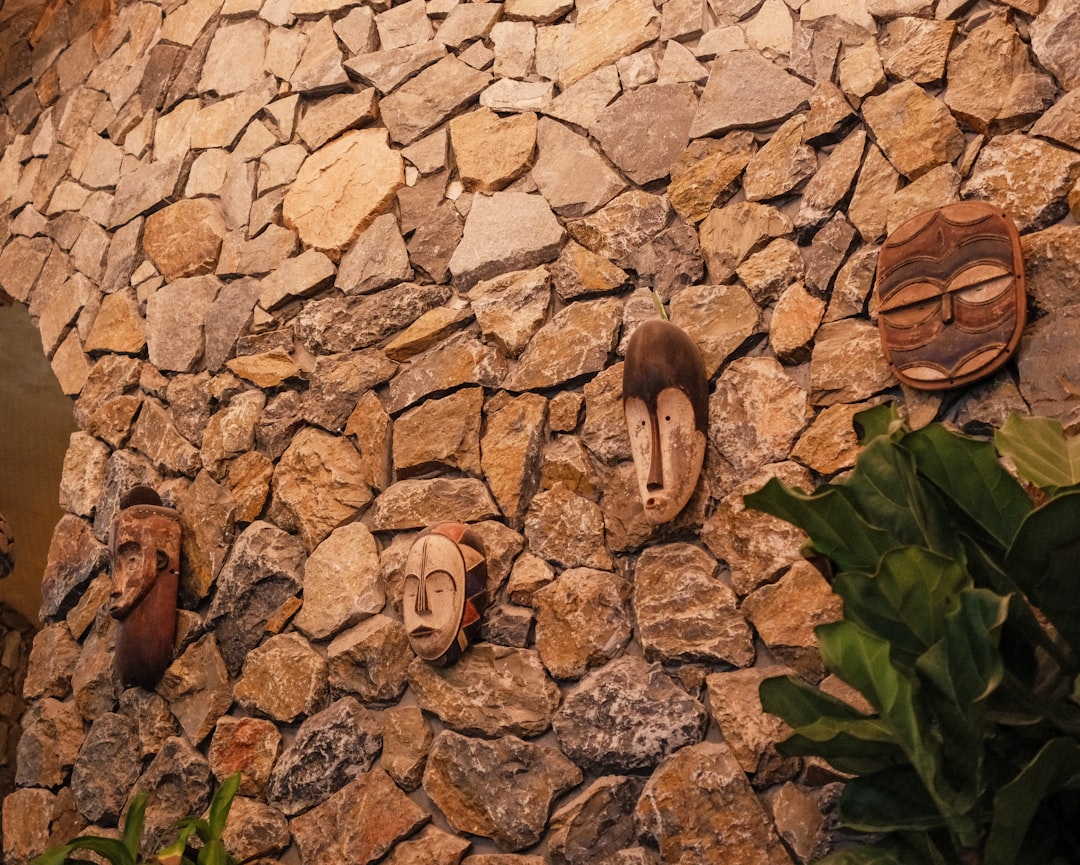
    The fireplace wall is the natural home for a stone accent treatment. Stone and fire are visually connected at a fundamental level — one reinforces the other. Faux stone panels applied to the chimney breast and the recessed alcoves on either side create a complete fireplace surround that reads as architectural and considered. The RockSurface® Highland Rock panel’s irregular surface texture is particularly effective here — it replicates the character of real field stone without the weight or the mortar work.

    2. Behind the Television
    2. Behind the Television
    Photo by Marija Zaric on Unsplash

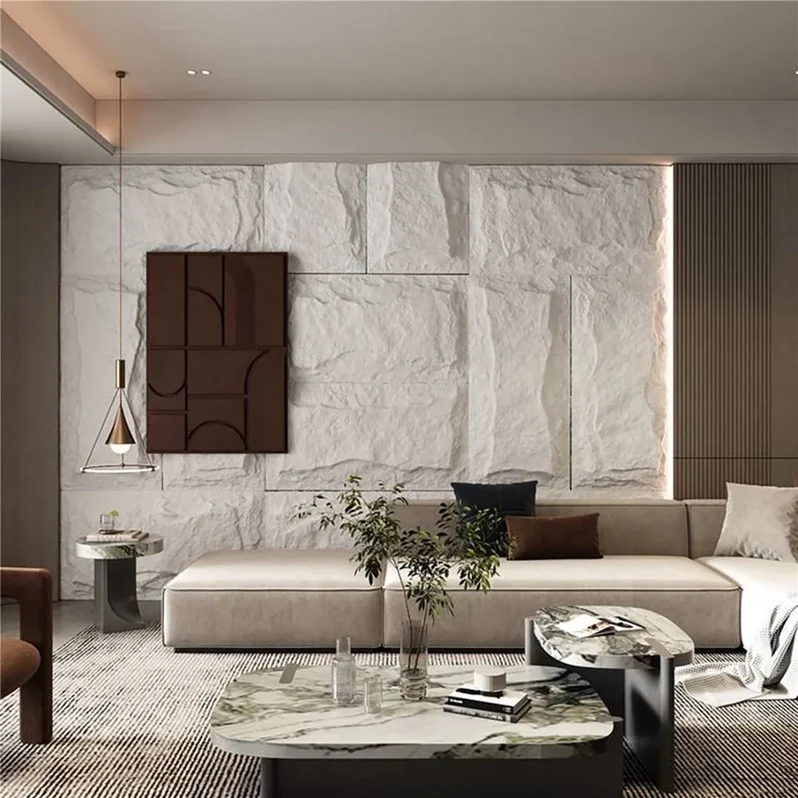
    A panel wall of faux stone behind a mounted television frames the screen in a way that no painted surface can. The texture and depth of the stone panels make the TV wall a genuine design feature rather than a functional necessity. Use a panel with a consistent horizontal texture — like the Ridge Rock profile — for a wall that reads as composed and deliberate even with the television as the focal point.

    3. Dining Room Statement Wall

    The wall at the end of a dining table or behind a sideboard is an underused opportunity. Stone panels on a dining room accent wall create a backdrop that elevates the quality of every meal — the natural texture and depth of the stone surface makes the room feel designed at an architectural level. Warm-toned stone profiles suit both contemporary and traditional dining rooms.

    4. Bedroom Headboard Wall

    A stone panel wall behind the bed is an unexpected choice that works beautifully — particularly in contemporary or industrial-influenced bedrooms. The texture of the stone creates a tactile, organic backdrop that contrasts well with the softness of bedding and fabric. Keep the stone accent wall restrained (behind the bed only) and the remaining walls simple to let the stone surface speak without overwhelming the room.

    5. Entrance Hall and Foyer

    The entrance hall is the first room visitors experience and the last they see on departure. A stone accent wall in an entrance — even a single partial wall or a section flanking the front door — sets a material quality expectation for the rest of the home. Stone panels in a hallway also benefit from the directional light common in entrance spaces, which emphasises the texture and depth of the panel surface.

    6. Home Bar or Cellar Wall

    Stone panels behind a home bar counter or wine storage area create an immediate sense of permanence and quality. The association of stone with cellars and traditional wine storage makes this a natural pairing — the aesthetic logic is intuitive. A dark, rough-textured stone profile is particularly effective in this context.

    7. Bathroom Feature Wall

    A stone accent wall in a bathroom — particularly behind a freestanding bath or a vanity unit — adds a spa-like quality to the space. RockSurface® faux stone panels are built to withstand the humidity levels of a bathroom interior. The key consideration is avoiding direct water contact in wet zones (shower enclosures and bath surrounds); in those areas, fully waterproof panels are required. Our stone wall panels for bathroom guide covers material selection and placement in detail.

    8. Kitchen Splashback and Feature Wall

    Stone panels as a kitchen splashback or behind open shelving create a material contrast that lifts the kitchen above a standard fitted-room look. The panel surface adds visual depth behind shelf displays and creates a considered backdrop for worktop items and accessories. Seal the panel surface appropriately for kitchen use — splashback areas require a panel surface that can be wiped clean.

    9. Garden Room or Conservatory Wall

    Indoor-outdoor spaces — garden rooms, conservatories, orangeries — are natural homes for stone accent walls because the stone material bridges the interior and exterior environments. A stone panel wall visible from the garden reinforces the connection between the indoor and outdoor space. Check RockSurface® panel specifications for suitability in spaces with significant temperature and humidity variation.

    10. Commercial and Hospitality Spaces

    Hotel lobbies, restaurant walls, boutique retail environments, and office reception areas benefit enormously from stone accent walls. The material quality and permanence of stone signals investment and attention to detail. Faux stone panels deliver this visual quality at the scale required for commercial spaces — and the DIY-compatible installation means stone features can be added to commercial spaces without extensive contractor involvement. RockSurface® panels come with a 5-year warranty and 24/7 support, making them appropriate for commercial specification.

    Choosing the Right Stone Profile for Your Accent Wall

    Not all stone textures suit all spaces:

    • Irregular field stone (like Highland Rock) suits rustic, farmhouse, and eclectic interiors — the randomness of the surface texture reads as natural and organic
    • Layered ridge stone (like Ridge Rock) suits contemporary and industrial interiors — the horizontal layering creates a composed, architectural rhythm
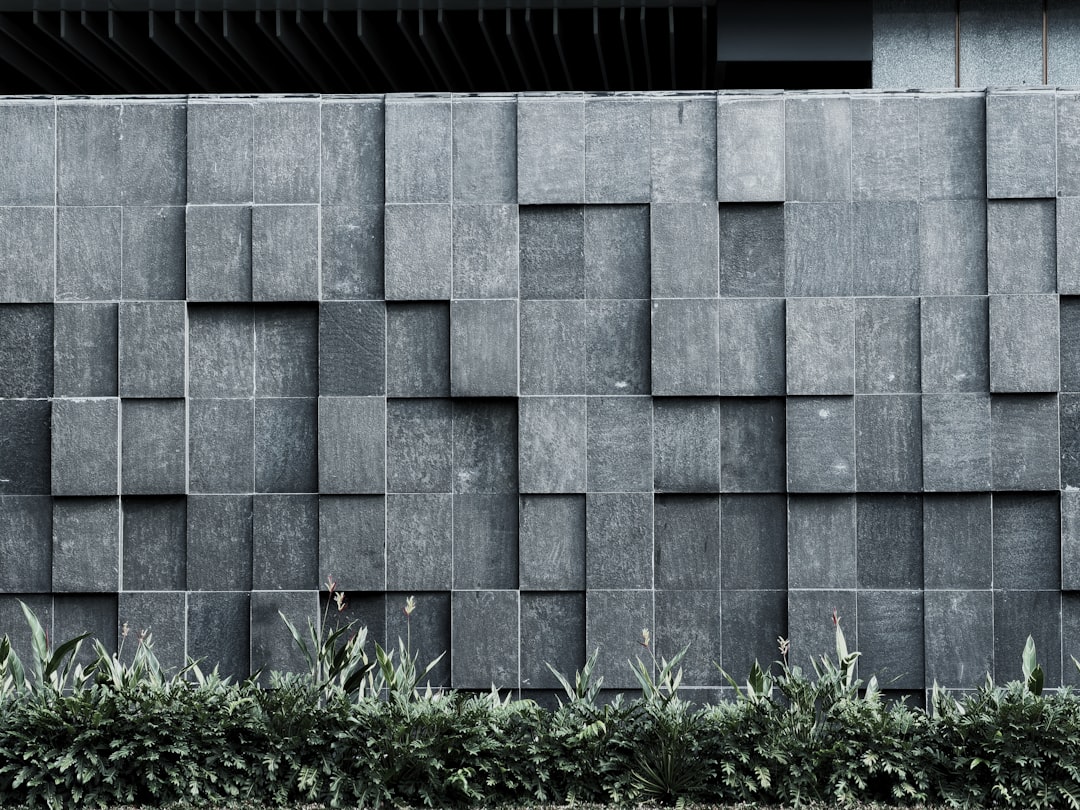
    • Smooth ashlar stone suits formal and traditional interiors — the clean faces and consistent joints read as refined rather than rustic

    Browse RockSurface® Faux Stone Panels

    Explore the full RockSurface® faux stone panels collection at The Panel Hub — including Highland Rock, Ridge Rock, and Stone Rock profiles. Each panel is lightweight, DIY-compatible, and backed by a 5-year warranty, 60-day returns, and 24/7 support. Order a sample to see how the texture and depth look in your own space before committing to a full wall.
  • Stone Wall Panels for Living Room: 10 Design Ideas from Subtle to Bold

    Stone Wall Panels for Living Room: 10 Design Ideas from Subtle to Bold

    Why Stone Works So Well in a Living Room

    Why Stone Works So Well in a Living Room
    Photo by e24 on Unsplash

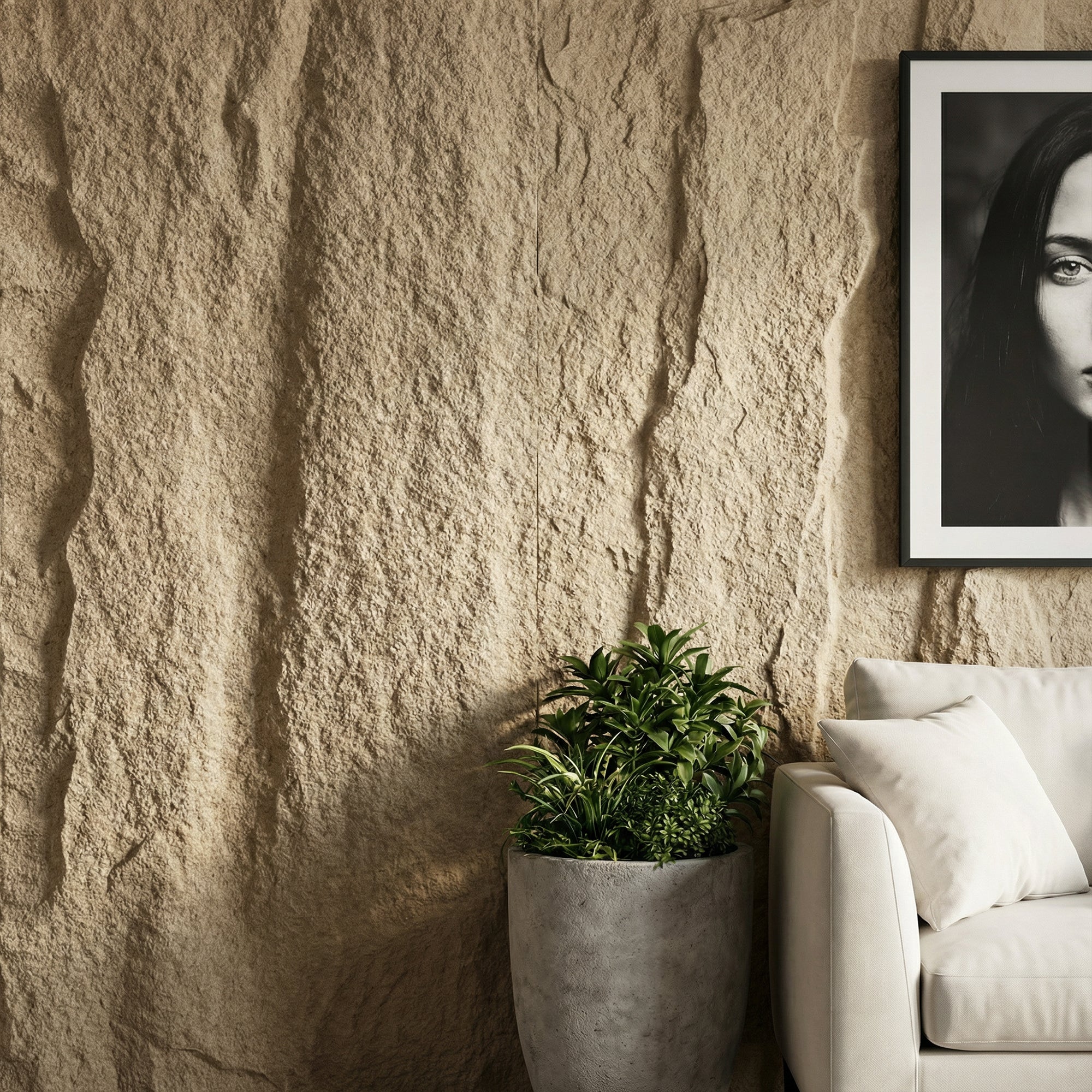
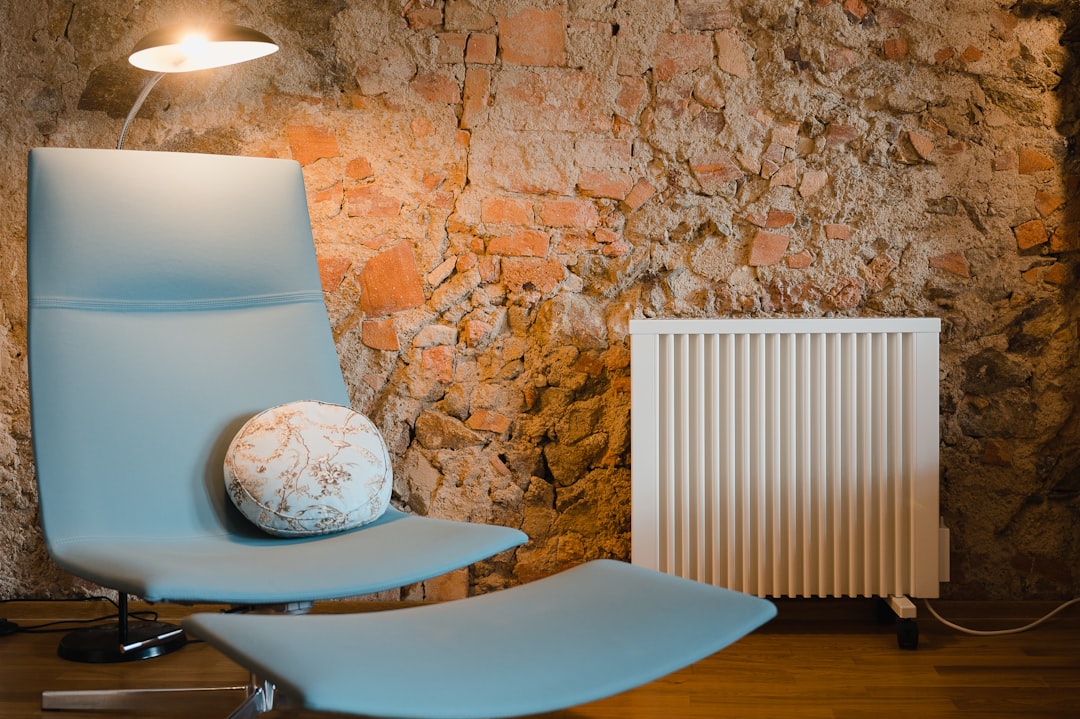
    Stone carries associations of permanence, quality, and connection to the natural world that most interior materials cannot approach. In a living room — the space in a home most used for social gathering, relaxation, and the impression of daily life — these associations matter. A stone wall, or even a section of stone on one wall, changes the character of the room at a fundamental level.

    The practical challenge has always been weight, cost, and installation complexity. Modern faux stone wall panels — like the RockSurface® collection — solve these problems directly. Lightweight, DIY-compatible, and designed to replicate the genuine dimensional texture and visual depth of real stone, they make the stone living room wall achievable for any home and any budget.

    Here are ten ways to use stone wall panels in a living room, ranging from the most restrained to the most dramatic.

    1. Chimney Breast Stone Cladding

    1. Chimney Breast Stone Cladding
    Photo by Tadeusz Zachwieja on Unsplash

    The chimney breast is the natural home for a stone treatment. Stone and fireplace are visually and historically connected — the stone frames the fire, provides the permanence of the hearth, and gives the room its primary focal point. Cladding the full chimney breast in RockSurface® stone panels, from floor to ceiling, creates the strongest possible fireplace wall statement. For a more restrained version, panel only the section between the mantelshelf and ceiling.

    2. Full Feature Wall Behind the Sofa

    2. Full Feature Wall Behind the Sofa
    Photo by Hoang Dang Khoa on Unsplash

    The sofa wall — the wall the sofa is placed against — is the most viewed surface in most living rooms. A full stone panel wall here, floor to ceiling and full width, is the boldest possible stone living room application. The scale of the treatment makes the room feel designed at an architectural level. Use the RockSurface® Ridge Rock profile for this application — its horizontal layering suits a wide, continuous wall better than the more random Highland Rock profile.

    3. Stone Panel Behind the Television

    Panelling the TV wall in stone gives the screen a designed context — it becomes an element in a designed wall rather than a black rectangle on a plain background. The stone texture makes the television look intentional even when off, and when on, the warmth of the stone surface contrasts well with the cool glow of the screen. Use a profile with consistent horizontal texture to complement the rectangular form of the TV unit below.

    4. Half-Wall Stone Treatment

    Running stone panels across the lower half of a living room wall — from floor to roughly waist height — creates a contemporary version of the traditional dado. This approach works particularly well in rooms where a full-height stone treatment might feel overwhelming due to low ceilings or limited floor area. The stone lower section pairs effectively with plain painted plaster above, with the top edge of the stone panels acting as a visual datum line.

    5. Stone Alcove Lining

    The recessed alcoves flanking a chimney breast are natural candidates for stone panel lining. Stone-lined alcoves create a dramatic shadow-and-texture contrast with the fireplace wall — particularly effective when the alcoves contain recessed shelving, because the stone provides a premium material backdrop for book displays and objects. Even if the main chimney breast is not panelled in stone, alcove linings alone create significant impact at modest cost.

    6. Stone Panel Focal Wall in an Open-Plan Space

    In open-plan living spaces where the living area connects to kitchen or dining without clear architectural separation, a stone panel wall can act as a soft room divider — the change of material defines the living zone without closing off the space. Position the stone panel wall at the notional boundary between the living and dining or kitchen areas to create spatial definition through material rather than partition.

    7. Stone Behind a Media Unit or Built-In Shelving

    A stone panel backdrop behind a media unit, built-in shelving, or floating shelves provides a premium material surface that elevates the quality of the display. Books, art objects, plants, and accessories all look more considered against a stone backdrop than against painted plasterboard. The depth and texture of the stone creates spatial interest behind objects that a flat surface cannot provide.

    8. Stone Panel Corner Feature

    Rather than treating a full wall, wrapping a room corner in stone — running panels across two adjacent wall sections and turning the corner — creates a three-dimensional stone feature that reads as more architecturally substantial than a flat panel treatment. This approach is particularly effective in rooms where available wall space is limited by windows, doors, and other features.

    9. Low Stone Plinth Behind a Floating Fireplace

    Modern floating or wall-mounted gas or electric fireplaces often have no natural stone surround. A stone panel plinth — a section of stone panels running across the wall behind and below the floating fireplace unit — creates the visual connection between fire and stone that traditional fireplace design achieves structurally. Even a relatively small stone panel section (1200mm wide × 900mm high) creates this connection effectively.

    10. Full Room Stone Cladding in a Smaller Space

    In a small living room, snug, or media room, cladding all four walls — or three walls — in stone creates an immersive, cave-like environment that suits certain design intentions perfectly. A stone-lined media room with carefully controlled lighting creates an exceptional home cinema environment. A stone-lined snug or reading room creates warmth, enclosure, and material richness that makes a small space feel deliberately intimate rather than simply small.

    Choosing the Right RockSurface® Profile for Your Living Room

    • Highland Rock: Irregular, organic field stone texture. Best for rustic, farmhouse, and eclectic living rooms. The randomness reads as authentically natural and pairs well with exposed timber, rough plaster, and informal furniture.
    • Ridge Rock: Horizontal layered stone with a structured, linear profile. Best for contemporary, transitional, and industrial living rooms. The composed horizontal rhythm suits rooms with clean-lined furniture and organised spaces.
    • Stone Rock: Ashlar-style with consistent face dimensions. Best for formal, traditional, and luxury contemporary living rooms where a refined, architectural stone look is preferred over organic texture.

    Browse RockSurface® Stone Panels for Living Rooms

    Explore the full RockSurface® collection at The Panel Hub — Highland Rock, Ridge Rock, and Stone Rock profiles, all lightweight, DIY-compatible, and backed by a 5-year warranty. Free US delivery, 60-day returns, and 24/7 support. Order a sample to see the depth and texture in your own living room before committing to a full installation.