Author: The Panel Hub

  • Show Home Wall Paneling: How Developers Use Feature Walls to Drive Sales

    Show Home Wall Paneling: How Developers Use Feature Walls to Drive Sales

    A show home has one job: to make a prospective buyer fall in love with a property they haven’t yet seen completed. The interior specification of a show home is a sales tool, not a living environment — and every design decision should be evaluated on whether it helps buyers visualise themselves in the space and justify the asking price.

    Wall panels have become a standard specification in show homes across the market spectrum, from affordable developments where a single feature wall in the master bedroom adds perceived value, to premium developments where panels are used throughout to create the material richness that supports a high price per square foot.

    Why Feature Walls Work in Show Homes

    The feature wall is one of the most effective visual devices available to show home designers. It creates a focal point in a room, gives buyers something specific and emotive to respond to, and — when specified correctly — photographs extraordinarily well in marketing materials.

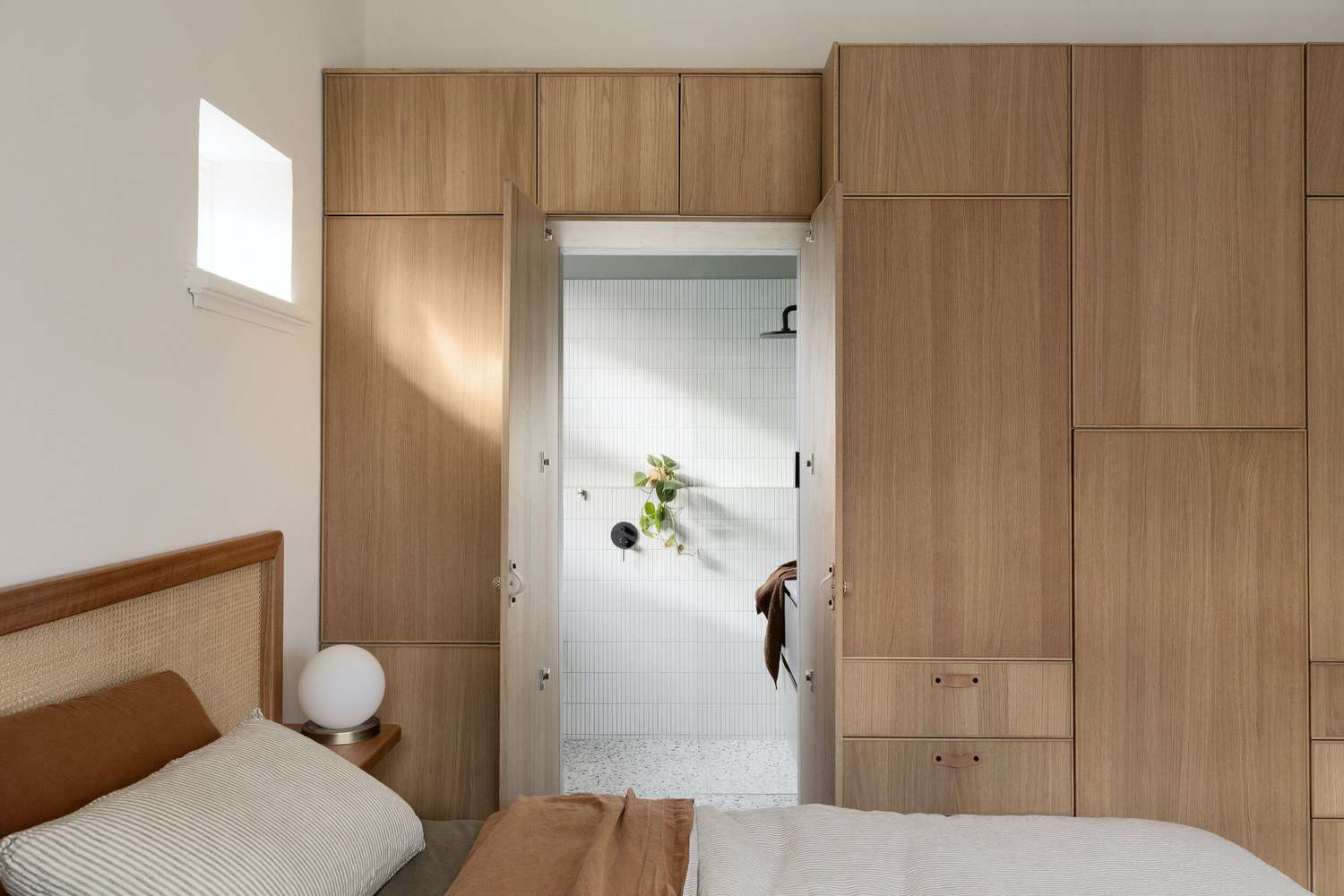
    A GroovePanel® fluted solid wood panel behind the bed in the master bedroom is the single most impactful specification in most show homes. It creates a warm, textured backdrop that makes the room feel considered and premium. It photographs beautifully. And it’s a specification that buyers aspire to replicate — which means they’re more likely to proceed with a purchase than leave to look at competitors.

    Which Rooms Benefit Most from Panel Feature Walls

    Master Bedroom

    The bed head wall is the natural home for a show home feature panel. Every marketing photograph of the master bedroom will include this wall. The texture, warmth, and quality of a solid wood panel in this position creates emotional impact that no painted wall can match.

    Living Room or Open-Plan Living Area

    A feature wall panel on the media wall or fireplace breast in the main living area anchors the room and gives buyers a clear sense of where the television goes and how the room is oriented. It also elevates the perceived quality of the entire living space.

    Entrance Hallway

    The hallway is the first space buyers experience when they walk through the front door. A panel feature wall in the hallway — even a modest one — creates an immediate impression of quality that sets the tone for the rest of the viewing.

    Cost-Effective Specification for Show Homes

    Show home budgets are allocated by sales and marketing teams who understand the return on investment calculation: every pound spent on show home specification needs to pay back in sales velocity and margin. Wall panels offer a high-impact visual result at a specification cost that’s modest relative to the increase in perceived value they create.

    For volume developers specifying the same panel across multiple show homes or across multiple units in a single development, volume pricing from The Panel Hub reduces the per-unit cost further. Contact the trade team to discuss project volumes and pricing.

    Show Home Panel Specification from The Panel Hub

    The Panel Hub works with residential developers, show home designers, and sales and marketing teams on panel specifications for show homes across the UK. The full range of wood wall panels and stone effect panels is available with samples on request.
  • Gym and Fitness Studio Wall Panels: Specification for Active Spaces

    Gym and Fitness Studio Wall Panels: Specification for Active Spaces

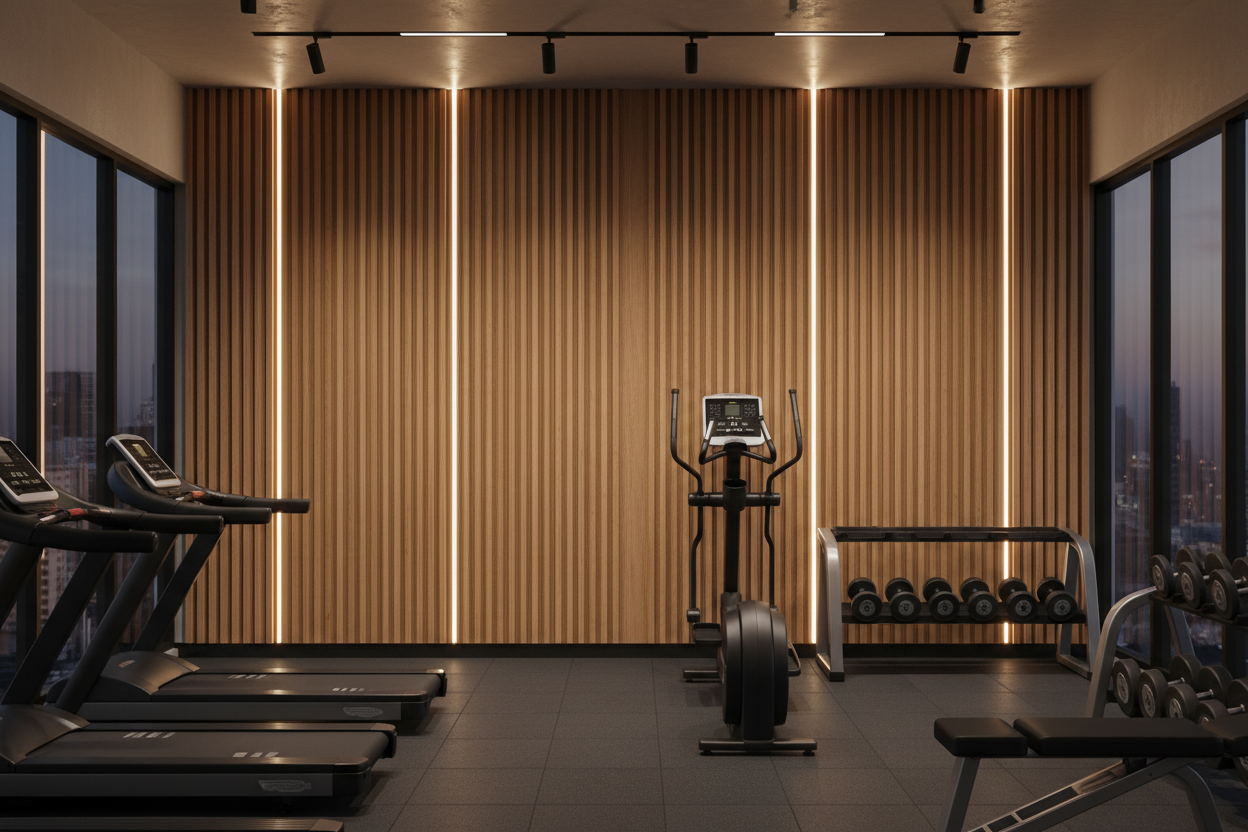
    Gym and fitness studio interiors have evolved considerably in the past decade. The functional aesthetic of exposed concrete and industrial fixtures that defined the boutique gym concept of the 2010s has given way to a more designed approach — one where wall finishes, acoustic quality, and brand environment are considered as seriously as equipment specification.

    Wall panels are increasingly specified in fitness environments for two reasons: they create a premium visual environment that justifies membership pricing, and they address the acoustic challenges of spaces that are genuinely loud by design.

    The Acoustic Challenge of Fitness Environments

    Weight rooms, HIIT studios, and group exercise spaces are high-energy, high-noise environments. Music is typically at high volume. Weights impact floors. Instructors shout over background noise. The acoustic environment in most fitness studios — hard floor, hard walls, hard ceiling — is reverberant to the point of fatigue.

    Acoustic slat panels from the SoundPanel™ range on perimeter walls absorb sound and reduce reverberation time. The practical result is a space where music is clearer, instructor commands are more intelligible, and the overall noise level is lower at the same music volume. For members, the experience is less fatiguing. For operators, the acoustic improvement is part of the overall quality of the environment that drives retention.

    Impact Resistance in Active Environments

    Walls in gym environments take impact. Balls hit walls in functional fitness areas. Foam rollers, resistance bands, and other equipment are stored against walls. Bags and clothing are dropped against wall surfaces. Panel products specified for gym applications need surface finishes and substrates that resist this level of incidental impact without showing damage.

    Solid wood panels from the GroovePanel® range offer better impact resistance than MDF-cored products. For high-impact zones, mechanical fixing in addition to adhesive is recommended to ensure panels remain secure under impact.

    Moisture Management in Fitness Environments

    Fitness environments are humid. Participants sweat. Floors are mopped. Steam is present in changing areas and steam rooms adjacent to the main gym floor. Panel products in fitness environments need surface finishes that are resistant to moisture and wipeable with commercial cleaning products.

    Lacquered or UV-cured surface finishes on wood panels are more resistant to moisture than oiled or waxed finishes. Confirm the surface finish specification with the manufacturer before using any wood panel product in a high-humidity fitness environment.

    Design: Creating a Motivating Environment

    The design of a fitness studio contributes to member motivation and the perceived quality of the experience. Wall panels create visual interest and material quality that generic painted concrete walls don’t. In yoga studios and Pilates spaces, the warmth of timber panels creates a calm, focused environment. In HIIT and functional fitness spaces, a combination of wood panel and stone effect surfaces can create an energetic, premium aesthetic.

    Specifying Gym and Fitness Studio Wall Panels

    The Panel Hub supplies wall panels for fitness studio and gym fit-outs. Contact the team to request samples, discuss acoustic performance requirements, and explore the full range of products suitable for active spaces.

  • Healthcare Wall Panels: Hygienic, Durable Finishes for Clinical Spaces

    Healthcare Wall Panels: Hygienic, Durable Finishes for Clinical Spaces

    Healthcare interiors are subject to some of the most demanding specification requirements of any building type. Infection control, cleanability with clinical-grade disinfectants, impact resistance in high-traffic clinical corridors, fire safety compliance, and the acoustic environment for patient wellbeing and staff communication all need to be addressed in the wall finish specification.

    Wall panels are increasingly used in healthcare environments — not universally, but in specific applications where their performance characteristics are appropriate and where the aesthetic contribution supports the wellbeing objectives of the space.

    Infection Control and Cleanability

    The primary infection control requirement for wall surfaces in clinical environments is cleanability. Wall surfaces must be smooth enough to be cleaned effectively with clinical-grade disinfectants, and must not harbour bacteria in surface porosity, joints, or fixings.

    For clinical areas with the highest infection control requirements — operating theatres, isolation rooms, treatment rooms — specialist hygienic wall panels with continuous, flush surfaces and non-porous cores are the appropriate specification. Standard decorative wall panels are not designed for these environments.

    For lower-risk healthcare areas — patient bedrooms, waiting areas, corridors, staff spaces, café areas — quality decorative wall panels with sealed, non-porous surface finishes and appropriate joint treatment can be appropriate. Always verify the surface finish specification and joint treatment against the healthcare facility’s infection control policy before specifying.

    Acoustic Quality for Patient Wellbeing

    Noise is a significant factor in patient recovery and wellbeing in healthcare environments. Research consistently links hospital noise levels to disrupted sleep, increased stress, and slower recovery. Wall surfaces in patient areas contribute to the acoustic environment — hard, flat plaster walls are highly reflective, while textured or acoustic panel surfaces absorb sound.

    SoundPanel™ acoustic panels in patient lounge areas, waiting rooms, and outpatient environments contribute to acoustic comfort while providing a visually warm, domestic-feeling alternative to clinical plaster finishes. In private patient rooms and mental health environments, the warmth of solid wood panels contributes to a therapeutic environment that supports patient wellbeing.

    Fire Compliance in Healthcare Buildings

    Healthcare buildings are subject to HTM 05 (Health Technical Memorandum on Fire Safety) and Building Regulations Approved Document B. Wall linings in healthcare buildings require Class B fire rating or better in most areas. In escape routes and high-risk areas, Class A2 or better may be required. Always obtain fire test certification from the panel manufacturer and verify compliance with your fire safety consultant before specifying any panel product in a healthcare environment.

    Non-Clinical Healthcare Applications

    The most appropriate applications for standard decorative wall panels in healthcare environments are non-clinical areas where the full infection control requirements do not apply:

    • Patient and visitor reception and waiting areas
    • Staff offices and rest rooms
    • Hospital café and restaurant areas
    • Private patient accommodation in private hospitals
    • Mental health environments and rehabilitation spaces

    Healthcare Wall Panel Specification from The Panel Hub

    The Panel Hub can provide fire test certificates, surface finish specifications, and technical data for healthcare specifiers. Contact the team to discuss your project’s specific requirements before specifying.

  • Hotel Room Wall Paneling: A Specification Guide for Hospitality Designers

    Hotel Room Wall Paneling: A Specification Guide for Hospitality Designers

    Hotel room wall paneling has moved from an occasional luxury feature to a standard design element in mid-market and premium hospitality. Guests have absorbed the visual language of wall panels through social media, design publications, and the accelerating quality of hotel interiors globally — a plain painted bedroom wall now reads as under-designed in most market segments above budget.

    For hospitality designers, specifying wall panels for hotel rooms involves balancing aesthetic ambition against the durability, maintenance, and fire compliance requirements of a commercial accommodation environment.

    Durability Requirements for Hotel Room Panels

    A hotel room in a busy urban property sees hundreds of guests per year. Wall surfaces in a hotel room experience wear patterns that don’t apply to residential spaces: luggage dragged against walls, doors opening forcefully, cleaning with commercial products multiple times per week, and the occasional impact from furniture moved during housekeeping. Panel products specified for hotel rooms need to withstand this level of use without visible degradation over a multi-year refurbishment cycle.

    Key durability considerations for hotel room panel specifications:

    • Surface finish hardness — lacquered or UV-cured finishes outperform oiled finishes in high-contact environments
    • Panel edge treatment — exposed edges that are poorly finished chip and show wear first
    • Substrate quality — panels with solid wood or high-density engineered cores resist impact better than thin-veneer MDF products
    • Fixings — mechanical fixings or structural adhesive provide more security than light-duty adhesive in high-traffic environments

    Acoustic Performance in Hotel Rooms

    Noise between hotel rooms, and between corridors and rooms, is consistently one of the most cited factors in negative guest reviews. While structural acoustic treatment (wall mass, decoupled construction) is the primary solution to sound transmission between rooms, surface acoustic treatment within rooms can contribute to the acoustic comfort of the space.

    Acoustic slat panels from the SoundPanel™ range on a feature wall behind the bed head reduce reverberation within the room, improving the intelligibility of speech and television audio. This is particularly relevant in rooms with hard flooring and minimal soft furnishings.

    Fire Compliance for Hospitality Projects

    Hotel rooms are subject to BS 9251 and the requirements of Building Regulations Approved Document B. Wall linings in hotel bedrooms are required to meet Class B-s3-d2 or better under the European Reaction to Fire classification. Always obtain fire test certification from the panel manufacturer for any product being specified into a hotel room application, and verify compliance with your fire consultant before specifying.

    Design Considerations: Creating a Room That Photographs Well

    In the age of social media, a hotel room that photographs well is a marketing asset. Wall panels — particularly GroovePanel® fluted solid wood panels behind the bed — create a strong visual backdrop that reads well in both professional photography and guest Instagram posts. The texture catches light at different angles, ensuring the room looks interesting across different times of day and different lighting conditions.

    Specifying Hotel Room Wall Panels from The Panel Hub

    The Panel Hub supplies the full range of wood wall panels and stone effect panels for hospitality projects. For multi-room hotel specifications, contact the trade team to discuss batch consistency requirements, volume pricing, lead times, and technical data for fire compliance documentation.

  • How to Clean and Maintain Faux Stone Wall Panels

    How to Clean and Maintain Faux Stone Wall Panels

    One of the underappreciated advantages of faux stone wall panels over real stone is maintenance. Natural stone — particularly porous varieties like limestone and sandstone — requires regular sealing, careful cleaning product selection, and ongoing attention to prevent staining and biological growth. Faux stone panels are significantly more forgiving.

    That said, “low maintenance” doesn’t mean “no maintenance.” This guide covers what routine care looks like, how to handle staining, and what to avoid to keep faux stone panels looking their best over the long term.

    Routine Cleaning

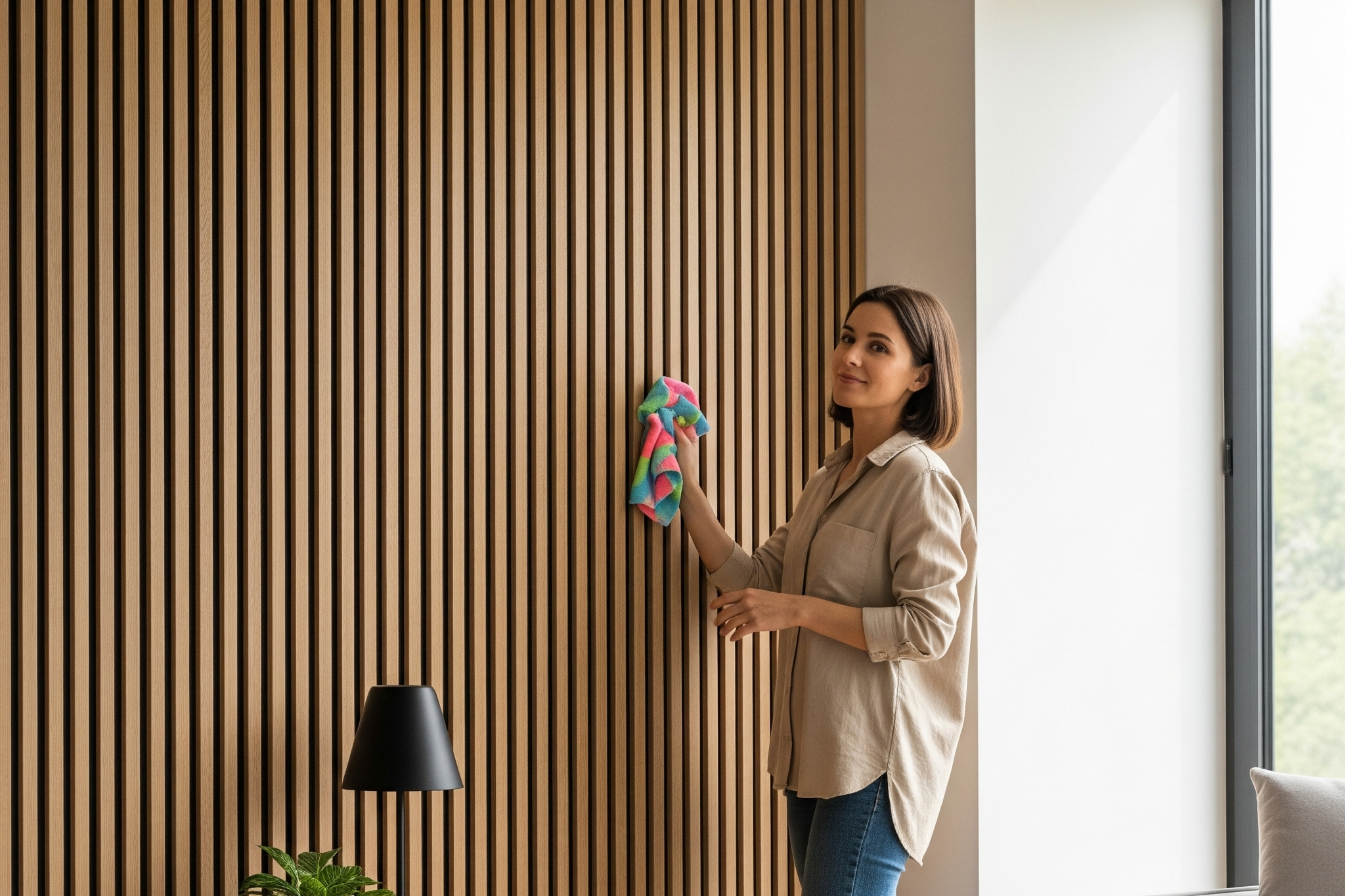
    • Dust regularly: Use a soft brush, vacuum with a brush attachment, or a dry microfibre cloth. The textured surface of stone panels accumulates dust more readily than flat walls.
    • Wipe down periodically: A lightly damp cloth with warm water handles most marks and general cleaning. Wipe in the direction of the panel texture rather than against it.
    • Mild detergent for marks: A small amount of washing-up liquid in warm water handles most household marks. Apply with a soft cloth, work gently, and rinse with clean water.

    Dealing with Stains

    Grease and Kitchen Splatter

    In kitchen applications, a degreasing spray applied to a soft cloth — rather than directly to the panel — works effectively. Avoid spraying cleaning products directly into deep-relief textured surfaces as residue can accumulate in recesses.

    Mould and Mildew

    In bathrooms or humid environments, surface mould can develop in panel recesses if ventilation is poor. A solution of 1 part white vinegar to 3 parts water, applied with a soft brush and left for 10 minutes before rinsing, handles most surface mould. For persistent mould, a specialist bathroom cleaner suitable for the panel material may be required.

    Scuffs and Impact Marks

    The three-dimensional surface of stone-effect panels is naturally resistant to scuffing because impact is spread across the relief. Minor scuffs can often be concealed using a stone touch-up pen or paint matched to the panel colour.

    What to Avoid

    • Abrasive cleaners or pads: Scouring pads and abrasive cleaning powders scratch the panel surface and damage the finish permanently.
    • Solvent-based cleaners: Acetone, bleach at high concentrations, and solvent-based cleaners can strip the surface finish. Test any unfamiliar product on an inconspicuous area first.
    • High-pressure washing: For exterior panels, high-pressure washing can force water behind panels or damage adhesive bonds. Use a standard garden hose and soft brush instead.
    • Steam cleaning: High-temperature steam can affect adhesive bonds and panel finishes.

    Long-Term Care Schedule

    • Weekly: Dust or wipe with a dry cloth in high-use areas such as kitchens and bathrooms
    • Monthly: Damp wipe with mild detergent solution
    • Annually: Inspect for any loose panels; re-seal if recommended by the manufacturer

    For product-specific maintenance guidance, contact The Panel Hub directly. The team can advise on the best approach for your specific RockSurface® panels.

  • 3D Stone Effect Wall Panels: How Depth and Shadow Transform a Surface

    3D Stone Effect Wall Panels: How Depth and Shadow Transform a Surface

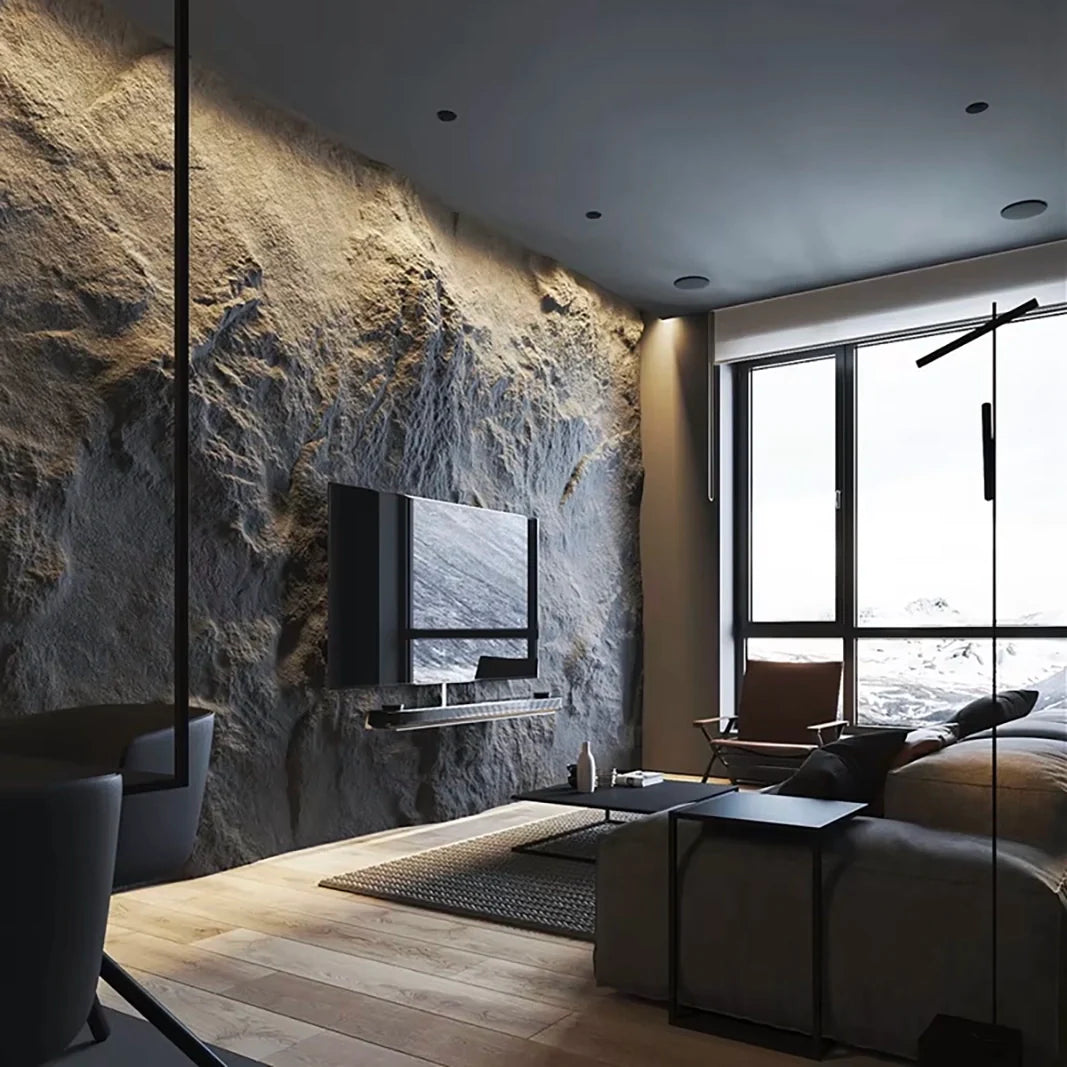
    A flat stone surface is attractive. A three-dimensional stone surface is arresting. The difference is what happens when light strikes the wall — on a flat panel, light reflects uniformly. On a 3D stone effect panel, light catches the raised surfaces, falls into the recesses, and creates an ever-shifting pattern of highlight and shadow that changes as the light source moves.

    This is why 3D stone effect wall panels have become a feature in high-end residential and commercial interiors. The surface actively engages with the room’s lighting conditions, producing a result that cannot be achieved by any flat material, however realistic its finish.

    The Science Behind the Effect

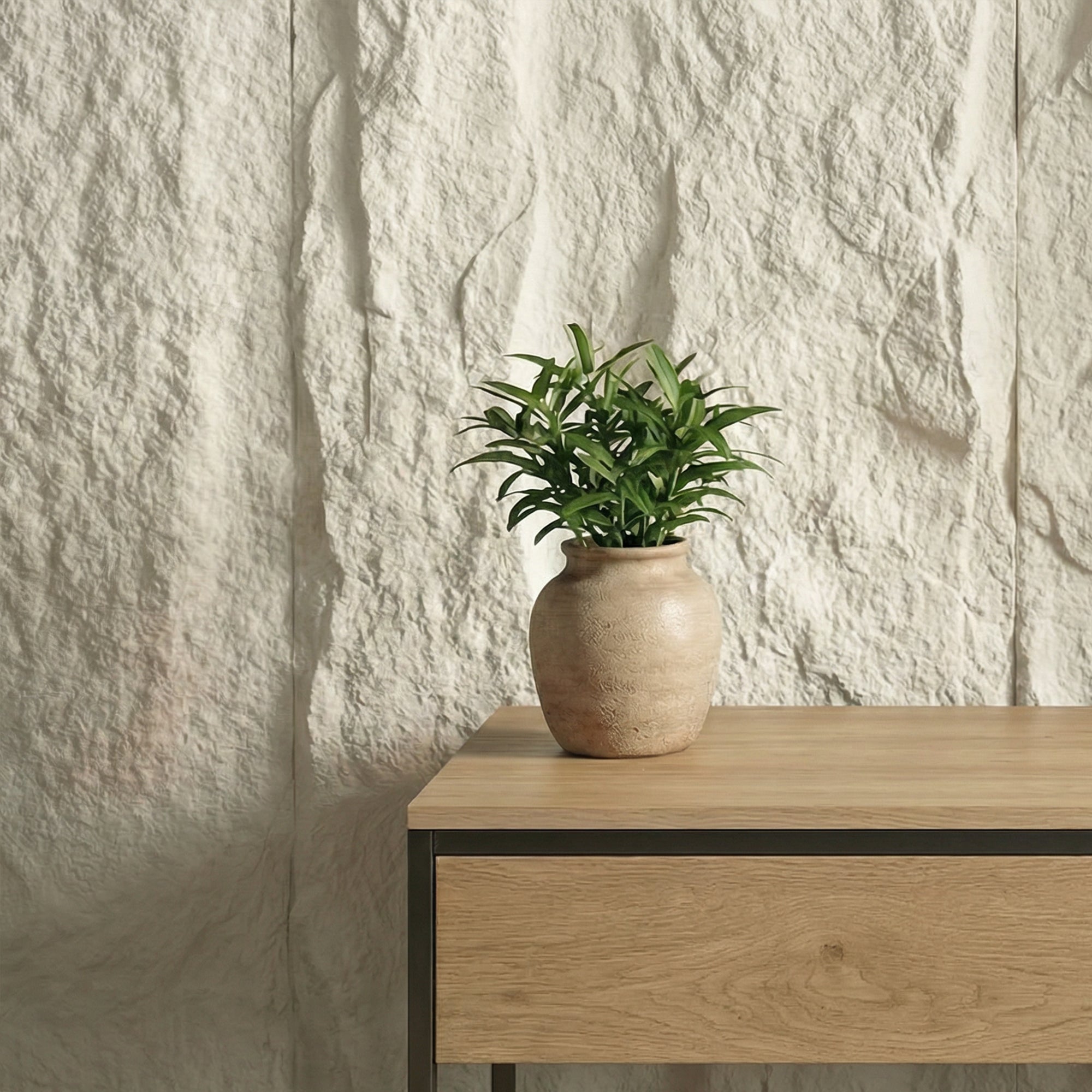
    3D stone panels use moulded relief — raised and recessed elements across the surface — to create depth. The depth of this relief varies: shallow relief creates a subtle undulation that reads as texture from a distance, while deep relief creates pronounced shadow lines and a sculptural quality visible from across the room.

    The most effective 3D stone panels derive their surface geometry from casts of actual stone samples. The natural irregularity of real stone — no two faces exactly the same, no perfectly straight edges — translates into a finished panel that reads as genuinely organic rather than manufactured.

    Lighting 3D Stone Panels for Maximum Effect

    Grazing Light

    Light positioned to graze across the surface — wall-mounted luminaires, directional spots at a low angle — catches the leading edges of the relief and throws the recesses into deep shadow. This is the most dramatic lighting approach for 3D stone and works particularly well in dining rooms, bars, and bedrooms.

    Warm vs Cool Light

    Warm white light (2700–3000K) brings out warm undertones in natural stone finishes and creates an intimate effect. Cool white light (4000K+) emphasises the sculptural quality of the relief and creates a crisper, more contemporary result. Choose based on the atmosphere you’re creating.

    Avoiding Flat Overhead Lighting

    Ceiling-mounted downlights directly above a 3D stone panel are the least effective lighting choice — they illuminate from above without creating the lateral shadows that reveal the relief. Supplement downlights with wall-mounted fittings to bring out the texture.

    Where 3D Stone Effect Panels Work Best

    Living Rooms and Dining Rooms

    The changing light conditions across a day mean a 3D stone feature wall looks different at every time of day. The surface is engaging without being distracting — it rewards close attention without demanding it.

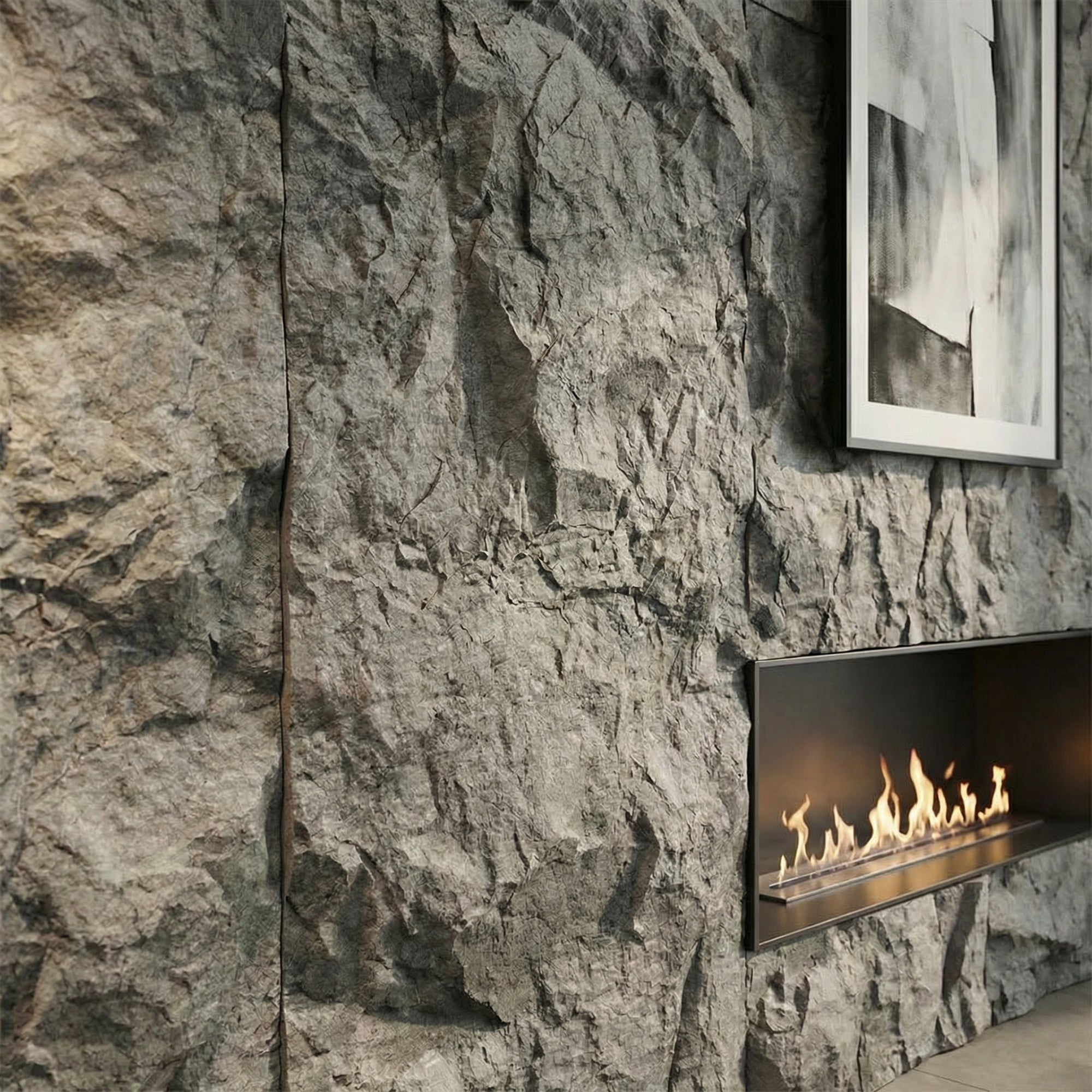
    Fireplace Surrounds

    The dancing light from an open fire is particularly effective against a 3D stone surface. The irregular reflection creates a warm, organic effect that flat surfaces cannot replicate.

    Commercial Spaces: Bars, Hotels, Restaurants

    3D stone panels are extensively used in hospitality design. The textured surface provides acoustic benefit — broken surfaces scatter sound rather than reflecting it flatly — and creates atmosphere that flat walls cannot match. The controlled, directional lighting typical of hospitality environments brings out 3D stone at its best.

    3D Stone Effect Panels from The Panel Hub

    The Panel Hub stocks the RockSurface® 3D stone effect panel collection in multiple tones and relief depths. Request a sample to assess how the relief performs in your specific lighting conditions before placing your order.

  • How to Order Wall Panel Samples: A Specifier’s Checklist

    How to Order Wall Panel Samples: A Specifier’s Checklist

    Specifying wall panels without physical samples is one of the most common and costly mistakes in interior design and fit-out projects. Digital images, product photography, and online swatches cannot replicate the way a panel performs in your specific space — under your lighting conditions, against your floor and furniture, and at the scale it will actually appear on the wall.

    This checklist is for designers, architects, and specifiers who want to make confident panel decisions based on real material evidence rather than screen approximations.

    Why Samples Are Non-Negotiable

    Three things about wall panels cannot be reliably assessed from digital images:

    • Colour temperature: Wood panel finishes shift significantly under different light sources. A warm oak that looks golden under the photography studio’s warm lights can look grey and flat in a north-facing room. A stone effect panel that looks grey online may have warm beige undertones in your actual lighting conditions.
    • Surface texture and depth: The three-dimensional quality of fluted, slat, and stone-effect panels — the way light plays across the relief — cannot be conveyed in a photograph. The depth and character of the texture only becomes apparent when you hold the sample at different angles under your lighting conditions.
    • Scale and proportion: Individual slat widths, groove depths, and stone face sizes read very differently at the scale of a sample versus the scale of a full wall. A profile that looks fine in a hand-held sample can look very different when you visualise it at 2.4 metres high across a wall.

    What to Request When Ordering Samples

    When requesting samples from The Panel Hub, provide enough information for the team to send the most useful selection:

    • The room type (bedroom, living room, commercial reception, etc.)
    • The wall dimensions and the approximate area of panel coverage planned
    • The existing or planned floor finish and its colour/tone
    • The primary light source (natural light direction, artificial light colour temperature)
    • Any existing materials the panel needs to coordinate with (furniture finishes, flooring, other wall materials)
    • Whether aesthetic, acoustic, or stone-effect products are the primary interest

    How to Assess Samples Properly

    Assess in the Actual Space

    Take samples to the space where the panels will be installed, not your office or studio. Hold the sample against the wall and assess it at the time of day when the room is typically used. A bedroom panel should be assessed in morning and evening light; an office panel should be assessed under the planned artificial lighting.

    Assess Against Other Materials

    Hold the sample next to your flooring, furniture swatches, and other material samples. The panel needs to work with the surrounding palette, not just look good in isolation.

    Assess at Scale

    Order the largest sample available for any product you’re seriously considering. A full panel or a large section gives you a much more accurate sense of how the slat spacing, grain character, and colour variation will read at wall scale.

    From Sample to Specification: The Next Steps

    Once you’ve identified the right panel from samples, the specification process involves:

    • Confirming the product reference, finish, and dimensions
    • Calculating the area to be covered and applying a 10–15% wastage allowance
    • Confirming lead time, stock availability, and delivery requirements
    • Obtaining any required technical documentation — fire test certificates, acoustic performance data, installation data sheets

    The full wall panel range and stone effect panels from The Panel Hub are available for sampling. Contact the team to request the samples you need for your current projects.

  • Luxury Wall Panels: What Separates Premium Quality from Budget

    Luxury Wall Panels: What Separates Premium Quality from Budget

    Not all wall panels are equal. The difference between a budget panel installation and a premium one is visible — in the quality of the material, the precision of the finish, the depth of the surface detail, and the way the panel performs over time. Understanding what separates premium from budget is the starting point for any buyer who wants results that last.

    Material Quality: What to Look for

    Solid Wood vs Engineered Alternatives

    Premium wood panels use real timber or high-quality engineered wood with genuine hardwood veneers. The grain, colour variation, and surface texture of solid wood creates a material depth that printed foils, vinyl wraps, and low-cost laminates cannot replicate. The GroovePanel® and SoundPanel™ ranges from The Panel Hub use real wood construction — the material reads and feels different from engineered alternatives at every level of interaction with the panel.

    Stone Effect Panel Composition

    Premium stone effect panels use mould casts derived from real stone samples. The natural irregularity of real stone — no two faces identical, no machine-perfect edges — is captured in the mould and reproduced in each panel. Budget panels use simplified or repeating geometric moulds that create a pattern that reads as manufactured rather than natural at close range. The difference is immediately visible when you hold samples side by side.

    Surface Finish and Treatment

    The surface finish on a premium panel is applied with precision and durability in mind. For wood panels this means:

    • Multiple coats of oil or lacquer, each sanded between applications
    • Edge treatment that matches the face finish — a common economy measure is to leave panel edges poorly finished
    • UV stability — premium finishes resist fading in rooms with significant natural light
    • Surface hardness — the finish withstands daily contact without marking

    For stone effect panels, premium surface treatment includes colour depth (multiple tones across the surface rather than a single flat colour), textural variation within the surface, and sealed finishes that resist moisture and staining.

    Profile Precision and Manufacturing Tolerances

    Premium panels are manufactured to tight tolerances. Slat widths, groove depths, and panel dimensions are consistent from one panel to the next. This matters for installation — inconsistent dimensions create visible variation in the finished wall. Budget panels often show variation that becomes apparent across a large installation, with some slats appearing wider or narrower than others, or joints between panels that are visibly inconsistent.

    What Budget Panels Compromise On

    • Material: Thinner veneers, basic MDF substrates, or lower-density composite materials
    • Finish: Single-coat finishes, edge-matching omitted, limited UV stability
    • Tolerances: Visible variation in slat widths and panel dimensions
    • Surface detail: Simplified moulds for stone panels, less colour variation, shallower relief
    • Longevity: Budget finishes degrade faster and substrates are less stable over time

    How to Assess Quality Before Buying

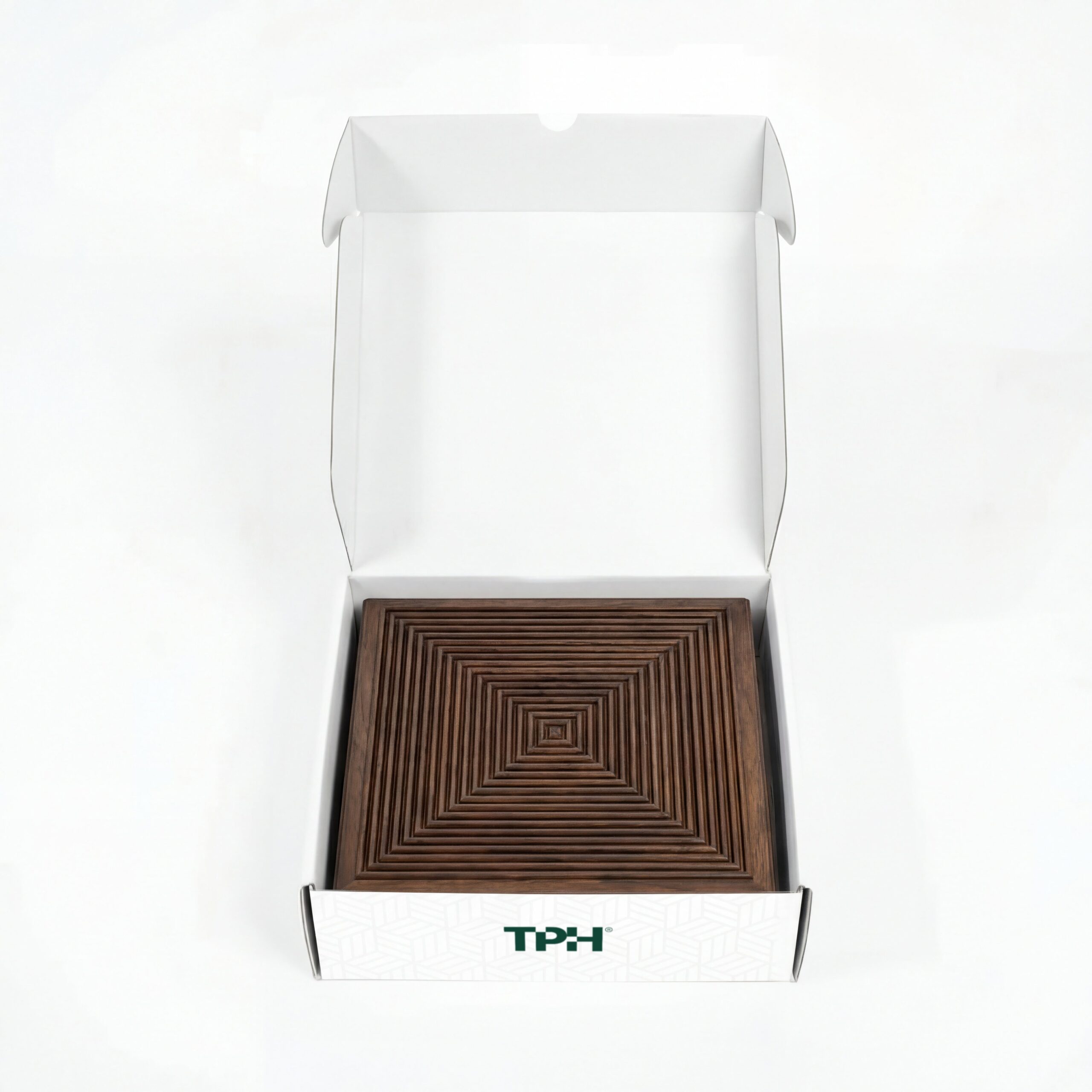
    The best way to assess panel quality before purchasing is to request samples. A full-size sample allows you to examine the surface finish under your specific lighting, assess the construction quality, and compare the material against your existing finishes. The quality difference between premium and budget panels is immediately apparent when you hold them.

    The Panel Hub provides samples across the full range — GroovePanel®, SoundPanel™, and RockSurface®. Request samples before committing to your order — the quality difference is immediately apparent when you hold a panel in your hands.

  • MDF Wall Panels vs Solid Wood: Which Is Worth the Investment?

    MDF Wall Panels vs Solid Wood: Which Is Worth the Investment?

    MDF (Medium Density Fibreboard) and solid wood are the two primary substrate options for wood wall panels. Both can deliver excellent results. Both have genuine weaknesses. The choice between them matters — not just for budget, but for durability, appearance, environmental impact, and long-term performance in your specific application.

    What Is MDF and What Is Solid Wood?

    MDF Wall Panels

    MDF is an engineered wood product made from wood fibres, resin, and wax compressed under high pressure and heat. It’s dimensionally stable — it doesn’t expand, contract, or warp the way solid timber does — and has a smooth, consistent surface that takes paint, veneer, and surface finishes well. Most painted or foil-wrapped wall panels use MDF cores.

    Solid Wood Panels

    Solid wood panels use real timber — often oak, pine, walnut, or other hardwoods — as the primary material. The GroovePanel® and SoundPanel™ ranges from The Panel Hub use solid wood construction. Real wood brings visible grain, natural colour variation, and authentic warmth that engineered materials cannot replicate.

    Appearance and Finish

    Solid wood has the advantage for visible grain and natural authenticity. The grain, knots, colour shifts, and texture of real timber create a surface that looks and feels genuinely organic. In slat and fluted profiles, the grain of real wood creates visual depth that printed or foil-wrapped MDF cannot match.

    MDF has the advantage for painted finishes. Its smooth, consistent surface provides a flawless base for paint — no grain telegraphing through the finish. For painted panel applications, MDF is often the better material choice.

    Durability

    Solid wood is more durable in general use. It’s harder to dent, holds fixings well, and can be sanded and refinished if damaged. Solid wood panels, with appropriate maintenance, can last decades.

    MDF is less impact-resistant and has a critical weakness: moisture. MDF swells and disintegrates when exposed to sustained moisture. For bathroom or kitchen applications, only moisture-resistant (MR) MDF cores should be specified, and even then direct water exposure should be avoided.

    Cost

    MDF panels are generally less expensive than solid wood panels of equivalent dimensions. For painted applications where the material character isn’t visible in the final finish, MDF offers good value. For applications where the natural wood surface is part of the design — stained, oiled, or natural finishes — solid wood delivers an appearance that MDF cannot replicate.

    Environmental Considerations

    Solid wood from certified sustainable sources (FSC or PEFC) is renewable and stores carbon. MDF uses wood waste fibres but the resin binders are synthetic and typically non-recyclable. Look for certification claims when evaluating any wood panel product.

    Which Should You Choose?

    • Choose solid wood if natural grain and material character are important, if long-term durability is a priority, or if the application is in a dry environment where solid wood’s properties are best preserved.
    • Choose MDF if you’re painting the panels, if cost is the primary constraint, or if the application is in a dry interior environment where MDF’s moisture weakness is not a factor.

    For solid wood wall panels that deliver genuine material quality, explore the GroovePanel® and SoundPanel™ collections at The Panel Hub.

  • Meeting Room and Boardroom Wall Panels: Professional Finishes That Perform

    Meeting Room and Boardroom Wall Panels: Professional Finishes That Perform

    Meeting rooms and boardrooms are the highest-scrutiny spaces in any commercial office environment. Clients, partners, investors, and senior stakeholders form first impressions in these rooms. The quality of the finish — the materials used, the level of detail, the acoustic performance — communicates directly about the organisation that occupies the space.

    Wall panels are the most effective single specification for elevating a meeting room finish from functional to impressive. The right panel on the right wall transforms a generic box into a room that feels considered and premium.

    The Acoustic Requirement: Why It Matters More Than You Think

    A meeting room that sounds bad undermines its purpose. A reverberant room — one where sound bounces off hard walls, glass, and ceiling — makes speech difficult to follow, video call audio confused, and extended meetings fatiguing. The cause is almost always insufficient acoustic absorption on wall and ceiling surfaces.

    SoundPanel™ acoustic slat panels on the walls of a meeting room reduce reverberation time and improve speech intelligibility. For video conferencing rooms in particular, the acoustic quality of the room directly affects the quality of the call — both for participants in the room and for remote attendees. An acoustically treated meeting room with a panel feature wall behind the presenter provides both a professional background for video calls and a better acoustic experience in the room.

    Visual Presence: Creating a Room That Impresses

    The Feature Wall Behind the Screen

    The most impactful single panel application in a meeting room is the feature wall behind the presentation screen or at the head of the table. A GroovePanel® fluted solid wood panel on this wall creates the backdrop for every presentation, every video call, and every client meeting that takes place in the room. The texture and warmth of real wood reads as premium in person and on camera.

    Boardroom Standard

    For boardrooms in financial services, legal, and professional services environments, the specification standard is higher. A combination of solid wood panels and stone-effect panels — RockSurface® on the primary feature wall, solid wood on the side walls — creates a material richness appropriate for the most important rooms in a commercial property.

    Video Conferencing Backgrounds

    With hybrid working now standard, the visual background of a meeting room matters as much as its physical appearance. A feature wall panel creates a distinctive, professional background that is immediately recognisable and communicates quality. Plain painted walls read as improvised; a textured panel feature wall reads as designed.

    Specifying Meeting Room Panels

    For meeting room and boardroom projects, The Panel Hub can provide acoustic performance data, fire test certificates, and samples for client approval. Contact the trade team to discuss the specification requirements for your project.