Table of Contents
- What Are Stacked Stone Wall Panels?
- Real Stacked Stone vs Stacked Stone Panels: A Practical Comparison
- Where to Use Stacked Stone Wall Panels
- What to Look for When Buying Stacked Stone Panels
- How to Style Stacked Stone Panels: Five Applications That Work
- FAQs: Stacked Stone Wall Panels
- Browse RockSurface® Stacked Stone Panels
What Are Stacked Stone Wall Panels?
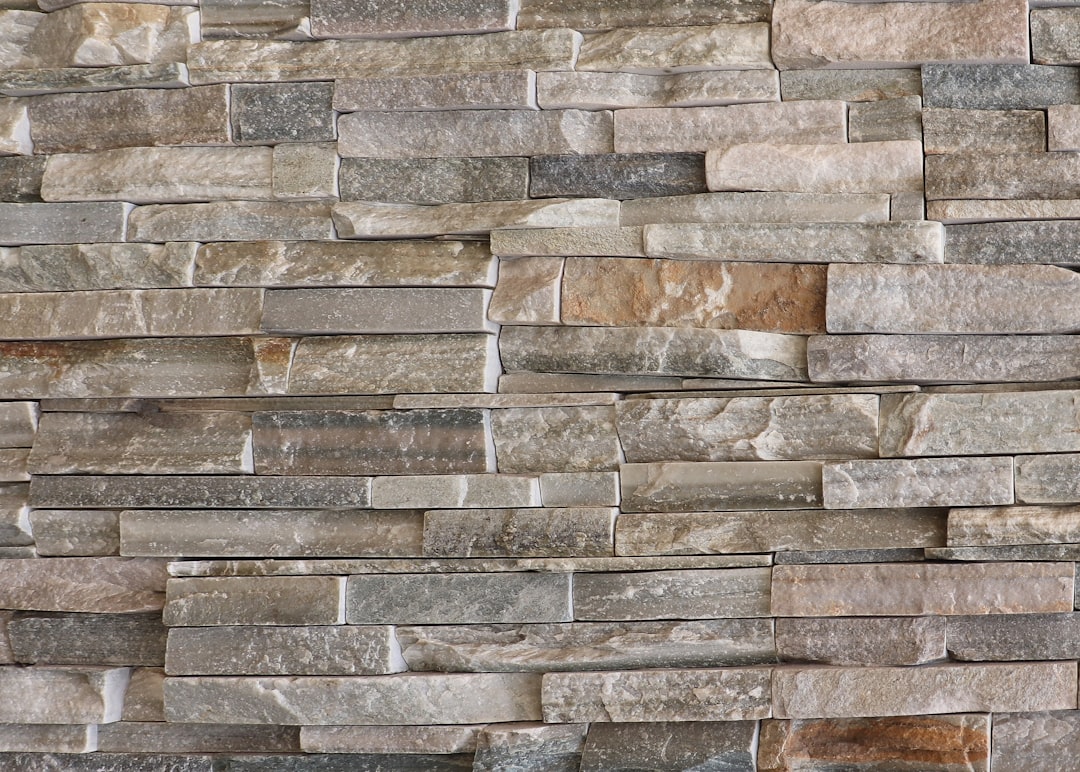
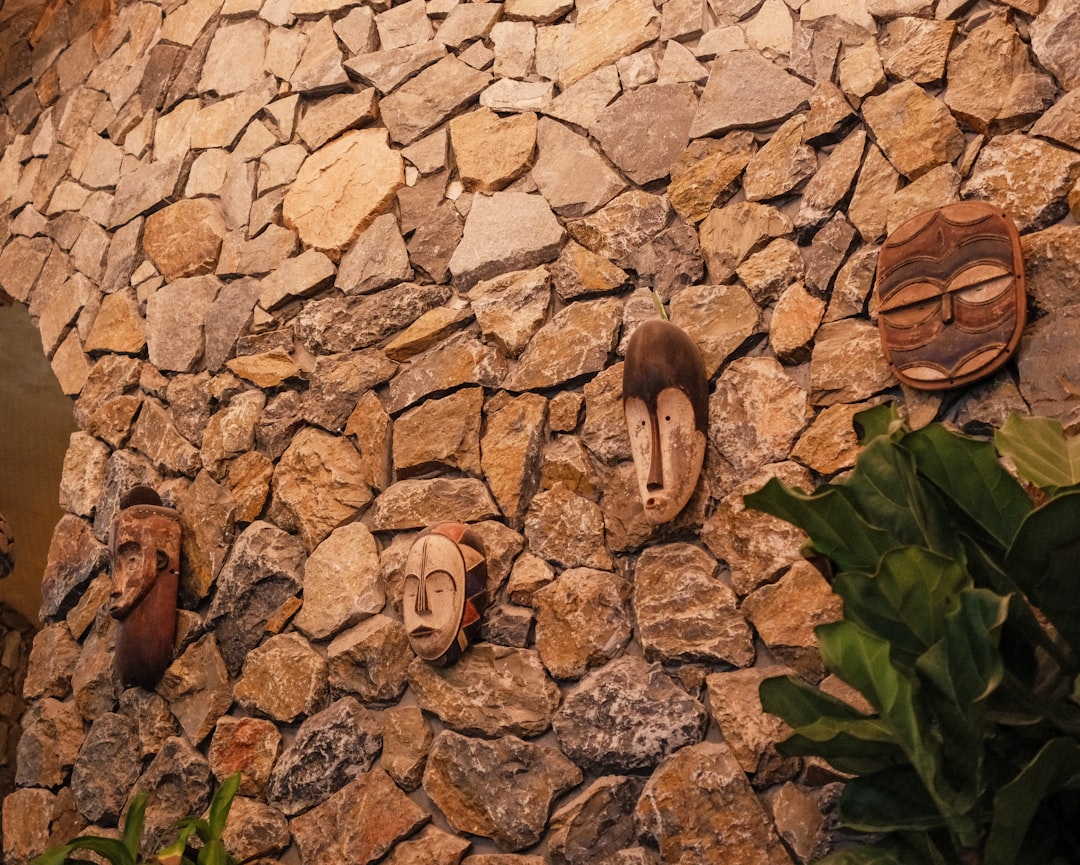
Stacked stone is a masonry technique where natural stone pieces — typically flat, thin slabs — are laid in horizontal layers without mortar, or with minimal mortar between courses. The result is a wall surface with a distinctive horizontal-layered texture where each stone piece is visible individually, creating depth, shadow, and natural variation across the surface.
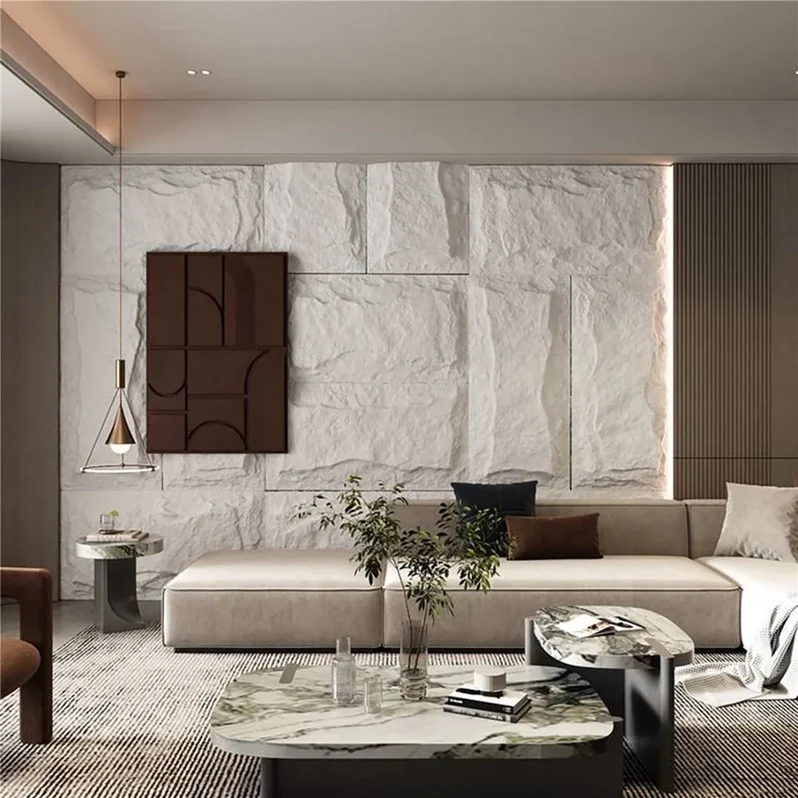
Stacked stone wall panels replicate this aesthetic in a manufactured format: panels moulded or textured to reproduce the layered, dimensional profile of real stacked stone. The panels are produced as modular units — typically 600mm x 150mm or similar — that interlock or align on the wall to create the appearance of a continuous stacked stone surface.
Real Stacked Stone vs Stacked Stone Panels: A Practical Comparison
Real Stacked Stone
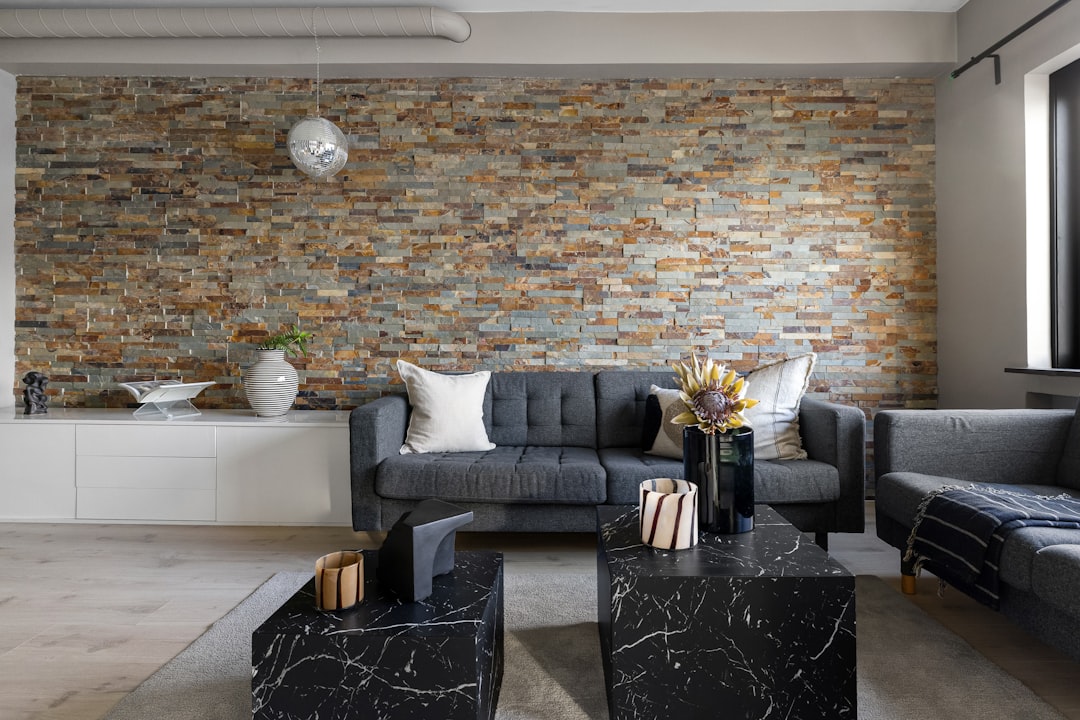
Authentic stacked stone walls use natural stone — bluestone, slate, limestone, quartzite, and similar flat-splitting sedimentary and metamorphic stones are common choices. The appeal is obvious: each piece of stone is genuinely unique, the colour and texture variation is completely natural, and the finished surface has a physical depth and weight that manufactured products cannot fully replicate.
The practical challenges are significant:
- Weight: Real stone walls weigh 40–80kg per square metre. Most standard internal wall constructions cannot support this load without structural reinforcement.
- Skill: Laying stacked stone correctly — maintaining courses, managing joints, handling irregular pieces — requires masonry experience.
- Cost: Stone material, structural assessment, and skilled installation combine to make real stacked stone one of the most expensive interior wall treatments available.
- Permanence: Once installed, a real stone wall is essentially impossible to remove without damaging the structural fabric of the building.
Stacked Stone Wall Panels (Faux Stone)
Faux stacked stone panels — like our RockSurface® collection — address all of these challenges directly:
- Weight: Faux stone panels weigh a fraction of real stone — typically 3–8kg per square metre. No structural assessment required.
- Skill: Installation uses standard construction adhesive and finishing nails. No masonry skill required; most homeowners complete a full wall installation in a day.
- Cost: Significantly lower than real stone, particularly when labour is factored in. The material and installation costs combined are typically 20–30% of an equivalent real stone treatment.
- Reversibility: Panels can be removed if required, though adhesive-fixed panels will leave residue on the substrate.
What faux stone panels cannot fully replicate is the absolute uniqueness and material authenticity of real stone — a close inspection will reveal manufacturing patterns in lower-quality products. Premium faux stone panels like RockSurface® use deep-relief moulding and textured finishes that are genuinely difficult to distinguish from the real thing at normal viewing distances.
Where to Use Stacked Stone Wall Panels
Living Room Fireplace and Feature Walls
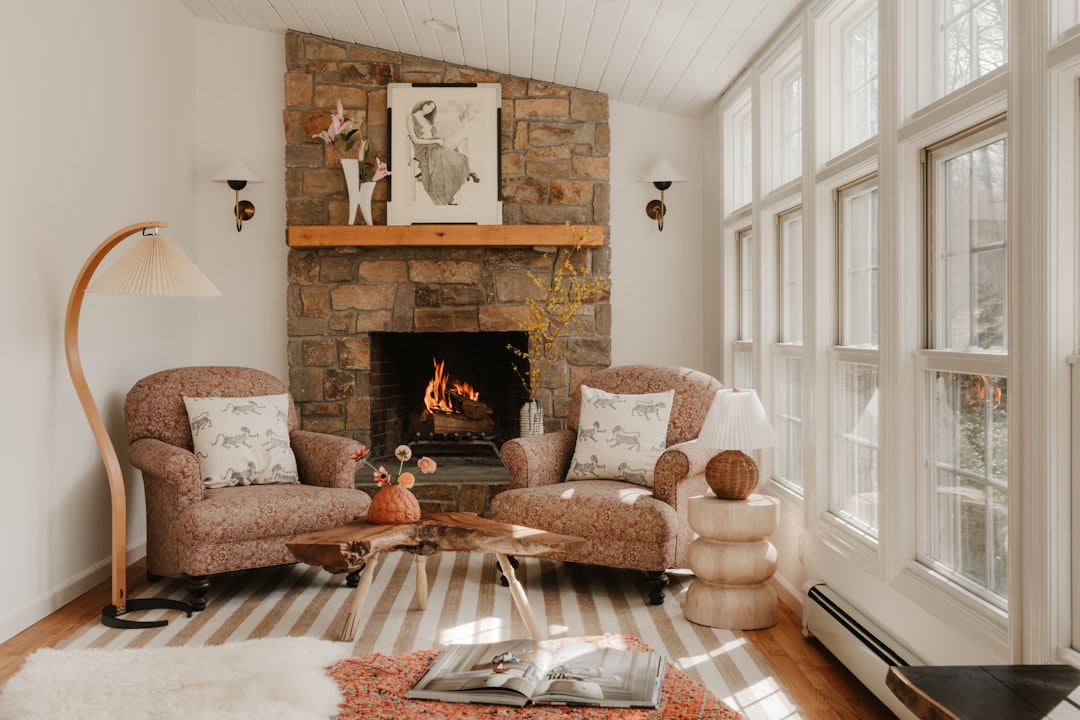
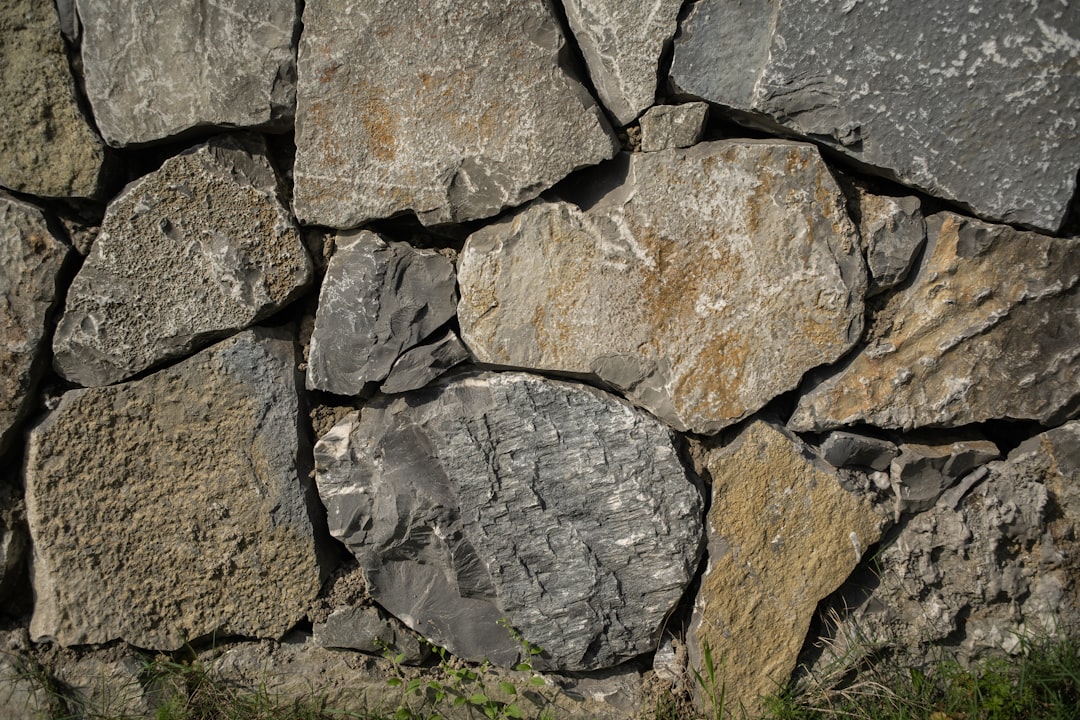
The most natural application — the layered horizontal texture of stacked stone creates warmth and character in a living room context. The fireplace wall is the classic stacked stone feature, but full-length living room walls are equally effective. See our stone accent wall ideas guide for placement inspiration.
Kitchen and Dining Room Walls
Stacked stone panels behind a kitchen island, along a dining room wall, or as a kitchen splashback (with appropriate sealing) add a material warmth and character that painted walls cannot achieve. The horizontal layering of the stone texture creates a composed, architectural backdrop for food and dining experiences.
Exterior-Influenced Indoor Spaces
Garden rooms, conservatories, open-plan spaces that connect to the outside, and basement conversions all benefit from the outdoor-material vocabulary that stacked stone brings. The material bridges the inside/outside divide in a way that painted walls or standard wood treatments do not.
Commercial Environments
Restaurants, bars, boutique hotels, and retail environments frequently use stacked stone wall panels to create a premium material environment. The association of stone with quality, permanence, and craftsmanship is powerful in commercial contexts. RockSurface® panels carry a 5-year warranty and are suitable for commercial specification.
What to Look for When Buying Stacked Stone Panels
Relief Depth
The depth of the panel’s surface relief determines how much shadow is cast and how authentic the stacked stone effect appears. Look for panels with at least 20–30mm of surface relief — shallow panels read as flat pattern rather than genuine stone texture at close range.
Colour Variation
Natural stacked stone has significant colour and tone variation between individual pieces. Premium faux stone panels replicate this variation through varied toning and finish on individual “stones” within the panel. Wall panels with flat, uniform colour look noticeably artificial even at a distance.
Panel-to-Panel Pattern Repetition
Lower-quality faux stone panels have a visible repeat pattern — the same stone arrangement repeats every panel or every two panels, creating a visible, artificial regularity. Good faux stone panels randomise the stone arrangement sufficiently that no obvious repeat is visible across a full wall installation.
Installation System
Look for panels with an interlocking or staggered-joint installation system that hides panel joints within the stone pattern. Panels with a visible square grid of joints on the installed wall do not replicate the random joint pattern of real stacked stone.
How to Style Stacked Stone Panels: Five Applications That Work
Stacked stone has a specific visual vocabulary — horizontal ledgestone layers create a strong directional line that reads differently to random-coursed stone or smooth cladding. Here are five applications where it works particularly well.
1. Fireplace surround floor-to-ceiling: The classic stacked stone application. Running ledgestone panels from hearth to ceiling on a chimney breast creates a dramatic focal point in a living room. The horizontal layering directs attention upward, which suits taller fireplace surrounds. Keep the adjacent walls plain to let the stone breathe.
2. Kitchen island base: Stacked stone panels on the base of a kitchen island add weight and permanence to what can otherwise be a floating element in a room. The texture contrasts effectively with smooth countertop surfaces, polished handles, and flat cabinet doors. Works best with island bases over 900mm long where there’s enough surface area for the pattern to register.
3. Garden or entertainment bar: Stacked stone is one of the most popular treatments for outdoor kitchen bars, pizza oven bases, and garden entertainment areas. The profile suits the outdoor scale well and works with exterior-rated faux stone panels in UV-stable finishes.
4. Retail or commercial reception: In commercial settings — hotel lobbies, wine bar frontages, boutique retail interiors — stacked stone panels on a reception desk front or entrance wall communicate permanence and quality. The material reads as substantial without the cost and structural implications of real stone.
5. Partial wall treatment (dado): A horizontal band of stacked stone at dado height (900–1,100mm) on a dining room or hallway wall gives a room a period-influenced character without committing to a full feature wall. Paired with a contrasting paint colour above, this treatment is distinctive and architecturally deliberate.
FAQs: Stacked Stone Wall Panels
What is the difference between stacked stone panels and ledgestone panels?
The terms are often used interchangeably. Both refer to panels designed to replicate the appearance of horizontally layered stone — individual courses of thin stone pieces stacked in roughly uniform rows. “Ledgestone” typically refers to the specific profile where pieces have a consistent thickness and horizontal alignment, while “stacked stone” can refer to more varied profiles including mixed-length pieces.
Do stacked stone panels have visible seams between panels?
Quality stacked stone panels are designed with staggered joints and randomised edge profiles so that adjacent panels interlock without creating a visible vertical seam line. When selecting panels, check that the product has a random or staggered edge format. Butt-jointed panels with straight edges will create visible grid lines across the finished surface.
Can stacked stone panels be used on curved walls?
Rigid stacked stone panels cannot curve. On curved surfaces, the panels would need to be cut into narrower strips and installed with gaps that accommodate the curve. For gently curved surfaces (radius over 3m), this is feasible. For tight curves, individual stone tile products are a better fit than large-format panels.
How thick are stacked stone wall panels?
Faux stacked stone panels typically have a relief depth of 20–50mm from the back of the panel to the face of the most projecting stone piece. The overall panel thickness including the backing board is typically 25–55mm. This dimensional depth is what creates the three-dimensional shadow-line effect characteristic of real stacked stone.
Browse RockSurface® Stacked Stone Panels
The RockSurface® collection at The Panel Hub includes deep-relief faux stone panels with genuine stone-like texture, colour variation, and randomised pattern — designed to read as authentic at normal viewing distances. All panels come with a 5-year warranty, free US delivery, and 60-day returns. Order a sample to evaluate the depth, texture, and colour in your own space.