Author: The Panel Hub Design Studio

  • How to Paint Over Wood Panel: A Step-by-Step Guide for Beginners

    How to Paint Over Wood Panel: A Step-by-Step Guide for Beginners

    Embarking on a home improvement project like painting over wood panel can seem daunting at first. However, with the right approach and tools, transforming your space can be both straightforward and rewarding.

    This beginner-friendly guide breaks down the process into manageable steps, ensuring that anyone can achieve a modern and refreshed look in their home.

    Preparing the Surface

    How to Paint Over Wood Panel

    The success of painting over wood panel largely depends on the preparation of the surface. It’s essential to start with a clean slate, which means wiping down the wood paneling to remove any dust, dirt, or oily residues. A mixture of mild detergent and water usually does the trick.

    After cleaning, sanding the panel lightly is crucial. This step creates a slightly rough texture, allowing the primer and paint to adhere more effectively, reducing the chances of peeling or chipping in the future.

    Choosing the Right Primer
    How to Paint Over Wood Panel

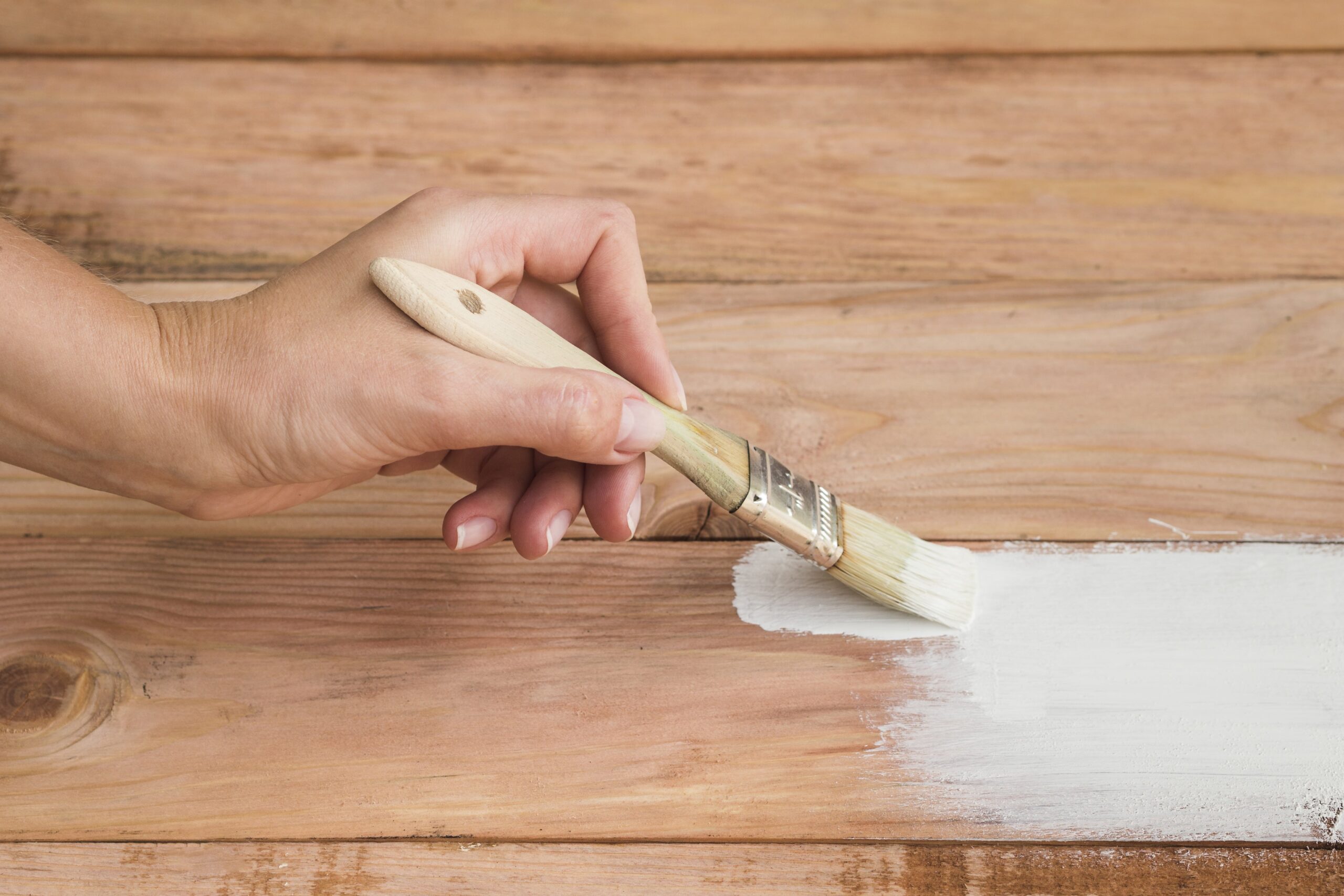
    The choice of primer is a critical step in ensuring the paint adheres properly and lasts. Opt for a primer that’s specifically formulated for wood surfaces and designed to block stains.

    This type of primer will cover any imperfections and prevent the natural wood tannins from bleeding through the paint. An even application of primer sets the stage for a flawless finish, so take your time to apply it thoroughly and allow it sufficient time to dry.

    Read More: 5 Best Modern PVC Wall Panel Design for Bedroom in 2023

    Selecting Paint
    How to Paint Over Wood Panel

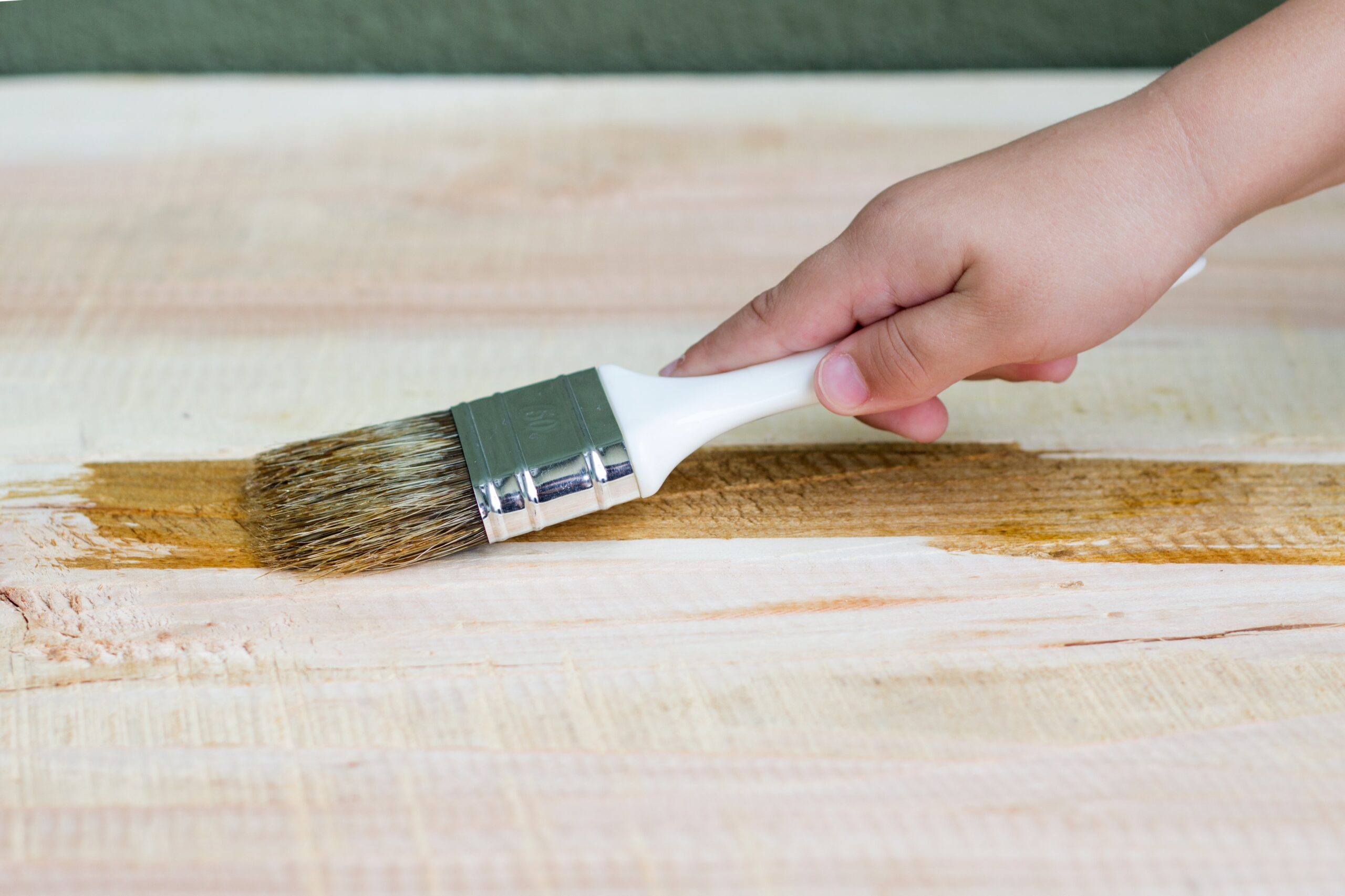
    Choosing the right type of paint is another key decision in the process. Latex-based paints are favored for their ease of application and durability, especially in areas that might experience moisture.

    The finish of the paint also matters; semi-gloss or gloss finishes are easier to clean and can highlight the wood’s texture, while matte finishes provide a more subdued, contemporary appearance. Consider the room’s lighting and the look you want to achieve when selecting your paint.

    Painting Techniques
    How to Paint Over Wood Panel

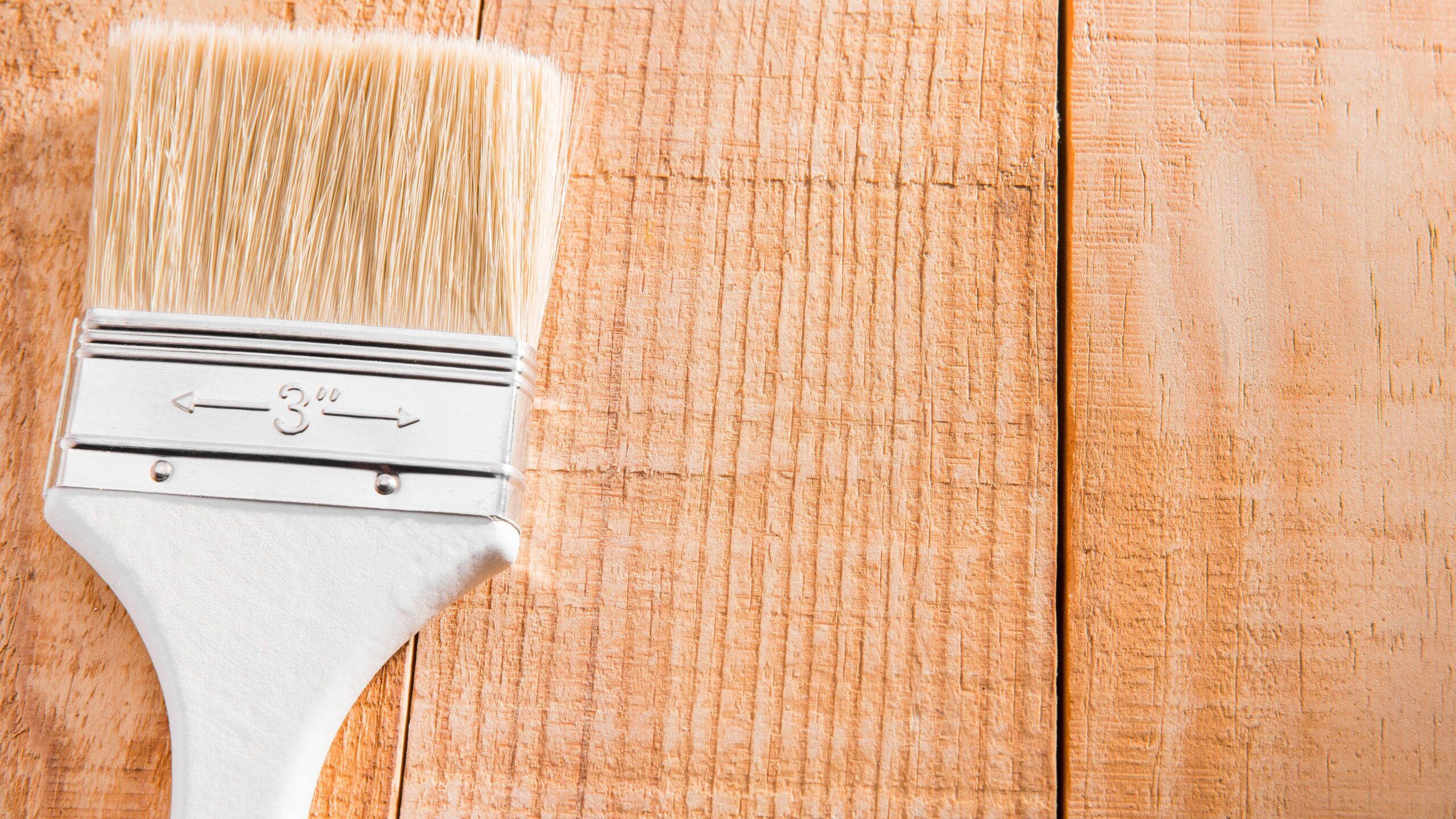
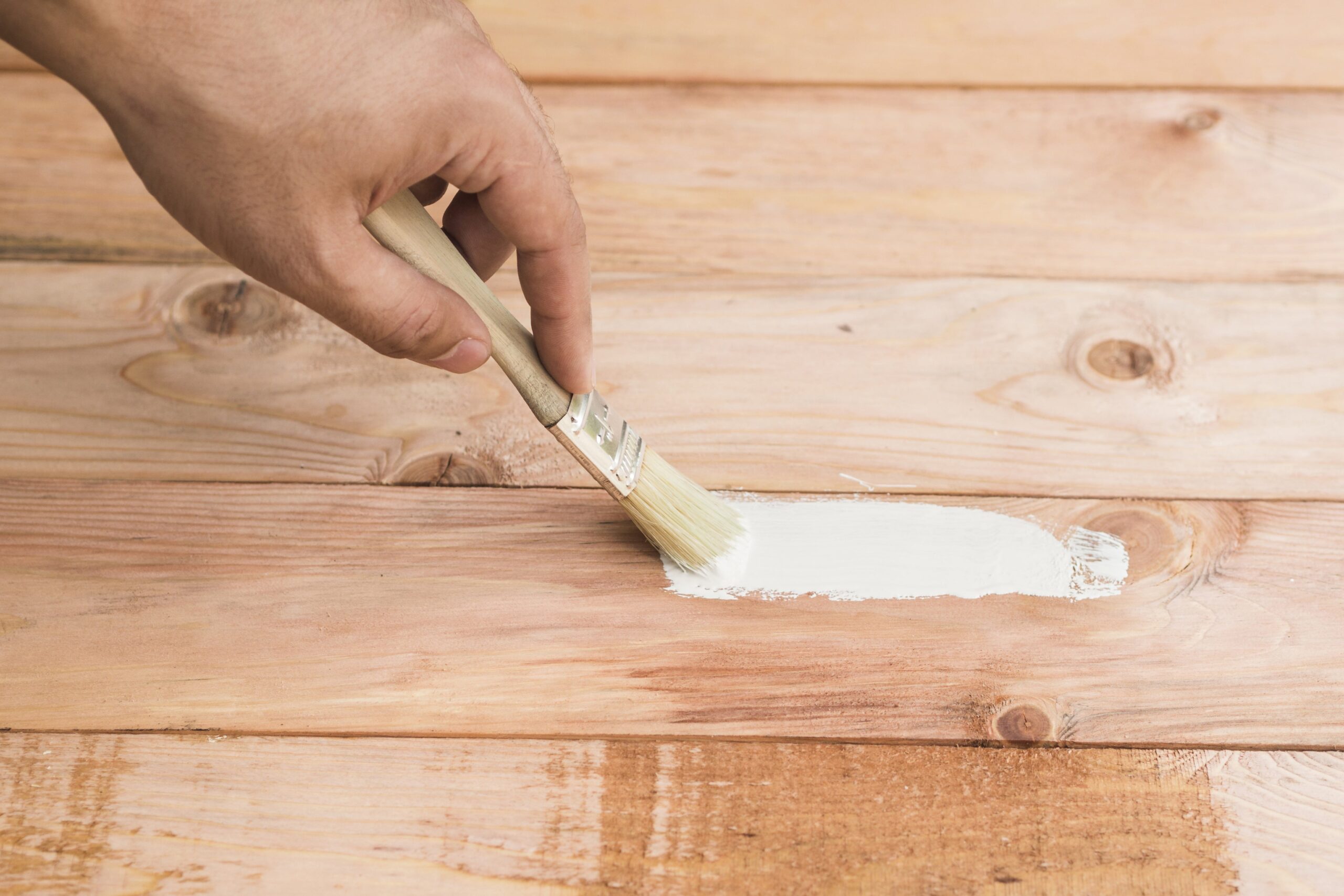
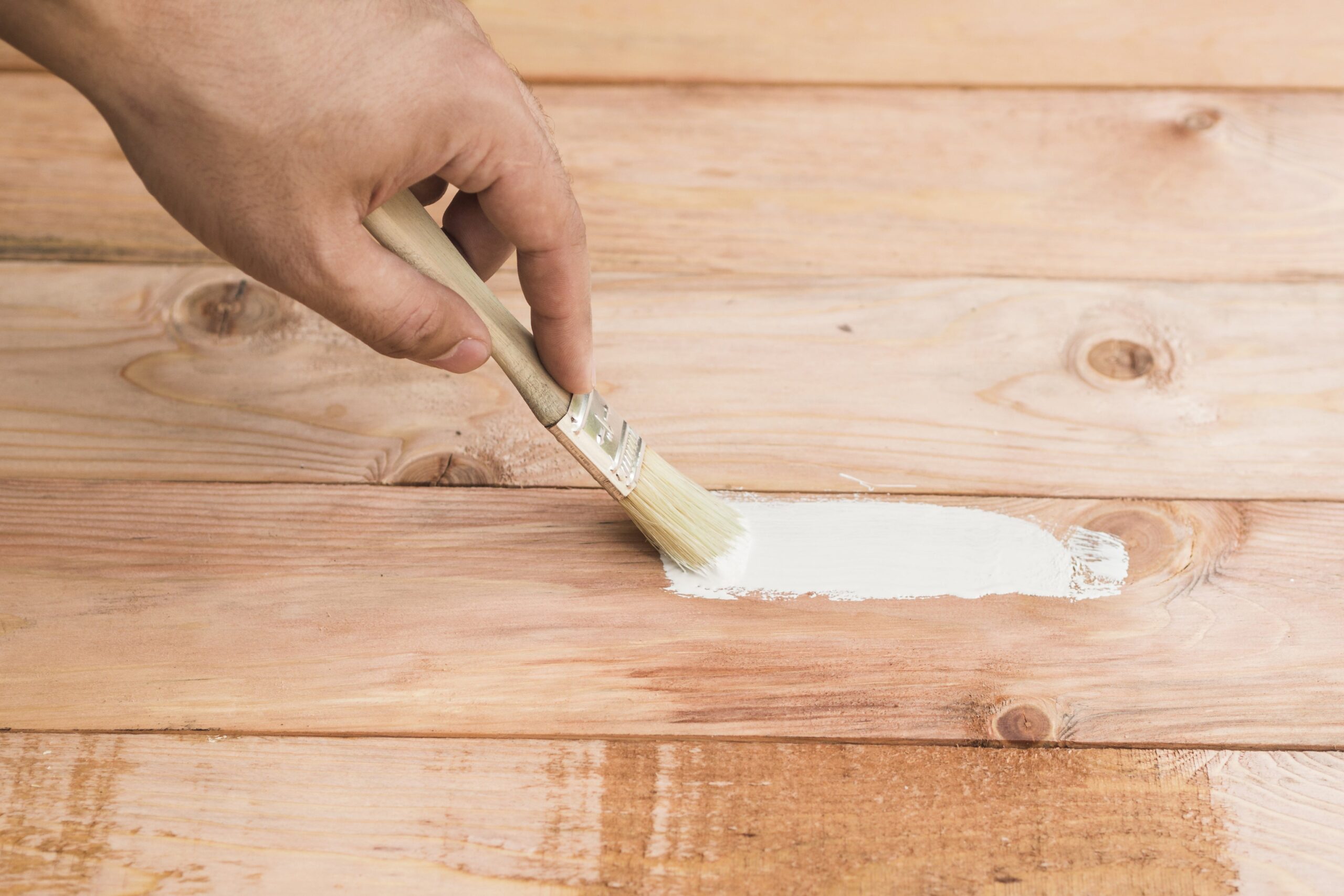
    Applying paint correctly can make a significant difference in the outcome. Begin painting from the top down to prevent drips and ensure a uniform coat. Utilizing a roller can help cover large areas efficiently, but a brush is indispensable for reaching into grooves and ensuring edges are well-covered.

    It’s advisable to apply several thin coats of paint rather than a single thick one, as this promotes even coverage and reduces the likelihood of drips.

    Addressing the Grooves
    How to Paint Over Wood Panel

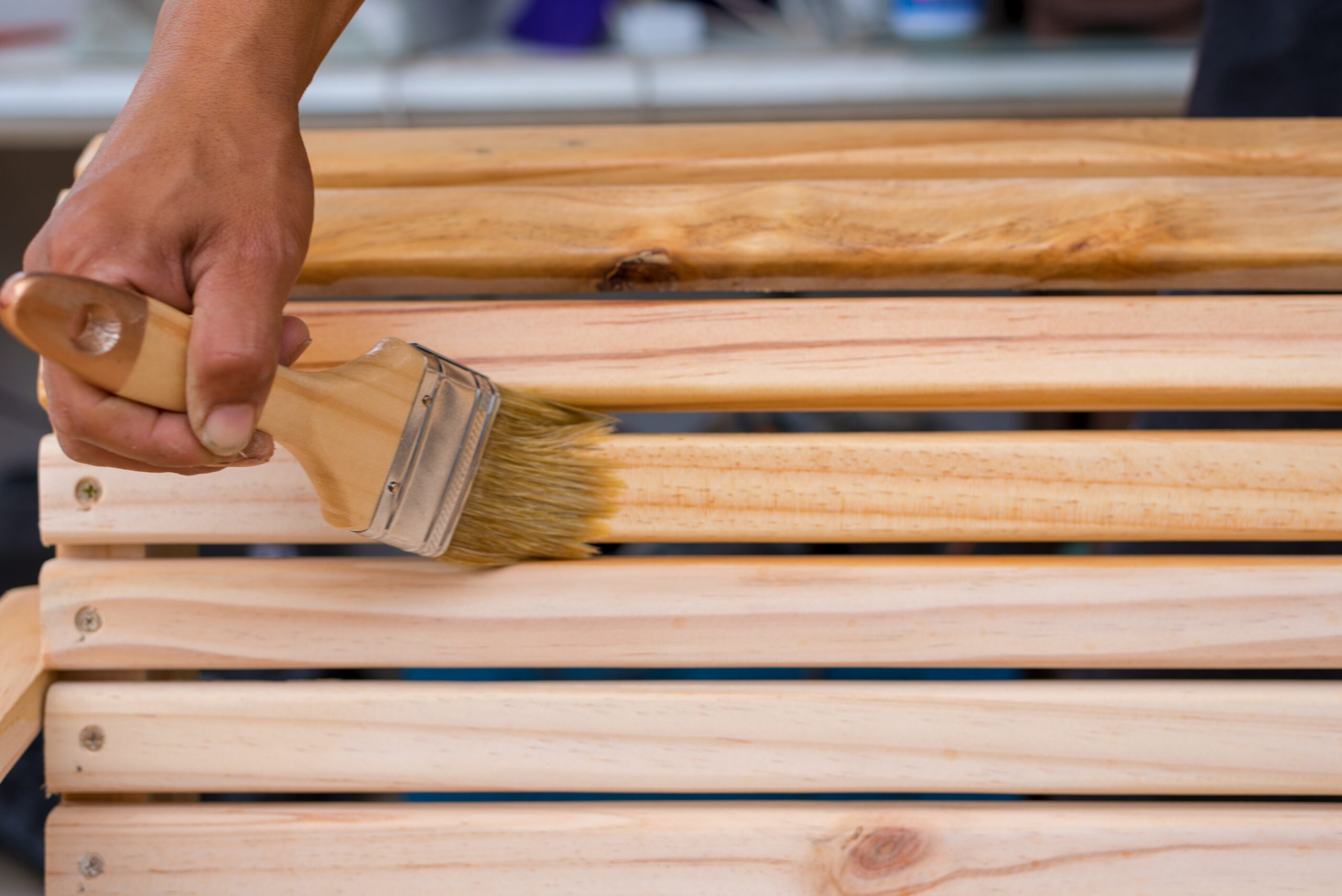
    The grooves in wood paneling can present a unique challenge. For those who prefer a smooth finish, filling in the grooves with caulk or wood filler before painting is an effective solution.

    However, if you appreciate the texture and character of wood paneling, simply painting over the grooves can accentuate these features, adding depth and interest to your walls.

    Read More: Mastering the Process: How to Install Shower Wall Panels Like a Pro

    Adding a Second Coat
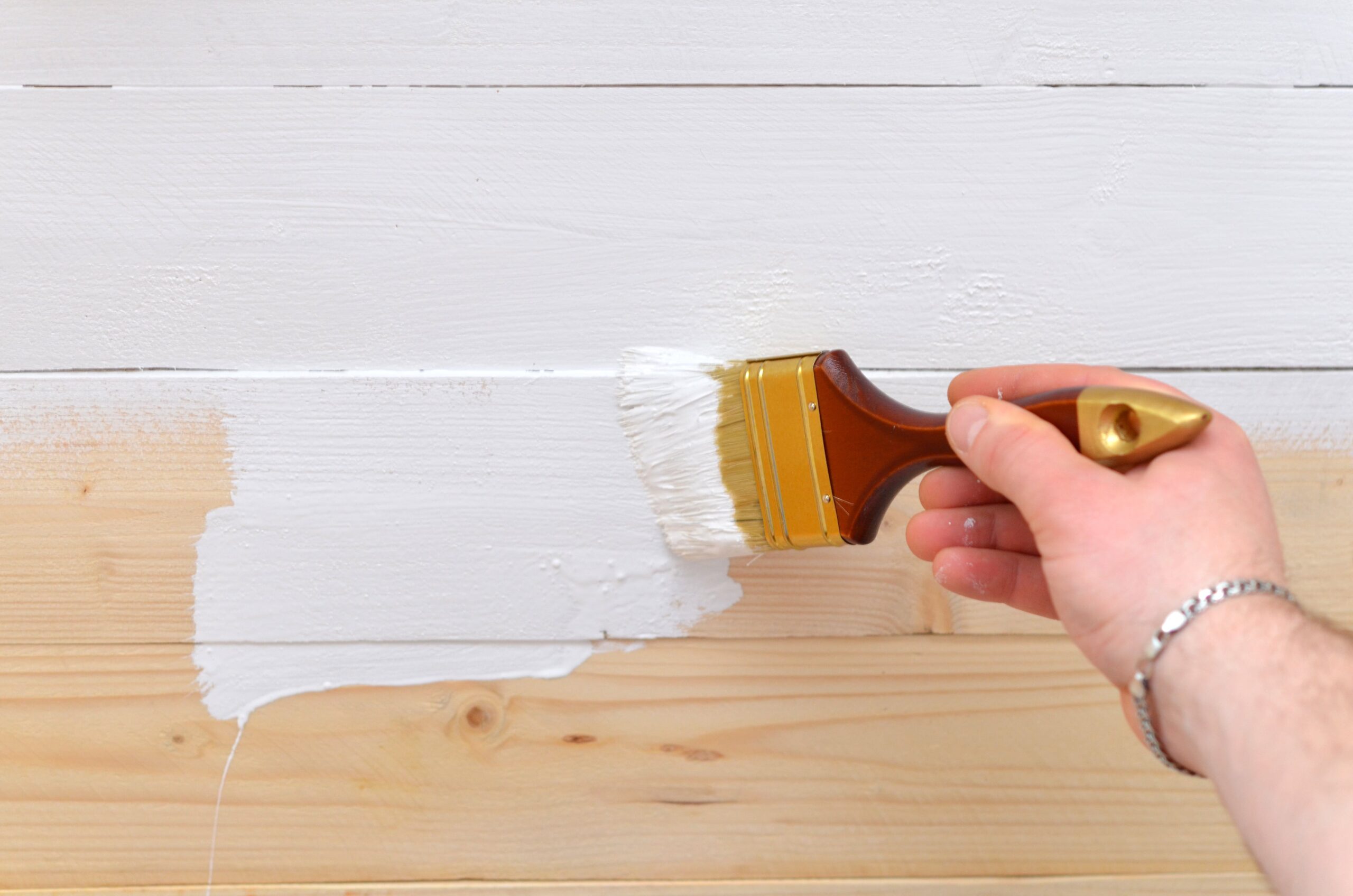
    How to Paint Over Wood Panel

    A second coat of paint can deepen the color and ensure that the finish is uniform and professional-looking. It’s crucial to allow the first coat to dry completely before applying the second. This patience not only results in a better finish but also contributes to the longevity of your paint job, making your effort more worthwhile.

    The Importance of Proper Ventilation
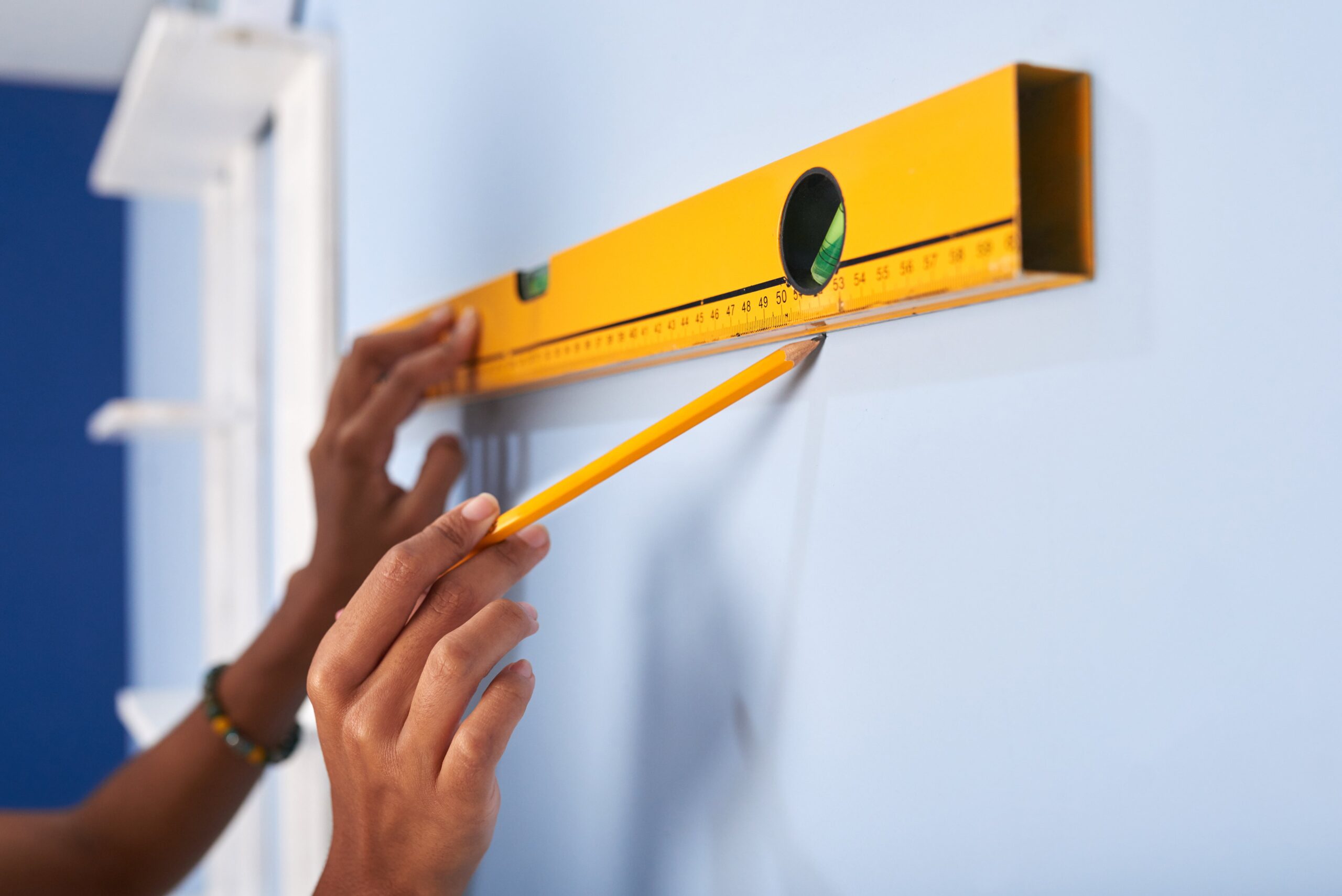
    How to Paint Over Wood Panel

    Maintaining proper ventilation throughout the painting process is important for both the quality of the paint job and your health. Ensuring that the room is well-ventilated helps the paint to dry more quickly and evenly and reduces the inhalation of potentially harmful fumes.

    Using fans or keeping windows open can facilitate airflow and make the painting process safer and more pleasant.

    Final Touches and Clean-up
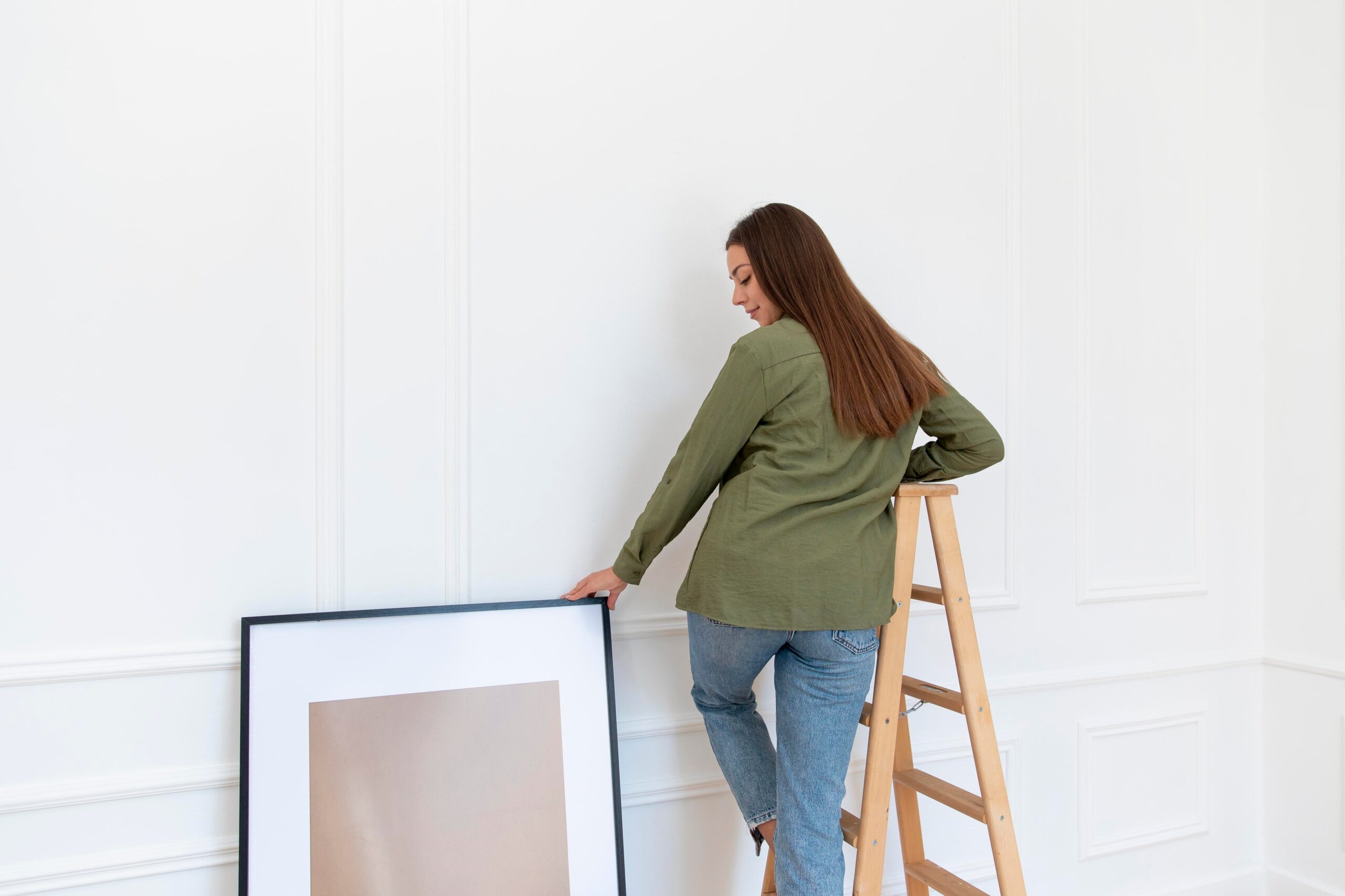
    How to Paint Over Wood Panel

    Once the paint has fully dried, take the time to inspect your work for any touch-ups or missed spots. Removing painter’s tape carefully will ensure clean, sharp lines and protect your newly painted surface.

    Properly cleaning your brushes and rollers will not only extend their life but also prepare them for future projects, making your investment in quality tools even more valuable.

    Best Wood Panels Recommendation in 2024

    Classic Lines Wall Panel
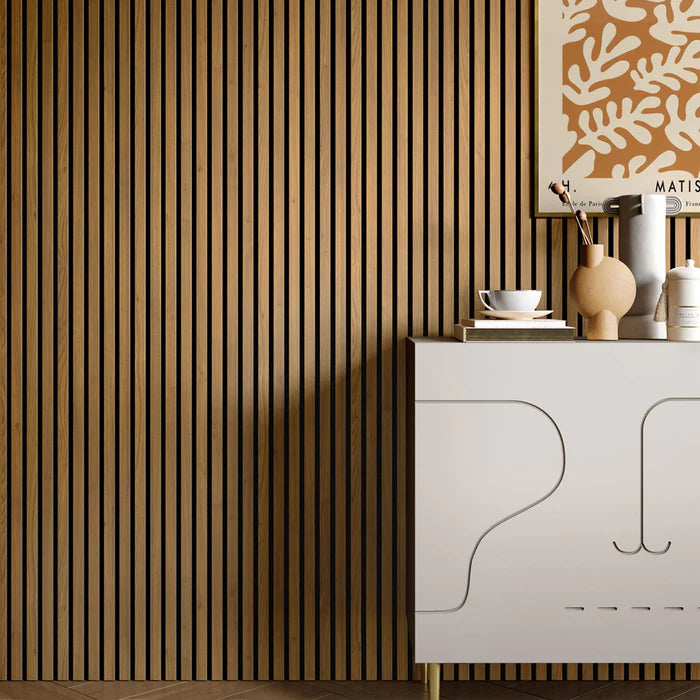
    Classic Lines Wall Panel

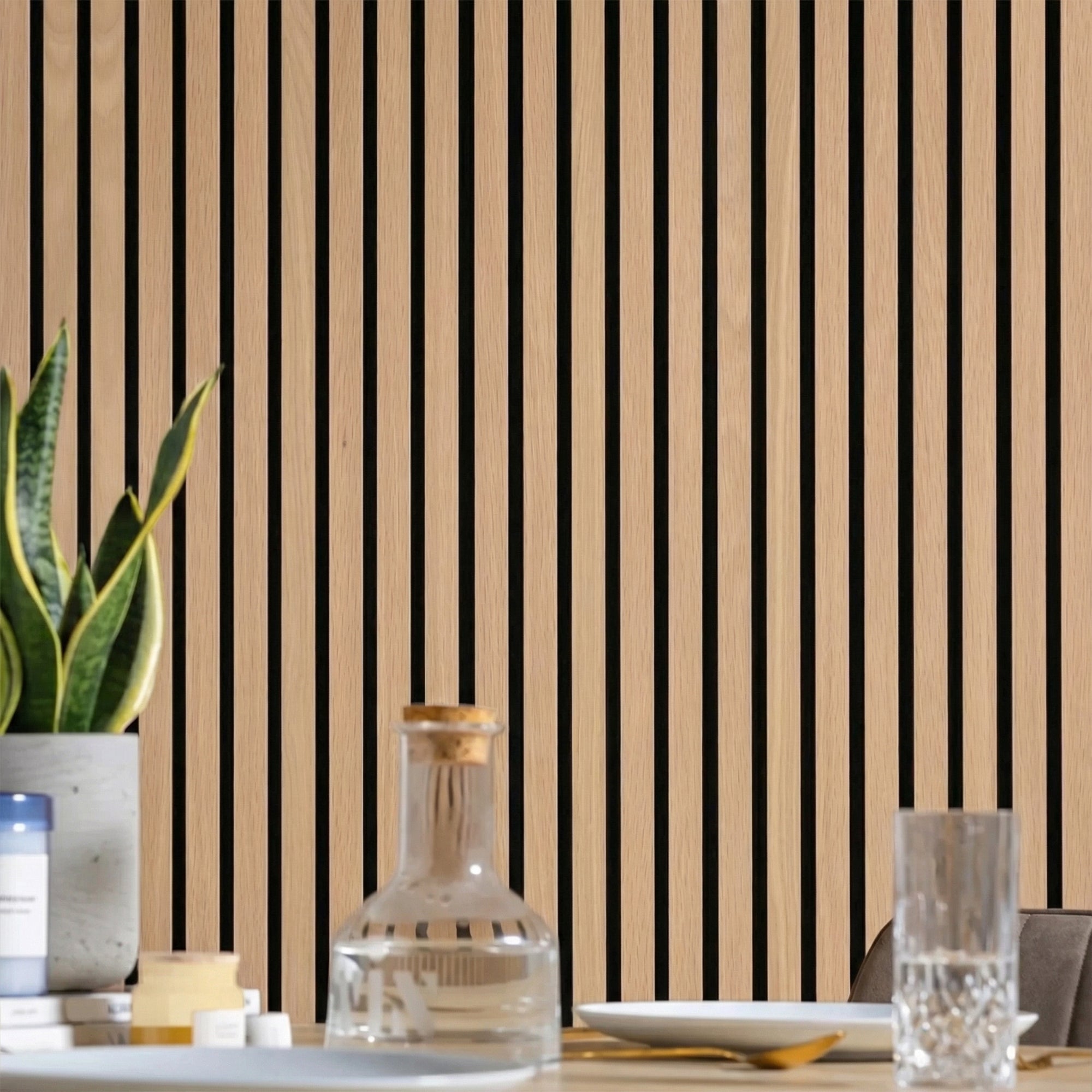
    Crafted with precision, each Classic Lines Wall Panel stands as a testament to high-quality craftsmanship, featuring distinct textures and grain patterns that highlight the artistry of wall paneling.

    The elegant design adds a touch of luxury, transforming your dining area with its sophisticated charm and unique character.

    Harmonizing effortlessly with diverse interior themes, from the warmth of traditional settings to the sleekness of modern decor, Classic Lines Wall Panels offer unmatched versatility.

    This adaptability ensures they are a splendid choice for enhancing not just dining rooms but any space desiring a balance of classic beauty and contemporary flair.

    Ideal for environments ranging from the humidity of kitchens to the comfort of dining areas, these panels strike the perfect chord between aesthetic allure and practical utility.

    Their ability to enrich any room with the refined look and timeless beauty of wood makes Classic Lines Wall Panels an unparalleled choice for those seeking to elevate their interior design.

    Read More: How To Install Wall Panelling In Your Home – 5 Simple Steps

    Conclusion

    Painting over wood panel is a fantastic way to refresh and modernize any room, and with this step-by-step guide, even beginners can achieve beautiful, lasting results.

    Preparation, patience, and attention to detail are key to transforming outdated wood paneling into a stylish feature of your home. Embrace the process and enjoy the satisfaction of creating a fresh, new look that reflects your personal style and enhances your living space.
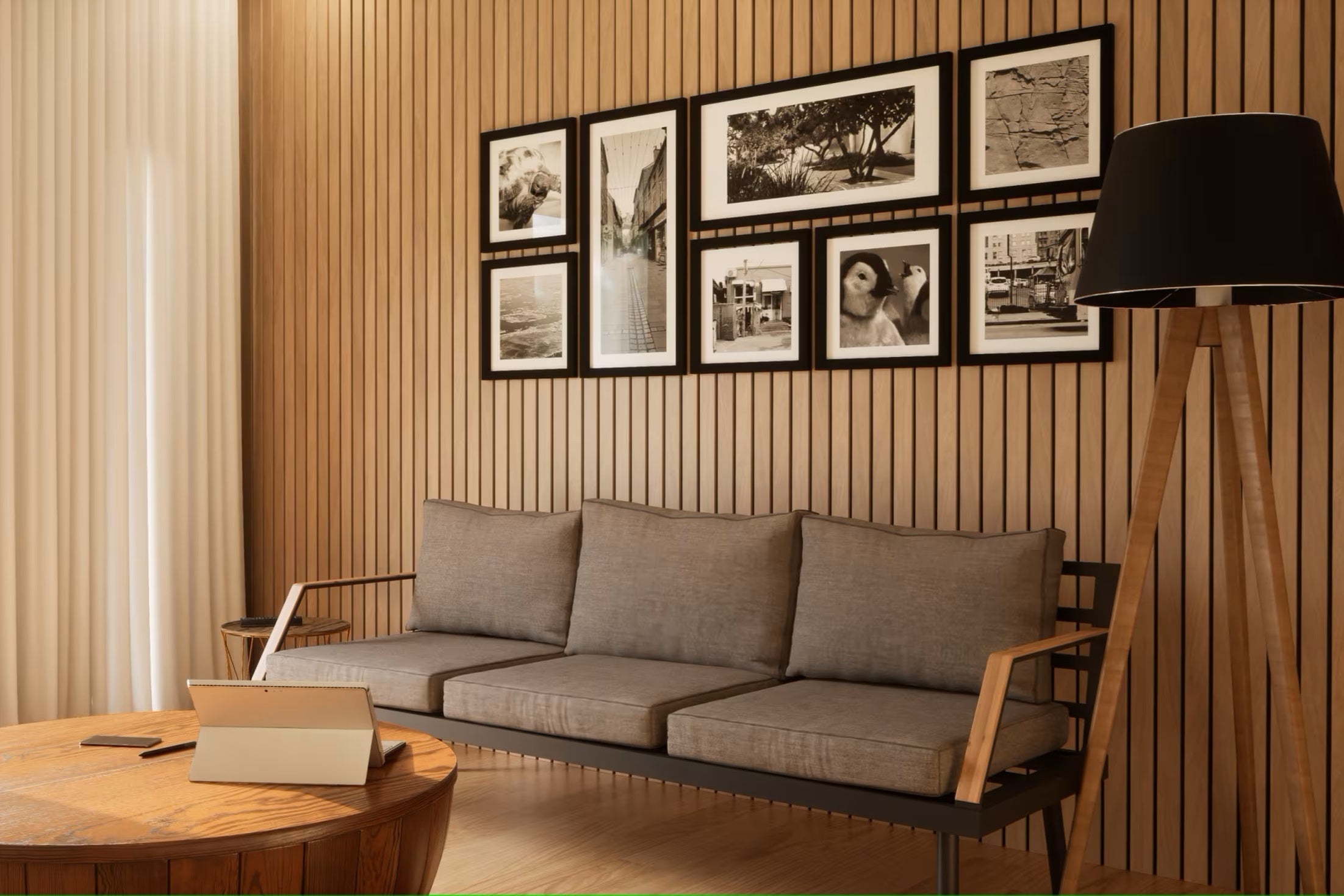
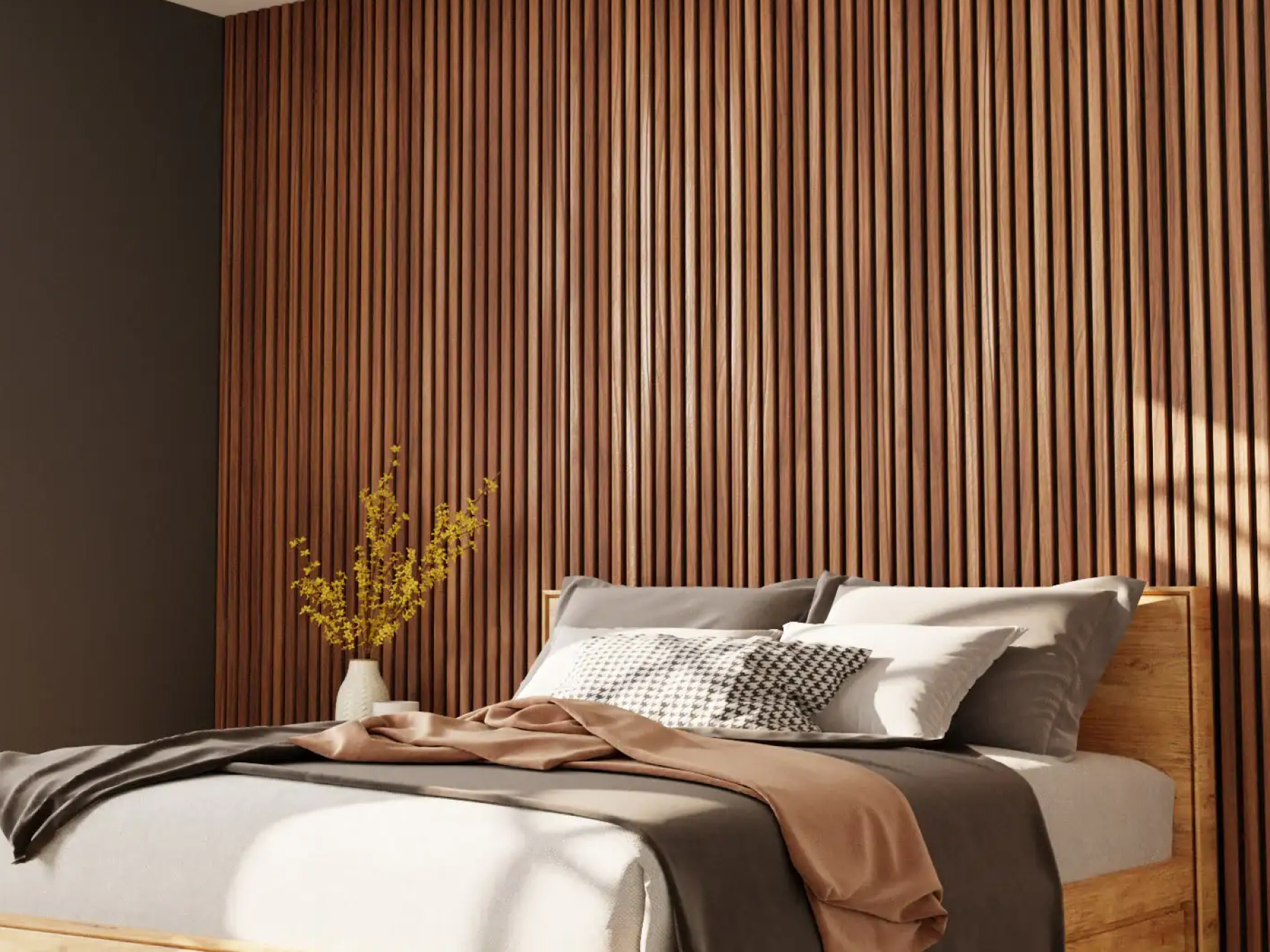
  • Vertical Wood Slat Wall Panels: Eco-Friendly Choices

    Vertical Wood Slat Wall Panels: Eco-Friendly Choices

    In the evolving landscape of home design, the integration of sustainability with aesthetic appeal has become paramount. Vertical wood slat wall panels stand out as a prime example of this harmony, offering an eco-friendly option for those looking to infuse warmth and texture into their living spaces.

    This guide delves into the world of vertical wood slat wall panels, highlighting the eco-friendly choices available for homeowners in search of stylish yet sustainable home improvements.

    The Appeal of Sustainable Wood

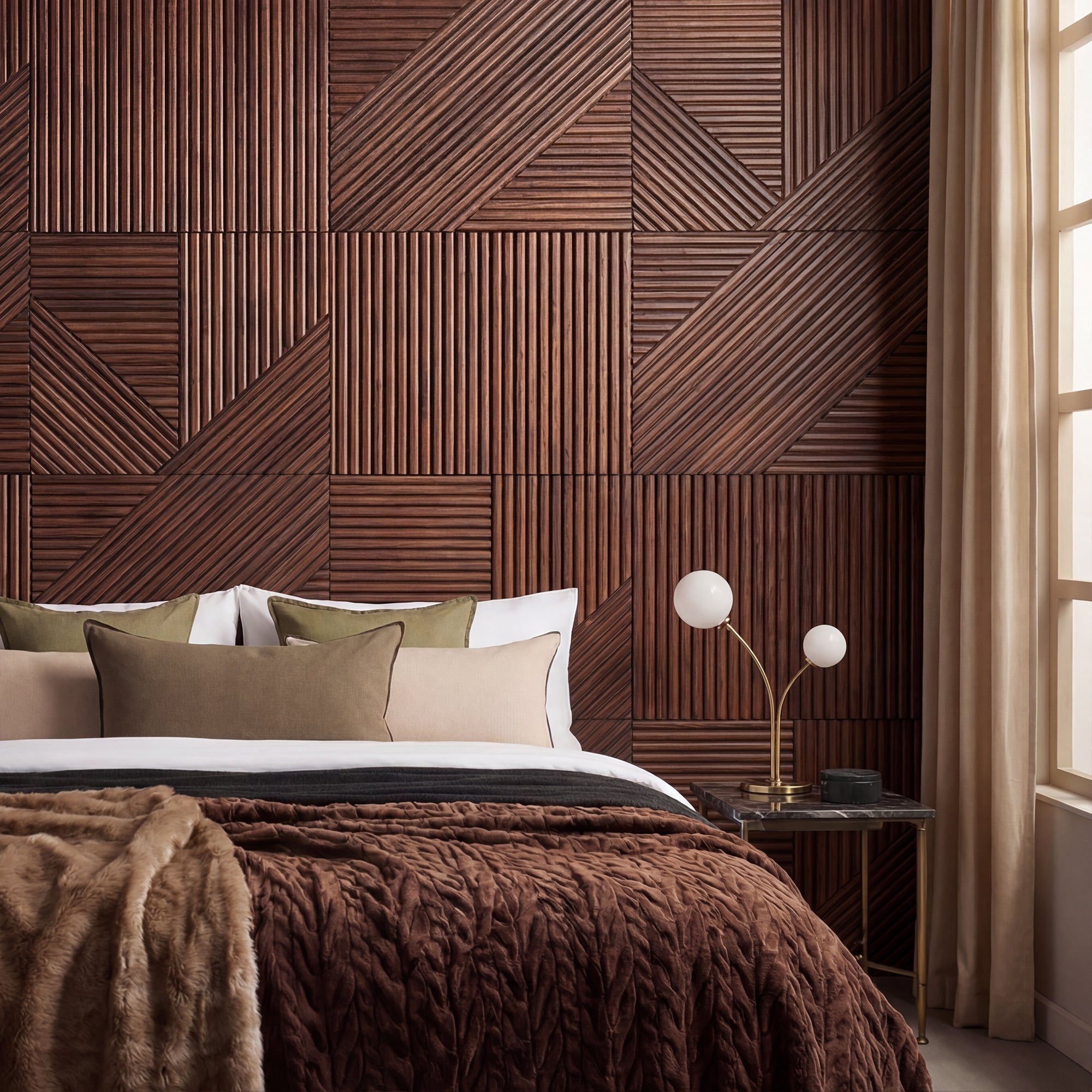
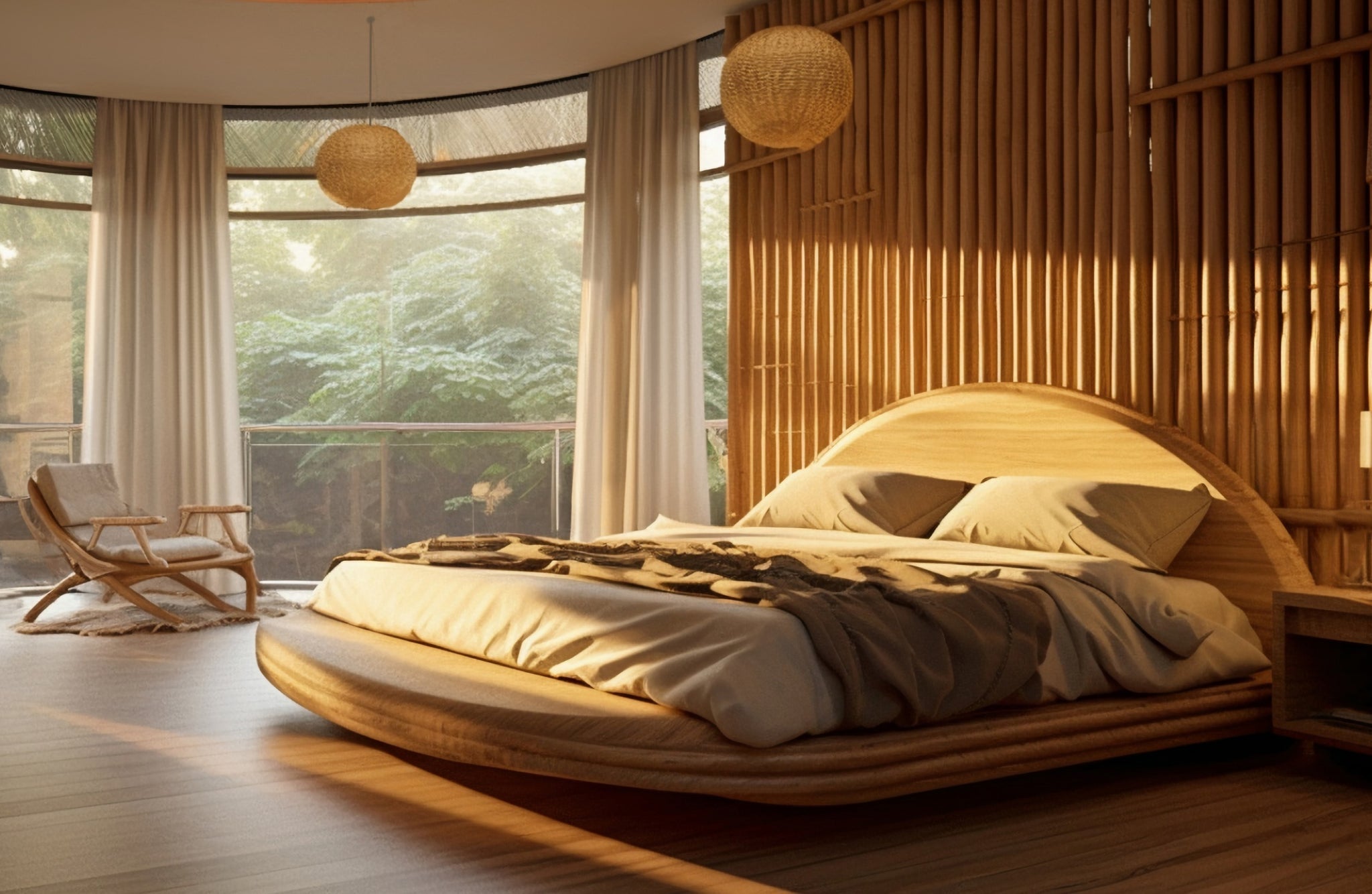
    bedroom_wall_panel_3-The Panel Hub

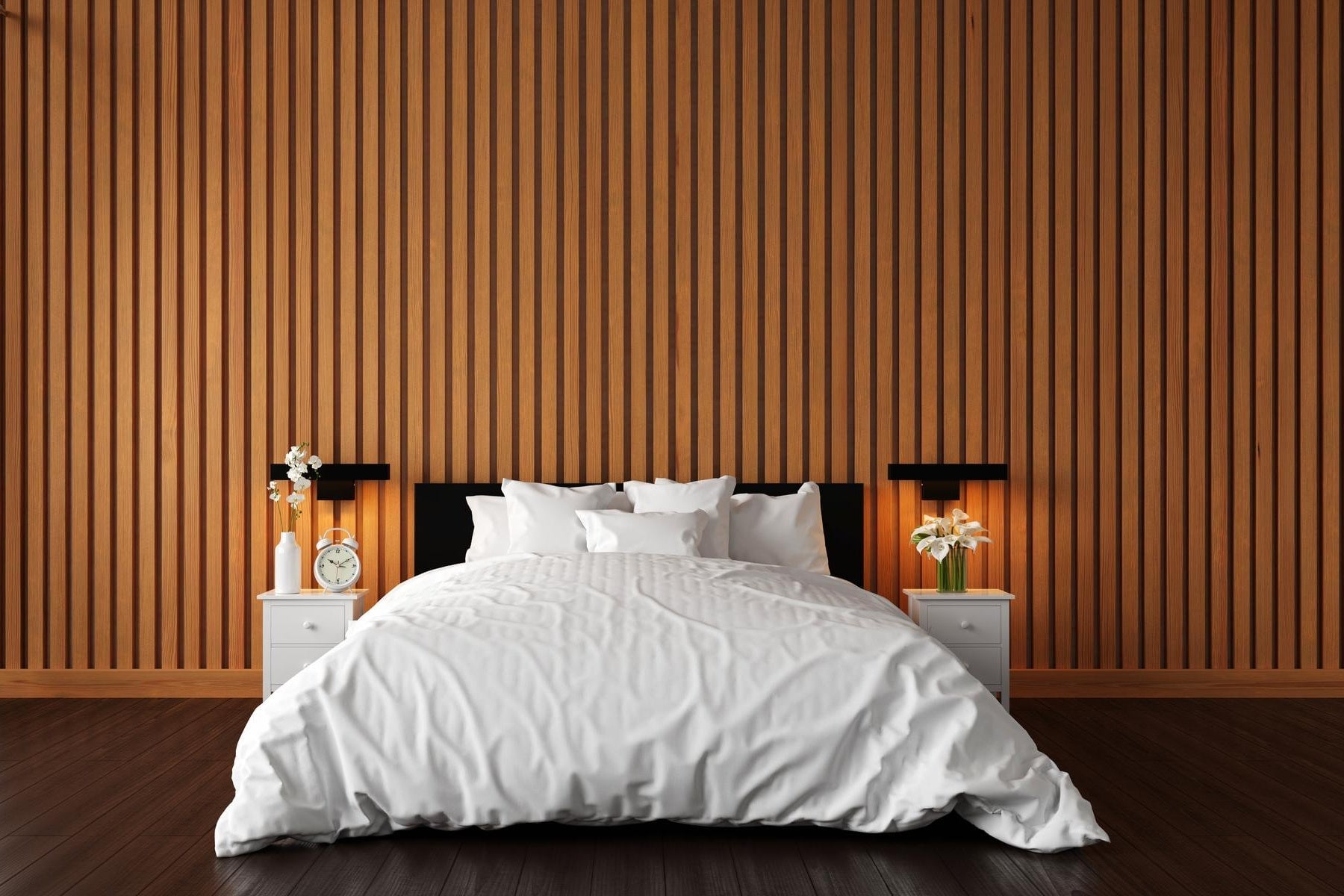
    The shift towards sustainable living has made eco-friendly materials a top consideration in home decor. Wood, with its natural warmth and versatility, has always been a favorite. However, the focus now is on sourcing this timeless material in ways that support the health of the planet.

    By choosing panels made from sustainably harvested or reclaimed wood, individuals contribute to reducing their environmental footprint while enjoying the beauty and durability wood brings to interiors.

    Sustainable wood not only lessens the demand on forests but also offers a story of conservation and care. Each piece carries the mark of nature, with grain patterns and colors that tell a tale of ecological responsibility.

    This makes vertical wood slat wall panels not just a decorative choice but a statement of environmental ethics.

    Read More: How To Install Wall Panelling In Your Home – 5 Simple Steps

    Benefits of Vertical Installation

    Vertical installation of wood slat panels adds a unique aesthetic dimension to rooms, creating the illusion of height and making spaces feel more expansive.

    This orientation draws the eye upward, emphasizing the ceiling height and altering the room’s perceived proportions. It’s a clever design trick that not only beautifies the space but also enhances its architectural features.

    Moreover, the vertical arrangement facilitates improved airflow and light diffusion within rooms, contributing to a healthier and more comfortable living environment.

    This aspect is particularly beneficial in homes where natural light and air circulation are priorities, aligning with the eco-friendly theme by reducing the need for artificial lighting and air conditioning.

    Read More: Cheap Wood Panels for Walls: Transform Your Space on a Budget

    Low-VOC Finishes and Treatments

    One of the key aspects of eco-friendly wood panels is the use of low-VOC (volatile organic compounds) finishes and treatments. These substances emit fewer chemicals into the air, contributing to better indoor air quality and reducing harm to the environment.

    Opting for panels treated with natural oils and waxes not only protects the wood but also ensures a safer, healthier environment for families.

    These treatments preserve the natural beauty of the wood, enhancing its durability and resistance to wear without the adverse health impacts associated with traditional chemical finishes.

    It’s a win-win for both homeowners and the planet, aligning with the growing demand for healthier living spaces.

    Versatility in Design

    The natural beauty of wood slat wall panels lends itself to a wide range of interior styles, from rustic to contemporary. Their versatility is unmatched, allowing for customization in terms of wood type, stain, and layout.

    Whether the goal is to create a cozy cabin feel or a sleek, modern aesthetic, there’s a sustainable wood option to fit the vision.

    Furthermore, these panels can be used in various applications beyond wall decor, including ceilings, room dividers, and headboards, offering endless possibilities for creative design solutions that are both beautiful and eco-conscious.

    Read More: 5 Best Modern PVC Wall Panel Design for Bedroom in 2023

    Easy Installation and Maintenance

    One of the appealing features of vertical wood slat wall panels is their ease of installation. Many eco-friendly options come with simplified mounting systems that homeowners can manage without professional help, making them a practical choice for DIY enthusiasts.

    This accessibility encourages more individuals to consider sustainable options for their decorating projects.

    Maintenance is just as straightforward, requiring only regular dusting and occasional treatment with natural oils to keep the wood looking its best.

    This ease of care ensures that the panels remain a durable and attractive feature of the home for years to come, embodying the principles of sustainable living through their longevity.

    Read more: Breathe Easy: Bringing the Outdoors Inside with a Natural Wall

    Supporting Local and Sustainable Manufacturers

    Choosing vertical wood slat wall panels from local and sustainable manufacturers not only supports the economy but also reduces the carbon footprint associated with transportation.

    Many of these businesses prioritize eco-friendly practices in all aspects of their operations, from sourcing materials to production processes.

    By selecting panels from these manufacturers, homeowners can further align their home improvement projects with their values of sustainability and community support.

    These companies often offer a level of customization and customer service that larger corporations cannot match, providing a more personalized and conscientious shopping experience.

    This approach fosters a connection between consumers and the source of their home decor, adding another layer of meaning to the choice of eco-friendly panels.

    Read More: Mastering the Process: How to Install Shower Wall Panels Like a Pro

    Vertical Slat Panels: Design Tips for Getting the Look Right

    Vertical orientation is one of the two main installation directions for slat wall panels — the other being horizontal. The choice has a significant effect on the spatial perception of the room, and vertical installation requires some specific planning considerations.

    The height effect: Vertical slat panels draw the eye upward, which optically increases the perceived height of a room. This makes them particularly valuable in rooms with standard 2.4m ceilings, where every visual cue that suggests additional height adds to the sense of space. In rooms that already have generous ceiling heights (3m+), the height-extension effect is less useful, and horizontal installation or pattern combinations may be more interesting.

    Room proportions: Vertical slat panels work best in rooms that are wider than they are tall — they correct the proportion by emphasising the vertical dimension. In tall narrow rooms, vertical panels can make the space feel even more tunnel-like. Consider horizontal installation or a chevron pattern in atypical proportions.

    Continuity from wall to ceiling: One of the most architecturally resolved applications for vertical slat panels is running them from floor to ceiling — and optionally continuing the panel treatment onto the ceiling itself. A wall-to-ceiling continuation on one surface, particularly in a bedroom or home cinema, creates an immersive enclosure that reads as purposefully designed rather than an afterthought.

    Gap width and panel density: For vertical installations, the gap-to-slat ratio is visually significant. Narrow gaps (3–5mm) with wider slats (25–30mm) create a denser, more solid surface. Wider gaps (8–12mm) with narrower slats create a more open, rhythmic effect with more visible backing or wall behind. The acoustic backing colour — typically dark grey or black — affects the overall tone of the finished wall, particularly with wider gaps.

    FAQs: Vertical Wood Slat Wall Panels

    Do vertical slat panels have to be installed floor-to-ceiling?
    No. Half-height vertical slat panels — from floor to approximately 1,200mm — function as a modern alternative to a traditional dado panel. Full-height installation from floor to ceiling gives the most dramatic result, but a mid-height treatment is a practical option for rooms where a full-height installation would be visually heavy or where budget constrains coverage.

    Can vertical slat panels be installed horizontally instead?
    Yes. Many slat wall panel products can be installed in either orientation — vertically or horizontally — depending on the design intent. Check the manufacturer’s installation guidelines, as some panel systems have a fixed direction due to how the slats are attached to the backing board. For panels with a visible wood grain, grain direction relative to the slat orientation also affects the finished appearance.

    What is the best room for vertical wood slat wall panels?
    Vertical slat panels work particularly well in living rooms, bedrooms, home offices, and hallways — any room where the wall is a primary design focus. They are less commonly used in kitchens and bathrooms due to moisture considerations, though engineered panels in appropriate finishes can work in both applications with the right specification.

    How do I maintain the finish on vertical slat wall panels over time?
    For oiled finishes, reapply the manufacturer’s specified oil annually or when the surface begins to look dry. For lacquered finishes, periodic cleaning with a damp cloth and occasional re-coat of the same lacquer type maintains the surface. Avoid silicone-based furniture polishes on timber panels — they can seal the surface and prevent future re-finishing.

    Conclusion

    Vertical wood slat wall panels present a unique opportunity to blend style with sustainability in home decor. As more homeowners seek out eco-friendly choices, these panels emerge as a popular option for adding warmth, texture, and a sense of environmental responsibility to interior spaces.

    The trends for 2024 suggest that the desire for sustainable living spaces will only grow, making now the perfect time to consider these beautiful and eco-conscious design solutions.

    The journey toward a more sustainable home doesn’t have to compromise on style or personal expression. With vertical wood slat wall panels, homeowners can create spaces that are not only visually appealing but also aligned with the principles of environmental stewardship.

    As we move forward, the integration of eco-friendly materials into our living environments will continue to play a crucial role in shaping the future of interior design, making each choice a step towards a healthier planet.

  • Modern Bedroom Wall Panelling Ideas: 2026 Trends

    Modern Bedroom Wall Panelling Ideas: 2026 Trends

    In the world of interior design, bedrooms are sanctuaries where the day’s stress fades away, and personal style shines. The year 2026 brings with it innovative trends in modern bedroom wall panelling, blending functionality with aesthetic appeal. This article delves into the latest trends, offering inspiration for those looking to create a space that’s both stylish and serene.

    Minimalist Elegance

    The minimalist trend continues to dominate with its clean lines and understated elegance. Wall panelling in soft, monochromatic shades creates a sense of calm and spaciousness.

    Materials like matte-finished wood or textured composite add depth without overwhelming the senses. This approach is perfect for those seeking a peaceful retreat from the world’s hustle and bustle.

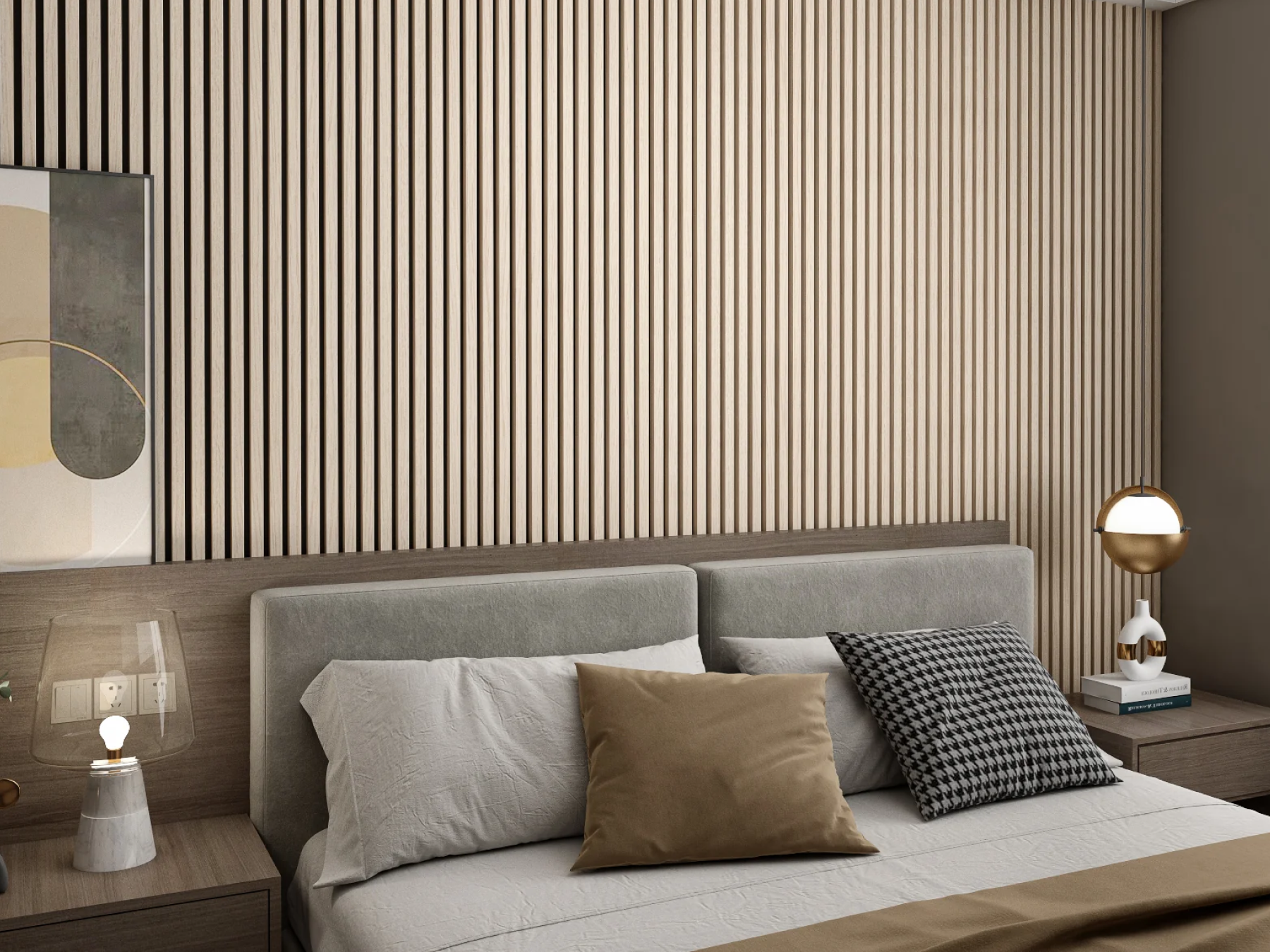
    Strategically placed lighting enhances the minimalist panels, drawing attention to their subtle beauty. Integrated LED strips or concealed spotlights can transform a simple wall into a striking feature, proving that less really can be more.

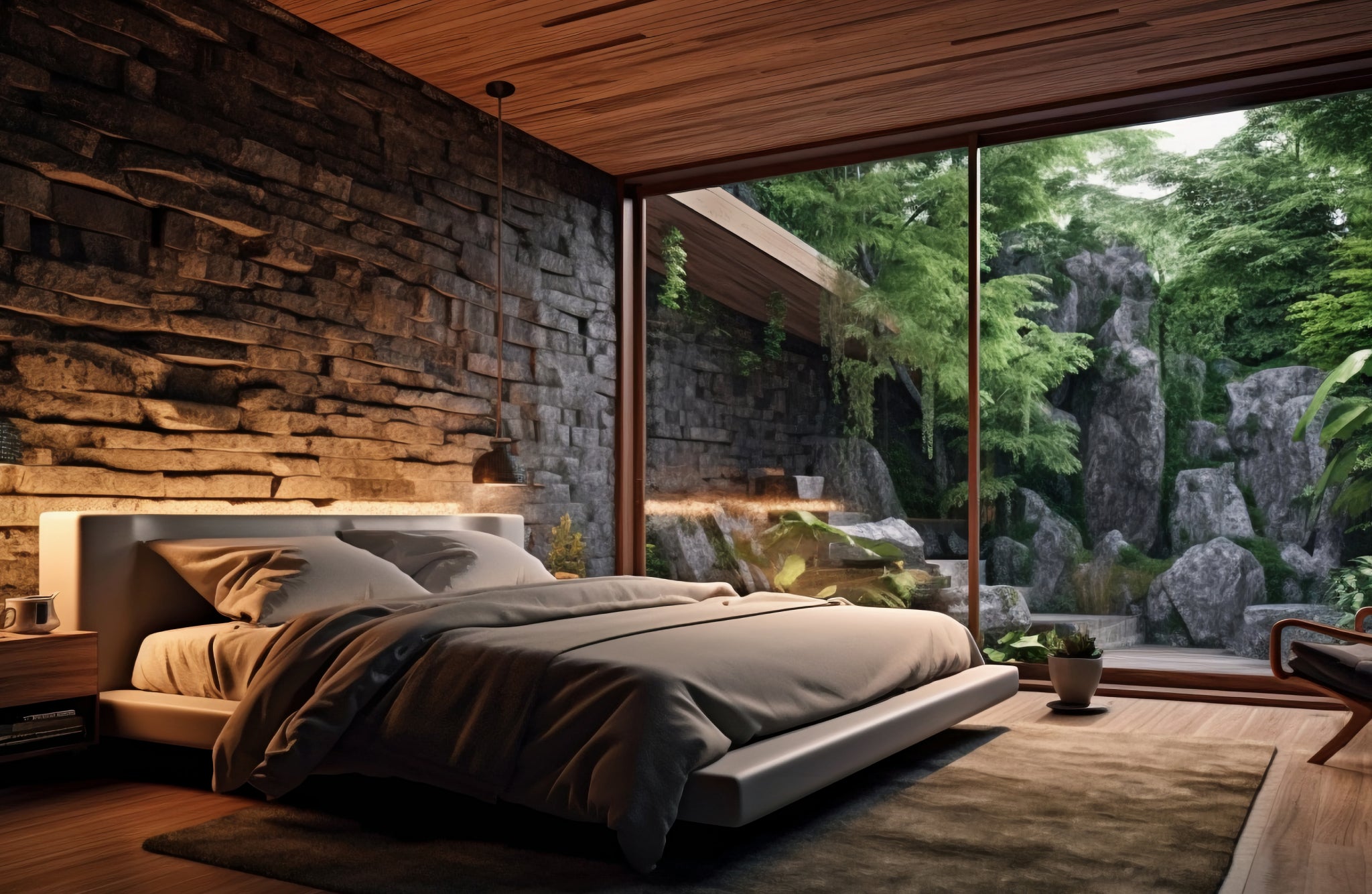
    bedroom_wall_panel_4-The Panel Hub

    Read More: 5 Best Living Room Wall Panelling Ideas: Elegant & Stylish

    Eco-Friendly Materials

    Sustainability is no longer just a buzzword but a lifestyle choice that extends to bedroom decor. The use of reclaimed wood, bamboo, and other eco-friendly materials for wall panelling is on the rise.

    These options not only contribute to a healthier planet but also add warmth and texture to the bedroom.

    Eco-conscious panels often come in unique patterns and finishes, reflecting the natural beauty of the materials. This trend appeals to those who prioritize environmental responsibility without compromising on style.

    Read more: Breathe Easy: Bringing the Outdoors Inside with a Natural Wall

    Textured Surfaces

    Texture adds visual interest and tactile appeal, making bedroom walls come alive. From intricately carved wood panels to 3D composite materials, the possibilities are endless.

    These designs play with light and shadow, creating dynamic surfaces that are captivating and contemporary.

    Textured panels can be used as an accent feature or to cover an entire wall, depending on the desired impact. They offer a sophisticated way to introduce personality into the bedroom, making the wall a focal point of the room.

    Mixed Materials

    Combining wood panels with other materials — metal accents, glass inserts, or stone-effect surfaces — creates a layered, contemporary look that feels curated and intentional. This mixed-material approach works especially well in modern and transitional bedroom styles.

    A wood-panelled headboard wall paired with a stone-textured side panel adds contrast and depth without feeling visually chaotic. The key is choosing materials with a consistent tonal palette so the combination feels cohesive.

    Faux stone panels are an accessible way to achieve this effect, delivering the textured look of natural stone at a fraction of the weight and cost.

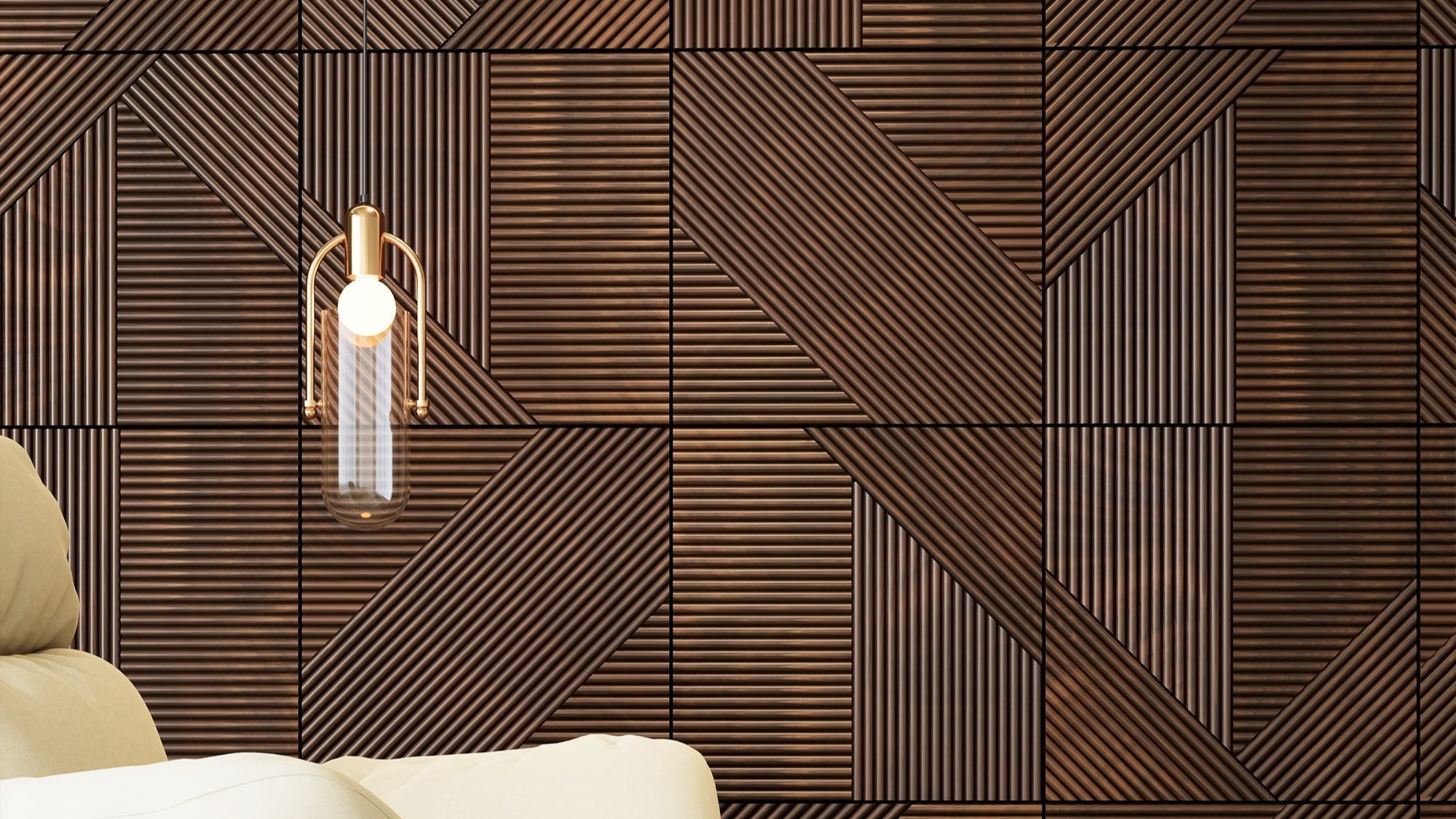
    Shop: Crossing Lines Solid Wood Wall Panels | GroovePanel®

    Bold Color Palettes

    Gone are the days when bedroom walls were confined to neutral palettes. Bold and vibrant colors make a statement in 2024, with wall panelling serving as the canvas.

    Deep blues, rich greens, and even metallic finishes offer a fresh perspective on bedroom aesthetics.

    This trend is for the daring and those looking to infuse their space with energy and optimism. Paired with minimalist furniture and décor, colorful panels create a balance between excitement and tranquility.

    Read More: Wood Accent Wall Ideas: Transform Your Space with a Modern Touch

    Integrated Technology

    The integration of technology with wall panelling is a game-changer, offering both style and functionality. Panels designed to conceal wires and support built-in speakers or smart lighting systems are becoming popular.

    This seamless blend of technology and design creates a modern, efficient bedroom environment.

    Such innovations cater to the needs of tech-savvy individuals who value connectivity and convenience. The result is a streamlined look that’s both sophisticated and practical.

    Read More: Cheap Wood Panels for Walls: Transform Your Space on a Budget

    Artistic Expression

    Wall panelling is evolving into a form of artistic expression, with custom designs and unique installations reflecting individual tastes and stories.

    From hand-painted panels to bespoke carvings, the options are as limitless as one’s imagination.

    This trend allows for a personal touch, transforming the bedroom into a gallery of one’s creative aspirations. It celebrates individuality and the art of personal space curation.

    Read More: How To Install Wall Panelling In Your Home – 5 Simple Steps

    Our Top Bedroom Wall Panel Picks

    Ready to transform your bedroom? Here are our most popular panels for bedroom feature walls:

    American Acoustic Slat Wood Wall Panels | SoundPanel™

    American Acoustic Slat Wood Wall Panels - SoundPanel™ - The Panel Hub

    The perfect marriage of form and function — these slat panels create a stunning visual effect while improving bedroom acoustics by reducing echo. Available in multiple wood tones to suit any bedroom palette.

    Crossing Lines Solid Wood Wall Panels | GroovePanel®

    Crossing Lines Solid Wood Wall Panels - GroovePanel® - The Panel Hub

    Crafted from 100% solid wood, the Crossing Lines panels bring rustic elegance to any bedroom wall. Their natural grain and geometric patterning make every installation uniquely beautiful.

    Honey Mosaic Wood Wall Panels | GroovePanel®

    Honey Mosaic Wood Wall Panels - GroovePanel® - The Panel Hub

    For bedrooms where artistic expression is the goal, the Honey Mosaic panels deliver a warm, handcrafted aesthetic. Each panel’s natural walnut finish adds depth and character to feature walls.

    Keep Exploring: Bedroom Panel Guides

    Conclusion

    The trends in modern bedroom wall panelling for 2026 reflect a blend of aesthetics, functionality, and personal expression.

    As bedrooms become more than just places to sleep, the design choices we make for them grow increasingly significant. The right wall panelling can transform a room, making it a sanctuary of comfort, style, and individuality.

    Whether drawn to the simplicity of minimalism, the warmth of eco-friendly materials, the depth of texture, the boldness of color, the integration of technology, or the uniqueness of artistic expression, there’s a trend to match every preference.

    These trends offer a glimpse into the future of bedroom design, inviting everyone to stay ahead of the curve and create a space that truly feels like their own.

  • Exterior Wood Panels for Walls: Durable Solutions 2026

    Exterior Wood Panels for Walls: Durable Solutions 2026

    The search for long-lasting and aesthetically pleasing exterior finishes leads many to consider the innovative solutions offered by exterior wood panels. As 2024 approaches, the emphasis on durability, weather resistance, and style has never been greater.

    This guide delves into the world of exterior wood panels, showcasing the top options that promise to transform home facades into breathtaking displays of design and resilience.

    Weather Resistance and Longevity

    In the realm of outdoor design, the battle against the elements is constant. Innovations in material technology have resulted in wood panels that not only stand up to harsh weather but also maintain their beauty over time.

    These advancements mean that choosing the right type can significantly reduce maintenance needs while ensuring the exterior remains pristine.

    Golden Rosewood Outdoor Wall Panel | LineaPanel®.

    Key to this durability is the treatment process, which enhances the wood’s natural resistance to moisture, decay, and insect damage. By selecting panels treated with the latest protective measures, homeowners can enjoy an exterior that withstands the test of time and nature.

    Read More: Mastering the Process: How to Install Shower Wall Panels Like a Pro

    Eco-Friendly and Sustainable Options

    Charcoal Outdoor Wall Panel | LineaPanel®.

    With environmental concerns at the forefront of design choices, the shift towards sustainable materials is unmistakable. Wood panels sourced from responsibly managed forests offer an eco-friendly solution without compromising on strength or style.

    This approach not only supports biodiversity but also provides a guilt-free way to beautify exteriors.

    Furthermore, the use of recycled materials in some wood panels underscores a commitment to reducing waste. These products offer a double benefit: a lower environmental impact and a unique aesthetic that carries the patina of reclaimed wood.

    Read more: Breathe Easy: Bringing the Outdoors Inside with a Natural Wall

    Customization and Aesthetic Appeal

    One of the most compelling aspects of using wood panels is the unparalleled opportunity for customization. Whether the aim is to achieve a modern, minimalist look or a traditional, rustic facade, there is a wood type and finish to match every vision. This versatility ensures that each home can showcase its unique character.

    Beyond the natural beauty of wood, these panels come in a variety of stains, finishes, and sizes, allowing for creative patterns and installations. This level of customization makes it possible to create striking visual textures that elevate the home’s overall appeal.

    Installation Techniques and Tips

    Proper installation is crucial for maximizing the longevity and effectiveness of exterior wood panels. Advances in installation techniques have simplified the process, making it accessible for both professionals and DIY enthusiasts.

    These methods not only ensure a secure fit but also enhance the panels’ ability to resist weathering.

    Tips for successful installation include understanding the specific requirements of the chosen wood type and following best practices for sealing and finishing. This attention to detail during installation pays off in the form of a durable and visually stunning exterior.

    Read More: 5 Best Modern PVC Wall Panel Design for Bedroom in 2023

    Maintenance and Care

    Maintaining the beauty of wood panels over the years requires a commitment to regular care. Fortunately, the latest finishes and treatments significantly reduce the effort needed to keep the wood looking its best.

    Routine inspections, cleaning, and occasional reapplication of protective coatings will preserve the integrity and appearance of the panels.

    The emphasis on low-maintenance solutions in 2024 means that homeowners can enjoy the aesthetic benefits of wood without the historically associated upkeep challenges. This shift has made wood panels an even more attractive option for exterior applications.

    Read More: Cheap Wood Panels for Walls: Transform Your Space on a Budget

    Looking ahead, the future of exterior wood panels is bright with potential innovations. Research into more durable materials and eco-friendly processes promises to deliver even better solutions for homeowners.

    The focus on sustainability and performance is expected to drive the development of new products that continue to push the boundaries of what’s possible.

    As these innovations come to market, the options for enhancing home exteriors with wood panels will expand. This evolution ensures that wood panels will remain a favored choice for those seeking a combination of durability, beauty, and environmental responsibility.

    Read More: How To Install Wall Panelling In Your Home – 5 Simple Steps

    Exterior Wood Panel FAQs

    Can interior wood wall panels be used outside?
    Standard interior wood wall panels are not designed for exterior use and will fail rapidly when exposed to outdoor conditions. MDF substrates swell and delaminate when exposed to moisture. Veneer faces lift and separate. Untreated softwood cores are susceptible to rot and insect damage. Some interior timber profiles (solid hardwood tongueandgroove, for instance) can be used in covered exterior applications if treated appropriately — but they will still require more maintenance than products specifically designed for exterior use.

    What wood species are best for exterior wall panels?
    Cedar is the most widely used exterior timber species globally — it is naturally resistant to rot and insects, dimensions are stable, and it accepts a wide range of finishes. Western red cedar has the longest track record. Larch (particularly Siberian larch) is increasingly popular for its density and durability. Thermally modified ash, Accoya, and similar treated species offer improved dimensional stability and durability at a premium price. Hardwoods like ipé, garapa, and teak offer exceptional durability but are expensive, heavy, and require specific fixings.

    How do I maintain exterior wood wall panels?
    The maintenance regime depends on the finish specified. Oiled or stained timber should be re-treated every three to five years. Painted timber requires repainting every seven to ten years. Naturally weathering (untreated) timber silvers and stabilises without maintenance, though the silver appearance is not always desired. Remove any organic growth (algae, moss) annually using a soft brush and appropriate cleaner — biological growth holds moisture against the wood surface and accelerates degradation. Inspect fixings annually and re-seal any open joints or gaps at wall junctions.

    Are fire-rated exterior wood panels available?
    Yes. Timber cladding with fire-retardant impregnation treatment is available for buildings where fire performance requirements must be met. Products certified to Class B or A2 fire performance are available for applications in buildings over 18m in height, or where planning or building regulations specify enhanced fire performance. Standard untreated timber cladding achieves Class D or E in the Euroclass system — adequate for most low-rise residential buildings but not for buildings where enhanced fire performance is required. Confirm the specification requirement with your Building Control authority before ordering.

    Conclusion

    Exterior wood panels for walls offer a perfect blend of functionality and aesthetic appeal, making them a premier choice for homeowners in 2024. With advancements in durability, sustainability, and design versatility, these solutions meet the modern demands for outdoor building materials.

    Whether renovating an existing structure or embarking on a new build, the selection of wood panels available today provides the opportunity to create a facade that is both beautiful and built to last.

    The journey towards selecting the ideal exterior wood panels involves considering factors like weather resistance, sustainability, and the desired aesthetic.

    By leveraging the insights and trends outlined in this guide, homeowners can make informed decisions that result in exteriors that are not only visually appealing but also environmentally conscious and enduring.

    As we look to the future, the continued innovation in the field of exterior wood panels promises to offer even more possibilities for transforming home exteriors into works of art that stand the test of time.

  • Wood Panel Accent Wall Bedroom Ideas in 2026

    Wood Panel Accent Wall Bedroom Ideas in 2026

    In 2024, the bedroom becomes more than just a place to rest; it transforms into a personal sanctuary where comfort meets style. The trend of incorporating wood panel accent walls into bedroom designs has taken interior decor to new heights, offering a blend of warmth, texture, and natural beauty.

    This article explores the latest trends in wood panel accent walls, providing a plethora of ideas to inspire those looking to revamp their sleeping quarters into a rustic yet modern retreat.

    Bringing Nature Indoors

    Embracing the outdoors has never been easier with the innovative use of wood panels. Imagine waking up in a room that feels like a cozy cabin in the woods every morning

    The key lies in selecting panels that mimic the natural grain and color variations found in the wild, creating a serene and grounding atmosphere. This approach not only enhances the aesthetic appeal but also connects one to nature’s calming essence.

    The choice of wood type plays a pivotal role in achieving the desired ambiance. Whether it’s the rich tones of mahogany for a luxurious feel or the light hues of birch for a brighter, airier room, the options are limitless. Incorporating greenery and natural fabrics can amplify the effect, creating an oasis of tranquility.

    Read More: How To Install Wall Panelling In Your Home – 5 Simple Steps

    Geometric Patterns and Textures

    Gone are the days of flat, uniform walls. The current trend champions creativity and personal expression through geometric patterns and textured wood panels. This style adds dynamism and depth, turning the accent wall into a striking focal point. By playing with light and shadow, these patterns bring a unique character to the bedroom.

    espresso-crossing-lines-solid-wood-wall-panel-groovepanel-1215962-The Panel Hub

    Implementing this trend doesn’t require sacrificing warmth for style. The combination of wood’s natural warmth with geometric precision strikes a perfect balance, catering to both modern and traditional tastes. This versatility ensures that each design feels personalized and exclusive.

    Read More: Cheap Wood Panels for Walls: Transform Your Space on a Budget

    Sustainable and Reclaimed Materials

    Sustainability has become a cornerstone of contemporary design, and bedroom decor is no exception. Utilizing reclaimed wood for panel accent walls not only contributes to environmental conservation but also adds a story and depth to the room’s aesthetic.

    Each piece of reclaimed wood holds a history, offering a unique texture and patina that cannot be replicated by new materials.

    This approach aligns with the growing desire for eco-friendly living spaces that do not compromise on style. It also opens up opportunities to explore different wood species and finishes, ensuring that eco-conscious choices are also design-forward.

    Color Infusion

    While the natural beauty of wood is undeniable, introducing color to wood panels can elevate the bedroom’s ambiance. From subtle washes that highlight the wood’s grain to bold hues that make a statement, the infusion of color into wood panel accent walls is a trend that allows for personalization and creativity.

    This trend caters to those looking to inject a bit of their personality into their space. Whether it’s a calming blue to promote relaxation or a vibrant orange to energize the room, the possibilities are endless. The key is finding the right balance that complements the room’s overall decor.

    Read More: 5 Best Modern PVC Wall Panel Design for Bedroom in 2023

    Mixed Materials

    Integrating mixed materials with wood panels is a trend that celebrates contrast and diversity in bedroom designs. Combining wood with metal, glass, or stone adds layers of texture and interest, breaking the monotony and introducing a contemporary edge.

    This blend of materials can harmonize with various design themes, from industrial chic to modern minimalist.

    groovepanel-tangram-mosaic-100-solid-wood-wall-panel-golden-walnut-8966642-The Panel Hub

    The juxtaposition of different textures and finishes creates an engaging visual narrative. It’s about crafting a space that feels cohesive yet dynamic, where each element contributes to a harmonious whole.

    Read more: Breathe Easy: Bringing the Outdoors Inside with a Natural Wall

    Lighting Enhancements

    Incorporating lighting features into wood panel accent walls can transform the ambiance of a bedroom. Strategic lighting can accentuate the wall’s texture, highlight its features, and create a warm, inviting glow.


    Whether it’s embedded LED strips or carefully placed spotlights, the integration of light plays a crucial role in setting the mood.

    This trend goes beyond aesthetics; it’s about functionality. Proper lighting can turn the bedroom into a multipurpose space, suitable for reading, relaxing, or simply unwinding after a long day.

    The interplay between light and shadow adds depth and dimension, making the wood panel accent wall not just a visual treat but a practical feature.

    Read More: Mastering the Process: How to Install Shower Wall Panels Like a Pro

    Practical Considerations Before You Buy

    The aesthetic decisions covered above — species, profile, texture — need to sit alongside a few practical checks that determine whether the installation goes smoothly.

    Wall condition: Wood panels install best on flat, smooth, dust-free surfaces. Heavily textured or uneven walls will leave air pockets behind panel sections where adhesive hasn’t bonded fully. If the existing wall has deep texture or old wallpaper, skim coating or stripping before installation is the right step, not skipping it. The additional preparation cost is trivial compared to the material cost of the panels.

    Electrical sockets and switches: Most bedrooms have one or two wall sockets and potentially a light switch on the feature wall. These need to be accounted for in the panel layout plan. Sockets can be extended with electrical extender boxes to bring them flush with the new panel surface — a straightforward job for an electrician. Plan the panel layout so that panel joins don’t land directly on top of a socket.

    Panel acclimatisation: Timber panels should be stored in the bedroom for 48–72 hours before installation to adjust to the room’s ambient humidity. Skipping this step risks post-installation movement, gaps, and in humid bedrooms (near en-suites), buckling. This step costs nothing except time.

    Bed frame positioning: For headboard walls, confirm the bed frame will be positioned with adequate clearance for panel fixing. Some bed frames with integrated headboards mount directly to the wall — check that panel thickness (typically 18–22mm) won’t conflict with the headboard mounting system before buying panels.

    FAQs: Wood Panel Accent Wall in a Bedroom

    Should the wood panel accent wall be behind the bed?
    In almost all cases, yes. The bed head wall is the natural focal point of a bedroom — it’s the first thing you see when you enter the room, and the backdrop for the most photographed furniture piece in the house. A panel treatment here has maximum visual impact for the floor area covered. Panel treatments on other walls work but have less effect.

    How far should panels extend beyond the bed width?
    A panel wall that matches the bed width exactly looks undersized. Extend the panel treatment at least 300–500mm beyond each side of the bed frame, or take it to the full wall width. Full-wall coverage almost always looks better than a centred partial-wall treatment, and the additional material cost is typically modest relative to the total project cost.

    Can I put a wood panel wall behind a bed with an upholstered headboard?
    Yes. The panel wall behind an upholstered headboard creates a layered effect — the soft headboard in front of the hard timber texture. Works best when the headboard fabric is a complementary neutral (linen, boucle, velvet in grey or warm white) rather than a competing pattern. The panel should extend above the headboard height to be visible; otherwise the headboard obscures the panel completely.

    Are geometric bedroom panel walls hard to maintain?
    No more than any other panel profile. The geometric relief creates more surface area than a flat wall, which means slightly more dust accumulation in recessed areas. A soft brush attachment on a vacuum cleaner handles this efficiently. Lacquered or hard-wax oiled finishes are easier to clean than raw or lightly oiled surfaces in bedrooms where dust is a routine concern.

    Conclusion

    The trend of wood panel accent walls in bedrooms in 2024 is a testament to the versatility and timeless appeal of natural materials. It represents a move towards personalized, eco-friendly, and multifunctional spaces that cater to the diverse tastes and needs of individuals.

    From the warmth of natural wood to the boldness of geometric patterns and the innovation of mixed materials, these trends offer endless possibilities to create a unique and inviting bedroom retreat.

    As we look towards the future, the evolution of these trends will undoubtedly continue to inspire and excite. The key to successfully implementing these ideas lies in personalization, ensuring that the chosen design resonates with one’s style and preferences.

    Whether embarking on a complete renovation or seeking simple updates, the trends of 2024 provide a rich source of inspiration for anyone looking to enhance their bedroom with a wood panel accent wall.

  • Wood Fence Panels: DIY Installation Tips for Homeowners

    Wood Fence Panels: DIY Installation Tips for Homeowners

    Discover easy DIY installation tips for wood fence panels that every homeowner can follow. Enhancing your outdoor space with privacy and style has never been more achievable.

    Whether looking to create a serene backyard retreat or simply aiming to increase your home’s curb appeal, wood fence panels offer a versatile and attractive solution.

    This guide will walk you through the essential steps and considerations to ensure your fence installation is successful, durable, and aesthetically pleasing.

    Planning Your Project

    Before diving into the installation process, thorough planning is crucial. Determine the perimeter of the area you wish to enclose and calculate the number of panels needed.

    Consider local zoning laws and homeowners association guidelines to ensure compliance. Selecting the right type of wood is also essential, as different woods offer varying levels of durability and resistance to weather conditions.

    Surveying your property to identify any potential obstacles, such as underground utilities or uneven terrain, is an important preparatory step. This information will guide the placement of your fence posts and panels, ensuring a smooth installation process.

    Read More: 5 Best Modern PVC Wall Panel Design for Bedroom in 2023

    Choosing the Right Tools and Materials

    Gathering the necessary tools and materials before starting your project can save time and frustration. Essential tools for installing wood fence panels include a post hole digger, level, drill, and saw.

    Materials needed typically consist of wood panels, posts, concrete, and fasteners. Opting for high-quality materials can significantly impact the longevity and appearance of your fence.

    Selecting the appropriate fasteners for your wood type can prevent issues such as wood splitting or corrosion over time. Stainless steel or galvanized nails and screws are recommended for their durability and resistance to rust.

    Setting the Posts

    The foundation of any fence is its posts, and proper installation is key to ensuring the stability and durability of the entire structure. Digging holes deep enough to anchor the posts (usually about one-third of the post’s height) and setting them in concrete can provide the necessary support. Using a level to ensure each post is perfectly vertical is critical before the concrete sets.

    Spacing the posts correctly, according to the width of the panels, ensures a snug fit and adds to the fence’s overall strength. Allow the concrete to cure fully according to the manufacturer’s instructions before attaching the panels.

    Attaching the Panels

    Once the posts are set and the concrete has cured, attaching the panels is the next step. Starting from one end and working your way to the other ensures uniformity and alignment.

    Using a level, check each panel for plumbness before securing it to the posts with screws or nails. This step may require assistance to hold the panels in place while attaching them.

    For sloped terrains, adjusting each panel to follow the contour of the land maintains a consistent fence height and appearance. This may involve cutting panels to fit specific angles, requiring careful measurement and sawing skills.

    Read More: Mastering the Process: How to Install Shower Wall Panels Like a Pro

    Finishing Touches

    Applying a protective finish to your wood fence panels can extend their lifespan and enhance their natural beauty. Stains, sealants, or paints designed for exterior use protect the wood from moisture, UV rays, and insects. Regular maintenance, including cleaning and reapplying the finish as needed, will keep your fence looking its best for years to come.

    Adding caps to the fence posts not only provides a finished look but also helps protect the posts from water damage. Consider installing gate hardware and locks during this phase for easy access and added security.

    Addressing Common Challenges

    DIY fence installation can present challenges, such as dealing with uneven ground or integrating the fence with existing structures. Techniques like stepping or racking the panels can accommodate slopes, while custom cuts may be necessary for a seamless connection to buildings or other fences.

    Consultation with neighbors or professionals may be helpful if you encounter complex issues or need advice on local regulations. Remember, a well-planned project is more likely to result in a successful and satisfying outcome.

    Best Wood Panels Recommendation in 2024

    Classic Lines Wall Panel

    Classic Lines Wall Panel

    Crafted with precision, each Classic Lines Wall Panel stands as a testament to high-quality craftsmanship, featuring distinct textures and grain patterns that highlight the artistry of wall paneling.

    The elegant design adds a touch of luxury, transforming your dining area with its sophisticated charm and unique character.

    Harmonizing effortlessly with diverse interior themes, from the warmth of traditional settings to the sleekness of modern decor, Classic Lines Wall Panels offer unmatched versatility.

    This adaptability ensures they are a splendid choice for enhancing not just dining rooms but any space desiring a balance of classic beauty and contemporary flair.

    Ideal for environments ranging from the humidity of kitchens to the comfort of dining areas, these panels strike the perfect chord between aesthetic allure and practical utility.

    Their ability to enrich any room with the refined look and timeless beauty of wood makes Classic Lines Wall Panels an unparalleled choice for those seeking to elevate their interior design.

    Read More: 5 Best Modern PVC Wall Panel Design for Bedroom in 2023

    Conclusion

    Installing wood fence panels yourself can be a rewarding project that adds privacy, security, and aesthetic appeal to your property. By following these DIY installation tips, homeowners can confidently tackle this project, resulting in a professional-looking fence that enhances the outdoor living space.
    Planning, preparation, and attention to detail are key to achieving a durable and attractive fence that will serve your needs for many years.

    Embrace the satisfaction of completing a home improvement project that not only boosts your property’s value but also your enjoyment of your outdoor space. With the right tools, materials, and a bit of elbow grease, your new wood fence will be a source of pride and pleasure.

  • Breathe Easy: Bringing the Outdoors Inside with a Natural Wall

    Breathe Easy: Bringing the Outdoors Inside with a Natural Wall

    Dream of calm whispers and nature’s embrace? A natural wall shall bring serenity to your space. 

    Have you ever dreamed of bringing the calming presence of nature into your home? Enacting a natural wall is a perfect way to do that! It might seem intimidating, but fear not. This guide is your friendly companion, making the process simple and enjoyable–even for beginners.

    Choosing Your Natural Companions

    Natural wall, natural stone retaining wall

    Your opinion matters! Or rather, your wall preference matters. Think of your natural wall as a piece of art with texture and depth. Will warm wood tones whisper comfort, or will earthy stones ground you? Do you envision the versatility of bamboo? Choose elements that match your needs and create the vibe you desire.

    Remember to measure your chosen space—we don’t want any unwanted surprises.

    To ensure everything runs smoothly, the puzzles are placed nicely, and no resources are thrown worthlessly, I beg you to measure every inch carefully. Oh, talking bout resources—that is, money and your time—I’ve selected two perfect wall panels that are easy to open and install for your convenience. So, here is my cherry-pick for you, my merry readers. (p.s. If you don’t like my choices, that of course will make me sad; please just skip those eloquent product descriptions that I write)

    Related to: Slat Wall Panel Installation: Step-by-Step Guide for Beginners

    Good Looking and Easy to Install Wood Wall Panel

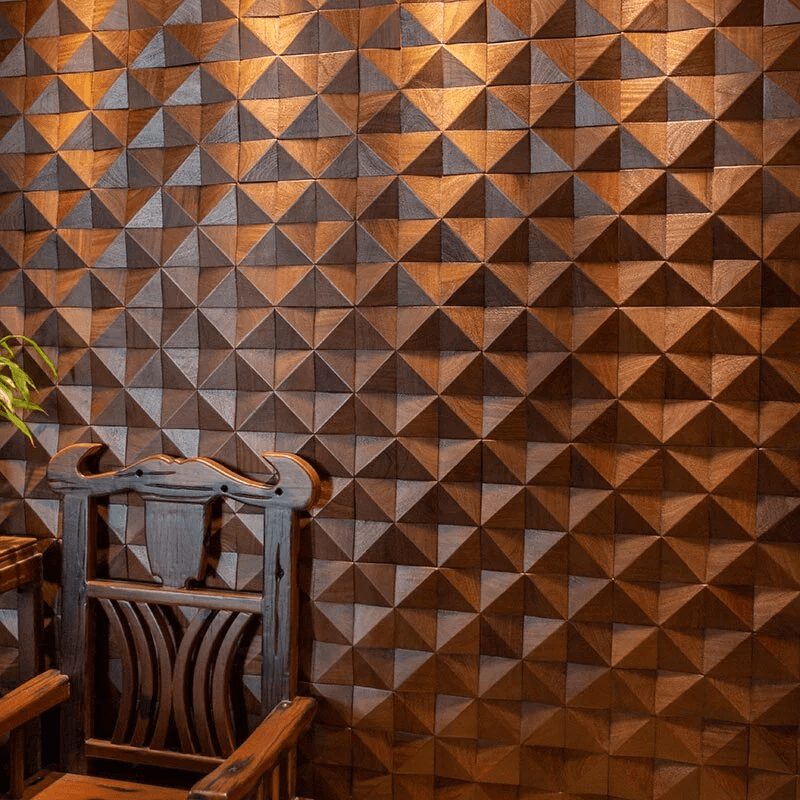
    1. Triangular Mosaic Wood Wall Panel


    Natural wall: Triangular Mosaic Wood Wall Panel

    Craving modern art’s edge with nature’s calming touch? Please welcome the Triangular Mosaic Wood Wall Panel. This masterpiece blends warm wood tones and captivating geometry, instantly transforming any wall into an eye-catching wonder. Crafted with superb quality wood, each panel radiates artistry, inviting tranquil contemplation and serene moments

    Plus, it’s ten times more scratch-resistant than basic wood, eco-friendly, and a breeze to install. Just perfect for us, a mob of noobs who want a natural haven to reside in. 

    Specifications:

    • Dimensions: 19.3″ x 7″ inch / 49 cm x 18 cm
    • Thickness: 3.93 inch / 8.6 cm
    • Package Dimensions: 62.9 x 6.6 x 5.1 inch / 160 x 17 x 13 cm
    • Material: 100% Solid Wood
    • Content: 10 panels/carton

    2. American Walnut Wall Panel

    Natural wall: American Walnut Wall Panel

    This wall panel series isn’t just beautiful; it’s built with tiny detail density to elevate any space. Now, here is the second comer, the American Walnut Wall Panel. It’s where nature’s beauty lies in every slice that protrudes out. Offering the peace of mind of scratch-resistant panels, water-resistant practicality, and eco-conscious materials. 

    Because of the cutting-edge Uniclic system, installation is likewise a breeze. I think, creating your haven of natural elegance couldn’t be any easier. 

    Specifications:

    • Dimensions: 19.3″ x 7″ inch / 49 cm x 18 cm
    • Thickness: 3.93 inch / 8.6 cm
    • Package Dimensions: 62.9 x 6.6 x 5.1 inch / 160 x 17 x 13 cm
    • Material: 100% Solid Wood
    • Content: 10 panels/carton

    Preparing the Stage

    Before the fun begins, let’s get organized. Like any good artist, we need a clean canvas—an unblemished wall. It is imperative to make sure that the wall is smooth, and please identify any spots that need extra support. It is done to ensure your future nest is built upon a strong foundation, and if there is any issue detected, jot it down!

    For areas prone to moisture, a touch of primer or sealant can help your creation last even longer. For uneven surfaces, just do your wall a favor and sand it.

    Related to: Acoustic Wood Panels: Design Tips for Soundproofing Audio Clarity

    Building Your Safe Haven

     Natural wall in a bedroom

    Now comes the magic! Whether you’re working with rustic wood panels, natural stone retaining wall, or sleek bamboo accents, start from a corner and carefully align each piece with your marked points. Level is key, so take your time and secure each element firmly. Remember, take your time. Patience pays off in a seamless and professional-looking wall.

    For any tricky cuts or custom adjustments, measure twice, or thrice, and cut once. No room shall be allowed to be the mice’s new house. Accuracy is your friend here.

    Keeping Your Natural Wall Gleaming

    Natural wall, woody tone

    Like any living being, your natural wall art needs a little TLC (Tender Loving Care). Periodically dust and wipe down your wall, regardless of the material. By keeping an eye out for wear and tear, it will ensure your creation stays vibrant and healthy for years to come. 

    Additionally, regularly check for signs of termites or other wood-eating insects. If you notice any signs of infestation, contact the pest control company to eliminate the invaders and prevent further damage to your safe haven. This proactive approach to maintenance guarantees the longevity and well-being of your natural wall.

    Related to: Black Wall Panels: From Classic to Contemporary Design Tips

    Bringing the Outdoors In: A Design Guide

    The philosophy of connecting interior spaces to the natural environment has evolved from a design trend into a recognised design discipline — biophilic design — with a growing body of evidence supporting its benefits for human wellbeing. A natural wall is one of its most visible expressions, and its effectiveness depends on material authenticity rather than surface appearance alone.

    The most effective natural walls use materials that genuinely originate from natural processes: real wood in recognisable species, natural stone or slate, living moss panels for walls in appropriate humidity conditions, or combinations of these. The common temptation is to achieve the look of a natural wall with printed laminates, photographic wallpapers, or synthetic stone panels — these can be visually convincing from a distance but do not deliver the biophilic response that authentic materials produce. Your peripheral vision and your nervous system register material authenticity at close range in ways that photographs do not capture.

    The design principle for a successful natural wall is restraint in one dimension paired with richness in the material. A single wall treated with real timber panelling, in a space where everything else is kept simple and neutral, achieves more biophilic impact than multiple surfaces covered in natural-looking materials of lower quality. The rule is: one genuine material, impeccably detailed, in a carefully chosen location, will always outperform multiple materials applied with less care.

    Natural Wall FAQs

    What is the most effective natural wall material for a bedroom?
    Real wood veneer slat panels or solid timber board panels are the most effective choice for a bedroom natural wall. They add material warmth, contribute modestly to acoustic softness, and create the material authenticity that biophilic research associates with reduced stress and improved sleep quality. Avoid highly patterned stone panels in bedrooms — the visual complexity can be restless rather than calming. Simple, grain-consistent wood panels in a warm species (oak, ash, cedar) are the most reliably effective choice for a sleeping environment.

    Can a natural wall work in a bathroom?
    Yes, with careful material selection. Slate, certain granites, and natural stone tiles are the traditional choice for bathroom natural walls. In contemporary bathrooms, teak and other moisture-resistant hardwoods are used for wet wall applications with appropriate sealing. PVC panels with realistic stone or wood-grain finishes are the practical choice for cost-conscious projects — they are waterproof, low maintenance, and can create convincing natural-look surfaces in a humid environment where real stone or wood would require more careful specification and maintenance.

    Does a natural wall require professional installation?
    Straightforward timber slat panels on a flat wall are manageable for a confident DIYer. Stone panels and heavier cladding materials generally benefit from professional installation, particularly on walls where precise setting-out and proper adhesive coverage are critical to long-term performance. For any natural wall installation, proper substrate preparation is the most important factor — a clean, flat, dry substrate is the foundation of a successful result regardless of whether you install the material yourself or use a professional.

    How do I maintain a natural wood panel wall indoors?
    Indoor natural wood panels with an oil or hardwax finish should be lightly re-oiled annually for the first two years, then every two to three years thereafter. Dust the surface regularly — accumulated dust in the shadow gaps of slat panels can hold moisture and slow the natural ageing of the finish. For painted or lacquered wood panels, touch up any chips or wear with matching paint as needed, and re-coat fully every seven to ten years. Avoid exposing wood panel walls to direct, prolonged moisture — condensation on a north-facing wall in an unventilated bathroom will eventually cause surface checking in any wood species.

    Conclusion

    The kindest being in this world to us humans, is no doubt but mother earth. That may stand as a reason why we humans try to be closer to her–or, to nature. For me enacting a natural wall decor is a joyful journey that transforms my space, both visually and emotionally. And I think it’s the same with you.

    By following these simple steps and choosing elements that resonate with you, you can create a stunning natural wall that reflects your connection to the world. With this guide by your side, don’t delay. Build your green haven, and brighten your day! 

    See you in another study, pals!

  • Reeded Wood Panels: Tips for a Timeless Interior Makeover

    Reeded Wood Panels: Tips for a Timeless Interior Makeover

    Discover how Reeded Wood Panels can revolutionize your interior with timeless makeover tips. These unique elements blend classic charm with modern elegance effortlessly, offering a sophisticated texture and depth that can transform any room.

    Whether you’re aiming to refresh your living space or add character to a new build, reeded wood panels provide a versatile solution that marries the warmth of wood with contemporary design principles.

    Choosing the Right Reeded Wood Panels

    Selecting the appropriate reeded wood panels involves considering the overall aesthetic of your space. Opt for panels that complement your existing decor, whether you’re leaning towards a more traditional look or something sleek and modern. Lighter woods can brighten a room and create an airy feel, while darker tones offer richness and depth.

    Installation location is key. These panels make stunning accents in living areas, hallways, or bedrooms, adding texture and visual interest. Consider the panel orientation – vertical lines can heighten low ceilings, while horizontal placement can make narrow rooms feel broader.

    Read More: 5 Best Modern PVC Wall Panel Design for Bedroom in 2023

    Incorporating Reeded Wood Wall Panels in Living Spaces

    Living rooms and open spaces can greatly benefit from the addition of reeded wood wall panels. They serve as an elegant backdrop for art, television, or furniture, adding layers of texture and sophistication. Balance the room by mixing materials and textures – soft furnishings and smooth surfaces complement the tactile nature of reeded panels.

    Lighting plays a crucial role in highlighting the unique texture of reeded wood panels. Directional lighting can cast shadows and enhance the three-dimensional effect, making the walls come alive and adding to the ambiance of the space.

    Enhancing Bedrooms with Textured Panels

    Bedrooms become serene retreats with the introduction of reeded wood panels. Use them as a statement headboard or accent wall to add depth and warmth. The natural texture promotes a calming atmosphere, ideal for rest and relaxation.

    Coordinate with soft, luxurious fabrics and neutral colors to emphasize the natural beauty of the wood. This contrast between materials brings a sophisticated balance to the bedroom, marrying comfort with elegance.

    Transforming Kitchens and Dining Areas

    Kitchens and dining areas get a stylish upgrade with reeded wood panels. Cabinet fronts or islands wrapped in reeded wood introduce a tactile element that is both beautiful and practical. The texture adds interest without overwhelming the space, making it feel contemporary yet timeless.

    Pair with sleek hardware and modern appliances to create a harmonious blend of old and new. The contrast enhances the unique character of the reeded panels, making the kitchen or dining area a focal point of the home.

    Read More: Mastering the Process: How to Install Shower Wall Panels Like a Pro

    Creative Uses in Bathrooms

    Even bathrooms can benefit from the warmth and texture of reeded wood panels. Used as vanity backsplashes or shower accents, they add a luxurious touch that elevates the space. Ensure the panels are properly sealed to withstand the humid environment, maintaining their beauty over time.

    Complement with minimalist fixtures and monochrome color schemes to let the wood’s texture be the star. This approach creates a spa-like atmosphere that is both relaxing and refined.

    Making a Statement in Entryways

    First impressions count, and reeded wood panels in entryways set a tone of sophistication and style from the moment you step inside. Create a striking feature wall or clad a console table in reeded wood for a subtle yet impactful statement.

    Accentuate with strategic lighting and simple decor to highlight the panel’s texture without cluttering the space. This introduction to your home’s interior design narrative speaks volumes about your style and attention to detail.

    Best Wood Panels Recommendation in 2024

    Classic Lines Wall Panel

    Classic Lines Wall Panel

    Crafted with precision, each Classic Lines Wall Panel stands as a testament to high-quality craftsmanship, featuring distinct textures and grain patterns that highlight the artistry of wall paneling.

    The elegant design adds a touch of luxury, transforming your dining area with its sophisticated charm and unique character.

    Harmonizing effortlessly with diverse interior themes, from the warmth of traditional settings to the sleekness of modern decor, Classic Lines Wall Panels offer unmatched versatility.

    This adaptability ensures they are a splendid choice for enhancing not just dining rooms but any space desiring a balance of classic beauty and contemporary flair.

    Ideal for environments ranging from the humidity of kitchens to the comfort of dining areas, these panels strike the perfect chord between aesthetic allure and practical utility.

    Their ability to enrich any room with the refined look and timeless beauty of wood makes Classic Lines Wall Panels an unparalleled choice for those seeking to elevate their interior design.

    Read More: How To Install Wall Panelling In Your Home – 5 Simple Steps

    Mixing Reeded Wood Panels with Other Wall Textures

    Reeded panels work particularly well in combination with other natural materials, but the pairing requires some restraint. The reeded profile already introduces significant visual texture — adding another high-texture material to the same surface competes rather than complements.

    Reeded panels with smooth plaster: The most versatile combination. A reeded feature wall against smooth painted plaster on the remaining walls gives the timber profile maximum presence without visual competition. The contrast between the panel’s linear texture and the flat plaster surface is precisely what makes both elements read as deliberate choices.

    Reeded panels with exposed brick or stone: Can work if the scale of the textures is considered. Fine-pitched reeding alongside coarse stone typically creates a busy result. Wide-pitch reeding (slat width 30mm+) with relatively smooth stone, such as honed limestone, can be balanced. Keep the two textures on separate walls — adjacent surfaces in two high-texture materials rarely resolve well.

    Reeded panels with concrete or microcement: A strong contemporary pairing. The warmth of timber reeding against the cool neutrality of concrete or microcement-finished surfaces is a well-established combination in Nordic and Japandi-influenced interiors. This pairing relies on restraint in colour — both materials should be in the same tonal range.

    Reeded panels with wallpaper: For rooms where wallpaper is already established, a reeded panel treatment at dado height or on a single feature wall can introduce the timber element without requiring a full wall replacement. Choose a wallpaper pattern that doesn’t repeat the linear quality of the reeding — a botanical, abstract, or textural pattern works better than a striped one.

    FAQs: Reeded Wood Panels

    What are reeded wood panels made from?
    Reeded wood panels are typically made from solid hardwood, engineered wood, or wood veneer mounted on an MDF or HDF core. The reeded profile is either milled directly into solid timber or applied as a profile strip onto the backing board. Engineered and composite-core panels offer better dimensional stability in environments with humidity variation.

    Can reeded wood panels be installed outdoors?
    Standard reeded wood panels are designed for interior use and are not rated for external applications. For exterior wall cladding, look for products specifically designed for outdoor use with appropriate wood species (cedar, larch, hardwood) and exterior-grade finishes. Installing interior panels outdoors will result in premature degradation.

    How do I remove dust from reeded wood panels?
    The convex ridges of reeded panels accumulate dust in the recessed channels between ridges. A soft-bristle brush attachment on a vacuum cleaner removes loose dust effectively. For a more thorough clean, a barely-damp microfibre cloth wiped along the direction of the ridges works well. Avoid cleaning across the ridges — this can dislodge surface finish and leave scratches.

    Are reeded wood panels suitable for a fireplace surround?
    Reeded panels work well as a fireplace surround treatment when maintained at a safe distance from the fire opening — typically a minimum of 300mm from the edge of the firebox, but always refer to the fireplace manufacturer’s specifications. For gas and electric fireplaces with enclosed fronts, reeded panels can be brought closer, but check the rated clearance distances in the appliance documentation.

    Conclusion

    Reeded wood panels offer a timeless solution for those looking to elevate their interior design. Their versatility and unique texture can transform any room, from the tranquility of a bedroom to the sophistication of a living area.

    By selecting the right type of panels and integrating them thoughtfully within your space, you can achieve a harmonious blend of classic elegance and modern flair.

    Embrace the warmth and natural beauty of reeded wood wall panels to create spaces that are not only visually appealing but also rich in texture and character.

    These tips provide a starting point for incorporating reeded wood into your interior design, ensuring a makeover that is both timeless and distinctive. Let the natural charm of wood take your home to new heights of style and sophistication.

  • Black Wall Panels: From Classic to Contemporary Design Tips

    Black Wall Panels: From Classic to Contemporary Design Tips

    Create a bold statement with Black Wall Panels. Our expert tips show you how to fuse classic and contemporary designs for a unique look, offering a versatile approach to revamping any space.

    Whether it’s adding depth to a minimalist room or creating a focal point in a traditional setting, black wall panels provide a sophisticated backdrop that enhances the overall aesthetic of your home.

    This article delves into how to effectively use black wall panels, from black wood wall panels to black 3D wall panels, ensuring your space radiates elegance and style.

    Elevating Spaces with Black Wood Wall Panels

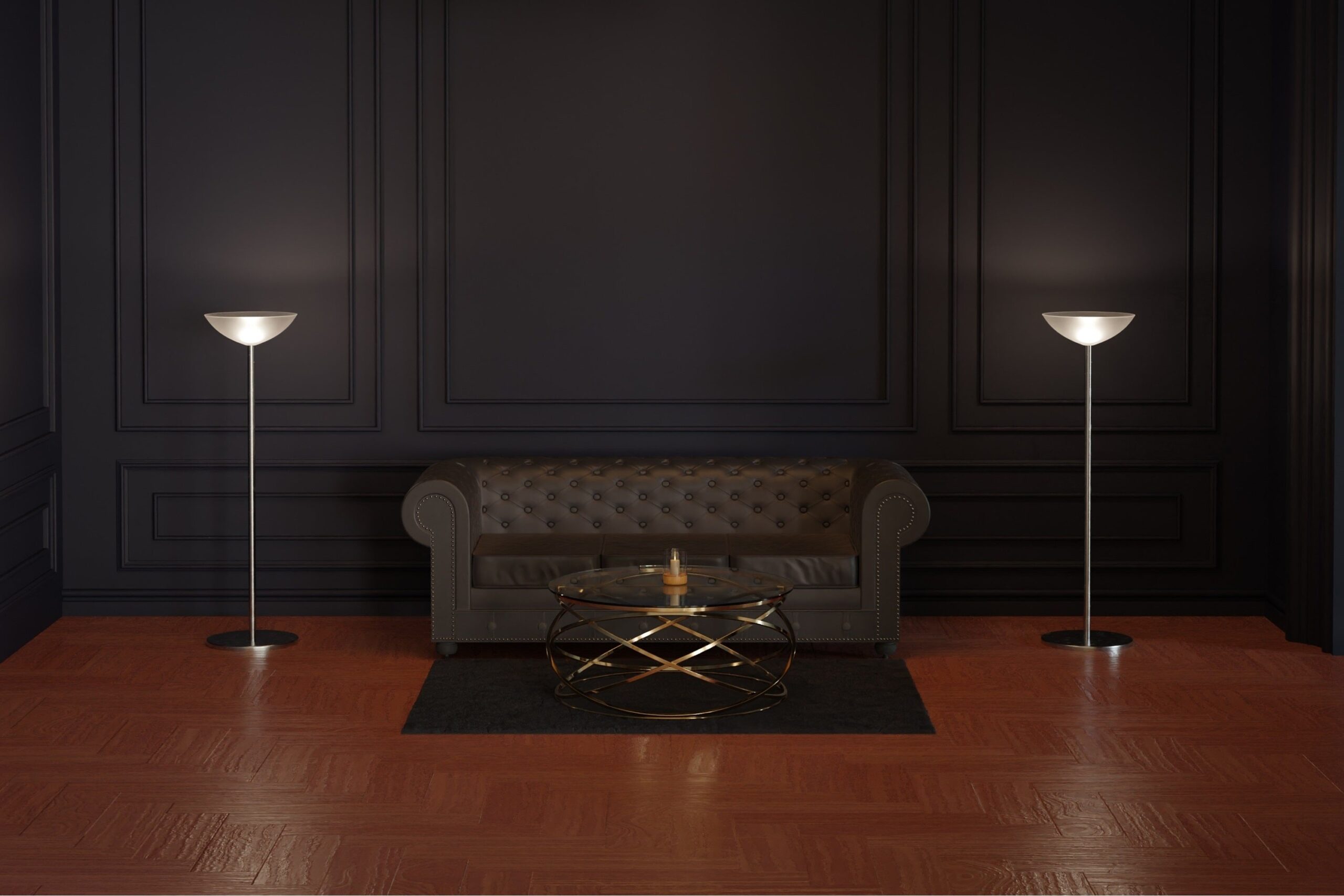
    The allure of black wood wall panels lies in their timeless elegance, effortlessly adding a touch of sophistication to any room. Ideal for creating an intimate atmosphere, they serve as a perfect backdrop for highlighting artwork or decorative pieces.

    The key to incorporating these panels is balancing them with lighter tones in furniture or flooring, ensuring the space remains inviting and not overwhelmed by darkness.

    America Smoke Acoustic Wall Panels | 3-Sided Wood Veneer | SoundPanel®.

    Incorporating texture into your design can break up the monotony of a single color scheme. Black wood panels with visible grain patterns add depth and character to walls, making them more than just a background but a statement piece in their own right.

    Read More: 5 Best Modern PVC Wall Panel Design for Bedroom in 2023

    Modernizing Interiors with Black Slat Wall Panels

    Black slat wall panels offer a contemporary twist to traditional wall treatments, introducing a dynamic texture that adds visual interest to any room. These panels not only enhance the aesthetic appeal but also provide practical storage solutions, perfect for displaying collections or everyday items in a stylish manner.

    To maximize their impact, use strategic lighting to create shadows and highlights within the slats, adding depth and dimension to the walls. This interaction between light and shadow transforms the wall into a living piece of art, changing throughout the day as natural light shifts.

    Innovating with Black 3D Wall Panels

    Black 3D wall panels are at the forefront of interior design innovation, offering an unparalleled visual impact that can transform any space into a modern masterpiece. These panels create a dramatic effect that is both tactile and visually engaging, ideal for spaces that aim to make a statement.

    When integrating black 3D panels, consider the scale and positioning. A single accent wall can become the focal point of the room, or smaller installations can add subtle intrigue without overwhelming the space. Pairing these panels with minimalist decor ensures they remain the center of attention.

    Adding Character with Black Brick Wall Panels

    Black brick wall panels bring an industrial edge to interiors, combining the rustic charm of brick with a modern color palette. This contrast creates a unique ambiance that blends well with various design styles, from loft-inspired spaces to cozy, traditional homes.

    To soften the industrial feel, incorporate soft textures through furnishings and fabrics. Rugs, cushions, and drapery can balance the hardness of the brick, creating a comfortable and welcoming environment that complements the boldness of the black panels.

    Read More: Mastering the Process: How to Install Shower Wall Panels Like a Pro

    Creating Illusions with Black Acoustic Wall Panels

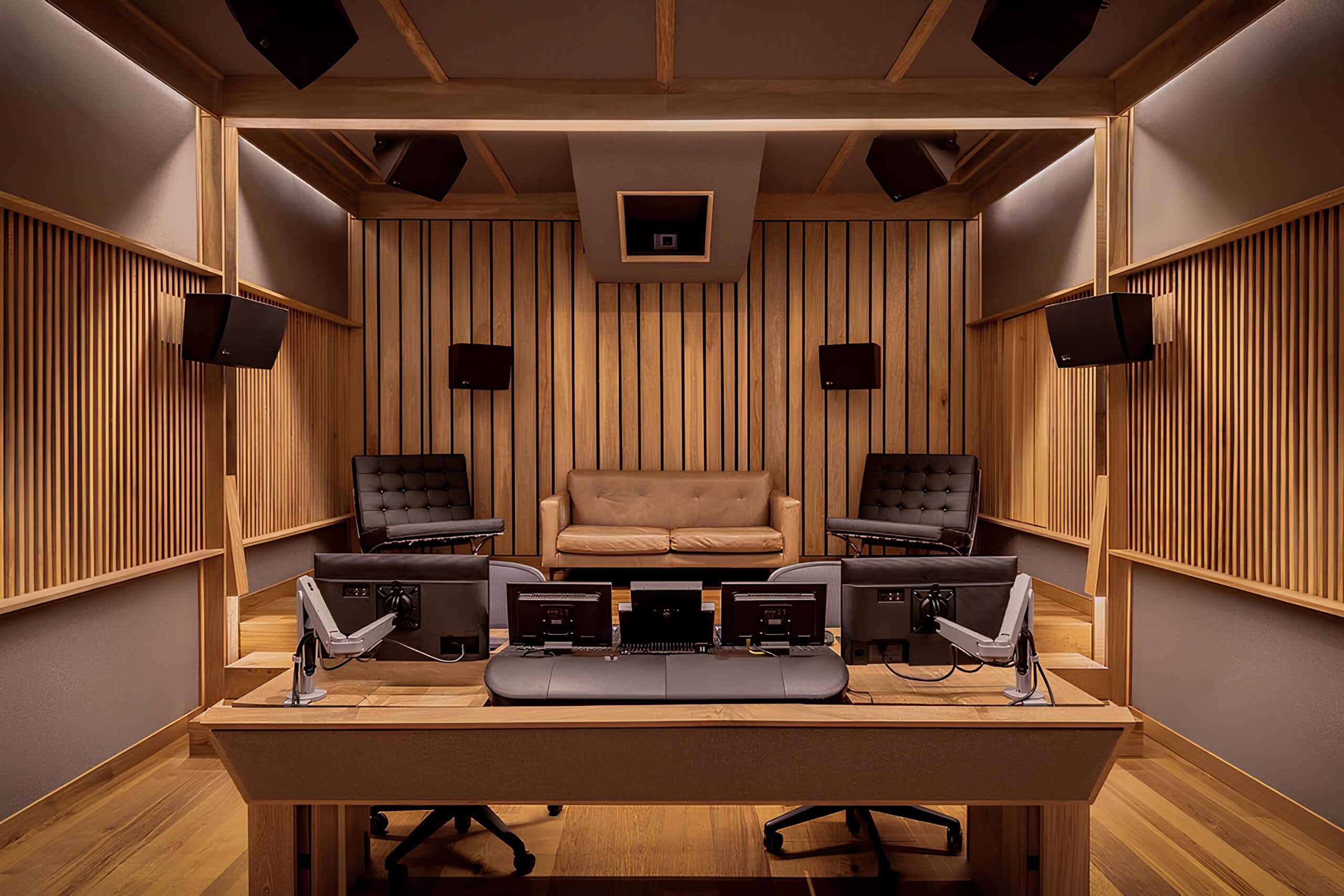
    Beyond their aesthetic appeal, black acoustic wall panels merge form with function, enhancing the room’s sound quality while adding a modern touch. These panels are perfect for media rooms, studios, or any area where audio clarity is a priority.

    The strategic placement of these panels can also alter the perception of space, making rooms feel larger or more intimate depending on their arrangement. This dual-purpose feature makes them a smart choice for those looking to improve both the look and functionality of their interiors.

    Defining Spaces with Black 3D Wall Panels

    Black 3D wall panels are not just for living rooms or bedrooms; they can also define and enhance transitional spaces like hallways or entryways. Using these panels in smaller areas can create an impactful entrance or a visually intriguing passage, adding an element of surprise to the home’s design.

    When using 3D panels in these areas, lighting plays a crucial role in accentuating their geometric patterns or textures, turning ordinary walkways into gallery-like experiences that captivate and delight.

    Best Wood Panels Recommendation in 2025

    Classic Lines Wall Panel

    Classic Lines Wall Panel

    Crafted with precision, each Classic Lines Wall Panel stands as a testament to high-quality craftsmanship, featuring distinct textures and grain patterns that highlight the artistry of wall paneling.

    The elegant design adds a touch of luxury, transforming your dining area with its sophisticated charm and unique character.

    Harmonizing effortlessly with diverse interior themes, from the warmth of traditional settings to the sleekness of modern decor, Classic Lines Wall Panels offer unmatched versatility.

    This adaptability ensures they are a splendid choice for enhancing not just dining rooms but any space desiring a balance of classic beauty and contemporary flair.

    Ideal for environments ranging from the humidity of kitchens to the comfort of dining areas, these panels strike the perfect chord between aesthetic allure and practical utility.

    Their ability to enrich any room with the refined look and timeless beauty of wood makes Classic Lines Wall Panels an unparalleled choice for those seeking to elevate their interior design.

    Read More: 5 Best Modern PVC Wall Panel Design for Bedroom in 2023

    Conclusion

    Black wall panels offer a versatile and impactful way to infuse classic elegance and contemporary flair into any interior. From the warm sophistication of black wood wall panels to the innovative appeal of black 3D wall panels, there are endless possibilities to explore.

    The key to successfully integrating these elements lies in balancing them with the right colors, textures, and lighting to enhance their beauty without overpowering the space.

    As we’ve explored various types of black wall panels, including slat, brick, and acoustic options, it’s clear that they can transform not just the aesthetics but also the functionality of a room.

    Whether you’re looking to create a bold statement wall or add a subtle touch of modernity, black wall panels provide the flexibility and style to bring your interior design vision to life. Embrace these tips to elevate your home with the timeless sophistication and dynamic appeal of black wall panels.

  • Acoustic Wood Panels: Design Tips for Soundproofing Audio Clarity

    Acoustic Wood Panels: Design Tips for Soundproofing Audio Clarity

    In the realm of architectural design and interior aesthetics, the quest for creating spaces that are not only visually appealing but also acoustically optimized has led to the innovative use of acoustic wood panels.

    These specialized panels have become a cornerstone in designing environments that require precise sound control and clarity, such as music studios, home cinemas, and even tranquil living areas.

    Their ability to enhance soundproofing and provide unmatched audio clarity makes them a sought-after solution for anyone looking to elevate their space’s acoustic and aesthetic qualities.

    This article delves into the essential design tips for utilizing acoustic wood panels effectively, exploring their benefits, the best materials for the job, their cost-effectiveness, functionality, and overall impact on sound reduction and soundproofing.

    Whether you’re a seasoned audio professional or a homeowner seeking to improve your living environment, understanding how to leverage these panels will transform your space into a haven of sound clarity and tranquility.

    Understanding the Basics

    When exploring ways to improve the acoustics of a space, one might come across various solutions. Among these, a standout option is the integration of panels made from specialized materials.

    These elements are not only aesthetically pleasing but also serve a critical function in managing sound dynamics. Their design, aimed at absorbing and diffusing sound, significantly reduces noise levels, making them an ideal choice for various settings.

    The effectiveness of these solutions lies in their ability to capture and neutralize echoes, which, in turn, enhances the overall sound quality of the environment. This characteristic makes them particularly valuable in spaces where audio clarity is paramount, such as recording studios or home theaters.

    Read More: 5 Best Modern PVC Wall Panel Design for Bedroom in 2023

    The Ideal Material for Acoustic Panels

    In the quest for the perfect acoustic solution, the choice of material plays a pivotal role. Wood, with its natural properties, emerges as a superior option. Its inherent characteristics allow it to absorb and diffuse sound waves effectively, making it a prime choice for creating an acoustically balanced environment.

    SoundPanel_-_Feature_3_Golden-The Panel Hub

    Among the various types of wood, certain species stand out for their acoustic properties. These selections are favored for their density and porosity, which contribute to their ability to manage sound reflections and absorptions, thereby optimizing the audio experience within a space.

    The Price of Quality

    The investment in high-quality acoustic solutions often raises questions regarding cost. The manufacturing process, which involves precise engineering and the use of premium materials, contributes to the higher price point of these panels.

    However, the value they add in terms of acoustic optimization and aesthetic appeal justifies the investment.

    This aspect underlines the importance of considering long-term benefits over initial expenses. The enhancement of sound clarity and the transformation of spaces into acoustically sound environments are among the advantages that outweigh the cost.

    The Functionality Explained

    The operation of these panels is grounded in the principles of acoustics. By strategically placing them within a space, they work to intercept sound waves, absorbing some and diffusing others. This process minimizes the impact of reverberations, thereby clarifying the sound within the room.

    The configuration of these panels, including their material composition and placement, is critical to their performance. Proper installation ensures the most effective sound management, leading to an optimal listening environment.

    Read More: Mastering the Process: How to Install Shower Wall Panels Like a Pro

    Impact on Sound Reduction

    The question of whether these panels can reduce sound is met with a nuanced answer. While they are excellent at improving sound quality within a space, their primary function is not to block sound but to manage how sound travels within an environment. They excel at minimizing internal echoes and reverberations, which, in turn, can make a room seem quieter.

    Their role in soundproofing is part of a larger acoustical strategy. For complete sound isolation, additional measures may be necessary, depending on the specific requirements of the space.

    The Soundproofing Capability

    Addressing the soundproofing capabilities of these panels reveals a blend of aesthetic design and functional excellence. While they significantly improve the acoustic quality of a space, their contribution to soundproofing involves managing the sound that originates within the space itself.

    For those seeking to minimize external noise intrusion, combining these panels with other soundproofing techniques can provide a comprehensive solution. This approach ensures both internal sound quality and external noise reduction, achieving the desired acoustic environment.

    Best Wood Panels Recommendation in 2025

    Classic Lines Wall Panel

    Classic Lines Wall Panel

    Crafted with precision, each Classic Lines Wall Panel stands as a testament to high-quality craftsmanship, featuring distinct textures and grain patterns that highlight the artistry of wall paneling.

    The elegant design adds a touch of luxury, transforming your dining area with its sophisticated charm and unique character.

    Harmonizing effortlessly with diverse interior themes, from the warmth of traditional settings to the sleekness of modern decor, Classic Lines Wall Panels offer unmatched versatility.

    This adaptability ensures they are a splendid choice for enhancing not just dining rooms but any space desiring a balance of classic beauty and contemporary flair.

    Ideal for environments ranging from the humidity of kitchens to the comfort of dining areas, these panels strike the perfect chord between aesthetic allure and practical utility.

    Their ability to enrich any room with the refined look and timeless beauty of wood makes Classic Lines Wall Panels an unparalleled choice for those seeking to elevate their interior design.

    Read More: How To Install Wall Panelling In Your Home – 5 Simple Steps

    Conclusion

    The journey to achieving audio clarity and soundproofing in a space is a nuanced process, with acoustic wood panels playing a pivotal role. Their selection, based on material properties and design considerations, directly influences the acoustic outcome.

    While the investment in such solutions may initially seem substantial, the long-term benefits of enhanced sound quality and aesthetic appeal are undeniable.

    Incorporating these panels into a space not only addresses the functional need for sound management but also adds a layer of design sophistication. As part of a holistic approach to acoustics, they offer a path to achieving the perfect balance of form and function, ensuring that spaces not only look good but sound excellent as well.