Author: The Panel Hub Design Studio

  • Hallway Ideas to Maximize Your Home’s First Impression in 2026

    Hallway Ideas to Maximize Your Home’s First Impression in 2026

    The entrance of your home sets the stage for what lies beyond, serving as a reflection of your personal style and attention to detail. In 2024, integrating both aesthetic appeal and functionality into your hallway is more crucial than ever. Embracing innovative hallway ideas can transform this often-overlooked space into a welcoming and practical area that impresses guests and enhances daily living.

    With the right hallway ideas, your home can make a powerful first impression that resonates with warmth and sophistication. From lighting to decor, this guide offers innovative solutions to transform your entrance into an enchanting prelude to the rest of your home.

    1. Strategic Lighting Solutions

    Hallway Ideas

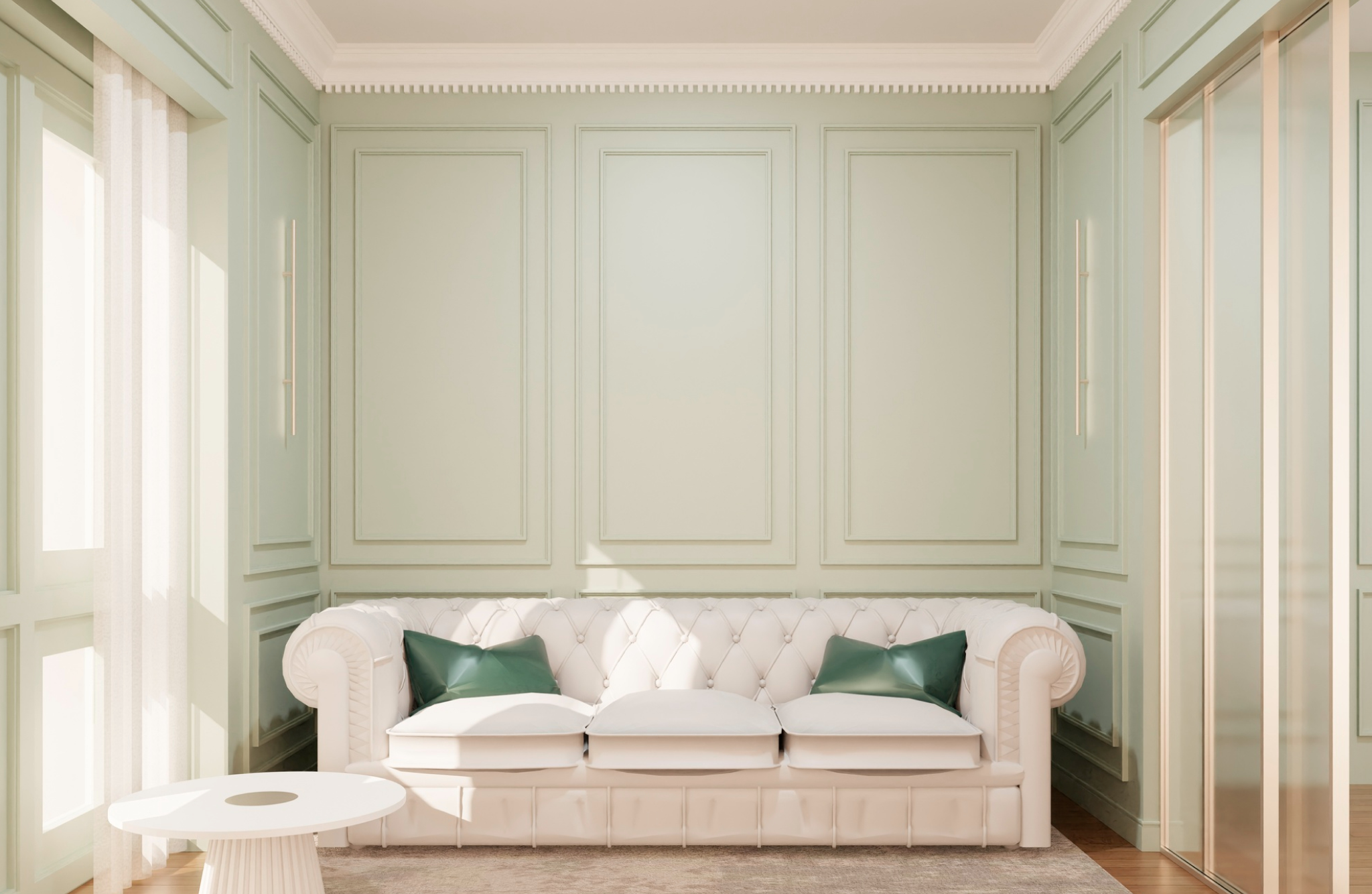
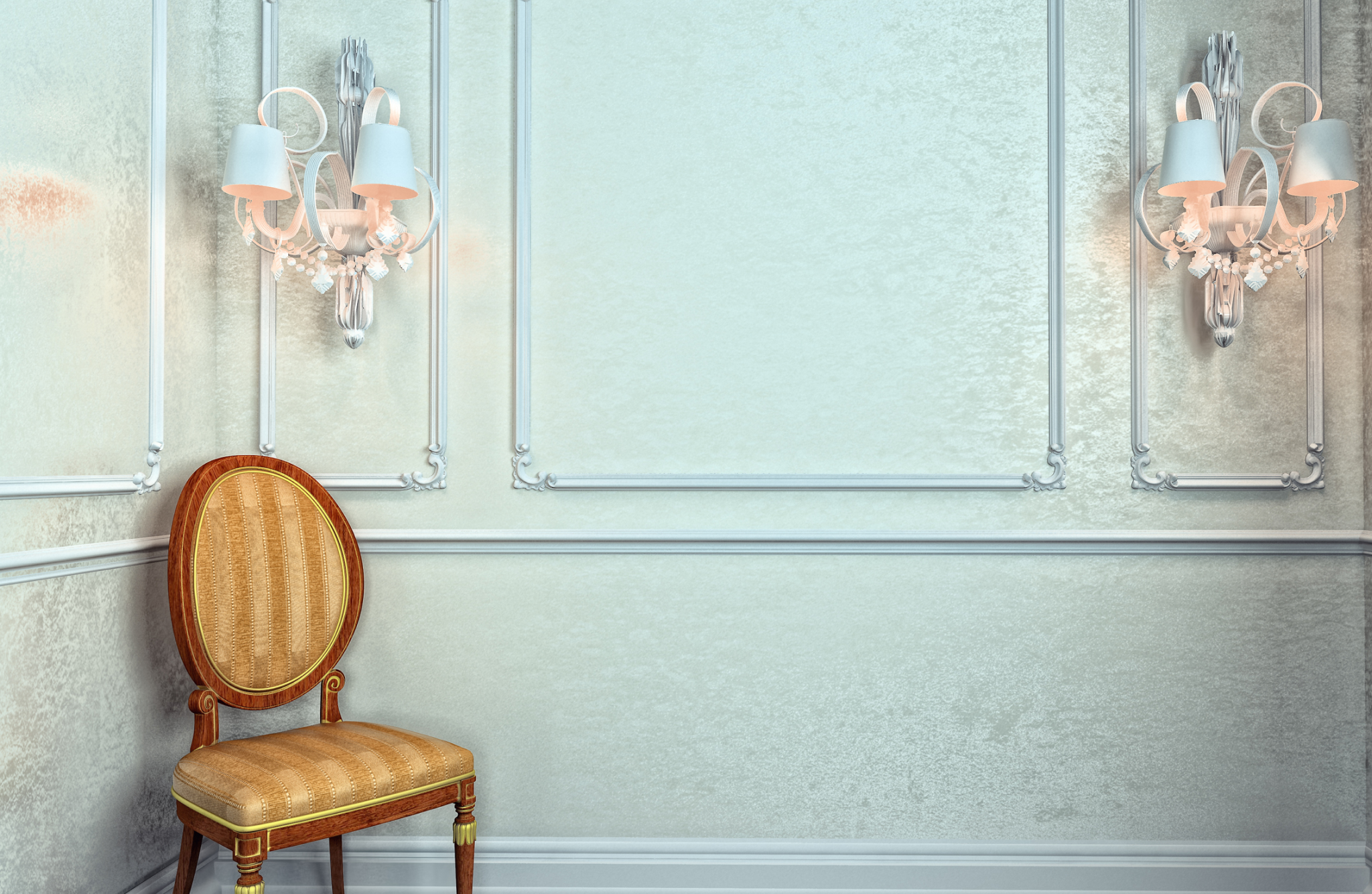
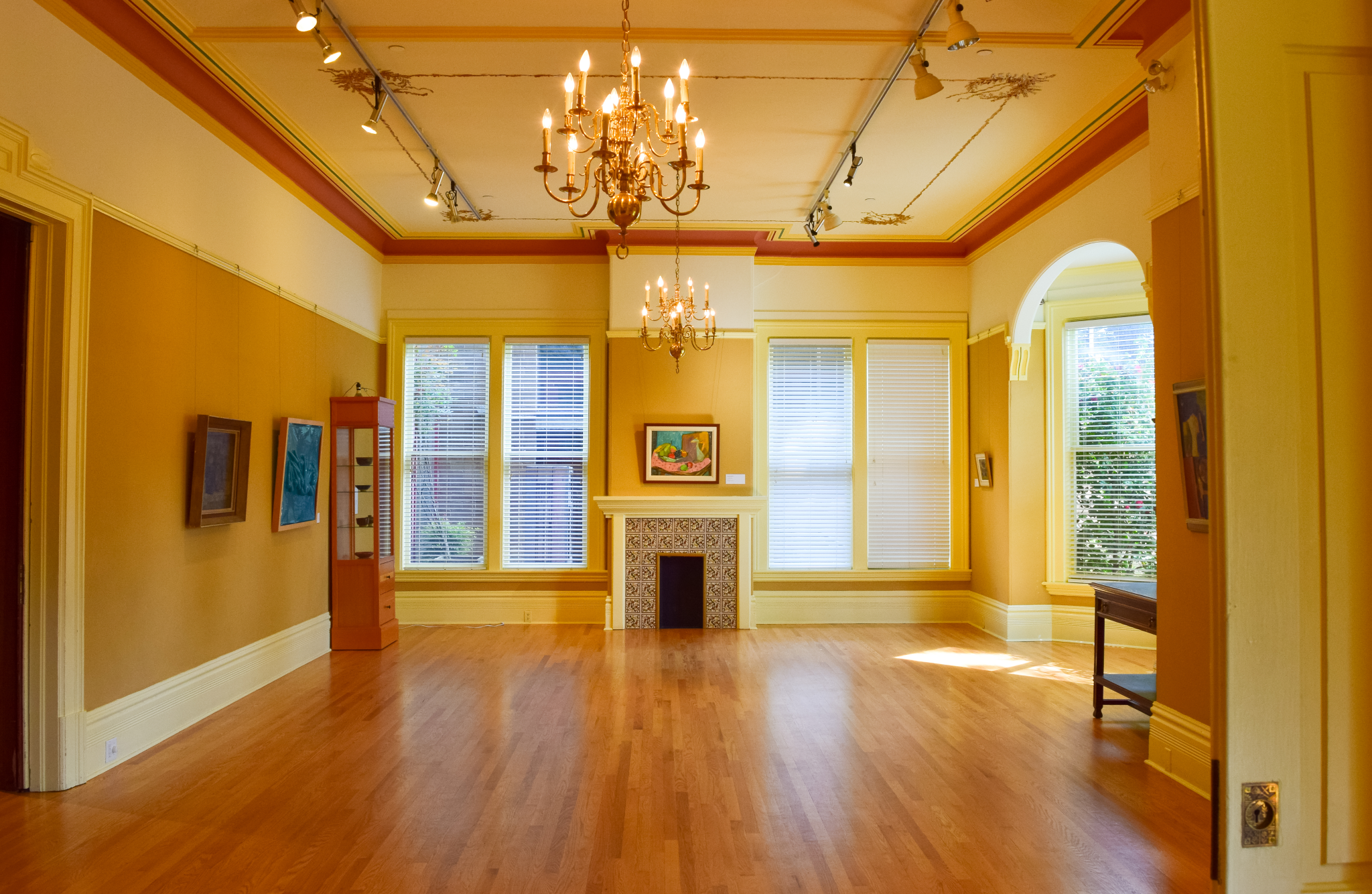
    A well-lit hallway instantly feels welcoming and spacious. Consider a mix of ambient, task, and accent lighting to illuminate the area effectively. Ambient lighting ensures overall brightness, task lighting focuses on key areas or activities, and accent lighting highlights architectural features or artwork.

    Experimenting with dimmable options can also allow for adjustable ambiance, catering to different times of the day or occasions, thereby creating a dynamic and versatile entrance space.

    In addition, the choice of fixtures can significantly influence the hallway’s aesthetic. Modern pendant lights, vintage-inspired chandeliers, or sleek wall sconces can serve as decorative elements while fulfilling lighting needs.

    The right selection and placement can elevate the hallway from a mere passageway to a striking visual statement that captivates guests upon arrival.

    2. Functional Furniture Placement
    Hallway Ideas

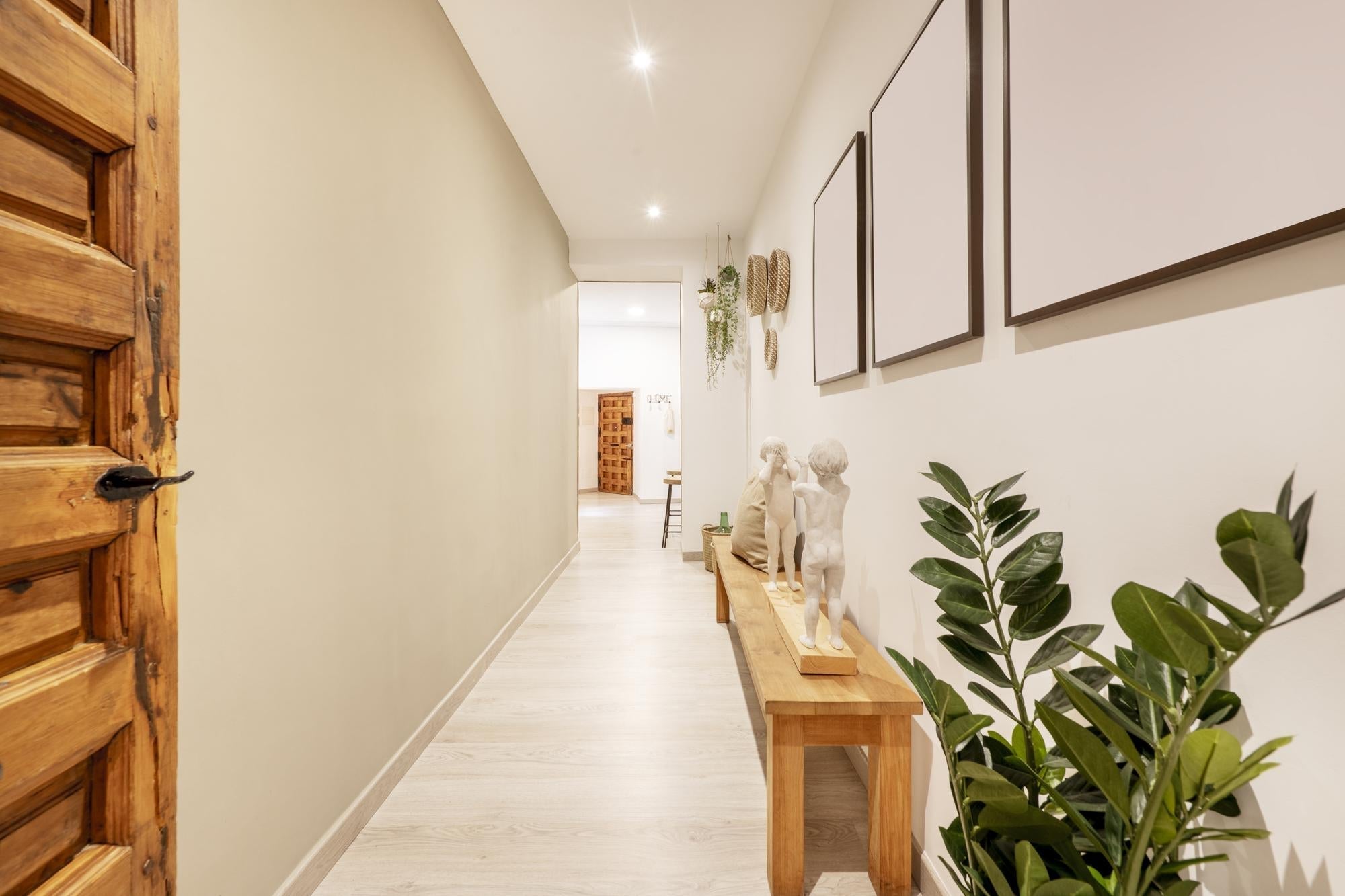
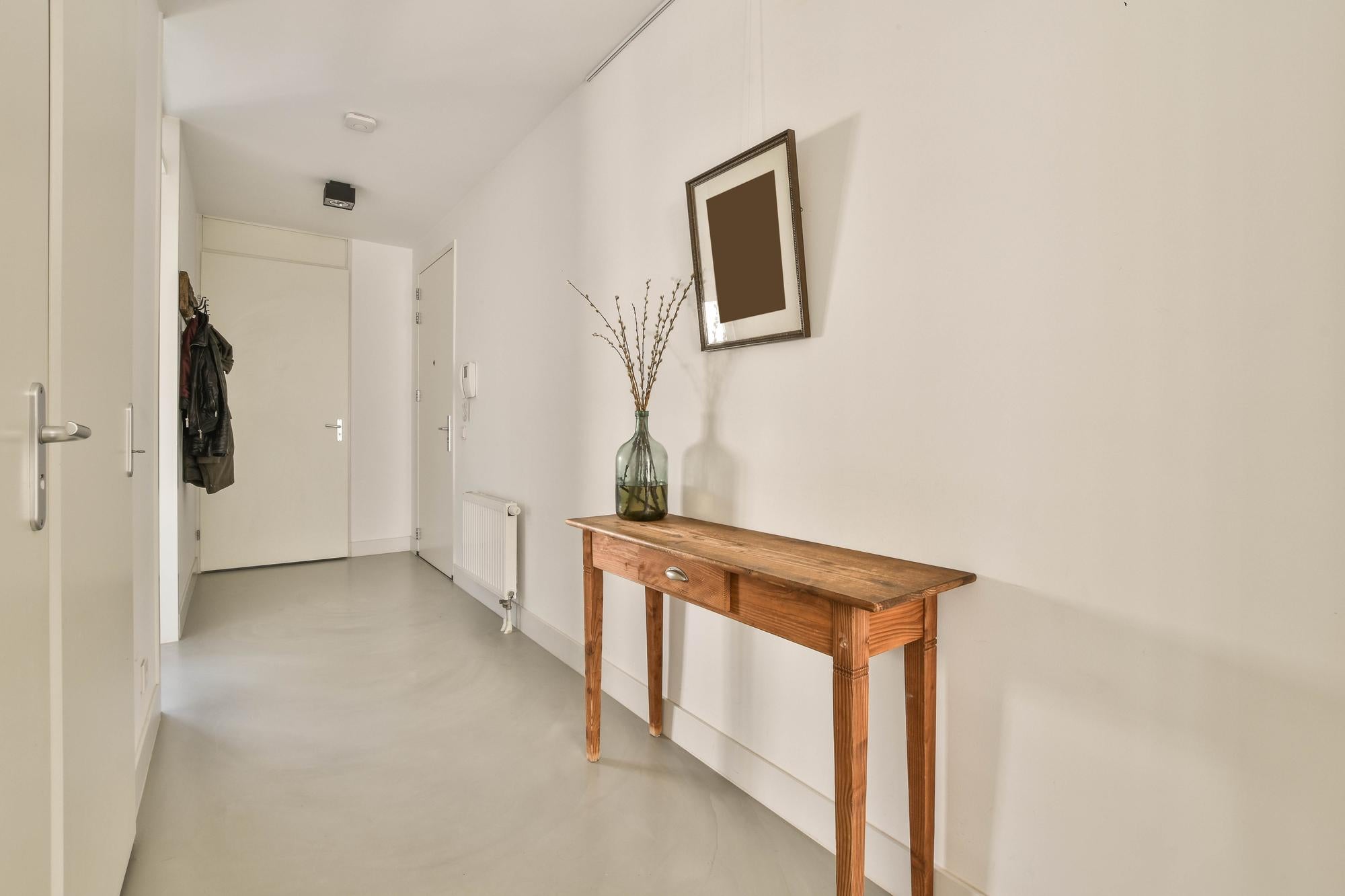
    Furniture in a hallway should be carefully selected to balance form and function. A narrow console table can serve as an elegant display for decor while offering a convenient drop-off point for keys and mail.

    Opt for designs that complement your home’s overall style, whether minimalist, traditional, or eclectic, to maintain a cohesive look.

    Additionally, consider incorporating seating options like a small bench or an ottoman, which not only add to the hallway’s functionality by providing a place to sit while putting on shoes but also enhance its welcoming atmosphere.

    When space is at a premium, look for furniture with built-in storage or those that can be easily tucked away when not in use, ensuring the hallway remains clutter-free and inviting.

    Read More: How To Install Wall Panelling In Your Home – 5 Simple Steps

    3. Bold Wall Art and Mirrors
    Hallway Ideas

    Decorating your hallway walls can transform the space into a gallery of your personal taste and interests. A carefully curated selection of artwork can tell a story, evoke emotions, or simply add a splash of color to the area.

    When selecting pieces, consider the scale and how they complement each other and the space.

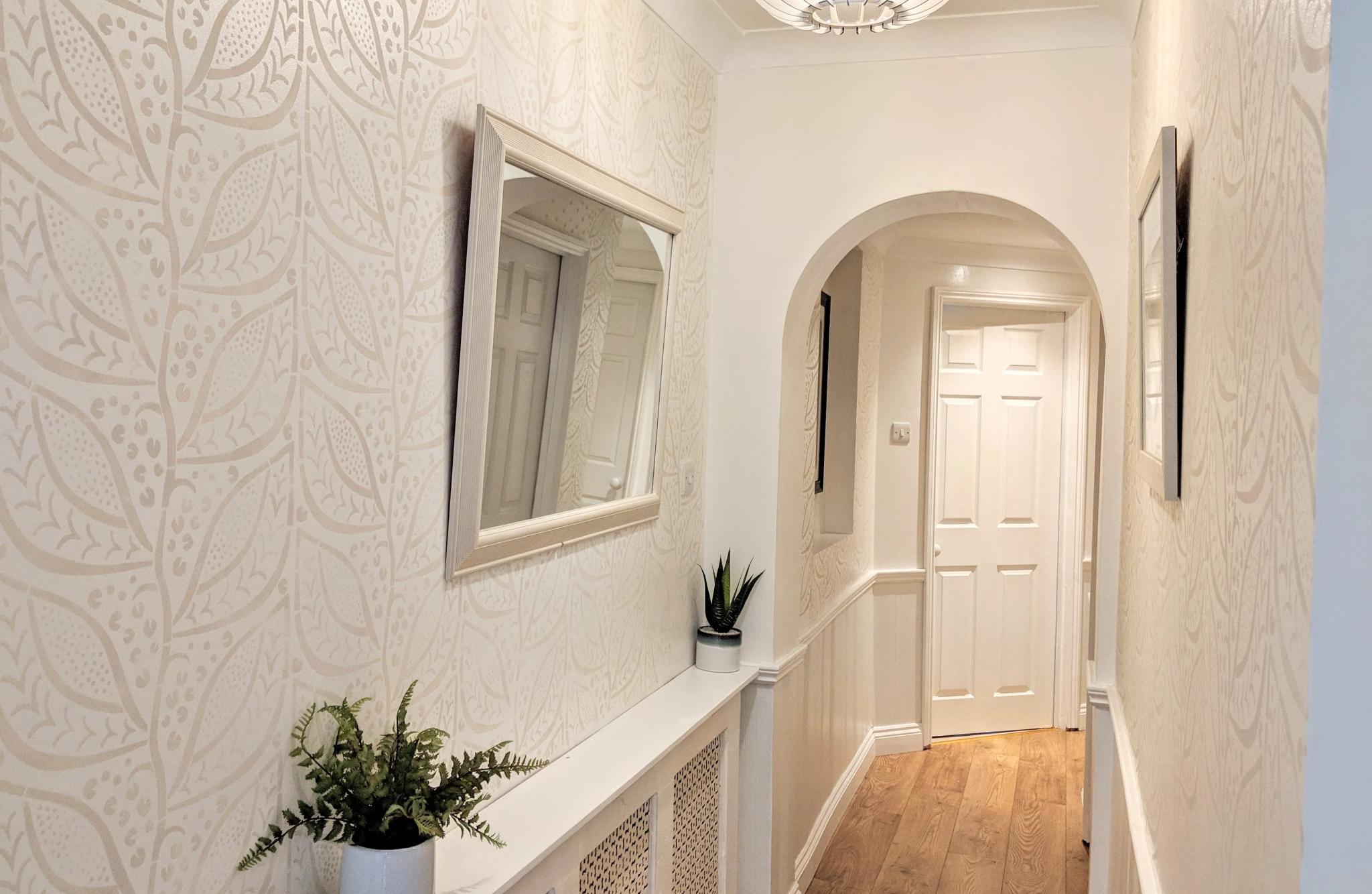
    Mirrors are another essential element in hallway decor, serving both practical and aesthetic purposes. A large, statement mirror can create the illusion of space, making a narrow hallway appear wider and more open.

    dditionally, mirrors reflect light, brightening the area and adding to the ambiance. Choose frames that align with your home’s decor to seamlessly integrate style and functionality.

    4. Statement Flooring
    Hallway Ideas

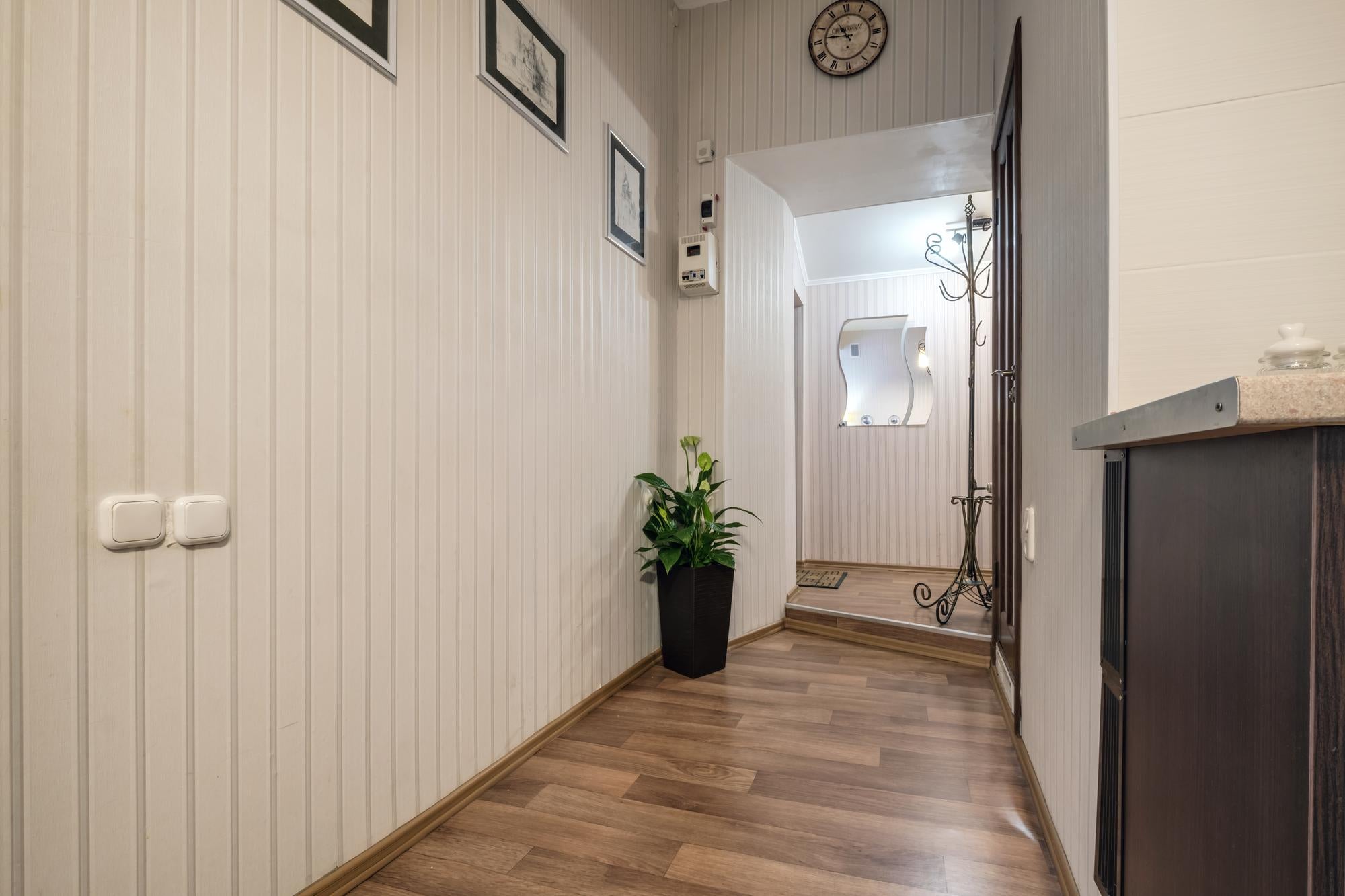
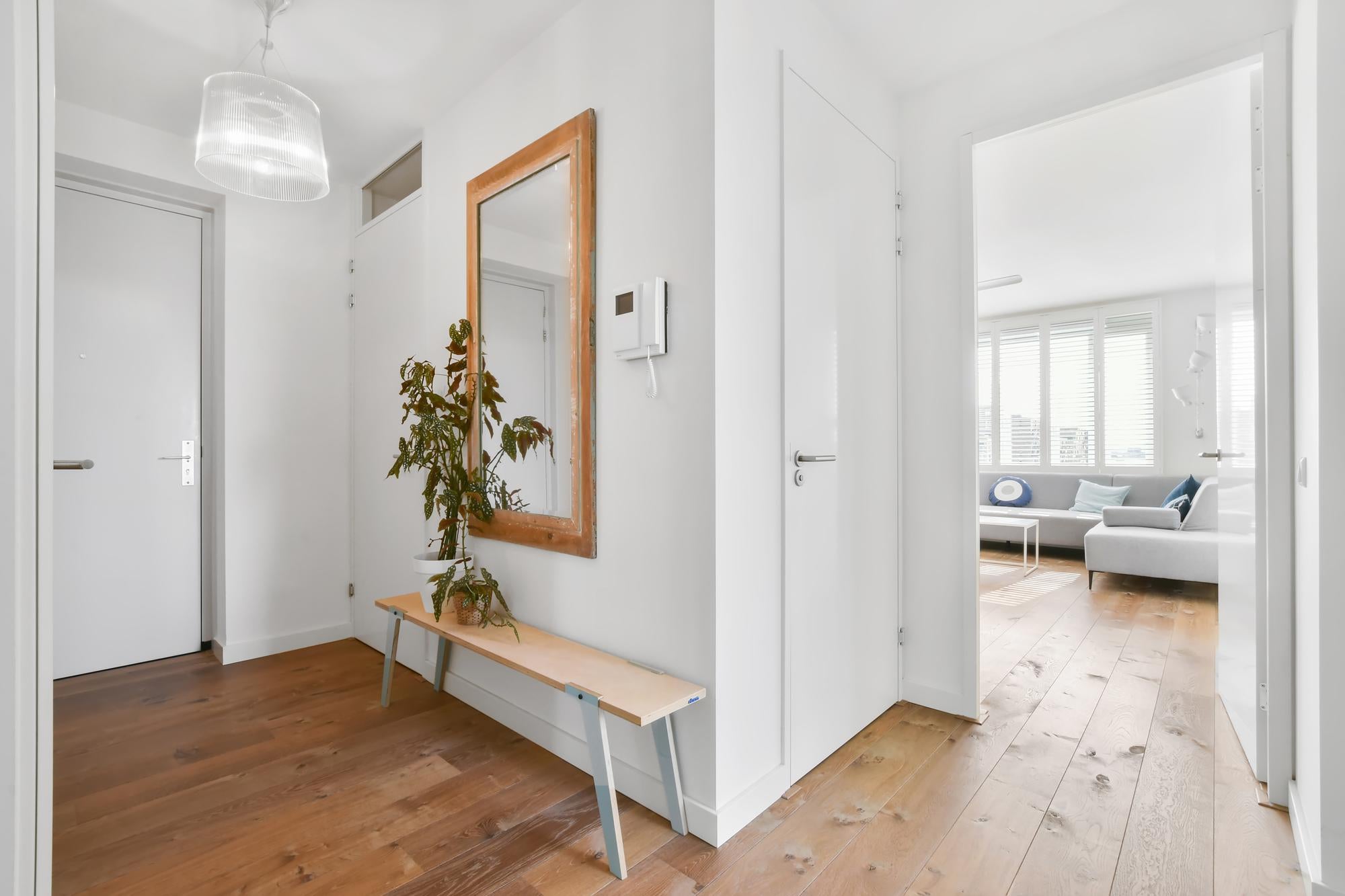
    The flooring is not just the foundation of your hallway’s design but also an opportunity to make a statement. Patterned tiles can add an element of surprise and sophistication, while hardwood floors bring warmth and timeless elegance. This is a vital component of creative hallway ideas.

    Consider the durability and maintenance requirements of your chosen materials, especially in a high-traffic area like the hallway.

    Area rugs or runners can add color, texture, and comfort underfoot, while also helping to define the space. Choose designs that complement the hallway’s overall aesthetic and consider anti-slip backings for safety.

    This layer of decor not only enhances the visual appeal but also contributes to a cozy and inviting entrance, perfectly aligning with innovative hallway ideas that combine functionality and style.

    Read More: Cheap Wood Panels for Walls: Transform Your Space on a Budget

    5. Smart Storage Solutions
    Hallway Ideas

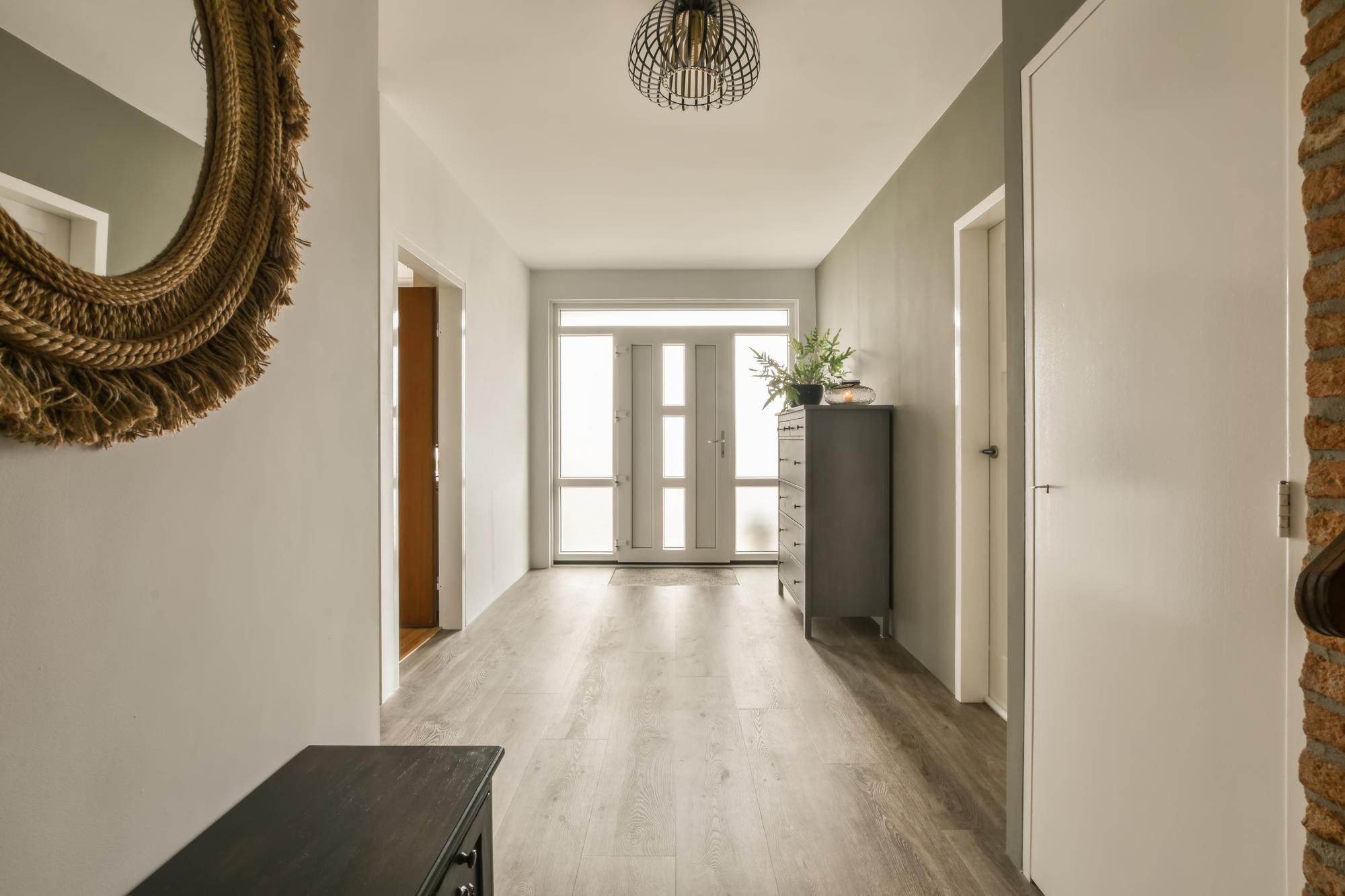
    Effective storage solutions are key to maintaining an organized and welcoming hallway. Built-in units, such as closets or shelving, can keep items neatly stored away, while decorative baskets or boxes can hide everyday clutter.

    Prioritize flexibility and accessibility in your storage design to accommodate a variety of items, from seasonal accessories to daily essentials.

    For homes lacking built-in storage, creative alternatives like wall hooks for coats and bags, or a slim shoe cabinet, can offer practical solutions without compromising on style.

    These additions help to keep the hallway tidy and functional, ensuring a positive first impression for both residents and guests alike.

    6. Color Schemes and Textures
    Hallway Ideas

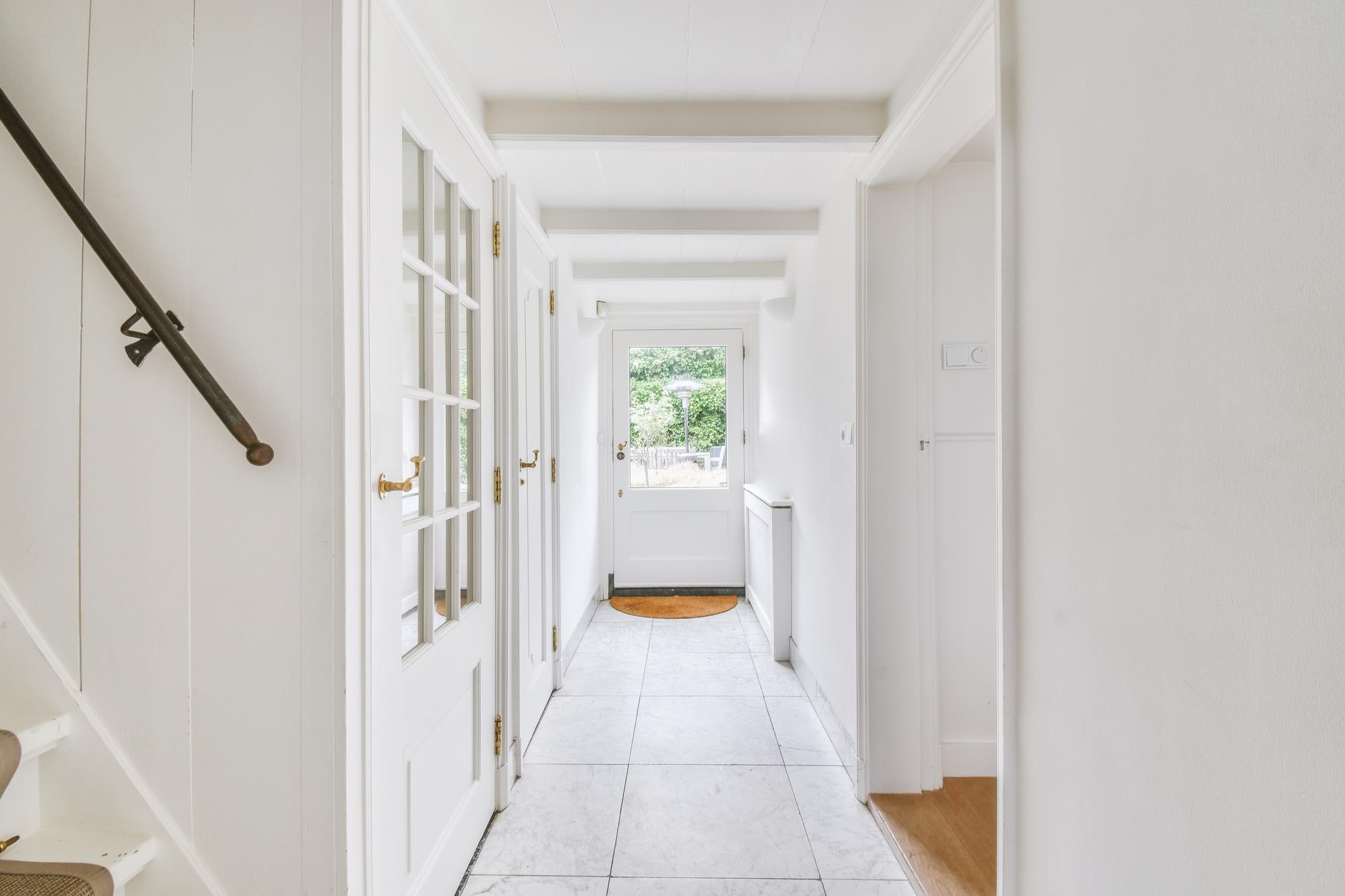
    Choosing the right color scheme can significantly influence the mood of your hallway. Light and neutral tones can make the space feel larger and more airy, ideal for smaller or darker hallways.

    For a bolder statement, consider accent walls or vibrant artwork that injects personality into the space.

    Incorporating different textures through wall finishes, textiles, or decorative elements adds depth and interest to the hallway. Materials such as wood, metal, and fabric can coexist harmoniously, offering tactile and visual variety that enriches the space’s aesthetic.

    Experimenting with texture can transform the hallway into a sensory experience that delights and welcomes.

    Read More: 5 Best Modern PVC Wall Panel Design for Bedroom in 2023

    7. Greenery and Natural Elements
    Hallway Ideas

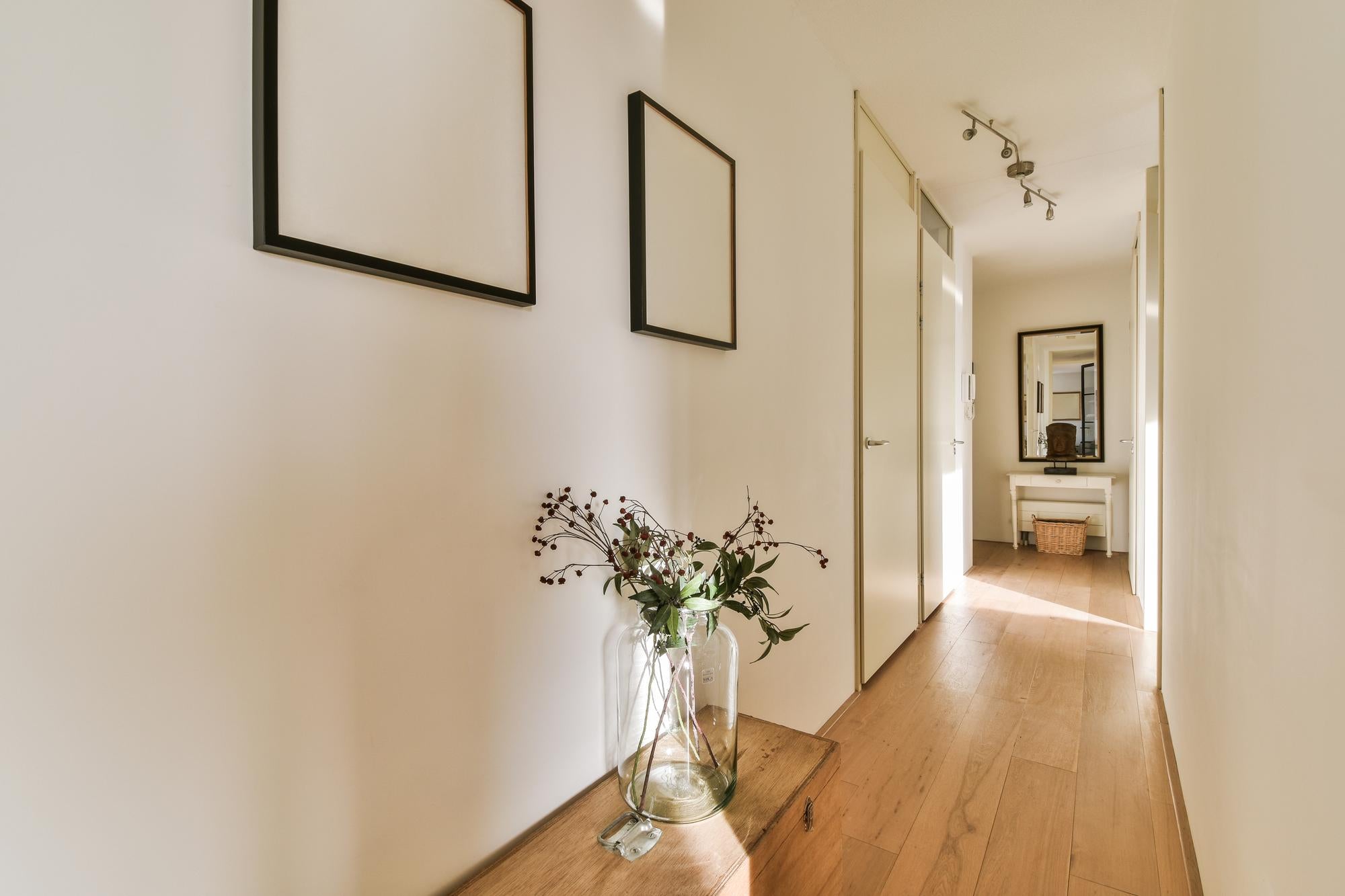
    Plants not only enhance the visual appeal of the hallway but also improve air quality, making the entrance to your home feel fresh and inviting.

    Consider incorporating planters that match your decor style, or hang plants from the ceiling if floor space is limited. This touch of nature can make a significant difference in creating a welcoming atmosphere.

    Beyond greenery, integrating natural elements like wood, stone, or bamboo into your hallway design adds warmth and texture. These materials can be introduced through flooring, furniture, or decorative accents.

    They help to create a serene and grounded environment, welcoming anyone who steps into your home with an embrace of natural beauty.

    8. Innovative Technology
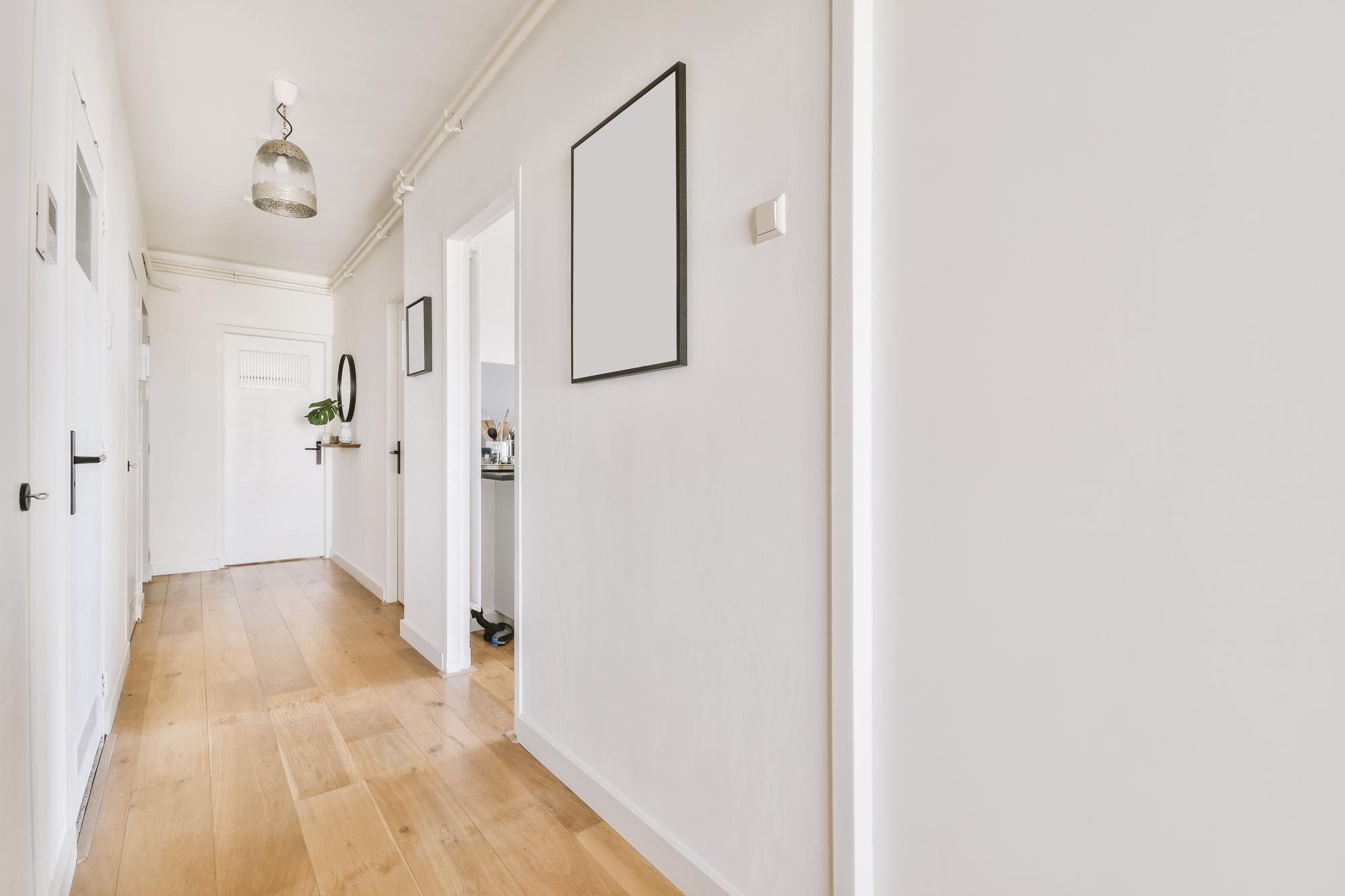
    Hallway Ideas

    Incorporating smart technology into your hallway design can add a layer of convenience and security to your home. Smart lighting systems that can be controlled via smartphone or voice commands not only provide flexibility in adjusting the ambiance but also contribute to energy efficiency.

    Automated systems can welcome you home with light, making the space feel inviting at any hour.

    Security cameras or smart doorbells integrated into your hallway design offer peace of mind, allowing you to monitor your entrance remotely.

    For a touch of modernity, consider digital frames that can display art or family photos and change them according to your mood or season, adding a personalized and dynamic element to your hallway’s decor.

    Read More: Mastering the Process: How to Install Shower Wall Panels Like a Pro

    Keep Exploring: Hallway & Small Space Design

    Conclusion

    As we move into 2024, the importance of designing a hallway that combines aesthetics with functionality has become increasingly clear. These hallway ideas are not just about creating a space that makes a great first impression but also about ensuring that it reflects your personal style and meets the practical needs of your daily life.

    By considering lighting, furniture, decor, flooring, storage, color schemes, natural elements, and technology, you can transform your hallway into an inviting and efficient entrance that sets the tone for the rest of your home. Embracing these diverse hallway ideas lets your hallway be a testament to your commitment to both beauty and functionality, welcoming everyone with open arms and a glimpse into the heart of your home.
  • Is Oak Wood Right for You? Benefits & Interesting Facts

    Is Oak Wood Right for You? Benefits & Interesting Facts

    Oak wood is a type of hardwood obtained from oak trees that is highly valued as a material for construction, furniture, and herbal medicine.

    Oak trees have a long history and can live up to 200 years. These mighty trees are also the national trees of several countries, including the United States, England, France, Germany, and many more.

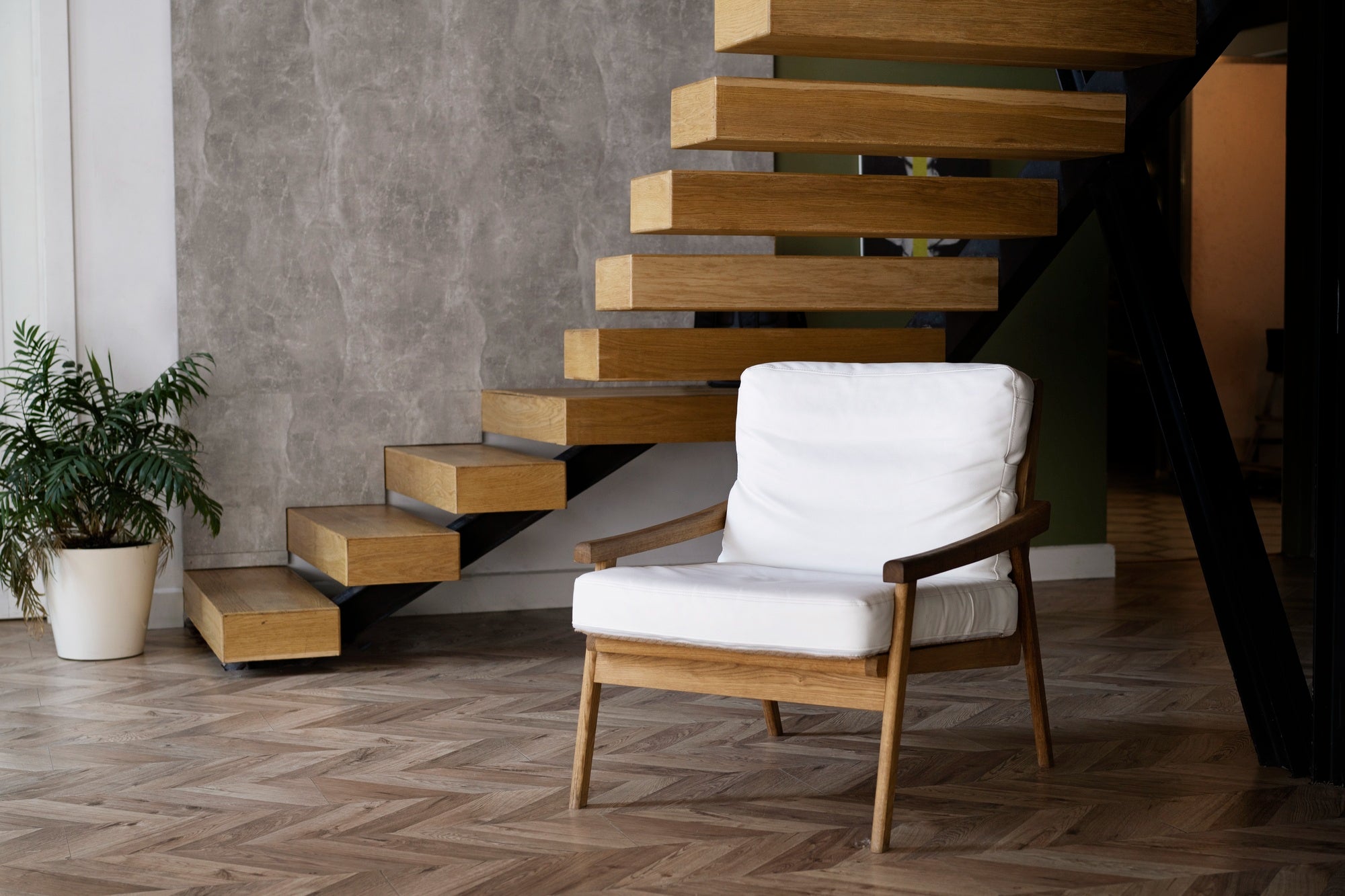
    In the United States, oak ranks high among the most common woods used for flooring and furniture. Wood like this is popular among the Amish, famous furniture designers like Gustav Stickley and Frank Lloyd Wright, and the traditional, artisan, and mission styles of furniture.

    Oak lasts a long time, is simple to carve, and may be left unfinished or stained to suit your taste. Also, because of its high BTU content, it burns more efficiently than other woods.

    Oak wood is one of the most easily identifiable species due to its distinctive grain pattern and wide range of colors. It has been around since before colonization and is being used now for a variety of household purposes.

    This makes it an essential component of classic design, but its adaptability also makes it ideal for contemporary pieces.

    Here are some interesting facts about oak wood:

    What Color is Oak Wood?

    Is Oak Wood Right for You

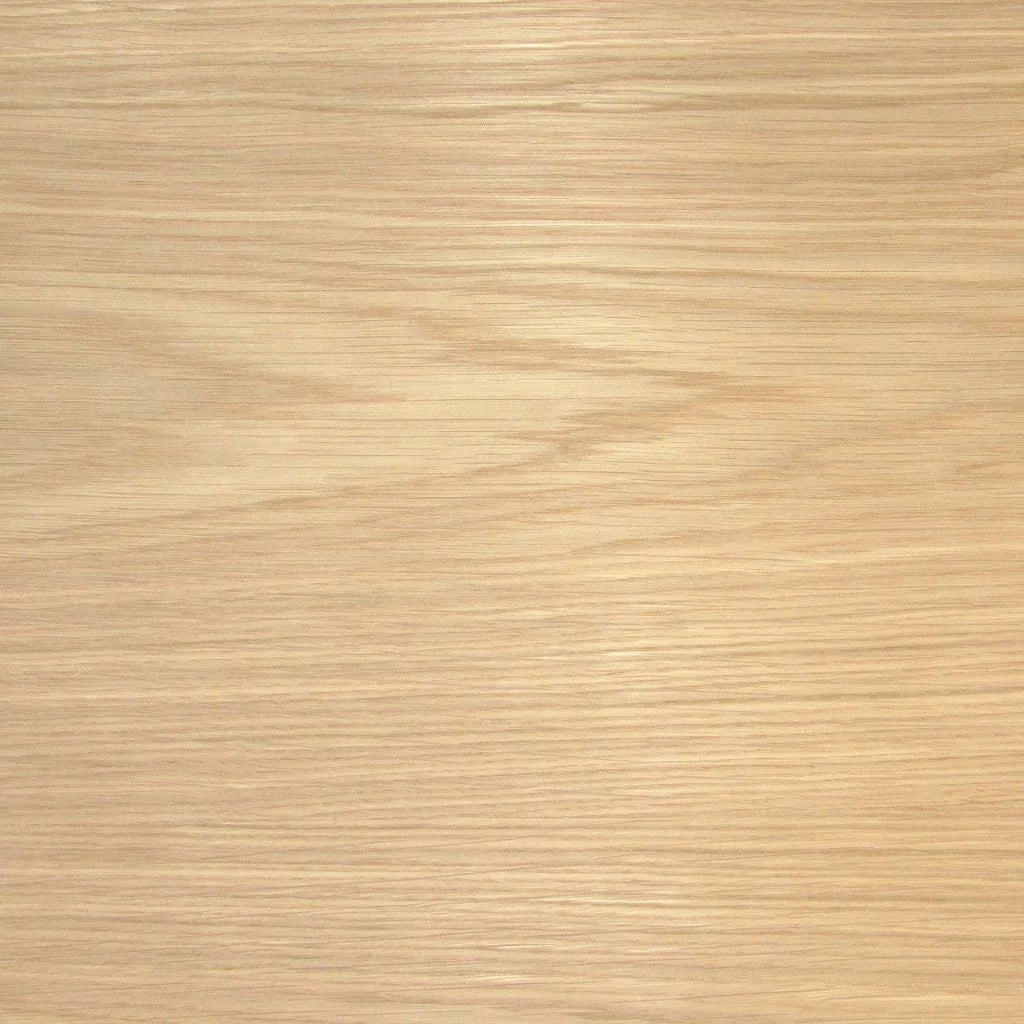
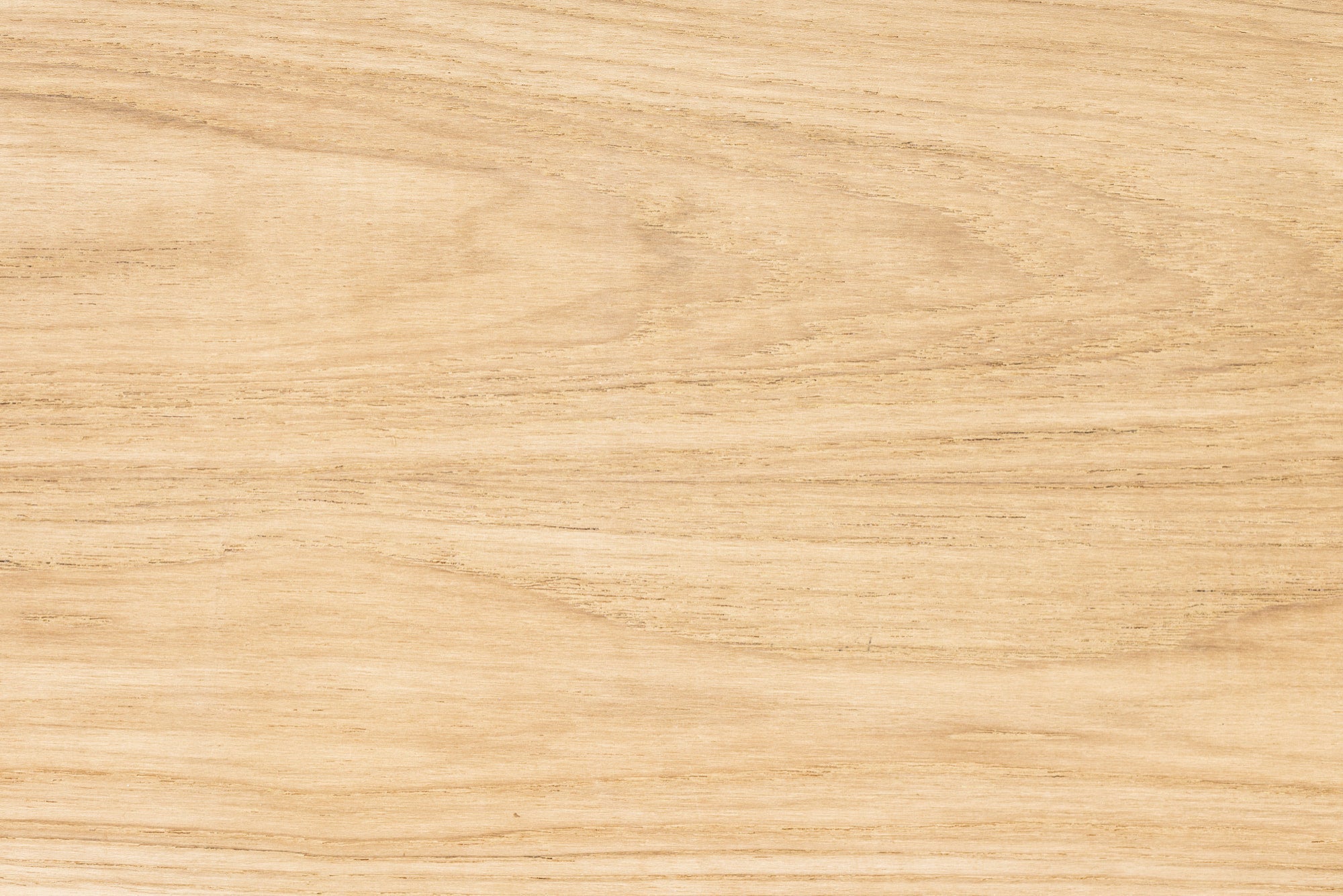
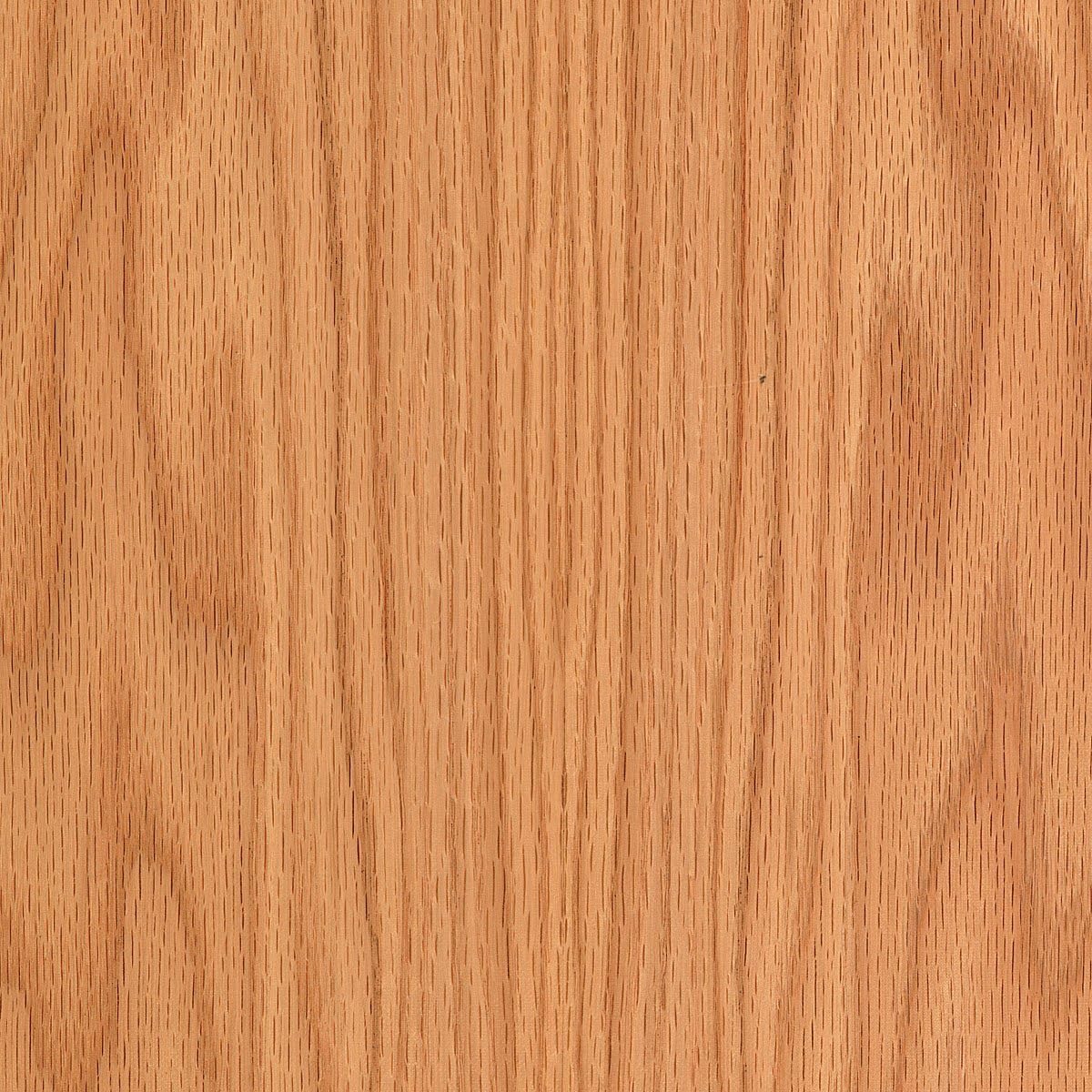
    Oak wood, in its natural state, may take on almost any color, from pale beige to deep brown and even crimson. It is not always simple to distinguish between the different kinds of oak only by looking at their colors; nevertheless, white oak is often more beige-to-brown and red oak is more rosy in appearance.

    In addition, various parts of the same oak tree might have varied hues. Red oak and white oak both stain nicely, so the same piece of wood can appear as black as walnut or as brilliant as an entire room when stained a lively shade.

    In most trees, there is a noticeable change in hue from the innermost, or heartwood, layer to the outermost, or sapwood, which is the layer nearest to the bark and responsible for transporting nutrients.

    The sapwood of oak trees is often lighter in color, however this is not always the case. In certain cases, the sapwood and heartwood of an oak tree seem to disappear into one another.

    Types of Oak Wood

    Is Oak Wood Right for You

    There are an estimated 600 species of oak trees worldwide, but broadly speaking, oak wood can be divided into two types: white oak and red oak.

    Both have their own benefits due to their different characteristics. However, both are hardwoods and are equally beautiful for use in furniture and other crafts.

    1. White Oak

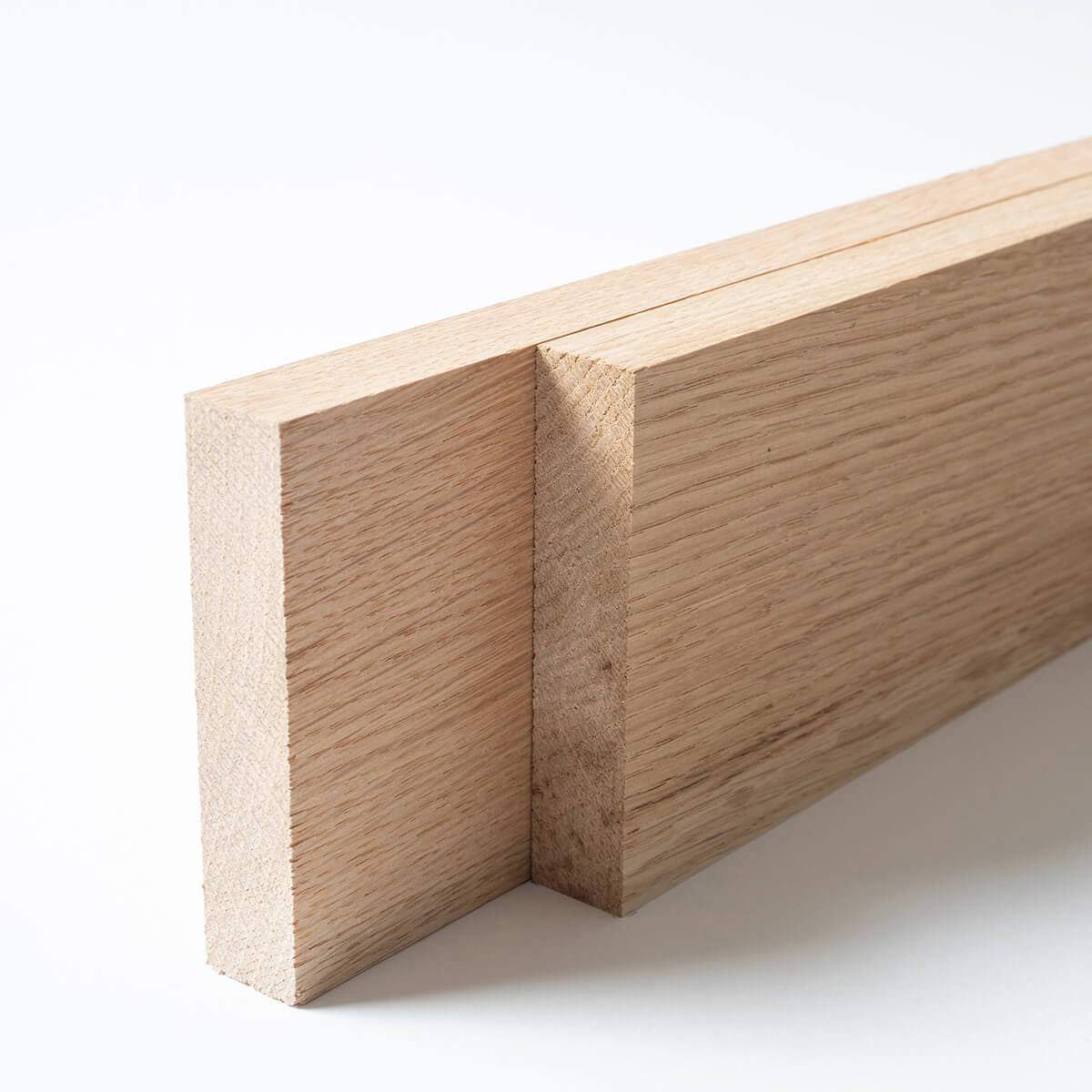
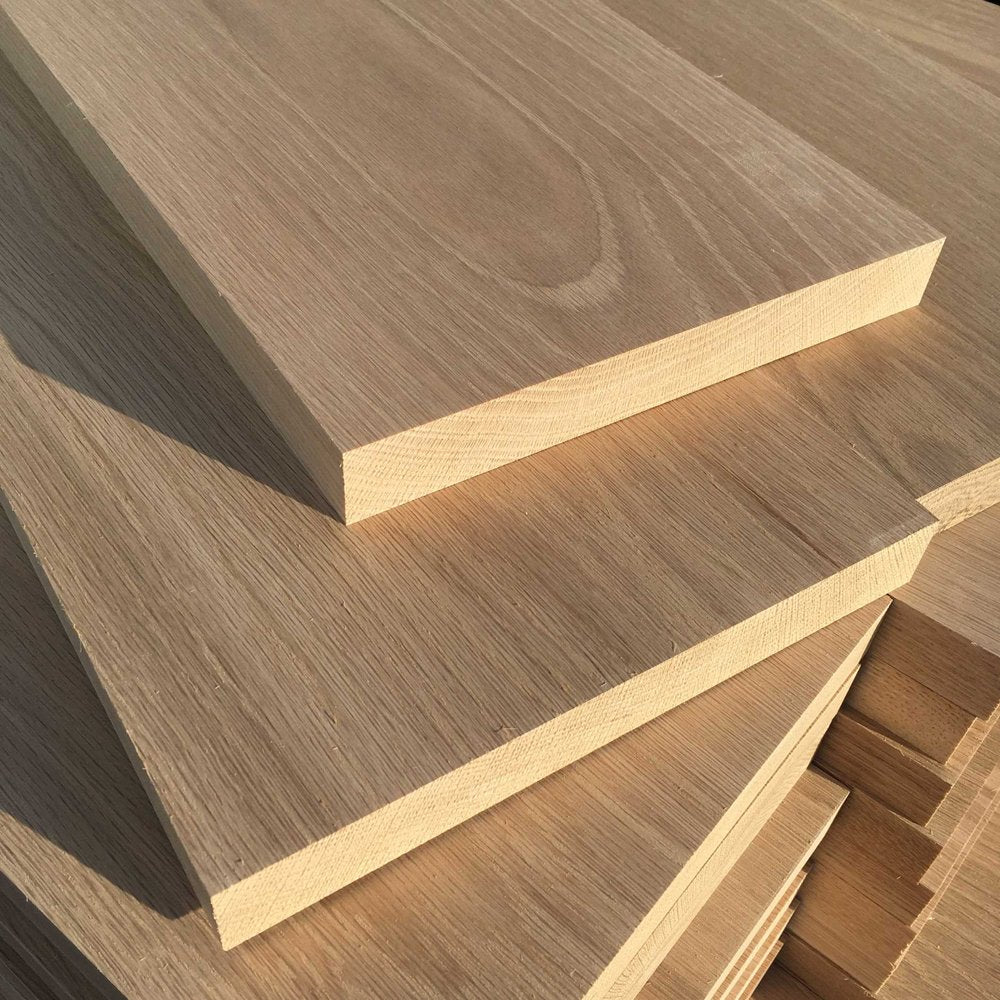
    White oak (Quercus Alba) is preferred for construction and flooring and white oak is slightly harder than red oak. Even so, the difference is not too significant, and both are durable woods for furniture and flooring.

    White oak is also known to be more resistant to decay and is suitable for outdoor furniture. White oak that has been through some processing is also fine for use in bathrooms and other damp areas.

    The color of white oak tends to be more yellow-brown with a uniform color. White oak is also denser, making it easier to accept stain or polish evenly.

    Some varieties of white oak include:

    Bur Oak (Quercus macrocarpa)
    Chestnut Oak (Quercus prinus)
    English Oak (Quercus robur)

    2. Red Oak

    Red oak (Quercus Rubra) grows widely in northern climates such as North America. This wood can be recognized by its rough texture and straight grain.

    Red oak is often chosen by craftsmen to make furniture such as cabinets. This kind of oak trees can grow in urban areas and are better at absorbing pollution than other trees.

    Red oak has a color that tends to be reddish with variations from light cream to dark red. Compared to white oak, red oak is not as resistant to decay because its pores are larger, so it is more suitable for indoor use.

    In terms of price, red oak is priced below white oak due to its larger population and ease of processing.

    Some examples of red oak varieties are:

    Black Oak (Quercus velutina)
    Pin Oak (Quercus palustris)
    Willow Oak (Quercus phellos)

    Read More: Mastering the Process: How to Install Shower Wall Panels Like a Pro

    Uses of Oak Wood

    Is Oak Wood Right for You

    There are many uses for oak wood due to its naturally strong nature and beautiful appearance. Oak trees are also usually very large, resulting in a large amount of wood that can be used. Here are some of the uses and benefits of oak wood:

    1. As a material for furniture and construction

    Furniture makers chooses oak wood as a material for its furniture because of its resistance to moisture, this wood does not easily swell and shrink. Hard and premium quality oak wood is also very durable, making it ideal for wooden floors, cabinets, cupboards, and other custom made wood furniture.

    2. Traditional medicine

    Oak wood also has medicinal benefits for humans, for example as an external medicine it can act as an analgesic (pain reliever). Decoction of wood and bark can be consumed as tea, effective for curing diarrhea and bleeding.

    Other types of oak are also known to be used as medicines, such as Bur Oak which is used by Native Americans for heart disease and astringents as wound dressings.

    3. As a material for making barrels

    Barrels or wooden barrels are usually used as storage containers for alcoholic beverages for the aging process, such as wine, whiskey, or Scotch.

    Oak wood is naturally resistant to liquids, so it can be used repeatedly without even a waterproof coating. Drinks stored in oak barrels will give off a unique aroma, color, and flavor.

    Unique Facts about Oak Wood

    Is Oak Wood Right for You

    Oak wood is not only used for building materials, but also has some unique facts that make this tree so mighty.

    1. Contains anti-termite and anti-fungal agents

    Naturally, oak wood contains tannin, which makes this tree very resistant to attack by insects such as termites and fungi. In addition, this wood is also naturally resistant to water, therefore oak trees do not easily rot and can live for a very long time.

    2. The oldest tree in the world

    The Jurupa Oak is one of the oldest living things in the world. Located in California, this tree is estimated to be over 13,000 years old. Meanwhile, other types of oak trees can live for an average of over 200 years and reach an average height of 20 meters.

    3. Considered a sacred tree

    Having existed for thousands of years, the oak tree also has cultural value and is considered sacred by some communities. For example, in Greek mythology, the oak tree is believed to be associated with Zeus and Jupiter.

    Read More: 5 Best Modern PVC Wall Panel Design for Bedroom in 2023

    There Are Various Varieties of Oak Trees

    Is Oak Wood Right for You

    The fact that there isn’t just one kind of oak tree contributes to the diversity in oak’s appearance. In fact, the US is home to more than 60 different types.

    Red and white oak are the most popular species for usage in furniture and other home décor items. Because of their longevity, both options look great and are practical for households with active members.

    The Color Change in Oak Wood: What Causes It?

    Is Oak Wood Right for You

    Over time, oak wood may develop a somewhat darker tone, like amber. Because of the presence of oxygen and UV radiation, this happens, and it can’t be stopped.

    The color change is so subtle on oak furniture that most people won’t even notice it’s happening. They might be able to get it if they buy a set piece by piece or wait a few years to see if they can find a matching one. It is usually wise to get a whole set at once because of this.

    Read More: Cheap Wood Panels for Walls: Transform Your Space on a Budget

    How Commonly Is Oak Wood Used?

    Is Oak Wood Right for You

    Due to its long lifespan, ease of working with, and inherent beauty, oak wood is highly regarded for its usage in furniture production, flooring, and cabinets.

    Traditionally, white oak has been used to make wine barrels and boats because to its slight resistance to water. Oak barrels are a common choice for aging liquors.

    While solid oak is the material of choice for the majority of mission furniture, cherry and maple are also popular choices (you’ll notice that the majority of our item photographs include cherry furniture).

    How Does Oak Wood’s Grain Pattern Appear?

    Is Oak Wood Right for You

    Typically, oak wood has an irregular texture and a straight grain. But there are additional features of oak grain that set it apart. Pores are where white oaks get their water resistance, for instance. Tyloses completely encase them.

    Red oak’s pores are open and its cellular development is different. The rays that run parallel to the grain are another distinguishing feature of oak.

    There are instances when red oak seems like someone drew dotted lines on the board with a dark pencil. White oak also has these markings, although they are often somewhat longer.

    Is Oak a Variegated Hardwood or Softwood?

    Is Oak Wood Right for You

    Oak is a hardwood. This distinction doesnt refer to a woods ability to resist damage, though. It has to do with whether the wood came from a dicot or gymnosperm tree.

    Leafy trees are typically from the dicot group, and so theyre all hardwoods. Others, such as pine and fir, are from the gymnosperm group, and thats why theyre called softwoods.

    Read More: How To Install Wall Panelling In Your Home – 5 Simple Steps

    Conclusion

    Are you interested in choosing oak wood to be part of your home? Oak wood can be one of your options when choosing furniture or building materials with timeless quality. With regular maintenance, your oak furniture will surely last a long time and remain beautiful as new.

  • Office Decor Ideas for Work: 17 Ideas to Enhance Productivity for 2026

    Office Decor Ideas for Work: 17 Ideas to Enhance Productivity for 2026

    Many research and study unveiled already the impact the work environment brings on employees. The least it gives is increased employee loyalty which leads to better productivity and then goes down to company revenue. The dynamic effect it has on employee productivity is simply amazing and requires no compromises. Hence, this article will delve into the benefit of good office ideas and the very best office decor for work I have cornered in this 35-year life of mine. 

    How Office Decor Ideas for Work Can Increase Productivity

    How Office Decor Ideas for Work Can Increase Productivity

    The design of a workspace extends far beyond mere aesthetics. It catalyzes productivity, creativity, and overall well-being within the modern workplace. From heightened productivity and creativity to improved employee morale and client impressions, the benefits of a well-designed workspace are extensive and impactful. 

    Here are a few good office decor impacts that professionals have approved:

    • Enhanced Productivity: A thoughtfully decorated workspace is conducive to productivity, providing employees with an environment that minimizes distractions and maximizes focus. Strategic layout planning, ergonomic furniture, and optimized lighting contribute to improved workflow efficiency and task performance.
    • Boosted Creativity: Creativity thrives in an environment that inspires and stimulates the senses. Thoughtful incorporation of color, texture, and artwork can ignite creativity and innovation among employees. Encouraging fresh perspectives and out-of-the-box thinking in problem-solving and ideation processes.
    • Improved Morale and Motivation: An aesthetically pleasing workspace fosters a sense of pride and ownership among employees, boosting morale and motivation. Personalized workstations, inspirational décor, and branded elements create a sense of belonging and identity. Reinforcing employee engagement and loyalty to the organization.
    • Health and Well-Being: The design of the office environment directly impacts employee health and well-being. Access to natural light, greenery, and ergonomic furniture promotes physical comfort and reduces stress levels. Contributing to overall employee wellness and satisfaction.
    • Positive Impression on Clients and Visitors: A well-designed office space not only enhances the experience for employees but also leaves a positive impression on clients, partners, and visitors. Professionalism, attention to detail, and brand identity conveyed through the office design can instill confidence and trust in stakeholders. Strengthening business relationships and reputations.

    17 Office Decor Ideas for Work to Increase Productivity

    Among the many things that can increase the satisfaction of employees with their working environment, a study by Nguyen and team in 2019 found that the inclusion of modern and safe working utilities is a must. Another interesting finding by a group of Ph.D. Wise men reported that the greener the building is, the more appreciated the organization will be. 

    Hence, the following office decor ideas for work not only should look good but also have practical value that’s already been proven by numerous studies. So here it is for you: the 18 best office decor ideas for work in 2024, specially made for you:

    1. Embrace Natural Light

      Natural Light inside an office

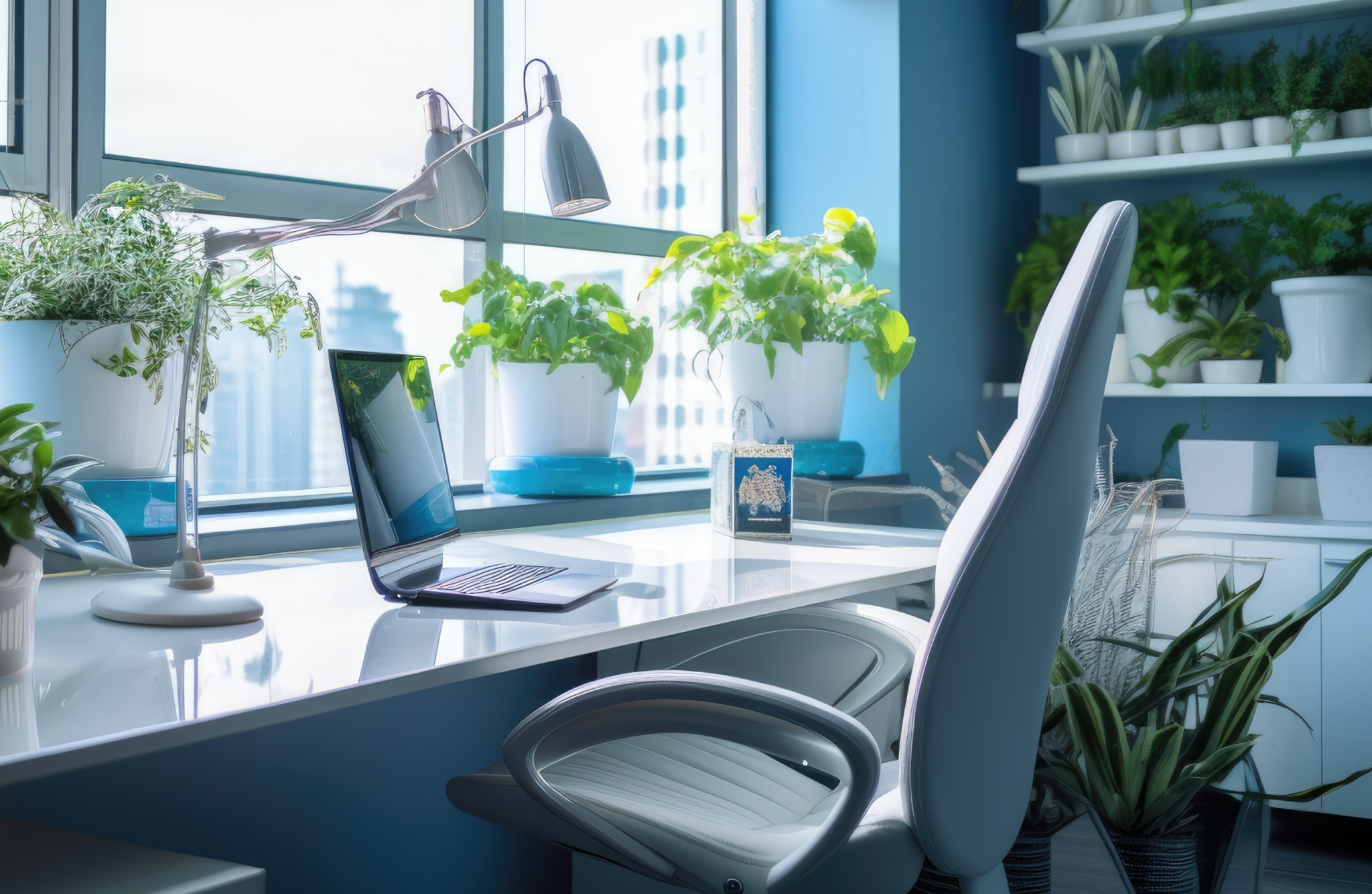
      Maximize the use of natural light by positioning desks and workstations near windows. Natural light not only reduces eye strain but also uplifts mood and energy levels, creating a more positive work atmosphere. 

      Do you know that the higher the level of natural light in a room, the more productive someone will be?

      2. Modular Furniture Solutions

      Modular Furniture Solutions

      Opt for modular furniture solutions that offer flexibility and scalability to adapt to evolving workspace needs. Modular workstations, storage units, and collaborative furniture can be easily reconfigured. Thus, able to accommodate changing team sizes, project requirements, and work styles.

      3. Greenery and Biophilic Design

      Greenery and Biophilic Design

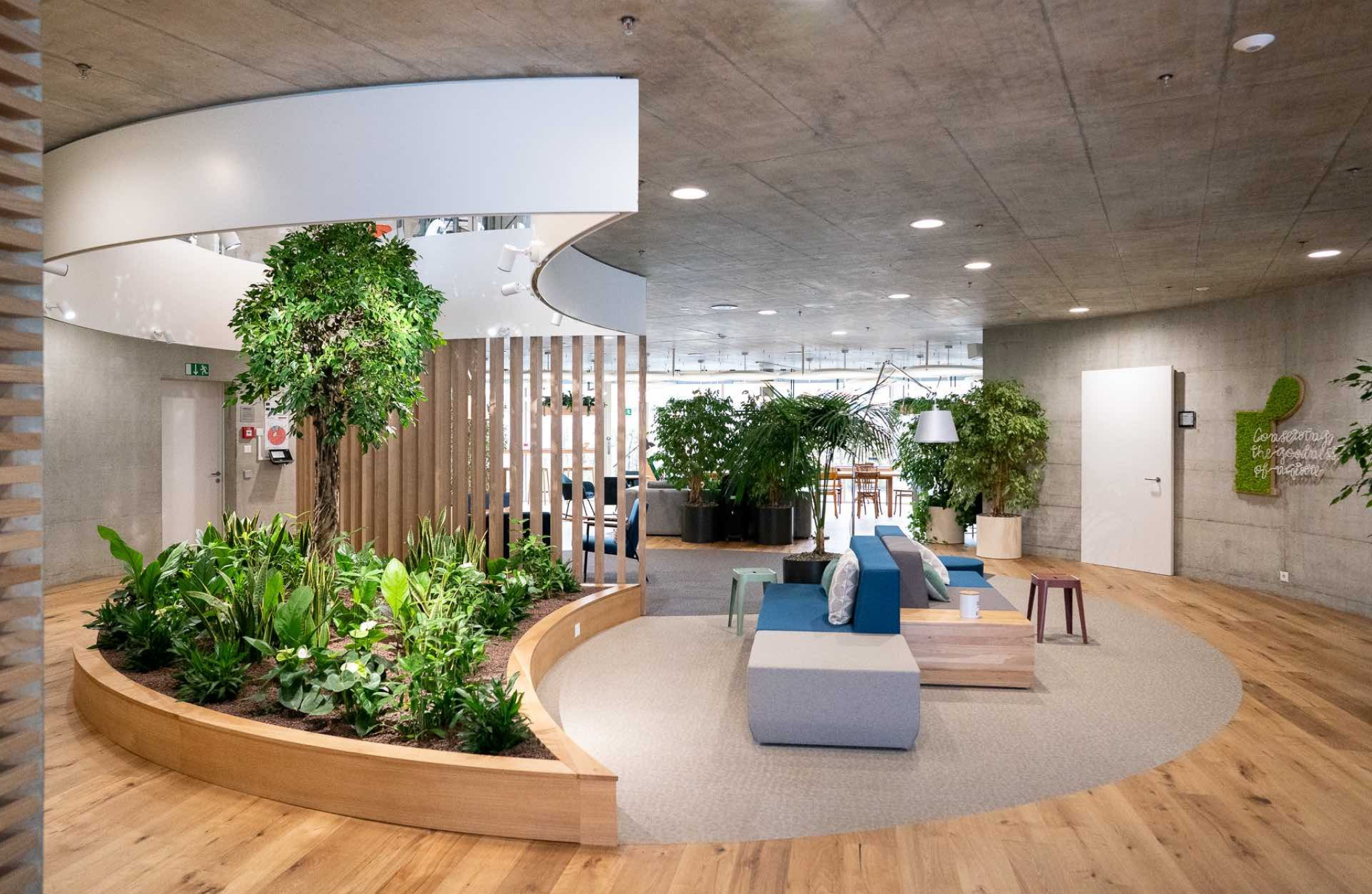
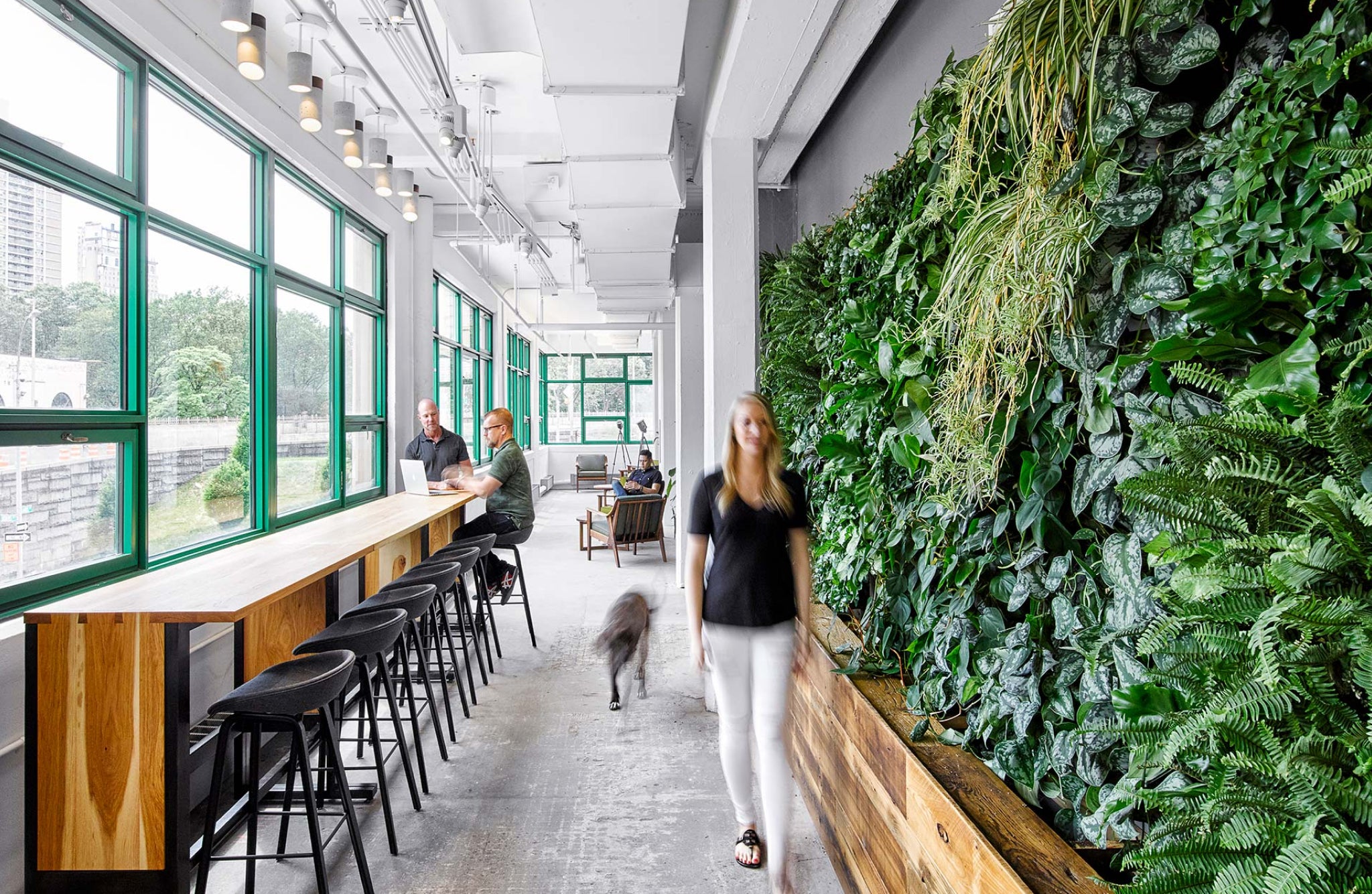
      Incorporate plants and greenery into your office space to bring the outdoors in. Plants not only purify the air but also add a touch of nature, making the workspace more inviting and tranquil. Consider integrating biophilic design elements such as natural materials and textures to create a harmonious environment inspired by nature.

      4. Personalized Workstations

      Personalized Workstations

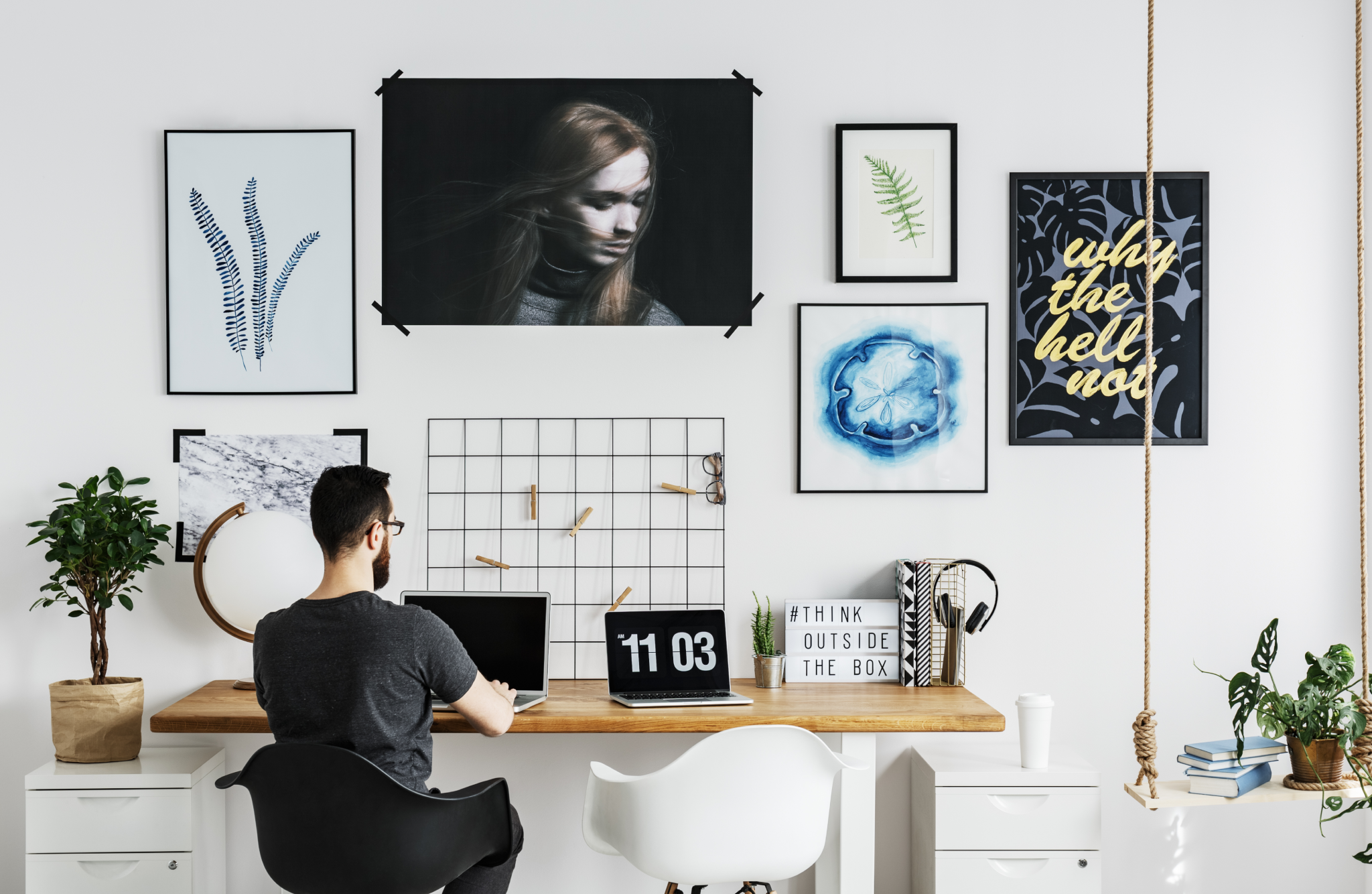
      Encourage individuality and creativity by allowing employees to personalize their workstations. From framed photographs to inspiring quotes and artwork, personalized décor items can boost morale and create a sense of ownership among employees. 

      5. Color PsychologyColor Psychology: calming blue

      Harness the power of color psychology to create a conducive work environment. Opt for calming hues such as blue and green to promote focus and concentration, while pops of vibrant colors like yellow and orange can stimulate creativity and energy.

       Read also: [Spring Sale 2024] Essential Tips for Your Outdoor Decor

      6. Wall Decor and Artwork

      Wall Décor and Artwork

      Transform blank walls into focal points by incorporating artwork, motivational posters, or decorative wall decals. Artwork not only adds visual interest but also reflects your company’s values and culture, inspiring employees and fostering a sense of community.

      Or, you can install message boards or corkboards in common areas where employees can share inspirational quotes, project milestones, or personal achievements. These boards serve as motivational reminders and encourage positivity and camaraderie among team members.

      7. Multi-Functional Spaces

      Multi-Functional Spaces

      Design flexible and multi-functional spaces that cater to various work activities and collaboration needs. Incorporate comfortable seating areas, brainstorming zones, and quiet corners for focused work, ensuring that employees have access to spaces that suit their work preferences.

      8. Tech Integration

      Tech Integration

      Integrate technology seamlessly into your office design to enhance connectivity and efficiency. Concealed cable management systems, wireless charging stations, and smart lighting solutions can streamline workflow and minimize clutter, creating a clean and organized workspace.

      9. Wellness Zones

      Wellness Zones

      Prioritize employee well-being by incorporating wellness zones into your office design. Consider designating a space for meditation or yoga sessions, providing ergonomic accessories like standing desks or balance boards, and promoting healthy habits such as hydration and movement breaks.

      10. Sustainable Design Practices

      Sustainable Design Practices

      Implement sustainable design practices to minimize environmental impact and promote eco-consciousness within the workplace. Choose eco-friendly materials, energy-efficient lighting fixtures, and low-VOC finishes to create a healthy and sustainable workspace. 

      11. Acoustic Solutions

      Acoustic Solutions

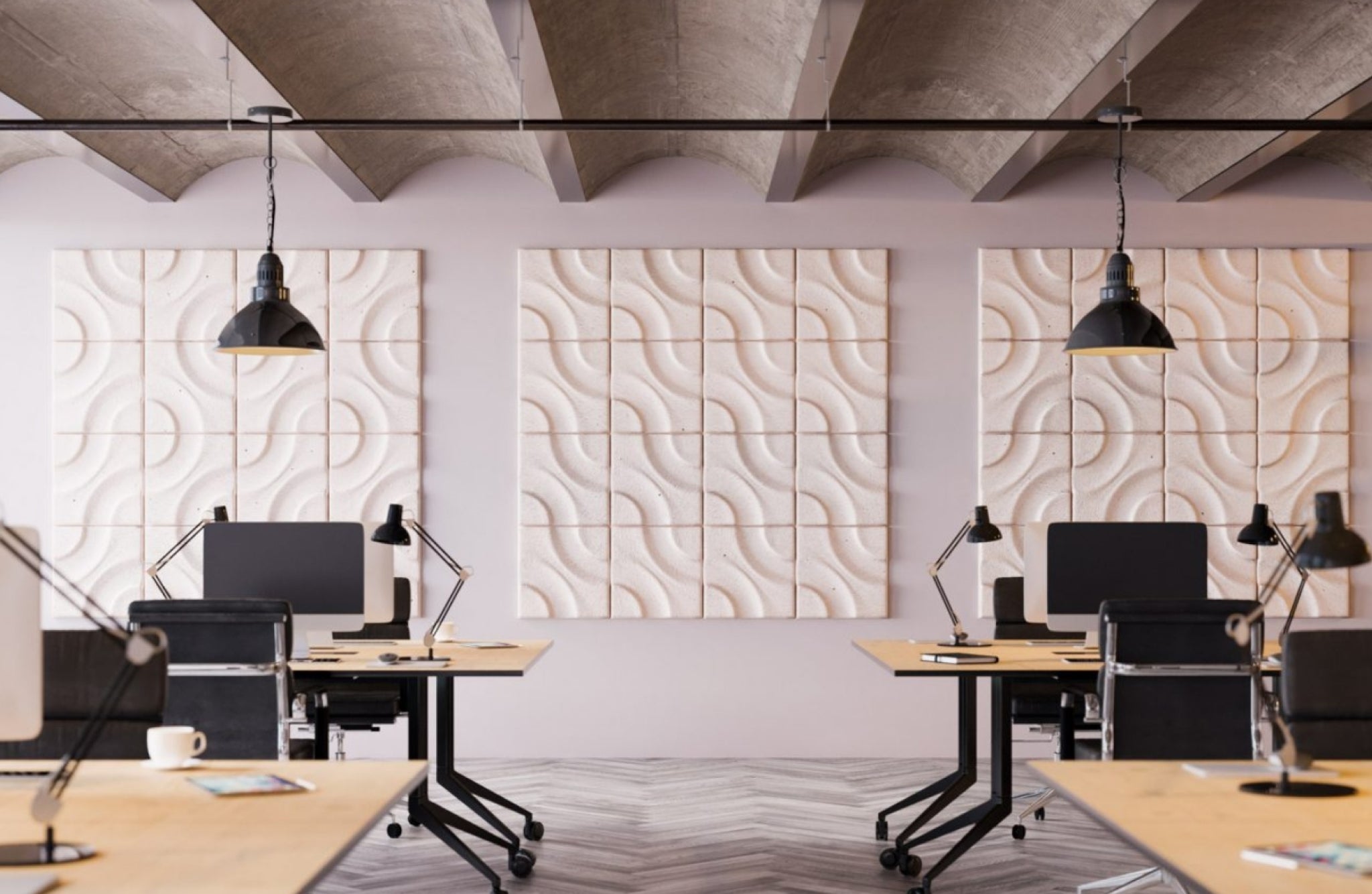
      Integrate acoustic solutions to mitigate noise disturbances and improve sound quality within the office environment. From sound-absorbing wall panels to acoustic ceiling treatments and noise-canceling partitions, these solutions create a conducive atmosphere for focused work and meaningful communication, enhancing productivity and well-being.

      12. Flexible Seating Arrangements

      Experiment with flexible seating arrangements such as lounge areas, standing desks, or collaborative workstations. Providing variety in seating options allows employees to choose environments that best suit their tasks and preferences, promoting comfort and productivity throughout the day.

      13. Themed Zones or Breakout Rooms

      Wellness Zones

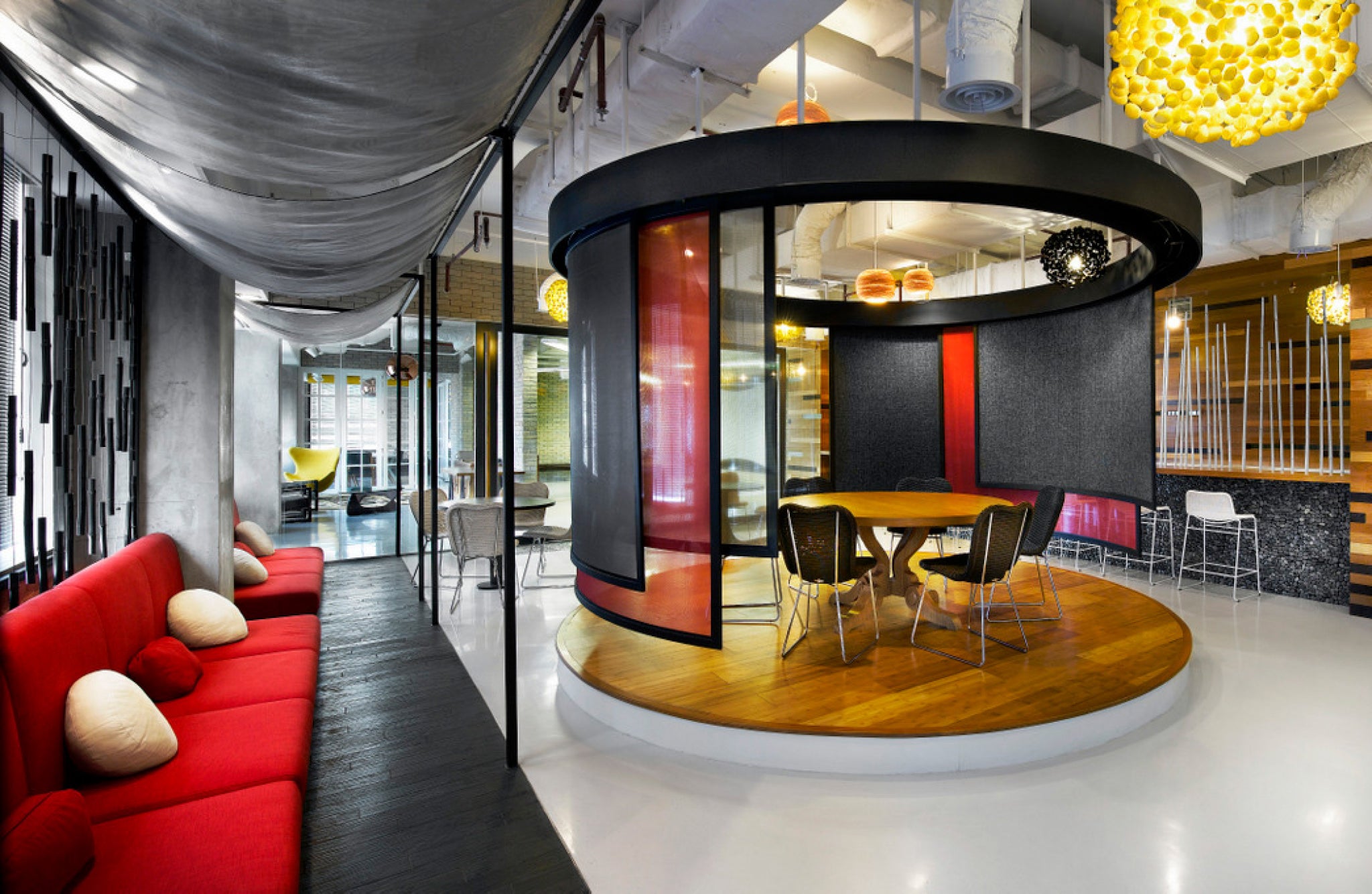
      Create themed zones or breakout rooms inspired by different environments such as libraries, cafes, or outdoor terraces. These designated spaces offer employees a change of scenery and atmosphere, facilitating brainstorming sessions, informal meetings, or relaxation breaks away from their desks.

      14. Customized Branding Elements

      Customized Branding Elements

      Incorporate customized branding elements such as company logos, color schemes, and signage into the office design. From branded murals to custom-designed furniture pieces, these elements reinforce the company’s identity and create a cohesive visual experience that resonates with employees and visitors alike.

      15. Spatial Planning Optimization

      Spatial Planning Optimization

      Utilize spatial planning techniques to optimize the flow and functionality of the workspace. Strategic placement of furniture, partitions, and circulation paths can maximize natural light exposure, minimize noise distractions, and promote seamless collaboration among team members. As a consequence, an efficient and harmonious work environment was achieved.

      16. Texture and Material Selection

      Texture and Material Selection

      Pay attention to texture and material selection to add depth and visual interest to the office design. Incorporate a mix of textures such as wood, metal, glass, and fabric to create contrast and tactile richness. 

      Thoughtful material choices not only enhance the aesthetic appeal but also contribute to the overall sensory experience and perceived quality of the space.

      17. Feedback and Adaptation

      Lastly, continuously seek feedback from employees and be open to adaptation. Your office design should evolve with the changing needs and preferences of your workforce, creating a dynamic and inclusive work environment that nurtures productivity and innovation.

      Read also: 9 Most Unique Hallway Paint Ideas to Dazzle Guests (and Yourself!)

      Conclusion

      In conclusion, the design of your office space plays a pivotal role in shaping the work experience and productivity of your employees. By implementing these office décor ideas, you can create a workspace that not only looks aesthetically pleasing but also fosters collaboration, creativity, and well-being, ultimately contributing to the overall success of your organization.

      To share is to care. Share your understanding and this article with friends and colleagues. Or boss if you may dare. See you in another section, see you later, dear reader!

    1. 9 Most Unique Hallway Paint Ideas to Dazzle Guests (and Yourself!)

      9 Most Unique Hallway Paint Ideas to Dazzle Guests (and Yourself!)

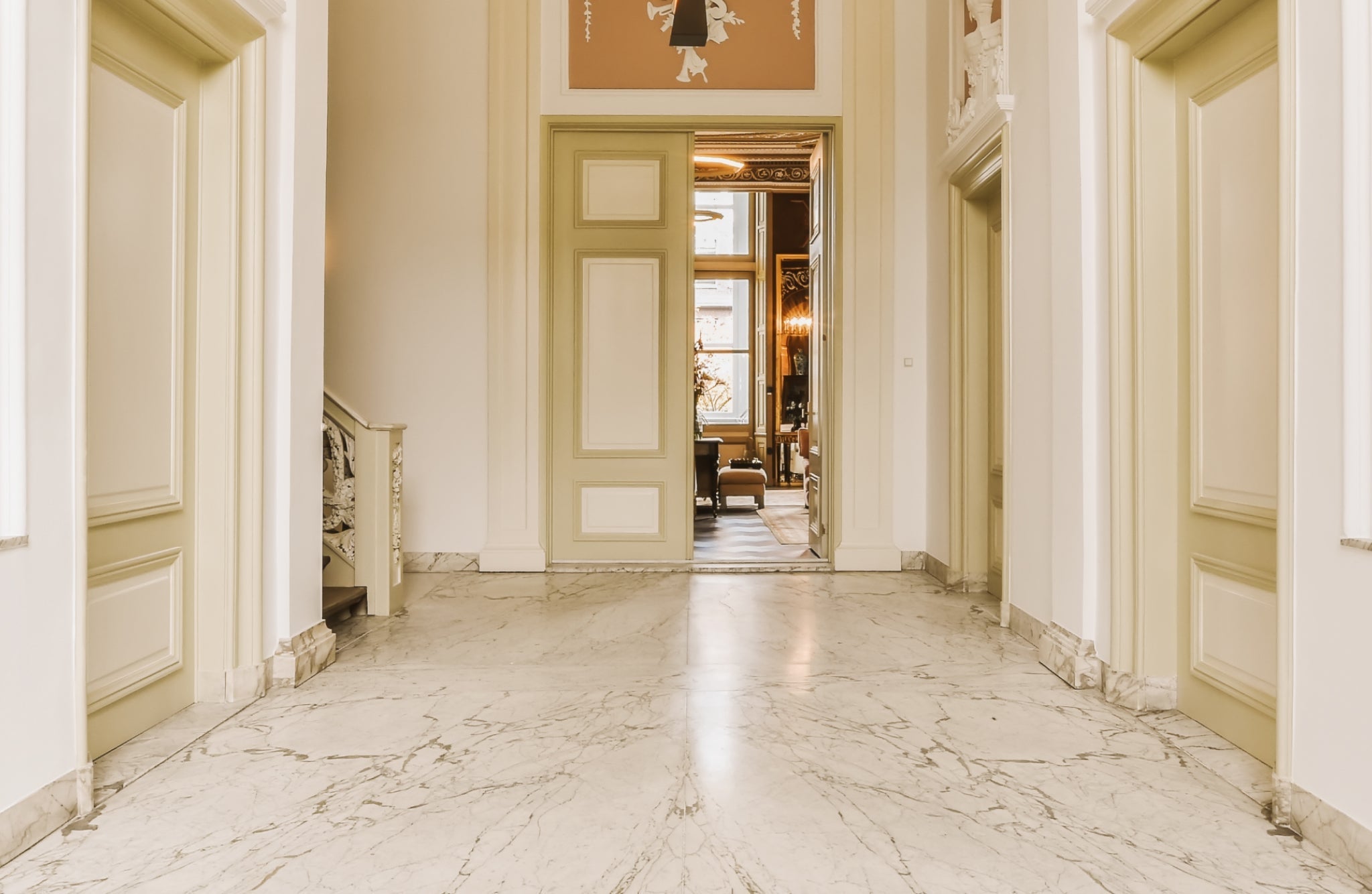
      Hallways are often neglected in the world of interior design. They serve as the quiet bridges between rooms and rarely get the attention they deserve. However, hallways have the potential to be so much more than just a pathway. With a little creativity, they can be transformed into vibrant showcases that set the tone for your entire home. 

      Imagine entering a house where even the hallway tells a story, inviting you to discover what lies ahead. That’s the magic of well-thought-out hallway paint ideas—they turn ordinary corridors into unforgettable spaces that leave a lasting impact.

      Hence, I will share some of the best hallway paint ideas I have come across in my 35 years of life. 

      The Importance of the Hallway

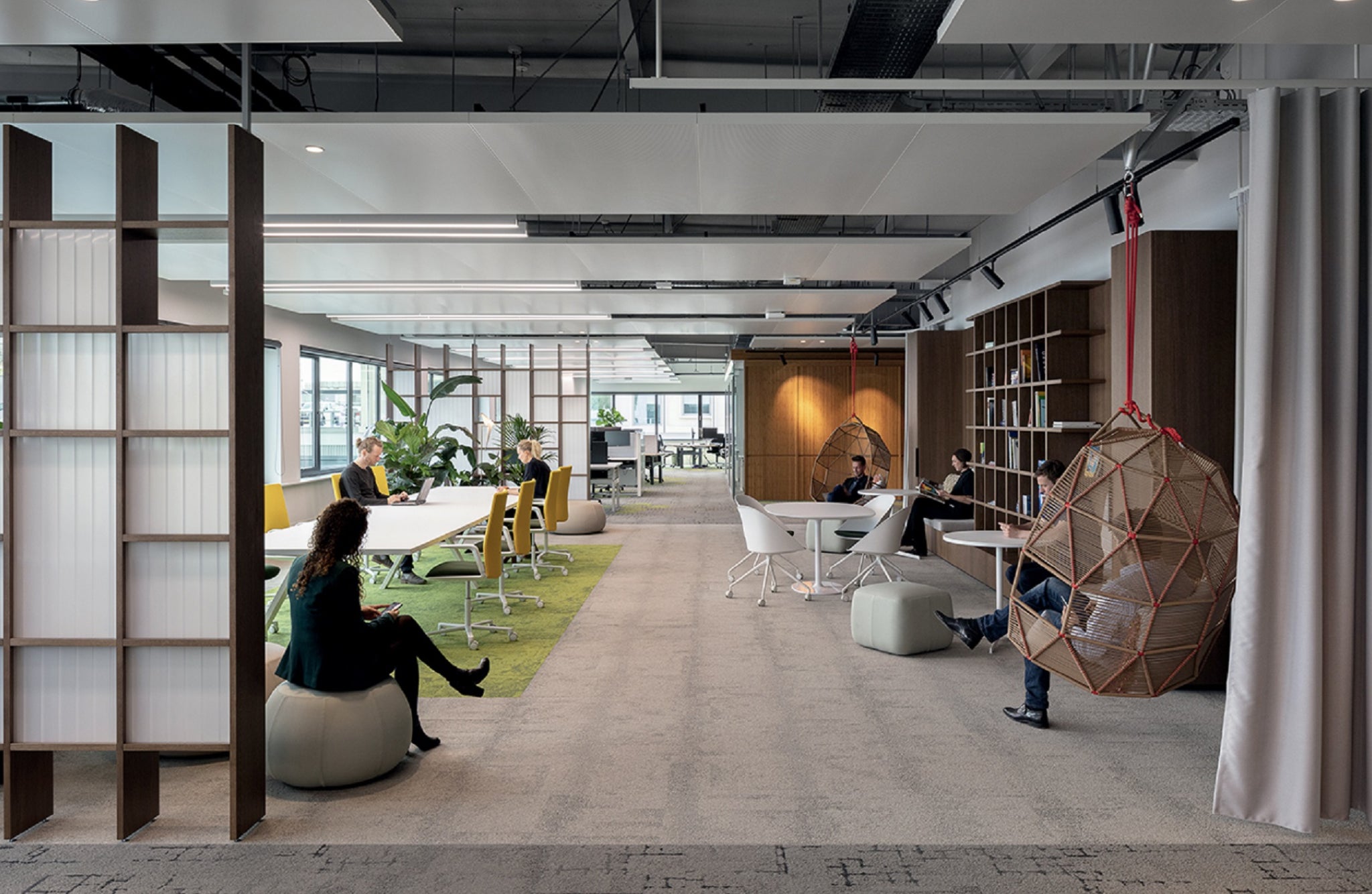
      white nice looking hallway

      The hallway, often a forgotten canvas in our homes, holds immense potential to become a vibrant reflection of your style and personality. Here’s why it’s worth paying attention to:

      • First Impressions: Your hallway is the initial glimpse visitors have of your home. It’s your opportunity to make a statement and set the tone for what’s to come.
      • Transitional Charm: Beyond being a passage between rooms, the hallway acts as a bridge, seamlessly connecting different areas of your home. Painting it with care enhances the flow and coherence of your interior design.
      • Spatial Perception: A well-designed hallway can also affect how spacious your home feels. By utilizing light colors and strategic design elements, you can visually expand the area, creating a sense of openness and airiness.

      Read also: Hidden Door Ideas: Discover the Magic of Secret Doors

      Creative Hallway Paint Ideas

      Now, let’s sink ourselves into these delightful creative hallway paint ideas that either I’ve touched with my finger or seen through a friend. Hence, get ready to be inspired by the endless possibilities of paint colors, patterns, and textures that can transform any hallway into a stunning work of art. Here you go:

      1. Metallic Accents

      Hallway paint ideas with Metallic Accents

      Add a touch of glamour to your hallway with metallic paint accents. Choose metallic hues like gold, silver, or bronze to create a luxurious and opulent atmosphere. You can incorporate metallic accents by painting trim, molding, or even creating subtle geometric designs on the walls. 

      The reflective properties of metallic paint will enhance the natural light in your hallway, creating a warm and inviting ambiance. Sure a little dazzling, but so much amazing. 

      1. Monochromatic Elegance

      Hallway painted in yellow with monochromatic style

      Embrace the timeless beauty of monochromatic design by painting your hallway in varying shades of the same color. Choose a base color and then select lighter and darker tones to create depth and dimension. 

      This sophisticated approach adds a sense of cohesion and sophistication to your hallway while allowing you to experiment with different textures and finishes. Consider incorporating elements like wainscoting or chair rails to further enhance the monochromatic scheme.

      1. Whimsical Stencils

      hallway painting ideas with Stencils

      Infuse your hallway with charm and personality by using stencils to create whimsical patterns or motifs on the walls. Whether it’s playful polka dots, intricate damask designs, or whimsical florals, stencils offer endless possibilities for customization. 

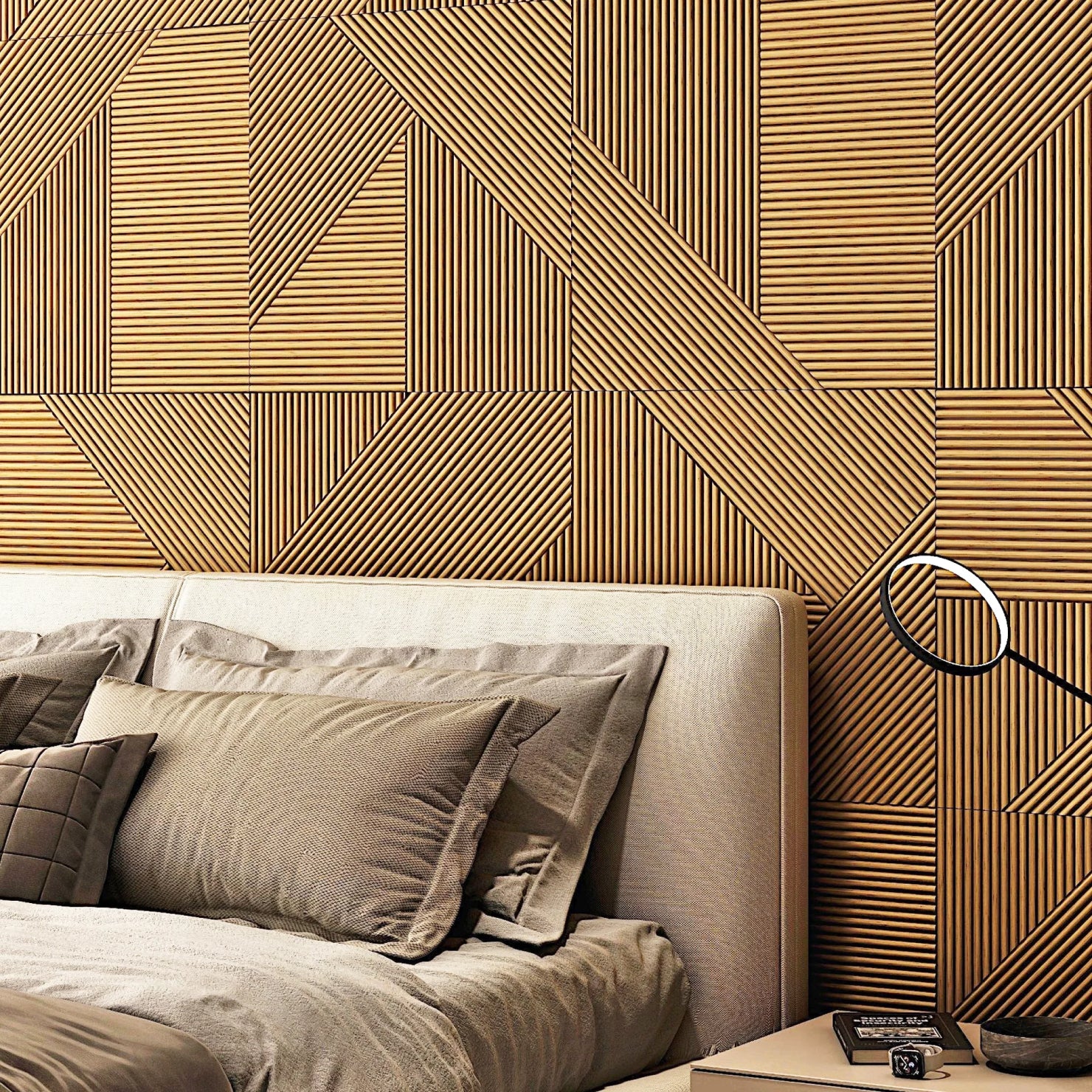
      Experiment with different colors and stencil sizes to achieve the desired effect. Stenciling is a cost-effective way to add visual interest to your hallway walls and can easily be customized to suit your unique style and preferences. For a permanent patterned finish, our GroovePanel mosaic wood wall panels deliver intricate natural patterns without any painting required.

      1. Go for Two-Tone

      yellow and blue color hallway

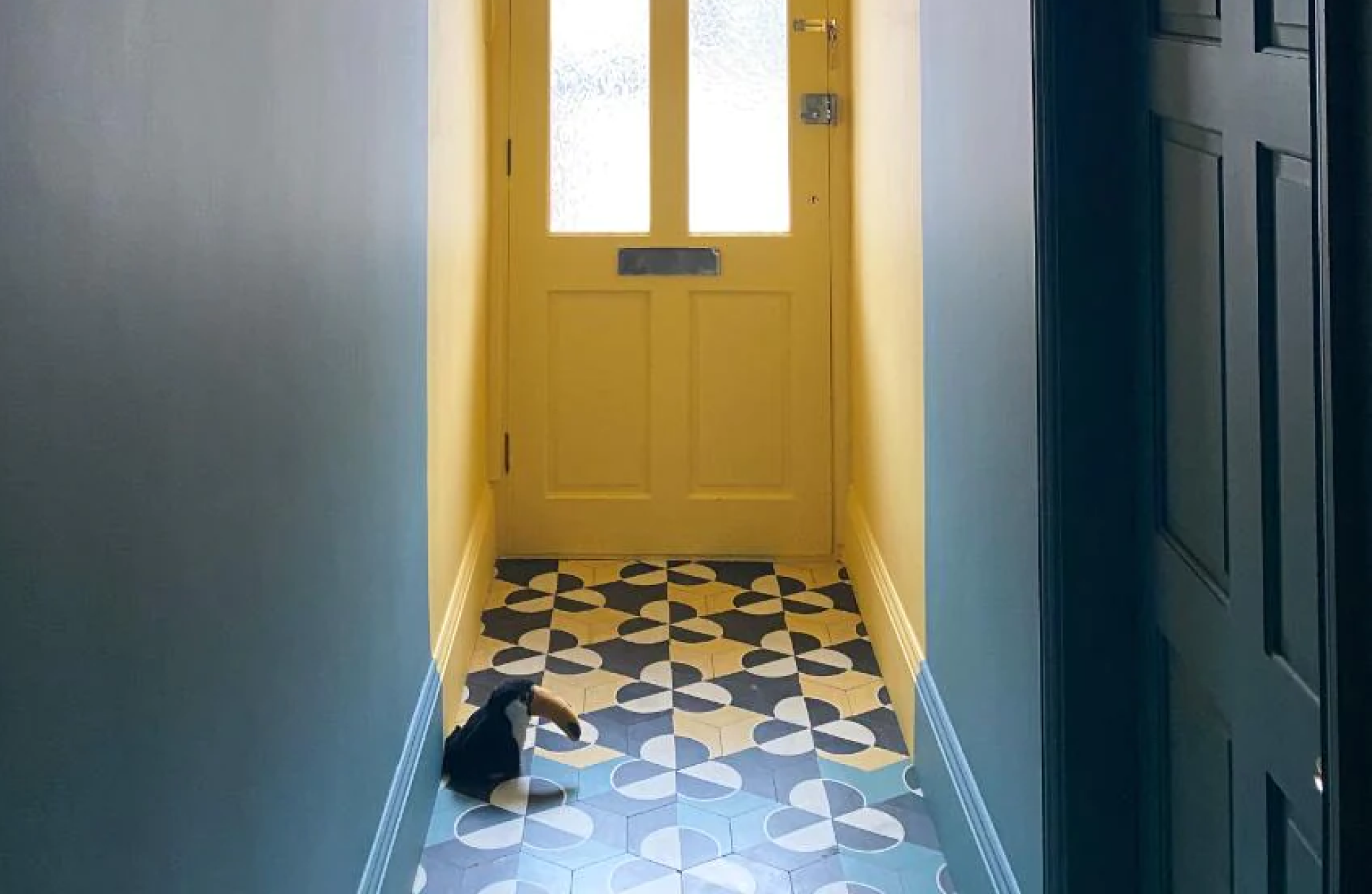
      Create visual interest and depth in your hallway by painting it with a two-tone color scheme. Choose two harmonious colors from the same color family and paint the upper and lower halves of the walls in contrasting shades. 

      This technique can visually elongate the space and draw the eye upwards, making the hallway feel larger and more spacious. Consider using darker hues on the lower half to ground the space and lighter tones on the upper half to add brightness and airiness.

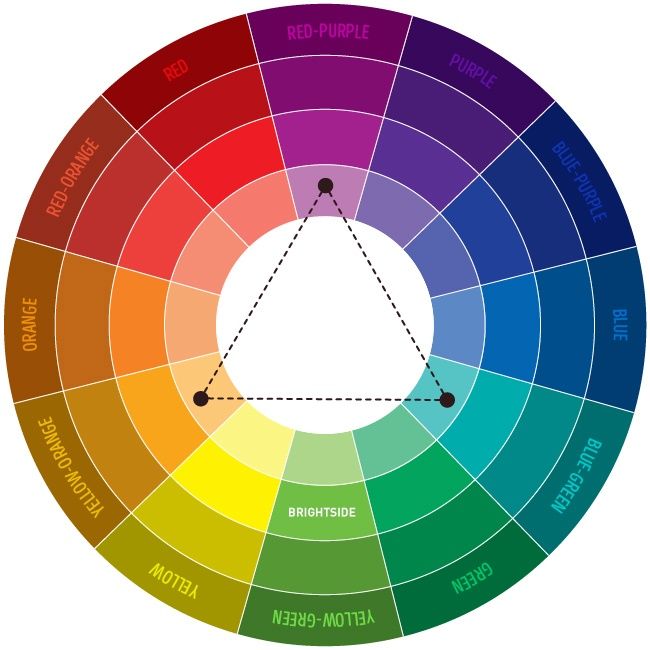
      Here is a color palette to ease your journey, my friend. Any color that is connected by the dots will be a good two-tone hallway paint idea for you. As you can see, if we move the triangle one-time counter-clock, you can see that the dots will fall on yellow, blue, and red. Look at the two-tone hallway paint picture I provide; blue and yellow look very nice, right?

      The Ultimate Color Combinations Cheat Sheet | Complementary colors, Color  combinations, Colour

      1. Ombre Effect

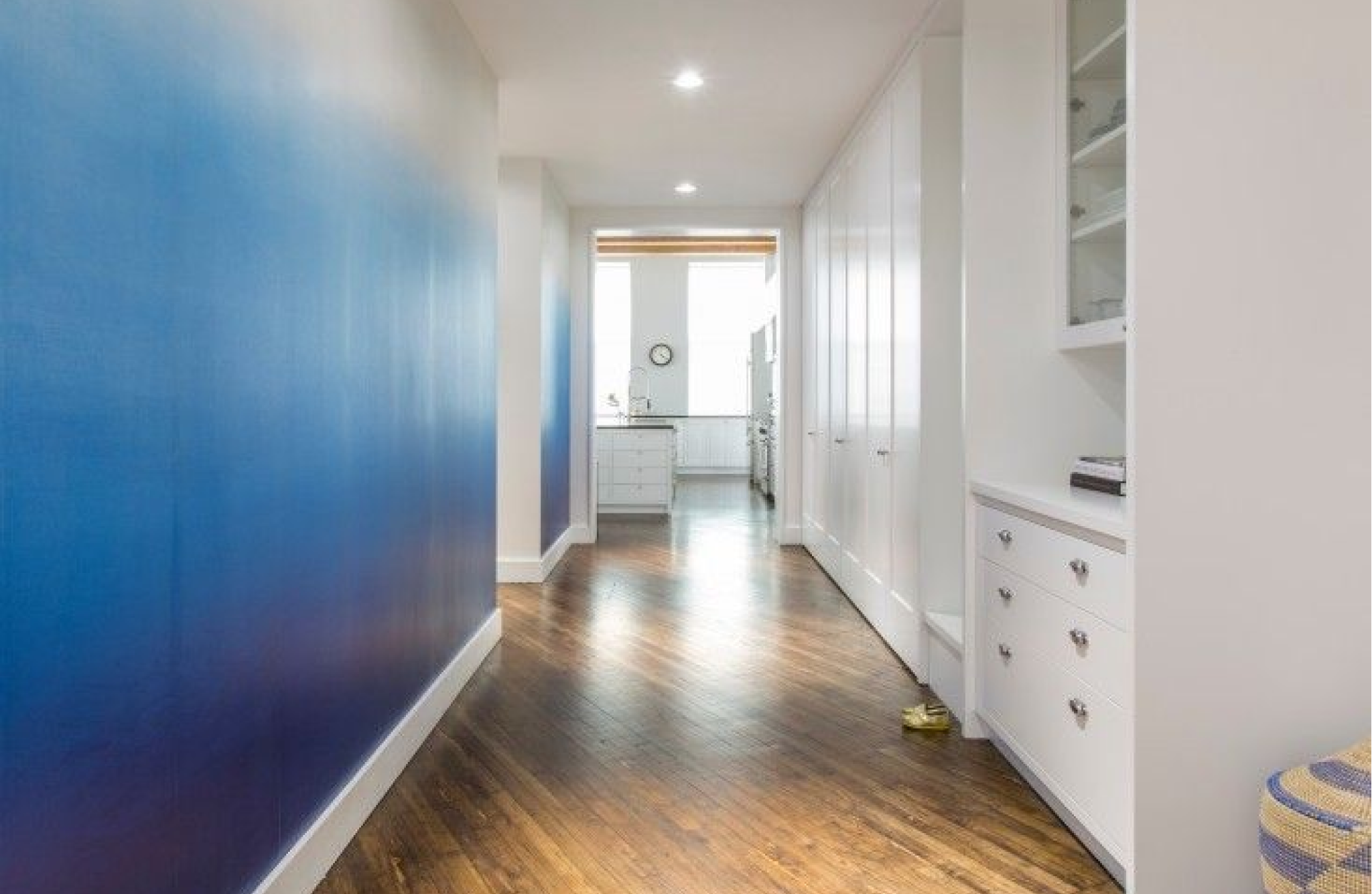
      hallway with blue Ombre style

      Bring a touch of elegance and sophistication to your hallway with an ombre paint effect. Ombre, derived from the French word meaning “shaded,” involves blending one color gradually into another, creating a beautiful gradient effect. 

      Choose two or more complementary colors from the same color family, starting with the darkest shade at the bottom and gradually transitioning to the lightest shade at the top. Blend the colors seamlessly using a sponge or brush to create a smooth transition between each hue. 

      The ombre effect adds visual interest and depth to your hallway walls, making them appear dynamic and visually captivating.

      1. Nature-Inspired Murals

      Nature-Inspired Murals

      From lush forests and serene landscapes to whimsical floral designs and exotic wildlife, the possibilities are endless when it comes to nature-themed artwork. Consider hiring a professional muralist or unleash your artistic talents by painting the mural yourself. 

      Choose calming earth tones and soft pastel colors to create a soothing atmosphere that evokes a sense of serenity and tranquility. A nature-inspired mural not only adds visual interest to your hallway but also serves as a source of inspiration and rejuvenation every time you walk through the space.

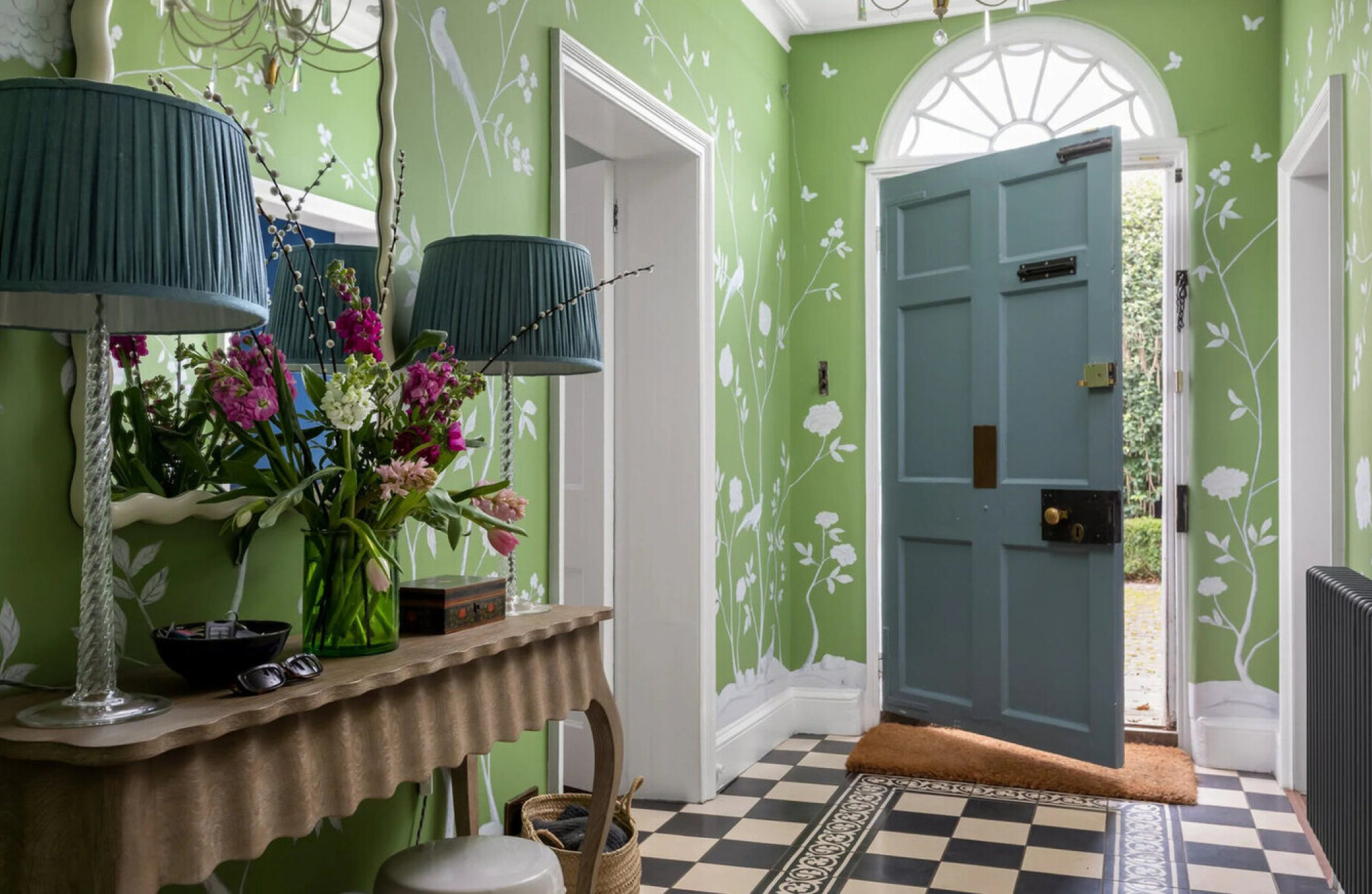
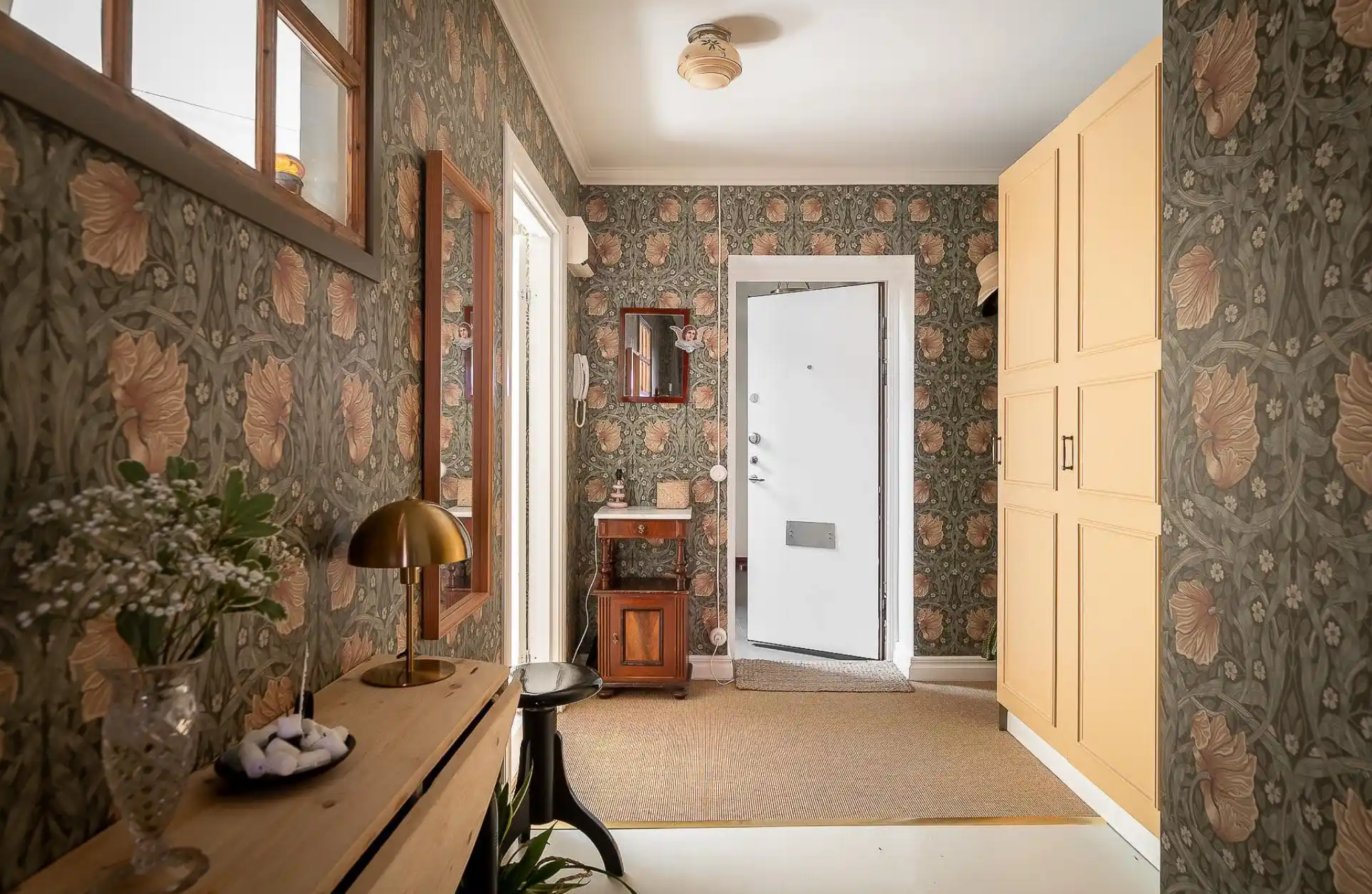
      1. Vintage Wallpaper 

      Vintage Wallpaper hallway idea

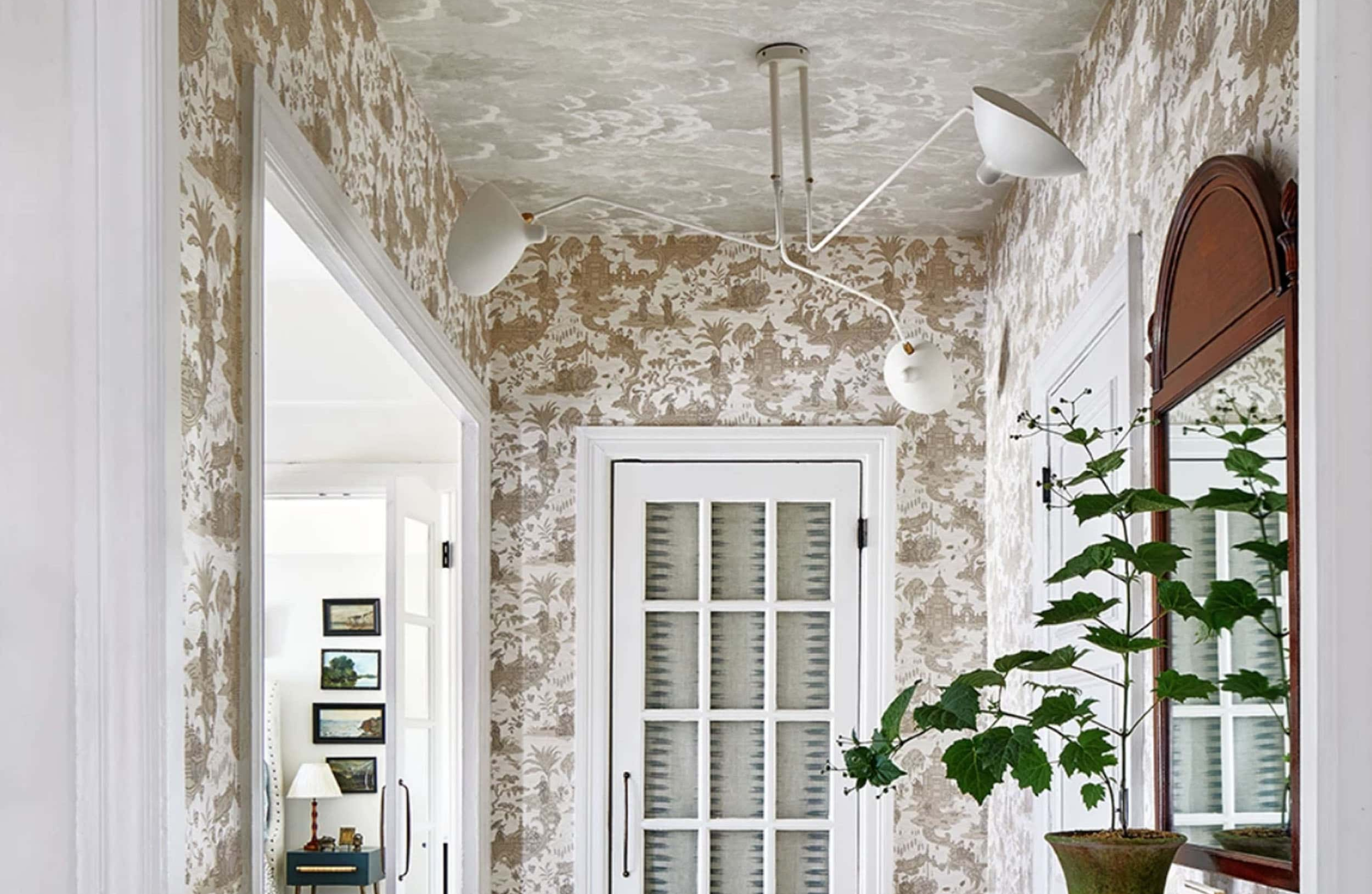
      This one is my favorite. Vintage-inspired wallpaper brings a sense of nostalgia and character to your hallway. To add old-world elegance to your room, opt for designs inspired by bygone times such as flower prints, damasks (a reversible patterned fabric of silk, wool, linen, cotton, or synthetic fibers, with a pattern formed by weaving), or vintage geometrics. 

      This instantly transforms a drab corridor into a warm and inviting path, invoking memories of the past. Pair it with neutral paint colors on the trim and ceiling to allow the wallpaper to take center stage while maintaining balance in the space.

      1. Accent Ceiling

      Make your room look bigger by extending your hallway paint ideas to the ceiling. Such as painting the ceiling in a contrasting color or adding a bold pattern to create a unique focal point. This unexpected touch adds visual interest and draws the eye upward, making the hallway feel more expansive. 

      Whether you opt for a dramatic color or a subtle pattern, an accent ceiling adds depth and personality to your hallway, transforming it from a mere passageway into a stylish and grander space.

      1. Chalkboard or Magnetic Paint

      Chalkboard or Magnetic Paint

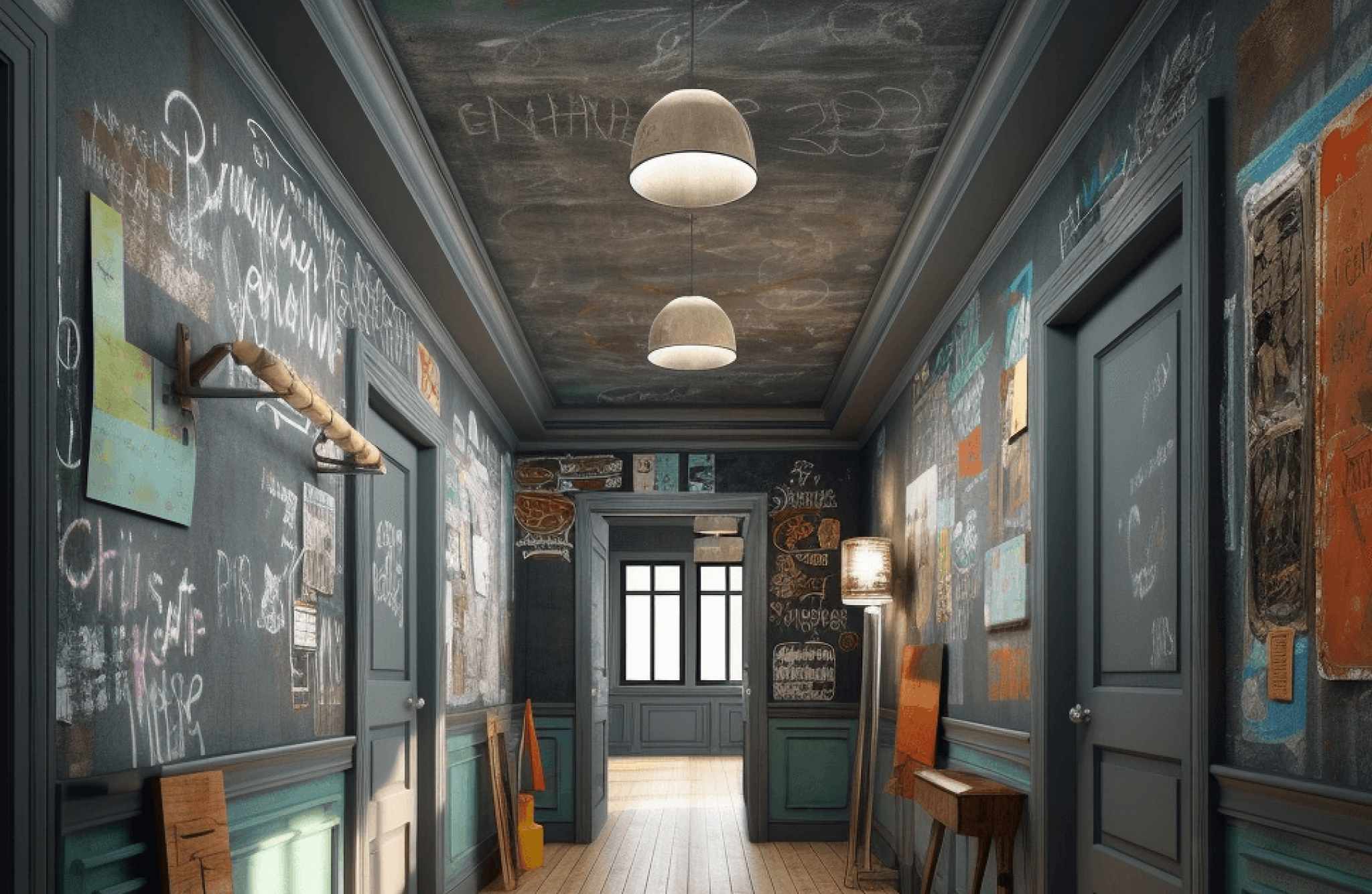
      If you’re looking to add some personality and functionality to your hallway, consider painting one of the walls with chalkboard or magnetic paint. This simple yet creative idea allows you to transform your hallway into an interactive space where you can write messages, create artwork, or hang photos and notes with magnets.

      One friend of mine has this exact hallway paint idea. And what surprised me the most was, how this magnetic paint pulls not only steel but also children. It is like, kids of the town always garnered at his home once in a while, and stick their prided badges made from steel. Then laugh together over whose magnetite placed highest. Nice isn’t it?

      Read also: [Spring Sale 2024] Essential Tips for Your Outdoor Decor

      If you want to take your hallway beyond paint, combining these ideas with our wood wall panels creates a rich, layered look. Our SoundPanel acoustic slat wood wall panels work especially well in hallways, adding a modern linear texture — and the SoundPanel American Acoustic Slat Wood Wall Panel is a popular pick for its refined, contemporary finish.

      Conclusion

      In conclusion, painting your hallway with creativity and thoughtfulness is essential in enhancing its appearance and elevating the overall aesthetic of your home. By recognizing the significance of this often-overlooked space and exploring various paint ideas, you can transform your hallway into a standout feature that leaves a lasting impression. 
      Whether you opt for bold statements or subtle elegance, let your hallway reflect your unique style and personality, making it a welcoming passage that sets the perfect tone for your home.
    2. What’s The Best Interior Timber Wall Cladding?

      What’s The Best Interior Timber Wall Cladding?

      If you’re envisioning your perfect paradise where the warmth of wood meets the sophistication of design, you are in the right place. When it comes to the area of home décor, the best interior timber wall cladding stands out as a leading option for individuals who are looking to infuse their rooms with a feel that is reminiscent of the allure of nature.

      This guide from The Panel Hub is your key to understanding and selecting timber cladding. So if you’re ready to transform ordinary walls into beautiful interiors, buckle up!

      What is Wall Cladding?

      Best Interior Timber Wall Cladding

      Wall cladding, in its essence, is a method used to enhance the exterior or interior walls of a building. It involves applying a layer of material over another, providing not only an aesthetic upgrade but also additional protection against the elements. In interior design, wall cladding panels bring texture, color, and character to living spaces, turning walls into focal points of artistic expression.

      Read more: Breathe Easy: Bringing the Outdoors Inside with a Natural Wall

      What is the Best Timber Wall Cladding?

      Best Interior Timber Wall Cladding

      The best timber wall cladding marries functionality with aesthetic allure. Among the myriad of wood species, those that stand out for interior use include Cedar, Oak, and Walnut, known for their durability, grain beauty, and ease of maintenance. These woods offer a spectrum of colors and textures, enabling designers and homeowners to tailor spaces that reflect personal style and architectural elegance.  Aside from the wood type, here are some popular options to consider:

      Light and airy woods:

      White oak, ash, or birch offer a clean, Scandinavian-inspired look.

      Pros:

      • White Oak, Ash, Birch: These light-colored woods offer a bright and airy feel, perfect for creating a sense of spaciousness in smaller rooms. They also pair beautifully with modern and Scandinavian design aesthetics.
      • Easy to Maintain: Lighter woods tend to show less dust and dirt compared to darker options, making them easier to keep clean.

      Cons:

      • Can Show Scratches More Easily: Due to their lighter color, scratches and dents might be more noticeable on these woods.
      • May Not Suit Rustic Styles: Their clean aesthetic might not be ideal for achieving a rustic or traditional look.

      Warm and Inviting Woods:

      Stained walnut, mahogany, or hickory add a touch of rustic charm.

      Pros:

      • Stained Walnut, Mahogany, Hickory: These warm-toned woods exude a sense of richness and sophistication. They complement traditional and rustic design styles exceptionally well.
      • Durable: Denser hardwoods like walnut and hickory offer superior durability and can withstand everyday wear and tear better.

      Cons:

      • Shows Dust More Readily: Darker woods tend to show dust buildup more prominently, requiring slightly more frequent cleaning.
      • Costlier Option: Hardwoods like walnut and mahogany are generally more expensive than softer wood options.

      Dramatic statement:

      Reclaimed wood or charred wood cladding creates a bold, textural statement.

      Pros:

      • Reclaimed Wood: This eco-friendly option boasts a unique, rustic charm with a rich history. It adds a touch of character and individuality to any space.
      • Charred Wood: This trendy option offers a bold, textural statement and works exceptionally well in industrial or contemporary settings.

      Cons:

      • Reclaimed Wood Variations: Due to its salvaged nature, reclaimed wood can vary significantly in color, texture, and size. This might require more planning during installation.
      • Charred Wood Maintenance: Charred wood cladding may require special cleaning and maintenance procedures to preserve its unique finish.

      Why Timber Makes a Good Wall Cladding?

      Best Interior Timber Wall Cladding

      Timber excels as a wall cladding material for several compelling reasons. Its natural warmth brings a cozy, inviting atmosphere to any room, making it particularly appealing for living areas and bedrooms. Wood cladding is also renowned for its acoustic properties, providing a quieter, more serene living environment. Furthermore, timber is a sustainable choice, especially when sourced from responsibly managed forests, aligning with the growing demand for eco-friendly design solutions. So when choosing wall cladding materials, definitely note these down:

      • Natural Beauty: Wood boasts an inherent warmth and texture that synthetic materials simply can’t replicate. It adds a touch of organic luxury to any space.
      • Versatility: From rustic reclaimed wood to sleek, modern finishes, there’s a timber option to complement any design style.
      • Durability: When properly chosen and maintained, high-quality wood cladding can last for decades.
      • Sustainability: Wood is a renewable resource, making it an eco-conscious choice for environmentally-friendly homeowners.
      • Insulation: Timber offers natural thermal insulation properties, helping to regulate room temperature.
      • Acoustics: Strategically placed wood paneling can improve sound absorption, creating a quieter and more comfortable environment.

      Timber Wall Cladding Material Alternatives

      While timber reigns supreme in many design scenarios, alternatives like stone, brick, and composite materials offer their own set of advantages. Each alternative comes with its unique charm and functional benefits, catering to diverse aesthetic preferences and practical requirements. What makes them a good alternative? There’s are some other interior wall cladding options you can (and should) put into consideration:

      • Stone Veneer: Offers a touch of luxury and natural elegance, ideal for high-traffic areas.
      • Brick Slips: Creates a rustic, industrial vibe.
      • Metal Panels: Provides a sleek, modern aesthetic.

      Integrating Timber Wall Cladding into Your Decor

      Best Interior Timber Wall Cladding

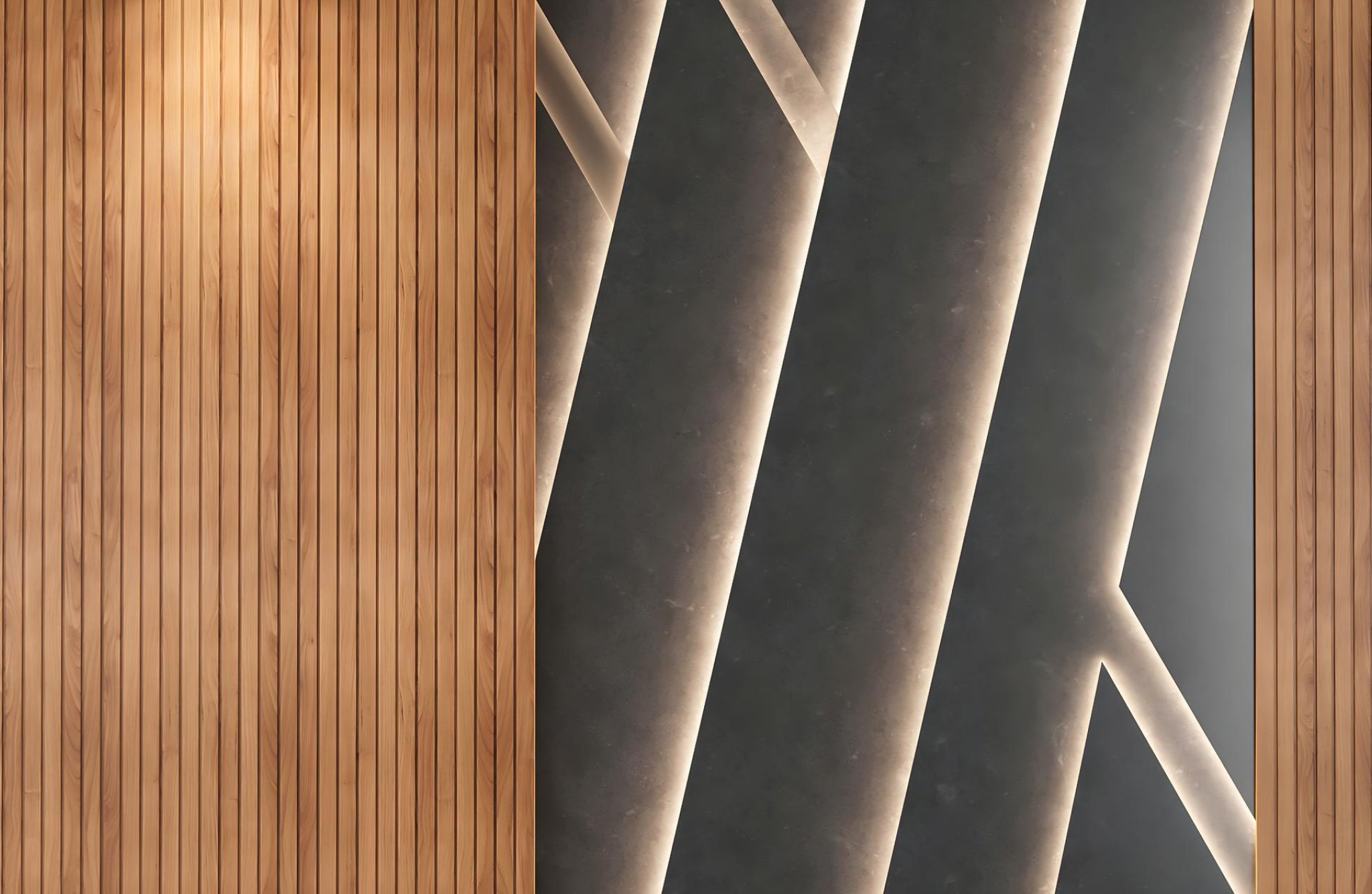
      Incorporating timber wall cladding into your interior design scheme is an art that balances the natural beauty of wood with the existing elements of your space. Consider the room’s color palette, lighting, and furniture when selecting your timber cladding to ensure a harmonious blend. Accent lighting can also enhance the texture and color of wood panels, creating an ambiance that’s both inviting and visually stunning.

      Read more: Wood Wall Panelling Sheets: The Secret to Stunning Interiors

      Keeping Your Timber Wall Cladding Magnificent: Maintenance Tips

      The beauty of wood cladding lies in its natural character, but like any material, it requires proper care to maintain its charm over time. Here are some essential tips for keeping your interior timber wall cladding looking magnificent:

      • Regular Dusting: Dust buildup can dull the wood’s natural luster. Gently wipe down your cladding with a soft, lint-free cloth weekly to remove dust particles.
      • Deep Cleaning: Depending on usage and environment, deep clean your cladding every 2-4 months with a solution specifically designed for wood furniture. Avoid harsh chemicals or soap, as they can dry out the wood. Always test the cleaning solution on an inconspicuous area first.
      • Spot Cleaning: Act swiftly on spills! Blot up liquids with a clean, absorbent cloth. Don’t rub, as it can spread the stain. For stubborn stains, consult a professional cleaning service.
      • Sun Protection: Excessive sunlight exposure can fade and crack the wood. Consider using curtains or blinds to shield your cladding from direct sunlight, especially during peak hours.
      • Humidity Control: Maintain moderate humidity levels (ideally between 30% and 50%) to prevent wood warping or cracking. Invest in a hygrometer to monitor humidity levels and use a humidifier or dehumidifier as needed.
      • Hydration is Key: Timber dries out naturally over time, losing its suppleness and developing cracks. To combat this, apply a high-quality wood conditioner every 6-12 months, following the manufacturer’s instructions. This helps keep the wood moisturized and maintains its natural beauty.
      • Avoid Harsh Chemicals: Never use harsh cleaning products, ammonia, bleach, or abrasive cleaners on your timber cladding. These can damage the wood’s finish and leave unsightly marks.

      Elevate Your Space with the Best Interior Timber Wall Cladding

      Transforming your home or office space with the warmth and elegance of wood is now easier than ever with our selection of the best interior timber wall cladding. These premium wood panels not only enhance the aesthetic appeal of any room but also bring a touch of nature indoors, creating a cozy and inviting atmosphere. From the rich textures of American oak to the intricate designs of mosaic wood, discover how our top picks can redefine your living or working environment.

      American Walnut Acoustic Slat

      Best Interior Timber Wall Cladding

      The American Walnut Acoustic Slat offers a classic and sophisticated look, perfect for adding depth and warmth to any interior space. Its natural grain and golden tones provide a timeless elegance, making it an ideal choice for those seeking a blend of modern and traditional design.

      Product Specs:

      • Made from high-quality American oak
      • Natural wood grain for authentic beauty
      • Easy installation process
      • Durable construction for long-lasting appeal
      • Versatile design suitable for various interior styles

      Walnut Honey Mosaic

      Best Interior Timber Wall Cladding

      The Walnut Honey Mosaic is a masterpiece of craftsmanship, featuring a stunning mosaic pattern that instantly catches the eye. Its warm honey tones and unique texture make it a standout choice for adding character and warmth to your walls.

      Product Specs:

      • Intricate mosaic pattern for visual interest
      • Warm honey tones to brighten any room
      • High-quality wood construction
      • Simple installation for a quick transformation
      • Ideal for feature walls or accent areas

      Natural Crossing Lines

      Best Interior Timber Wall Cladding

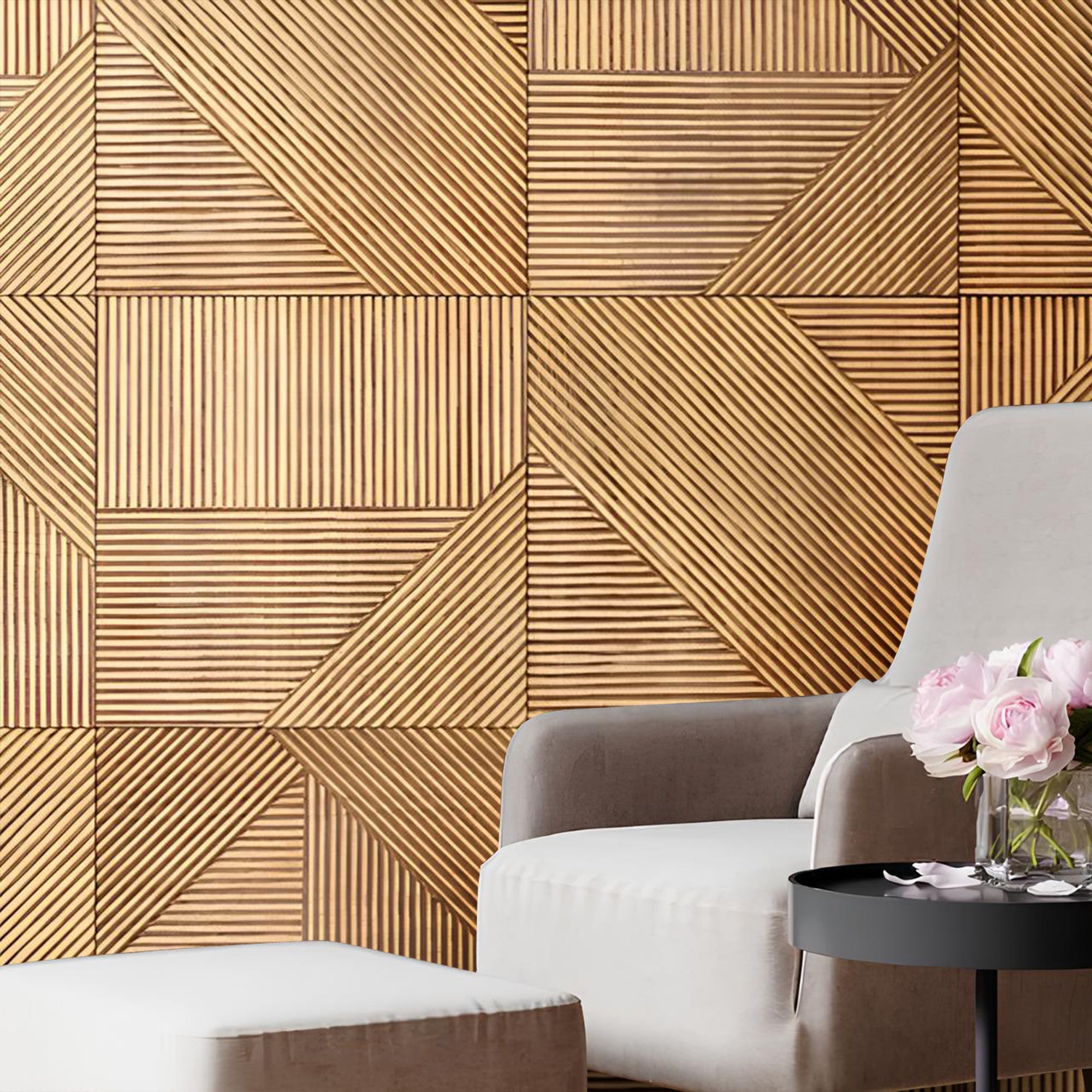
      For a contemporary twist on traditional wood cladding, the Natural Crossing Lines offers a dynamic and geometric design. Its interlocking lines create a sense of movement, making it a perfect choice for modern interiors looking for a bold statement piece.

      Product Specs:

      • Contemporary geometric design
      • Precision-cut for a clean, modern look
      • Easy to mount on any wall
      • Durable material for lasting beauty
      • Suitable for both residential and commercial spaces

      Keep Exploring: Exterior & Cladding

      Conclusion: A Journey to Timeless Elegance

      Embracing the best interior timber wall cladding is a journey to enhancing your home with timeless elegance and warmth. With the insights provided by an experienced professional in the field, you’re equipped to make informed choices that reflect your style and meet your living environment’s needs. Whether you’re drawn to the classic appeal of timber or exploring alternatives, the right wall cladding can transform your space into a haven of beauty and comfort.

    3. How to Match Wall Color with Wood Floor: Design Harmony

      How to Match Wall Color with Wood Floor: Design Harmony

      Don’t let wood floors dictate your design! How to match wall color with wood floor provides expert advice. Explore strategies for selecting wall colors that work with your existing wood flooring, considering undertones, temperature, and overall desired aesthetic. Choosing the right paint color can elevate your space and create a sense of design harmony.

      Identify the Undertone

      how to match wall color with wood floor

      The first step in how to match wall color with wood floor is to identify the undertone of your wood flooring. Look beyond the surface color and consider the subtle hints of other colors peeking through.

      Common undertones in wood floors include red, yellow, orange, gray, and even purple. Once you identify the undertone, you can choose a wall paint color that complements or contrasts effectively.

      Playing with Temperature

      how to match wall color with wood floor

      Wood floors can lean warm or cool, depending on the undertone. Warm wood floors, with red, yellow, or orange undertones, pair well with cooler wall colors. Grays, blues, and even light greens can create a balanced and calming atmosphere.

      Cool wood floors, with gray or purple undertones, can benefit from warmer wall colors. Creams, beiges, and light browns can add a touch of warmth and create a cozy feel.

      Read more: 10 Modern Wood Panel Wall Ideas for Contemporary Homes

      Light and Space

      how to match wall color with wood floor

      How to match wall color with wood floor also considers the natural light and size of the space. Darker wood floors can make a room feel smaller and dimmer. Opt for lighter wall colors in these spaces to create a sense of openness and reflect more light.

      Conversely, light wood floors can handle bolder wall colors. Consider incorporating a statement wall with a richer hue to add depth and visual interest to a larger space.

      Embrace the Contrast

      how to match wall color with wood floor

      While complementary colors create harmony, using contrasting colors can also be a design win in how to match wall color with wood floor.

      For light wood floors with cool undertones, a bold jewel tone like emerald green or sapphire blue can create a dramatic and sophisticated look.

      For warm wood floors, a crisp white or a cool gray can add a modern touch and make the wood tones stand out.

      Read more: Wood Wall Panelling Sheets: The Secret to Stunning Interiors

      The Power of Neutrals

      how to match wall color with wood floor

      Neutral wall colors are a timeless choice in how to match wall color with wood floor. Creams, beiges, and taupes offer a clean slate that allows your wood floors to take center stage.

      Neutral walls also provide a versatile backdrop for furniture and artwork, allowing you to easily update your décor without having to repaint.

      Let There Be Light

      how to match wall color with wood floor

      Lighting plays a significant role in how to match wall color with wood floor. The same paint color can appear drastically different depending on the natural and artificial light in the space.

      Experiment with paint swatches at different times of the day to see how the color changes with the light. Consider the amount of natural light a room receives and choose a paint color that will brighten or darken the space as needed.

      Read more: How to Clean Wall Panels: Tips, Tricks, and Top 3 Recommendations

      Don’t Forget the Finish

      how to match wall color with wood floor

      The finish of your wood floors, whether glossy, satin, or matte, can also influence how to match wall color with wood floor. Glossy floors tend to reflect light and can make a space feel larger.

      You might opt for a slightly bolder wall color to balance the reflective nature of the floor. Satin and matte finishes absorb light and create a warmer feel. Consider lighter or cooler wall colors to prevent the space from appearing too dark.

      Personalize Your Palette

      how to match wall color with wood floor

      How to match wall color with wood floor ultimately comes down to personal preference. While following design principles can guide you, don’t be afraid to experiment and create a color palette that reflects your unique style.

      Consider incorporating pops of color with throw pillows, artwork, or accent furniture to add personality to your space.

      Read More: Cheap Wood Panels for Walls: Transform Your Space on a Budget

      Conclusion

      By following these tips on how to match wall color with wood floor, you can create a cohesive and stylish look in your home. Don’t be afraid to experiment and have fun with color!
      With a little planning and consideration, you can find the perfect wall paint color to complement your wood floors and create a space that reflects your personality.

    4. Best Wood Trim Accent Walls Ideas in 2026

      Best Wood Trim Accent Walls Ideas in 2026

      Hey there! If you’re looking to give your living space a little makeover, you might want to consider some wood trim accent wall ideas. Not only do these walls add depth, warmth, and character to any room, but they also bring a timeless charm that is hard to resist! Plus, they offer a range of practical benefits that you’ll surely love.

      Thus, here are some of the best ideas for wood trim accent walls ideas and tips on how to install them.

      Read also: Breathe Easy: Bringing the Outdoors Inside with a Natural Wall

      Definition of wood trim accent walls

      wood trim accent walls

      Wood trim accent walls are a kind of decoration that uses wooden elements, including panels, planks, or molding, to create focal points in a room. These accents can be installed in different directions, such as horizontally, vertically, or in intricate patterns to add visual interest to the space. 

      Benefits of using wood trim accent walls

      There are clear benefits of using wood trim accent walls inside your home, such as:

      • Enhanced Aesthetics: Wood trim accent walls add texture and visual interest to otherwise plain walls, elevating the overall aesthetics of the room.
      • Warmth and Coziness: The natural tones and textures of wood evoke a sense of warmth and coziness, making the space feel inviting and comfortable.
      • Versatility: Wood trim accent walls complement various interior styles, from rustic to modern, offering versatility in design options.
      • Durability: Wood is a durable material, ensuring that wood trim accent walls retain their beauty and integrity for years to come.

      Now, if you are still intrigued about it, here are amazing wood trim accent wall ideas that I collected over my weeks of research. Started with the intimate and classic rustic ideas, to the amazing and sleek modern touch, and went down to the flexible eclectic accent that combines both.

      Read also: Slat Wall Panel Installation: Step-by-Step Guide for Beginners

      Rustic Wood Trim Accent Walls

      Rustic wood trim accent walls exude a charming and organic allure, evoking the rugged beauty of nature within the confines of your home. Here are several popular rustic wood trim accent wall ideas:
      Horizontal Paneling

      Horizontal Paneling

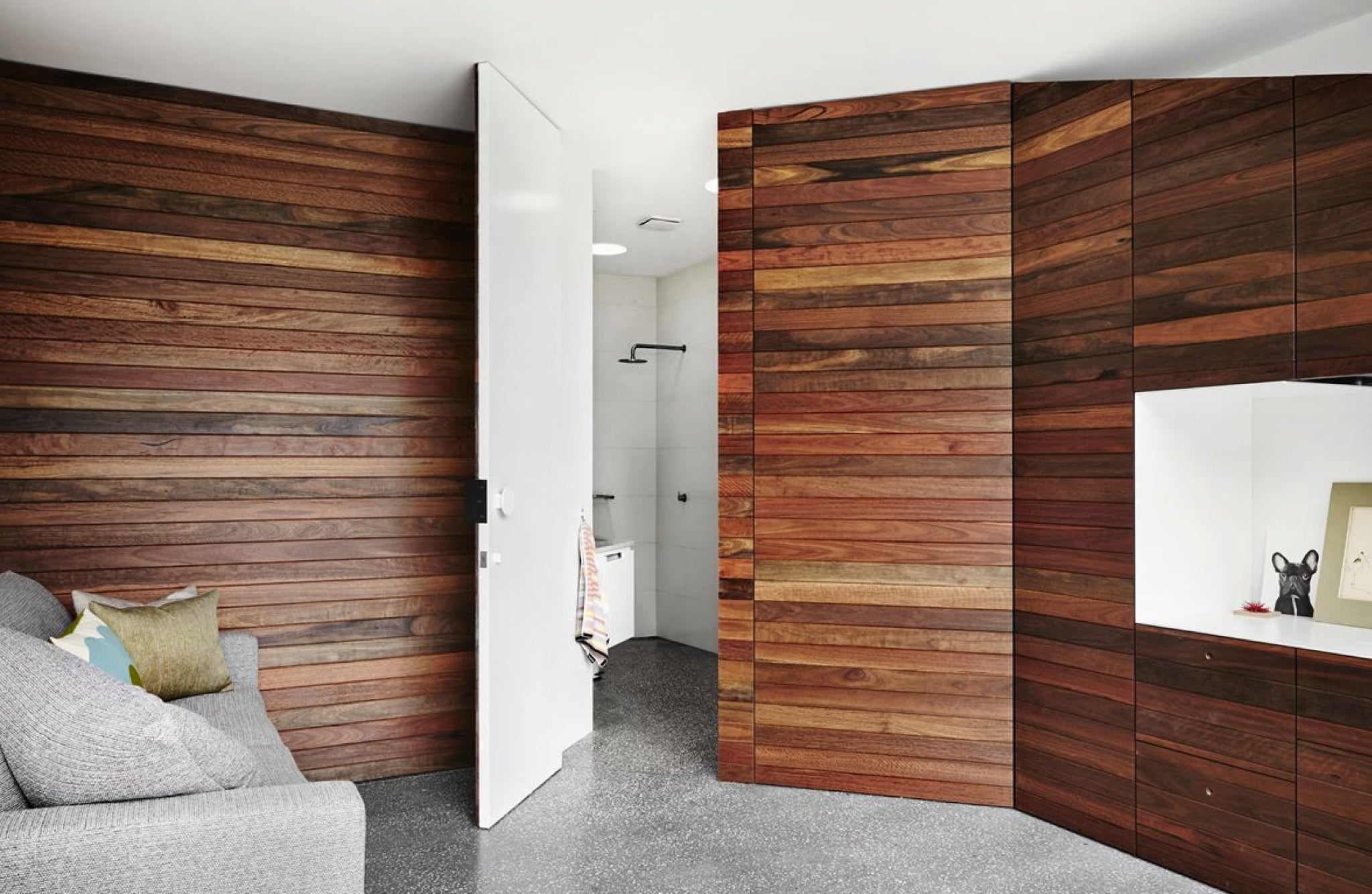
      Horizontal paneling, also known as shiplap, is a classic rustic design choice for wood trim accent walls. By installing wooden planks horizontally, overlapping each other slightly, you can create a cozy, farmhouse-inspired look that adds character to any space. .

      Vertical Paneling

      American Oak Slat Wood Wall Panel

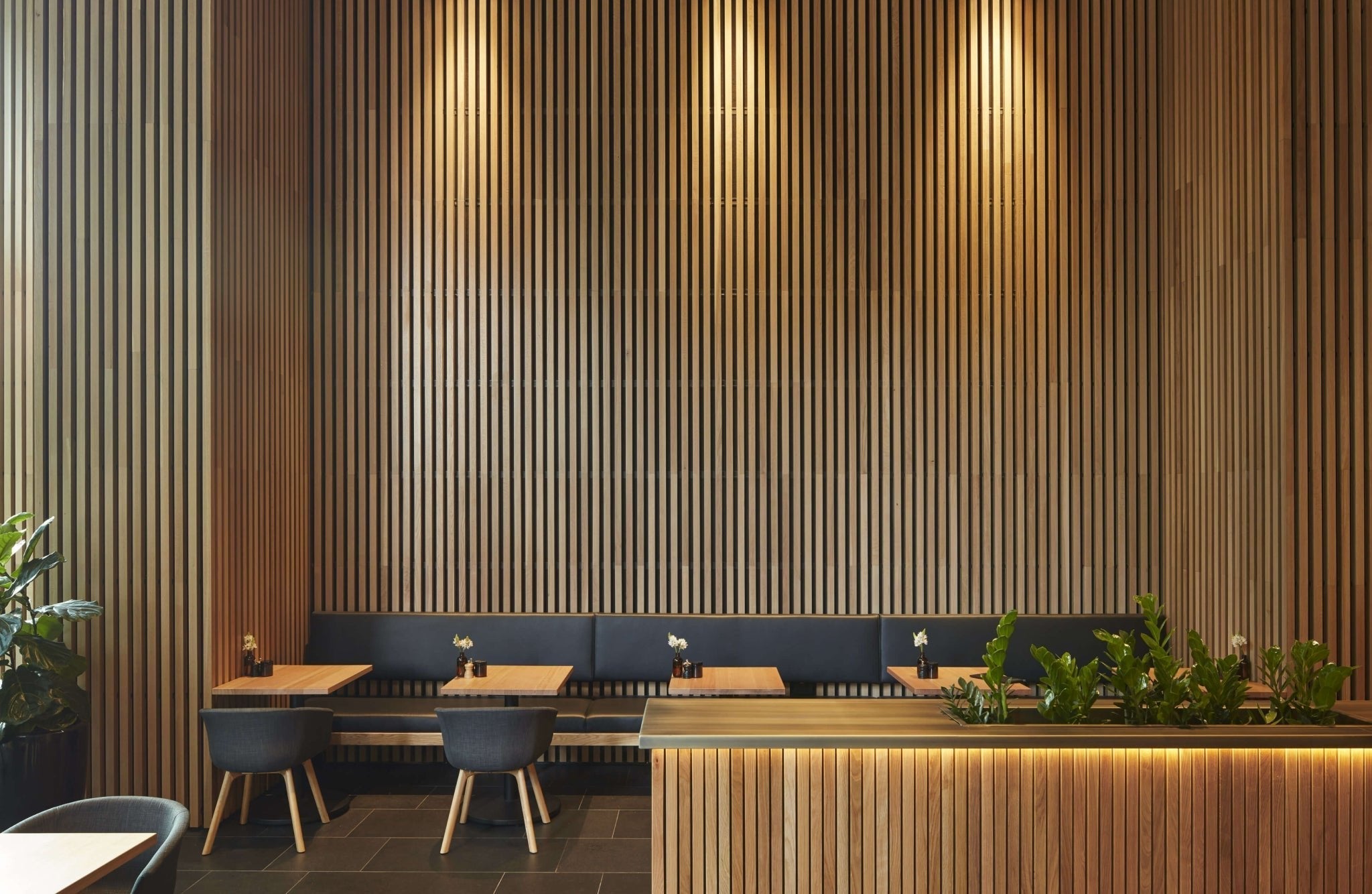
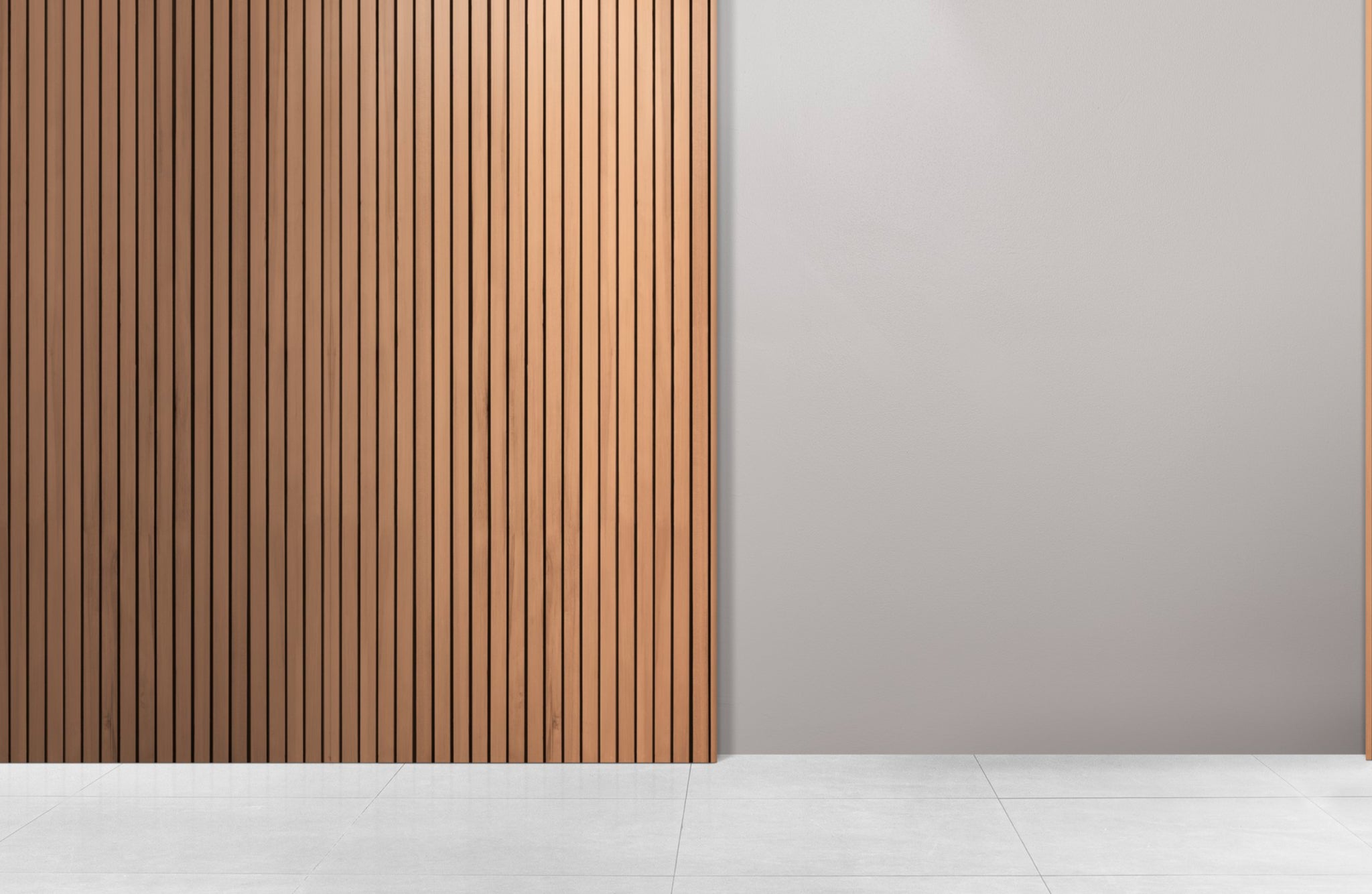
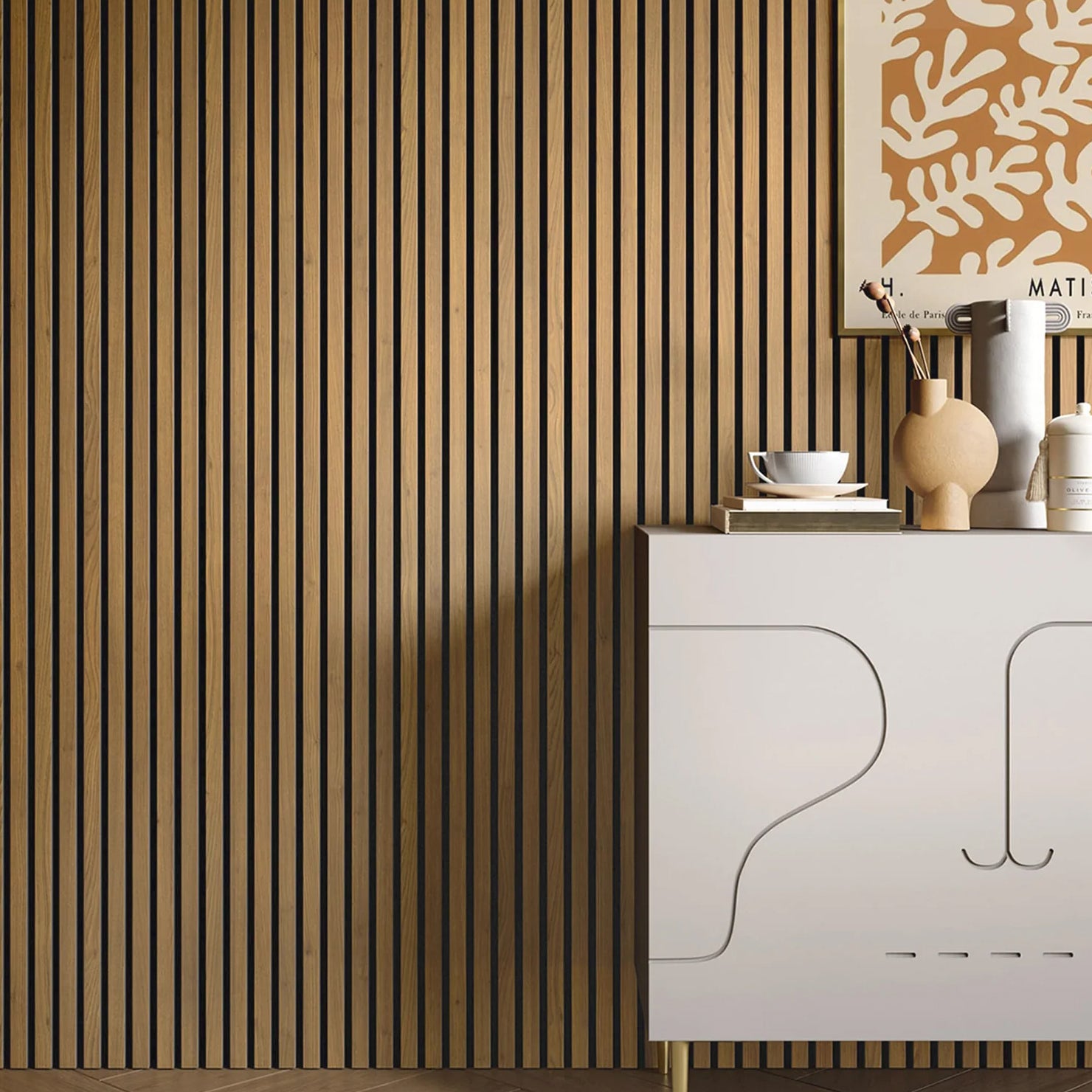
      Vertical paneling offers a unique twist on traditional wood trim accent walls. By arranging wooden planks vertically, you can elongate the walls and draw the eye upward, making the room feel taller and more spacious. This design choice works particularly well in rooms with low ceilings. If you are interested to explore more, this acoustic slat panel is the most sleek vertical wall panel you can check out.

      Herringbone Pattern

      https://www.thepanelhub.com/collections/wall-panels/products/american-oak-slat-wood-wall-panel

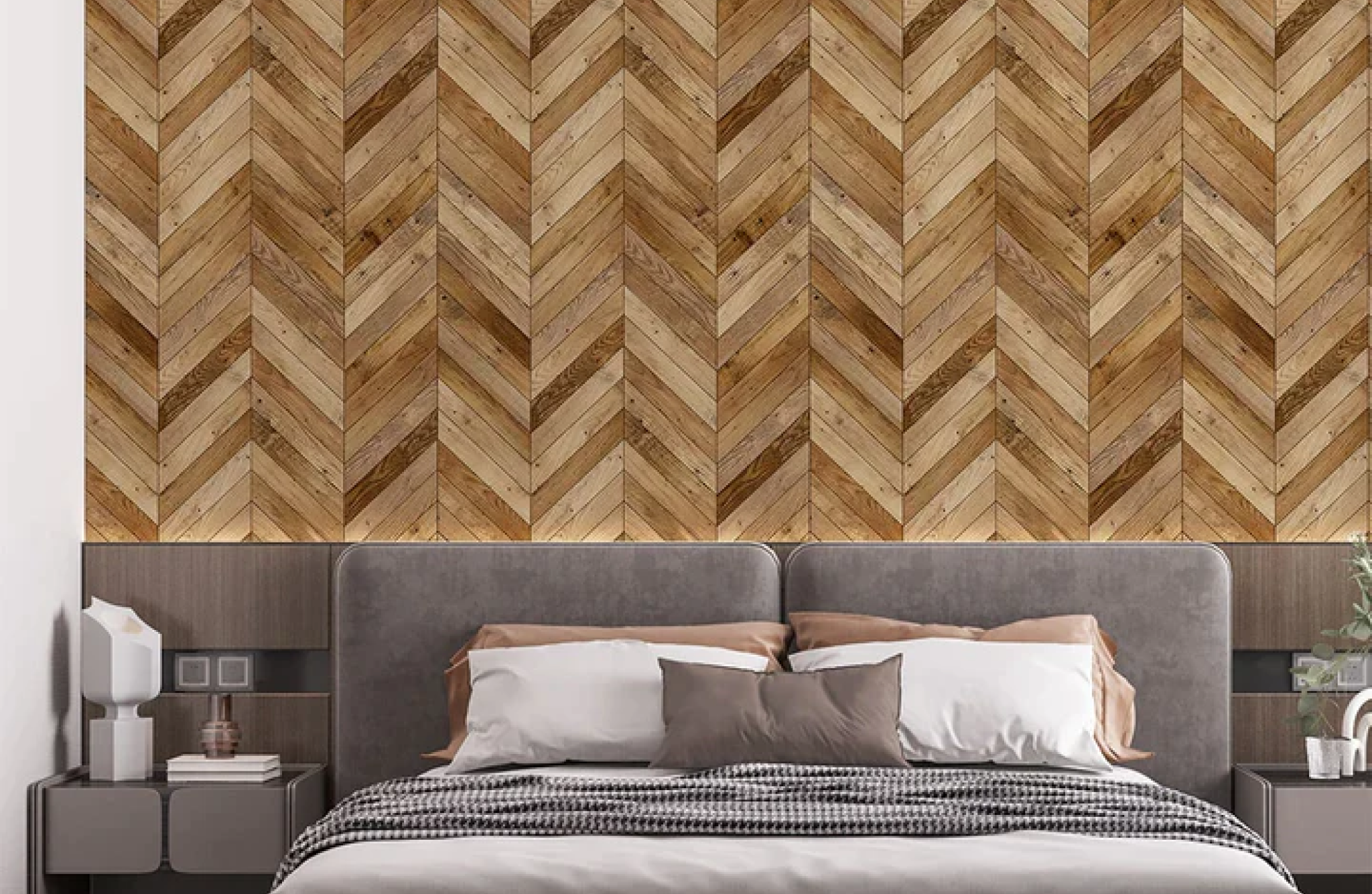
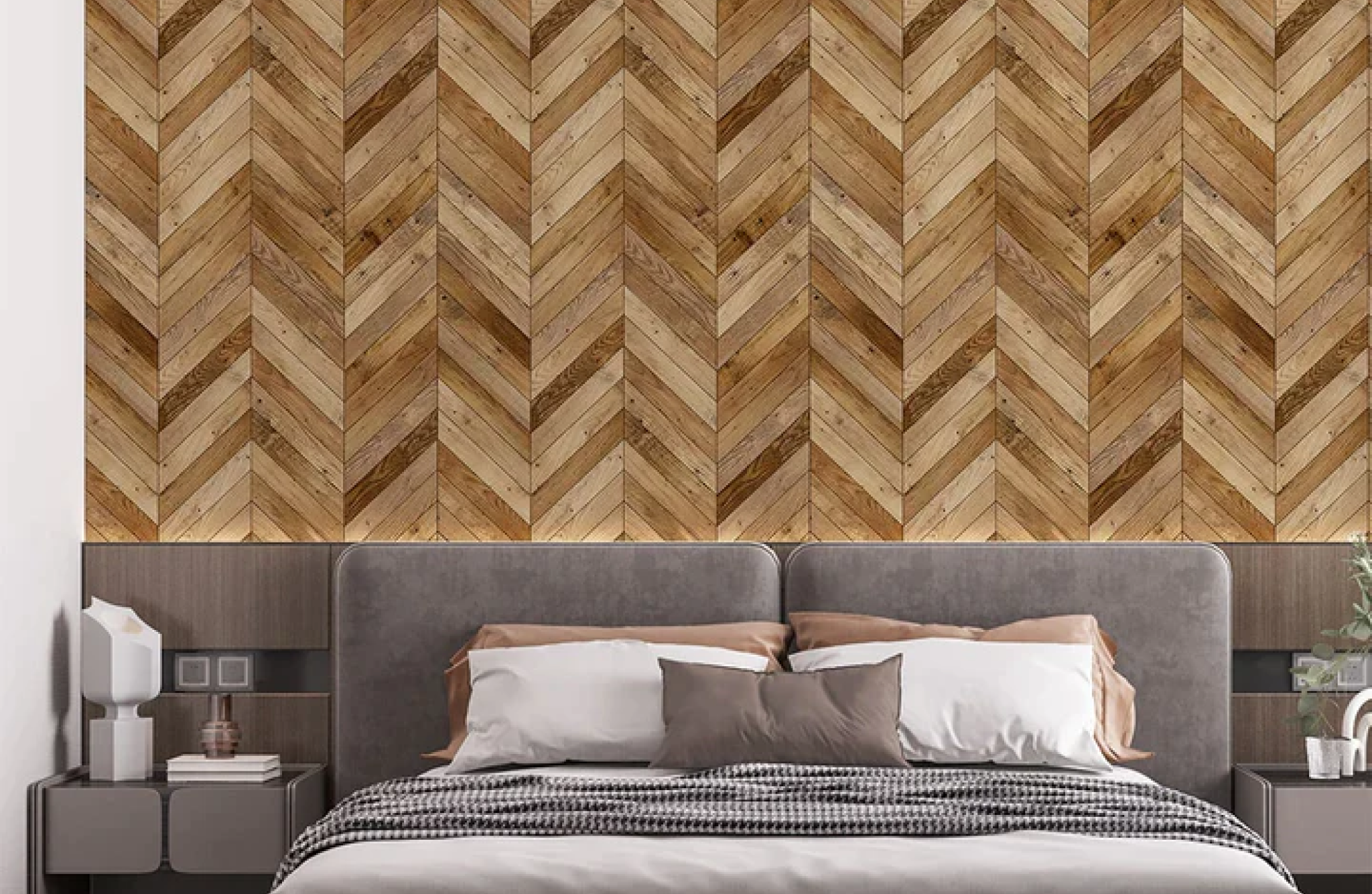
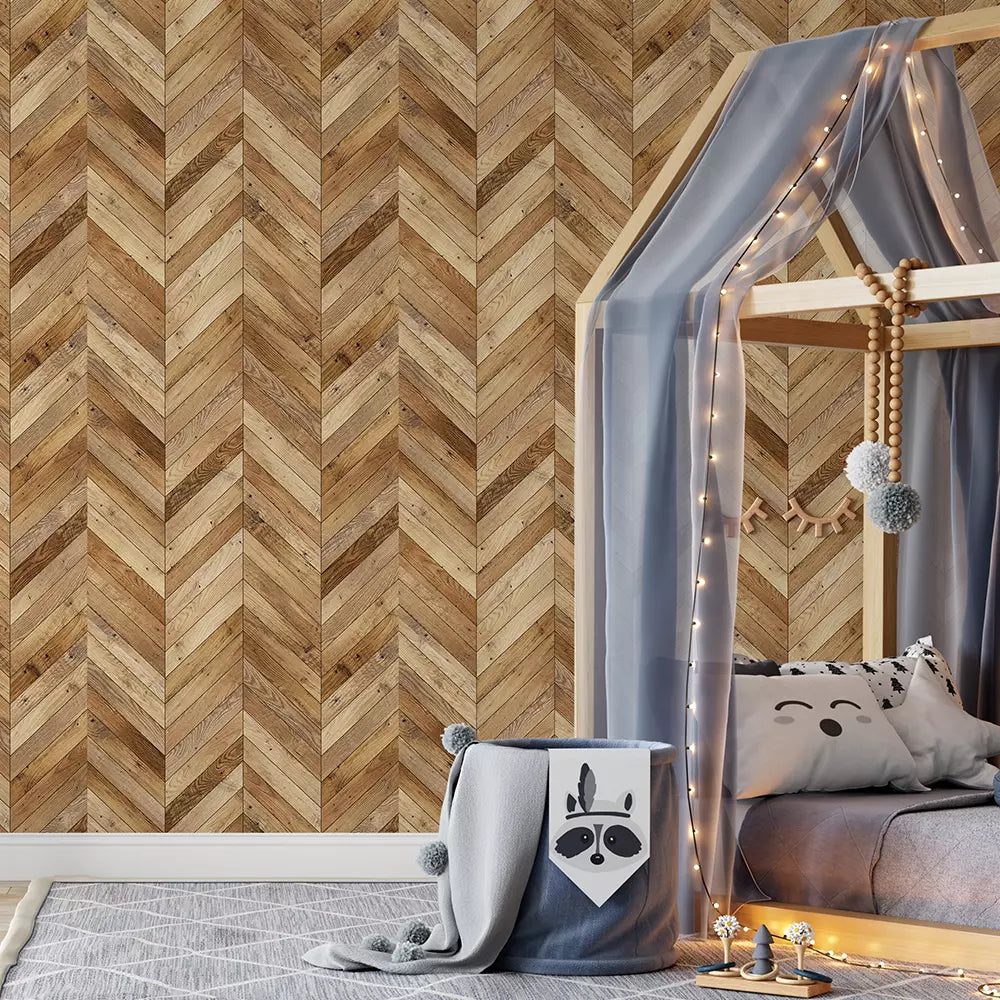
      For those seeking a more intricate rustic design, consider incorporating a herringbone pattern into your wood trim accent wall. By arranging wooden planks in a diagonal zig-zag pattern, you can add visual interest and dynamic texture to the space, creating a striking focal point that captures attention. 

      Cool isn’t it? You can explore more geometric wood wall panels that may suit your interior style. 

      Modern Wood Trim Accent Walls

      In the realm of interior design, modern wood trim accent walls offer an array of innovative and stylish options. Let’s explore three contemporary designs that are sure to make a statement in your home.
      Chevron Pattern

      Chevron Pattern Wood Trim Accent Wall

      The Chevron pattern is a timeless yet modern choice for wood trim accent walls. By arranging wood planks in a V-shaped pattern, you can create a visually striking focal point that adds depth and dimension to the room. Whether you opt for natural wood tones or paint the planks in bold colors, the Chevron pattern adds a touch of elegance and sophistication to your space.
      Geometric Design

      Geometric Design Wood Trim Accent Wall

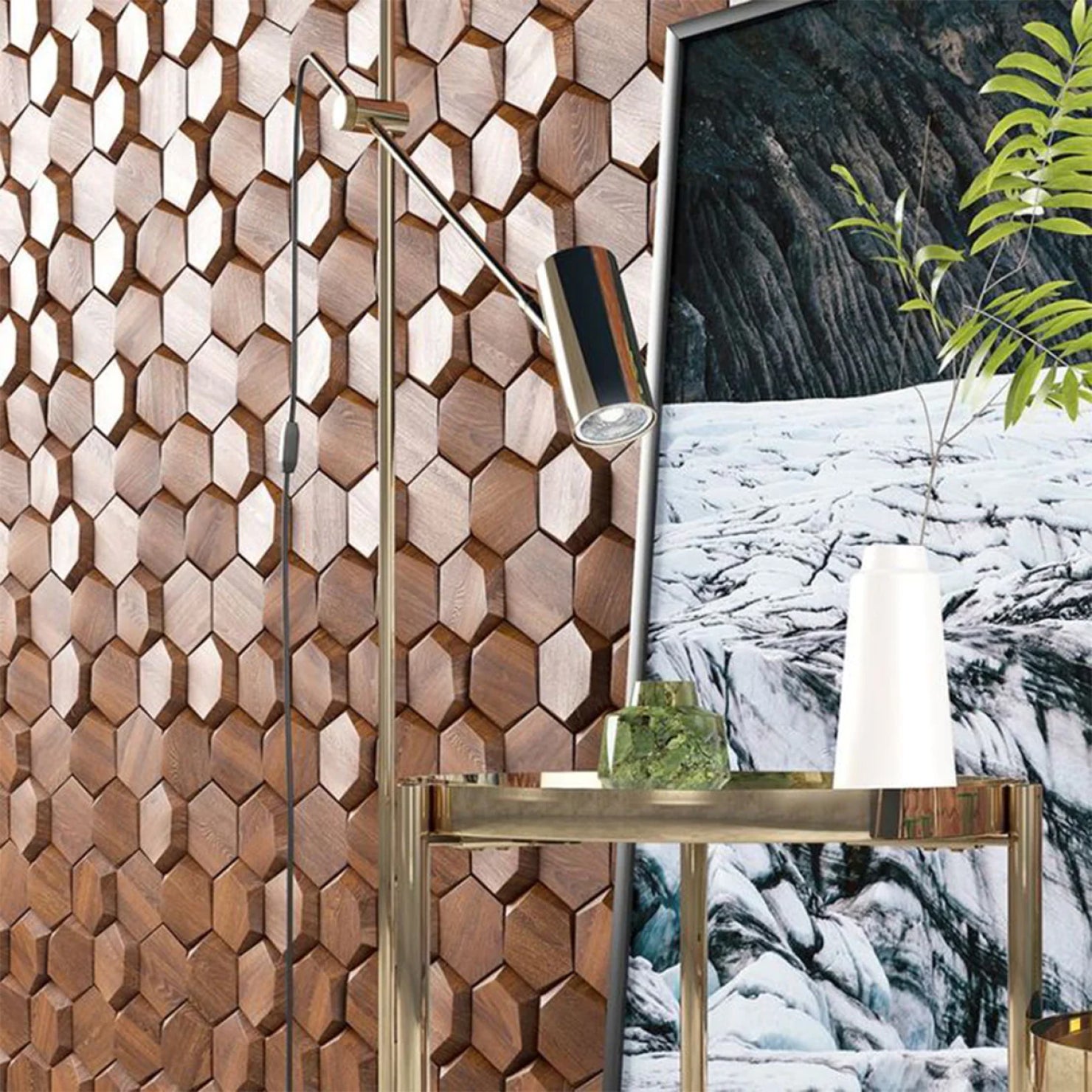
      Geometric designs offer endless possibilities for creating captivating wood trim accent walls. From intricate hexagons and triangles to simple squares and rectangles, geometric patterns can add a modern edge to any room. Experiment with different shapes, sizes, and configurations to design a custom wood trim accent wall that reflects your style and aesthetic.
      Stacked Wood Planks

      Stacked Wood Planks

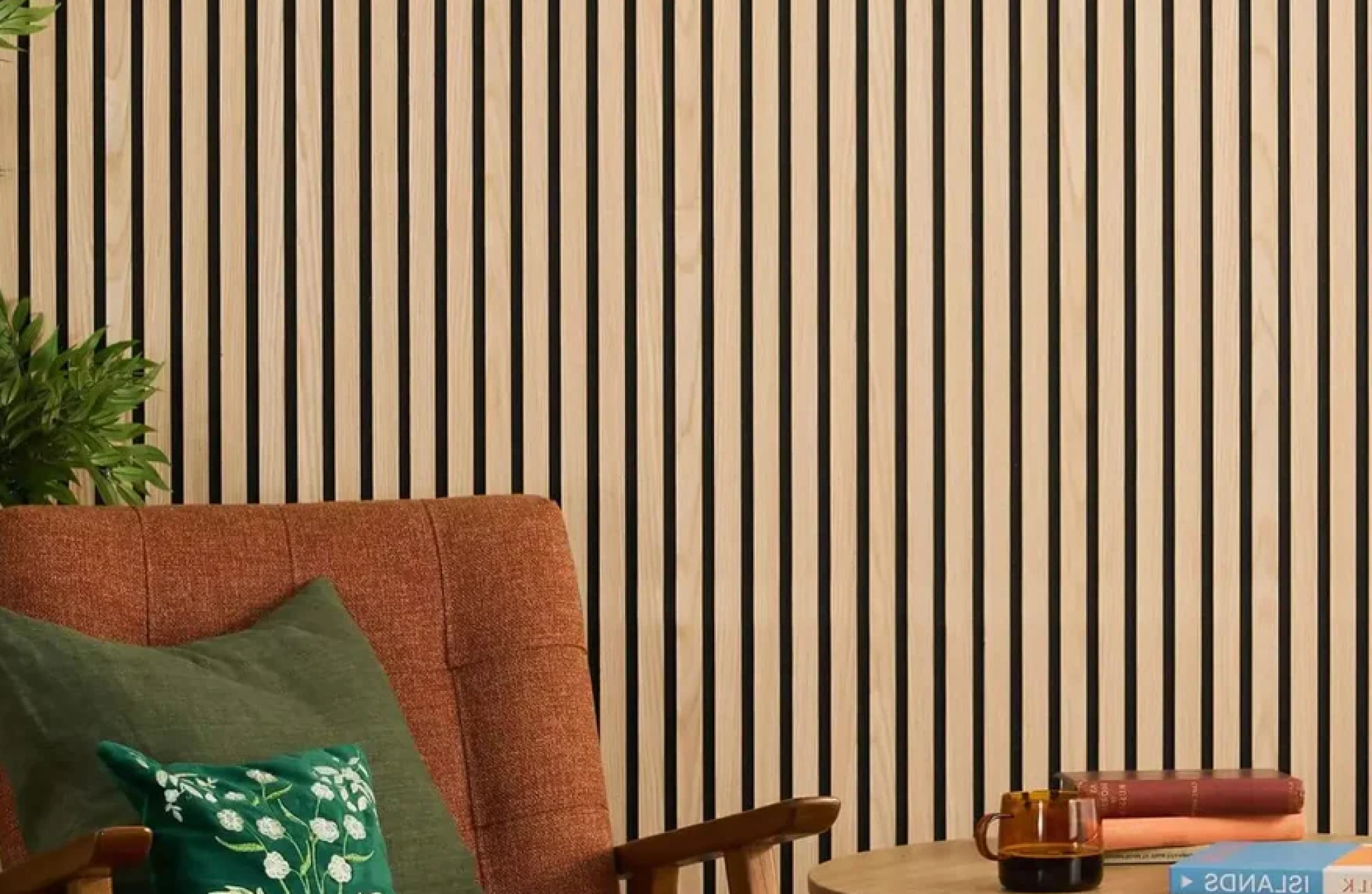
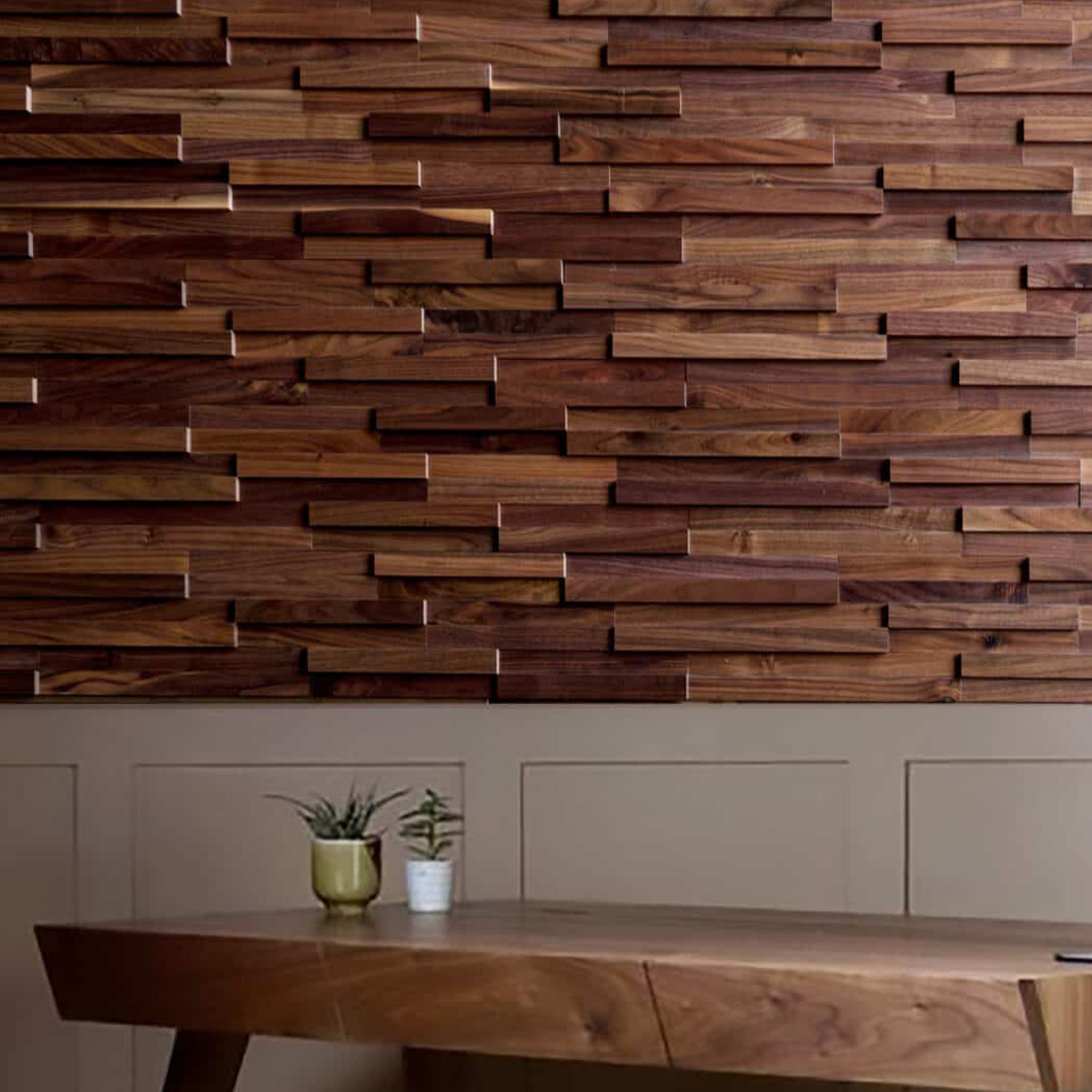
      Stacked wood planks offer a sleek and contemporary alternative to traditional paneling. By vertically stacking narrow wood strips with minimal spacing between each plank, you can create a clean and minimalist accent wall that exudes modern sophistication.

      This design works particularly well in minimalist or Scandinavian-inspired interiors, adding texture and visual interest without overwhelming the space. The pict that you see, use exactly this panel.
      Eclectic Wood Trim Accent Walls

      Eclectic Wood Trim Accent Walls is a design style where wood trim is used to create accent walls in a room, particularly in an eclectic or diverse manner. This style combines various elements of design, such as different types of wood, patterns, colors, or shapes, to create a unique and visually interesting wall feature

      Mixed Materials

      Mixed Materials

      Mixing wood trim with other materials such as metal, stone, or tile can create a visually dynamic accent wall. Whether it’s combining rustic wood planks with industrial metal accents or pairing sleek wood trim with textured stone, the juxtaposition of materials adds depth and interest to the space.

      Picture Frame Effect

      wainscoting

      Create a sophisticated look with picture frame molding, also known as wainscoting. By installing thin strips of wood trim to create rectangular or square frames on the wall, you can achieve a classic and elegant effect reminiscent of traditional paneling. Painting the inside of each frame a contrasting color further enhances the visual impact.

      Painted Wood Trim

      Painted Wood Trim

       Take a bold approach by painting your wood trim accent wall in a vibrant color. Whether it’s a rich jewel tone for a dramatic effect or a soft pastel hue for a subtle touch, painting the wood trim adds personality and charm to the space. This technique allows for endless customization and complements a variety of design styles.

      Tips for Installing Wood Trim Accent Walls

      (man) Hand Installing wall panel

      Installing wood trim accent walls is actually quite an easy DIY project. As long as you get the wall panel and the right tools, even a complete beginner can start. Here are some simple tips to get you started:

      1. Choosing the Right Wood

      Consider the style and aesthetic of your space when selecting wood for your accent wall. Opt for high-quality, durable wood that complements your design scheme and meets your budgetary needs.

      2. Measuring and Cutting

      Accurate measurements and precise cuts are essential for a successful installation. Take the time to measure the wall carefully and use a miter saw or handsaw to cut the wood trim to the correct dimensions.

      3. Preparing the Wall

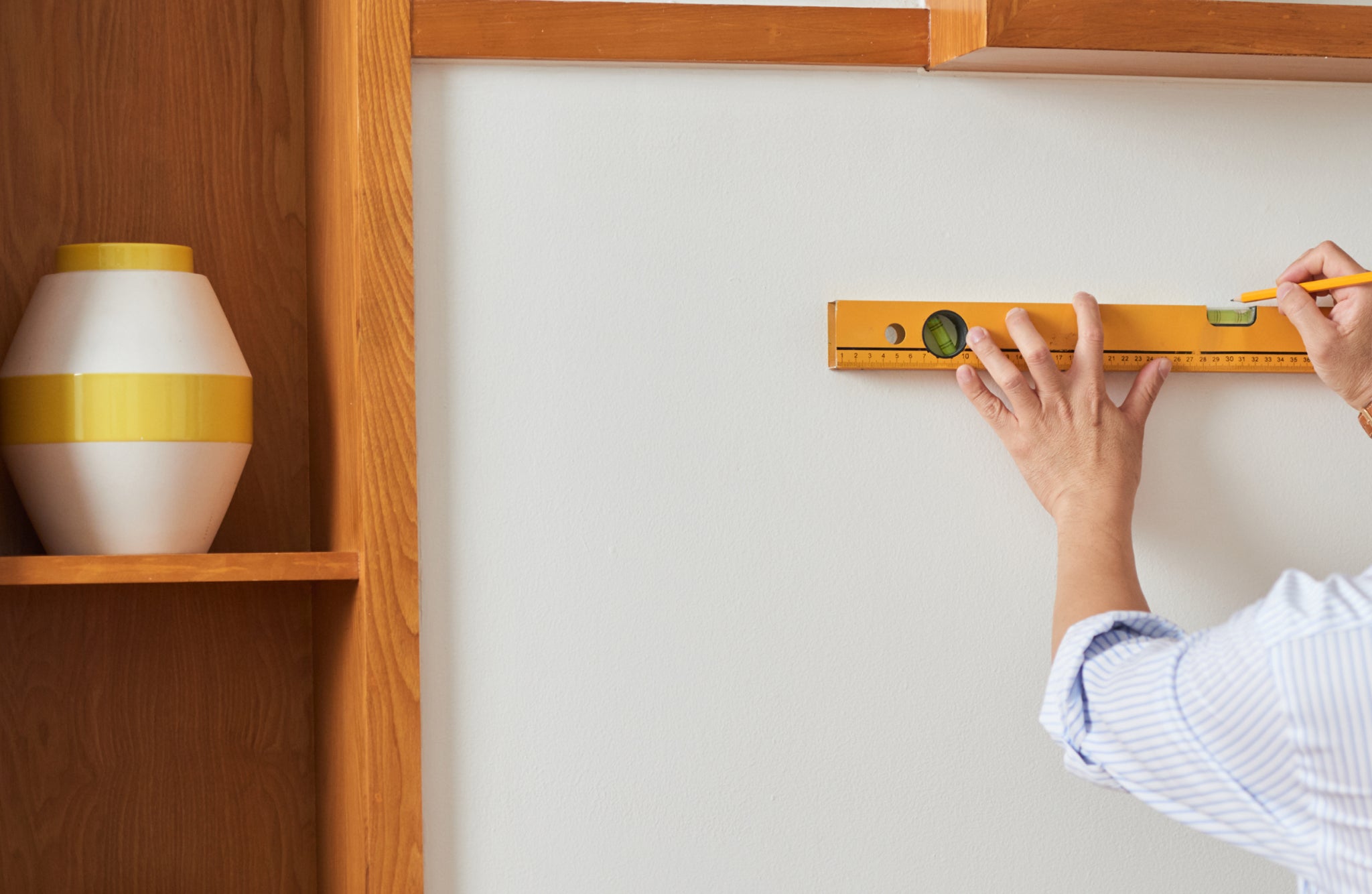
      Ensure that the wall is clean, dry, and free of any debris or imperfections before beginning installation. Use a stud finder to locate wall studs, and mark their locations to guide the placement of the wood trim.

      4. Installation Techniques

      Depending on the type of wood trim you’re using, installation techniques may vary. Use finishing nails or adhesive to secure the trim to the wall, ensuring that each piece is level and properly aligned.

      Read also: [Spring Sale 2024] Essential Tips for Your Outdoor Decor

      Keep Exploring: Wainscoting, Shiplap & Wall Trim

      Conclusion

      In conclusion, wood trim accent walls offer a versatile and stylish way to enhance your home’s interior design. Whether you prefer a traditional, modern, or eclectic aesthetic, there are endless possibilities for creating a stunning focal point with wood trim. From classic horizontal paneling to innovative geometric designs, let your creativity shine and transform your space with these inspiring ideas.

    5. Clever Hallway and Stairs Ideas: Maximize Small Spaces

      Clever Hallway and Stairs Ideas: Maximize Small Spaces

      Don’t let tight spaces hold you back from creating a functional and inviting entryway! Hallway and stairs ideas can transform your underutilized hallway and staircase into a space that’s both stylish and maximizes every square foot.

      By incorporating smart storage solutions, enhancing light flow, and utilizing design tricks that create the illusion of spaciousness, you can turn a cramped corridor into a welcoming haven.

      Storage Solutions

      hallway and stairs ideas

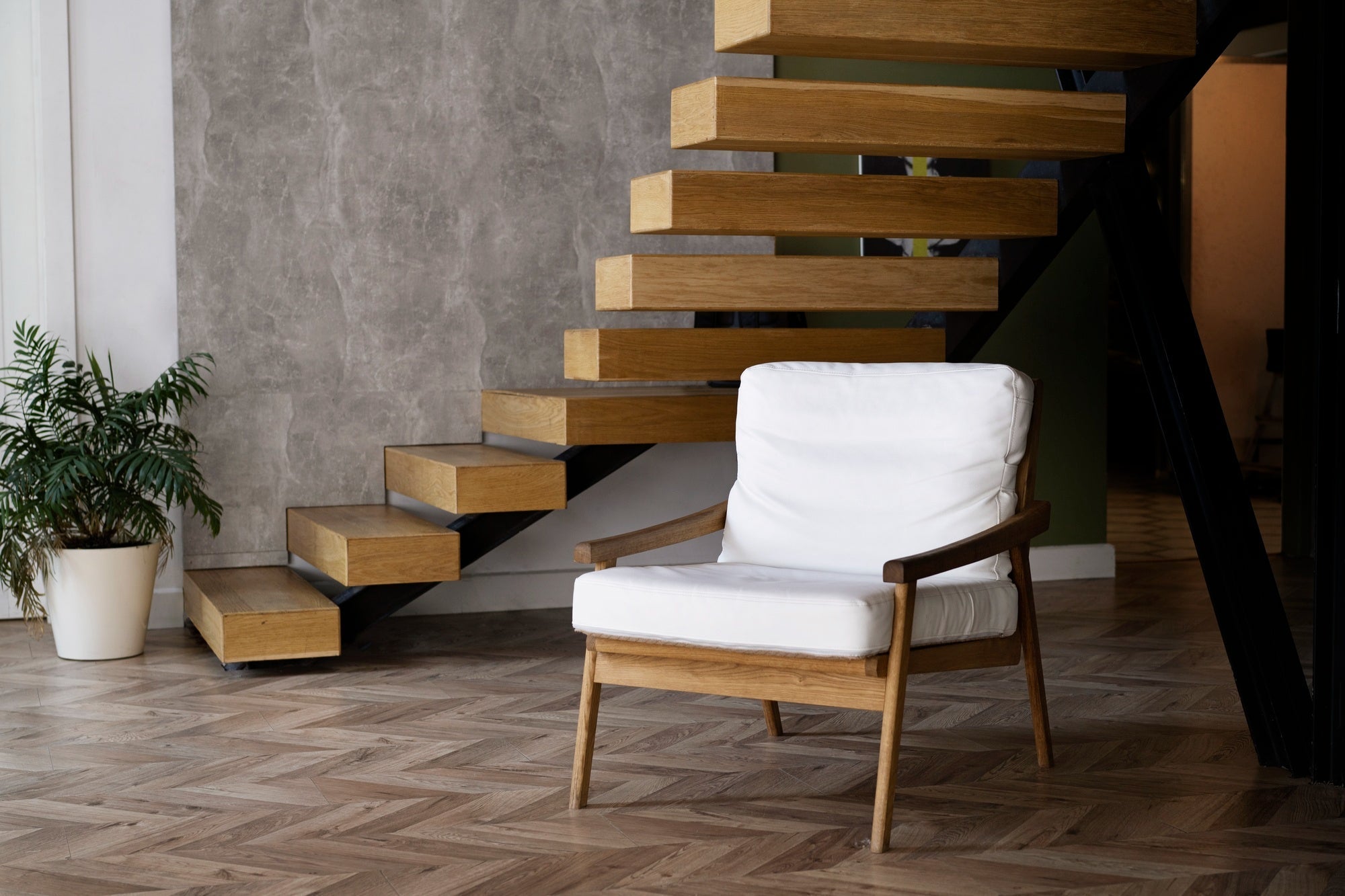
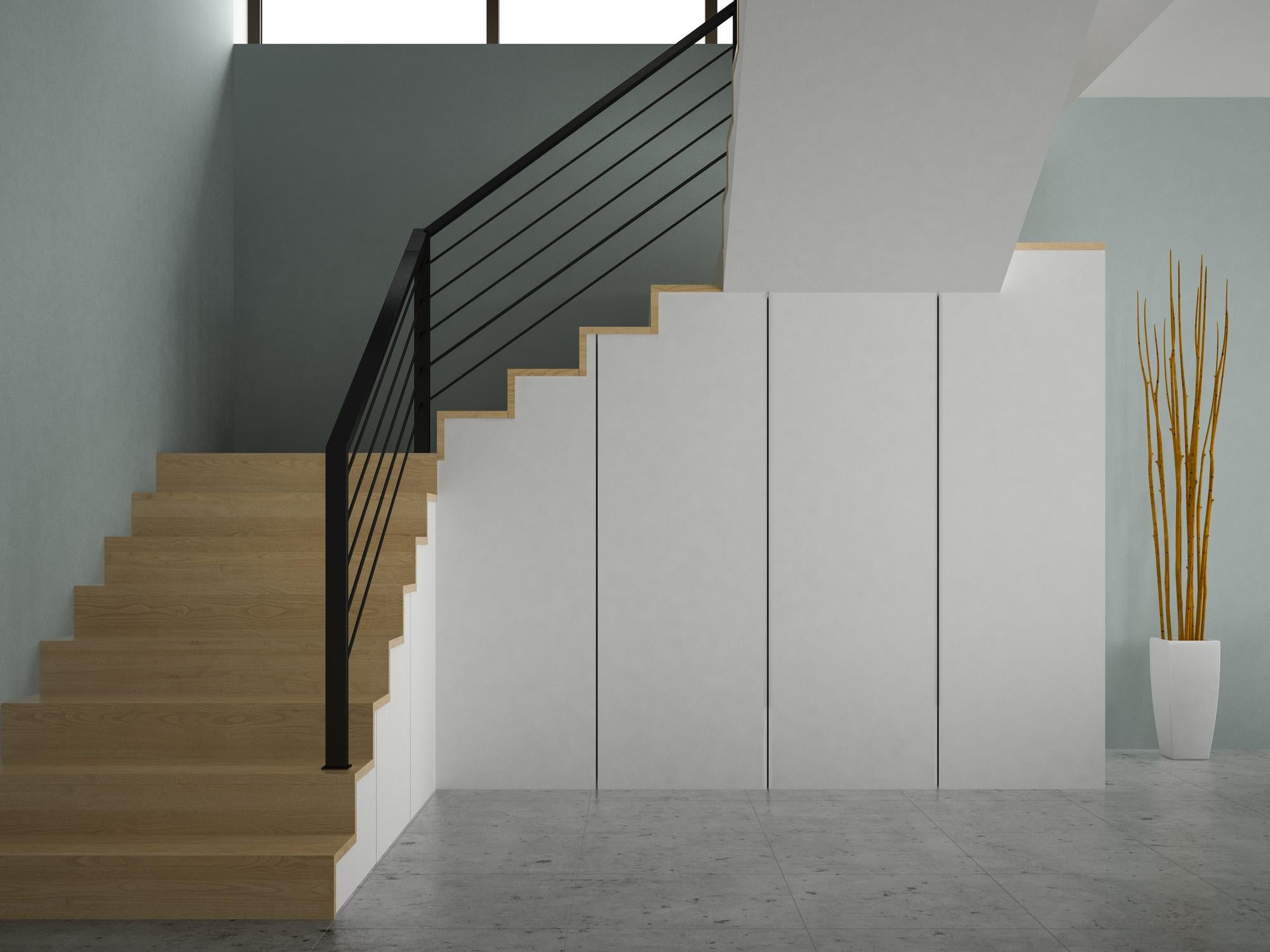
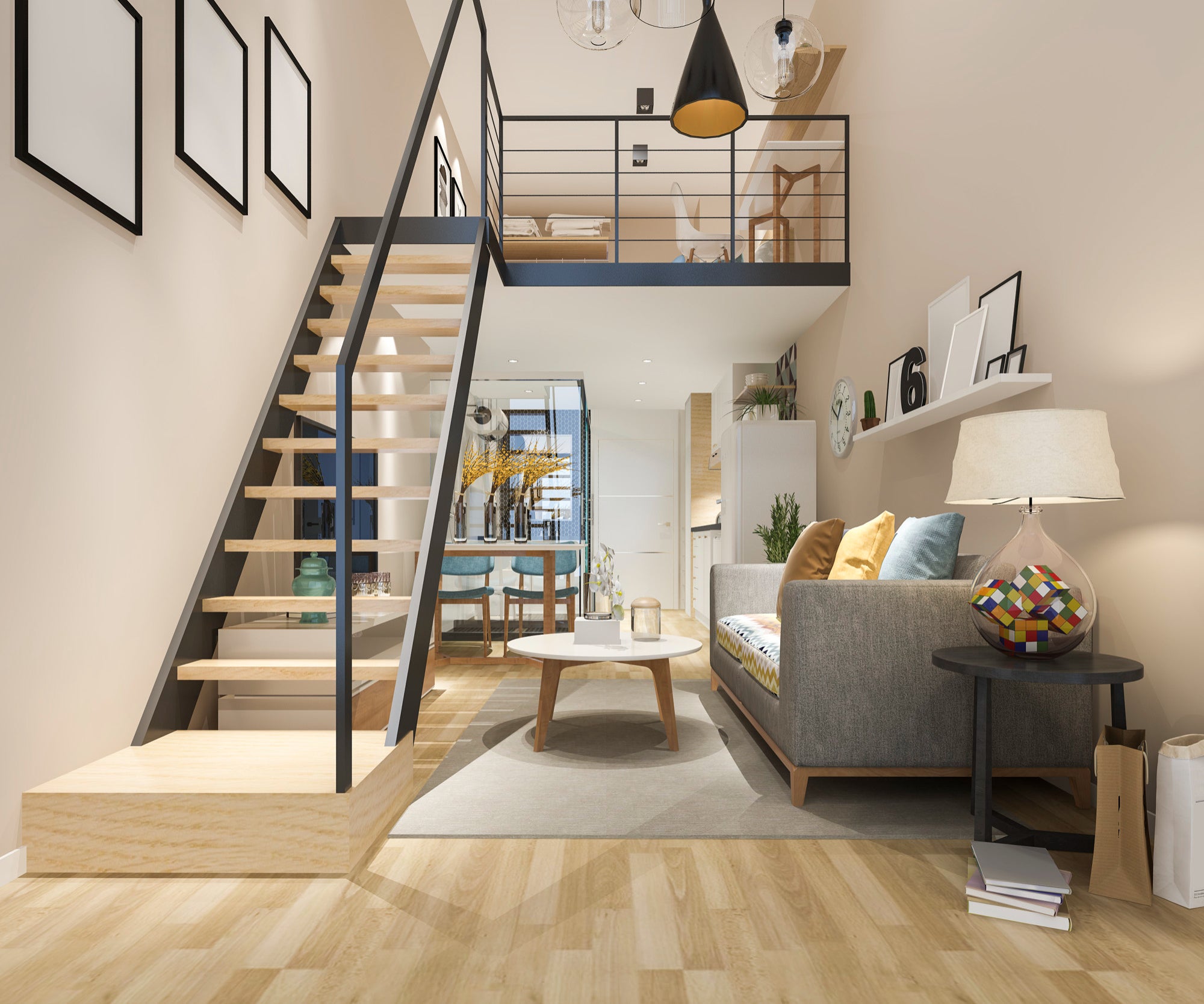
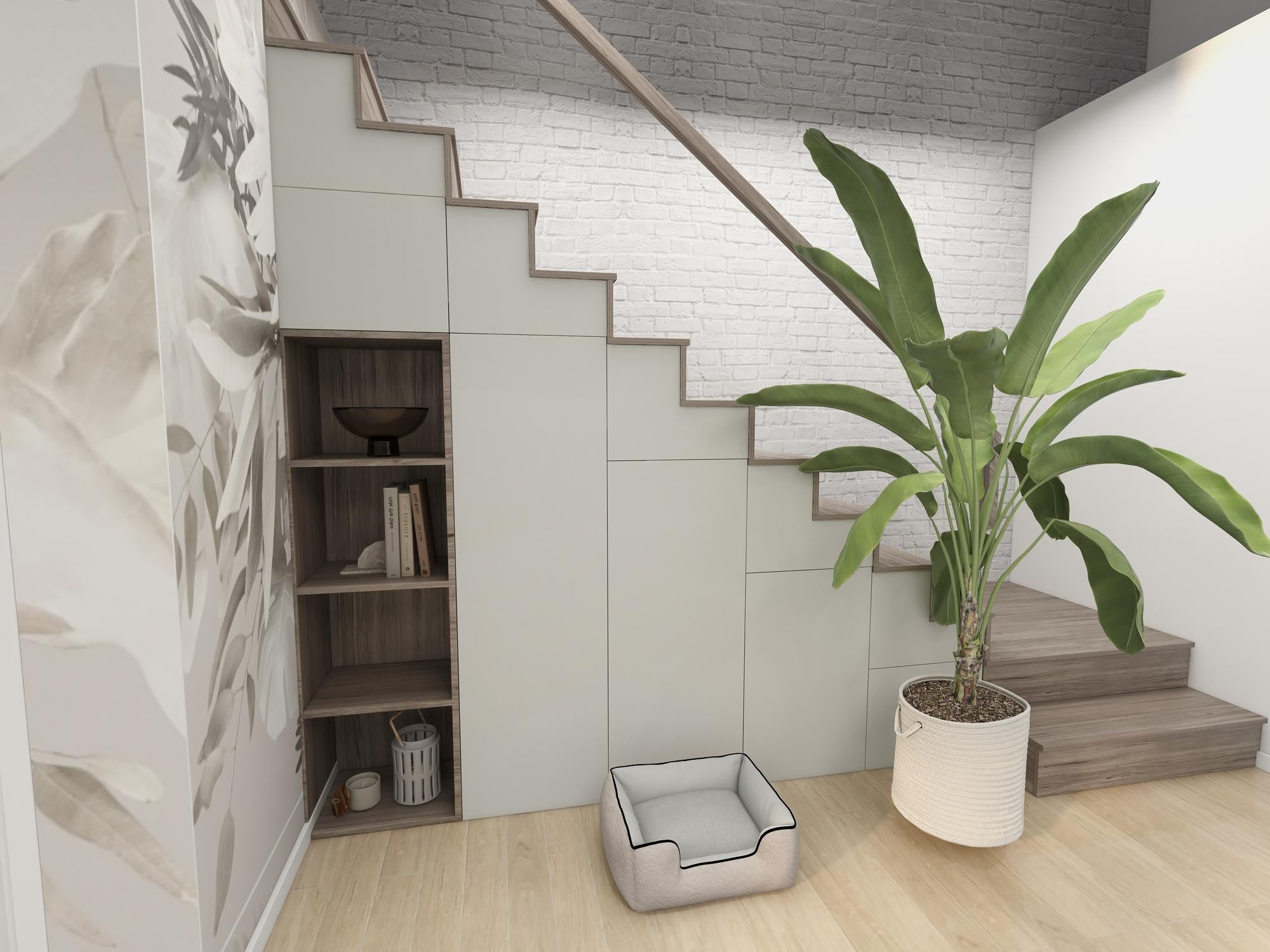
      Limited space in your hallway and stairs doesn’t have to mean sacrificing storage. Hallway and stairs ideas offer creative solutions to maximize your storage potential. Consider installing built-in cabinets or shelves under the stairs; this hidden space is perfect for storing shoes, bags, or even out-of-season clothing.

      Utilize the vertical space on your walls with coat hooks, cubbies, or slim floating shelves for displaying decorative items or storing everyday essentials. Ottomans with built-in storage can provide additional seating while offering a place to tuck away blankets or board games.

      Lighten Up

      hallway and stairs ideas

      Strategic lighting is a key element in hallway and stairs ideas for maximizing small spaces. A well-lit hallway creates a more inviting atmosphere and can visually expand the perceived square footage. Install bright overhead lighting fixtures, or consider sconces mounted along the walls to create a warm and inviting glow.

      Natural light can also play a significant role; opt for sheer curtains on any windows in your hallway to allow for ample sunlight to flow through. If there’s no natural light source, consider installing skylights in specific areas, particularly at the top of the staircase, to bring in additional brightness.

      Read More: Mastering the Process: How to Install Shower Wall Panels Like a Pro

      Mirrors, Mirrors on the Wall

      hallway and stairs ideas

      Mirrors are a clever trick in hallways and stairs to create the illusion of a more spacious hallway. Strategically placed mirrors can reflect light and visually expand the space.

      A large mirror placed on a wall opposite a window will reflect natural light, creating a sense of openness. Mirrors can also be incorporated into built-in cabinets or wardrobe doors, adding both functionality and creating the illusion of additional depth.

      Embrace Vertical Stripes

      hallway and stairs ideas

      Patterns can play a surprising role in hallway and stairs ideas for maximizing small spaces. Vertical stripes painted on your hallway walls can create the illusion of increased height, making your entryway feel taller and more spacious.

      This technique works particularly well on stair risers; painting them with vertical stripes can draw the eye upwards, making the staircase appear less imposing.

      Read More: 5 Best Modern PVC Wall Panel Design for Bedroom in 2023

      Keep it Light and Airy

      hallway and stairs ideas

      Color plays a significant role in creating a sense of spaciousness in hallway and stairs ideas. Opt for light and airy colors like white, cream, or pale blue for your walls and hallway flooring.

      These colors reflect light more readily, making your hallway feel brighter and more open. If you prefer a bolder color, consider using it as an accent wall at the end of your hallway to draw the eye outward and create a sense of depth.

      The Power of Minimalism

      hallway and stairs ideas

      Clutter is the enemy of a small space. Hallway and stairs ideas encourage decluttering and simplifying your entryway. Get rid of any unnecessary furniture or decorations that clutter the space.

      Utilize the storage solutions you’ve incorporated to keep things organized and off the floor. Maintaining a clean and clutter-free hallway will instantly make it feel more spacious and inviting.

      Read More: Cheap Wood Panels for Walls: Transform Your Space on a Budget

      A Touch of Greenery

      hallway and stairs ideas

      While large plants might not be ideal for a small hallway, strategically placed greenery can add a touch of life and vibrancy to hallway and stairs ideas.

      Small potted plants placed on console tables or window sills can add a pop of color and bring the outdoors in. Hanging plants suspended from the ceiling or wall-mounted planters can add a vertical element without sacrificing valuable floor space.

      Make a Grand Entrance

      hallway and stairs ideas

      Don’t forget to personalize your hallway and stairs! Hallway and staircase ideas encourage you to incorporate decorative elements that reflect your style and personality. A statement rug at the entrance can add a touch of color and pattern.

      Framed artwork or photographs hung on the walls can create a focal point and add visual interest. A stylish console table can provide a surface for displaying decorative accents or a lamp for additional lighting.

      By incorporating personal touches, you can transform your hallway from a simple passageway into a welcoming and inviting space that reflects your unique style.

      Read More: How To Install Wall Panelling In Your Home – 5 Simple Steps

      Conclusion

      With a little creativity and these hallway and stairs ideas, you can transform your cramped entryway into a functional, stylish, and inviting space that maximizes every square foot. Breathe new life into your hallway and create a space you’ll love!

      Making Stairs and Hallways Feel Like One Cohesive Design

      The hallway and staircase are usually treated as separate design zones, but treating them as a single connected space produces far better results. The key is choosing materials, colours, and profiles that carry through from the entrance to the upper floor without feeling repetitive.

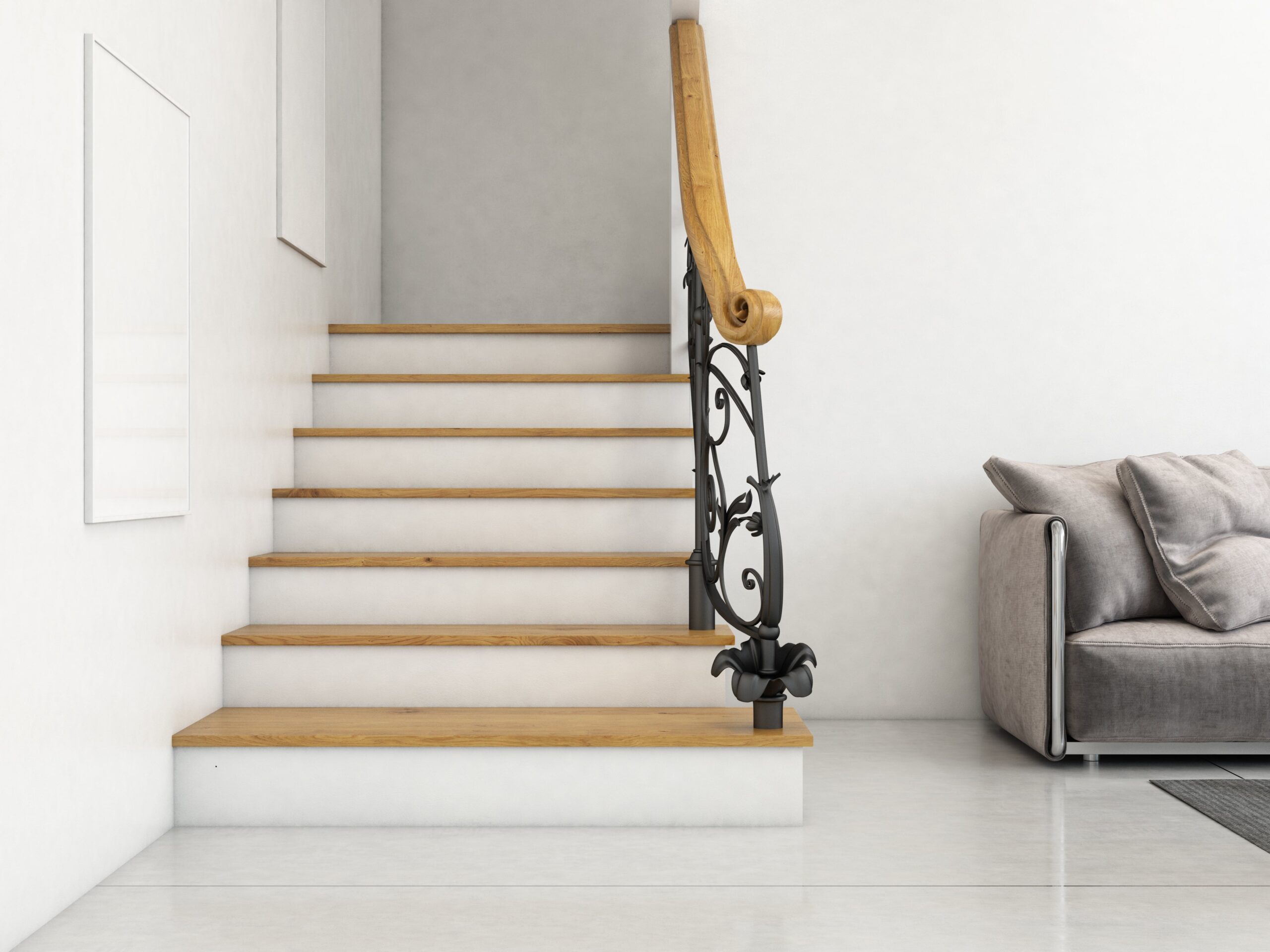
      A common and highly effective approach is to panel the staircase wall and the hallway with the same material at different heights. In the hallway, panels typically run full height or to a dado rail. On the staircase, panels are installed as a raking dado — following the slope of the stairs — which creates a visual line that pulls the eye upward and ties both spaces together.

      If budget is a constraint, prioritise paneling the first wall you see as you enter the hallway. That wall has the highest design impact per square metre. The staircase can be treated with paint in a complementary tone initially and panelled later when budget allows.

      Flooring also plays a significant role in connecting the two areas. Consistent flooring material across the hallway and staircase — whether carpet, wood, or stone — creates a seamless visual flow that makes even a basic hallway feel professionally designed.

      Hallway and Stairs Design FAQs

      What is the best way to panel a staircase wall?
      The most common approach is a raking dado: wood panels installed at a consistent height that follow the slope of the stairs. This creates a clean diagonal line along the staircase. The panels sit between a skirting at the bottom and a dado rail or picture rail at the top. Tongue-and-groove, shiplap, and MDF panel systems all work well for raking dado applications.

      Can I use the same wood panels in both the hallway and the stairwell?
      Yes — and it is usually the best option for visual continuity. The same material, same finish, and same profile installed at consistent heights throughout both areas produces a polished, considered result that reads as an intentional design choice rather than separate decisions made at different times.

      What colours work well in a narrow hallway with a staircase?
      Warm whites and off-whites (rather than cool blue-whites) open up narrow spaces without feeling clinical. If you want to introduce colour, the staircase wall is a good place to try a bolder shade, as it creates depth at the far end of the hallway and draws the eye forward.

      Is it safe to hang art or panels on a staircase wall?
      Yes, provided fixings are appropriate for the wall type and weight. For heavier panel systems, locate wall studs or use appropriate cavity fixings. Lighter slat panel systems using adhesive can be used on staircase walls with the same installation approach as any other wall.

    6. Level Up Your Space: How to Decorate Wall Behind TV Stand

      Level Up Your Space: How to Decorate Wall Behind TV Stand

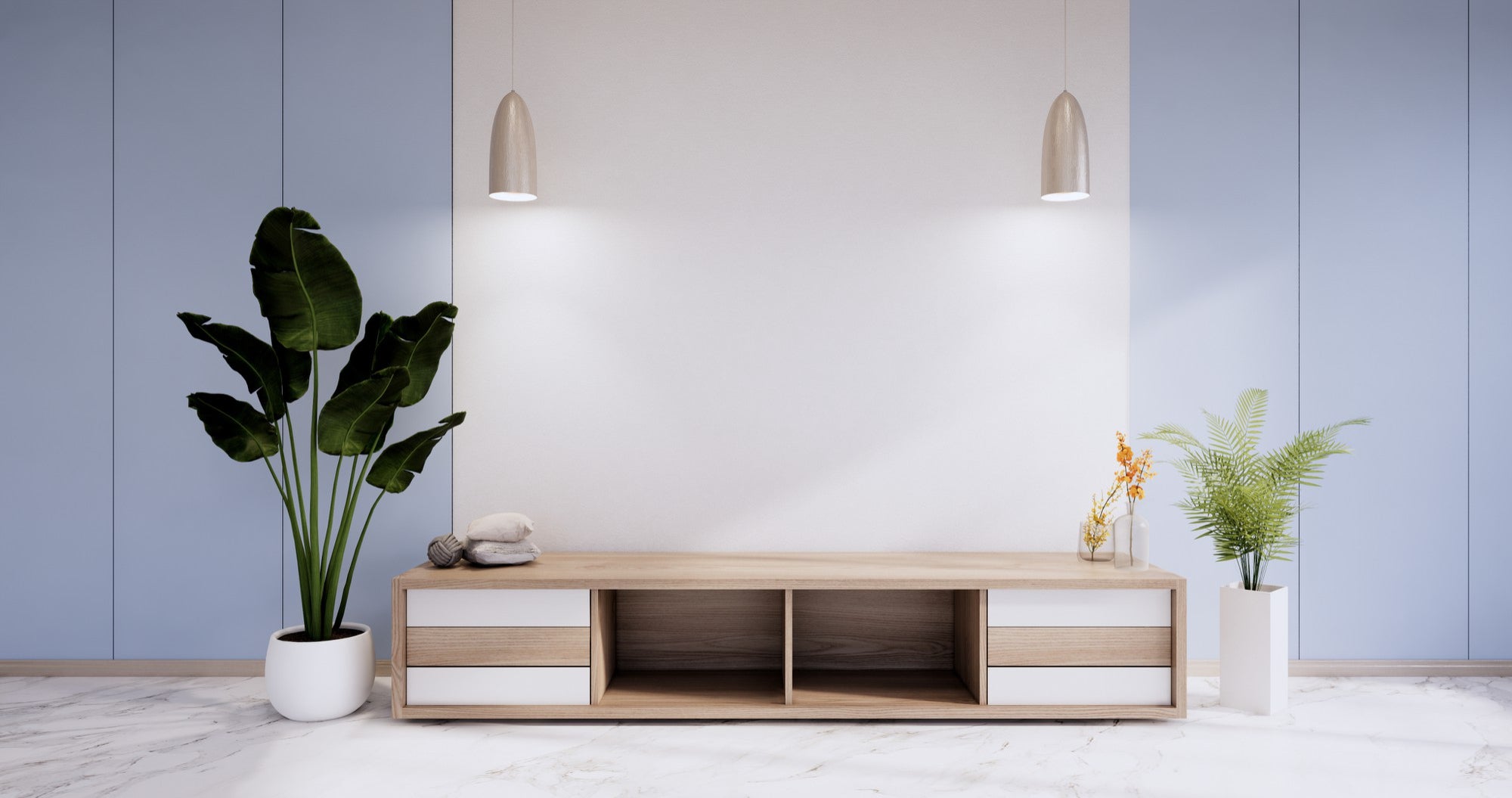
      Tired of the boring space behind your TV? How to decorate wall behind tv stand is a question that plagues many homeowners. That blank wall can bring down the entire aesthetic of your living room.

      But fear not! With a little creativity, you can transform this often-overlooked area into a stylish and functional focal point. How to decorate wall behind tv stand offers a variety of solutions to add personality and style to your living room.

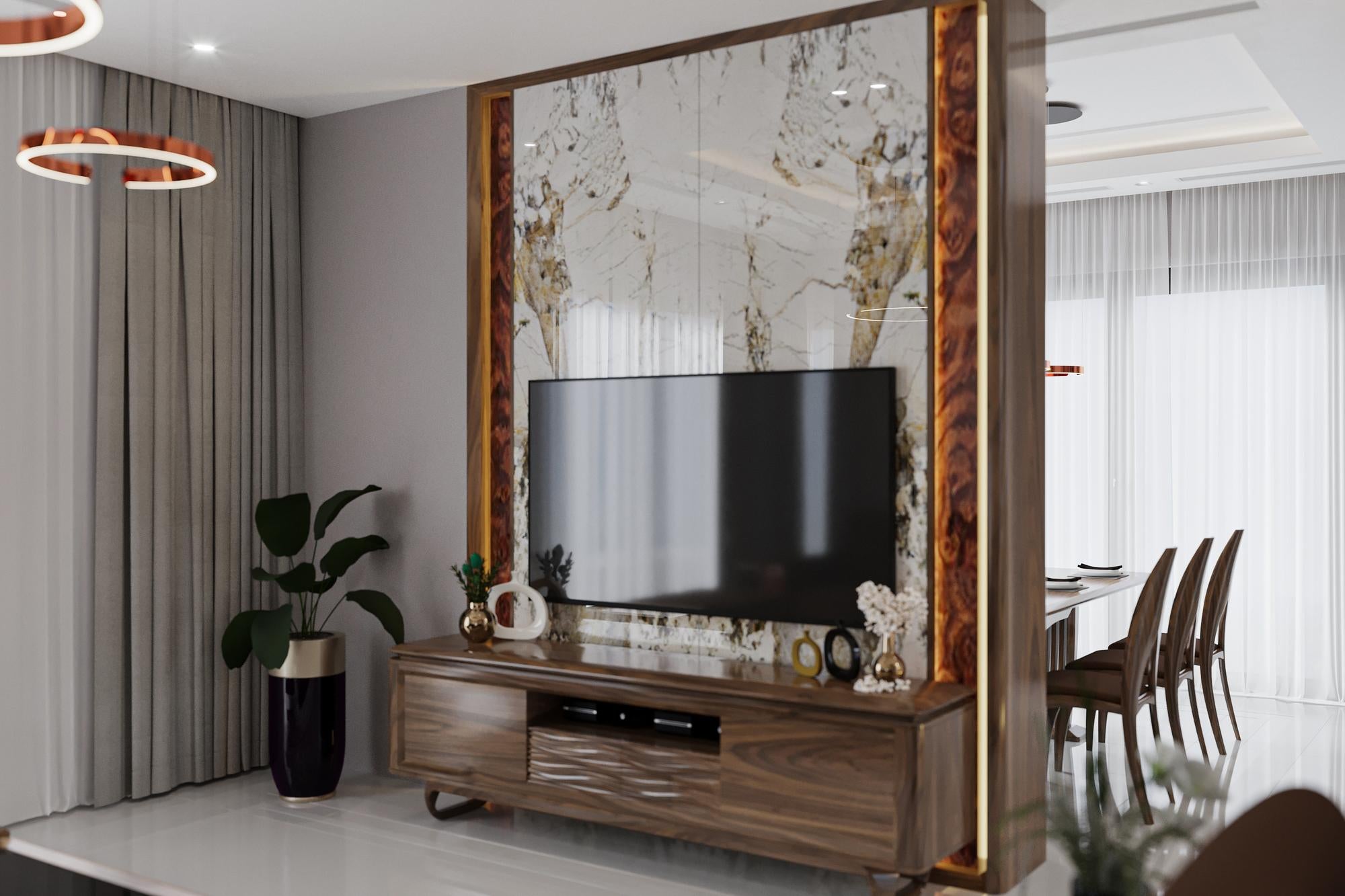
      Artwork: A Classic Choice

      how to decorate wall behind tv stand

      A timeless option for decorate wall behind tv stand is artwork. A single statement piece, like a large canvas or a bold tapestry, can instantly elevate your space.

      Consider the overall style of your living room and choose artwork that complements your existing décor. If you prefer a more curated look, create a gallery wall with a collection of smaller pieces.

      Decorate wall behind tv stand with a gallery wall allows you to showcase your personality and interests, while adding visual interest and texture to the space.

      AlignPro Walnut Wood

      20 reviews
      $90

      American Oak Slat Wood

      18 reviews
      $225 $249

      American Walnut

      20 reviews
      $409

      Crossinglines Mosaic Wood

      32 reviews
      $199 $299

      Feline 3D PVC

      20 reviews
      $109

      Flower 3D PVC

      13 reviews
      $219

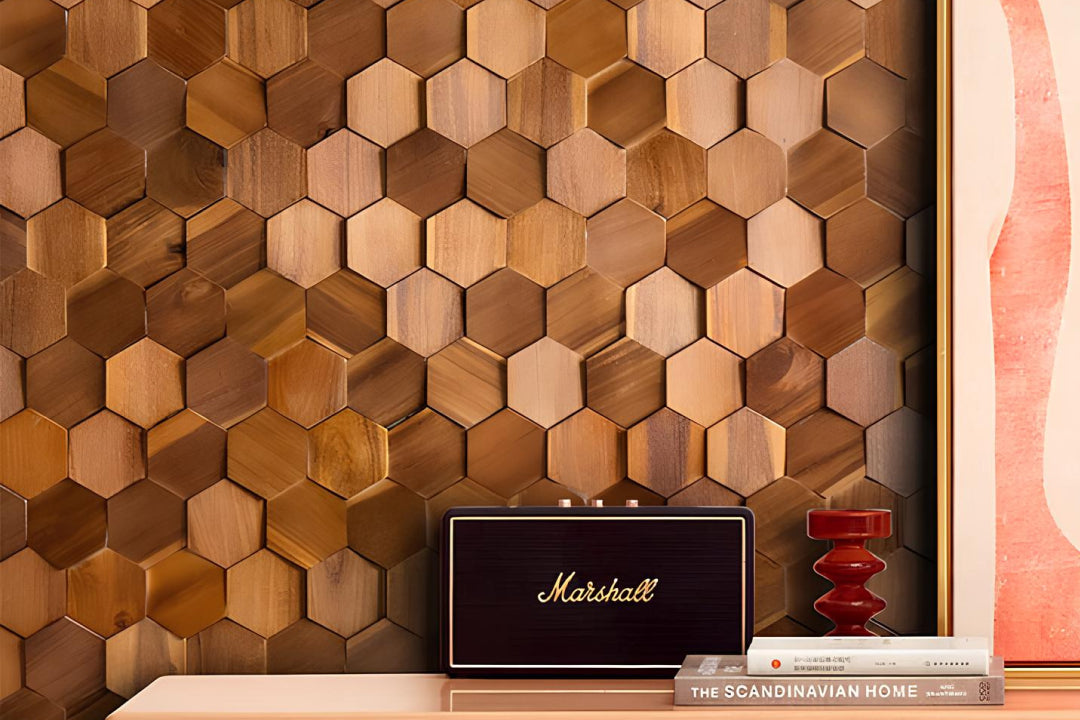
      Hexagon Walnut Solid Wood

      13 reviews
      $349 $399

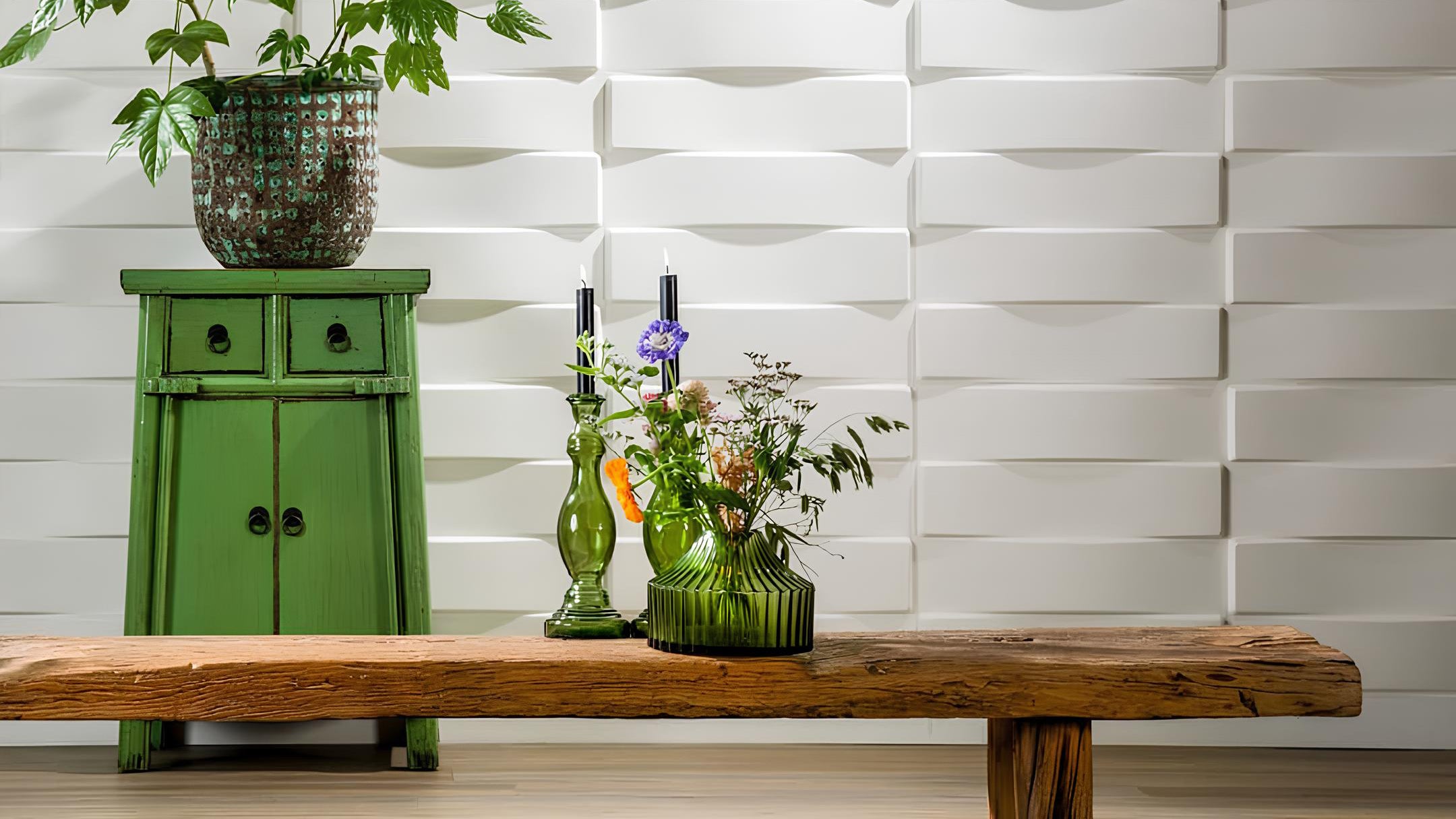
      Rectangular 3D PVC

      16 reviews
      $219

      Triangle Mosaic Wood

      11 reviews
      $369

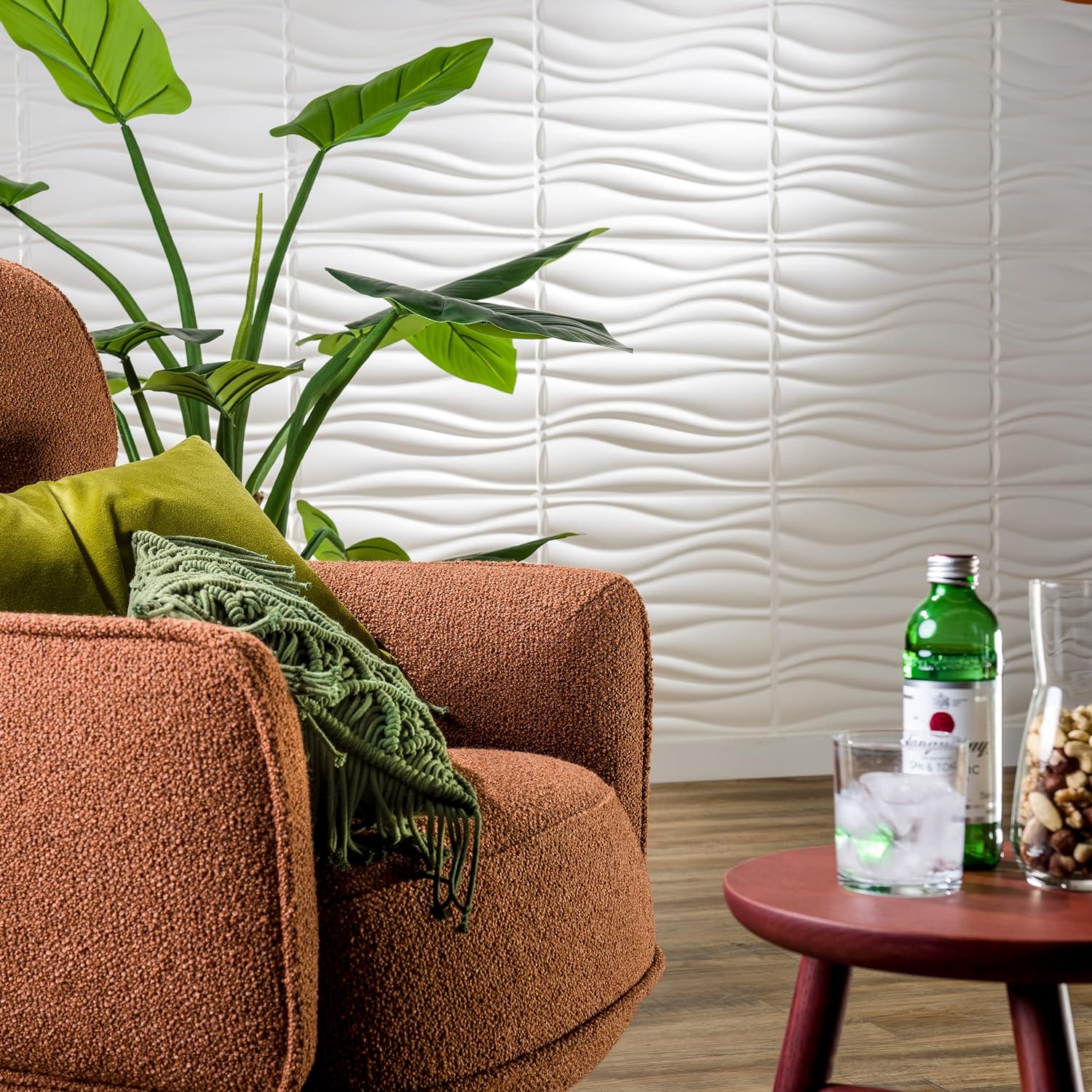
      Waves 3D PVC

      15 reviews
      $219

      Greenery for a Touch of Life

      how to decorate wall behind tv stand

      Bring the outdoors in with greenery! Plants are a fantastic way to add a touch of life and vibrancy to the space behind your TV stand. Decorate wall behind tv stand with greenery doesn’t require a botanical garden.

      Small potted plants placed on a console table or window sills can add a pop of color. Hanging plants suspended from the ceiling or wall-mounted planters can add a vertical element without sacrificing valuable floor space.

      Decorate wall behind tv stand with plants is a simple yet effective way to soften the overall look and create a more inviting atmosphere.

      Read More: Cheap Wood Panels for Walls: Transform Your Space on a Budget

      Shelving Solutions: Functionality Meets Style

      how to decorate wall behind tv stand

      How to decorate wall behind tv stand can also be an opportunity to add some much-needed storage space. Shelving is a versatile option that allows you to showcase decorative items, organize books or movies, and add functionality to your living room.

      Floating shelves in a variety of sizes and materials can create a modern look. Built-in shelving offers a more custom look and can be designed to perfectly fit the space behind your TV stand.

      Embrace Texture with Wallpaper

      how to decorate wall behind tv stand

      How to decorate wall behind tv stand with wallpaper offers a chance to make a bold statement. A textured wallpaper can add visual interest and depth to the space.

      Consider geometric patterns, metallic accents, or even a nature-inspired mural. Opt for a removable wallpaper if you’re hesitant about a permanent change. This allows you to experiment with different looks and update your décor easily.

      Read More: How To Install Wall Panelling In Your Home – 5 Simple Steps

      Light Up Your Space

      how to decorate wall behind tv stand

      Strategic lighting can significantly enhance the look and feel of the space behind your TV stand. How to decorate wall behind tv stand with lighting can create a more inviting atmosphere and add another layer of design.

      String lights draped across the wall add a touch of whimsy. Sconces mounted on either side of the TV stand provide warm, ambient light. A well-placed spotlight can highlight a piece of artwork or create a dramatic focal point.

      Mirror on the Wall

      how to decorate wall behind tv stand

      Mirrors are a clever trick for how to decorate wall behind tv stand. Strategically placed mirrors can reflect light and visually expand the space, making your living room feel larger and brighter.

      A large mirror placed opposite a window will reflect natural light, creating a sense of openness. Mirrors can also be incorporated into built-in shelving or cabinets, adding both functionality and depth to the space.

      Read More: 5 Best Modern PVC Wall Panel Design for Bedroom in 2023

      Personalize Your Space

      how to decorate wall behind tv stand

      Don’t forget to personalize the space behind your TV stand! How to decorate wall behind tv stand is all about reflecting your unique style and interests. A statement rug placed beneath the TV stand can add a touch of color and pattern.

      Framed family photos or travel souvenirs displayed on shelves can add a personal touch. A collection of vintage records or movie memorabilia can showcase your hobbies and create a conversation starter.

      Read More: Mastering the Process: How to Install Shower Wall Panels Like a Pro

      Conclusion

      By incorporating these creative ideas for how to decorate wall behind tv stand, you can transform the space behind your TV from an eyesore into a stylish and functional focal point.

      How to decorate wall behind tv stand allows you to express your personality, add visual interest, and elevate the overall aesthetic of your living room. So unleash your creativity and have fun personalizing this often-overlooked space!

    7. Best Small Home Theater Room Design Ideas in 2026

      Best Small Home Theater Room Design Ideas in 2026

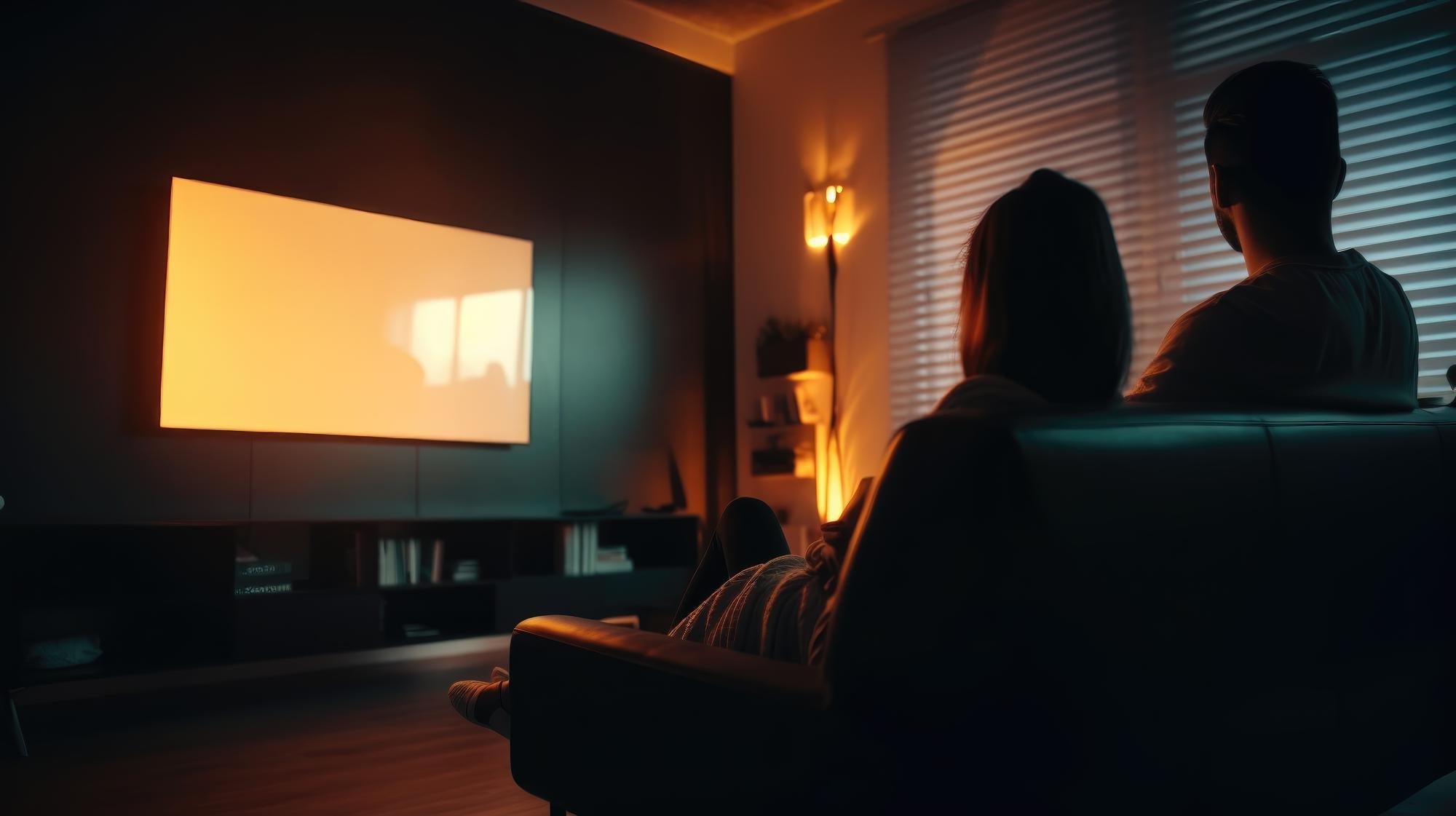
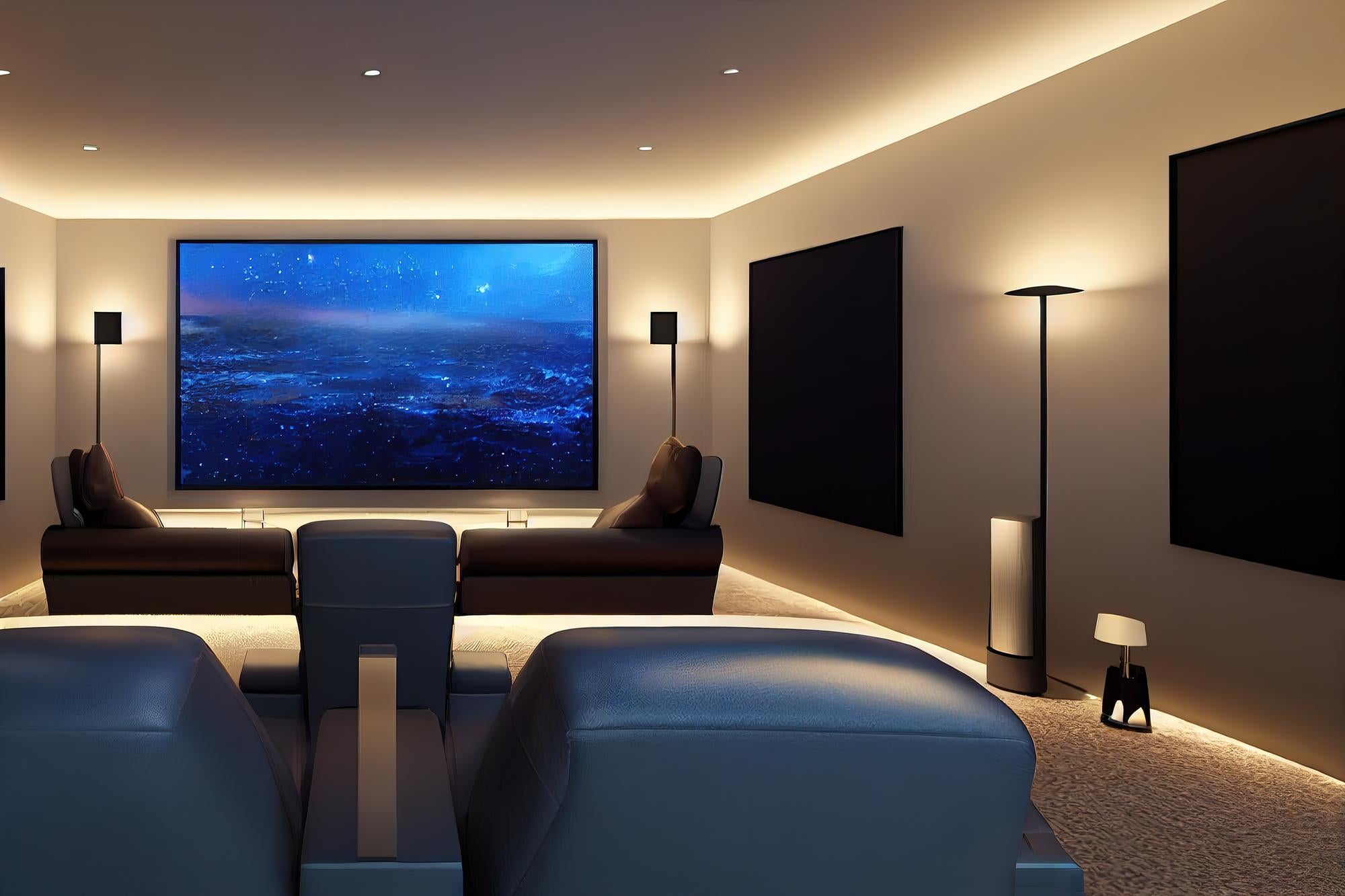
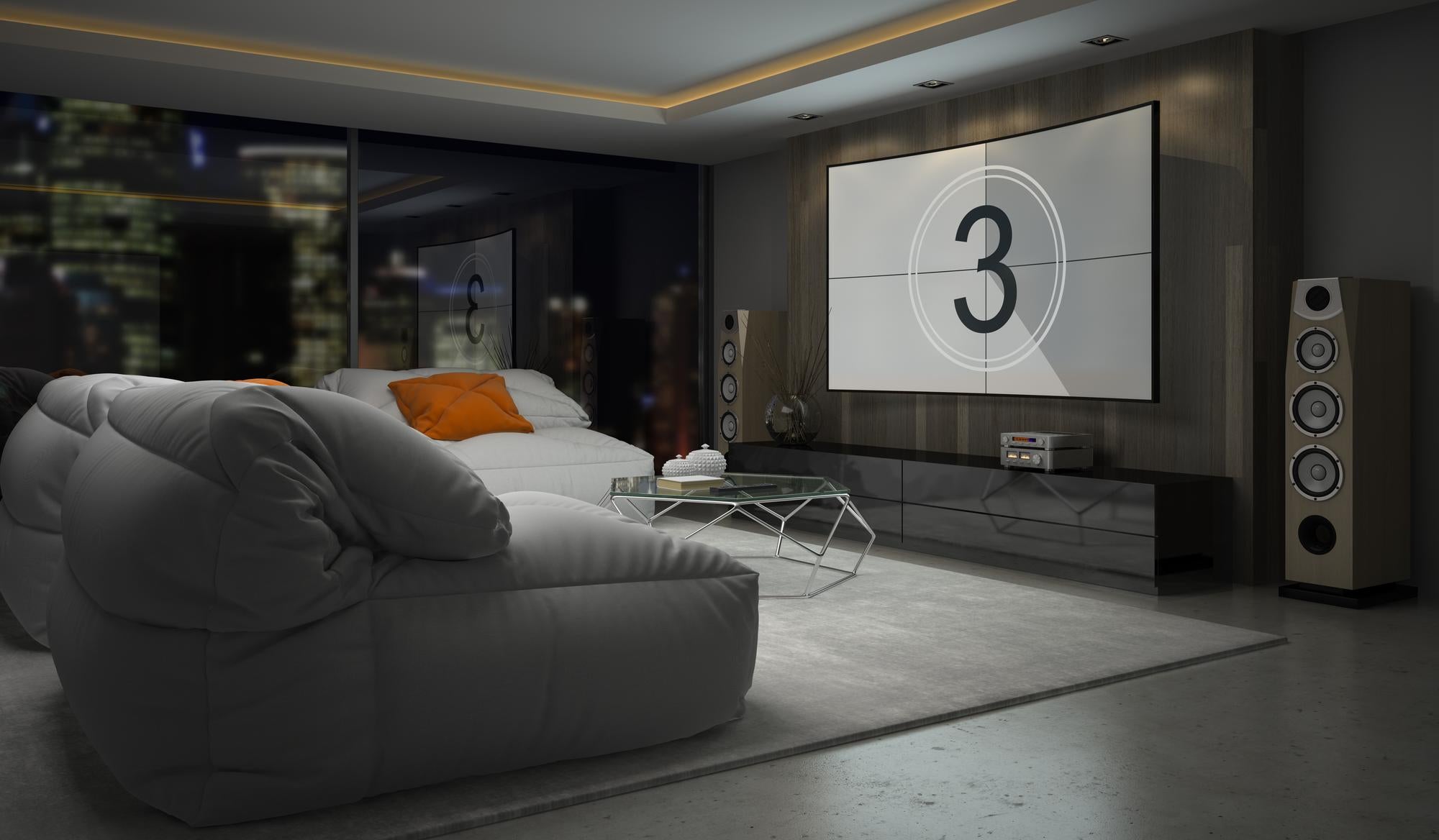
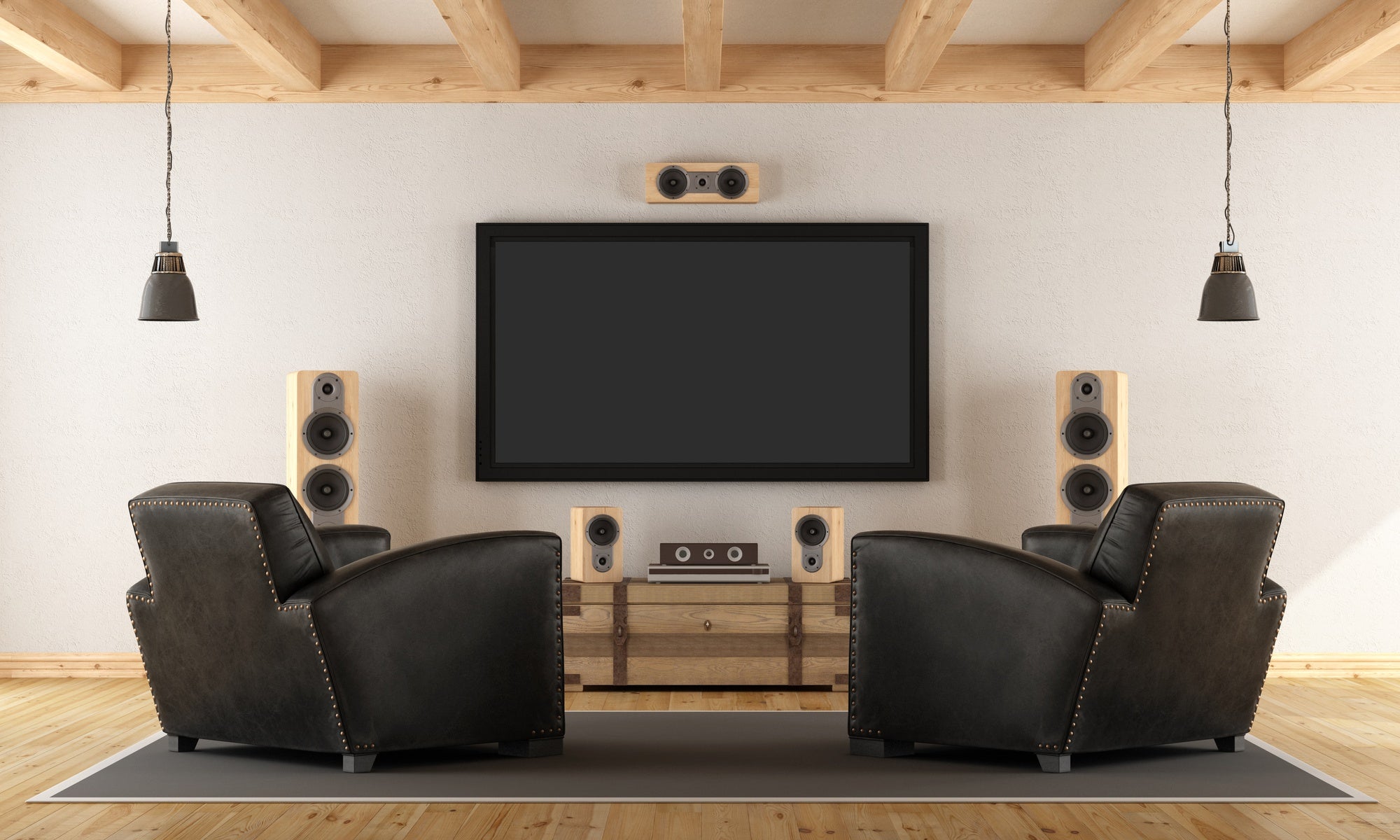
      Dreaming of a cinematic experience in the comfort of your own home? You don’t need a dedicated room or a massive budget to create an immersive small home theater room. With a touch of creativity and these small home theater room design ideas, you can turn even a cozy nook into your personal movie haven.

      Optimizing Space for Big Entertainment

      small home theater room design ideas

      Even the most limited square footage can be maximized for an unforgettable movie experience. Small home theater room design ideas are all about strategic space utilization. Consider converting a spare closet – with some shelving removed and clever lighting added, it can become a surprisingly cozy movie den.

      An alcove under the stairs can be transformed into a mini theater with built-in seating and a projector screen. Even a rarely used corner of your living room can be sectioned off with curtains or a room divider to create a dedicated viewing area.

      Remember to measure your space carefully before purchasing furniture and equipment, and utilize space-saving solutions like wall-mounted shelves and ottomans with built-in storage.

      Read More: Cheap Wood Panels for Walls: Transform Your Space on a Budget

      Maximize Your Viewing Experience

      small home theater room design ideas

      Projectors offer a fantastic alternative to TVs in small home theater rooms. Unlike TVs that are confined to a specific size, projectors can project a larger-than-life image onto a blank wall or a retractable screen, creating a truly cinematic experience.

      This allows you to create a more immersive viewing experience without sacrificing valuable floor space in your small home theater room design ideas. Projectors are generally more compact than TVs, freeing up valuable floor space.

      Additionally, many modern projectors come with short throw capabilities, which means they can project a large image even when placed close to the screen – perfect for smaller rooms.

      Seating Comfort is Paramount

      small home theater room design ideas

      Comfort is key to a truly enjoyable movie night, and seating is an essential element in any small home theater room design. Invest in plush seating that offers good lumbar support to prevent aches and pains during long viewing sessions.

      Recliners are a great option for small home theater rooms, as they provide ultimate relaxation and can be easily reclined to create a more immersive viewing experience. If space is at a premium, consider futons or loveseats that can double as guest seating.

      You can also explore modular seating options that allow for flexible configurations to maximize space and accommodate different viewing arrangements in your small home theater room design ideas.

      Light Control is Key

      small home theater room design ideas

      For optimal viewing and that authentic theater ambiance, light control is essential in small home theater room designs. Light pollution from windows and surrounding fixtures can wash out the picture quality and distract from the movie experience.

      Blackout curtains or blinds are a great way to block out natural light, ensuring a clear and crisp picture on your screen. Strategically placed dimmers on your overhead lights or wall sconces allow you to create the perfect atmosphere for movie immersion.

      With the lights dimmed low, subtle accent lighting behind your screen or along the baseboards can further enhance the ambiance and create a truly cinematic feel in your small home theater room design ideas.

      Sound that Surrounds You

      small home theater room design ideas

      Even a small home theater room can benefit from a surround sound system that creates a truly immersive audio experience. Consider a soundbar with a wireless subwoofer for an impactful yet space-saving audio solution in your small home theater room design ideas.

      Soundbars are designed to deliver rich and clear sound without requiring multiple speakers and extensive wiring. Look for soundbars with features like Dolby Atmos or DTS:X compatibility, which create a more three-dimensional soundscape for an even more immersive movie experience.

      Alternatively, strategically placed bookshelf speakers around the room can create a surround sound effect without overwhelming your limited square footage.

      Unleash Your Inner Decorator

      Home Theater

      Don’t forget the finishing touches that elevate your small home theater room design from functional to truly special! Incorporate subtle movie-themed decor like framed classic film posters or vintage popcorn tins to spark conversation and create a nostalgic atmosphere.

      Play with textures and patterns – plush rugs or cozy throws will further enhance the feeling of comfort and luxury in your small home theater room design.

      The Finishing Touches

      Home Theater

      The final details can make a big impact in your small home theater room design. Consider a snack station with a mini fridge and popcorn maker to keep the movie magic flowing throughout the night. A small bar cart can be stocked with your favorite drinks for an extra touch of sophistication.

      For movie marathons, a charging station hidden behind furniture ensures your devices stay powered up, eliminating those dreaded low battery notifications during a critical scene.

      With these small home theater room design ideas, you can create an intimate and immersive space to enjoy your favorite movies and shows. So grab your popcorn, dim the lights, and get ready for a cinematic adventure in the comfort of your own home!

      Whether you’re curling up for a date night or hosting a movie marathon with friends, your small home theater room will be the perfect place to escape into the world of cinema.

      Home Theater Wall Design Recommendation

      acoustic-natural-wood-slat-living-0944-The Panel Hub

      A great home theater isn’t just about the screen, it’s about how the room sounds and feels. Slat acoustic wood panels directly improve both. For a detailed breakdown of panel placement, coverage ratios, and which types work best in each position, read our guide to acoustic wall panels for home theater.

      In a typical room, sound waves bounce off hard surfaces like walls, ceilings, and floors. This creates echo and muddiness, making dialogue harder to hear and reducing overall audio quality.

      Wood wall panels are generally designed to absorb and diffuse sound, minimizing those reflections. The result is clearer dialogue, more defined sound effects, and a listening experience that feels closer to a real cinema. Here are a few reasons why installing an acoustic wall panels are the best choice for you home theater:

      Balanced Audio Across the Room

      Without acoustic treatment, certain spots in the room may sound louder or less clear than others.

      Slat panels help distribute sound more evenly, so whether you’re sitting front row or further back, you get a consistent, balanced audio experience.

      Reduced Noise Distraction

      They don’t just improve sound inside the room, they also help dampen noise transfer.

      That means:

      • Less sound escaping to other parts of the house
      • Fewer outside noises interfering with your movie

      This creates a more immersive, distraction-free environment.

      Cinematic Atmosphere + Premium Look

      Beyond performance, slat wood panels add a cinema-like aesthetic.

      The vertical lines and natural wood finish create depth and texture, especially under dim lighting. When paired with LED backlighting or wall sconces, they elevate the entire room into a true home theater experience, not just a TV setup.

      The Panel Hub offers a wide range of design and swatches of acoustic wood wall panels with superior noise absorption. Explore the options and start transforming your space in less than 3 hours with our DIY-friendly panels!

      Read More: Mastering the Process: How to Install Shower Wall Panels Like a Pro

      Conclusion

      Don’t let limited space hold you back from creating a dream home theater experience. By embracing smart design solutions and focusing on the essentials, you can transform even a cozy nook into a movie haven.

      Small home theater room design ideas allow you to maximize your space, prioritize comfort, and create an immersive atmosphere – all without breaking the bank. So unleash your creativity, and get ready to enjoy the magic of movies in the comfort of your own small theater!