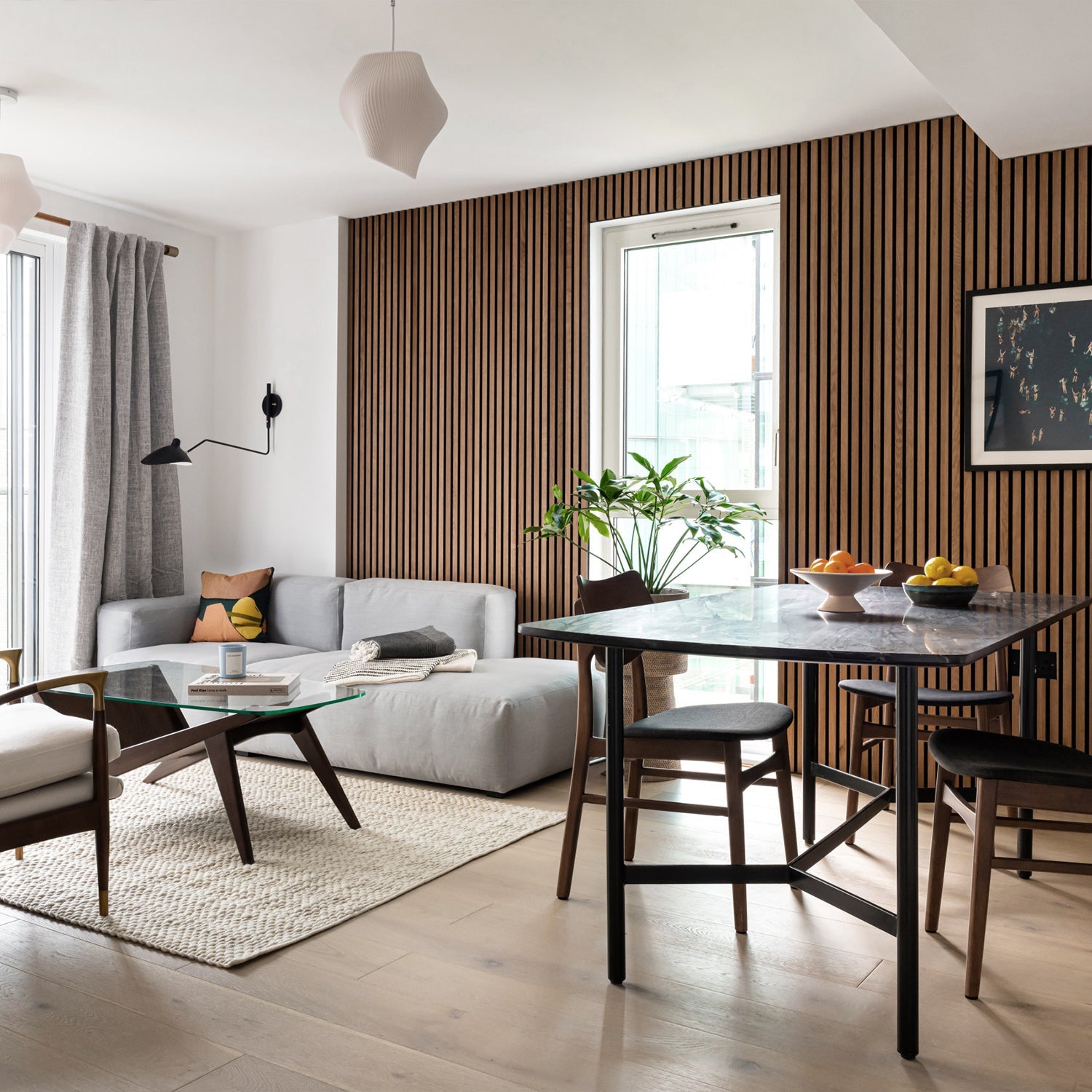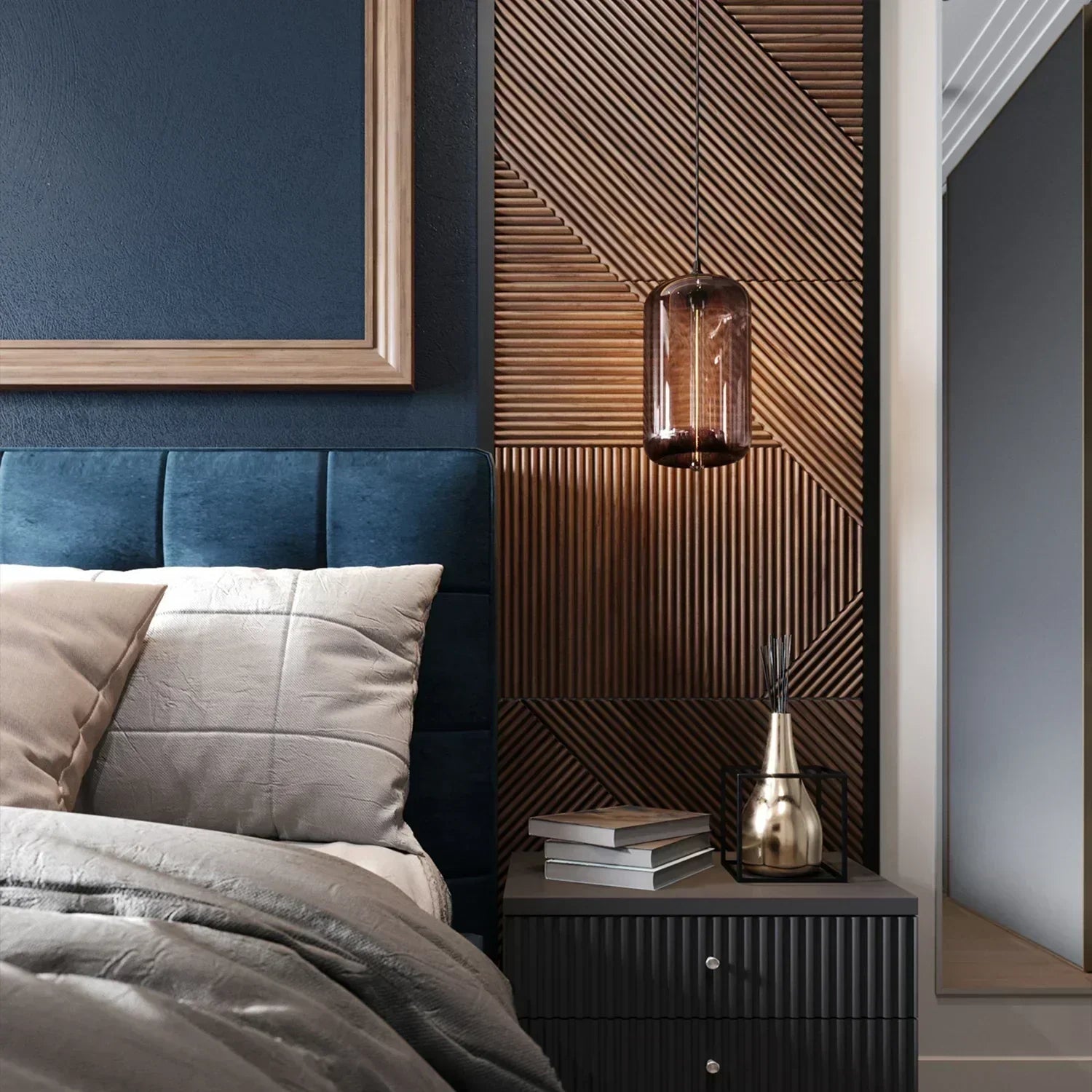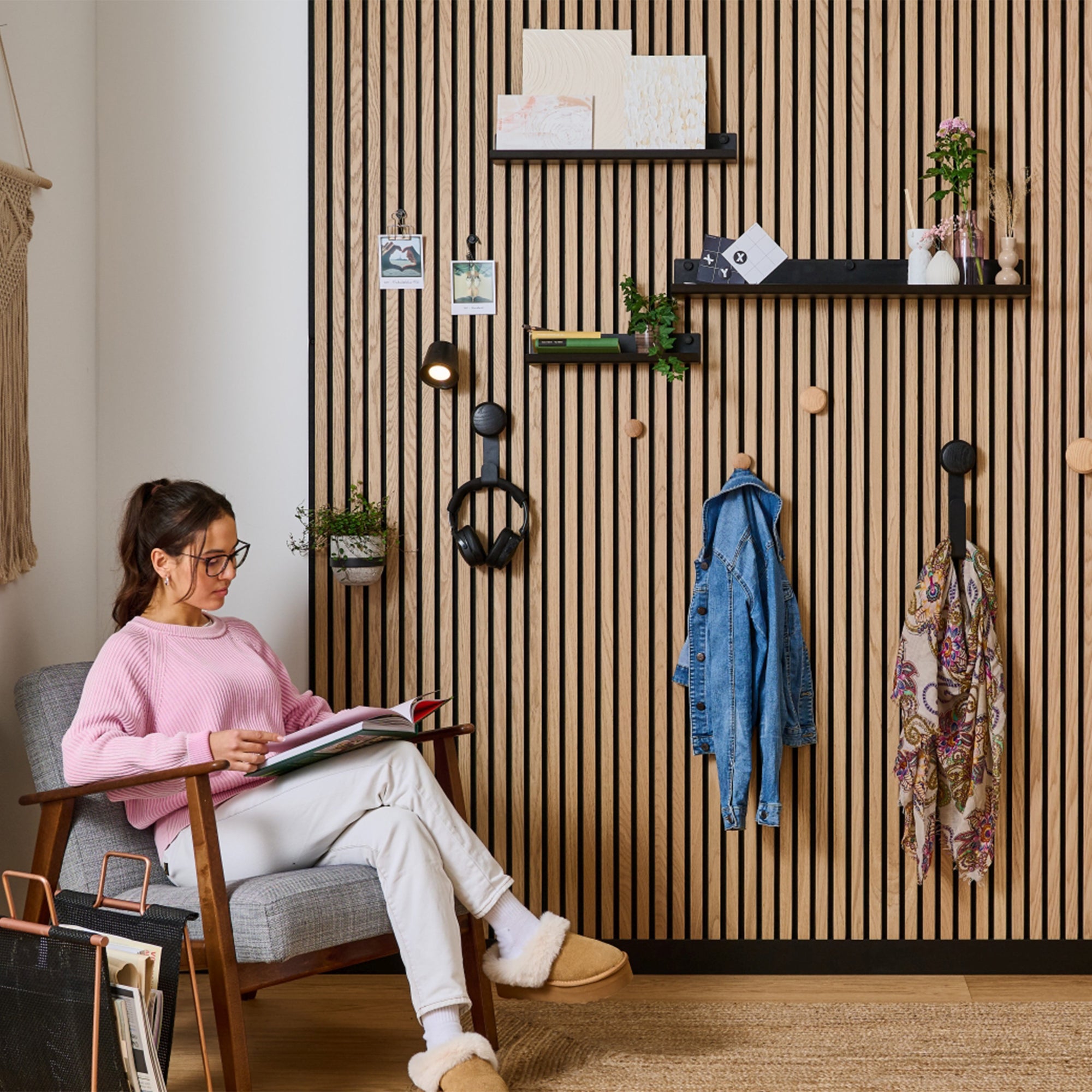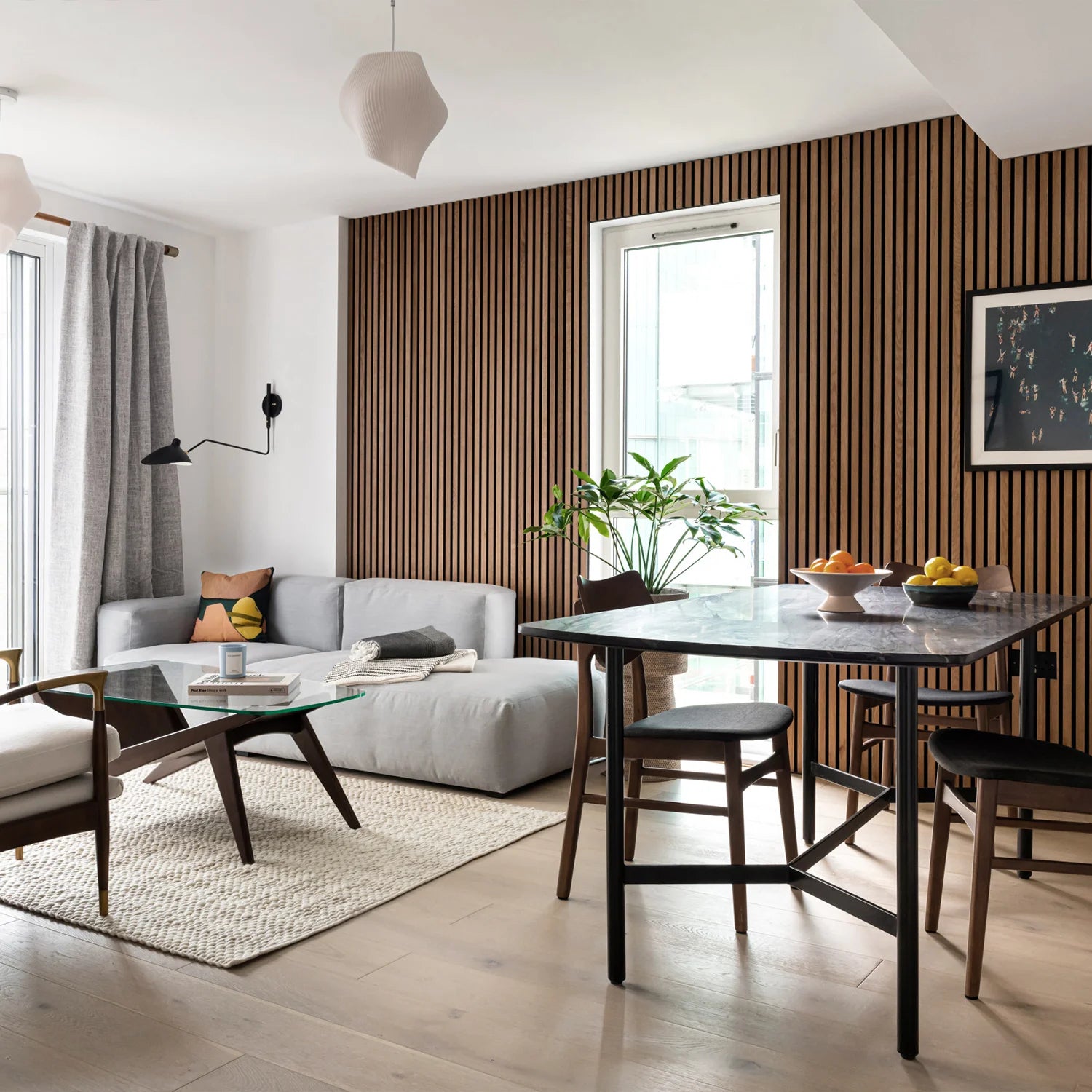
Category: Uncategorized

  • Shiplap Wall Ideas for Every Room That’ll Look Cohesive & Elegant

    Shiplap Wall Ideas for Every Room That’ll Look Cohesive & Elegant

    Shiplap wall ideas are one of the easiest ways to turn a plain wall into a stylish feature, and shiplap is one of the most affordable wall paneling options to do it. This guide gives you design inspiration for every room, plus a complete walkthrough of how to install a shiplap wall and the common mistakes to avoid.

    What Is a Shiplap Wall?

    A shiplap wall is an interior wall made of long wooden boards that fit together with a small gap or groove between them. While it is most commonly installed horizontally, many homeowners also choose vertical or diagonal layouts. 

    Often associated with farmhouse style, shiplap has become a popular design feature in homes of all styles. Its clean lines, texture, and rustic charm make it a subtle yet effective way to enhance a wall without being overly flashy. 

    Shiplap Wall Ideas for Every Room

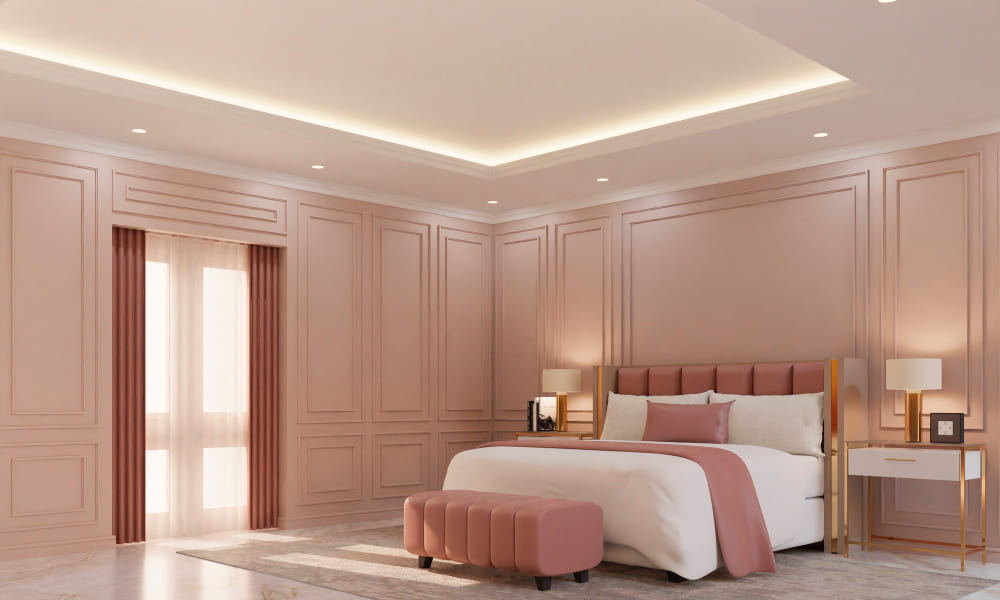
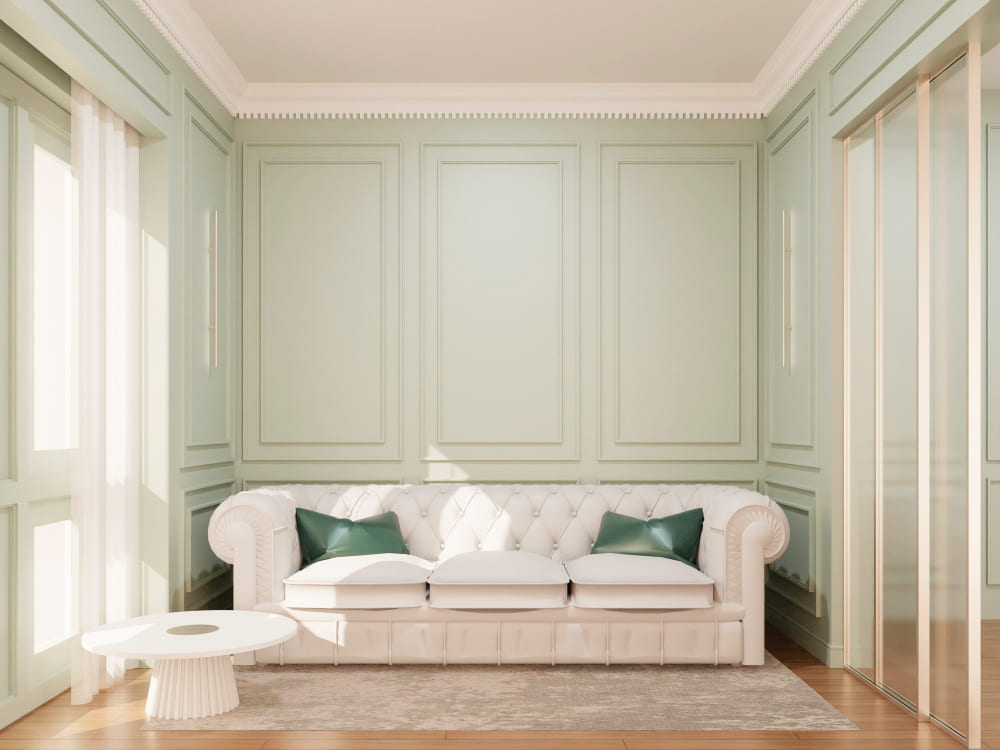
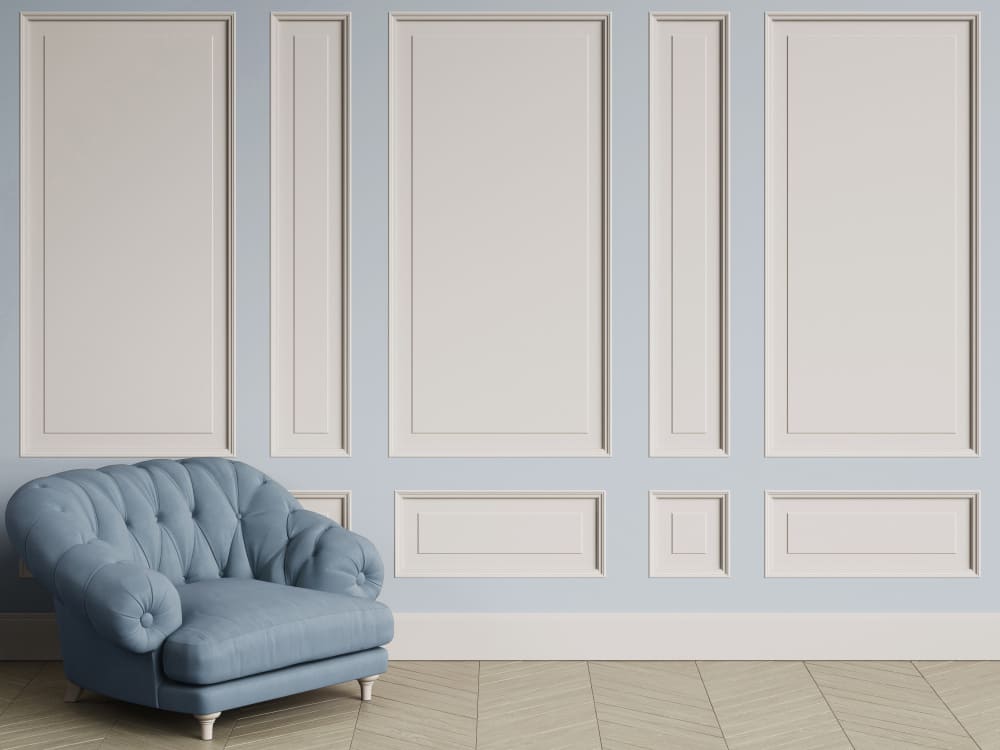
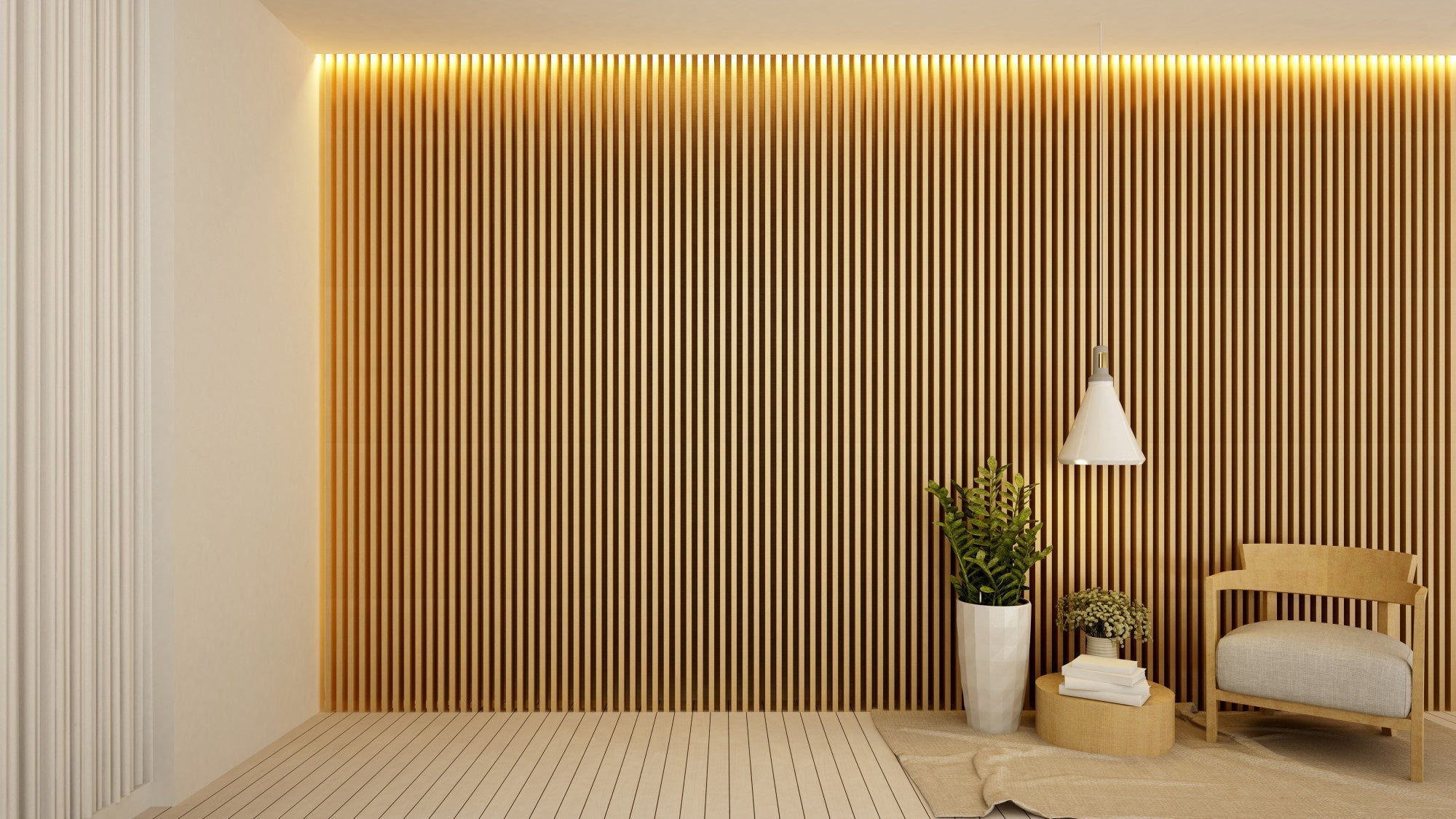
    If you are looking for shiplap wall ideas, explore these references based on space or room types you are going to transform!

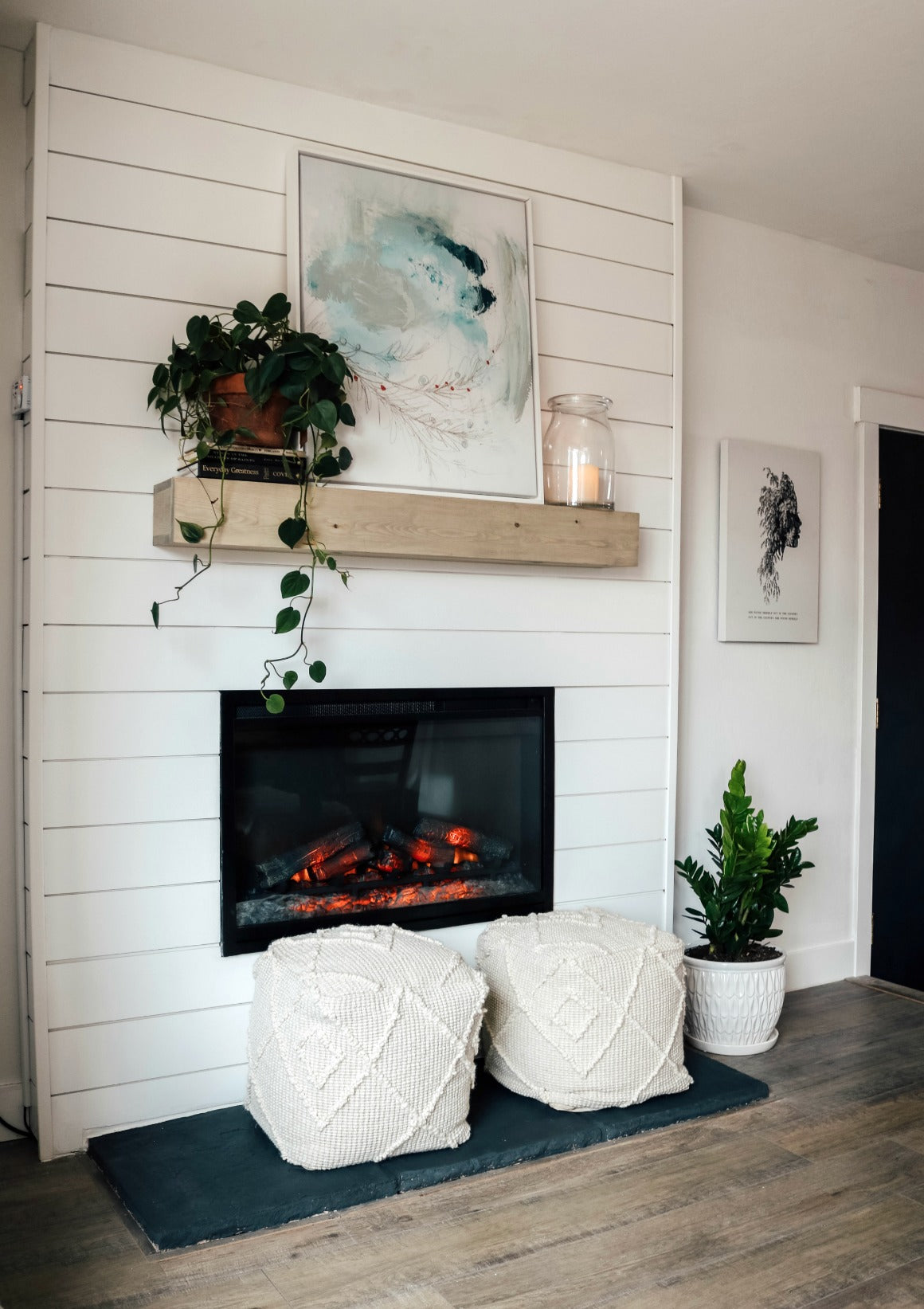
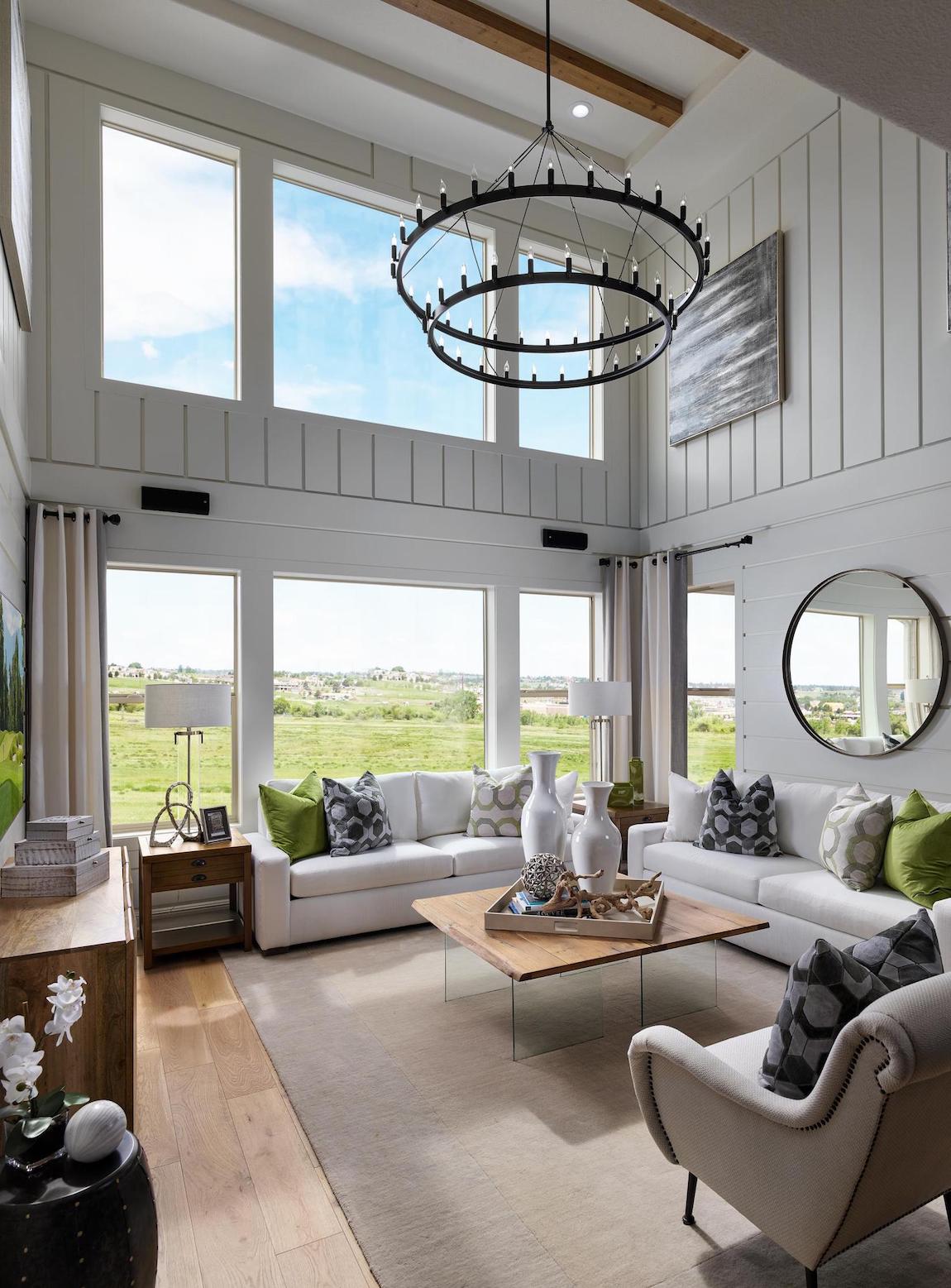
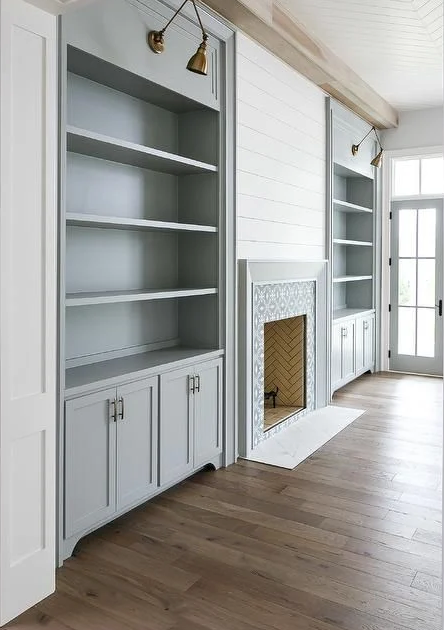
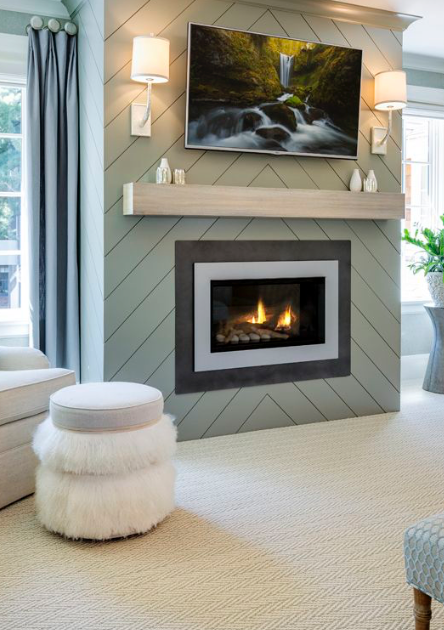
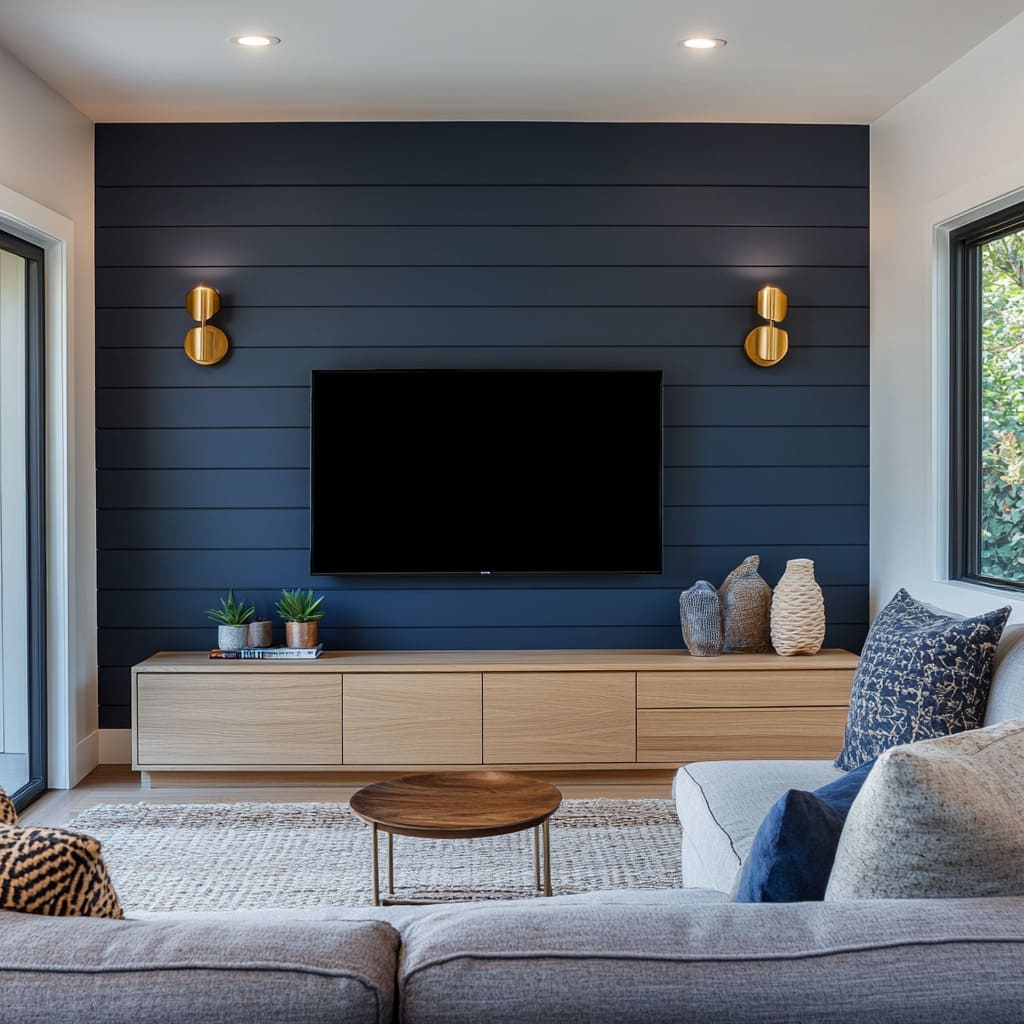
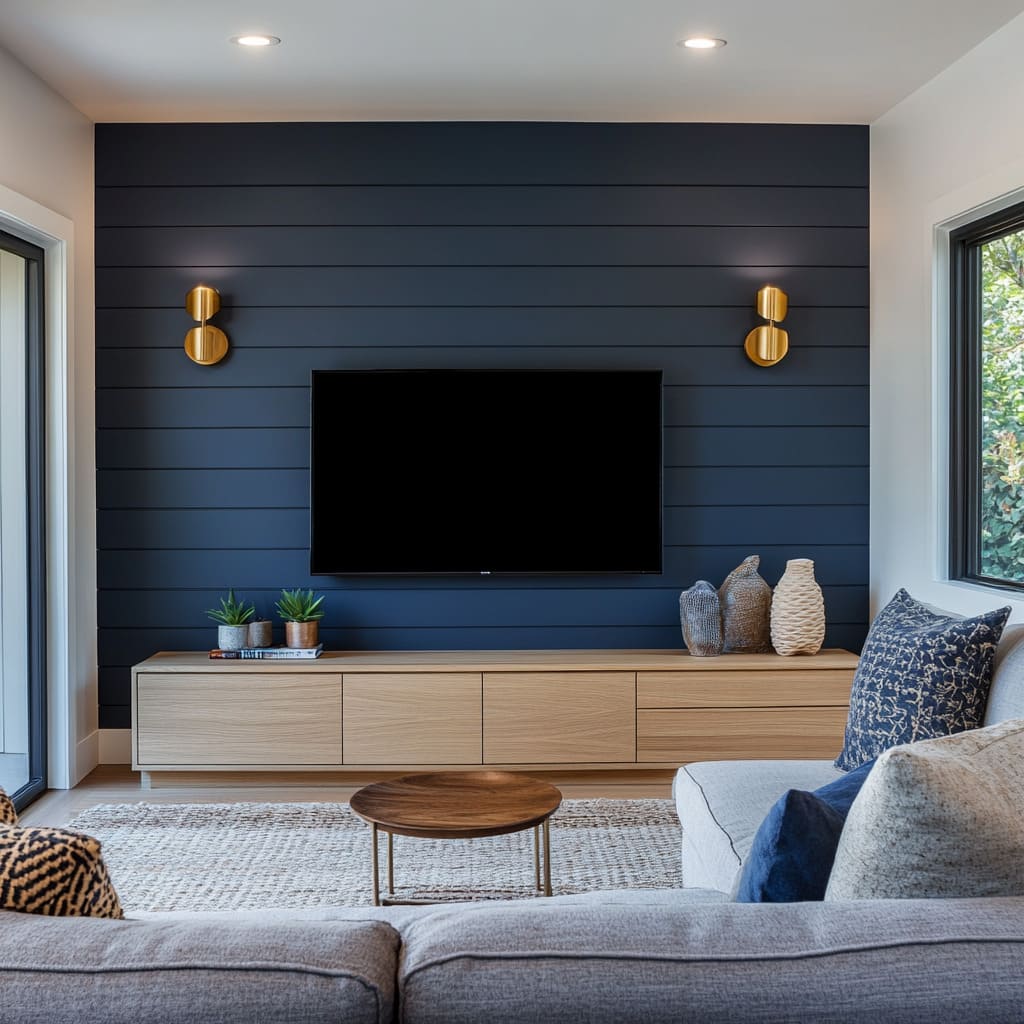
    Living Room Shiplap Wall Ideas
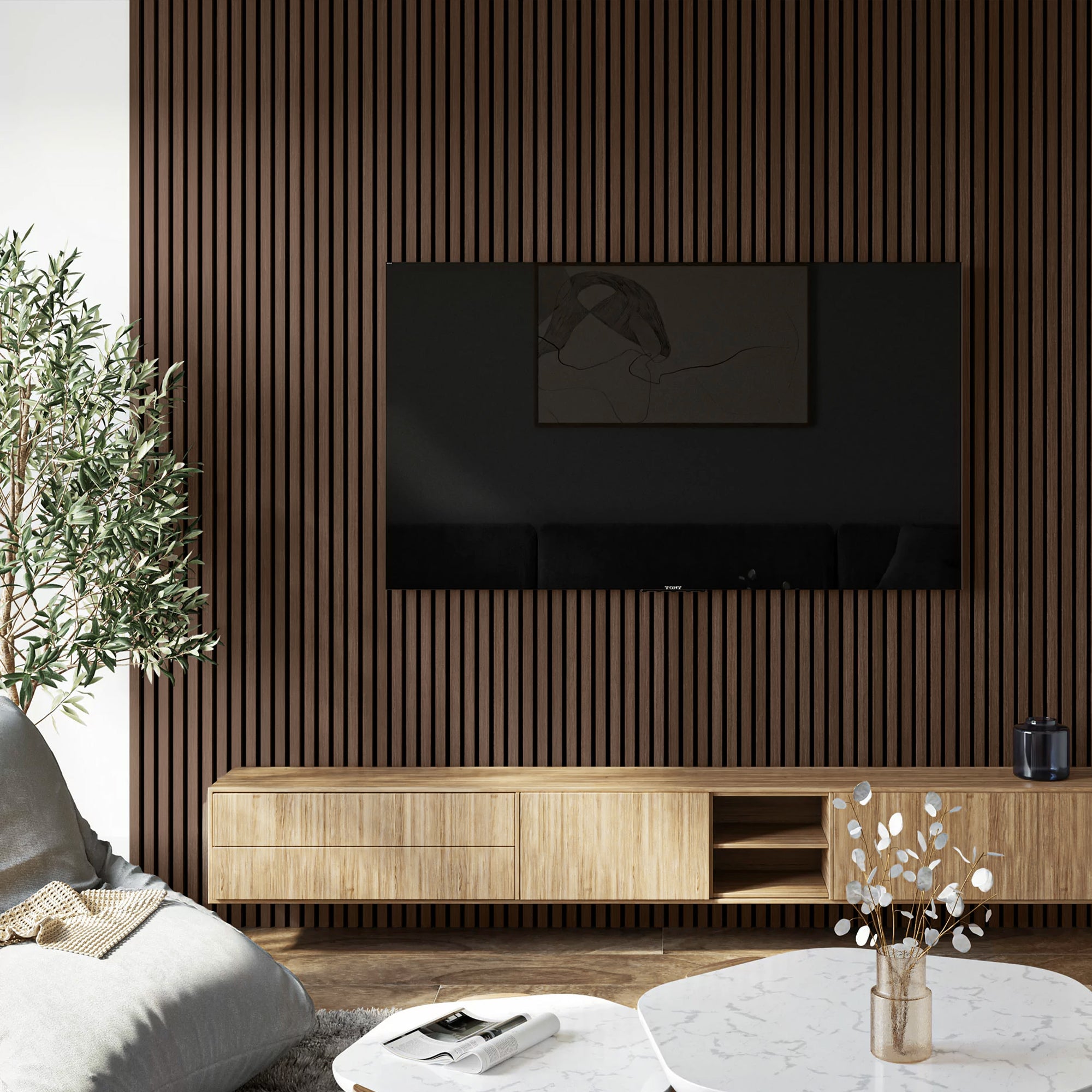
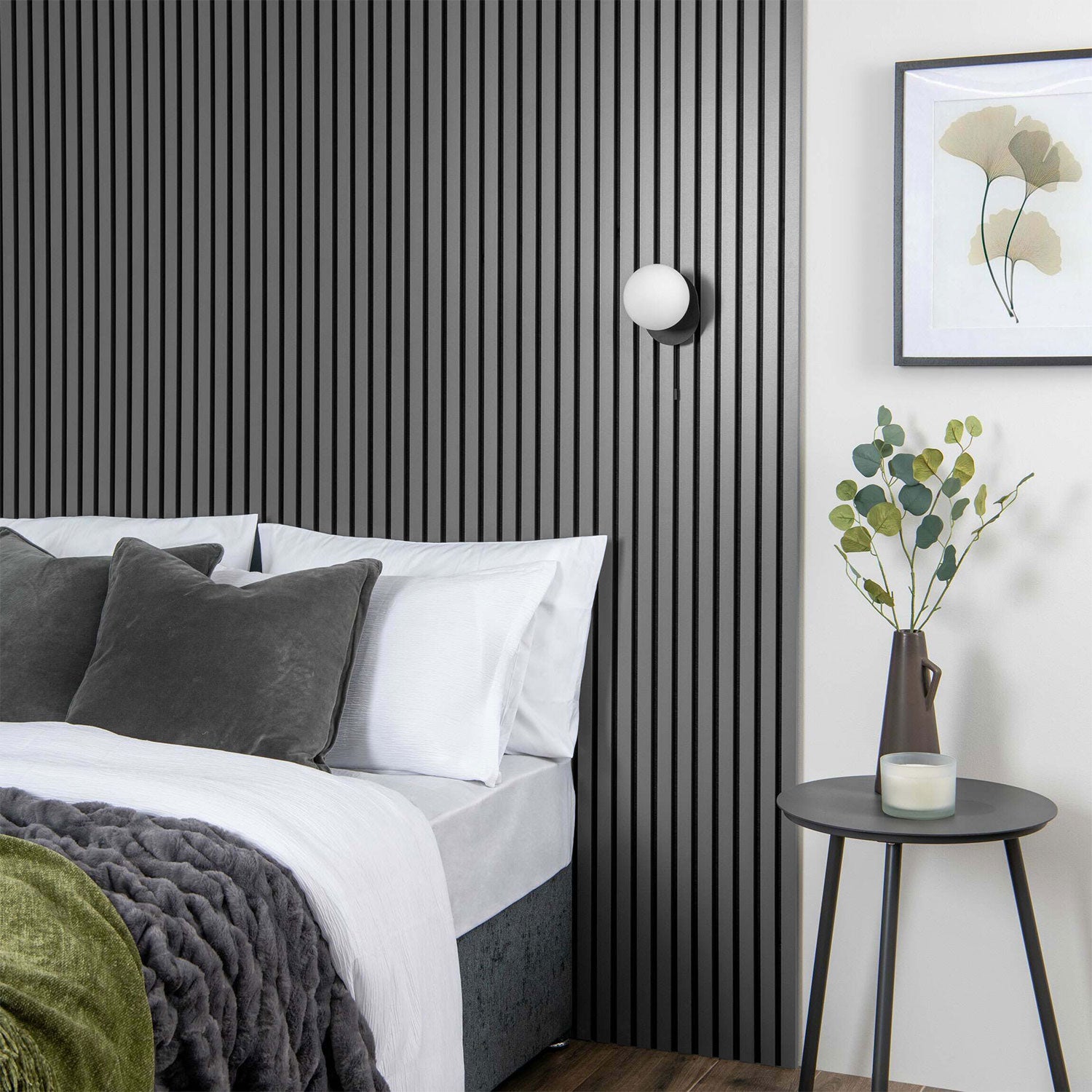
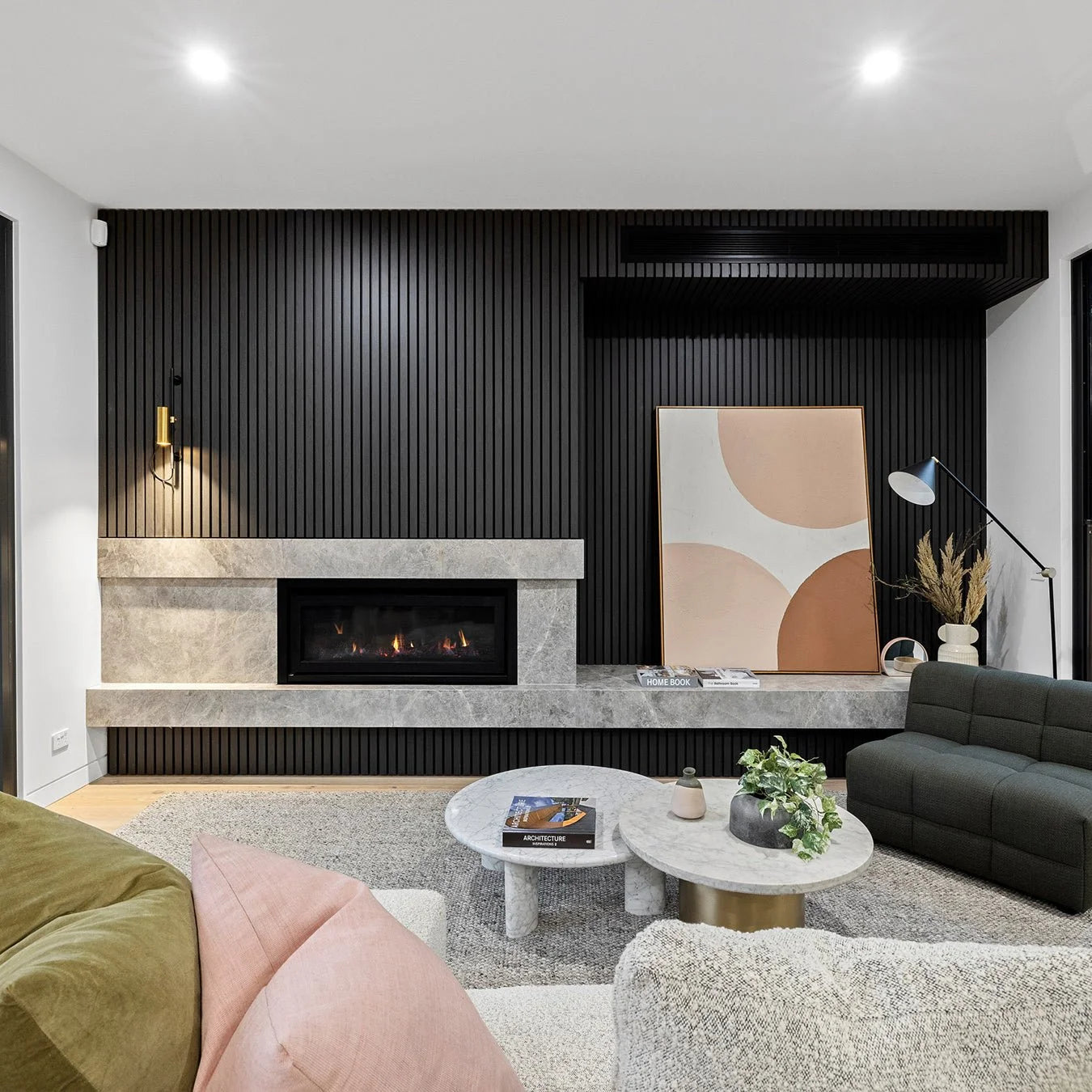
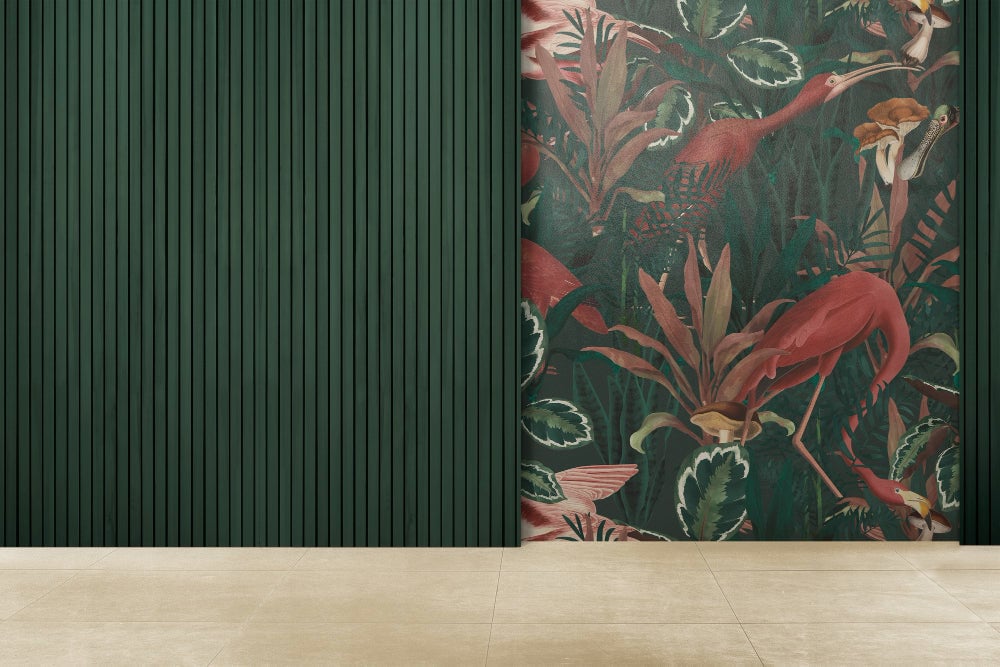
    Are you considering other wall paneling options beyond shiplap? You may want to explore acoustic slat wall panels, which combine elegance with sound-absorbing functionality. Our panels are the only ones on the market with smooth edges and a three-sided finish. With a range of sophisticated color options, you can instantly transform your walls using our DIY-friendly panels!
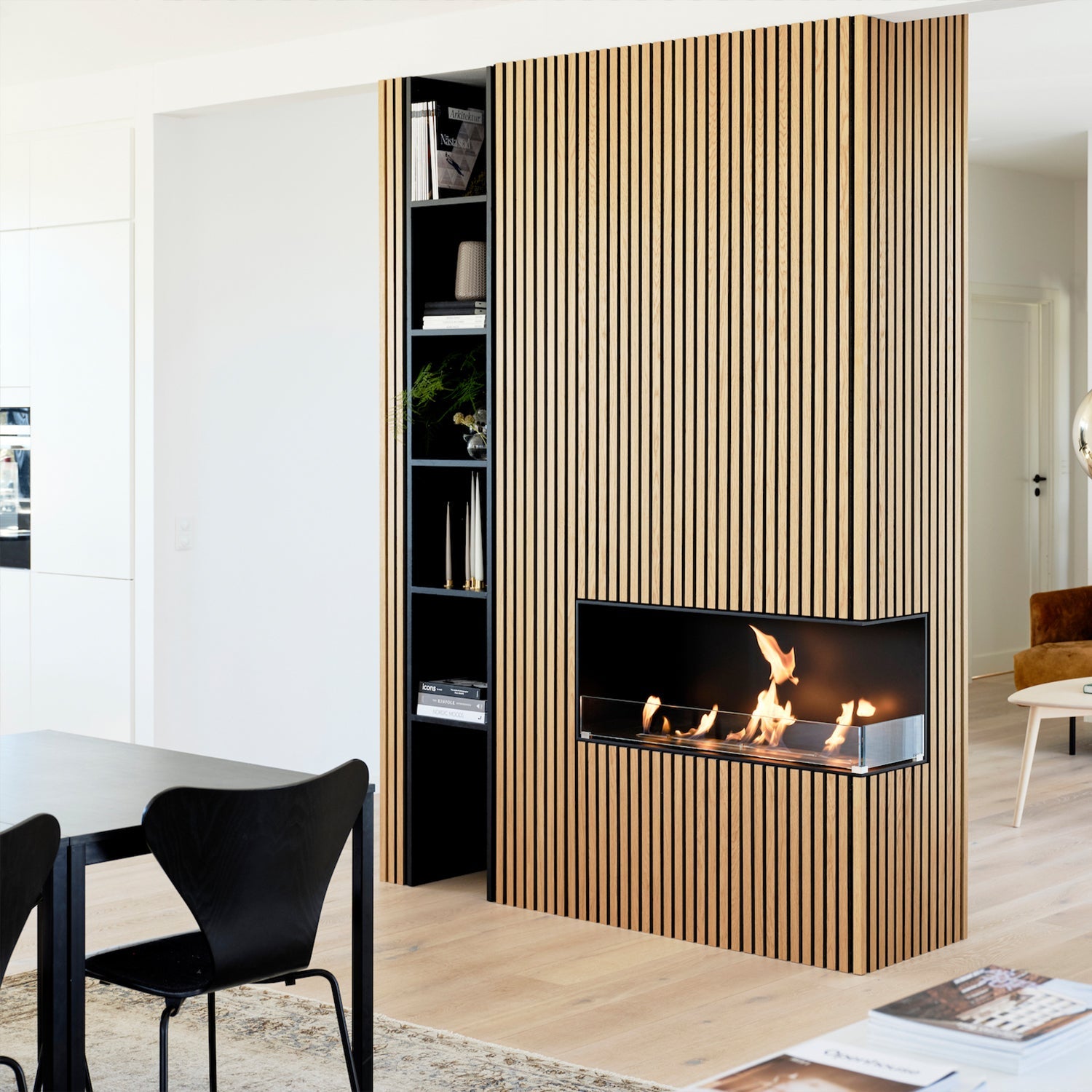
    America Golden Acoustic Wall Panels | 3 - Sided Wood Veneer | SoundPanel® - The Panel Hub

    Explore Wood Wall Panels

    Benefits of Installing a Shiplap Wall

    Installing a shiplap wall offers several advantages, especially when you compare it to other options. First and foremost, shiplap accent walls create depth and character, unlike flat painted walls. Below are other main reasons why many people fall in love with shiplap wall panels:

    Versatility

    Shiplap complements various interior styles, from rustic to modern, even coastal to minimalist design. Compared to wallpapers, this option is more timeless. However, you still need to consider whether this choice will create a cohesive look, because sometimes it comes down to your furniture, wall height, and other factors.

    Durability

    Wooden shiplap is sturdy and can last for years with proper care. It can withstand wear better than drywall alone. With the right techniques of finishing, it resists scratches and dents more effectively than softer wall coverings.

    Easy Maintenance

    Shiplap walls can be repainted or stained, which allows you to change its look whenever you want a fresh, new look. When it comes to maintenance, regular dusting using a soft cloth should be enough. You may also use a microfiber duster or vacuum with brushes.

    How to Install a Shiplap Wall (Step-by-Step)

    Installing a shiplap accent wall is a manageable DIY project, as long as you have the right tools. Here’s a simple step-by-step guide to install it on your space:

    1. Prepare the wall properly: Ensure the wall is clean, dry, and level. If you are using adhesives, this preparation optimizes the stickiness of your shiplap wall installation.

    2. Measure and cut: Measure the wall height and cut the shiplap boards accordingly.

    3. Apply adhesive or nails: Use construction adhesive or finish nails to attach the boards, starting from the bottom.

    4. Install boards: Place each board snugly against the previous one, maintaining level alignment.

    5. Finish touches: Fill any nail holes with wood filler, sand smooth, and paint or stain as desired.

    Shiplap Wall Colors & Finishes Tips

    It does not end on the installing part. You may perfect your wall by adding colors or finishing paint. These are general guidelines when choosing color for your shiplap walls:

    • Light Colors: Whites and soft neutrals, such as beige, ivory, or soft brown brighten spaces and make them feel larger.

    • Dark Colors: Navy, maroon, smoke, or forest green add drama and sophistication. Perfect if you want to make your space feel bolder.

    • Stained Finishes: Wood stains highlight the natural grain and add warmth. No added color is sometimes necessary to preserve that natural wooden look and feel.

    • Matte vs. Glossy: Matte finishes offer a rustic look, while glossy finishes are more modern and easier to clean.

    Common Mistakes to Avoid When Installing Shiplap Wall

    To ensure a successful shiplap wall installation, you need to avoid these common mistakes that are often overlooked:

    Skipping Wall Preparation

    Make sure your wall is clean, dry, and even before installing any panels. Dust, bumps, or rough spots can stop the panels from sticking properly and may cause gaps later.

    Improper Alignment

    Use a level tool to keep each board straight as you install it. Even a slight tilt at the start can throw off the whole wall, making your overall wall look awkward.

    Over-tightening Nails

    Don’t hammer nails too hard. Pushing them in too deep can crack the wood or weaken the panel.

    Neglecting Expansion Gaps

    Leave a small space between each board. Wood naturally expands and contracts with temperature and humidity, and these gaps prevent warping or buckling.

    Final Thoughts

    Shiplap walls are a timeless design choice that can enhance the look and feel of any room. With thoughtful planning and execution, a shiplap wall can add character, warmth, and style to your home.

    If you are thinking about considering other types of wall paneling, explore The Panel Hub’s acoustic and decorative wall panels. Enjoy free shipping today!

    See Our Premium Wood Wall Panels

    Shiplap Wall Cost: What to Budget For

    Understanding the cost of a shiplap wall before you start helps you plan a project that looks great without straining your budget. Material costs vary significantly depending on the wood species or panel type you choose. Basic pine shiplap boards start at around £1–£3 per linear foot, making them the most accessible entry point. Solid oak or cedar runs considerably higher — up to £8–£15 per linear foot — but provides a richness in grain that painted MDF cannot replicate.

    Pre-primed MDF shiplap panels, sold in sheet form with machined rebate profiles, offer an excellent middle ground. They arrive ready to paint, require no extra priming step, and cost between £25–£50 per sheet depending on thickness and profile. For a standard feature wall of around 12 square metres, expect to use 8–12 sheets.

    Installation costs depend on whether you DIY or hire a joiner. A professional fitting for a single feature wall typically runs £200–£400 in labour, depending on complexity. DIY installation is very achievable with basic tools — a mitre saw, adhesive, and a pin nailer — and eliminates the labour cost entirely. Factor in finishing consumables: wood filler, caulk, primer, and paint usually add £40–£80 for a full feature wall. Overall, a well-planned shiplap feature wall can be delivered for £150–£300 as a DIY project, rising to £500–£700 fully installed by a professional.

    Shiplap Wall FAQs

    Can shiplap be installed directly onto a plasterboard wall?
    Yes — plasterboard (drywall) is the most common substrate for interior shiplap installations. Use a combination of construction adhesive and nails or screws to fix boards securely. Locate wall studs beforehand so that fixings go into solid timber rather than just plasterboard, which ensures the boards cannot be pulled away from the wall over time.

    Does a shiplap wall work in a bathroom?
    Shiplap works well in bathrooms when the right material is selected. Solid wood is susceptible to moisture swelling unless properly sealed on all edges. PVC or WPC (wood-plastic composite) shiplap boards are the best choices for wet areas — they are completely waterproof, maintain their profile indefinitely, and are available in realistic wood-grain finishes that are hard to distinguish from the real thing once painted or left in their natural finish.

    What is the best way to finish the top edge of a shiplap wall?
    A simple capping rail — a flat bar or ogee moulding fixed along the top row of boards — gives the installation a polished, deliberate look that distinguishes it from an unfinished project. For more decorative rooms, a shelf rail above the shiplap panel doubles as a display ledge and a clean termination line.

    How do I maintain a painted shiplap wall?
    Painted shiplap is low maintenance. Dust the boards periodically with a soft brush attachment on a vacuum, paying attention to the shadow gaps between boards where dust can collect. Wipe down with a damp cloth as needed. Re-paint every 5–7 years or when the finish starts to show wear, sanding lightly before applying a fresh topcoat for the best adhesion.
  • What is Shiplap? An Ultimate Guide to a Stunning Wall Transformation

    What is Shiplap? An Ultimate Guide to a Stunning Wall Transformation

    Shiplap is known as an easy to install, versatile choice if you want to add wood wall accents to your home. It also has become a favorite for homeowners and designers alike. If you’ve ever wondered what is shiplap or why it’s so popular, this article is for you.

    While shiplap offers a cozy, farmhouse-style look, other wall paneling options like tongue and groove, beadboard, and nickel gap provide different styles and finishes. Learn more about these options to make better choices for your next home project!

    What is Shiplap?

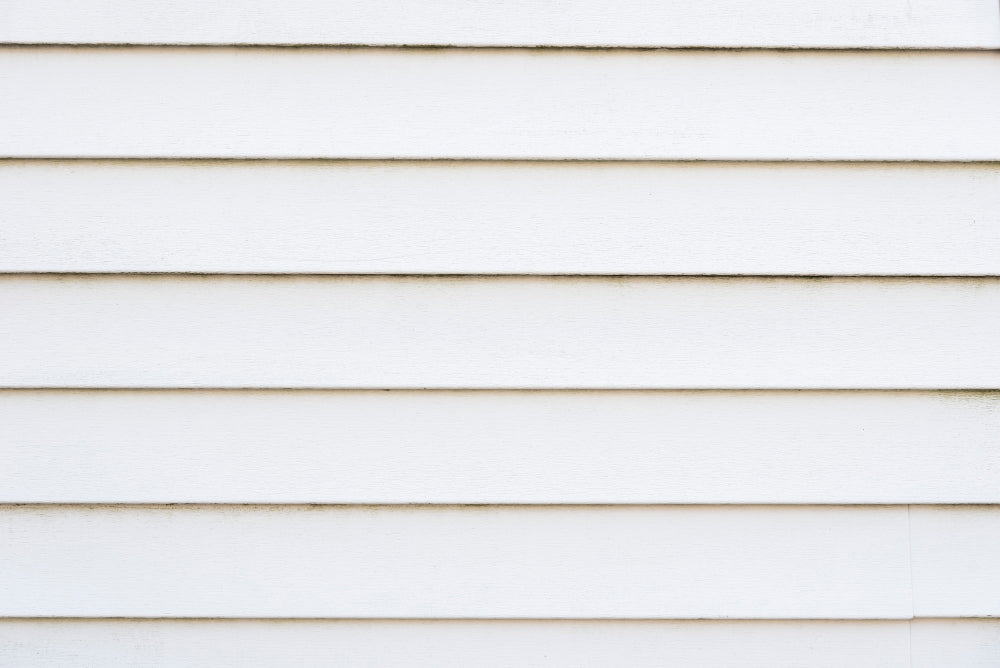
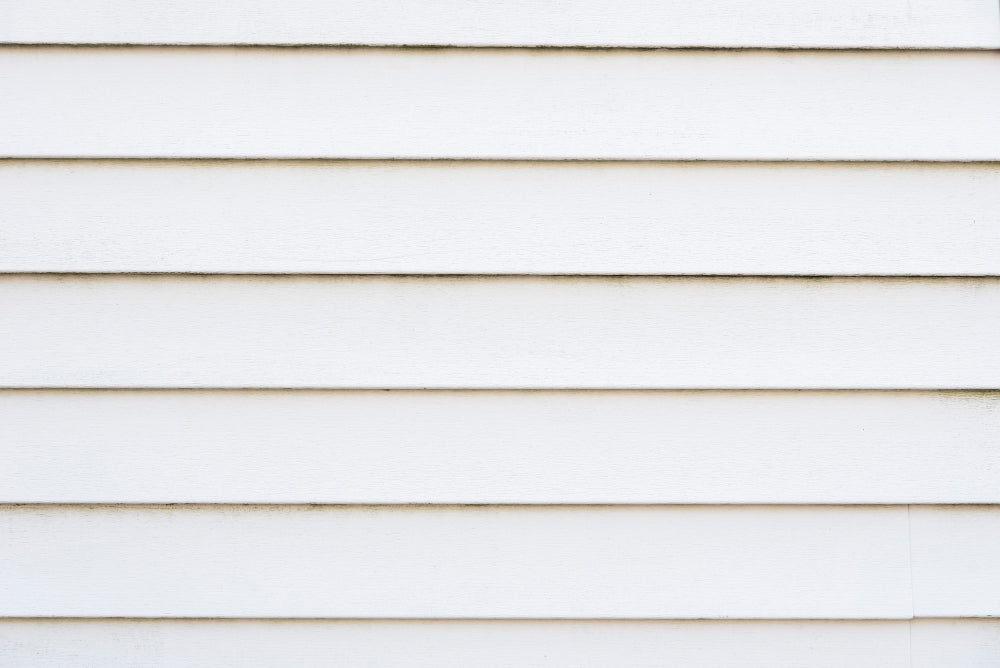
    example of white shiplap wall

    Shiplap is a type of wooden board used for walls, ceilings, and even exterior siding. Each board has a special groove (called a rabbet) cut into the top and bottom edges. This design allows the boards to overlap very lightly. Shiplap is now getting more popular, especially in rustic-styled houses. 

    Horizontal shiplap is the most common type, but you can actually install it vertically or even diagonally. Each direction or placement creates a different effect and look. For example, horizontal shiplap makes the room look wider, while the vertical creates an illusion or higher ceilings.

    Shiplap Vs Other Wall Paneling: Key Comparison

    When choosing wood wall paneling, you might wonder what is shiplap, but it isn’t your only option. Other popular choices include tongue and groove, beadboard, and nickel gap. Each has its own style and installation method. Here’s how they differ from shiplap:

    Shiplap vs Tongue and Groove

    Both shiplap and tongue and groove boards fit together to create smooth wall panels. The main difference lies in how they connect:

    • Shiplap: Boards overlap each other through a rabbet joint. This results in a visible gap between boards, giving a casual, coastal look.
    • Tongue and Groove: One board has a “tongue” that fits into the “groove” of another. The overall look tends to be more polished and traditional.

    Shiplap is easier to install since it doesn’t need to be perfectly tight. On the other hand, the tongue and groove require more precision.

    Beadboard vs Shiplap

    Shiplap vs beadboard comparison usually centers around how narrow the panel is. Beadboard generally has more narrow panels with smaller vertical grooves running along the boards. These are other differences between the two:

    • Beadboard gives a classic and more cottage-style look. Many people often use it in kitchens, bathrooms, or shiplap wainscoting.
    • Shiplap, in contrast, usually has wider boards and horizontal lines, giving a more modern or farmhouse style.

    In terms of installation, the beadboard requires more attention because you need to ensure the matching grooves.

    Nickel Gap vs Shiplap

    Nickel gap panels are similar to shiplap but have a narrower, consistent gap between boards, usually about the width of a nickel. Shiplap gaps are usually wider and more noticeable. Finally, it depends on your design taste and overall look you want to achieve.

    In most projects, nickel gap is chosen if they want a more sleek and modern look, while shiplap works better for rustic and casual style.

    Read More: Wood Maintenance Guide: Protecting and Preserving Your Wall Panels

    Shiplap Installation Cost: What to Expect

    Is shiplap expensive? The cost of installing shiplap depends on several things. First, it depends on the type of wood you choose. The size of your walls will also directly affect how intense the labor work is going to be.

    Generally, the professional installation cost around $5-$15 per square foot. If you decide to install it yourself, you’ll probably need around $2-$8 per square foot for the tools and equipment. 

    Shiplap is generally affordable compared to other wall paneling options, especially if you install it yourself. If you are wondering how much does shiplap cost, it varies based on the wood type. It can start from 2$ to $20 per square foot if you choose more premium material.

    DIY-friendly wood wall paneling option

    America Walnut Acoustic Wall Panels | 3-Sided Wood Veneer | SoundPanel®.

    If you’re seeking a DIY-friendly wood wall paneling option, consider The Panel Hub’s best-selling wall panels! Designed for easy installation, our panels allow for straightforward application without the need for professional tools. With a variety of designs and color variations, you can achieve a polished look that suits your style.

    Explore Our Wood Wall Panels

    How to Install Shiplap: A Step-by-Step Guide

    After knowing the shiplap installation cost, you might want to install it yourself. Here’s a step-by-step guide to install shiplap that you can try:

    • Prepare the wall: Remove any old trim, patch holes, and make sure the wall is clean.
    • Measure and plan: Decide if you want horizontal or vertical boards and measure your wall.
    • Cut boards to size: Use a saw to cut boards to the correct length.
    • Attach boards to the wall: Start at the bottom (for horizontal boards) and use nails or a nail gun to secure each board.
    • Leave small gaps: Don’t worry about perfect alignment; the gaps are part of the shiplap look.
    • Fill nail holes (optional): You can fill and paint over nail holes for a cleaner finish.
    • Paint or stain: Finish the wall with your preferred color or wood stain.

    Conclusion

    Shiplap is just one of many wood wall paneling options, and each style has its own charm. Shiplap is perfect if you want a casual, easy to install, or farmhouse style. Tongue and groove is more polished, while beadboard is more detailed. Nickel gap is similar to beadboard which is classic and detailed.

    If you are thinking about considering other types of wall paneling, explore The Panel Hub’s acoustic and decorative wall panels. Enjoy free shipping today!

    Buy Now

    FAQ About What is Shiplap

    What is so special about shiplap?

    Firstly, shiplap is a go-to choice due to its distinctive horizontal lines and texture. Unlike smooth wood panels, shiplap adds deeper visual character to a room. It is also versatile, as you can install it horizontally, vertically, or diagonally. When it comes to DIY-friendliness, shiplap is also the right choice to save cost from professional installation, as it only needs basic tools.

    What are the disadvantages of shiplap?

    Despite its superiority, shiplap has some downsides. One of its key disadvantages is visible gaps that can collect dust or dirt over time. If installed in bathrooms or humid areas without proper sealing, wood shiplap can warp or grow mold. Cost-wise, shiplap can get expensive, especially if you choose cedar or hardwood.

    Is shiplap cheaper than drywall?

    Drywall is generally cheaper than shiplap, both in terms of material and installation costs. Drywall can be the better budget-friendly option, but shiplap adds visual texture and style.

  • Wall Decor Black Friday Deals: Save Big on SoundPanel® from The Panel Hub and Elevate Your Space

    Wall Decor Black Friday Deals: Save Big on SoundPanel® from The Panel Hub and Elevate Your Space

    Black Friday is one of the most anticipated shopping events of the year for a good reason. If you are currently transforming your walls, it’s the perfect time to get your hands on the best wall decor Black Friday deals! Whether you’re redecorating your living room, upgrading your home office, or designing your dream studio, now is the best time to shop.

    Best Places to Shop for Wall Decor Black Friday Deals

    While SoundPanel® offers an exceptional Black Friday wall decor deal, there are plenty of other stores offering huge discounts on stylish wall decor items. Here are some of the best places to look for deals:

    1. The Panel Hub: Don’t miss out on SoundPanel® Black Friday deal, offering up to 70% off on premium acoustic slat wood wall panels. There are five color variants available that suit for any interior and color palette in your space. 

    2. Wayfair: Whether you’re into modern prints or classic wall mirrors, Wayfair has a range of wall decor options with great Black Friday deals. 

    3. Amazon: Shop Amazon for everything from framed art to wall decals at unbeatable Black Friday prices.

    Wood Wall Decor Recommendations

    When choosing a wood wall decor or panel, start by evaluating your overall room palette and lighting. These are some recommendations from The Panel Hub that fit for every interior style:

    1. Acoustic Slat Wood Wall Panel – Golden

    SoundPanel_-GoldenOak_19-The Panel Hub

    The finish golden color gives a rich and warm glow. This color is the most versatile, but mostly sought-after for interiors with warm color palette (cream, soft beige, terracotta, muted gold accents).

    However, if your room already has a lot of warm tones and limited natural light, it might feel overly “yellow/golden”. It would be a better idea to consider other cooler or darker accent colors.

    2. Acoustic Slat Wood Wall Panel – Walnut

    The walnut color can be your best Black Friday deals wall decor option to choose from.  This one has a deeper, medium to dark tone. Most people choose these colors for formal spaces, including home offices, dining rooms, or commercial spaces.

    3. Acoustic Slat Wood Wall Panel – Classic Oak

    SoundPanel_-ClassicOak_1-The Panel Hub

    If you are renovating your living room, this one might work for you. It’s fairly neutral without darkening the room too much. This color also blends well with light furniture, white walls, or soft grey.

    4. Acoustic Slat Wood Wall Panel – Grey Oak

    American-Grey-Slat-_6-The Panel Hub

    Interiors with industrial, urban, loft or minimalist aesthetic will be elevated with grey oak wood wall panels. This color is a bit tricky and might not work for everyone. Sometimes the grey tone makes the space feel too subdued, but if your space has the right lighting and cooler mood, it is worth considering.

    5. Acoustic Slat Wood Wall Panel – Smoke

    A dark, smokey-toned wood finish is rising to the trend nowadays, especially in high-end commercial interiors. This panel will be phenomenal in rooms where you want an intimate, “cinema-feel” or cocktail-lounge atmosphere.

    Why SoundPanel® Should Be on Your Black Friday Wishlist

    If you’ve been dreaming of a distraction-free workspace, a cinematic home theater, or a quieter living room, SoundPanel® from The Panel Hub is your go-to solution. Our panels are designed to reduce sound by up to 70% which competitors hardly rival. It allows you to enjoy an optimal acoustic wall experience while also enhancing the aesthetic appeal of your room.

    These are other reasons why our customers love SoundPanel®:

    • Top-tier Sound Reduction: Create a significant decrease in noise to achieve a more peaceful and quiet space.
    • Sustainable Materials: Our panels are made from FSC-certified HDF, which means that the wood combines eco-friendly materials with high-performance design.
    • 3-Sided Wood Veneer: While many panels leave edges exposed or sharp, TPH® delivers a clean, full 3-sided, smooth-edge finish. 

    This Black Friday, you can get up to 70% off SoundPanel®! However, the exclusive coupon is only available for the first 70 sign-ups, and once it’s gone, it’s gone. Don’t wait, sign up today to ensure you get your hands on this amazing deal before it sells out!

    Sign Up Black Friday Deals

    What You Get in the Black Friday SoundPanel® Deal

    • Free Shipping: TPH offers free shipping across contagious US. No hidden costs during checkout.
    • Up to 70% Off: Enjoy massive savings on SoundPanel® and transform your space at a fraction of the cost.
    • 5-Year Limited Warranty: For a specified duration from the date of purchase, if your product has a defect in materials or workmanship that existed when the product was purchased, The Panel Hub® will, in our sole discretion, either repair or replace the product.
    • 60-days Return Window: We have a 60-day return policy, which means you have 60 days after receiving your item to request a return as long as the terms and conditions are met.
    • Improved Acoustics: SoundPanel® delivers up to 70% sound reduction, perfect for home theaters, studios, and workspaces.
    • Sustainable, Premium Materials: Made from FSC-certified HDF, ensuring that your decor is both high-quality and eco-friendly

    Tips for Scoring the Best Wall Decor Black Friday Deals

    Black Friday shopping can be overwhelming with all the discounts available. To help you navigate the best Black Friday wall decor deals, here are a few tips:

    • Sign Up Early: For the SoundPanel® Black Friday deal, sign up now to secure your exclusive coupon before it’s gone.
    • Know What You Want: Have a wishlist ready to make sure you don’t miss out on your favorite items, whether it’s SoundPanel® or something else.
    • Plan Your Budget: With so many amazing deals, it’s easy to overspend. Stick to your budget to ensure you get the most value for your money.
    • Shop at Prime Hours: Black Friday deals tend to go fast, so be ready to shop early and grab your desired items before they sell out.

    Final Thoughts: Don’t Miss Out on These Exclusive Black Friday Wall Decor Deals

    This Black Friday, take advantage of incredible deals on SoundPanel® from The Panel Hub and other premium wall decor options. With up to 70% off, it’s the perfect opportunity to upgrade your space with high-quality, sustainable panels that offer both aesthetic appeal and superior sound reduction.
    Remember, stock is limited! Only the first 70 people who sign up will get access to the exclusive coupon. Don’t wait, sign up now and make your space more stylish and peaceful than ever before.
    Grab 70% Off Today!

  • Feature Wall Ideas: How to Turn Plain Walls into Designer Statements

    Feature Wall Ideas: How to Turn Plain Walls into Designer Statements

    Every home has one wall that naturally draws the eye. Maybe it’s behind the television, the bed, or the dining table. Turning that wall into a feature wall is one of the simplest and most rewarding ways to change how your space looks and feels.

    A feature wall adds character, focus, and balance without major renovation. It is the design world’s secret to making a room look professionally finished with minimal effort. From cozy apartments to large homes, it gives any interior a sense of structure and personality.

    Among all design materials, wood feature walls have become the modern favorite. They bring texture, warmth, and acoustic comfort while blending beautifully with a variety of design styles. Whether you prefer a natural, Scandinavian look or a dark, luxurious tone, wood is the perfect foundation for timeless design.

    What Is a Feature Wall

    A feature wall, also known as an accent wall, is a single wall that stands out from the rest of the room. It creates visual focus using a different material, color, or texture.

    Modern vertical wood slat feature wall with potted plant in a minimalist room.


    In modern interiors, the
    wood feature wall has become a favorite. Unlike paint or wallpaper, real wood brings dimension and tactile warmth. It also helps reduce echo and makes your space feel calm and inviting.

    Wood connects design and comfort. It adds visual softness, improves acoustics, and works in almost any interior style.

    1. Natural Warmth and Character

    Wood adds an organic beauty that synthetic materials cannot match. Every grain pattern is unique, bringing life to your space. Whether you choose oak, walnut, or ash, a wood feature wall creates a welcoming and timeless look.

    2. Better Sound Quality

    Panels with acoustic felt backing can absorb up to 85 percent of reflected sound. This helps control noise and creates a more peaceful atmosphere, especially in large or open rooms.

    3. Flexible Design Options

    A wood feature wall fits many design styles. It looks clean and structured in minimalist interiors, cozy in rustic homes, and elegant in modern spaces.

    Where a Feature Wall Makes the Biggest Impact

    Living Room

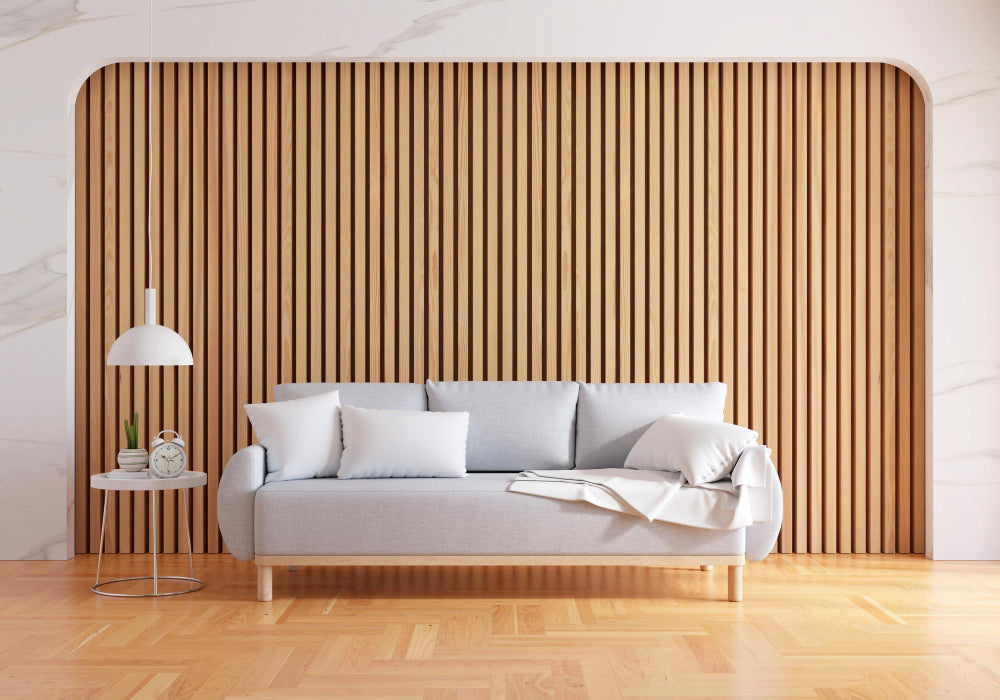
    Light oak wood feature wall behind a gray sofa in a bright living room with white accents.


    A feature wall behind the sofa or television becomes the center of attention. Real wood adds balance and a designer finish without overwhelming the space.

    Bedroom

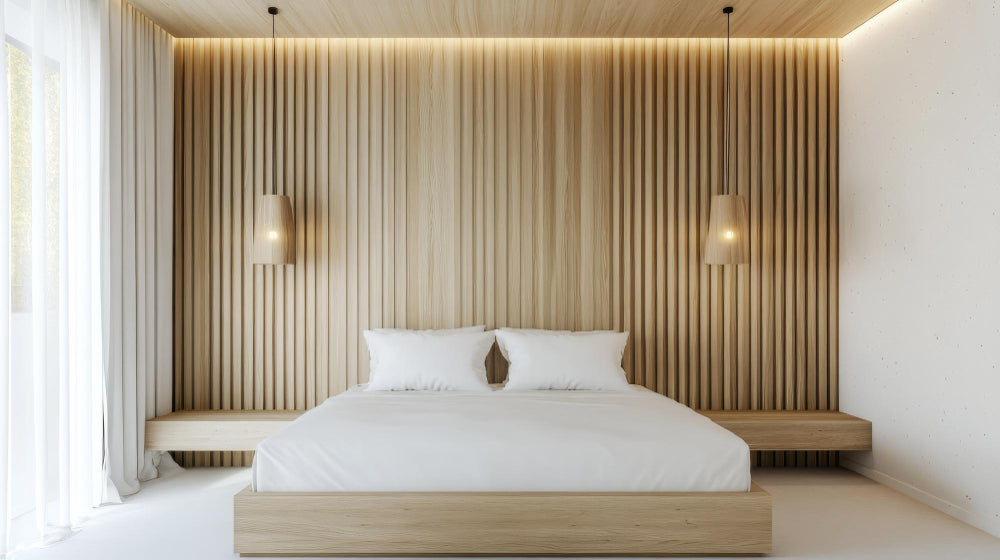
    Scandinavian-style bedroom with light wood feature wall and ceiling panels with soft lighting.

    A wood feature wall behind the bed works as a natural headboard. It creates a cozy and stylish backdrop for rest and relaxation.

    Home Office

    Home office with natural wood panel feature wall and a woman working at a desk near window light.


    Adding a feature wall behind your desk improves acoustics and gives a professional background for online meetings.

    Hallway or Entryway

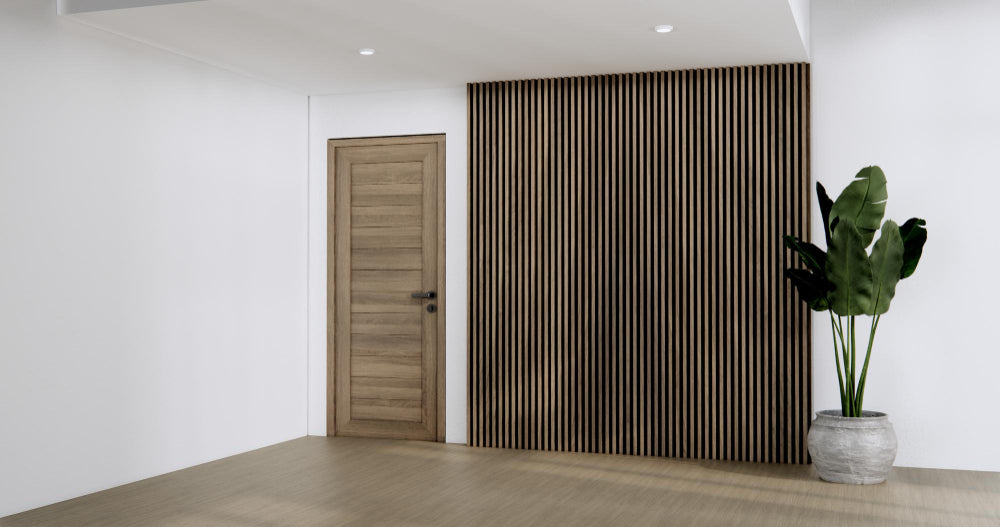
    Entryway design with dark wood slat feature wall beside a wooden door and indoor plant.


    A small section of wood paneling near the entrance adds texture and makes a strong first impression.

    Feature Wall Design Ideas

    1. Modern Slatted Panels – Vertical lines make rooms appear taller and more spacious.

    2. Full Veneer Finish – A continuous wood surface provides a clean and polished appearance.

    3. Mixed Panel Layout – Combine smooth and grooved panels to create visual depth.

    4. Integrated Lighting – Place soft LED strips between panels to highlight the wood grain.

    You can preview these styles with The Panel Hub Room Visualizer.

    Installation Made Simple

    Creating a feature wall no longer requires construction or long waiting times.

    DIY Installation

    Each panel from The Panel Hub comes pre-finished and ready to mount with adhesive or screws. Most homeowners complete installation within a few hours using simple tools.

    Professional Installation

    For larger projects, The Panel Hub offers free in-room installation for qualifying orders. The professional team ensures perfect alignment and a flawless finish.

    Real Wood vs. Imitation Panels

    Feature

    Real Wood Feature Wall

    Imitation Panels

    Material

    FSC-certified wood veneer

    Printed laminate or PVC

    Finish

    Three-sided smooth edges

    Flat or raw edges

    Durability

    Water-resistant and long-lasting

    Prone to peeling

    Acoustic Rating

    NRC 0.85

    NRC 0.3 average

    Feel

    Natural warmth and texture

    Artificial surface


    Choosing real wood wall panels gives you authenticity, long-term quality, and a richer visual experience.

    The Sensory Value of a Wood Feature Wall

    Good design is not only about how a space looks but also how it feels.

    A wood feature wall enhances your space in three ways:

    • It adds texture and contrast that draw the eye.

    • It softens the sound and atmosphere of the room.

    • It makes the space feel comfortable and complete.

    This is why architects, interior designers, and homeowners often turn to The Panel Hub when they want to combine aesthetics and functionality.

    Caring for Your Feature Wall

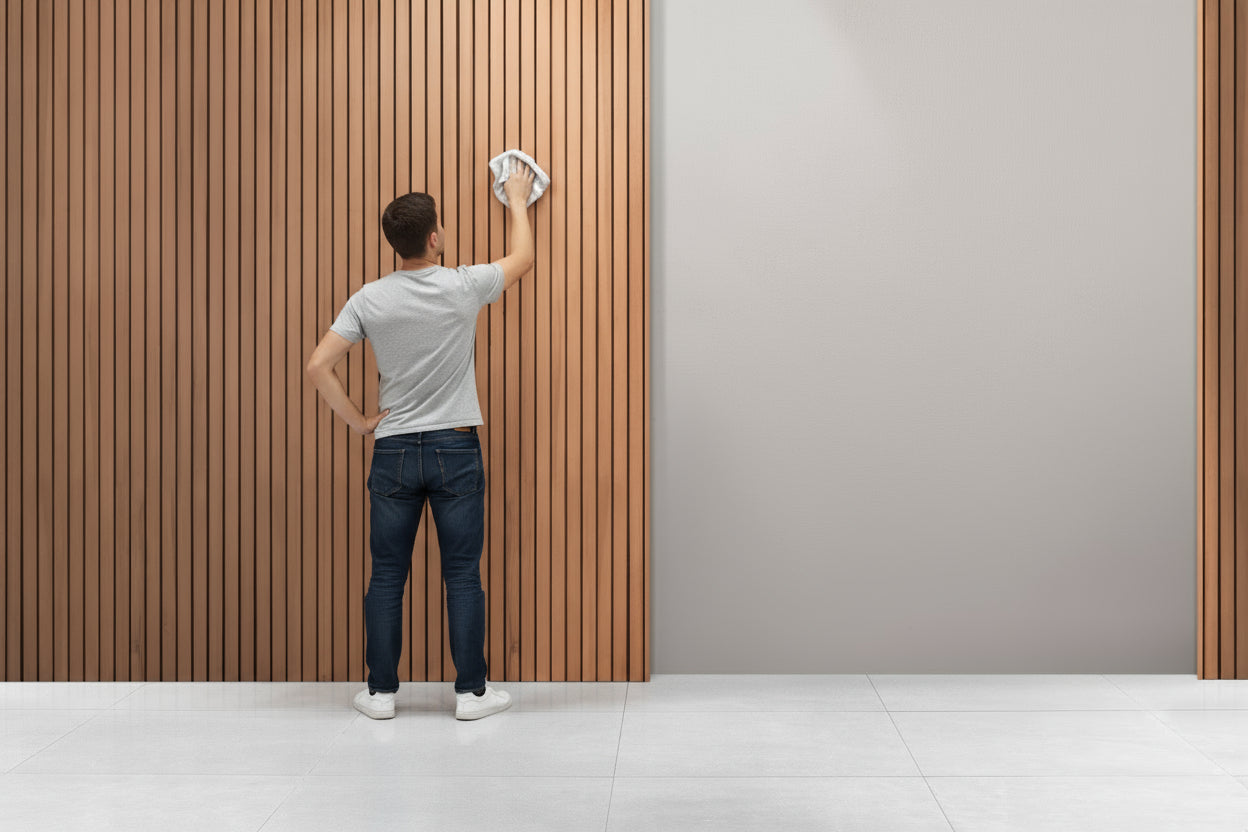
    Wood walls are easy to maintain.

    • Wipe with a soft, dry cloth.

    • Avoid harsh chemical cleaners.

    • Maintain moderate humidity levels to protect the wood.

    Man cleaning vertical wood slat feature wall in a modern white interior.

    Each panel is sealed with a durable finish that keeps the color and texture intact for years.

    Cost and Value

    The cost of a feature wall usually ranges from $1,000 to $4,000, depending on the size and wood type.

    When you choose The Panel Hub, you receive:

    • Factory-direct pricing

    • Free shipping within the continental U.S.

    • 60-day satisfaction guarantee

    • 5-year limited warranty

    It is a one-time investment that increases your home’s comfort and visual value

    How to Plan Your Feature Wall: A Step-by-Step Approach

    The most common mistake people make with feature walls is choosing materials before deciding which wall to treat. Start by standing in the room’s natural entry point — the doorway — and identifying the first wall that draws your eye. That wall, usually opposite the entrance or behind a dominant piece of furniture, is almost always your best candidate.

    Once you have your wall, measure the full surface including any alcoves, recesses, or architectural features. These irregularities are often an asset: panels installed around an existing recess can make it look intentional rather than awkward.

    Choose a material that supports the room’s scale. In smaller rooms, slimmer slat profiles (18–22 mm wide) with light gaps create depth without visual weight. In large rooms, wider planks or 3D geometric panels make a bolder statement that reads from across the space.

    Consider how the wall interacts with your lighting plan. Panel walls with tactile texture — grooves, ridges, three-dimensional geometry — look dramatically different under ambient lighting versus task lighting. If you plan to add LED strips or wall sconces, choose your panel profile before finalising your lighting layout, not after.

    Feature Wall FAQs

    Do feature walls make a room look smaller?
    Not if chosen carefully. A feature wall behind the sofa or bed in a narrow room actually draws the eye horizontally, making the space feel wider. Problems arise when a feature wall faces you as you enter a small room — that can make the room feel shorter. In tight spaces, choose the wall you look toward rather than the wall behind you.

    How long does a wood feature wall take to install?
    A standard 3 m × 2.4 m accent wall takes one to two days for a confident DIY installer — including surface preparation, panel acclimatisation, and trim work. Professional installation is typically faster. The majority of delays come from poor wall preparation rather than the installation itself.

    Can I put a feature wall in a rental?
    Yes, using adhesive-mounted panel systems that leave no surface damage, or peel-and-mount slat panels. Many suppliers now offer renter-friendly installation options specifically designed to be reversible.

    What is the best material for a feature wall in a damp room?
    For bathrooms, utility rooms, or areas prone to moisture, WPC (wood-plastic composite) or PVC-core panels perform significantly better than real wood. They share the same aesthetic but have a waterproof core that won’t warp or delaminate over time.

    Conclusion: A Simple Way to Redefine Your Space

    A feature wall is more than an accent. It defines your space and reflects your personality. Whether you want to create a peaceful bedroom, a stylish living area, or a professional home office, a wood feature wall is a timeless solution.

    With The Panel Hub, you can upgrade your home using real wood panels that are beautiful, durable, and simple to install. It is design made simple for modern living.

  • Solid Wood vs. MDF: Which One Is Better for Wall Panels?

    Solid Wood vs. MDF: Which One Is Better for Wall Panels?

    While wall panels are making a big comeback in modern interior design, solid wood and MDF (medium-density fiberboard) are two popular material choices that dominate the market. Although they look similar, their characteristics, cost, and performance are different.

    If solid wood can be used without mixing with other materials, an MDF enhances the aesthetics of your walls with the help of resin. Regardless of the difference, both options can elevate your space. This article will provide you with more information about the differences between solid wood and MDF, helping you make a more informed decision.

    What Is Solid Wood?

    Simply put, solid wood panels are made entirely from natural timber. Each piece of wood comes straight from a log. This is why the panels showcase the natural grain, color, and texture of its tree, such as oak, teak, walnut, or pine.

    Its natural composition makes solid wood a timeless choice that suits any interior style, from classic to contemporary. Solid wood adds variation and character to a room, which gives it a sense of life. 

    Solid Wood Benefits

    • Natural beauty: The organic grain patterns and color tones are always visually striking.
    • Durability: Solid wood panels can last long with proper care.
    • Flexibility: You can repaint them multiple times and your solid wood remains beautiful.
    • Eco-friendly: You can renew solid wood, It also stands out as an eco-friendly material.

    Solid Wood Drawbacks

    • Expensive: Due to sourcing and craftsmanship, it comes at a premium price.
    • Climate sensitivity: Solid wood is susceptible to humidity changes, which can cause minor warping or cracking.
    • Weight: Solid wood is heavy. Therefore, you need to make an extra effort to install it.

    What Is MDF?

    MDF is a wood product made from fine wood fibers mixed with resin and wax and pressed into solid sheets under high temperatures and pressure. This wood is ideal for painting, laminating, and creating decorative grooves, since its surface is dense and smooth.

    It’s a favorite among people who seek sleek and modern aesthetics.

    MDF Benefits

    • Budget-friendly: MDF is much more affordable than solid wood, which is ideal for large wall projects.
    • Smooth surface: This wood is perfect for uniform finishes.
    • Customizable: You can shape MDF into various shapes, like slats, fluted panels, or decorative 3D designs.
    • Easy to install: MDF is simple to cut and handle, which is why it’s perfect for DIY or quick renovations.

    MDF Drawbacks

    • Moisture absorption: You need to seal or laminate MDF properly first, since it’ll swell once exposed to water.
    • Less durable: Compared to solid wood, MDF is not that strong and too fragile when under pressure
    • Not repairable: MDF is difficult to repair. Therefore, you need to replace it once it’s damaged.

    American Smoke Acoustic Slat Wall Panels | 3-Sided Veneer | SoundPanel®-Indoor-The Panel Hub

    The Panel Hub’s wood wall panels use a higher density and moisture-resistant MDF core, perfected with CoreShield™. In other words, our panels are less likely to swell, crack, or warp even when exposed to various environments. Since we’re using real wood, our natural grain and color rivals solid wood. Explore our sound panels and decorative panels, enjoy free shipping today!

    Explore Wall Panels

    Comparing Solid Wood vs. MDF

    To understand the differences between solid wood and MDF, you can examine them from various aspects.

    Solid wood  gives an unique and timeless look through each panel, which is ideal for you who value aesthetics and ambience. MDF, on the other hand, offers a smooth and uniform surface that suits modern interiors while also prioritizing practicality.

    When the natural quality of solid wood meets proper maintenance, it can become extremely durable. MDF, however, offers moderate durability and tends to be more sensitive to moisture and humidity.

    Solid wood is everlasting, which is why you can refinish, polish, and repair over time. MDF is easier to clean, but you need to prepare yourself for the second purchase once it’s damaged.

    Solid wood is heavy and robust, so you’ll likely need help when installing it. MDF is much lighter, which you can install and handle all by yourself.

    Solid wood is worth the investment, so it can cost you more to have in your home. MDF is a 

    more affordable option that offers plenty of style.

    The more imperfections in a solid wood, the better it’ll look. Solid wood works beautifully with natural stains or paints to highlight its grain. Meanwhile, MDF pairs well with paints and veneers for a sleek appearance.

    Since solid wood is everlasting, you can renew it when sourced responsibly. MDF is typically made from recycled wood fibers, which offers an eco-friendly alternative.

    For the best results, you can choose solid wood to create luxurious interiors that value authenticity and craftsmanship. MDF is perfect for modern aesthetics and for you who want stylish panels without overspending, proving that versatility and cost-efficiency can go hand in hand.

    Blending Both Materials for Balance

    The diversity is what makes design beautiful. Now, many designers combine the strengths of both materials by using MDF core panels with a solid wood veneer. This hybrid design offers the rich appearance of wood and saves you more cost.

    Another approach is to use solid wood trims around MDF panels. You can try it to create the illusion of a fully wooden surface in a more affordable way.

    Explore our GroovePanel® collection to find the best solid wood panel. Then you can pair it perfectly with MDF.

    Pro Tip: Remember to always seal MDF edges first before installation.

    Solid Wood vs MDF FAQs

    Is solid wood always better than MDF for wall panels?
    Not in all situations. Solid wood is superior in terms of material authenticity, longevity, and refinishability. But MDF outperforms solid wood in dimensional stability (it does not expand and contract with humidity changes), consistency of surface quality (no knots, checks, or grain variation to complicate finishing), and ease of machining to precise profiles. For a painted panel installation in a contemporary interior where the material’s natural character is hidden by paint, MDF is a better practical choice than solid wood. For a natural-finish installation where grain and character are the point, solid wood is the only authentic option.

    Can I use solid wood panels in a bathroom?
    With care, yes. Solid wood panels in a well-ventilated bathroom with appropriate finishing on all six faces — including cut edges and back surfaces, not just the visible face — can perform for many years. The critical requirement is preventing moisture ingress at any cut edge or joint, as this is where wood most readily absorbs water and begins to move. For wet wall applications directly adjacent to showers or baths, PVC or WPC panels are significantly more practical than any wood product.

    Does solid wood add more value to a property than MDF?
    Yes. Estate agents and informed buyers can distinguish between a genuine solid wood panel installation and an MDF alternative, and solid wood installations command higher perceived value. The premium for solid wood over MDF in a feature wall installation is typically modest — the additional material cost is meaningful but not prohibitive — and the long-term value retention of solid wood is better than MDF, which is more prone to edge damage and moisture degradation over time.

    What is the weight difference between solid wood and MDF panels?
    Solid hardwood panels (oak, ash, walnut) are typically 20–30% lighter per unit volume than equivalent MDF, which has a density of 650–850 kg/m³ compared to 650–750 kg/m³ for hardwoods. In practice, for a standard 2400 x 600mm panel at 18mm thickness, MDF weighs approximately 15–20kg and solid wood of equivalent dimensions weighs 12–15kg. The difference matters for installation: heavier MDF panels require more robust fixing systems and may need additional adhesive support during the curing period.

    Conclusion

    Both solid wood and MDF offer its own advantages and disadvantages. Whether you choose solid wood or MDF, both materials can add beauty to your home. You can always give your walls the attention they deserve.

  • Wood Accent Wall Ideas: Transform Your Space with a Modern Touch

    Wood Accent Wall Ideas: Transform Your Space with a Modern Touch

    A wood accent wall can instantly add warmth, texture, and elegance to any room. Whether you’re looking to create a focal point in your living room, enhance your bedroom with a cozy vibe, or make your hallway more inviting, a wooden accent wall can transform the atmosphere. With its versatility and timeless appeal, a modern wood accent wall is an easy way to elevate your interior design.

    In this guide, we will explore various wood accent wall ideas, design tips, and different styles of wooden accent walls to inspire your next home improvement project.

    Why a Wood Accent Wall is a Smart Design Choice

    A wood accent wall can completely transform a room by creating visual interest and enhancing the overall ambiance. Its natural texture adds depth, while its ability to complement any style makes it a perfect fit for modern, rustic, or contemporary spaces.

    Benefits of wood accent walls include:

    • Aesthetic appeal: A wooden accent wall brings sophistication and elegance to any space.

    • Warmth: Wood naturally adds warmth to rooms, making it perfect for spaces like bedrooms.

    • Sound insulation: A wood wall accent can help reduce noise, especially when placed in bedrooms or office spaces.

    • Customization: Wood can be stained, painted, or left natural, allowing for a variety of styles.


    Stunning Wood Accent Wall Ideas

    1. Wood Accent Wall Bedroom

    One of the most popular ways to use a wood accent wall is in the bedroom. A wooden accent wall behind the bed creates a striking focal point, making the room feel cozy and inviting.

    Modern bedroom with a wooden accent wall, large windows offering a scenic view, and a cozy bed with warm-toned bedding and pillows

    Ideas for a wood accent wall bedroom:

    • Behind the headboard: Use a rich, dark wood to create a luxurious and intimate setting.

    • Vertical slats: A modern take with vertical wood slats or boards adds height and sophistication.

    • Whitewashed wood: For a lighter, more airy look, opt for whitewashed or light oak wood to keep the room feeling open and bright.

    2. Modern Wood Accent Wall

    For a modern wood accent wall, sleek lines, geometric patterns, and minimalist designs are key. A modern wood accent wall is not just about the material—it’s also about the design.

    Minimalistic interior featuring a wooden accent wall paired with white furniture and soft lighting.

    Ideas for a modern wood accent wall:

    • Geometric patterns: Combine square or triangular panels for an edgy and artistic look.

    • Natural finishes: Keep the wood in its natural state to highlight its grain and texture.

    • Contrast with other materials: Pair your wood accent wall with concrete, glass, or metal for a striking contrast.

    Creative Uses for Wood Accent Walls

    1. Living Room Wood Accent Wall

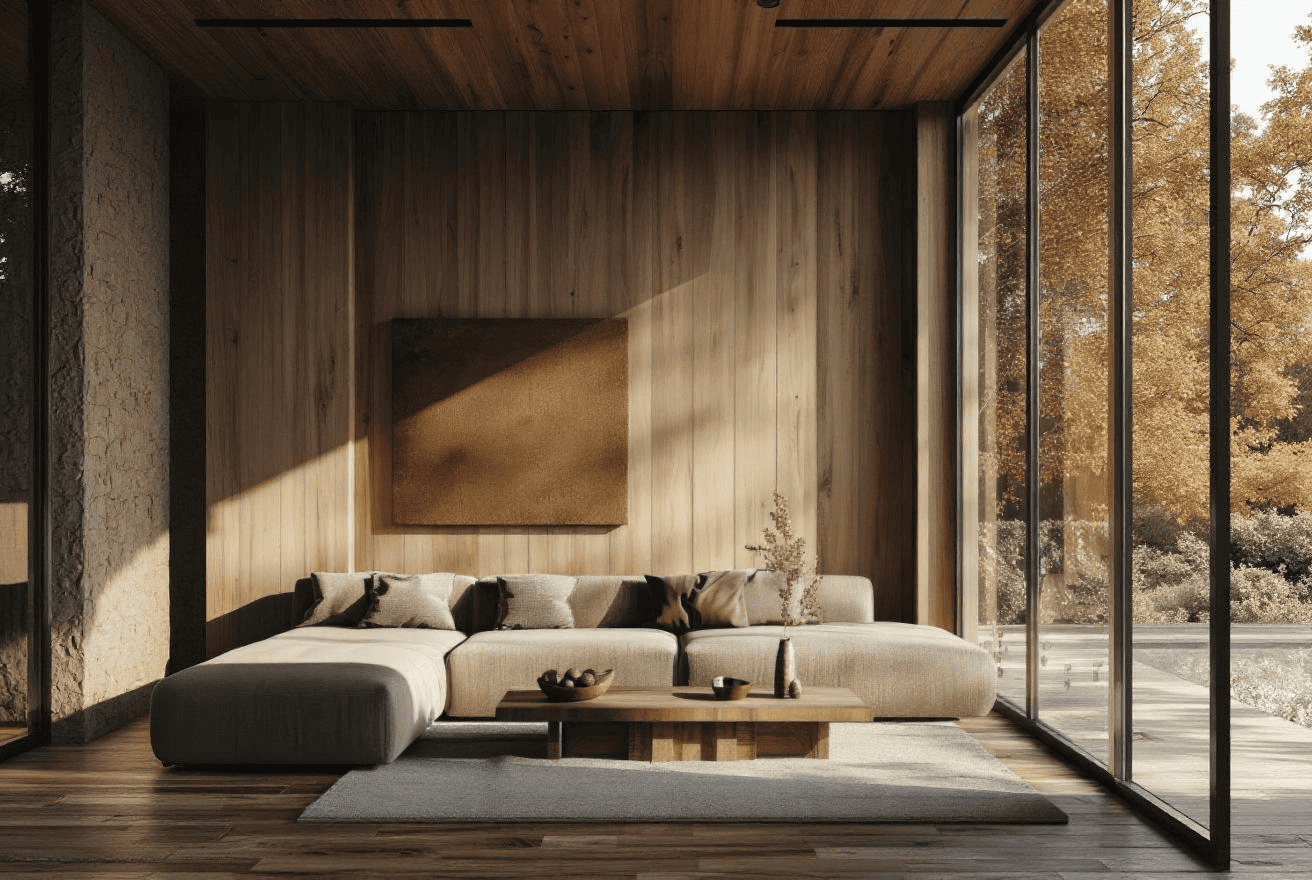
    Transform your living room into a welcoming space with a wood accent wall that complements your furniture and décor. Whether it’s a statement wall behind the TV or a feature wall with a fireplace, a modern wood accent wall will add warmth and character to the space.

    Stylish living room with a wooden accent wall, large windows, a neutral-colored sofa, and natural lighting.


    2. Entryway Wood Accent Wall

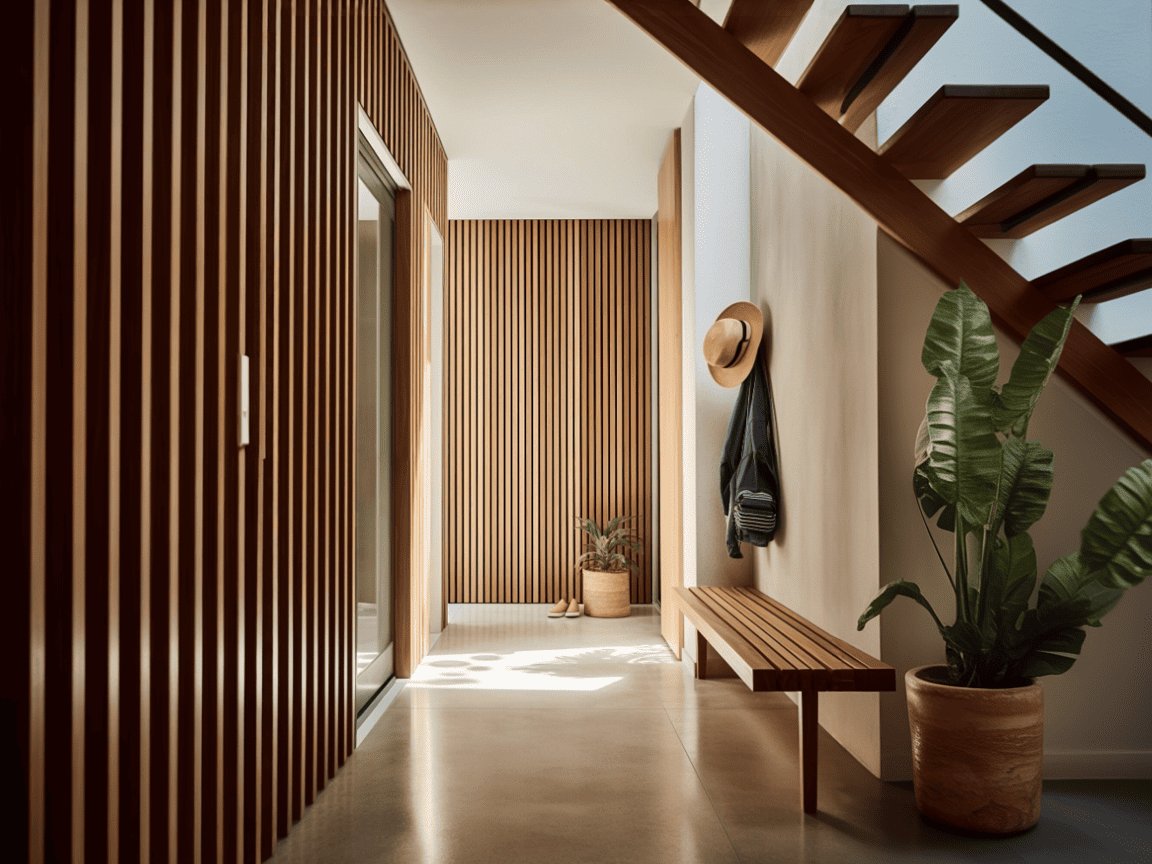
    Make a bold first impression by adding a wood accent wall in your entryway. This design choice immediately sets the tone for the rest of your home, combining elegance and coziness.

    Elegant entryway featuring a wooden accent wall, a modern bench, and potted plants.


    3. Office Wood Accent Wall

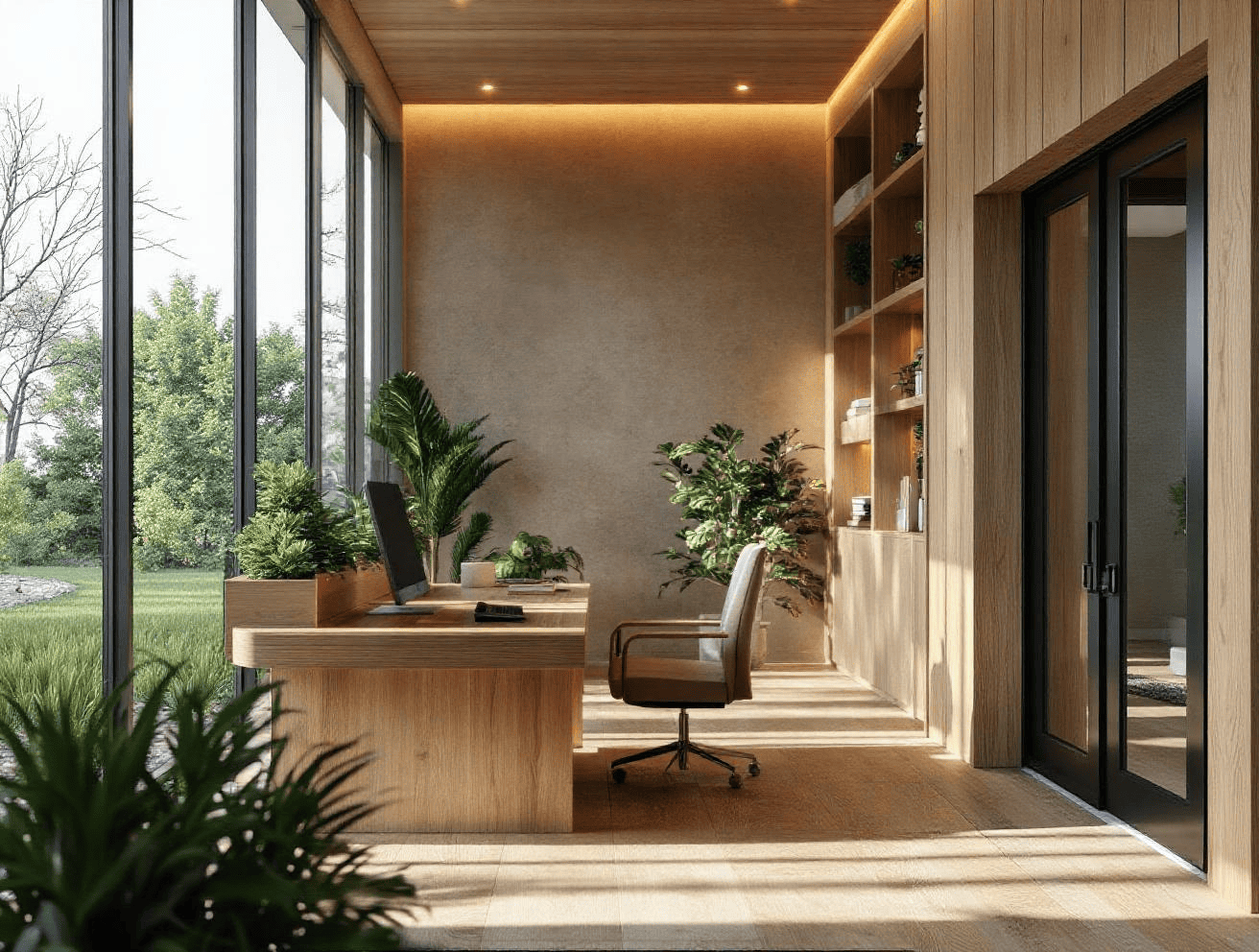
    For a home office or study, a wooden accent wall can create a calming and focused environment. Choose light wood tones for a bright, airy feel or dark woods for a more traditional, executive look.

    Modern office with wooden walls, large windows letting in natural light, and greenery adding a touch of freshness to the space.


    How to Install a Wood Accent Wall

    Materials You’ll Need:

    • Wood panels: Choose between reclaimed wood, shiplap, or wood slats.

    • Measuring tape: Accurate measurements are essential.

    • Adhesive or nails: Secure the wood panels to the wall.

    • Tools: A saw to cut the panels, a level to keep everything straight, and a hammer or nail gun for installation.

    Steps to Install a Wood Accent Wall:

    1. Measure the wall: Determine the area you want to cover and calculate how many panels you will need.

    2. Prepare the wall: Clean the surface and ensure it is smooth and level for easy installation.

    3. Cut the panels: Depending on the design, cut your wood to the correct size.

    4. Install the panels: Begin from one corner and work your way across the wall, securing each panel with adhesive or nails.

    5. Finish the edges: Add trim around the edges of the panels for a polished, professional look.

    Maintaining Your Wood Accent Wall

    Wood is a natural material that requires minimal maintenance, but a few simple steps can help keep your wood accent wall looking its best:

    • Dust regularly: Use a soft cloth to dust the surface to prevent buildup.

    • Clean spills immediately: Wood is susceptible to staining, so be sure to wipe up spills promptly.

    • Refinish or reseal: Depending on your wood’s finish, you may need to reapply a wood sealant to maintain its color and texture.

    Where to Buy Wood Accent Wall Materials

    When looking for materials to create a modern wood accent wall, many reputable suppliers provide high-quality wood panels, shiplap, and wood slats. For a wide variety of options, consider purchasing from:

    • Home improvement stores like Home Depot and Lowe’s

    • Specialty suppliers like The Panel Hub® for premium, prefinished wood panels

    • Online marketplaces such as Amazon or Wayfair for budget-friendly options

    Keep Exploring: Accent & Feature Wall Ideas

    Final Thoughts: Create Your Perfect Wood Accent Wall

    A wood accent wall is a versatile design element that can be customized to fit any room in your home. Whether you’re aiming for a wood accent wall bedroom or looking for a modern wood accent wall in your living space, this trend is a great way to bring natural warmth and style into your home.

    Start with one of these wood accent wall ideas, and soon you’ll have a stunning focal point that adds both beauty and value to your space.


    Frequently Asked Questions

    You can add a wood accent wall in your bedroom by placing wood paneling behind your bed to create a stunning focal point. Opt for wood finishes for a cozy feel.

    For a modern wood accent wall, walnut, oak, or reclaimed wood are popular choices, offering a sleek yet warm aesthetic.

    Yes! A wood accent wall can be installed as a DIY project using basic tools and wood panels. It’s a great weekend project.

    To maintain your wood accent wall, regularly dust it, clean up spills immediately, and reseal or refinish the wood when needed.

    Yes! Wood accent walls are a timeless design choice that continues to be popular in 2025 due to their versatility and natural beauty.


  • Wainscoting Panels: Types, How to Install, and Design Inspirations

    Wainscoting Panels: Types, How to Install, and Design Inspirations

    If you’re renovating your room or entire house, wainscoting panels are one of the simplest ways to elevate any room beside a wood wall panel or wallpapers. Many people think this option is also timeless and versatile, fit in any interior styles and designs.

    Choosing the right wainscoting design and knowing how to install it properly can make your walls truly stand out and durable. This article provides a complete guide to understanding what is wainscoting panels, its types, how to-s, do(s) and don’t(s) you must know.

    What Are Wainscoting Panels?

    Wainscoting panels are decorative wall coverings made of wood, MDF, or PVC with various designs, generally form rectangular or square shapes. However, some types don’t have that boxy design at all and instead have narrower or wider sections.

    Traditionally, wainscoting was used to protect walls from scuffs and scratches, especially in busy areas like hallways and dining rooms. Today, it’s widely treated as design and function. You may find these panels in a classic, elegant, modern, or simple house style.

    Types of Wainscoting: From Classic to Contemporary

    There are several styles of wainscoting panels you can consider to match different tastes and home designs:

    Beadboard

    Beadboard wainscoting is made of narrow vertical planks with small grooves, which are called beads between them. This type of panel is perfect for a cozy cottage, farmhouse, or coastal look.

    Board and Batten

    Board and Batten have a larger box or rectangular shape on the surface. It features wide panels with thin strips (battens) covering the seams. You can choose this type over the beadboard if you want to go for bolder geometric lines.

    Raised Panel

    This type of wainscoting panels are more traditional and elegant, with raised central panels framed by molding. It results in deep shadows and more dimension. Common in formal dining rooms or classic interiors.

    Flat Panel (or Shaker Style)

    The flat panel is very similar to a raised panel if you look briefly. However, as the name suggests, the flat panel doesn’t have raised central panels. Therefore, they have a flatter, more sleek, and smoother surface. Flat wainscoting panels are favorites for minimalist spaces.

    Overlay Panel

    The overlay panel combines flat panels with decorative trim layered on top for extra depth. This design works on walls in traditional architecture.

    Read More: Get Started Today: 30 Easy Half Wall Paneling Ideas for Beginners

    Choosing the Right Wainscoting Style for Your Space

    When selecting wainscoting panels, consider these key factors before making your purchase decision:

    1. Room Purpose: Use wainscoting beadboard for casual rooms like bathrooms or mudrooms, and raised panels for formal areas. This is because the raised panels tend to be more decorative and well-fitting for rooms that need formality and better impression.
    2. Ceiling Height: Higher ceilings can handle taller wainscoting, while lower ceilings look best with shorter panels. If you choose panels that are too tall, it would make your space feel smaller.
    3. Home Style: Match your wainscoting design with your home’s architecture. The classic, decorative panels suit traditional homes best, while clean lines are typically popular choices for modern ones.
    4. Color and Finish: White wainscoting brightens a room, while darker tones add warmth and depth. You can match with your ceiling or flooring. If the ceiling has brighter shades, then darker colors to absorb light and create a beautiful contrast.

    Wainscoting Installation: Step-by-Step Guide for Homeowners

    Wainscoting panels are not really DIY-friendly, especially if you are a beginner in home improvement projects. However, these are general guides and the right tools to install the panels on your own.

    1. Measure and Plan

    First of all, measure your wall to identify the height of panels you’re gonna buy. If necessary, mark a level line across the wall to guide you during installation. After that, choose which types of wainscoting that suit your design taste the best.

    2. Cut Panels to Size

    Measure carefully the panels based on the wall size you want to cover. Cut panels or boards to fit your wall sections. Use miter saws to cut baseboards and mold at precise angles. On the other hand, a jigsaw or oscillating tool can be used for cutting around outlets, vents, or window trim.

    3. Attach Panels

    When it comes to paneling, you can always use construction adhesive and finishing nails to secure panels to the wall. To speed up installation, use a nail gun or hammer & nail set. 

    4. Add Trim and Molding

    Install baseboards, chair rails, or cap molding to finish the edges. Wainscoting panels without molding would typically look a bit off and unfinished.

    5. Fill, Sand, and Paint

    This is the last part of the wainscoting installation steps. Fill nail holes, sand smooth, and apply paint or stain for a polished look. This step is optional because most people choose to leave the color and finish as it is. 

    If you want more DIY-friendly wall panels options, explore The Panel Hub acoustic or decorative wood wall panels! Our 100% real wood wall panels are crafted with FSC® certified E1 MDF and finished with a premium full-cover veneer that resists moisture. Get free shipping within the continental US on panels made to order for you!

    Explore Wall Panels

    Wainscoting Dos and Don’ts: Common Mistakes to Avoid

    Here’s some wainscoting do(s) and don’t(s) you should pay close attention to when installing wainscoting panels:

    Do(s):

    • Measure twice before cutting.
    • Use quality materials suited for moisture-prone areas (like PVC or MDF in bathrooms).
    • Paint or seal wood for extra protection.

    Don’t(s):

    • Install panels too high, because it can make a room feel smaller.
    • Forget to account for outlet and switch placement.
    • Skip the caulking as it makes seams look seamless and professional.

    Wainscoting Cost, Materials, and Maintenance

    Wainscoting panels typically cost $5-$15 per square foot, depending on material and design. If you need professional installation, the service fee can range from $10–$30 per square foot. 

    The price can also depend on the materials and wainscoting style you choose. Here’s a brief explanation of each characteristic of different materials:

    • Wood: Classic and durable but pricier.
    • MDF (Medium-Density Fiberboard): Affordable and smooth for painting.
    • PVC or Vinyl: Moisture-resistant and ideal for bathrooms and basements.

    To maintain the panels, wipe with a damp cloth regularly. Over time, the color may fade and scratches could start forming. Repaint or touch up as needed to keep it looking new and refreshed.

    Read More: What Floors Look Best with Wood Paneling? 6 Ways to Decide!

    You can bring these stunning ideas to your space. From bedroom wainscoting to living room makeover, you may take inspiration from its color choices, placements, or wainscoting types.

    In conclusion, wainscoting panels is a popular option for wall transformation for traditional or modern house styles. You must know which type of panels that not only suit your overall room color palettes, but also architectures. If you are looking for other wall panel options, browse The Panel Hub now! Available in elegant, earthy, and natural color selections that would instantly upgrade your space. Enjoy free shipping today!

    Shop Now!

  • Where to Buy Wall Panels: Your 2026 Home Design Guide

    Where to Buy Wall Panels: Your 2026 Home Design Guide

    Wall panels have become one of the top home design upgrades in 2025. From modern apartments to cozy home offices, wall paneling can instantly enhance a space with texture, warmth, and sound control. But with so many online options available, knowing where to buy wall panels that balance quality, design, and value can feel overwhelming.

    This guide will help you locate the best sources for real wood and acoustic wall panels, understand what to look for before purchasing, and ensure you invest in panels that last for years.

    Why Choosing the Right Wall Panel Supplier Matters

    Not all wall panels are created equal. Some may look appealing online but lack real wood finishes, durability, or sound insulation quality. Choosing a trusted supplier ensures your panels perform well, look professional, and meet your design expectations.

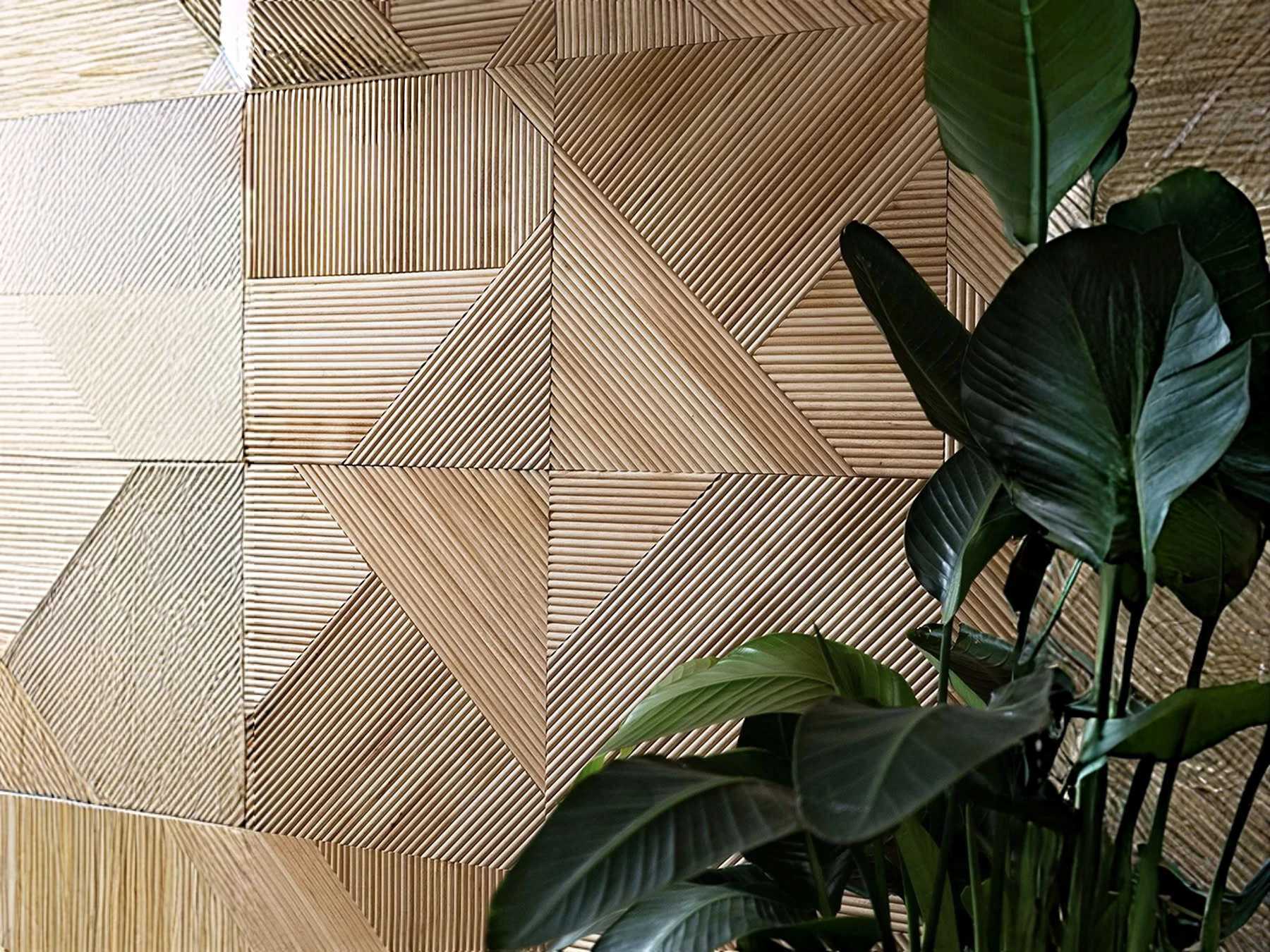
    Stylish wooden wall paneling with a modern geometric pattern and green plant accent.

    A reliable supplier should offer:

    • Verified real wood veneer or acoustic-quality materials

    • Accurate product dimensions and finish samples

    • Fast and secure shipping

    • Warranty coverage and after-sale support

    • Clear return and replacement policies

    When you buy from a certified brand like The Panel Hub®, you know you are investing in craftsmanship, sustainability, and long-lasting value.

    Best Places to Buy Wall Panels in 2025

    The Panel Hub® is a U.S.-based wall panel brand known for premium real wood acoustic panels and effortless installation services. The company focuses on high-end finishes, water-resistant MDF cores, and professional edge detailing.

    Close-up of a modern geometric wood panel design from The Panel Hub.

    Why customers love it:

    • Real wood veneer with designer-grade texture

    • NRC 0.85 sound absorption for quieter spaces

    • Free professional installation on orders above two thousand dollars

    • Free shipping within the continental US, made to order

    • Five-year product warranty

    👉 Browse The Panel Hub® Collection.

    2. Local Home Improvement Stores

    If you prefer in-person shopping, local retailers such as Home Depot or Lowe’s offer a variety of wall panels. You can physically inspect material samples, though the selection may be limited compared to specialized suppliers.

    Large home improvement store with neatly stacked shelves and products ready to buy.

    Pros:

    • Instant access to inventory

    • In-person quality check

    • Immediate pickup availability

    Cons:

    • Limited premium wood veneer options

    • Fewer acoustic panel choices

    • May require manual installation or third-party contractors

    3. Online Marketplaces

    Websites like Amazon and Wayfair provide convenient access to various wall panel brands. These platforms are ideal for budget-friendly options, though quality and authenticity can vary widely.

    A person browsing an online store on a laptop.

    Tips for safe online buying:

    • Read verified reviews and buyer images

    • Check for warranty and brand authenticity

    • Avoid listings with unclear specifications or no return policy

    4. Direct Manufacturer Websites

    Many homeowners prefer ordering directly from manufacturers to ensure product authenticity. This approach often comes with better support, faster customization, and more consistent quality control.

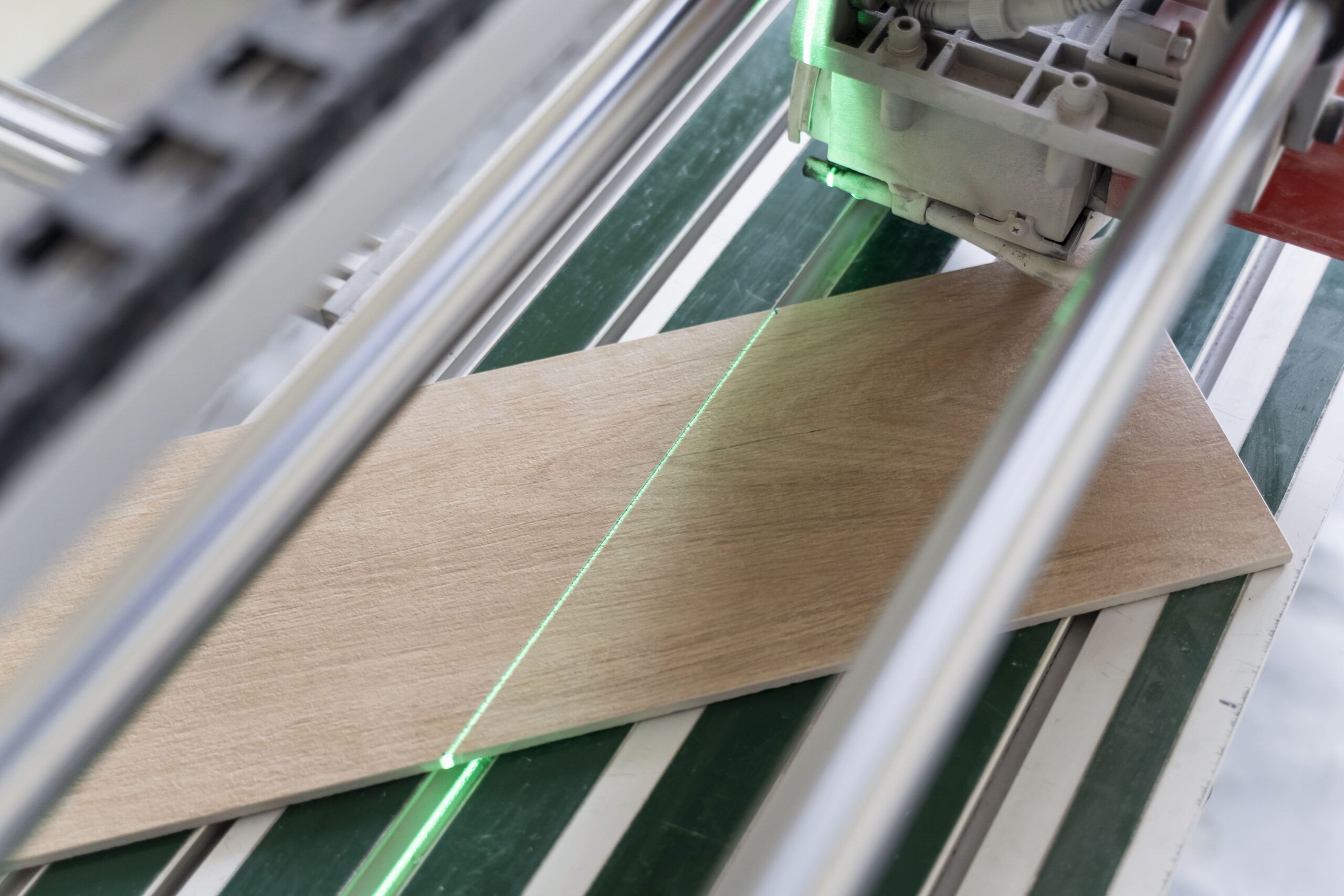
    Laser cutting machine working on a real wood panel in a workshop.

    Advantages include:

    • Access to exclusive collections and finishes

    • Custom sizing options

    • Direct technical assistance from the brand

    What to Look for Before Buying Wall Panels

    Before you make your purchase, review these important factors:

    • Material: Choose real wood veneer for long-term quality

    • Acoustic Rating: Look for NRC 0.85 or higher for sound control

    • Edge Finish: Rounded edges prevent chipping and ensure seamless installation

    • Installation: Prefer suppliers that offer DIY guides

    • Warranty: Look for a five-year guarantee or longer


    Why The Panel Hub® Is the Best Place to Buy Wall Panels

    The Panel Hub® stands out because it offers both premium materials and professional service. Every panel is designed to meet modern interior standards while simplifying the buying process for homeowners and designers alike.

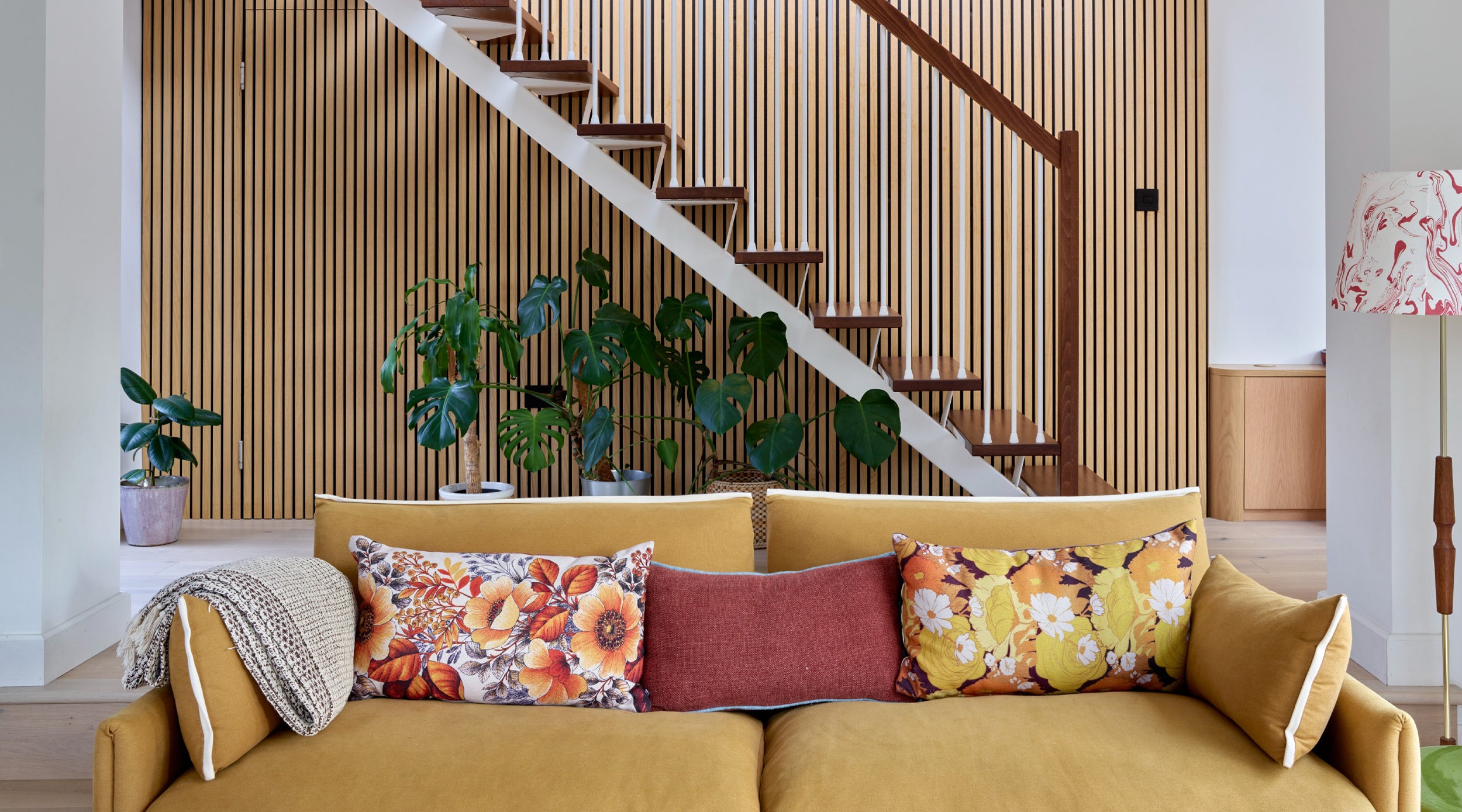
    Stylish living room with yellow sofa, floral pillows, and a striking wooden wall panel feature from The Panel Hub behind a staircase.

    Key advantages:

    • 100 percent real wood veneer

    • Water-resistant CoreShield™ MDF

    • Sound-absorbing design with NRC 0.85

    • Free visualization tools for design planning

    • Free installation on qualifying orders

    👉 Try our free Room Visualizer.

    When you buy from The Panel Hub®, you are choosing a trusted brand that combines design excellence with technical performance, creating an interior upgrade that lasts for years.

    What to Ask Before You Buy: A Quality Checklist

    Buying wall panels is not a purely price-driven decision — the quality of the material you receive, and the reliability of the supplier delivering it correctly, determines whether your project succeeds or fails. These are the questions worth asking before you commit to any significant order:

    Are samples available? Any quality panel supplier should offer samples at no charge or a nominal fee. If samples are unavailable, the supplier has limited confidence in their product holding up to close inspection — or their fulfilment process is not geared towards individual buyers. Samples allow you to check the species colour in your specific lighting, confirm the dimensional accuracy, and feel the quality of the finish.

    What is the returns policy for unused panels? Projects rarely use exactly the amount ordered. A 10–15% overorder is standard practice to account for cuts and waste. You need to know whether unused panels can be returned for credit, and on what terms. Suppliers who do not accept returns push all the risk of over-ordering onto the buyer.

    Are panels dimensionally consistent across a production run? Width and thickness variation between panels in the same order creates visible problems during installation — particularly with slat panels where gaps are supposed to be uniform. Ask specifically whether panels are sanded to a consistent thickness, and check reviews for comments on dimensional consistency.

    What is the lead time and can it be confirmed in writing? Renovation projects are time-sensitive. A supplier who can confirm a delivery date in writing before order acceptance is worth more than one who gives an estimated week and then misses it. Ask specifically about current stock levels for your chosen panels rather than accepting a generic lead time.

    Where to Buy Wall Panels FAQs

    Should I buy wall panels online or visit a showroom?
    For large orders or high-specification projects, visiting a showroom or requesting samples is strongly recommended. Colour rendering on screens varies significantly between devices, and the tactile quality of a panel — grain depth, surface texture, weight — is impossible to assess from a photograph. For smaller projects or when you have already used the supplier’s products before, online ordering is perfectly reliable.

    Is it safe to buy wall panels from marketplace platforms?
    Marketplace purchases can work for commodity products, but wall panels carry specific risks: dimensional inconsistency, colour variation between production batches, and returns processes that are far less straightforward than buying direct from a specialist supplier. For a project where panels need to match across a room, buying from a single specialist supplier who can guarantee batch consistency is significantly more reliable than marketplace purchasing.

    How do I verify a wall panel supplier’s quality before ordering?
    Check for independent reviews on platforms where reviews cannot be altered by the seller. Look specifically for comments on dimensional consistency, colour accuracy versus website images, and how the supplier handled any problems with orders. A supplier with a high volume of detailed, positive reviews over multiple years is more reliable than one with a large number of short, generic positive reviews over a short period.

    Can I buy wall panels that are already cut to size?
    Some specialist suppliers offer a cut-to-length service, which eliminates on-site cutting for a straightforward installation and reduces material waste significantly. This service is particularly valuable for projects with non-standard ceiling heights or specific layout requirements where standard panel lengths would create significant waste. The additional cost of a cut-to-length service is typically recovered in reduced waste and simplified installation.

    Final Thoughts: Buy Once, Enjoy for Years

    Buying wall panels is more than a home improvement project. It is an investment in comfort, elegance, and timeless design. Whether you prefer DIY installation or full-service support, selecting the right supplier will make all the difference in your results.

    Start your transformation today with a brand that blends authenticity, sustainability, and style.

  • Wood Maintenance Guide: Protecting and Preserving Your Wall Panels

    Wood Maintenance Guide: Protecting and Preserving Your Wall Panels

    Wood wall panels bring a sense of sophistication to any room in your home, which is why you need to understand wood maintenance to keep them beautiful and always bring warmth to your space.

    Taking care of your panels preserves their appearance and protects them from moisture and discoloration. Without proper care, panels can crack or warp, which loses their functionality as well.

    Cleaning and Dusting

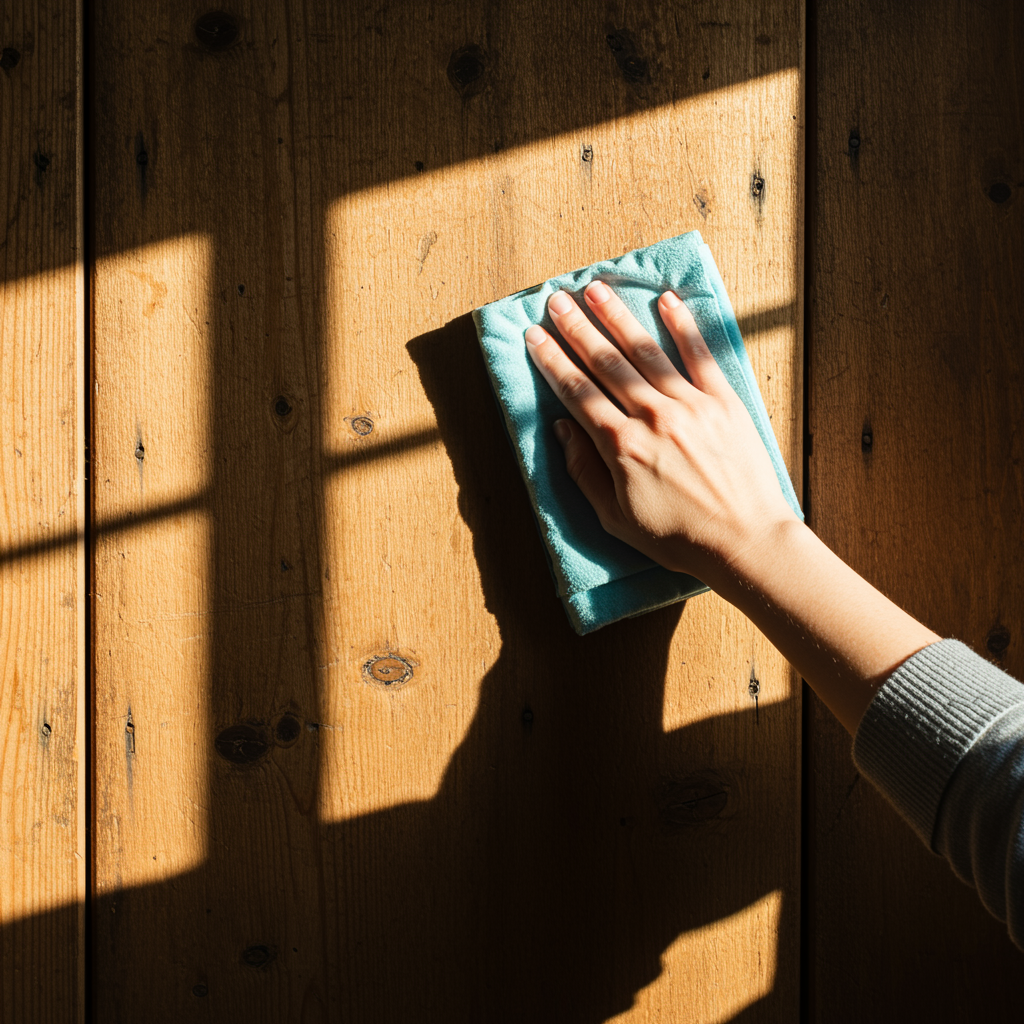
    Person wiping wood wall panels with a soft cloth.Always underestimate dust and dirt. They may seem insignificant, but dust and dirt can diminish the wood’s natural glow over time.

    Start with simple cleaning. You can use a soft cloth or feather duster to sweep away dust on the surfaces without scratching the finish. Avoid rough fabrics or sponges, since they can leave tiny marks on the wood.

    Go for a gentle wood cleaner, or you can simply use warm water and a few drops of mild dish soap, which you already have in your kitchen. Never use alcohol-based cleaners, as they can damage the wood.

    Consistency is key. To keep wood wall panels in great shape, schedule a quick dusting at least once a week and a deeper clean every month. This routine can prevent grime from building up around windows or near the kitchen.

    Polishing and Sealing

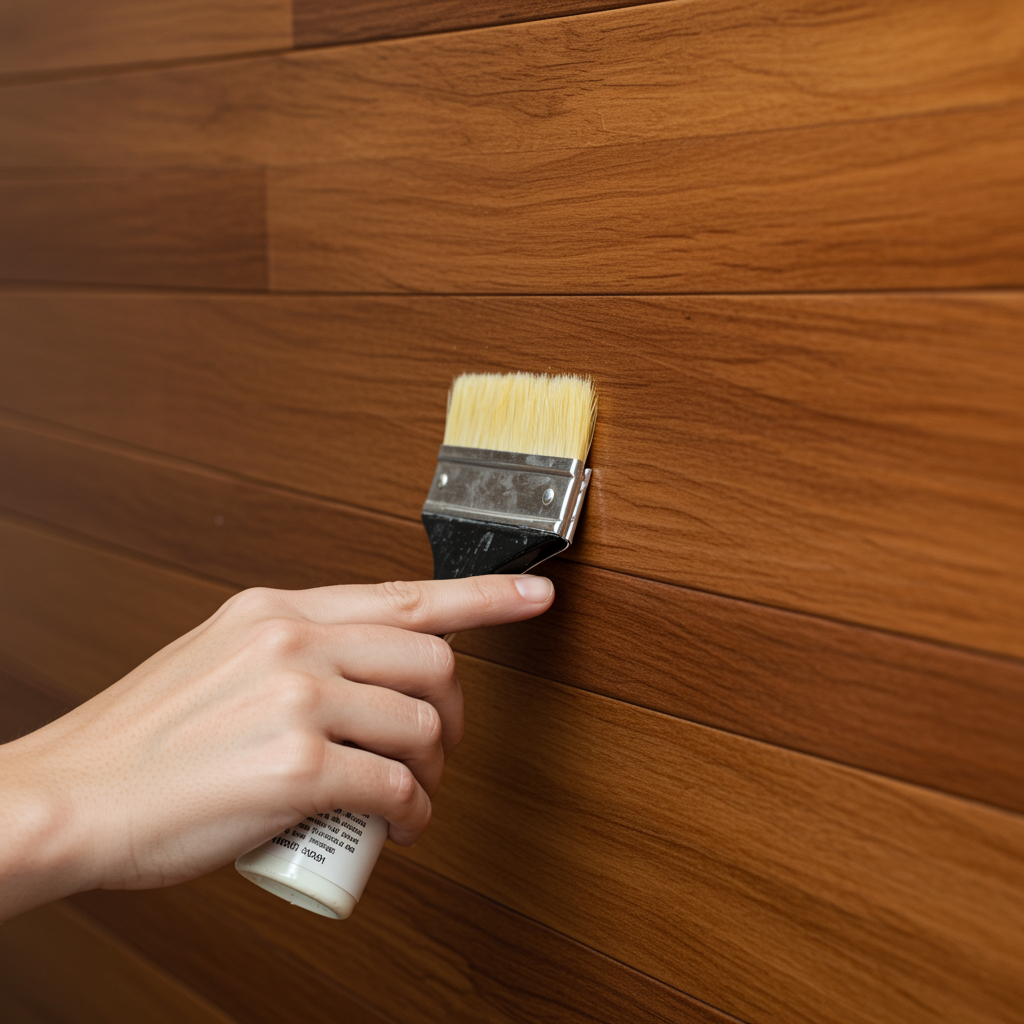
    Applying natural wood polish to wall panels to enhance shine and protect the surface.

    After you make sure your panels are clean, you can bring back their natural glow to protect the wood and keep it looking good. You can also explore our wood panel collection for more options with a natural finish.

    You can choose a high-quality wood polish or wax to make your panels shine and add more protection. Apply it with a soft cloth and buff along the grain until the surface is smooth and refreshed.

    If you live in a place where the humidity is high, you need to pay more attention to your wall panels. Apply a wood sealant or polyurethane, since moisture can lead to warping, swelling, and mold growth.

    Humidity also can cause dull patches, fading, or uneven color. If you notice one of them, it’s a sign that your panels need a fresh coat. A regular polishing and sealing routine keeps your woods protected for years to come.

    How to Repair and Restore?

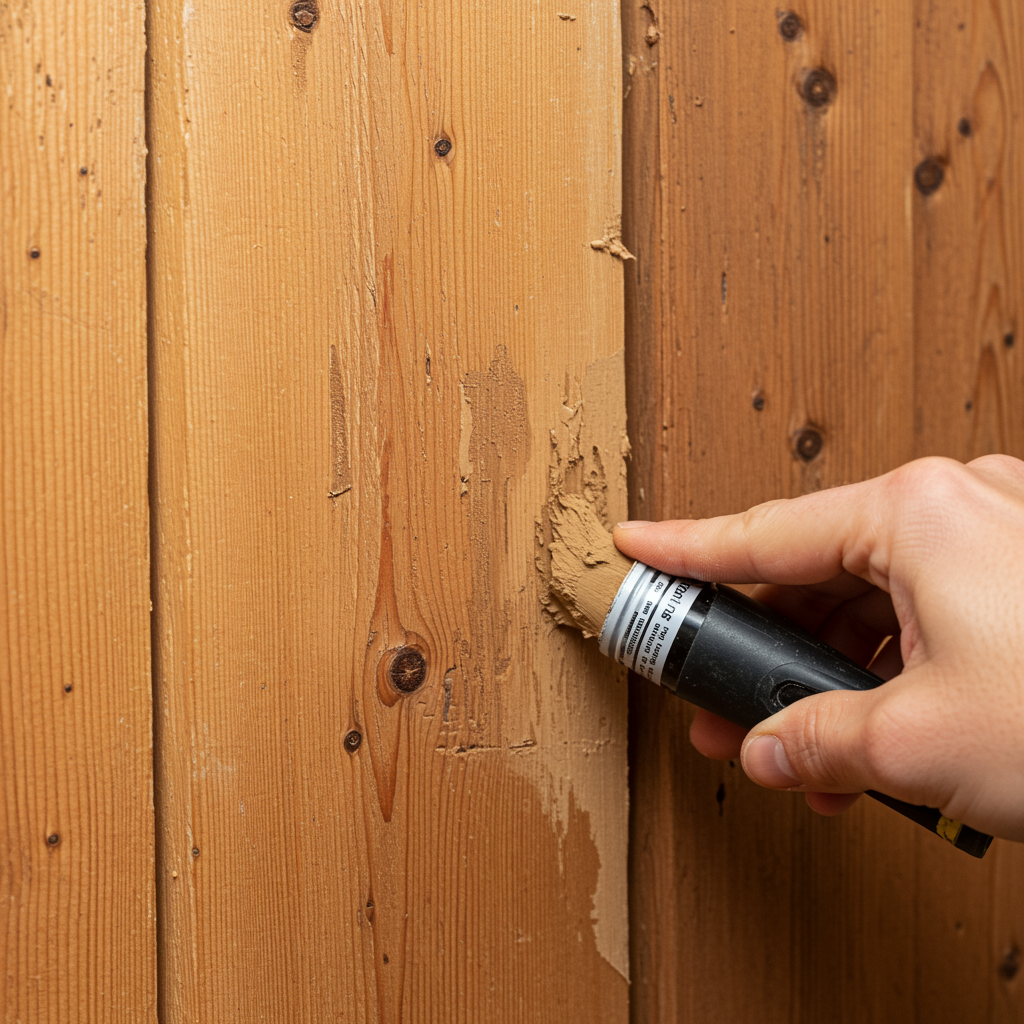
    Using wood filler to repair cracks and scratches on a wooden wall panel.

    Some things are inevitable, and natural wear and tear is one of them. But don’t worry, as long as the damage is minor, you can easily repair it.

    Use a wood touch-up marker that matches your panel’s tone for small scratches, or fill them with wood filler and let it dry for deeper dents or cracks. This step restores the original glow and preserves the wood grain. When you notice that the panels are starting to lose their shine, act as soon as possible. Use sandpaper to smooth out any uneven spots, then reapply polish or stain. This step brings back the original glow and preserves the wood grain.

    There might be a time for you to get inspired and want to change the decor to refresh your wood wall panels. You can either restain the panels to give them a richer tone or paint them to completely modernize the space. 

    How to Prevent Damage?

    Wood wall panels protected from direct sunlight with light curtains to prevent fading.

    IIt is undeniable that the most effective wood maintenance involves preventing damage before it occurs. KKeep your wood wall panels looking elegant before damage occurs.

    The position of your furniture or curtains matters, as it can protect wood wall panels from sunlight. Otherwise, your wood wall panels can be exposed to direct light, which can lead to fading or uneven discoloration.

    IIf areas such as your living room or bedroom receive sunlight easily, you can apply a UV-protective finish to safeguard the wood and maintain its color.

    SThe season plays a more important role than you might realize.  Without the right temperature, wood wall panels will expand due to humidity and contract when the air gets too dry. You can maintain indoor humidity at 40–60%.

    Always be mindful of how furniture can cause scratches and scuffs. That’s why the position of your furniture matters, as it can unintentionally damage wood wall panels. If your wood wall panels are installed in high-traffic areas, consider using felt pads, coasters, or bumpers behind chairs or decorative items.

    There’s nothing better than excellent airflow, as it keeps your wood panels dry and healthy. If you plan to install wood wall panels in humid areas like kitchens or bathrooms, make sure there is proper ventilation available. MMake sure there is some space between the panels and the wall.

    Conclusion

    Wood maintenance starts with your habits. Always treat your wood wall panels as an investment, for which you have to keep their natural beauty and protect them from daily wear and environmental changes through regular care.

    A Always pay attention to the condition of your wall panels over time. You can also explore our collection page to find the best wood wall panels that make your home feel warm.

  • Americana Interior Design: Where Timeless Comfort Meets Modern Character

    Americana Interior Design: Where Timeless Comfort Meets Modern Character

    Some styles go viral, others simply feel like home. If modern design ever got a comfort reboot, it would look like Americana interior design — part Taylor Swift’s Folklore, part small-town diner nostalgia, part Yellowstone grit. It’s cozy without kitsch, rugged yet refined, timeless and perfectly in tune with today.

    There’s something grounding about a home that feels built to last — where leather softens with time and light carries the warmth of a long night’s end.That’s the core of Americana: honest craft, real materials, and stories you can feel.

    Step into an Americana-inspired space, and you’ll know it. The warmth. The weight. The calm. Everything feels right.

    What Defines Americana Interior Design

    Americana interior design celebrates authenticity at its finest. It’s built on the strength, craftsmanship, and imperfect beauty of the American spirit. Every detail tells a story, from a chipped enamel mug to a weathered flag and a handmade quilt. The Americana theme blends rustic textures, vintage finds, and heritage colors to create a home that feels grounded, personal, and honest.

    Brief History

    Americana design started from practicality. In the 18th and 19th centuries, American settlers built homes using what they had — wood, metal, and simple woven fabrics. Every piece had a purpose, and its beauty came from age and use. It showed resilience, hard work, and pride in craft.

    As time went on, the style changed with the country. Colonial simplicity turned into farmhouse warmth, then industrial strength, and later mid-century charm. But one thing never changed: comfort rooted in honesty.

    Today, Americana design is more than a look back. It brings back real materials, quality craftsmanship, and meaning in a world full of throwaway trends.

    Modern Americana

    Modern Americana blends those frontier roots with today’s clean, contemporary lines. Picture reclaimed barn wood under a soft glow of modern lighting, a vintage map hanging above a minimalist desk, or a leather armchair paired with a handwoven throw that looks straight out of a Yellowstone set.

    It’s where heritage meets modern living, with old oak floors beneath LED lamps, brass fixtures beside linen drapes, and natural imperfections treated like art.

    Think of it as an aesthetic with backbone—practical, proud, and personal. A design style that’s evolved from humble craftsmanship to a confident, lasting expression of home, timeless as denim and familiar as your favorite Springsteen song.

    Whether you live in a city loft or a countryside cottage, Americana interior design thrives on texture, tone, and storytelling. Its foundation begins with what feels real, with enduring materials and comforting colors that bring warmth to every space.

    Americana Interior Design Core

    1. Natural Materials, Honest Craft

    Classic Americana interior design with oak wall panels, reclaimed wood, and aged leather furniture in rustic tones.

    Every great Americana space starts with what feels real. Choose natural materials like classic oak wood wall panels, reclaimed timber, brushed metal, stone, and aged leather. These textures tell the story of the American spirit — imperfect, enduring, and full of life

    Furniture should feel built to last, not mass-produced. A solid oak table, iron bed frame, or linen slipcovered sofa instantly sets the tone. You’re not chasing trends here, you’re honoring craftsmanship that endures and only gets better with time.

    If you are exploring options of wood wall panels, explore decorative and acoustic wood paneling for walls from The Panel Hub, available in 10+ designs and 5+ elegant earthy colors!

    2. Heritage Color Palette

    Living room in Americana interior design with muted red, denim blue, and farmhouse white for a cozy vintage feel.

    Color is where Americana interior design truly shines. The palette draws from the American landscape — muted reds, denim blues, farmhouse whites, and weathered browns. Think prairie sunsets, antique barns, and stormy coastlines.

    Modern interpretations soften these tones with warm neutrals and soft grays, allowing the space to feel timeless rather than themed. The goal is to nod to the past while staying firmly grounded in the present.

    3. Vintage Finds, Repurposed Pieces

    Americana design featuring vintage trunks, repurposed ladder shelves, and rustic metal accents for a nostalgic look.

    One of the charms of Americana design lies in its resourcefulness. Hunt for vintage furniture, antique trunks, or metal signage from flea markets and estate sales. Repurpose them creatively — an old ladder becomes a towel rack, a crate turns into a bookshelf.

    Read more: What Floors Look Best with Wood Paneling? 6 Ways to Decide!

    This isn’t just decor, it’s storytelling through objects. Each piece connects your home to history, to craftsmanship, to memory.

    4. Stars, Stripes, and Stories

    Americana theme decor with framed vintage flag, patchwork quilts, and subtle star motifs for heritage-inspired interiors.

    You can’t talk about the Americana theme without mentioning its iconic symbols. The American flag, stars, eagles, and patchwork patterns all play their part — but subtlety is key.

    Instead of draping a flag across a wall, frame a vintage version or use a muted, deconstructed print on textiles. Incorporate these motifs through handmade quilts, throw pillows, or rustic artwork that whispers, not shouts, “heritage.”

    5. Handmade Craftsmanship

    Cozy Americana interior with handwoven quilts, braided rugs, and artisanal decor celebrating American craftsmanship.

    The heart of Americana interior design lies in things made by hand. Quilts, needlepoint, woven throws, and braided rugs embody the craft traditions that shaped early American homes.

    Today, that translates into tactile comfort — layers of fabric, texture, and pattern that invite touch. A handwoven blanket over a leather armchair or a patchwork runner across a reclaimed dining table adds soul to the space.

    Supporting local artisans and makers deepens the authenticity, turning your decor into a small act of cultural preservation.

    6. Warm Lighting and Comfort-Driven Layouts

    Americana interior design with warm amber lighting, stripe wall panels, and natural textures for an inviting home.

    Light plays a quiet but powerful role in Americana interiors. Layer soft table lamps, sconces, and shaded overhead fixtures to create a gentle, lived-in glow.

    Avoid harsh white light. Choose amber tones that echo candlelight or late-afternoon sun — the kind that makes oak floors and brass accents glow. Stripe wall panels can enhance that effect, catching light in subtle patterns that add both texture and comfort.

    Arrange your furniture with conversation and ease in mind. Americana design celebrates connection — the table where family gathers, the chair by the window where stories unfold, and the light that makes it all feel like home.

    7. Balancing Nostalgia with Modern Simplicity

    Modern Americana design blending rustic wood, clean white walls, and brass fixtures for timeless, balanced interiors.

    The beauty of the Americana theme is that it grows with time. You don’t have to live in a farmhouse to bring it to life. Pair vintage wood with modern lighting, or set antique decor against clean, white walls for contrast.

    Modern Americana is evolution. It respects heritage without getting stuck in it. A mix of old and new makes your space personal.

    When your home is built with care, it doesn’t just look beautiful — it feels like it belongs to you. That’s the heart of Americana design: timeless, grounded, and made to last through every decade.