Author: The Panel Hub Design Studio

  • Wood Paneling Makeover Ideas: Easy DIY for a Modern Look

    Wood Paneling Makeover Ideas: Easy DIY for a Modern Look

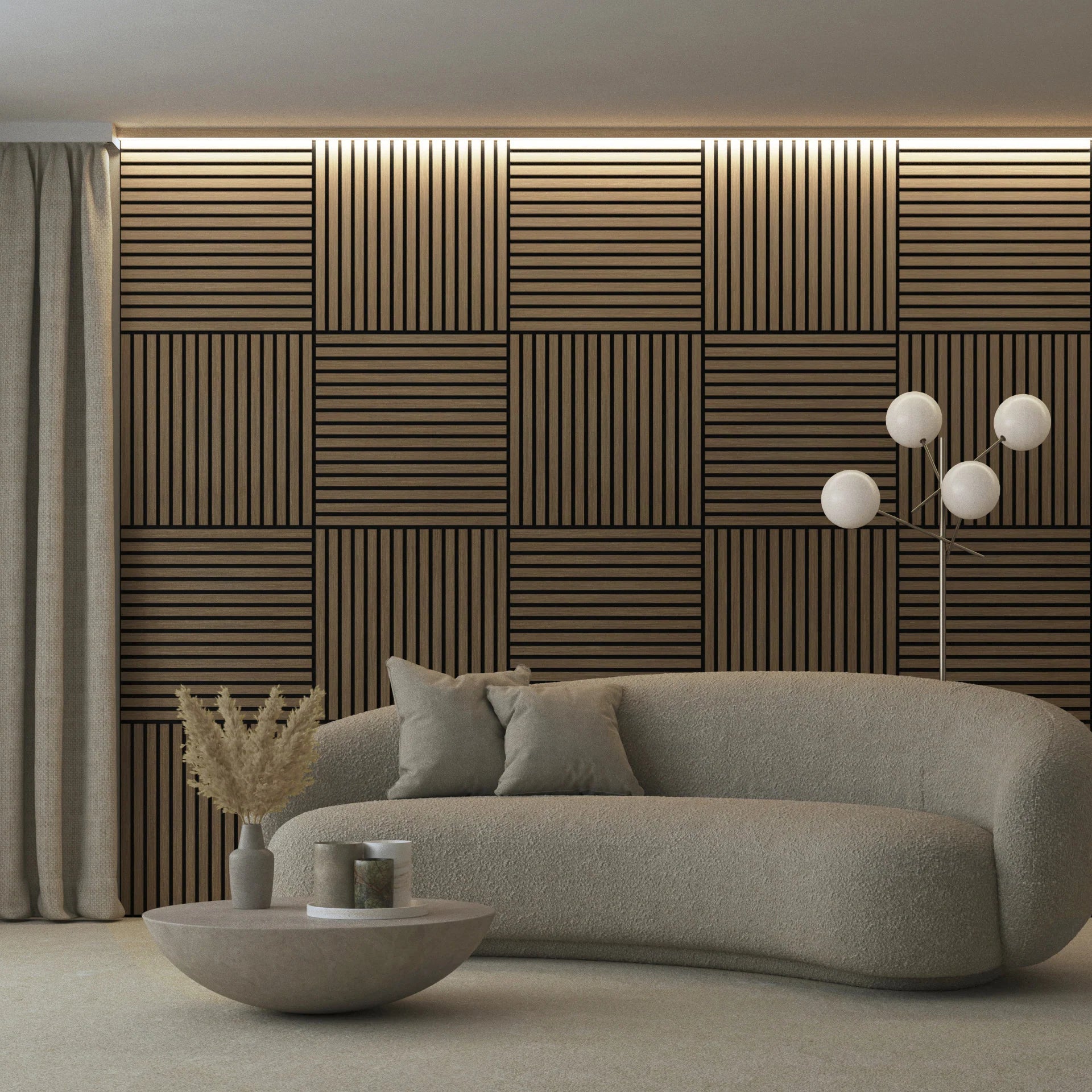
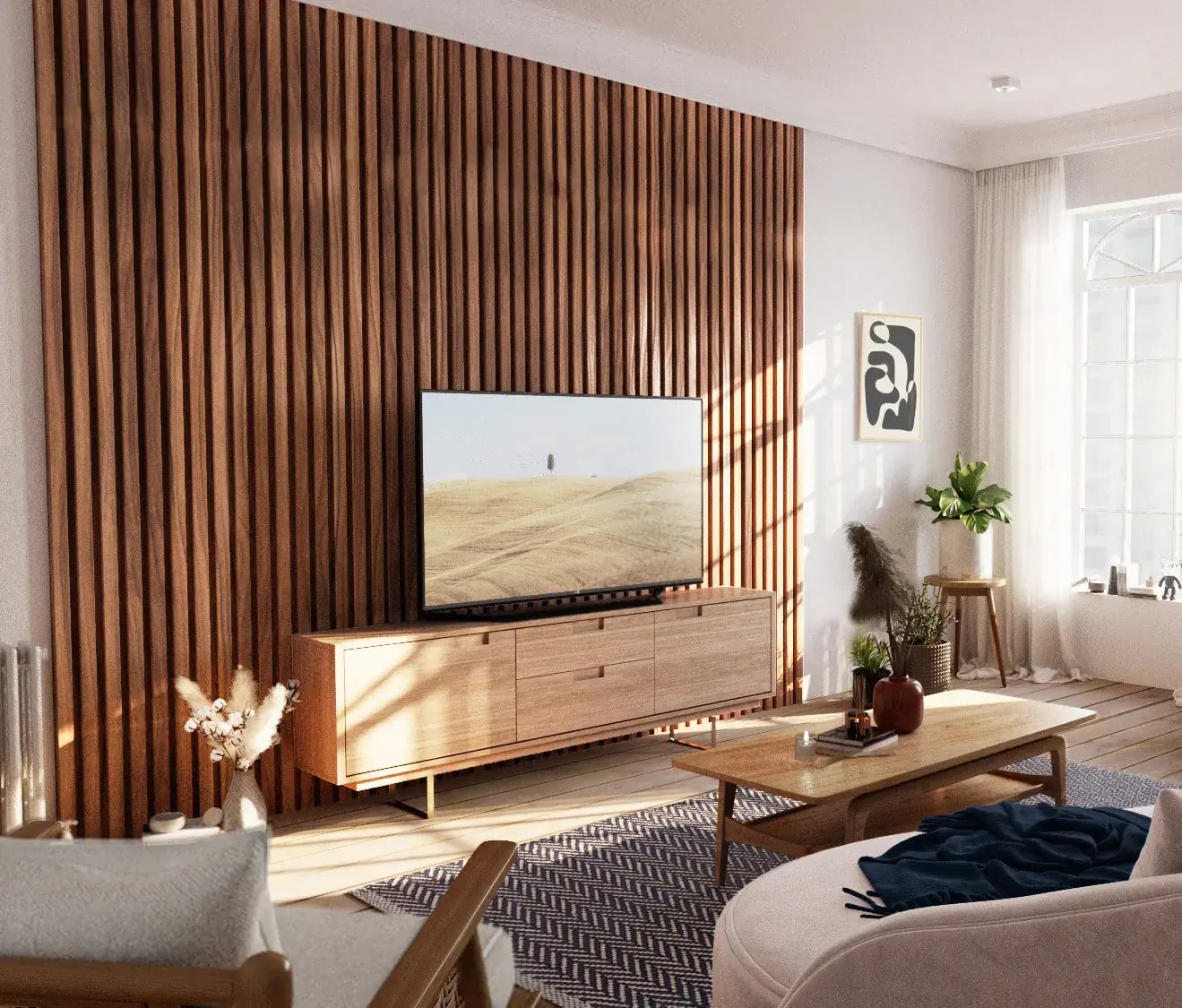
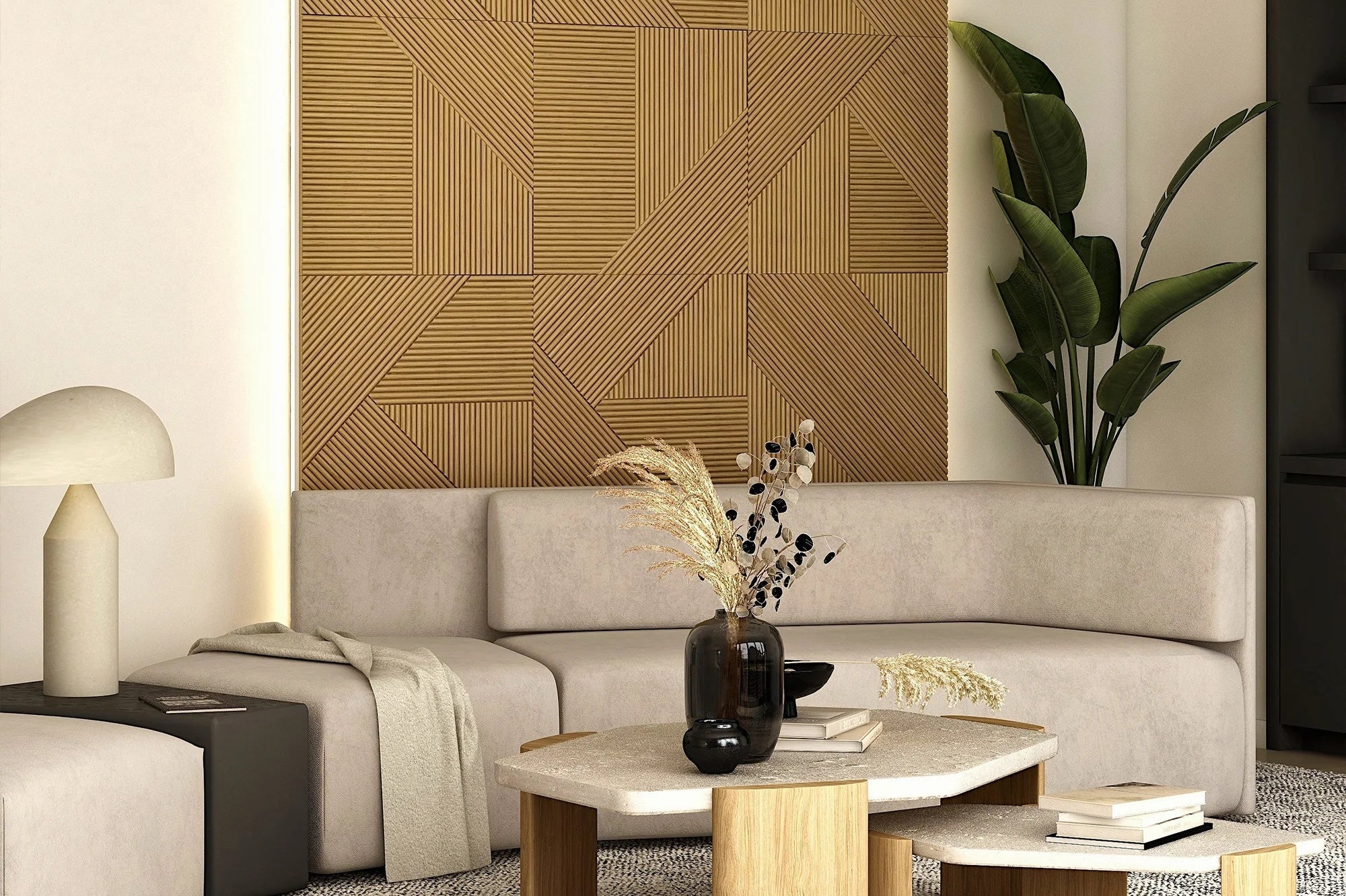
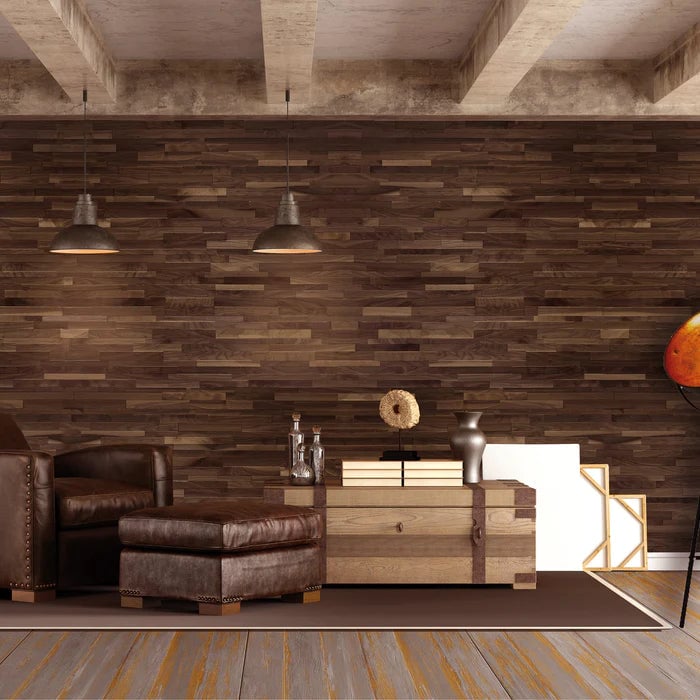
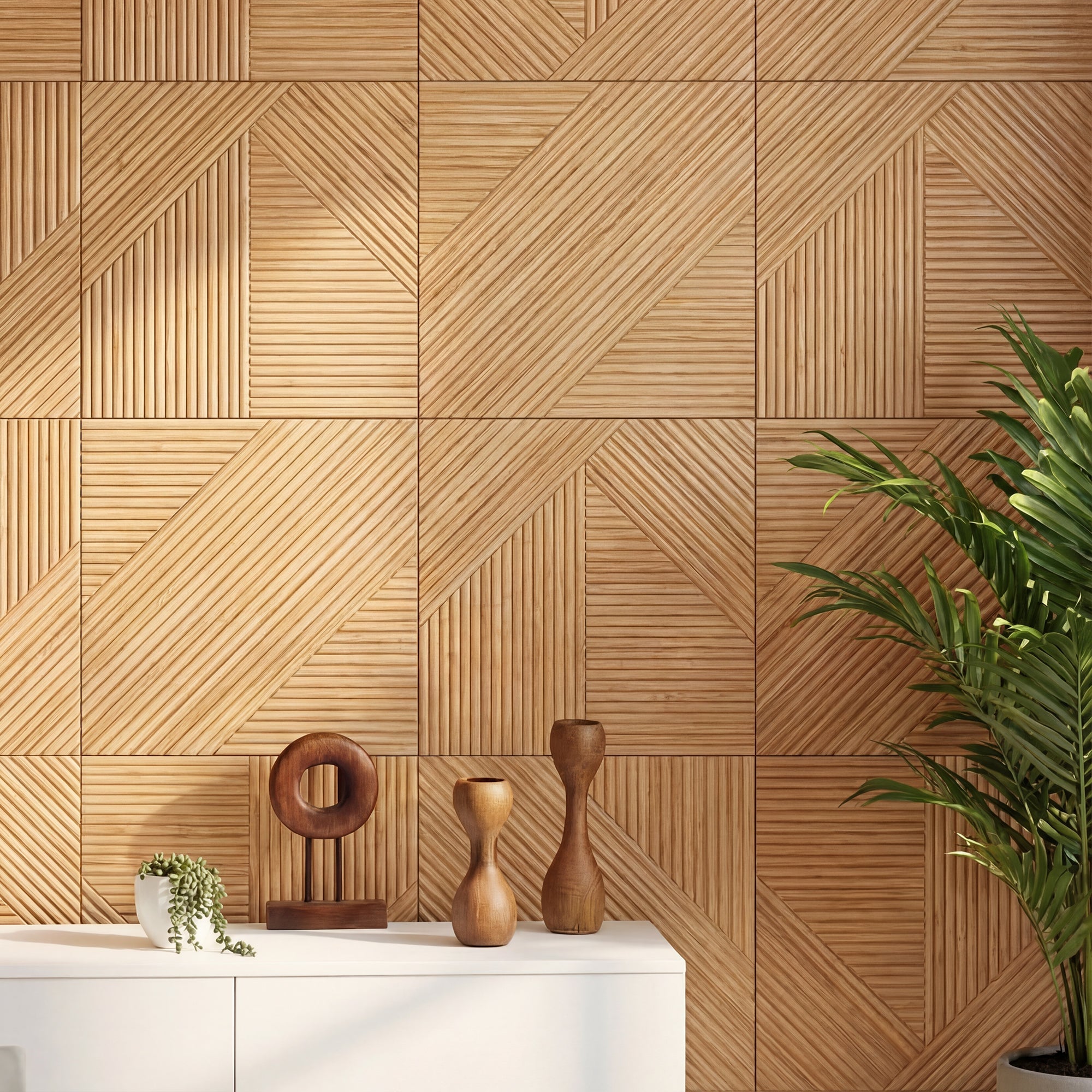
    Now let’s talk about wood panels. Yes, that throwback to the ’70s or ’80s that you might feel is sabotaging your style is real. But wait, there’s no need to take it down yet.

    You won’t believe it, but with a few smart changes, you can make that old look look totally chic and up-to-date. Are you ready to learn how? Here are some great ideas for updating wood panels that are easy and will keep you interested all the way to the end.

    It’s Paint Time!

    First, get some paint. It’s pretty much the easiest way to make those old walls look new again. You can use cool grays or bright whites, or if you want to try something new, a pop of color. Just make sure to prime those walls well so that your new favorite color stays put. With the right finish, like a satin or semi-gloss, light will shine off of it and make the room look bigger.

    Add Some Textures

    Wood Paneling Makeover Ideas

    Adding texture can literally add another dimension to the room. Do you want a natural look? Use sandpaper and a few different colors of paint to get a worn-out look. If you want something a little more interesting, you could glue on some raised designs or even cover the panels with fabric. Think of the look on your friends’ faces when they touch the walls and find that they’re not made of old wood panels.

    You might also like: Creative Home Decor Ideas for Small Homes & Tiny Spaces

    Why Not Wallpaper?

    It is possible to put wallpaper on wood walls. You can go for a cool pattern or a sleek one. Florals will give you a soft, sweet vibe, while bold geometrics will make a statement. This is an easy way to hide those groovy grooves right away and a very trendy way to update your space.

    Turn It into a Feature Wall

    Wood Paneling Makeover Ideas

    Want to really wow your guests? Transform your wood-paneled wall into a spectacular feature wall. Think big: a painted mural, funky art prints, or even a mirror collection to reflect all your awesome decor. This isn’t just a makeover; it’s a conversation starter.

    A Lot of Shelves and Storage

    Who says practical can’t be pretty? Adding some sleek shelving on those wood panels can break up the space and give you tons of room for books, plants, and knick-knacks. It’s like having a new wall that works extra hard to keep you organized and stylish.

    Mix Things Up

    Putting together different types of materials can completely change the look of your paneled walls. For an industrial look that is both sleek and bright, how about some metal strips or glass tiles? With just a touch of stone, a room can feel like it’s brand new. It’s all about getting the right mix of textures.

    Let There Be Light

    Wood Paneling Makeover Ideas

    When there is wood flooring, the lighting can make the whole mood change. A nice atmosphere can be created with soft recessed lights that show off the natural beauty of the wood. On the other hand, directional lights can draw attention to your newest artwork or coolest home decor. With a few changes, the mood in your room will be completely different.

    You might also like: 11 Flooring for Basements Options You Need to Explore!

    Embrace the Eclectic

    Do not be scared to mix styles. A little boho here (hello, bright fabrics and earthy plants!) Adding a touch of simplicity to that makes the room your own. Wood painting is a great way to show off your wide range of tastes.

    Add Accessories, Accessories, Accessories

    Wood Paneling Makeover Ideas

    The last thing that makes a room feel whole is the little things. Soft pillows, throws, and blankets can make the room feel cozier and give it more depth. A few well-placed works of art or cool gadgets will let everyone know that this room is all about style and comfort.

    You might also like: The Perfect Palette: 7 Colors That Go With Golden Oak Wood

    Planning Your Makeover: What to Do Before You Start

    The biggest mistake in a wood paneling makeover is starting without a clear plan. Old panels that were installed in the 1970s or 1980s were often fixed with a combination of adhesive and nails, and the wall surface behind them may be in poor condition. Before deciding whether to paint, replace, or overlay the existing panels, check these three things.

    First, check for moisture. Old wood paneling in kitchens, bathrooms, or below ground-level rooms may have trapped moisture behind it for years. Press firmly at several points across the surface — any give, softness, or sponginess indicates moisture damage and those panels need to come down before any cosmetic treatment.

    Second, check whether the existing panels are load-bearing in any way, or whether they’re covering unfinished surfaces like raw block or brick. Remove a skirting or architrave section to see what’s behind. If the wall behind is in good condition, you can paint or overlay with confidence. If it’s cracked plaster, damp brick, or bare block, you have remedial work to do first.

    Third, decide on your finish approach based on what you have. Solid wood panels in good condition are excellent candidates for stripping and re-staining — the grain can be revealed and the panel made to look completely contemporary. Hollow MDF or thin composite panels are better candidates for painting or overlaying, as stripping is less rewarding and the surface quality is lower.

    Wood Paneling Makeover FAQs

    Is it better to paint or replace old wood paneling?
    Paint if the panels are structurally sound, have a flat surface, and don’t have deep grooves that will read through the paint. Replace if the panels are warped, damaged, or have a heavy relief profile that you want to move away from. Overlaying with new slat panels is a third option that avoids both the effort of removal and the limitations of paint, but requires the existing surface to be flat enough to act as a substrate.

    What paint sheen works best on wood paneling?
    Satin or eggshell finishes are the most practical for painted wood panels. Matt finishes look excellent but mark and scuff more easily. Gloss finishes highlight any surface imperfections in the panel. Satin hits the balance between durability and a finish that doesn’t amplify every slight bowing or variation in the old panel surface.

    Can I install new wall panels directly over old wood paneling?
    Yes, provided the old panels are flat, firmly fixed, and not damaged. The most reliable approach is to fix the old panels more securely first (screw through any loose sections), sand off any gloss, clean thoroughly, and then apply new panels using a combination of adhesive and mechanical fixings. This avoids the messy work of removal and gives you a clean new surface with no risk of wall damage.

    Do I need to fill the grooves before painting old paneling?
    It depends on the look you want. Filling the grooves (with a flexible filler or joint compound) and sanding flat gives a clean, contemporary finish. Leaving the grooves creates a more traditional board-and-batten or wainscoting effect. Both approaches are valid — the choice is purely aesthetic, and grooves painted in the same colour as the flat sections are perfectly acceptable in modern interiors.

    Time to Get Started!

    Who’s ready to make over their room with wood wall panels? With these tips, you can turn that old-fashioned look into a beautiful, fun place that feels new and up-to-date. It’s all about having fun and being creative. How long are you going to wait? Let’s make those old wood panels look really great!

  • Best Wood Panels for Wall Decor: Eco-Friendly Choices in 2026

    Best Wood Panels for Wall Decor: Eco-Friendly Choices in 2026

    In the quest to create a stylish yet sustainable home environment, selecting the right materials is key. Wall decor, particularly wood panels, plays a significant role in defining the character of a space.

    As 2024 approaches, eco-friendly choices are becoming increasingly important for homeowners who are not only environmentally conscious but also keen on adding a natural aesthetic to their decor. The best wood panels for wall decor this year combine sustainability with cutting-edge design to meet both of these needs seamlessly.

    Eco-friendly wood panels are not just about being green; they also bring a unique warmth and texture to any room, enhancing the overall ambiance while aligning with green living principles.

    These options are sourced from responsibly managed forests or made from reclaimed materials, ensuring that your home decoration has a reduced impact on the planet. With a variety of finishes and styles available, these wood panels offer an environmentally friendly solution without compromising on style or quality.

    American Walnut Panel

    American Walnut Panel

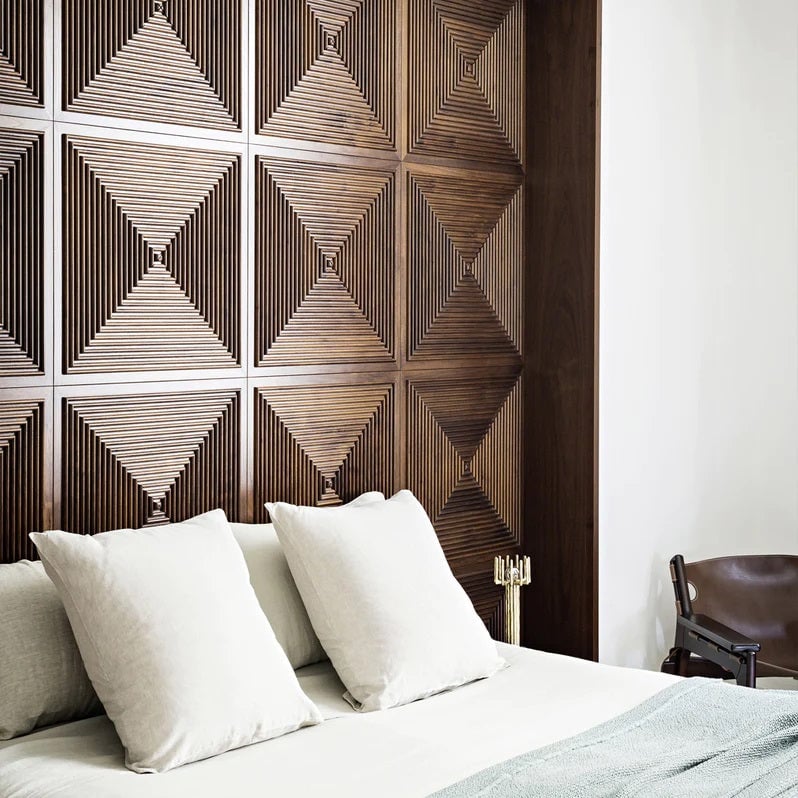
    The American Walnut Panel is a prime example of exquisite craftsmanship, showcasing the inherent beauty and enduring quality of natural wood. Each panel features unique textures and grain patterns, adding a distinctive charm and timeless elegance that make it one of the best wood panels for wall decor, especially in dining areas. The rich, warm hues of American walnut create a welcoming and cozy atmosphere, ideal for enhancing the ambiance of any dining room.

    In addition to its aesthetic allure, the American Walnut Panel is renowned for its exceptional versatility and adaptability across various settings. From moisture-rich kitchens to sophisticated dining rooms, these panels effortlessly complement any interior design style, providing a stylish and practical enhancement to dining spaces. Their ability to integrate seamlessly into different environments makes them a top choice for those seeking functional yet fashionable wall decor solutions.

    Read More: How To Install Wall Panelling In Your Home – 5 Simple Steps

    Triangular Mosaic Wood Wall Panel

    Triangular Mosaic Wood Wall Panel

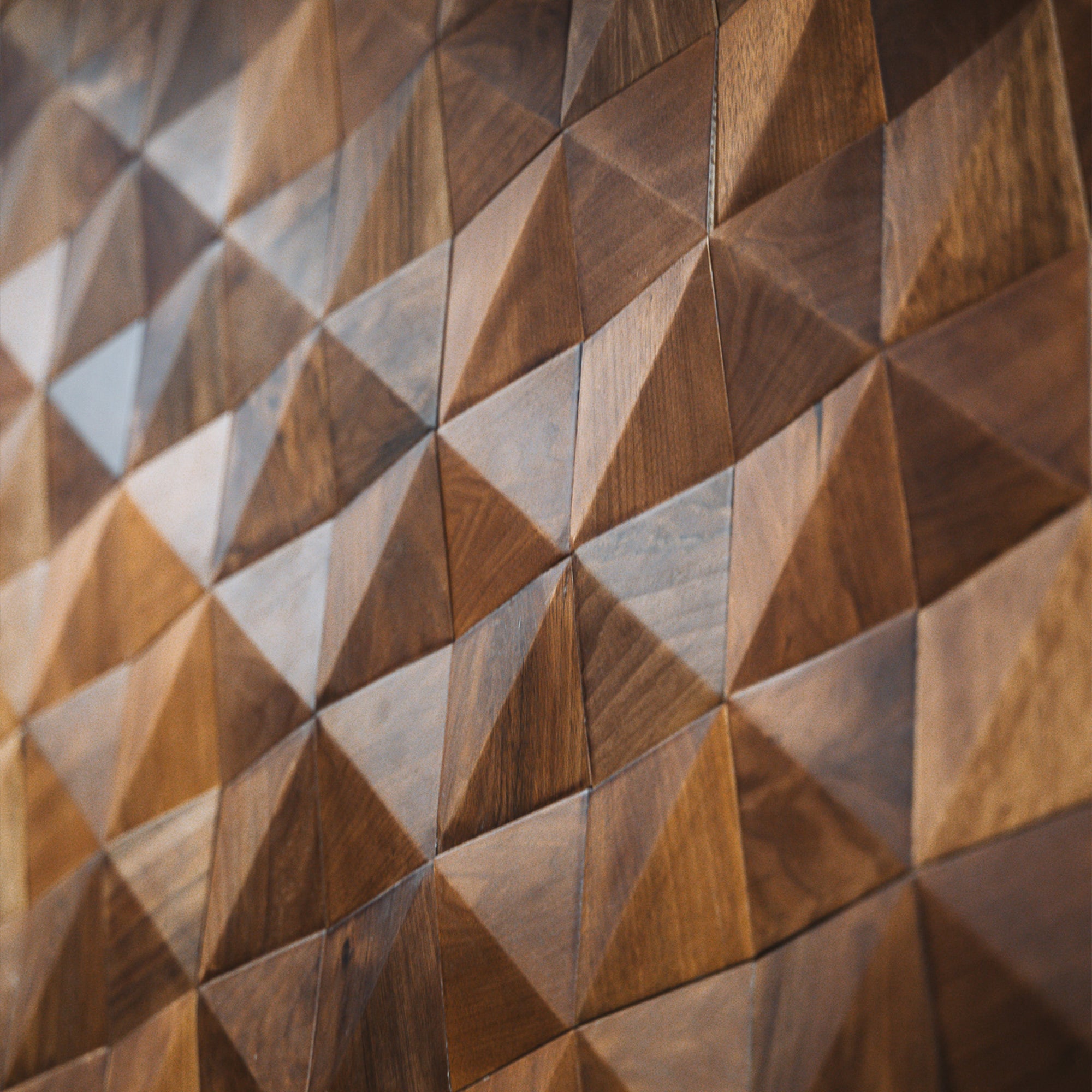
    Enhance your dining room with the creative Triangular Mosaic Wood Wall Panel from the Wood Panel series, a top contender for the best wood panels for wall decor. This eye-catching piece features a bold pattern of triangles, each displaying distinctive textures and grain patterns that elevate the ambiance of your space. The geometric arrangement of the panels creates an intriguing focal point, adding depth and dynamic charm to your dining area.

    The Triangular Mosaic Wood Wall Panel boasts impressive versatility, blending seamlessly with various interior styles from modern to eclectic. Its adaptability makes it an excellent fit not only for elegant dining rooms but also for humidity-prone kitchens, ensuring a harmonious blend of style and practicality throughout your home.

    Maintaining the Triangular Mosaic Wood Wall Panel is effortlessly simple, making it an ideal choice for homeowners with a busy lifestyle. A quick wipe-down is all it takes to preserve its captivating look and keep it in pristine condition, underscoring its practicality as well as its aesthetic appeal.

    Parallel Mosaic Wood Wall Panel

    Parallel Mosaic Wood Wall Panel

    The Parallel Mosaic Wood Wall Panel range stands out as an excellent choice for those looking to infuse their dining room with unique style and sophistication, making it one of the best wood panels for wall decor. Crafted from premium quality wood, these panels offer outstanding durability and introduce a distinct texture and pattern that can transform any dining area. The mosaic design of these panels interacts with light in various ways, providing an artistic and visually captivating element to your space.

    Ideal for modern interiors, the Parallel Mosaic Wood Wall Panel range adds a layer of sophistication and creativity to your dining environment. Its composition is well-suited for areas prone to moisture, such as kitchens, thereby enhancing its practicality along with its visual appeal.

    Maintaining the beauty of the Parallel Mosaic Wood Wall Panel is straightforward and hassle-free. Regular, simple cleaning is all it takes to keep these striking panels looking fresh and modern. This easy upkeep ensures that they continue to be a captivating addition to your dining area, blending durability with contemporary design.

    Read More: 5 Best Modern PVC Wall Panel Design for Bedroom in 2023

    Braid Mosaic Wood Wall Panel

    Braid Mosaic Wood Wall Panel

    The Braid Mosaic Wood Wall Panel is a highlight of the Wood Panel series, epitomizing exceptional craftsmanship and the natural beauty of wood, making it one of the best wood panels for wall decor. Each panel features a captivating braid pattern that showcases varied textures and grain patterns, infusing any dining room with unique and lasting elegance.

    This Braid Mosaic Wood Wall Panel is extremely versatile, integrating flawlessly into a range of settings, from moisture-rich kitchens to welcoming dining rooms. Its adaptability makes it an ideal choice for creating a cohesive and sophisticated decor theme throughout your home.

    Caring for the Braid Mosaic Wood Wall Panel is remarkably straightforward, requiring just a quick dusting or gentle cleaning to maintain its intricate braid design and unique textures. This ease of maintenance ensures that the panel’s beauty is effortlessly preserved, enhancing your space with minimal effort.

    Classic Lines Wall Panel

    Classic Lines Wall Panel

    The Classic Lines Wall Panel from the Wood Panel series is a refined and timeless option for those seeking the best wood panels for wall decor. Each panel is distinct, adorned with individual textures and grain patterns that bring elegance and character to any dining area. The design’s classic lines introduce a subtle yet luxurious touch, elevating the overall aesthetic of your dining room.

    Perfectly suited for a variety of interior styles, from traditional to contemporary, the Classic Lines Wall Panel adapts effortlessly to different environments, including moisture-rich kitchens and cozy dining rooms. Its versatility combines style with functionality, making it an excellent choice for enhancing your home’s decor.

    Maintaining the Classic Lines Wall Panel is incredibly easy, allowing homeowners to enjoy lasting elegance with minimal effort. Regular dusting is all that is required to keep the panel’s sophisticated look intact, ensuring it continues to complement your dining room beautifully.

    Read More: Mastering the Process: How to Install Shower Wall Panels Like a Pro

    Conclusion

    Choosing the best wood panels for wall decor in 2024 means aligning interior design ambitions with ecological responsibility. The market today offers a plethora of eco-friendly options that do not sacrifice style for sustainability.

    From panels crafted from recycled wood to those treated with low-VOC finishes, the choices are both diverse and designed to appeal to the eco-conscious decorator. These products not only contribute to a healthier planet but also create an inviting and stylish home environment.

    By incorporating these eco-friendly wood panels into your decor, you are making a statement about your commitment to sustainability and your taste in refined aesthetics. The trend towards greener decorating solutions is growing, and with these products, it is easier than ever to embrace this movement.

    Whether you are renovating a single room or redesigning your entire home, these wood panels offer the perfect blend of environmental stewardship and modern design, proving that you can achieve stunning visual effects while adhering to sustainable practices.

  • Simple Small Living Room Ideas with TV: Smart Design Tips

    Simple Small Living Room Ideas with TV: Smart Design Tips

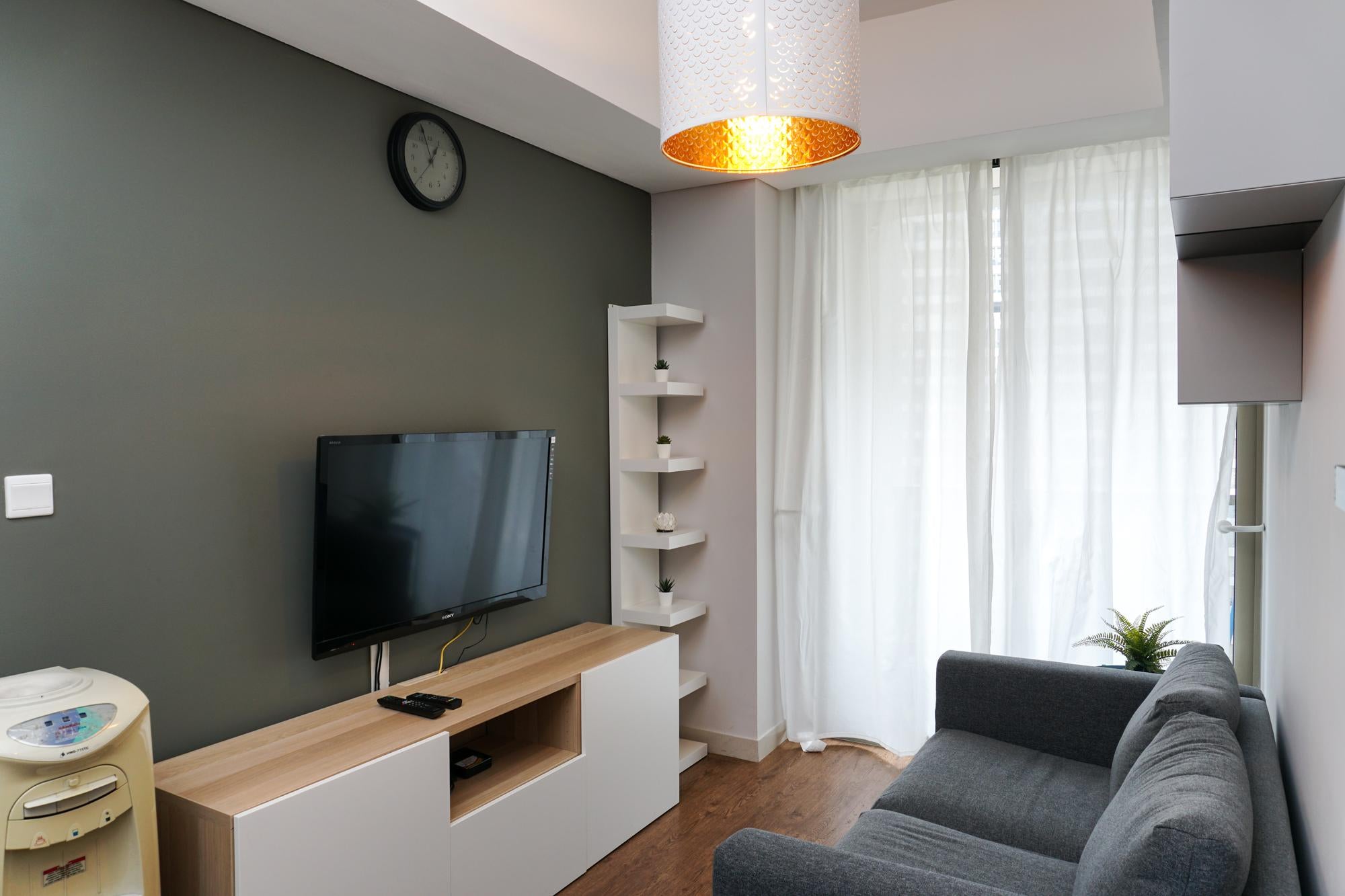
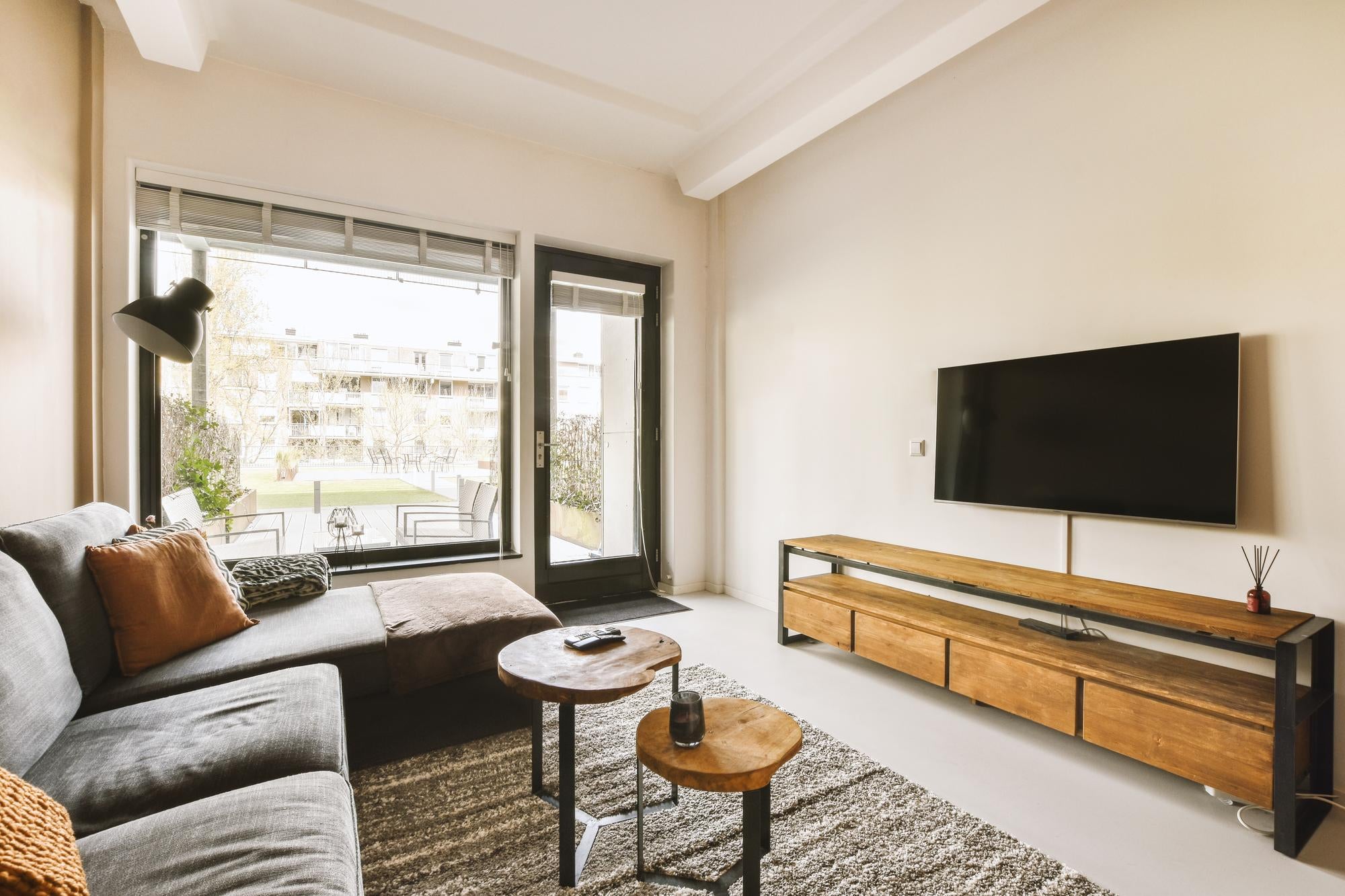
    Redesigning your living area to include a TV without compromising on style or space can be challenging, especially in smaller homes. With the right strategies, however, it’s possible to create a functional, visually appealing room that makes the most of every square inch. This guide will delve into practical and smart design tips that can transform your compact living space into an inviting and stylish entertainment area.

    Optimize Your Layout

    simple small living room ideas with tv

    Start by assessing your room’s layout to ensure optimal use of space. Placing the TV on the wall opposite the main seating area usually works best, as it allows for easy viewing from all angles. Consider wall-mounted setups to save floor space, or a swivel stand that can adjust the TV’s angle without rearranging your furniture. This approach keeps the room flexible and maximizes the viewing experience from different positions.

    Compact spaces benefit greatly from minimal clutter and smart furniture choices. Multi-functional furniture, such as ottomans with storage inside or couches with built-in shelves, can be game changers. These options provide hidden storage while keeping the area open and airy. The less clutter there is, the bigger your space will seem, making for a more comfortable and enjoyable living environment.

    Choose the Right Scale Furniture

    simple small living room ideas with tv

    Selecting furniture that fits your space is crucial. Oversized sofas or too many pieces can make the room feel cramped and hinder movement. Instead, opt for smaller-scale furniture that complements the room’s dimensions. Loveseats, petite sofas, and chairs without arms can make the space feel larger than it is.

    Additionally, consider transparent materials like glass or acrylic for items like coffee tables or TV stands. These materials take up less visual space and help create the illusion of a more open room. Keeping furniture proportional not only ensures comfort but also maintains a sleek, uncluttered look.

    Read More: Cheap Wood Panels for Walls: Transform Your Space on a Budget

    Light It Right

    simple small living room ideas with tv

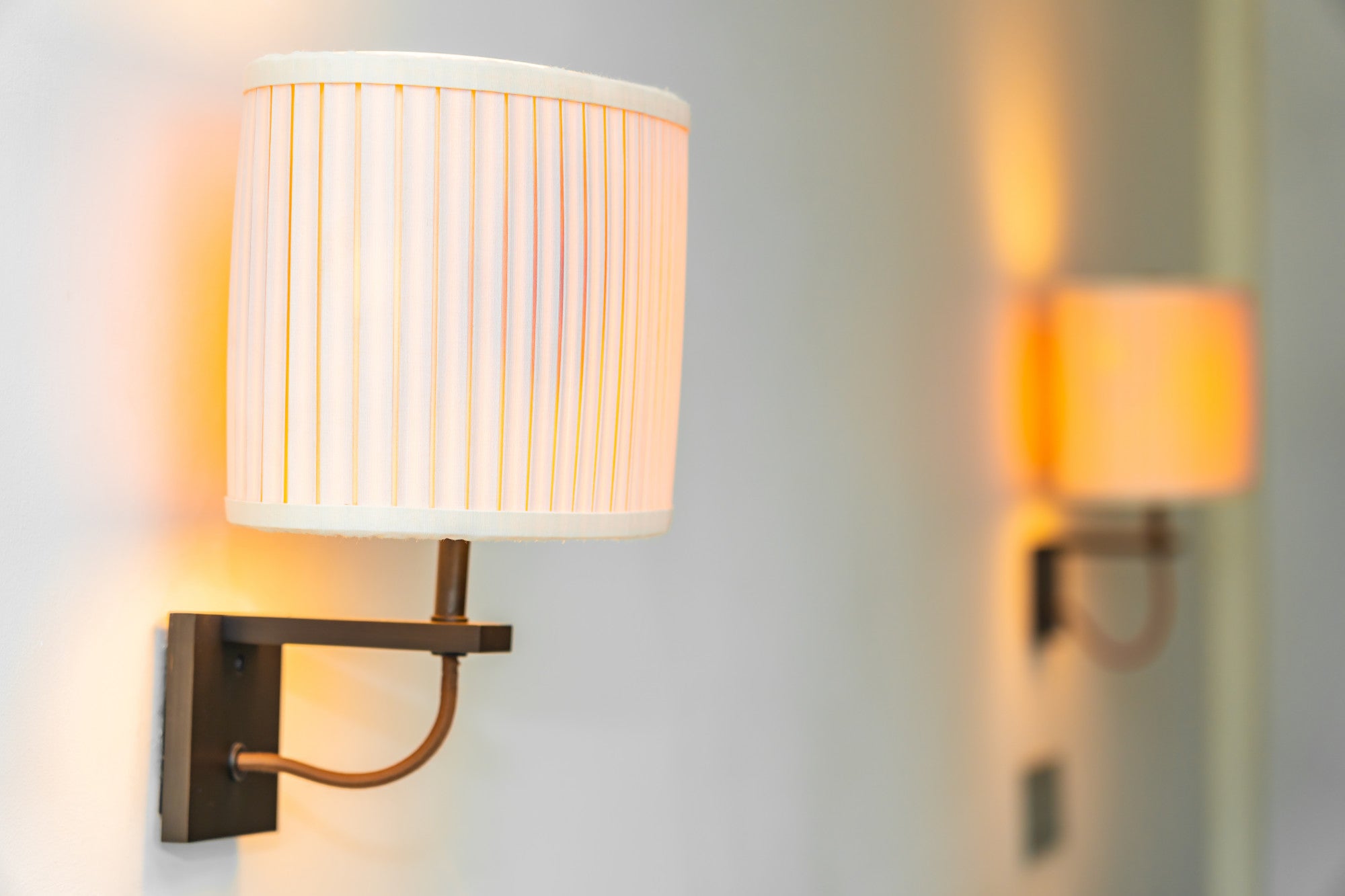
    Proper lighting is essential in making a small space feel larger and more welcoming. Utilize a combination of light sources at different levels to create depth and warmth. Wall sconces can save space while providing adequate lighting around the TV area without causing glare.

    A strategically placed mirror can also enhance natural light from windows, making the room appear brighter and more open during the day. At night, adjustable dimmers can set the right mood for watching TV or relaxing with friends and family, adding both functionality and ambiance to your living space.

    Incorporate Smart Storage Solutions

    simple small living room ideas with tv

    To avoid clutter, which can quickly consume a small living room, implement clever storage solutions. Media units with integrated storage are ideal for hiding away DVDs, games, and other gadgets. These units can be custom-built to fit your space and needs, ensuring that everything has a place.

    Shelving around or above the TV is another way to maximize vertical space for storing books, decor, or speakers. By keeping the floor clear and utilizing walls for storage, the room remains orderly and spacious, enhancing overall comfort and style.

    Read More: How To Install Wall Panelling In Your Home – 5 Simple Steps

    Use Color and Texture Wisely

    simple small living room ideas with tv

    The choice of color and texture has a significant impact on the perception of space. Light colors make a room feel bigger and brighter, while dark hues tend to make it feel smaller and more enclosed. Opt for soft, neutral colors for walls and large furniture pieces, adding pops of color through accessories like cushions or rugs.

    Textures also play a key role in how a space feels. Smooth, shiny surfaces can reflect light and help open up the space. Soft fabrics and textured rugs add warmth and comfort, making the living room cozy and inviting despite its small size.

    You might also like: The Perfect Palette: 7 Colors That Go With Golden Oak Wood

    Beyond the TV wall, wood panels can transform every surface in your living room. For a complete design guide covering panel styles, colour combinations, and lighting, read how to decorate a living room with wood paneling.

    Best Wood Panels Recommendation in 2026

    The TV Wall: Turning a Functional Wall Into a Design Feature

    In a small living room, the TV wall has outsized influence on how the entire space feels. A screen floating on a plain painted wall makes the room feel unresolved and visually noisy — two things compact spaces cannot afford. Treating the TV wall with intention solves multiple problems at once: it anchors the furniture layout, reduces visual clutter, and gives the room a focal point that works whether the screen is on or off.

    Wall treatments that work well for TV walls in small living rooms:

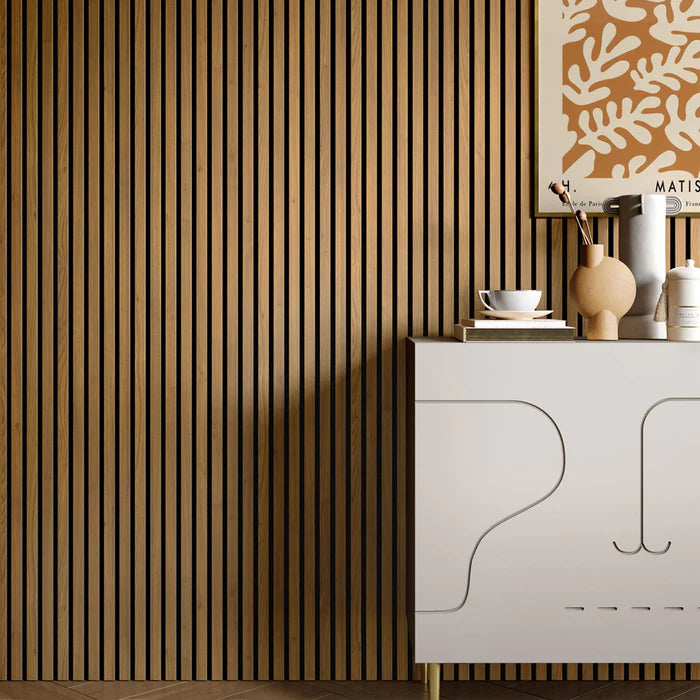
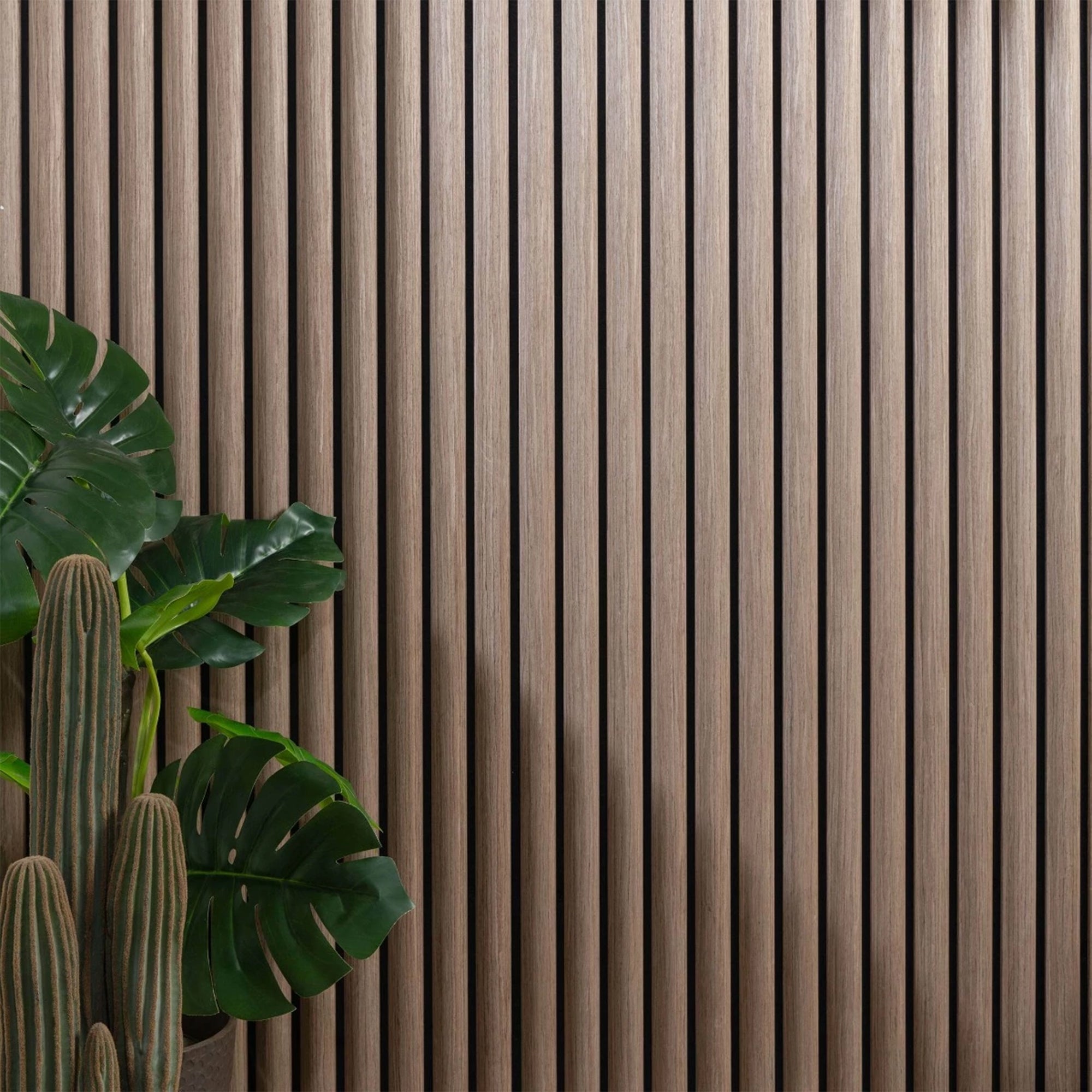
    • Acoustic slat wood panels. Acoustic slat panels behind a wall-mounted TV anchor the media wall visually, frame the screen naturally, and reduce the echo that hard-surfaced small rooms amplify. The vertical slat lines also draw the eye upward, making the ceiling feel higher. This is the single most effective TV wall upgrade for compact living rooms.
    • Integrated floating media unit. A floor-to-ceiling unit with the TV recessed into a dedicated bay provides storage, display space, and a fully resolved look. It requires a larger upfront investment but virtually eliminates visible clutter.
    • Floating shelf with panel backdrop. A single slim shelf beneath a wall-mounted TV, set against a panel backdrop, creates a designed look without the cost or installation complexity of a full unit. Works particularly well in minimalist interiors.

    One rule to follow regardless of which approach you choose: avoid placing a gallery wall or decorative arrangements directly behind the TV. Visual competition between static artwork and a moving screen creates eye fatigue. Give the screen its own uncluttered wall.

    Frequently Asked Questions: Small Living Room with TV

    What TV size works best in a small living room?
    For rooms under 150 sq ft, a 43–50 inch TV is typically the sweet spot. The general rule: viewing distance should be 1.5–2× the diagonal screen size. At 6 feet of viewing distance, a 55-inch screen can feel uncomfortably large and cause eye strain.
    Should I wall-mount the TV or use a stand in a small space?
    Wall-mounting almost always works better in compact living rooms. It eliminates the TV stand footprint, frees floor space, and lets you position the screen at the ideal viewing height. The main consideration is cable management — use an in-wall cable channel or surface-mount raceway before installation.
    Can dark wall panels work in a small living room?
    Yes — used selectively. Dark panels on the TV wall or sofa wall create depth and make the room feel more designed rather than simply smaller, provided the rest of the room stays light. High contrast (dark panels, light walls and furniture) tends to feel more intentional than a uniformly dark palette in a compact space.
    How do I reduce echo in a small living room?
    Hard surfaces — painted walls, wood floors, glass windows — reflect sound and create echo. The most effective remedies are rugs on bare floors, curtains at windows, upholstered furniture, and acoustic panels on at least one wall. In a small room, even a single panel wall makes a measurable acoustic difference.

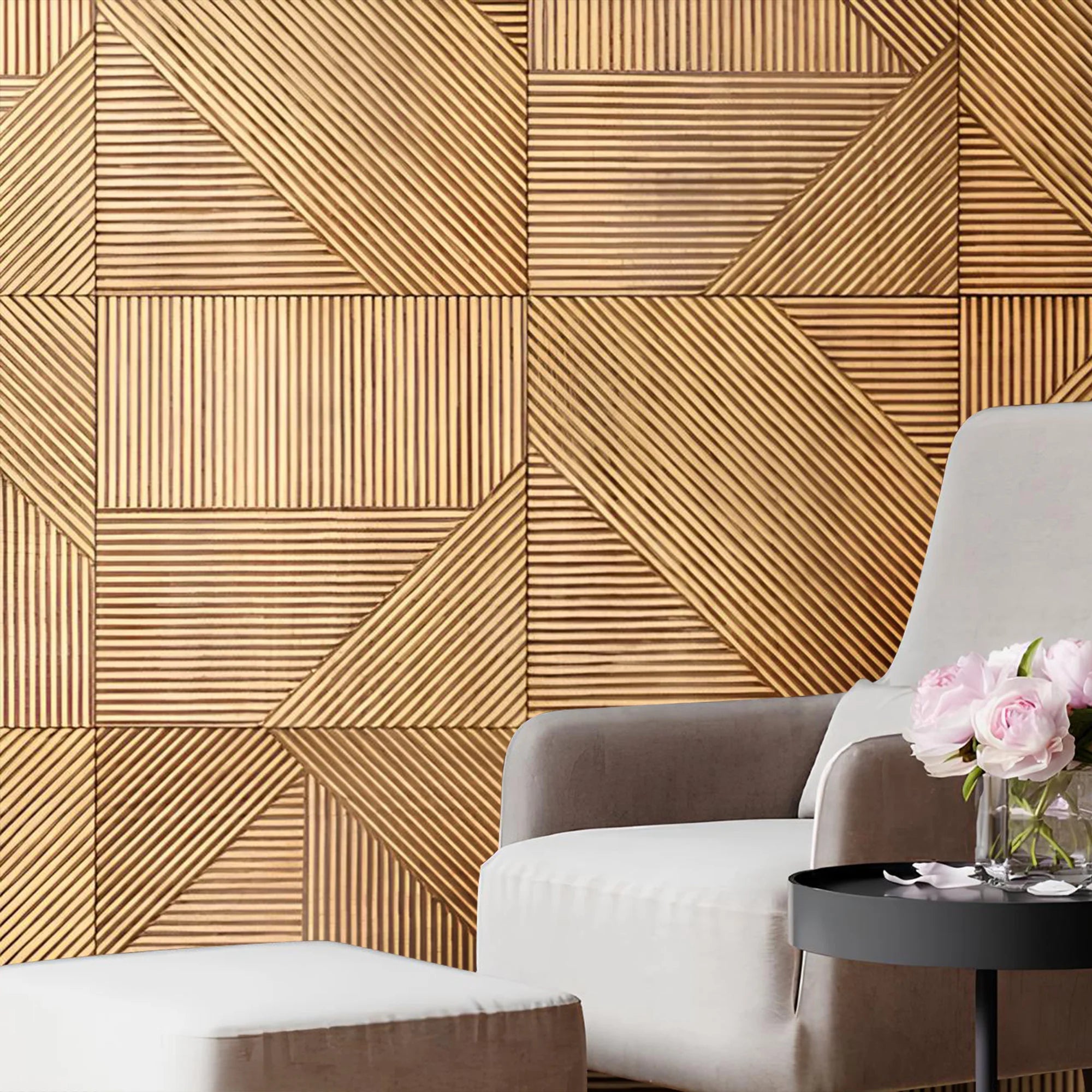
    Crossinglines Mosaic Wood Wall Panel

    Crossinglines Mosaic Wood Wall Panel

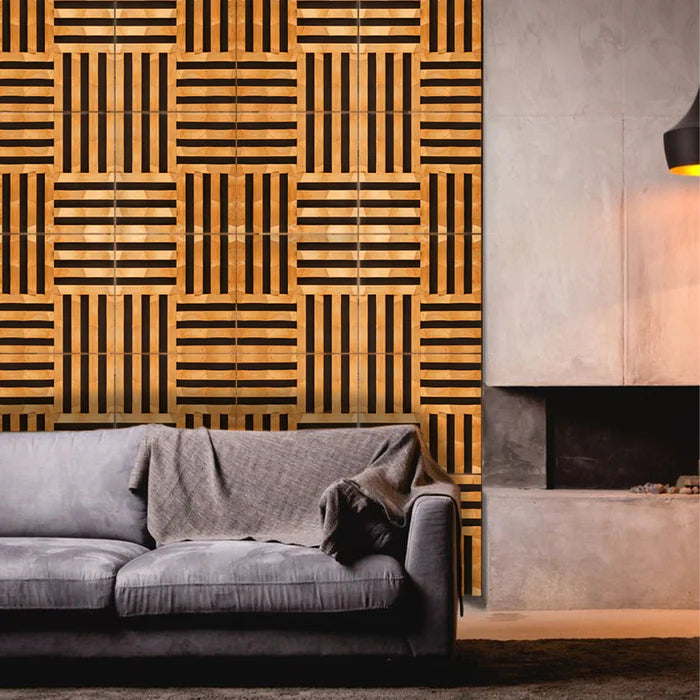
    Transforming a small living room to include a TV can be stylish and sustainable with the right products like the Crossinglines Mosaic Wood Wall Panel. This eco-friendly wood panel not only adds rustic elegance to your space but also adheres to environmental standards by utilizing at least 80% sustainably sourced wood, ensuring it meets EU Ecolabel standards.

    Its solid walnut construction provides durability and a timeless look, while features like water resistance and scratch resistance maintain its aesthetic appeal through daily use.

    The panel’s innovative Uniclic installation system makes it a breeze for DIY enthusiasts to set up, offering a straightforward method to enhance your living space.

    With its versatile design, the Crossinglines Mosaic Wood Wall Panel is an excellent choice for those looking to make a statement in a small living room, seamlessly blending functionality with fashion. It’s more than just a wall covering; it’s a testament to sustainable living, presented in a practical yet chic product that can elevate the ambiance of any compact area.

    You might also like: 11 Flooring for Basements Options You Need to Explore!

    Conclusion

    Creating a beautiful and functional small living room with a TV is about smart planning and creative design. By following these design tips, it’s possible to maximize the utility of your available space while maintaining a stylish and cozy atmosphere.

    Remember, the goal is to balance aesthetics with functionality, ensuring your living room is not only a place to relax and watch TV but also a space that reflects your personal style and meets your daily living needs. With thoughtful consideration of layout, furniture, lighting, storage, and decor, your small living room can become one of your favorite places in your home.

  • Best Eco-Friendly Wood Flooring Panel Ideas for Sustainable Style

    Best Eco-Friendly Wood Flooring Panel Ideas for Sustainable Style

    When redesigning your living spaces with sustainability in mind, choosing the right materials can make a significant difference. Opting for eco-friendly options not only enhances your home aesthetically but also reduces environmental impact.

    Among various choices, wood flooring panels stand out for their natural beauty and sustainability. This guide explores some of the top ideas in wood flooring panels that combine eco-friendliness with stylish design.

    Reclaimed Wood Flooring

    best eco friendly wood flooring panel

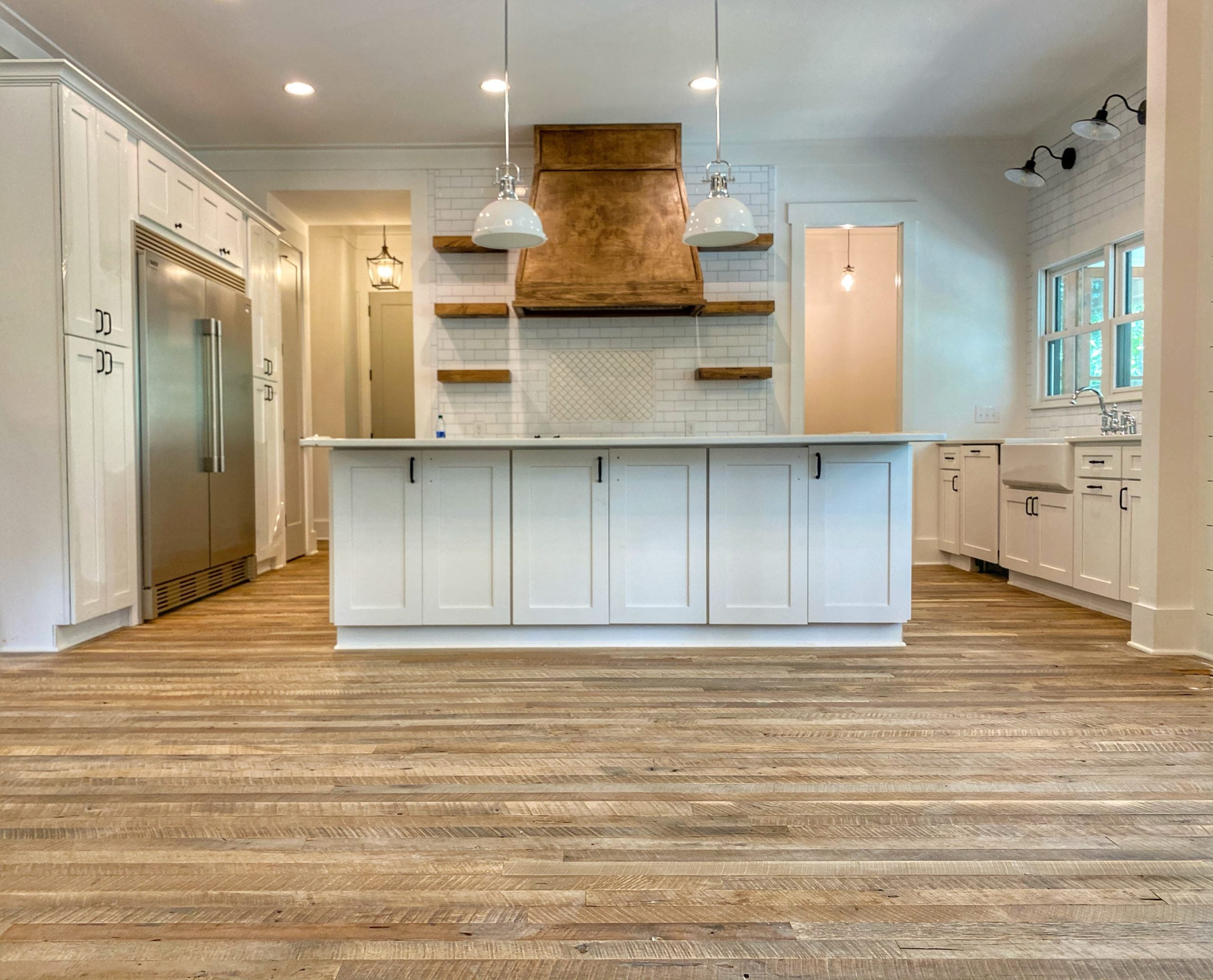
    Utilizing reclaimed wood is a wonderful way to preserve natural resources while adding character to your home. Each piece comes with its own history and unique imperfections, making your floors one-of-a-kind. Moreover, reclaimed wood often features a patina that new materials can’t match, offering an unmatched aesthetic that doesn’t require additional forestry.

    Recycled timber is not only about aesthetics; it’s also about durability. Many older wood sources were harvested from old-growth trees, providing a strength and density that is often superior to newly sourced wood. This makes reclaimed wood both a stylish and practical choice for flooring.

    You might also like: 11 Flooring for Basements Options You Need to Explore!

    Bamboo Flooring

    best eco friendly wood flooring panel

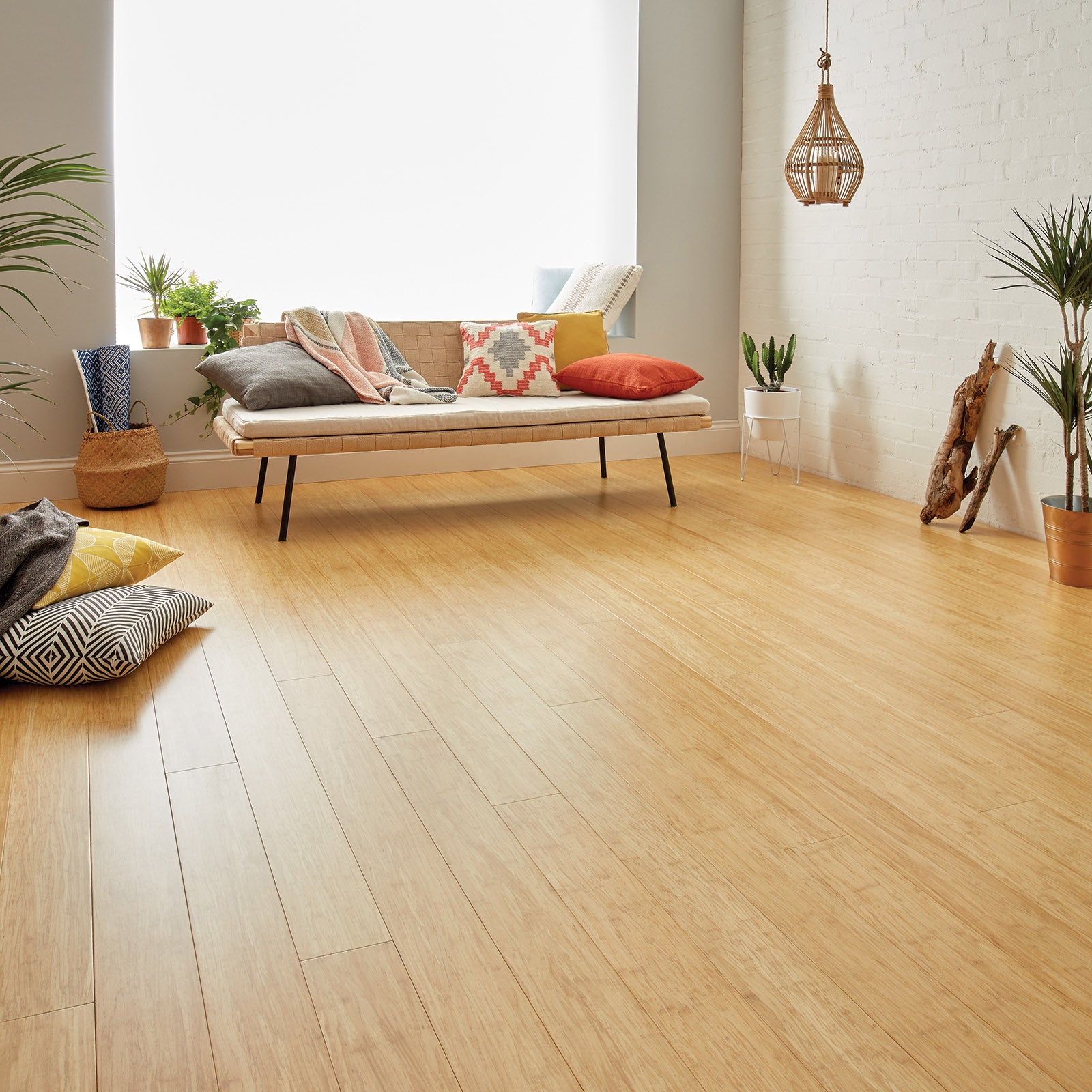
    Bamboo stands as a rapidly renewable resource, growing to maturity in just a few years compared to decades for traditional hardwoods. This makes it an excellent choice for those looking to minimize their ecological footprint. Bamboo flooring offers a clean, modern look that can brighten up any room with its natural hues and smooth finish.

    Furthermore, bamboo is remarkably durable. It’s naturally resistant to moisture and insects, making it a practical option for areas prone to dampness or where pests are a concern. The hardness of certain types of bamboo can rival that of traditional hardwoods, ensuring your floors remain beautiful for years.

    You might also like: The Perfect Palette: 7 Colors That Go With Golden Oak Wood

    Cork Flooring

    best eco friendly wood flooring panel

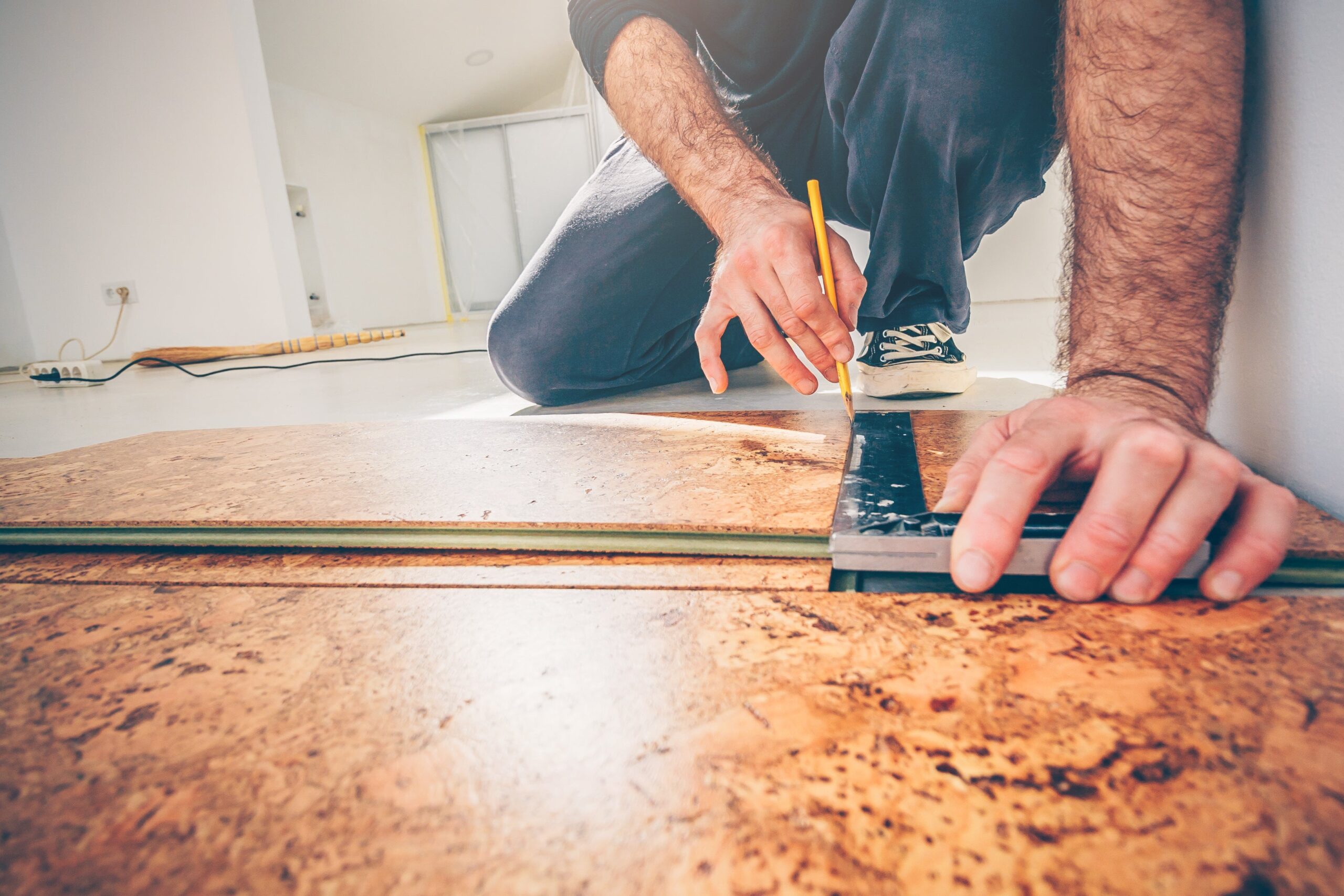
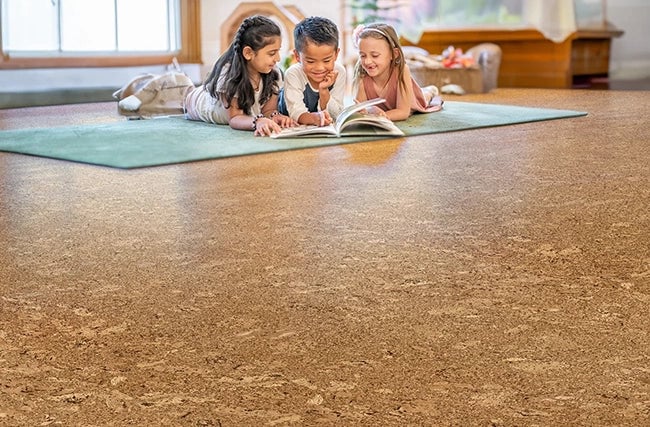
    Cork is harvested from the bark of the cork oak tree, which naturally regenerates, making it a sustainable choice without harming the tree. This type of flooring is wonderfully comfortable underfoot, providing a cushioned feel that other hardwoods can’t match. It’s ideal for areas where you’ll spend a lot of time standing, like kitchens.

    In addition to comfort, cork naturally insulates both temperature and noise, making it a smart choice for rooms needing a quieter, warmer touch. Its unique visual texture adds depth and interest to floors, available in a variety of finishes and colors to match any decor style.

    Engineered Wood Flooring

    best eco friendly wood flooring panel

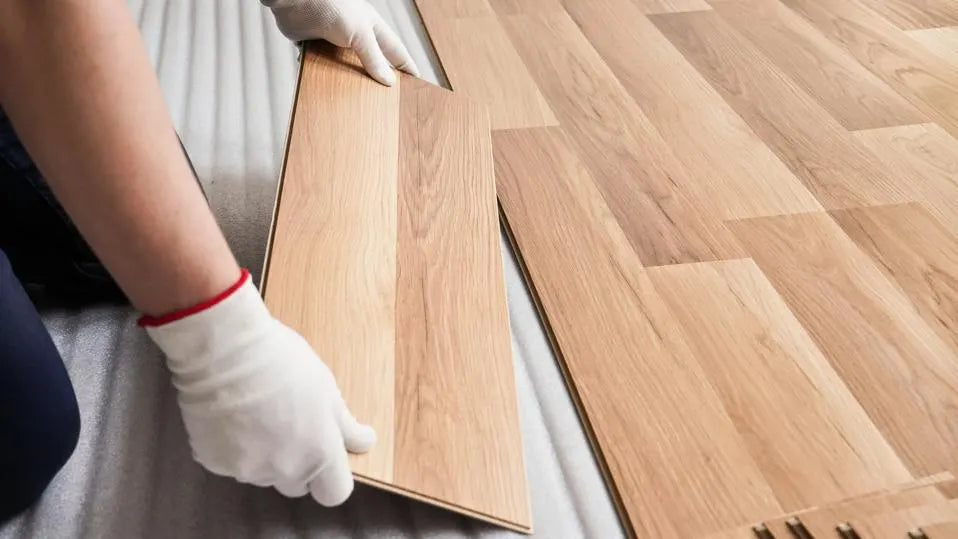
    Engineered wood uses less hardwood than solid wood flooring, making it an environmentally friendly alternative. It consists of a thin veneer of natural wood on top of a high-quality plywood base, combining the beauty of wood with increased stability and resistance to moisture.

    This type of flooring is particularly suited to regions with high humidity or temperature fluctuations. It won’t warp or buckle as solid hardwood might, ensuring a long lifespan and less need for replacement. Plus, it can be refinished several times to revive its appearance.

    Read More: How To Install Wall Panelling In Your Home – 5 Simple Steps

    FSC-Certified Wood Flooring

    best eco friendly wood flooring panel

    For those who prefer new wood floors, choosing products certified by the Forest Stewardship Council (FSC) ensures that the wood has been sourced responsibly. FSC certification helps protect ecosystems, ensures reforestation, and supports local communities involved in the forestry industry.

    FSC-certified wood comes in all types of hardwoods, offering the same variety and design potential as non-certified options. When you choose FSC-certified wood, you’re not only selecting a beautiful flooring solution but also contributing to global conservation efforts.

    Read More: Cheap Wood Panels for Walls: Transform Your Space on a Budget

    Best Wood Panels Recommendation in 2024

    Crossinglines Mosaic Wood Wall Panel

    Crossinglines Mosaic Wood Wall Panel

    The Crossinglines Mosaic Wood Wall Panel epitomizes the intersection of modern design and environmental stewardship, making it one of the best eco-friendly wood panels on the market. This product not only transforms your space with its rustic elegance but also aligns with sustainable practices by incorporating at least 80% sustainably sourced wood, meeting stringent EU Ecolabel standards.

    The use of solid walnut wood ensures durability and longevity, while its water-resistant and scratch-resistant features maintain the panel’s aesthetic appeal, allowing it to withstand everyday wear and tear without compromising on style or environmental responsibility.

    Furthermore, the Crossinglines Mosaic Wood Wall Panel stands out for its innovative Uniclic installation system, which simplifies the setup process, making it ideal for DIY enthusiasts. This hassle-free assembly combined with the panel’s versatile design possibilities offers an easy way to inject a warm, artistic statement into any room.

    Whether you’re looking to enhance a living room, bedroom, or office space, this panel provides a perfect blend of function and fashion. It’s not just a wall covering; it’s a commitment to sustainable living, embodied in a stylish, practical product.

    Read More: 5 Best Modern PVC Wall Panel Design for Bedroom in 2023

    Conclusion

    Adopting eco-friendly wood flooring panels is more than just a style choice; it’s a commitment to sustainability and ethical practices in home design. These options not only offer unique and attractive aesthetics but also ensure that your home improvement efforts are environmentally responsible. By choosing any of these wood flooring ideas, you contribute to a healthier planet while creating a stylish and cozy home environment.

  • Let’s Compare: Top 8 Waterproof Basement Flooring Options in 2026

    Let’s Compare: Top 8 Waterproof Basement Flooring Options in 2026

    Finding the right waterproof basement flooring is critical — choose the wrong material and you risk moisture damage, mould, and a floor that needs replacing within a few years.

    Waterproofing your basement floor isn’t just about aesthetics, it’s about creating a healthy and functional space. Above all, moisture problems can lead to a host of issues. From mold growth to structural damage, dust mites to dampness, then went down to a series of health issues. But with so many options available for waterproof basement flooring, choosing the right one can feel like navigating a labyrinth. Should you begin with epoxy paint, vinyl plank flooring, or concrete coatings?

    Why Waterproof Basement Flooring Matters

    A basement is more than just a storage area, as we know, it can be transformed into a beautiful living space, home gym, or entertainment room. However, excess moisture is a common issue that can damage traditional flooring materials. Basement waterproofing solutions prevent costly damage and create a comfortable environment. Whether you choose LVP flooring with vapor barrier, ceramic tile, or a raised subfloor system, the right choice will ensure long-lasting protection and style.

    When considering basement flooring options over concrete, it is crucial to select materials that provide both durability and moisture resistance. A waterproof floor for basement applications should not only enhance aesthetics but also offer longevity and protection against water damage.

    Some homeowners opt for the cheapest flooring for basement use, such as vinyl tiles, while others invest in the best basement floor sealer for extra security. Regardless of budget, ensuring waterproof basement floors can prevent costly repairs and create a safer, healthier living space. If you’re looking for the cheapest basement flooring without compromising on protection, solutions like epoxy coatings and vinyl plank flooring offer great value.

    Top Waterproof Basement Flooring Options in 2025

    Thus, this guide will be your ultimate companion in the Basement Floor Showdown. We’ll be comparing some of the most popular waterproofing solutions, analyzing their strengths and weaknesses, installation processes, and overall value for money. Also, at the end of this guide, you’ll find a comparison table between all these options for you to consider.

    Read also: Best Wood Trim Accent Walls Ideas You Should Try

    Contenders in the Waterproof Basement Flooring Showdown:

    The basement floor may seem like a passive player in your home, but when it comes to waterproofing, it’s about to step into the ring! Today’s contenders in the Basement Floor Showdown represent a diverse range of solutions, each with its unique strengths and weaknesses. Therefore, let’s meet the challengers vying for the title of champion:

    1. Concrete Coatings

    Concrete coatings have been a mainstay in basement waterproofing for decades. They offer a budget-friendly option with the added benefit of easy application. Above all, it come in a variety of colors to add a touch of personality to your basement space. 

    However, concrete coatings are not without their challengers. They can be susceptible to cracking over time, especially if the concrete floor beneath has existing cracks or hasn’t been properly prepared. Additionally, their design appeal can be somewhat limited, offering a more industrial look.

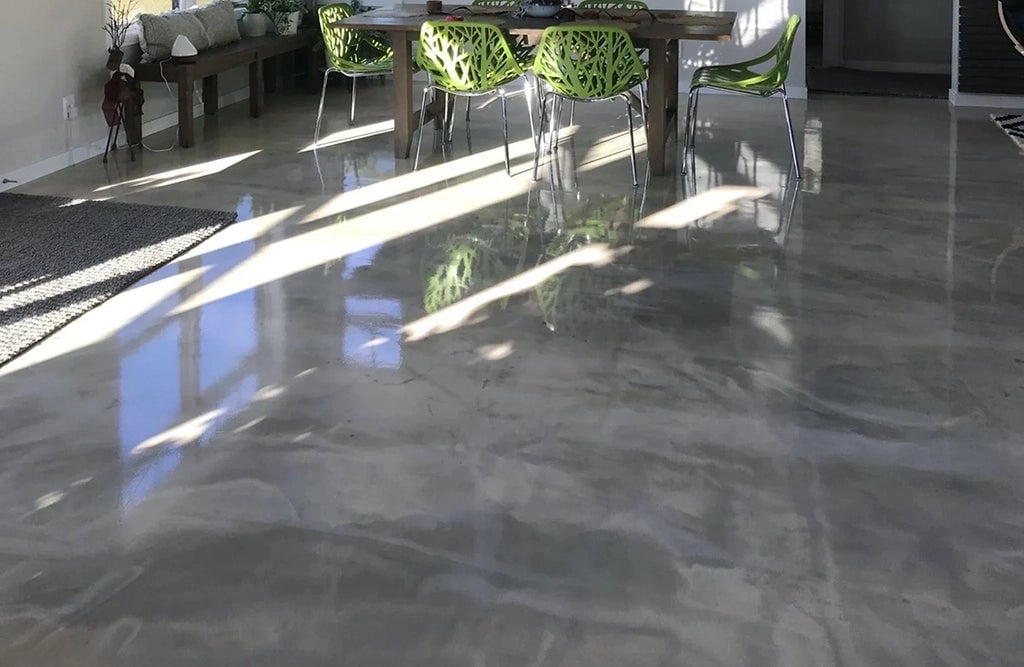
    2. Epoxy Paint

    Epoxy paint steps into the ring as a champion of durability. This tough coating is highly resistant to chemicals and can create a seamless finish; therefore, we will have a glossy finish that elevates the aesthetics of your basement. 

    However, epoxy paint requires a smooth, properly prepared concrete surface to adhere effectively. Applying it can also be a meticulous process, with the potential for visible brush strokes if not done carefully.

    Read also: 9 Most Unique Hallway Paint Ideas to Dazzle Guests (and Yourself!)

    3. Vinyl Tiles

    Waterproof Basement Flooring vinyl tiles

    Vinyl tiles offer a versatile and affordable solution for waterproofing your basement floor. They boast easy installation, often employing a click-lock system that requires minimal technical expertise. Vinyl tiles also come in a wide variety of styles and colors, allowing you to match your basement’s overall design scheme. 

    However, vinyl tiles are not invincible. They can be vulnerable to tears or punctures from sharp objects, and there’s a potential risk of moisture getting trapped underneath the tiles if not properly installed. 

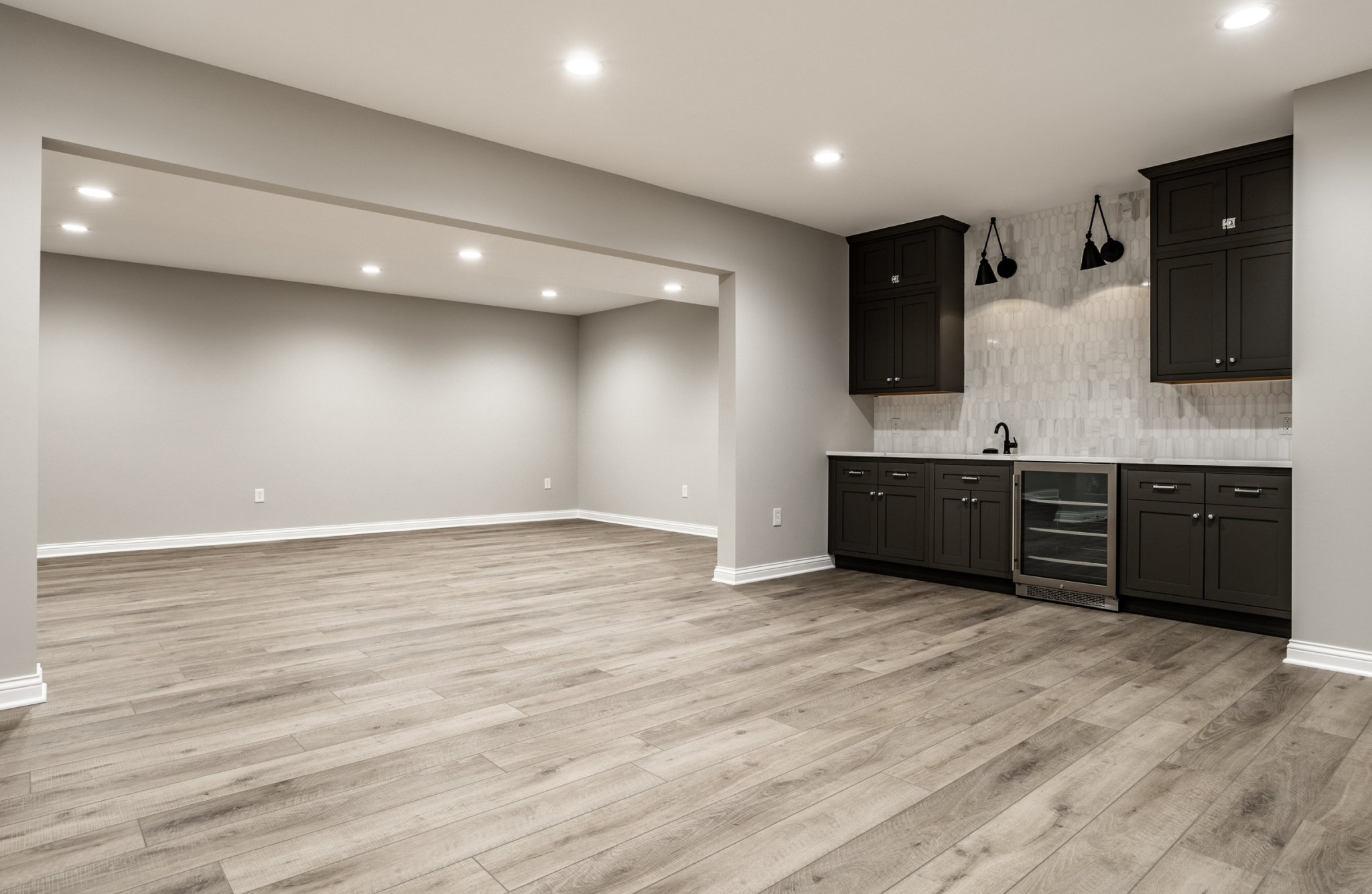
    4. Luxury Vinyl Plank (LVP) Flooring with Vapor Barrier

    Luxury Vinyl Plank (LVP) flooring with a built-in vapor barrier is a strong contender in the Basement Floor Showdown. This option offers the realistic wood-look design of traditional hardwood planks but with the added benefit of superior waterproof performance. 

    LVP flooring typically features a click-lock system for easy installation, making it a DIY-friendly option. The built-in vapor barrier provides an extra layer of protection against moisture seeping through the subfloor.

    However, compared to other options, LVP flooring can be a more expensive choice. While it’s known for its durability, it’s still susceptible to damage from sharp objects or heavy furniture. Nonetheless, I do believe it is worth the price.  

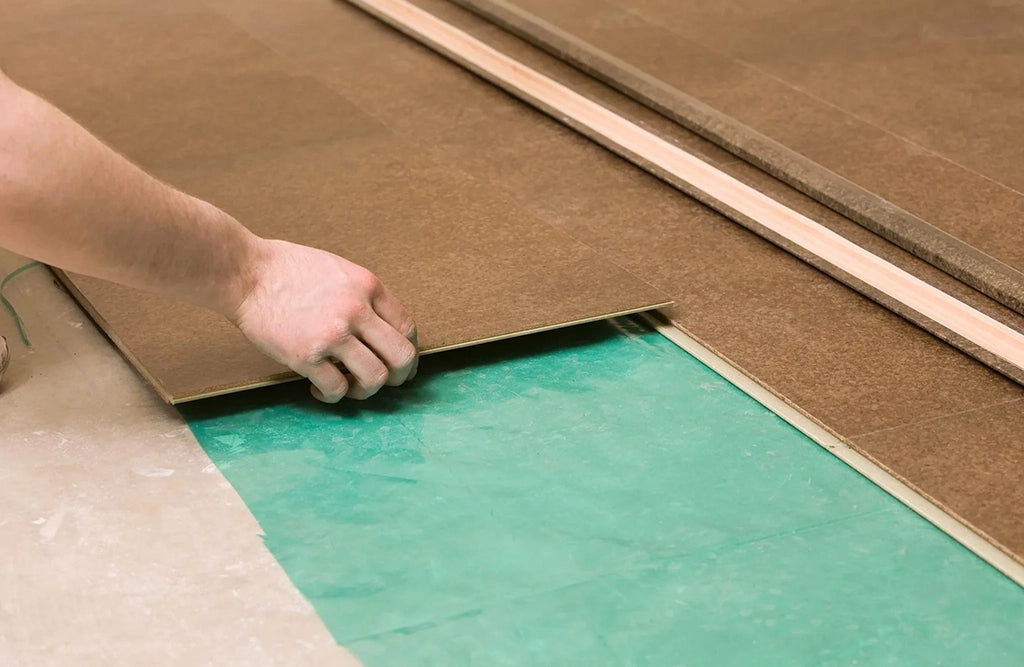
    5. Raised Subfloor System

    The raised subfloor system takes a different approach to waterproofing, employing strategy over brute force. For instance, this system involves installing a grid network of supports on top of the existing concrete slab. 

    These panels are then placed on top of the grid, creating a ventilated air gap between the floor and the subfloor. This air gap allows moisture to evaporate naturally, preventing it from reaching the living space.

    The raised subfloor system is the ultimate champion in terms of moisture protection. However, its installation is typically a job for professionals due to the complexity involved. Additionally, this system raises the floor level, which can lead to a loss of ceiling height in your basement.

    Read also: Hidden Door Ideas: Discover the Magic of Secret Doors

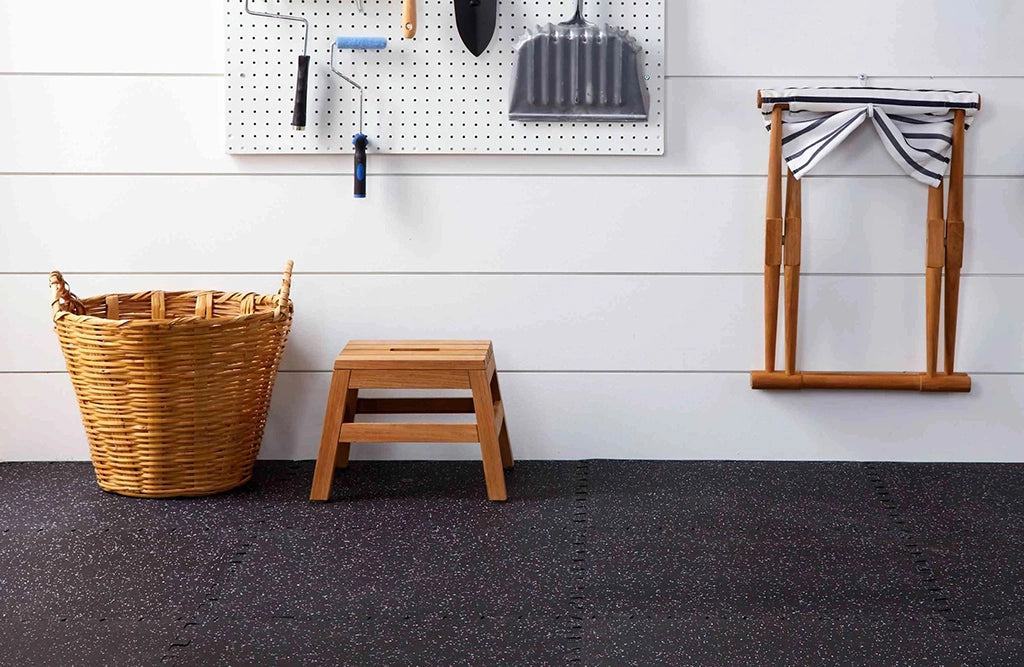
    6. Rubber Flooring

    Entering the ring with a focus on both comfort and function is rubber flooring. This option offers excellent waterproofing properties and is naturally resistant to mold and mildew. Rubber flooring is also known for its durability and ability to withstand heavy foot traffic. 

    The cushioned texture provides a comfortable surface underfoot, making it ideal for basements used as gyms or playrooms.

    However, rubber flooring can be a more expensive option compared to some other contenders. Its aesthetic appeal can also be a bit limited, with a more industrial look that may not suit all design preferences.

    7. Cork Flooring

    The cork flooring system is a naturally resilient and moisture-resistant basement flooring option that offers both comfort and insulation. Unlike traditional hardwood, cork contains antimicrobial properties, making it resistant to mold and mildew. Its unique cellular structure allows it to handle minor moisture exposure without warping, making it a great choice for finished basements.

    In addition to its water-resistant qualities, cork provides superior insulation, helping to retain warmth and reduce noise. Its cushioned surface makes it comfortable underfoot, making it ideal for basements used as living spaces, playrooms, or home gyms. With various styles and finishes available, cork can complement a range of interior designs.

    However, cork flooring does require proper sealing to maintain its moisture resistance over time. While it is naturally durable, it can be prone to dents and scratches, especially in high-traffic areas. Despite this, its blend of sustainability, insulation, and water resistance makes it a strong contender among the best waterproof basement flooring options.

    8. Ceramic and Porcelain Tile

    For homeowners seeking a waterproof basement flooring option that blends durability with style, ceramic and porcelain tiles are an excellent choice. These moisture-resistant tiles prevent mold and mildew growth, making them ideal for damp basements. Unlike absorbent materials like carpet or untreated wood, tiles offer a non-porous surface that enhances longevity.

    Beyond their waterproofing, ceramic and porcelain tiles provide a high-end aesthetic with various design options, from natural stone to wood materials. They are also easy to clean and maintain, making them a low-maintenance and long-lasting flooring solution.

    However, tile flooring can feel cold and hard underfoot, which may not be ideal for living spaces. Adding radiant heating can improve comfort, though professional installation is often recommended for proper waterproofing. Despite these factors, ceramic and porcelain tiles remain one of the best basement flooring options, offering both style and moisture protection.

    Choosing Your Champion: The Perfect Waterproof Basement Flooring Solution

    Now that you’ve met the contenders in the Basement Floor Showdown, it’s time to pick your champion! The ideal waterproof flooring solution for your basement depends on several factors:

    • Budget: Consider the upfront cost of materials and installation for each option.
    • DIY Skills: Some options, like concrete coatings or LVP flooring, are more DIY-friendly than others.
    • Desired Aesthetics: Do you prefer a classic concrete look, a sleek and modern finish, or a natural wood-like design?
    • Level of Waterproofing Needed: Assess the severity of moisture issues in your basement to determine the necessary level of protection.

    Here’s a quick comparison table to help you choose:

    Feature

    Concrete Coatings

    Epoxy Paint

    Vinyl Tiles

    LVP Flooring

    Raised Subfloor

    Rubber Flooring

    Cork Flooring

    Ceramic & Porcelain Tile

    Cost

    Low

    Moderate

    Low-Moderate

    Moderate-High

    High

    High

    Moderate

    High

    DIY Friendly

    Yes

    Moderate

    Yes

    Yes

    No

    No

    Yes

    No

    Aesthetics

    Limited

    Modern

    Varied

    Wood-look

    Modern

    Industrial

    Organic

    Modern

    Durability

    Moderate

    Excellent

    Moderate

    High

    High

    High

    Moderate

    High

    Waterproofing

    Moderate

    High

    Moderate

    High

    Excellent

    Excellent

    Moderate

    Excellent

    Read also: [Sale] Essential Tips for Your Outdoor Decor

    Conclusion

    In conclusion, with the knowledge you’ve gained from the Basement Floor Showdown, you’re well-equipped to choose the perfect moisture-resistant, decorative or plain waterproof flooring solution for your needs. Remember, a dry and functional basement is just a few steps away! 

    Once you’ve installed your champion contender, you can finally unleash the full potential of your basement, transforming it from a forgotten space into a vibrant living area, gym, playroom, or even a home theater – the possibilities are endless! So, get ready to transform your basement floor and say goodbye to the basement blues – a basement bonanza awaits!


  • Why You Should Use 3D Wall Panels for Your Gaming Setup

    Why You Should Use 3D Wall Panels for Your Gaming Setup

    3D wall panels are one of the most effective ways to transform a gaming setup from a plain room into an immersive, cinematic space.wall panels!  These innovative panels transcend mere decoration, immersing you in a visually stimulating environment that elevates your gaming experience.

    Why 3D Wall Panels Rule the Gaming Arena

    3D wall panels offer a multitude of advantages over traditional flat paint or wallpaper for your gaming setup:

    Immersive Atmosphere: Create a captivating backdrop that draws you into the game. Whether you crave a futuristic cityscape or a fantastical dungeon aesthetic, 3D wall panels offer endless possibilities to bring your gaming world to life. Imagine battling virtual dragons against a backdrop of textured faux stone panels, or soaring through a space odyssey with sleek, metallic panels.

    Noise Reduction: Some 3D wood wall panels boast sound-dampening properties, a welcome feature for those intense online battles or late-night gaming sessions. Reduced noise translates to happier roommates, parents, and neighbors – a win-win for everyone!

    Easy Installation: Gone are the days of messy paint jobs or tedious wallpaper application. Many 3D wall panels are lightweight and feature user-friendly installation methods, allowing you to transform your space quickly and efficiently.

    Durability: High-quality 3D wall panels are built to last, withstanding the occasional bump or stray controller (accidents happen!). They’re also relatively easy to maintain, ensuring your gaming haven retains its pristine look for years to come.

    Read more: 3D Wall Panels: A Guide to Choosing the Perfect Design

    Quest for Inspiration

    With a plethora of 3D wall panel designs available, the possibilities are limited only by your imagination! Here are a few ideas to spark your creativity:

    Bricktastic Backdrop: Channel your inner dungeon master with realistic brick-textured panels. This creates an immersive medieval theme perfect for fantasy RPGs or strategy games.

    Galactic Gateway: Embrace the vastness of space with metallic or geometric 3D wall panels. Imagine piloting your spaceship through a shimmering nebula or exploring a futuristic cityscape.

    Modern Masterpiece: Opt for sleek, minimalist panels in a neutral color palette for a contemporary gaming haven. This versatile design complements a variety of game genres and creates a clean, sophisticated atmosphere.

    Mix and Match Mayhem: Don’t be afraid to experiment! Combine different textures and colors to create a unique and personalized gaming zone.

    Read more: Level Up Your Space: How to Decorate Wall Behind TV Stand

    Practical Considerations

    Before embarking on your 3D wall panel quest, consider these practical tips:

    Measure Twice, Cut Once: Measure your wall space meticulously to ensure you order enough panels for complete coverage.

    Material Matters: 3D wall panels come in various materials like PVC, wood, and even fabric. Choose a material that suits your desired aesthetics, budget, and maintenance needs.

    Embrace the Light: Consider your lighting when selecting 3D wall panels. Certain textures or colors might interact differently with light, affecting the overall ambiance of your space.

    3D wall panels offer a powerful tool to transform your gaming setup into an immersive and personalized haven. With careful planning and a touch of creative spirit, you can create a space that reflects your gaming personality and elevates your experience to epic proportions. So, power down your controller, grab your measuring tape, and get ready to embark on a quest for the ultimate 3D wall panel gaming setup!

    Wall of Wonder: Exploring Options for Gaming Room Wall Panels, Panels & Decor

    Before diving into the specific design ideas, let’s explore the exciting world of wall panels for gaming rooms. You’ll encounter a vast array of options to suit your aesthetic preferences and budget. Here are some factors to consider:

    Material Marvels: 3D wall panels come in a variety of materials, each with its own advantages. PVC panels offer affordability and easy maintenance, while wood panels exude a natural and sophisticated look. Fabric panels can introduce warmth and texture, while some innovative options even incorporate LED lighting for an extra dose of wow-factor.

    Design Delights: The design options for gaming wall decor ideas are truly limitless! From classic brick textures to futuristic geometric patterns, there’s a panel design to match any gaming theme. Consider incorporating pops of color or metallic accents to create a truly unique and personalized space.

    Beyond the Panel: While 3D wall panels are a powerful design tool, don’t neglect the potential of complementary gaming wall decor. Floating shelves can showcase gaming memorabilia or figurines, while strategically placed LED light strips can enhance the ambiance and create a more immersive atmosphere.

    Read more: How to Match Wall Color with Wood Floor: Design Harmony

    3D Wall Panels for Gaming Recommendations

    Take your gaming experience to the next dimension with 3D wall panels! These innovative panels go beyond mere decoration, immersing you in a visually stimulating environment that elevates your gameplay. Let’s explore 3D wood and faux stone wall panels by The Panel Hub, products designed to transform your gaming space into an epic battleground (or a serene zen garden, depending on your game of choice).

    Slat Wood Panels

    Slat wood wall panels are one of the most practical upgrades for gaming rooms because they combine visual simplicity with functional acoustic performance.

    They help absorb and diffuse sound, reducing echo and reverb, especially useful if you’re using speakers instead of a headset. This creates clearer in-game audio and a more focused environment. Visually, the linear design adds a sleek, modern backdrop that pairs perfectly with RGB lighting, making your setup look more premium without overwhelming the space.

    3D Geometric Solid Wood Panels

    If your goal is to make your gaming room feel distinct, geometric wood panels deliver instant visual impact.

    Their angular, multi-dimensional patterns create shadows and depth that change depending on lighting, perfect for dynamic RGB setups. This adds a sense of motion and energy to the room, making it feel more immersive, almost like stepping into a game environment itself.

    They’re especially effective for feature walls behind your desk or console area, turning a basic setup into a centerpiece.

    3D Lines Solid Wood Wall Panels

    For a more refined and less aggressive look, 3D line panels strike the right balance.

    They introduce depth without being visually overwhelming, which helps maintain focus during long gaming sessions. The linear patterns guide the eye naturally across the space, enhancing the perception of width or height depending on installation direction.

    Combined with ambient lighting, they create a soft, layered backdrop that feels immersive but not distracting, ideal for both competitive and casual gamers.

    Faux Stone Wall Panels

    Faux stone panels are perfect if you want your gaming room to feel like a world, not just a room.

    They bring a rugged, textured aesthetic that works incredibly well for themed setups, whether it’s a medieval RPG vibe, industrial battle station, or cinematic gaming cave. Unlike real stone, they’re lightweight and easy to install, so you get the visual depth without the structural hassle.

    They also add a sense of durability and enclosure, making the space feel more grounded and immersive, like your own private gaming arena.

    Exploring Your Options for Gaming Room Wall Panels

    Now that we’ve explored the exciting world of gaming room wall panels, let’s delve into some specific 3D wall panel gaming setup ideas to inspire your next project!

    Genre-Specific Immersion:

    Fantasy & RPG Adventures: Transport yourself to a realm of magic and dragons! Brick-textured 3D wall panels in warm tones create a convincing medieval tavern or dungeon aesthetic. Complement the look with floating shelves showcasing miniature figurines or weapon replicas.

    Sci-Fi & Space Exploration: Embrace the vastness of the cosmos with metallic or geometric 3D wall panels. Imagine piloting your spaceship through a shimmering nebula! Opt for sleek, silver panels or ones with a subtle holographic effect. Starry night sky murals or strategically placed LED light strips can further enhance the space theme.

    Modern Warfare & Competitive Games: Create a sleek and focused environment for intense online battles. Minimalist 3D wall panels in neutral colors like charcoal grey or black offer a sophisticated backdrop. Consider textured panels for a touch of visual interest without overwhelming the clean lines. Neon signs or LED light strips with customizable colors can add a pop of personality.

    Theming Beyond Genres:

    Nature’s Embrace: Escape the virtual world and reconnect with nature. Wood textured 3D wall panels in earthy tones create a calming and grounding atmosphere. Incorporate plants and natural lighting elements to complete the effect.

    Arcade Nostalgia: Channel the vibrant energy of classic arcades. Geometric 3D wall panels in bold colors like red, blue, and yellow evoke a retro gaming vibe. Vintage arcade posters or neon signs can add a playful touch.

    Custom Creation: Feeling extra creative? Explore the option of custom-designed 3D wall panels. This allows you to incorporate your favorite game characters, logos, or even create a scene directly from your favorite game world.

    Conclusion

    Your quest for the ultimate gaming setup doesn’t end with the perfect 3D wall panels. Remember, it’s the little touches that elevate a space from functional to phenomenal.

    Consider incorporating comfy beanbag chairs or ergonomic seating to create a haven for extended gaming sessions. Strategically placed lighting can further enhance the ambiance, and don’t forget the power of sound – a high-quality audio system can truly immerse you in the game world.

    With careful planning, a touch of creativity, and the transformative power of 3D wall panels, you can craft a gaming setup that’s more than just a room; it’s a portal to epic adventures, a reflection of your gaming passion, and a space where victories are celebrated and friendships forged.

    So, power up your imagination, grab your tools, and embark on the journey to create your ultimate gaming sanctuary! Remember, the only limit is your creativity – game on!

  • 11 Cheap Wall Covering Ideas for Bad Walls: Style on Budget

    11 Cheap Wall Covering Ideas for Bad Walls: Style on Budget

    Cheap wall covering ideas can completely transform damaged, uneven, or tired-looking walls without the cost or disruption of replastering.wallpaper, or lackluster paint can bring down the entire vibe of a room, whether it’s bedroom, living room, or even your bathroom. But don’t despair! Transforming your walls doesn’t have to involve a hefty budget. With a little creativity and these clever ideas, you can say goodbye to those wall woes and hello to a stylish (and affordable) space.

    So, here are some cheap wall covering ideas for bad walls!

    Transforming Bad Walls with Paint

    Feeling defeated at the sight of your walls? Cracked plaster, dated wallpaper, or lackluster paint can bring down the entire vibe of a dwelling room. But fear not! Paint is your secret weapon in this battle against bad walls. It’s the most affordable option on the market, and a fresh coat can work wonders. 

    Here are 3 cheap wall covering ideas for bad walls with paint:

    1. Simple, One Color Way

    The right color choice can be your camouflage superpower! Light and airy shades like pale blues or creams can make a cramped room feel more spacious. On the other hand, darker and richer tones, like deep green or charcoal can minimize the appearance of textured walls or minor imperfections.

    Read also: Essential Tips for Your Outdoor Decor

    2. Creative, Vibrant Palette 

    Creative, Vibrant Palette wall decor

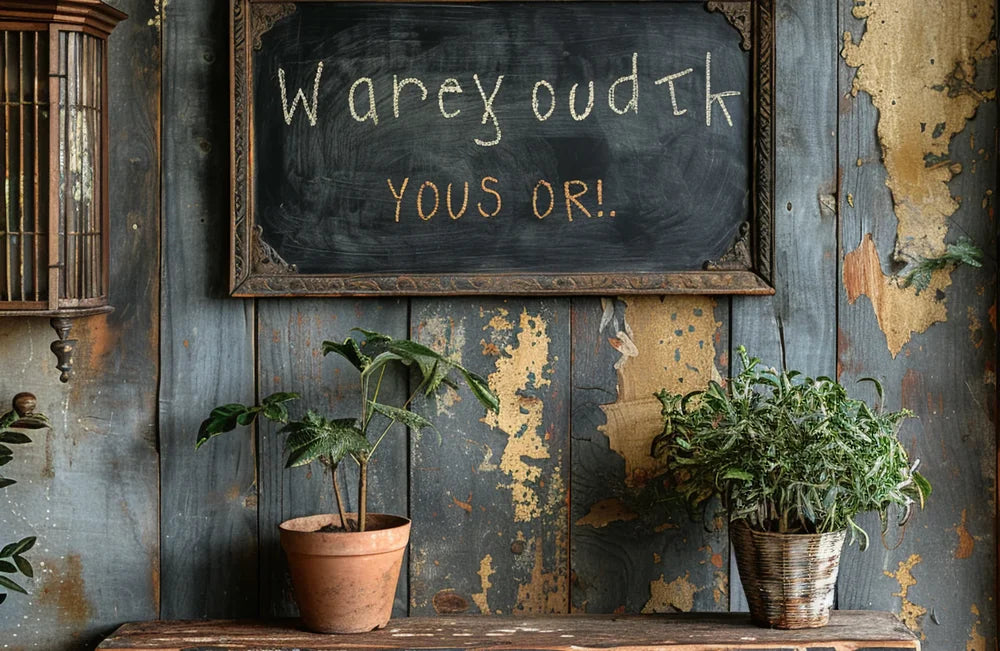
    Don’t settle for a flat, one-tone look. Explore creative painting techniques to add visual interest and further distract from flaws. For instance, you may use stencils with intricate designs, stripes in bold, contrasting colors, or geometric patterns to create a unique and eye-catching focal point.

    With a little planning and the right color magic, paint can transform your walls from drab to fab – all on a budget!

    3. Earthy Toned Wall Panels

    mega-menu-151511-america-walnut-acoustic-wall-panels-3-sided-wood-veneer-soundpanel-8178850-357894023.jpg

    Wood slat panels can be your option, especially if you want to bring natural, organic look to your space. Besides it is affordable. a lot of wall panels are now equipped with sound-proofing features. Perfect for your office, studio, or bedroom to achieve a more peaceful and calm overall vibes.

    If you are interested in exploring acoustic wall panels, explore The Panel Hub’s best seller wood wall panels, available in elegant and natural color variants, fit for any interior design styles!

    Budget-Friendly Alternatives to Wallpaper

    Dreaming of a dramatic wallpaper makeover but worried about the cost? Here are some clever cheap wall covering ideas that won’t break the bank:

    4. Fabric Flair

    Fabric offers a surprisingly affordable and stylish option compared to traditional wallpaper. Think beyond the typical floral prints – explore bold geometric patterns, textured weaves, or even tapestries for a touch of vintage charm.

    Installation is easier than you might think! Tension rods or even removable adhesives can create a stunning focal point on a budget.

    Read also: 9 Most Unique Hallway Paint Ideas to Dazzle Guests (and Yourself!)

    5. Peel and Stick Power

    Removable wallpaper decals have come a long way. They come in a vast array of designs, from classic florals to modern geometric patterns, and offer a temporary or low-commitment update. Perfect for renters or those who love to change things up frequently, these decals are easy to apply and remove without damaging your walls.

    6. The Painted Mural

    Feeling artistic? Why not unleash your inner artist and create a stunning DIY mural? Using stencils and paint, you can create a personalized and unique statement piece for a fraction of the cost of traditional wallpaper. This is a great option for a child’s room or a creative workspace!

    Embracing Imperfections with Upcycled Magic

    Sometimes, those imperfections we try to hide can actually become features! Here’s upcycled cheap wall covering ideas for bad walls. Turn your wall flaws into conversation starters with a touch of upcycled magic:

    7. Reclaimed Wood Wonder

    Instead of discarding old wood panels or planks, give them a new lease on life as a unique and textured wall covering. Sand down the wood for a smooth finish or leave it rustic for a charmingly weathered look.

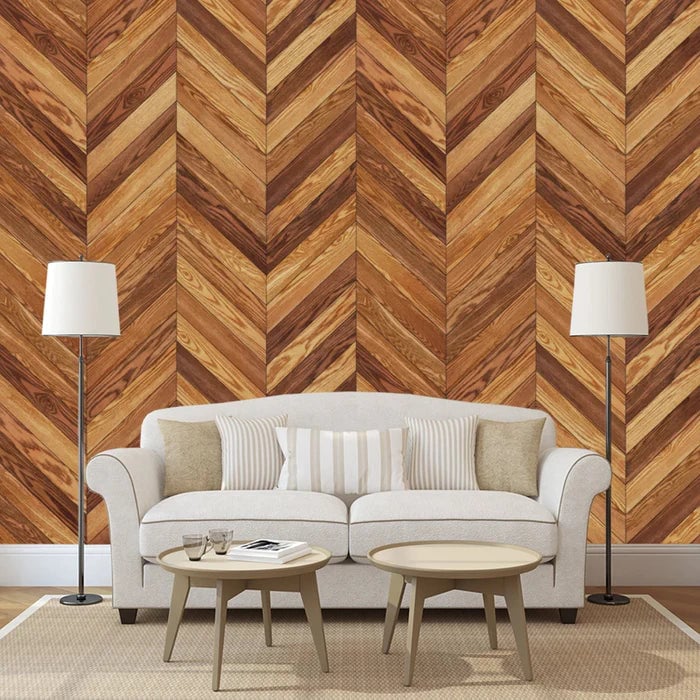
    Arrange the panels in a geometric pattern or create a herringbone design for added visual interest. This eco-friendly option adds warmth and character to any space.

    8. Fabric Scraps to Stunning Walls

    Don’t toss those leftover fabric pieces from past projects! With a little creativity, you can transform them into a beautiful and textured wall treatment. Cut fabric scraps into squares or strips, then arrange them in a mosaic pattern and adhere them to the wall using spray adhesive.

    This is a perfect way to add a pop of color and a touch of personalization to a boring wall.

    Imperfections can easily disappear when they’re surrounded by captivating artwork or treasured memories. Create a visually captivating display by grouping artwork, photos, or decorative plates. Play with different frame sizes and layouts to create a dynamic and personal focal point. This approach not only distracts from flaws but also allows you to showcase your unique style.

    Read also: Office Decor Ideas for Work: 17 Ideas to Enhance Productivity for 2024

    Thinking Outside the Box

    There’s a whole world of unconventional wall coverings waiting to be explored, offering both style and budget-friendliness:

    10. Corkboard Charm 

    Cork boards are not just for offices anymore! This functional and stylish option provides a perfect spot for pinning notes, photos, artwork, or even inspirational quotes. Install a large corkboard on a prominent wall to create a dynamic and interactive space.

    11. Washi Tape Wizardry

    Washi Tape wall decor

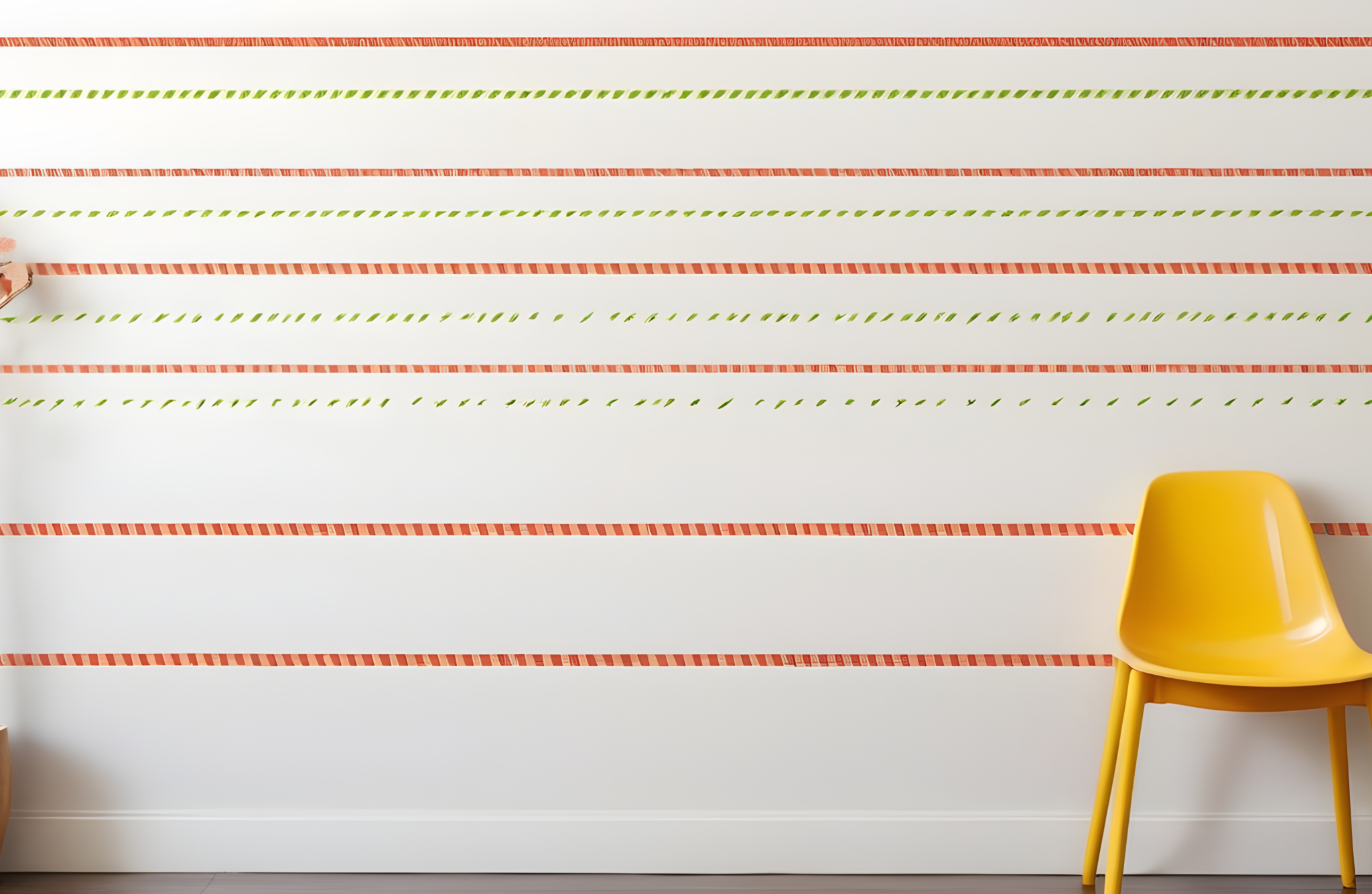
    This versatile tape comes in a rainbow of colors and countless patterns. Therefore, let your creativity flow and use washi tape to create patterns, borders, or geometric shapes directly on the wall. The best part? Washi tape is easily removable and doesn’t damage your walls, making it perfect for renters or those who love to change things up frequently.

    Conclusion 

    With these budget-friendly ideas, you’ve got the power to transform your space without breaking the bank. Remember, a little creativity can go a long way. Embrace the power of paint, explore the versatility of fabric and upcycled materials, or think outside the box with unique solutions like corkboard or washi tape.

    The key is to have fun; therefore, unleash your inner DIYer, and turn those once-dreaded walls into a stylish haven that reflects your personality. Browse our best-selling wood wall panels to bring a natural, organic touch to your space, without compromising on quality, durability, or authentic wood grain look. Choose SoundPanel for sound absorption and a quieter environment, or GroovePanel for a decorative, textured finish that adds depth and elegance.

  • Small Hallway Ideas: 5 Tips for a Welcoming Entrance Area

    Small Hallway Ideas: 5 Tips for a Welcoming Entrance Area

    Creating an inviting entrance area in a compact space can be a challenge, but with the right strategies, it’s entirely possible. These 5 small hallway ideas are specially designed to maximize both functionality and aesthetic appeal, ensuring your entrance is not only welcoming but also beautifully organized.

    From clever storage solutions to strategic lighting, each small hallway ideas will help you make the most of your hallway, transforming it into an attractive and welcoming space that makes a lasting impression.

    Strategic Use of Mirrors

    Small Hallway Ideas

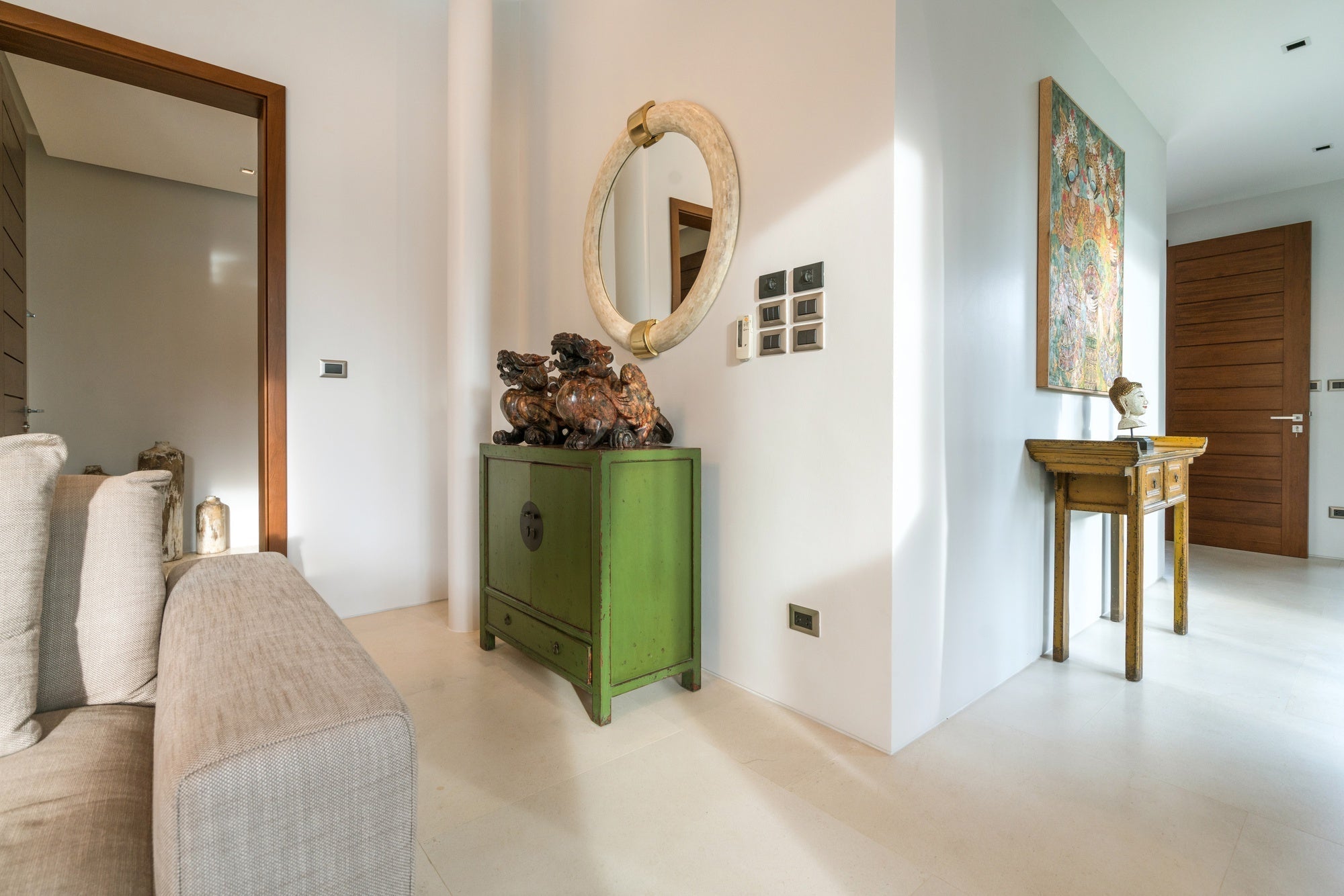
    Incorporating mirrors is a tried and tested trick to make spaces feel larger and more open. Positioning a large mirror or a series of smaller ones along one wall can instantly double the visual space of your hallway, reflecting light and making the area feel more expansive. This not only adds a decorative element but also enhances natural light, contributing to a brighter, more inviting entrance.

    Moreover, mirrors can add a touch of elegance and style to your hallway. Whether you choose a vintage frame for a classic look or a sleek, modern design, mirrors are a versatile addition that can complement any decor style, making your entrance area look more polished and thoughtfully designed.

    Optimal Lighting Solutions

    Small Hallway Ideas

    Good lighting is essential in creating a welcoming atmosphere, especially in smaller spaces. Layering different types of lighting can provide both functionality and ambiance. A ceiling fixture offers overall light, while wall sconces or floor lamps can add warmth and character. Consider using bulbs that emit a soft, warm glow to make the space feel cozy and inviting.

    For hallways lacking in natural light, strategically placed LED strips or spotlights can illuminate dark corners, ensuring the area is well-lit and welcoming at all times. Choosing the right lighting fixtures can also serve as decorative elements, adding to the overall aesthetic of your entrance.

    Read More: Cheap Wood Panels for Walls: Transform Your Space on a Budget

    Smart Storage Solutions

    Small Hallway Ideas

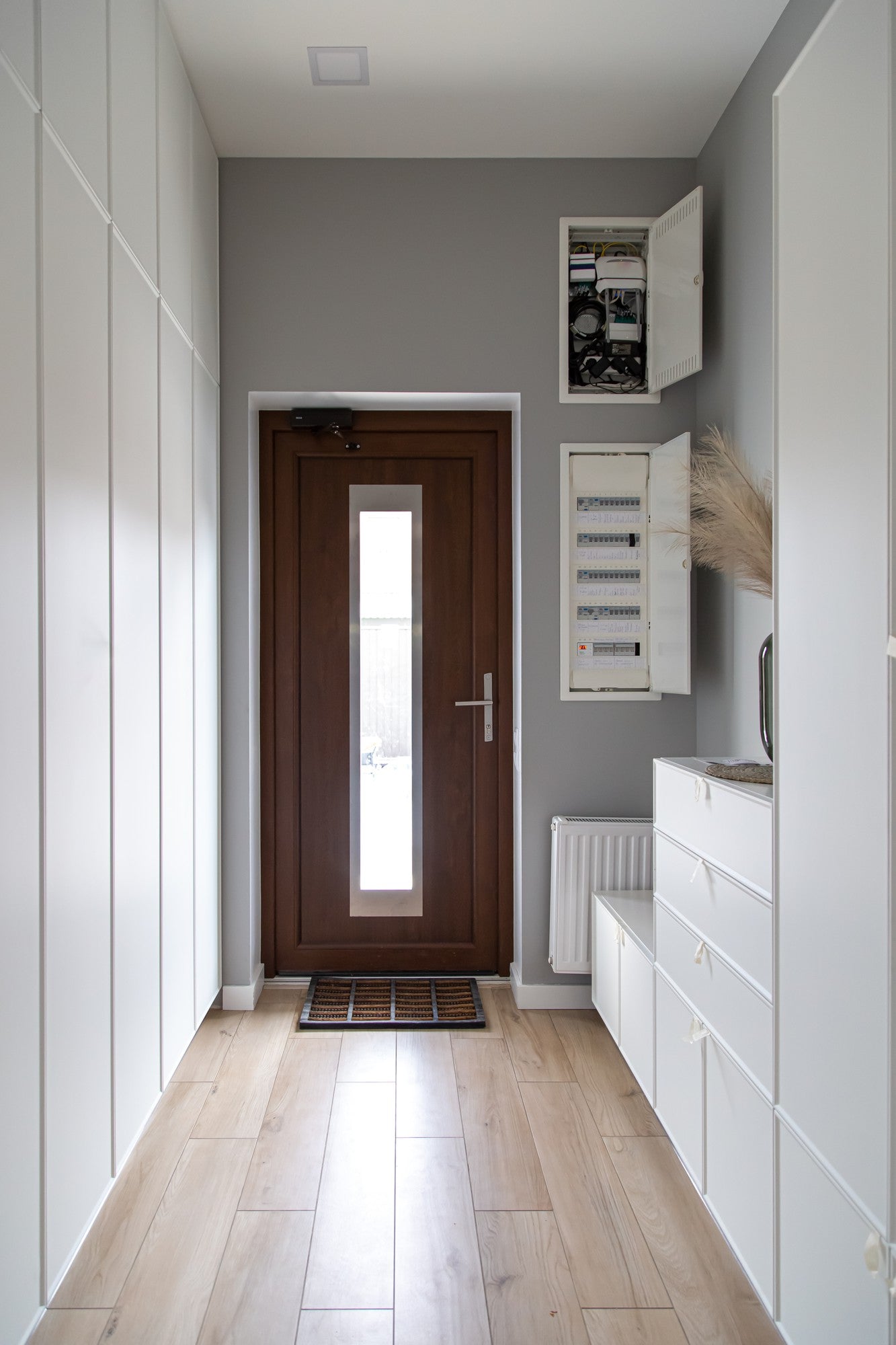
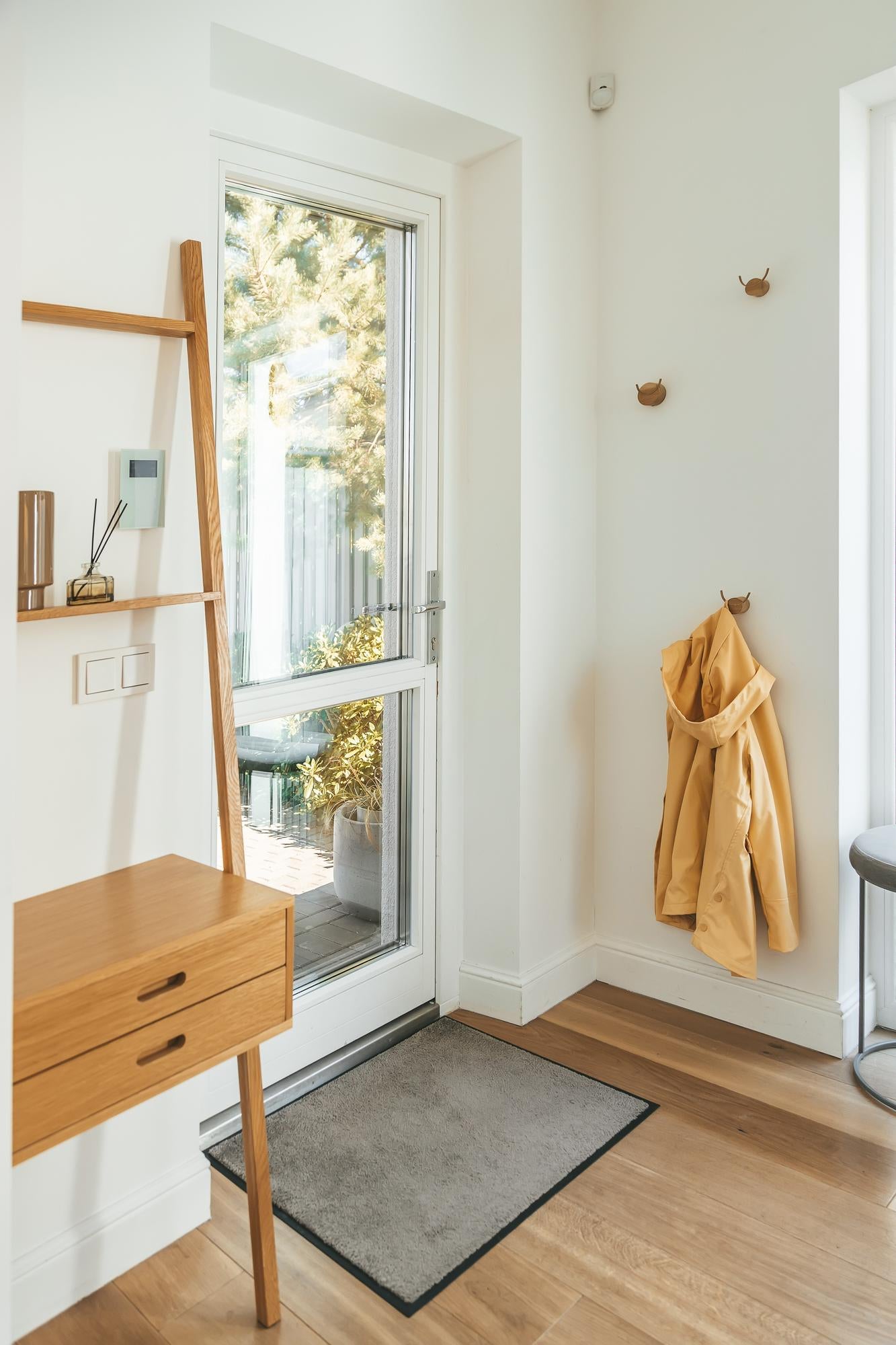
    In small hallways, every inch counts, so incorporating smart storage solutions is key to maintaining an organized and clutter-free space. Wall-mounted hooks, slim shoe cabinets, or compact benches with storage can provide a home for coats, shoes, and other essentials without taking up too much floor space. This keeps the area tidy and ensures that everything you need is easily accessible.

    Consider also using vertical space for storage. High shelves can store items you don’t use daily, keeping the lower part of the hallway clear and open. Choosing storage options that blend with the rest of your decor can help maintain a cohesive look, making the space feel intentional and well-designed.

    Color and Decoration

    Small Hallway Ideas

    Choosing the right colors and decorations can significantly impact the overall feel of your hallway. Light, neutral colors can make the space feel larger and more airy, creating a serene and welcoming entrance. Accent walls or decorative wallpapers can add depth and interest without overwhelming the space.

    Decorations like artwork, vases, or framed photos can add personal touches, making the entrance feel unique and inviting. Select pieces that reflect your style and complement the overall decor theme, ensuring that your hallway is not just a passageway but a beautiful introduction to your home.

    Read More: 5 Best Modern PVC Wall Panel Design for Bedroom in 2023

    Flooring Choices

    Small Hallway Ideas

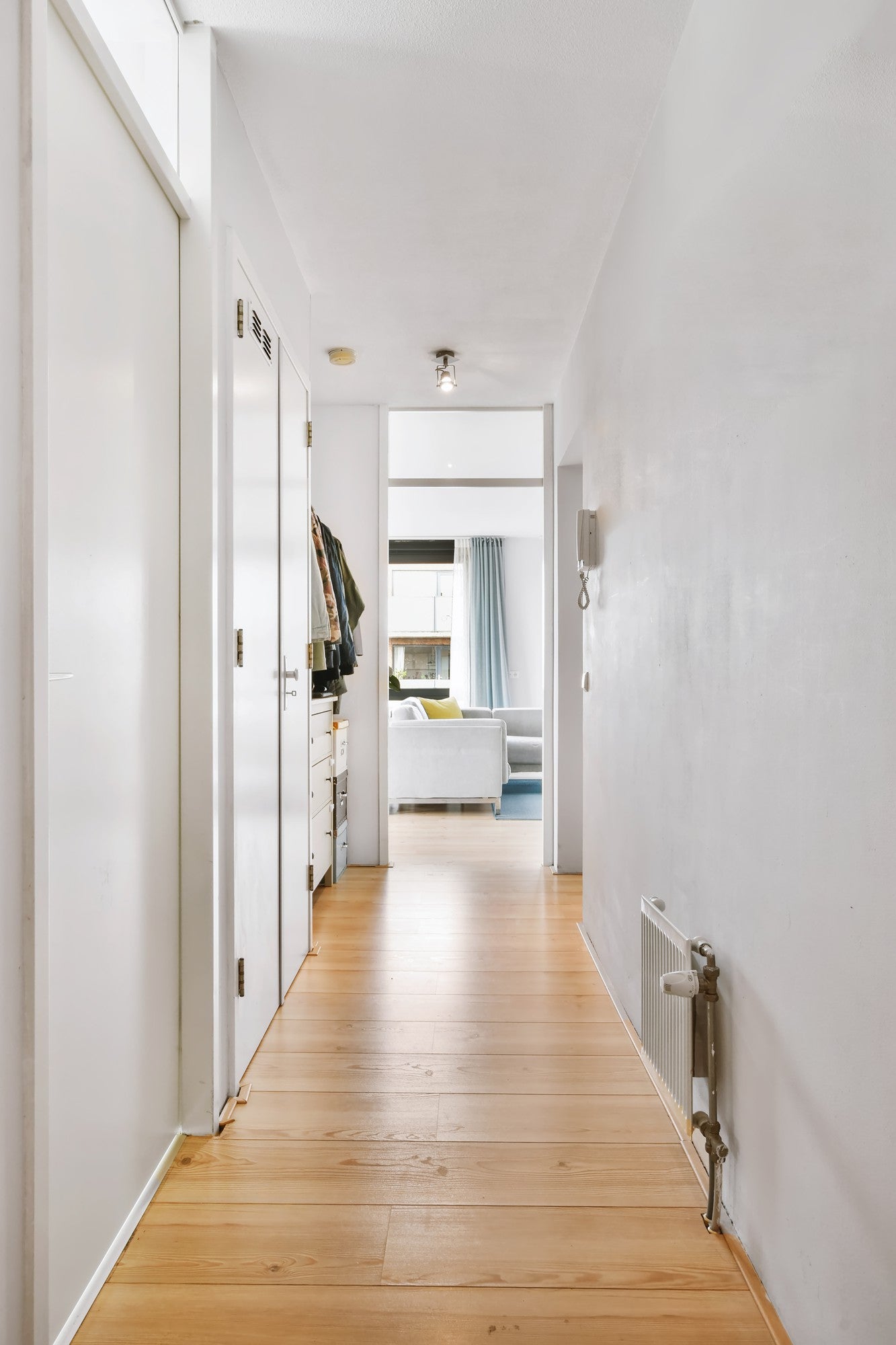
    The right flooring can make a small hallway appear larger and more welcoming. Consider using lighter-colored floors or laying tiles and boards in a pattern that elongates the space, such as herringbone or diagonal patterns. This can create the illusion of depth, making the hallway appear wider.

    Rugs or runners are also great for adding texture and warmth, making the entrance feel cozier. Choose a runner that is proportional to the size of your hallway, ensuring it doesn’t overwhelm the space. A well-chosen rug can also be a focal point, adding color and personality to your entrance area.

    Read More: Mastering the Process: How to Install Shower Wall Panels Like a Pro

    Conclusion

    Transforming a small hallway into a welcoming entrance area is all about smart design choices. From the strategic use of mirrors and lighting to clever storage solutions and thoughtful decor, these tips can help you create a space that is both functional and stylish. Remember, the goal is to make a great first impression, welcoming guests with a space that feels open, inviting, and unmistakably yours.

    In embracing these small hallway ideas, you can maximize the potential of your entrance, no matter its size. With creativity and careful planning, your hallway can become one of the most inviting spaces in your home, setting a positive tone for the rest of your interior.

    Wall Treatments That Make Small Hallways Feel Larger

    The wall treatment in a small hallway has a disproportionate impact on how the space feels. Unlike larger rooms, where the eye has multiple surfaces and depth cues to work with, the narrow hallway forces the eye to travel forward along the walls. Every visual decision — material, tone, texture, line direction — either aids or resists that forward movement.

    Vertical lines are the most powerful tool. Slat wall panels installed with vertical orientation draw the eye upward, registering ceiling height rather than wall proximity. Even in hallways as narrow as 90 cm, vertical slat panels create a sense of proportion that bare walls simply cannot achieve.

    Tone matters too. Light-toned panels (blonde oak, whitened ash, pale birch) reflect more light and reduce the visual “mass” of the wall. Dark tones can work in well-lit hallways as a dramatic contrast, but in hallways with limited natural light, light materials are almost always the better choice.

    Half-wall paneling — panels to dado height with painted plaster above — can be effective in very narrow hallways. The transition from panel to paint creates a visual break that interrupts the wall’s apparent width, making the space feel less confined than a single-material treatment floor to ceiling.

    Small Hallway FAQs

    How do I make a small hallway look bigger?
    The three most effective tactics are: vertical surfaces (panels, picture rails, or tall mirrors that draw the eye upward); light tones on walls and floors to reduce visual mass; and eliminating clutter from sightlines. Mirrors opposite a window or light source double the apparent depth and brightness of the space at minimal cost.

    What size furniture works in a small hallway?
    Narrow console tables (25–30 cm deep) provide surface storage without projecting far into the walkway. Wall-mounted coat hooks rather than freestanding coat stands keep floor space clear. If the hallway is long enough, a slim bench with underseat storage is more useful than a full-width console.

    Should hallway flooring be lighter or darker than the walls?
    In most small hallways, lighter flooring is preferable — it creates the illusion of greater width. Darker flooring works better in wider hallways where the horizontal surface needs grounding. As a general rule, avoid both very dark floors and very dark walls in the same narrow space.

    Do wood wall panels work in a small hallway?
    Yes — particularly vertical slat panels and tongue-and-groove systems. Both create strong vertical lines that increase perceived ceiling height and guide the eye along the corridor rather than across it. Slat panels in light timber tones are among the most popular hallway materials precisely because they address the small-space challenge directly.

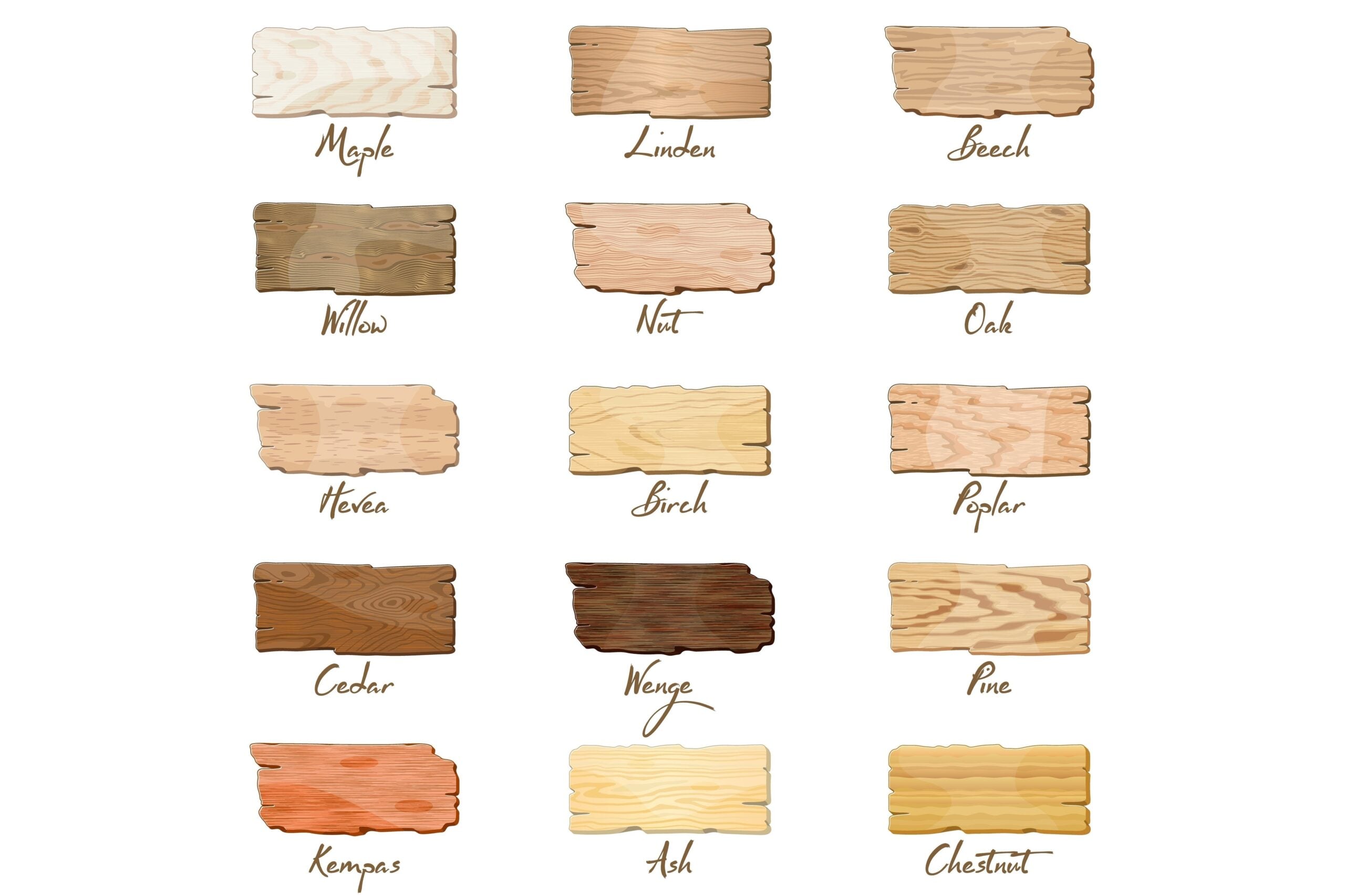
  • 15 Types of Wood for Durable Furniture: Essential Guide in 2026

    15 Types of Wood for Durable Furniture: Essential Guide in 2026

    Understanding the different types of wood available is essential before committing to any furniture, flooring, or construction project — the wrong choice can lead to warping, poor durability, or a finish that doesn’t suit the application.

    With so many varieties available, each boasting unique characteristics and aesthetics, it’s important to understand their properties before making a decision.

    This guide explores some of the most popular types of wood, delving into their color, available varieties, common uses, and interesting facts.

    Table of Contents

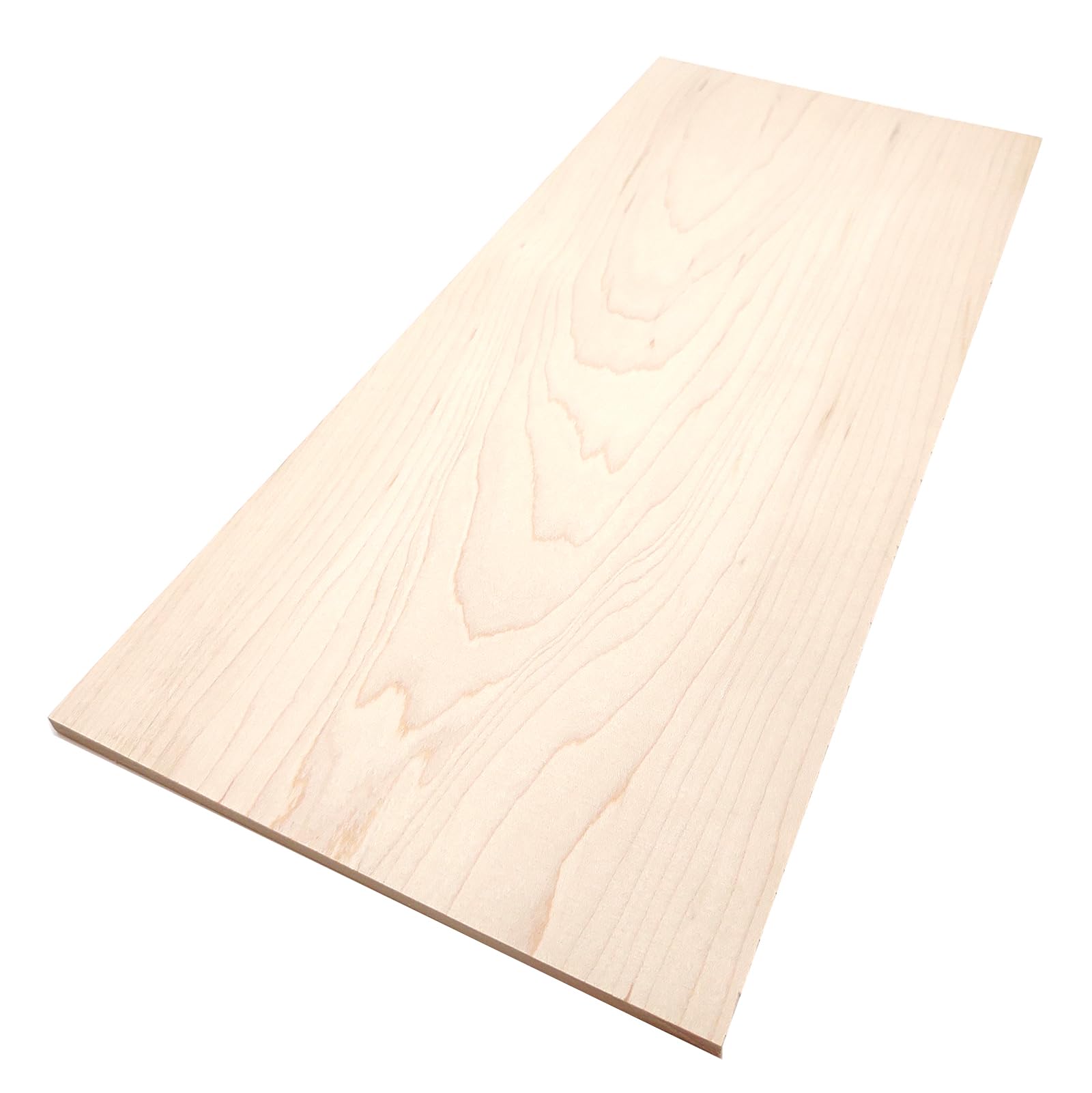
    1. Maple Wood

    Type of Wood

    What Color is Maple Wood?

    Maple wood typically ranges from a light cream to a warm, golden brown color. It can also have reddish hues depending on the specific variety. The clean, light tones make maple a popular choice for creating bright and airy spaces.

    Types of Maple Wood:

    Sugar maple, hard maple, red maple, silver maple, and birdseye maple are some of the most common varieties. Each boasts slightly different color tones and grain patterns.

    Uses of Maple Wood:

    Maple’s strength, durability, and beautiful grain make it a versatile wood. It’s commonly used for furniture, flooring, cabinets, cutting boards, musical instruments like drums, and even baseball bats.

    Unique Facts about Maple Wood:

    The iconic maple leaf is a symbol of Canada, and maple syrup is produced by tapping sugar maple trees. Interestingly, maple wood can also be used to create a natural sweetener called xylitol.

    Read More: Mastering the Process: How to Install Shower Wall Panels Like a Pro

    2. Linden Wood

    Type of Wood

    What Color is Linden Wood?

    Linden wood, also known as basswood, has a pale yellow or cream color with a straight, fine grain. It’s prized for its soft, smooth texture and lack of knots.

    Types of Linden Wood:

    There are around 30 species of linden trees, but silver linden and little-leaf linden are the most commonly used for lumber.

    Uses of Linden Wood:

    Due to its softness and ease of carving, linden wood is popular for creating detailed carvings, furniture, moldings, and even toys. It’s also used for interior paneling and veneer work.

    Unique Facts about Linden Wood:

    Linden trees are known for their fragrant flowers, which attract bees and are used to make linden tea, believed to have calming properties. The wood itself is also valued for its soundproofing qualities.

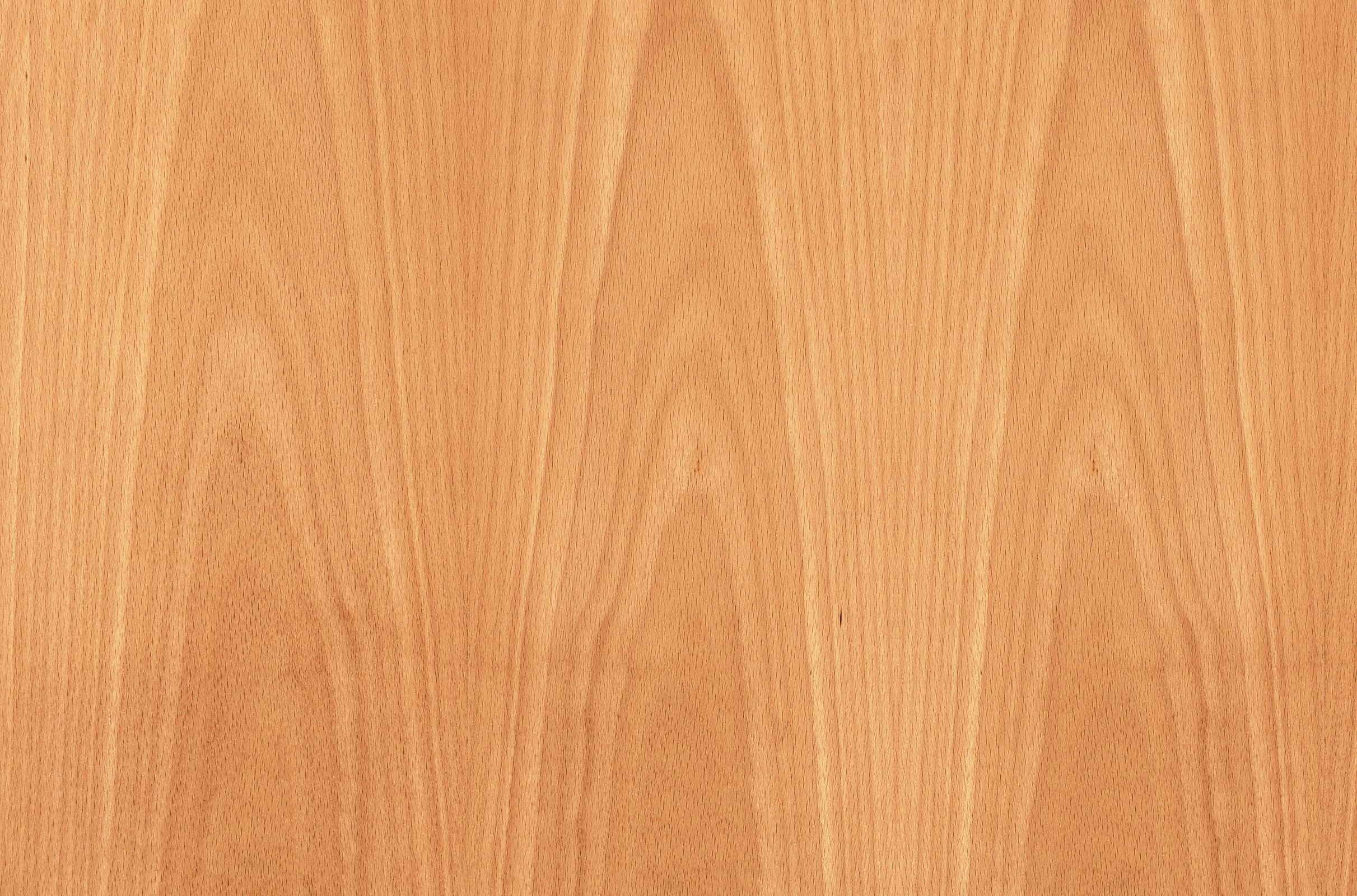
    3. Beech Wood

    Type of Wood

    What Color is Beech Wood?

    Beech wood has a light cream or pale yellow color that can darken slightly with age. It has a clean, uniform grain pattern with a subtle sheen.

    Types of Beech Wood:

    European beech and American beech are the two main commercial varieties. European beech is known for its tighter grain and lighter color.

    Uses of Beech Wood:

    Beech is a strong, hard-wearing wood commonly used for furniture, flooring, tool handles, and wooden toys. Its smooth surface makes it ideal for furniture that needs to be stained or painted.

    Unique Facts about Beech Wood:

    Beech forests are a vital habitat for various wildlife species, including birds and deer. The wood itself is also known for its excellent burning properties, making it a good choice for firewood.

    4. Willow Wood

    Type of Wood

    What Color is Willow Wood?

    Willow wood ranges from a light straw color to a pale yellow or even a light reddish-brown. It has a straight, slightly irregular grain with a soft, satiny texture.

    Types of Willow Wood:

    There are over 300 species of willow trees, but cricket bat willow and weeping willow are two commonly used varieties for wood products.

    Uses of Willow Wood:

    Due to its flexibility and lightweight nature, willow wood is primarily used for basket weaving, furniture (especially chairs), and cricket bats. It’s also used for decorative items and artificial limbs.

    Unique Facts about Willow Wood:

    Willow trees are known for their fast-growing nature and graceful, drooping branches. Interestingly, the bark of certain willow species contains salicin, a compound similar to aspirin, which has pain-relieving properties.

    5. Nut Wood

    Type of Wood

    What Color is Nut Wood?

    Nut wood comes in a variety of rich, warm tones, depending on the specific nut tree. Common colors include walnut (deep brown), pecan (light to medium brown), and cherry (reddish-brown). They often have a beautiful, figured grain pattern.

    Types of Nut Wood:

    Black walnut, American walnut, hickory, pecan, and cherry are some of the most popular nut woods used in woodworking.

    Uses of Nut Wood:

    Nut woods are prized for their beauty, strength, and durability. They are commonly used for high-end furniture, cabinetry, veneer work, gunstocks, and musical instruments.

    Unique Facts about Nut Wood:

    The fruits of nut trees, like walnuts and pecans, are not only delicious but also a valuable source of healthy fats and nutrients. Interestingly, some nut woods, like walnut, can emit a pleasant, chocolatey aroma.

    Read More: 5 Best Modern PVC Wall Panel Design for Bedroom in 2023

    6. Hevea Wood

    Type of Wood

    What Color is Hevea Wood?

    Hevea wood, also known as rubberwood, has a light cream or pale yellow color with a straight, slightly coarse grain. It can sometimes have a pinkish or reddish hue.

    Types of Hevea Wood:

    There are several Hevea species, but Hevea brasiliensis is the primary source of rubber and Hevea wood for commercial use.

    Uses of Hevea Wood:

    Hevea wood is a sustainable and affordable alternative to other hardwoods. It’s commonly used for furniture, cabinets, flooring, plywood, and mouldings.

    Unique Facts about Hevea Wood:

    The milky white latex extracted from Hevea brasiliensis trees is the primary source of natural rubber. Hevea wood is also known for its good dimensional stability, meaning it resists warping and shrinking.

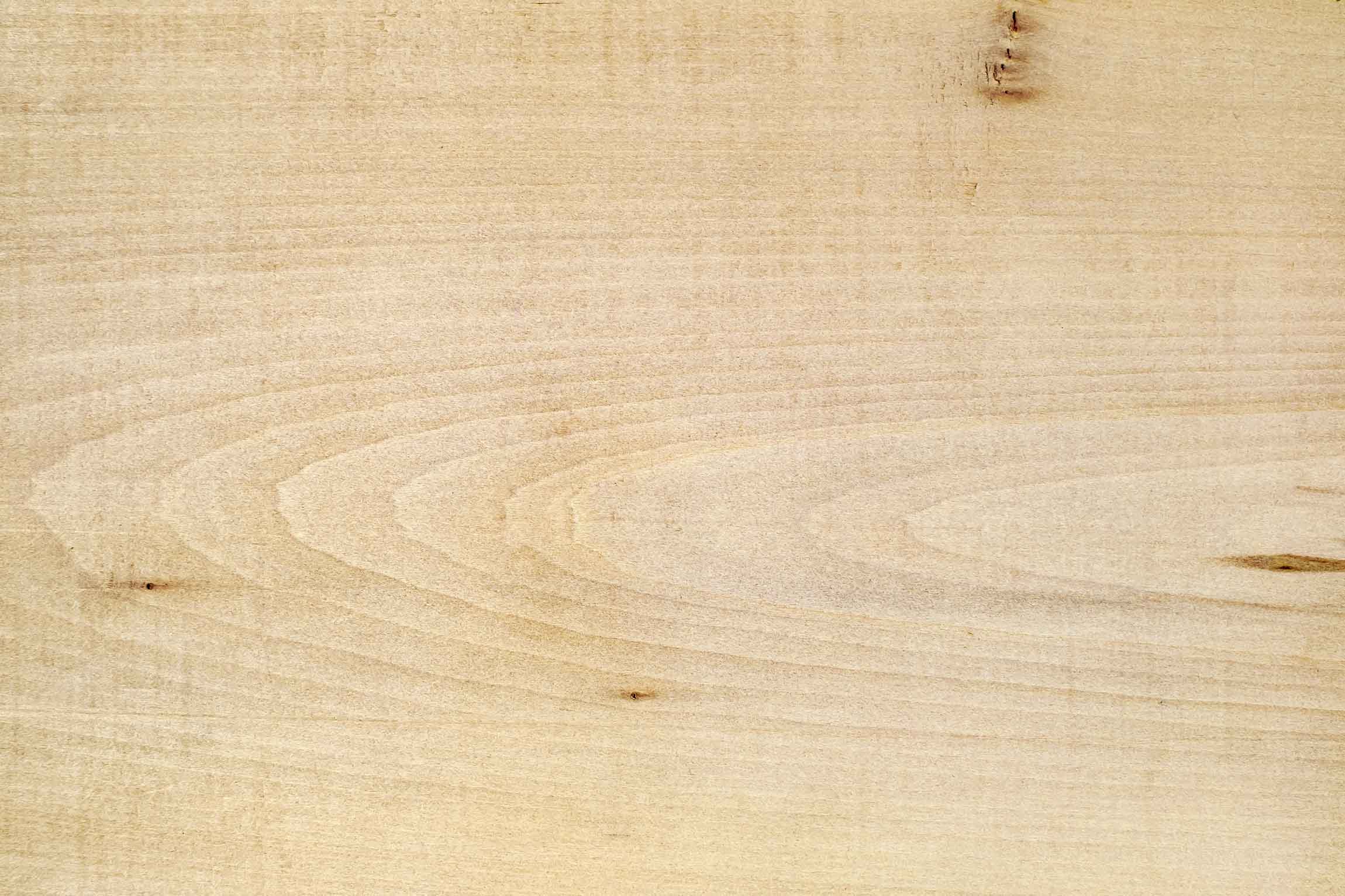
    7. Birch Wood

    Type of Wood

    What Color is Birch Wood?

    Birch wood has a light yellow or cream color with a tight, straight grain and a subtle satin sheen. It can sometimes have reddish or brown streaks depending on the variety.

    Types of Birch Wood:

    Yellow birch, paper birch, and sweet birch are some of the most common birch species used for lumber.

    Uses of Birch Wood:

    Birch is a versatile wood prized for its clean look and smooth surface. It’s commonly used for furniture, cabinets, plywood, veneer work, flooring, and even toothpicks.

    Unique Facts about Birch Wood:

    Birch bark has a characteristic white or papery appearance and is used by some cultures for making canoes and writing materials. The sap of birch trees can be tapped to produce birch syrup, a sweet and flavorful liquid.

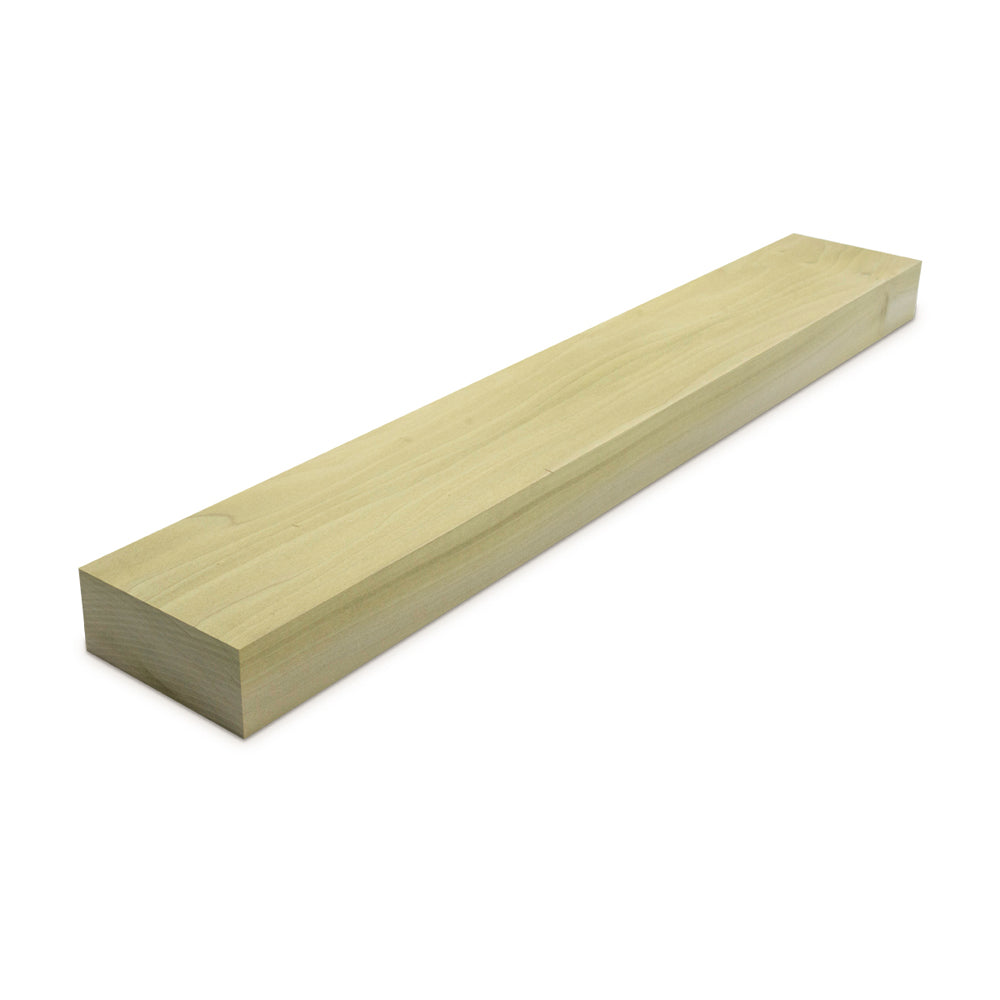
    8. Poplar Wood

    Type of Wood

    What Color is Poplar Wood?

    Poplar wood has a light cream or pale yellow color with a straight, fine grain. It’s known for its even texture and lack of knots, making it easy to work with.

    Types of Poplar Wood:

    There are several poplar species, but tulip poplar and eastern poplar are the most common varieties used for lumber.

    Uses of Poplar Wood:

    Poplar is a lightweight and affordable wood, making it ideal for furniture, cabinets, interior trim, and paint-grade moldings. It’s also used for crates, pallets, and some types of toys.

    Unique Facts about Poplar Wood:

    Poplar trees are fast-growing and are considered a sustainable wood choice. Interestingly, the large, tulip-shaped flowers of the tulip poplar tree are a beautiful sight in the spring.

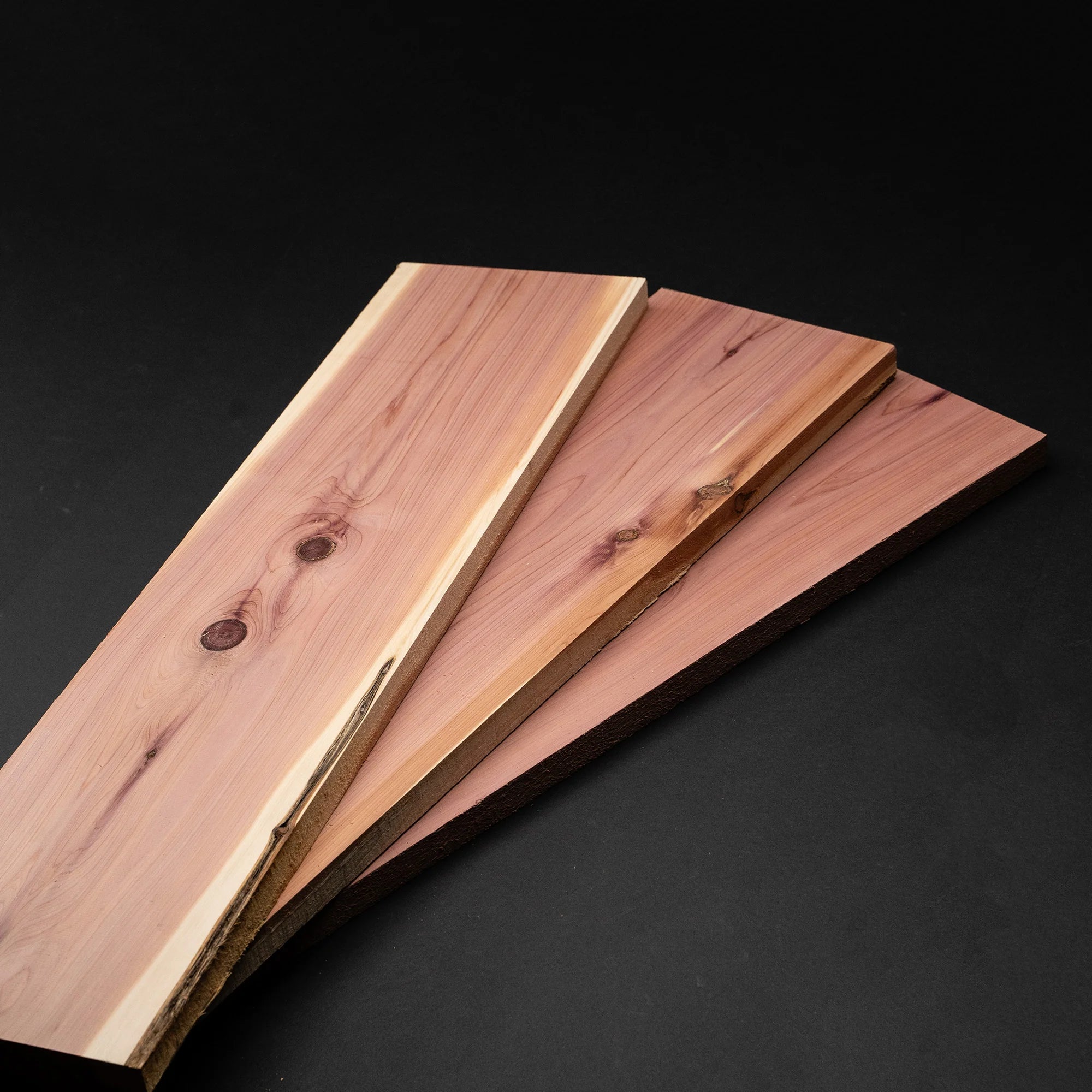
    9. Cedar Wood

    Type of Wood

    What Color is Cedar Wood?

    Cedar wood comes in a variety of warm tones, ranging from light reddish-brown to a deep, rustic brown. It has a beautiful, aromatic fragrance and a naturally oily texture.

    Types of Cedar Wood:

    Western red cedar, Eastern white cedar, and incense cedar are some of the most common cedar species used for lumber.

    Uses of Cedar Wood:

    Cedar is prized for its natural rot and insect resistance. It’s commonly used for outdoor furniture, decks, fencing, shingles, and saunas. The aromatic properties also make it popular for lining closets and chests.

    Unique Facts about Cedar Wood:

    Cedar trees are known for their longevity and can live for hundreds of years. The natural oils in cedar wood repel insects, making it a great choice for outdoor applications. Native American cultures have used cedar for centuries for various purposes, including building canoes and carving ceremonial masks.

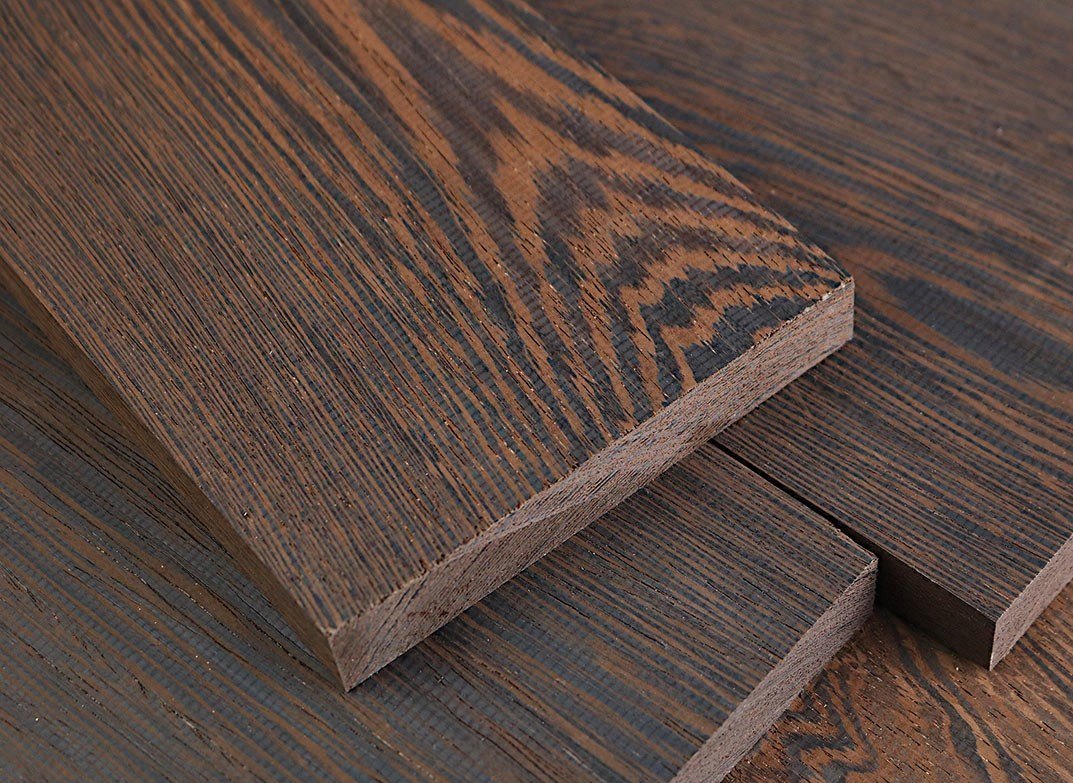
    10. Wenge Wood

    Type of Wood

    What Color is Wenge Wood?

    Wenge wood is a deep, rich brown color with almost black streaks. It has a very fine, closed grain and a high natural luster.

    Types of Wenge Wood:

    There are several Wenge species, but Millettia laurentii is the primary source of Wenge wood used in woodworking.

    Uses of Wenge Wood:

    Wenge is a dense and hard-wearing wood prized for its luxurious appearance. It’s commonly used for high-end furniture, veneer work, flooring, knife handles, and decorative accents.

    Unique Facts about Wenge Wood:

    Wenge wood is known for its dramatic color contrast and beautiful grain patterns. However, it can be quite challenging to work with due to its hardness. Interestingly, the wood can sometimes have a slightly peppery or acidic smell.

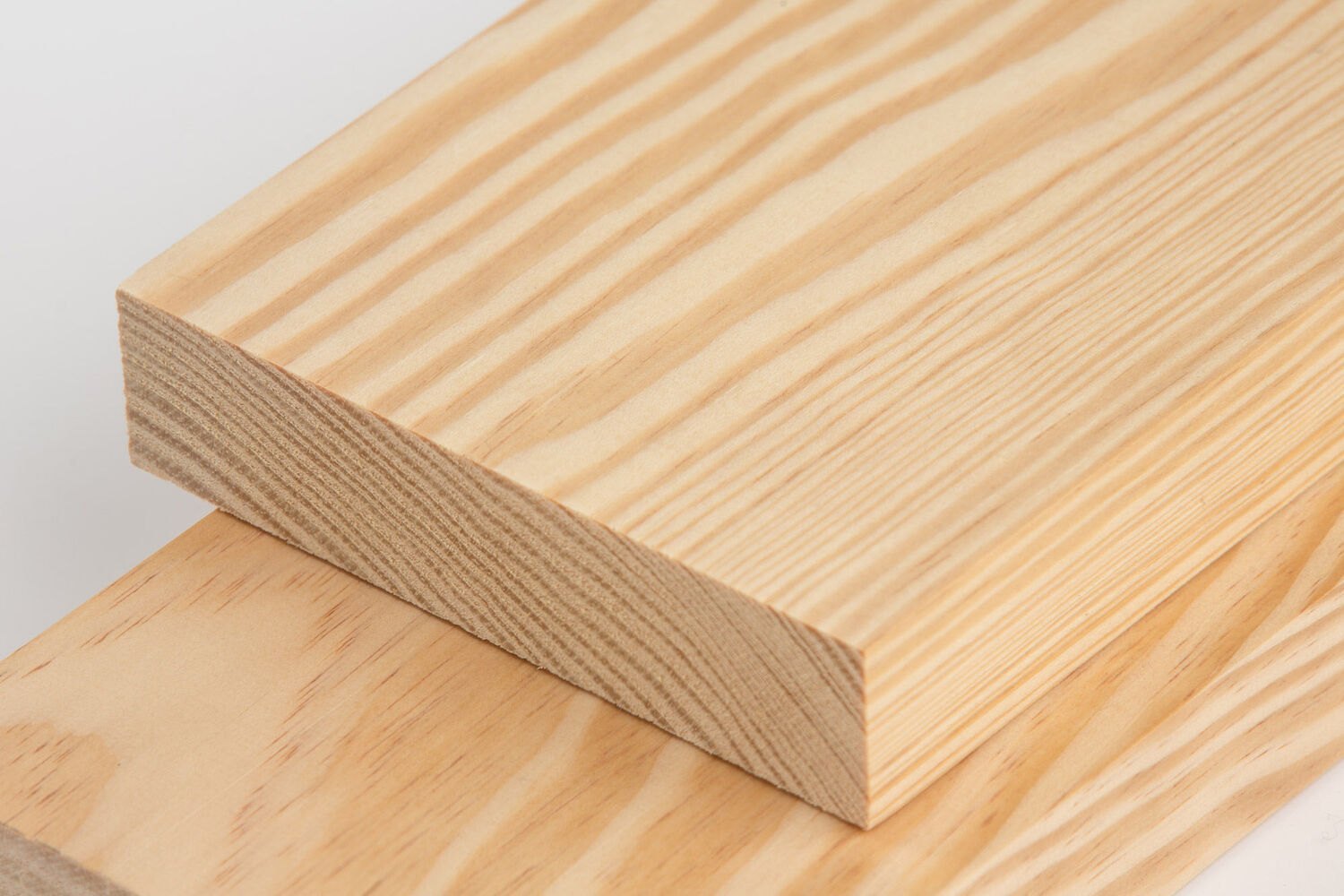
    11. Pine Wood

    Type of Wood

    What Color is Pine Wood?

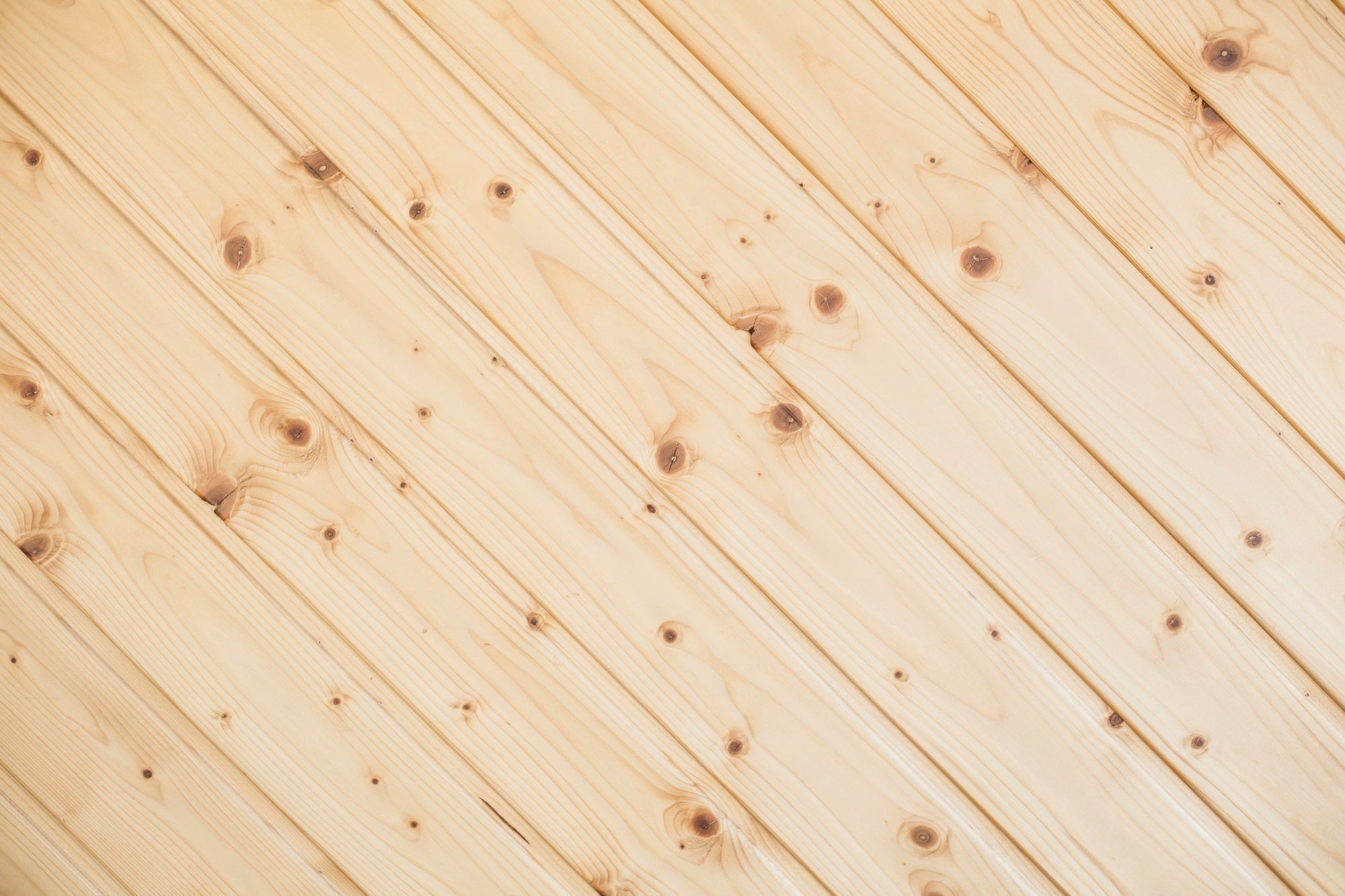
    Pine wood ranges from a light yellow or cream color to a light reddish-brown. It has a straight, slightly coarse grain with prominent knots. Pine is a softwood, meaning it comes from cone-bearing trees.

    Types of Pine Wood:

    There are many pine species, but some of the most common for lumber include yellow pine, white pine, and Southern yellow pine.

    Uses of Pine Wood:

    Pine wood is a readily available and affordable softwood. It’s commonly used for furniture, construction lumber, framing, cabinets, interior trim, and even wooden toys.

    Unique Facts about Pine Wood:

    Pine is a fast-growing tree, making it a more sustainable wood choice compared to some hardwoods. The knots in pine wood are often considered a desirable aesthetic feature, adding a rustic charm. The fragrant aroma of pine is also known for its calming and stress-reducing properties.

    Read More: Cheap Wood Panels for Walls: Transform Your Space on a Budget

    12. Kempas Wood

    Type of Wood

    What Color is Kempas Wood?

    Kempas wood has a rich reddish-brown color with darker streaks and a golden luster. It has a medium to coarse grain with a slightly uneven texture.

    Types of Kempas Wood:

    There’s only one commercially relevant species of Kempas tree, Koompassia malaccensis.

    Uses of Kempas Wood:

    Kempas is a dense and strong wood prized for its beauty and durability. It’s commonly used for high-end furniture, flooring, veneer work, pool cues, and boatbuilding. However, due to concerns about over-harvesting, its use is becoming more regulated.

    Unique Facts about Kempas Wood:

    Kempas wood is known for its exceptional natural oil content, making it highly resistant to moisture and decay. It also has a beautiful chatoyancy effect, where the grain reflects light and creates a shimmering appearance.

    13. Ash Wood

    Type of Wood

    What Color is Ash Wood?

    Ash wood ranges from a light cream or pale yellow to a light brown color. It has a straight, prominent grain with a slightly open texture. Ash is a hardwood known for its exceptional strength and elasticity.

    Types of Ash Wood:

    White ash, green ash, and black ash are some of the most common ash species used for lumber.

    Uses of Ash Wood:

    Ash is a versatile wood prized for its strength and flexibility. It’s commonly used for furniture, cabinets, tool handles, baseball bats, and even flooring. Its high shock resistance also makes it suitable for sports equipment like hockey sticks.

    Unique Facts about Ash Wood:

    Ash trees are known for their fast growth and slender stature. Interestingly, the young, green shoots of ash trees were once used as a flavoring agent in food and beverages.

    14. Chestnut Wood

    Type of Wood

    What Color is Chestnut Wood?

    Chestnut wood has a warm reddish-brown color that can deepen with age. It has a straight, even grain with a slightly coarse texture.

    Types of Chestnut Wood:

    American Chestnut: Unfortunately, the American chestnut tree was nearly wiped out by a blight in the early 20th century. However, efforts are underway to restore its population.

    Uses of Chestnut Wood:

    Chestnut is a strong and rot-resistant wood, making it historically valuable for furniture, construction, and fencing. Today, due to its rarity, existing chestnut wood is primarily used for high-end furniture and specialty items.

    Unique Facts about Chestnut Wood:

    The American chestnut was once a dominant tree species in Eastern North America. Its wood was prized for its beauty, durability, and ease of working with. The efforts to restore the American chestnut population offer a glimmer of hope for the future of this valuable wood.

    15. Oak Wood

    Type of Wood

    Oak wood isn’t just another pretty face in the lumberyard. It’s a legend, a champion revered for its exceptional strength, durability, and undeniable beauty. For centuries, oak has graced homes and grand structures, whispering stories of resilience and timeless character.

    What Color is Oak Wood?

    Oak boasts a natural range of colors, offering a spectrum of warm tones to complement any design vision. Here’s a breakdown:

    White Oak: Leans towards a warm yellow-brown with a uniform look.

    Red Oak: Showcases a rosier charm, ranging from light to reddish-brown tones.

    It’s important to note that color variations can occur even within the same tree, adding a unique fingerprint to each piece. The good news? Both red and white oak are stain chameleons, transforming from their natural state into sleek black masterpieces or vibrant room-brightening accents.

    Types of Oak Wood:

    With over 600 oak species worldwide, here are a few commonly used varieties:

    White Oak: Known for its tight grain, moisture resistance, and lighter color tones. Examples include White Oak (Quercus alba) and Bur Oak (Quercus macrocarpa).

    Red Oak: Features a more open grain with reddish hues. Common varieties include Northern Red Oak (Quercus rubra) and Southern Red Oak (Quercus falcata).

    Live Oak: An evergreen oak species prized for its Southern charm and distinctive, often gnarled branches.

    Uses of Oak Wood:

    Oak’s versatility has secured its place in various applications throughout history:

    Flooring: Oak’s exceptional durability makes it a top choice for high-traffic areas, offering a timeless elegance to any space.

    Furniture: From sturdy tables and chairs to intricate carvings, oak’s strength and beauty translate into heirloom-quality furniture pieces, this is also why Oak are used for custom made wood furniture

    Construction: Traditionally used in shipbuilding and structural beams, oak’s inherent strength continues to be valued in modern construction projects.

    Barrels: Oak barrels play a vital role in the aging process of alcoholic beverages like wine and whiskey, imparting unique flavor profiles.

    Veneer: Thin slices of oak are used to create beautiful and affordable furniture finishes.

    Unique Facts about Oak Wood:

    Oak isn’t just stunning; it’s a fascinating natural resource:

    Symbol of Strength: Oak trees are known for their longevity, with some specimens living for over 1,000 years. No wonder it’s a national symbol for many countries, representing strength and resilience.

    Medicinal Properties: The tannin content in oak has been used in traditional medicine for centuries.

    Food Source: Acorns, the fruit of oak trees, are a valuable food source for wildlife and were historically consumed by humans as well.

    Cultural Significance: Oak trees hold cultural significance in many traditions, often associated with wisdom, stability, and protection.

    Read More: How To Install Wall Panelling In Your Home – 5 Simple Steps

    5 Tips to Choose Durable Wood Furniture and Decor

    Choosing durable wood furniture and decor such as wood wall panels goes beyond just aesthetic, it’s about ensuring long-term performance, value, and functionality in your space. Whether you’re furnishing a home or upgrading interiors, these key tips will help you make smarter, longer-lasting choices.

    1. Understand the Type of Wood Used

    The durability of wood furniture largely depends on the material. Hardwoods like oak, walnut, and teak are known for their strength and longevity, making them ideal for high-use furniture. Engineered options such as MDF or plywood can also be durable when used correctly, especially for decorative panels or indoor applications. Knowing the difference helps you choose the right material for your specific needs.

    2. Check Construction and Joinery

    Well-built furniture lasts longer. Look for solid joinery techniques such as dovetail or mortise-and-tenon joints rather than glued or stapled connections. High-quality construction ensures the piece can withstand daily use without loosening or weakening over time.

    3. Evaluate Surface Finish and Protection

    A durable finish protects wood from scratches, stains, and moisture. Look for furniture with high-quality coatings such as lacquer, polyurethane, or oil finishes. These not only enhance the appearance but also extend the lifespan of the material, especially in high-traffic areas.

    4. Consider Environmental Conditions

    Where you place your furniture matters. Solid wood can expand or contract with humidity, while materials like MDF are more stable but sensitive to moisture. For kitchens, bathrooms, or humid climates, choose materials and finishes specifically designed to handle these conditions to prevent warping or damage.

    5. Balance Aesthetics with Functionality

    While design is important, durability should never be compromised for looks alone. Choose furniture that fits your lifestyle—high-traffic households, pets, or children require more resilient materials and finishes. Rooms like home theaters and home offices most probably need more functional options, including acoustic slat wood wall panels. A well-balanced choice ensures your furniture remains both beautiful and functional for years.

    Conclusion

    The world of wood offers a stunning variety, each type boasting unique characteristics and a touch of natural beauty. From the light and airy tones of maple to the rich, deep hues of walnut, the color spectrum of wood allows you to create a specific mood and aesthetic in your projects.

    Whether you’re drawn to the strength and workability of hardwoods like oak and ash, or the affordability and sustainability of softwoods like pine, understanding the properties of different wood types empowers you to make informed choices.

    If you are looking for a high-quality decorative wood wall panels with CE & SGS certified materials, explore options from The Panel Hub!
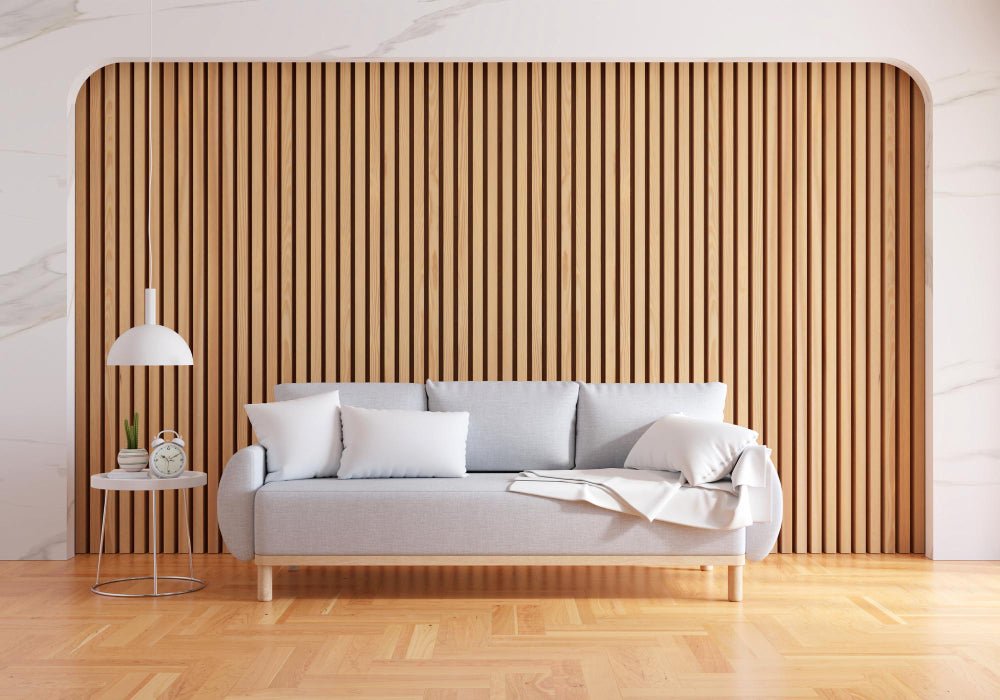
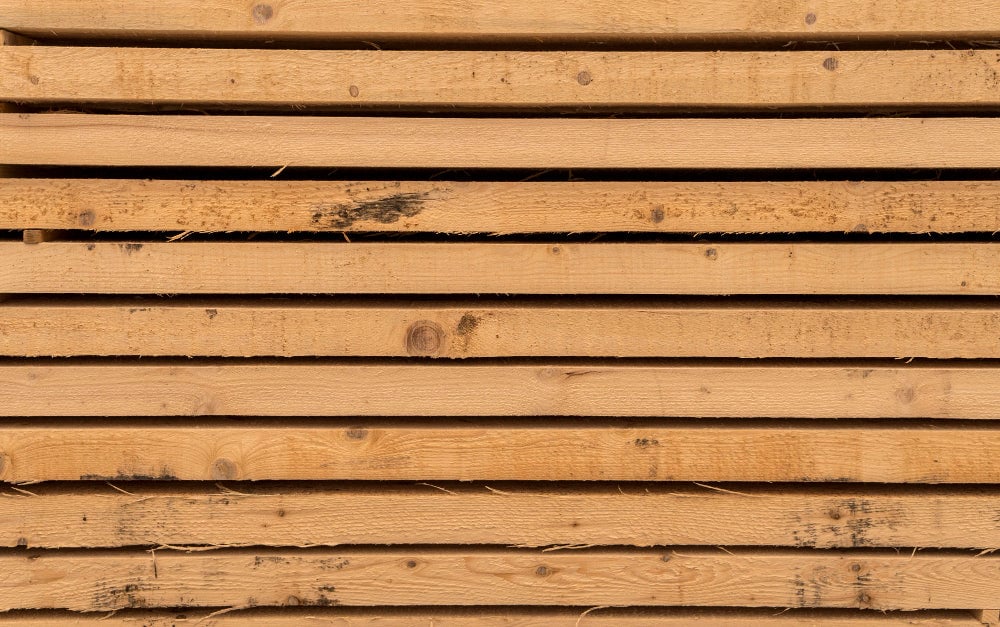
  • The Perfect Palette: 7 Colors That Go With Golden Oak Wood

    The Perfect Palette: 7 Colors That Go With Golden Oak Wood

    Golden oak wood has a warm, honey-toned grain that pairs beautifully with the right colour palette, but choosing the wrong shade can make it look dated rather than timeless. Get the palette right, though, and you can let your oak wood shine just the way it is.

    Here at the Panel Hub, our team of color experts has curated a selection of colors that can transform outdated oak trim into something contemporary and chic. We have listed 7 colors that go with golden oak really well.

    Golden oak trim has a unique ability to complement various home styles and interior designs, enhancing their overall look. It can accentuate the distinct design and architectural features of a space, providing compelling reasons to retain it. Moreover, keeping the original oak trim intact can contribute to maintaining the value of your home, particularly if it boasts historical significance. 

    Curious to know which colors we’ve handpicked to accentuate oak trim and potentially sway your decision to keep it? Keep reading to find out

    Read also: [SALE] Essential Tips for Your Outdoor Decor

    Best Colors to Complement Golden Oak

    Golden oak sets a warm and inviting stage in any home, offering a blend of durability and timeless elegance. The key to unlocking its full potential lies in pairing it with the right colors. Hence, these chosen hues are not just about aesthetics; they’re about creating a space that feels right, a perfect balance between comfort and style. So here it is the 7 best colors that go perfectly with golden oak wood:

    1. Soft Whites and Creams

    Wavy 3D PVC Wall Panel

    Nothing says fresh and clean like soft whites and creams. They provide a light, airy backdrop that allows the beauty of golden oak to stand out. Perfect for walls, they also help in making spaces appear larger and more inviting. 

    Such as the wavy 3D white PVC wall panel (in the picture), where the colors are warm enough to not offset the golden oak yet distinct enough to leave a lasting impression on all the guests that leave your house.

    2. Rich Blues

    Colors That Go With Golden Oak Wood: Rich blue

    From the depths of navy blue to the vibrancy of royal blue, these hues create a stunning contrast with golden oak, bringing a sophisticated and dynamic energy to any room. Consider blue accents like cushions, rugs, or a feature wall for a striking effect.

    3. Earthy Greens

    Colors That Go With Golden Oak Wood"Colors That Go With Golden Oak Wood: earthy greens

    Olive, sage, and other earthy greens emphasize the natural vibe of golden oak. They’re ideal for creating a calming and grounded environment. Textiles, wall paint, or even indoor plants can introduce this color seamlessly into your space.

    4. Deep Grays

    Colors That Go With Golden Oak Wood"Colors That Go With Golden Oak Wood: Deep grays

    Gray offers a contemporary twist, adding sophistication and a modern flair when paired with golden oak. It works well as a color for flooring, furniture, or accent walls, providing a neutral but impactful contrast.

    5. Warm Neutrals

    warm neutral room with golden oak wood floor paneling

    Beige, taupe, and soft browns blend beautifully with golden oak, enhancing its warmth without overpowering it. These colors are great for larger furniture pieces or as a general color scheme to unify the space.

    6. Metallic Accents

    Colors That Go With Golden Oak Wood"Colors That Go With Golden Oak Wood: with gold accents

    To really make golden oak pop, incorporate metallic accents in gold, bronze, or copper. These can come through in light fixtures, hardware, or decorative objects, adding a touch of luxury and elegance.

    7. Greige

    Greige, a blend of gray and beige sofa and golden oak wood floor paneling

    Click Here to Buy Golden Acoustic Wall Panels

    Greige, a blend of gray and beige, strikes a perfect balance between warm and cool tones. Its neutral nature allows it to effortlessly blend with the warmth of golden oak while providing a contemporary backdrop. Greige walls paired with golden oak furniture create a sophisticated and inviting atmosphere, making it an excellent choice for living rooms and bedrooms.

    Read also: Best Wood Trim Accent Walls Ideas

    Incorporating These Colors in Your Home

    Mixing these colors into your home decor isn’t just about painting walls or buying new furniture. It’s about creating layers of texture and color that enhance the natural beauty of golden oak. Start with a neutral base and add pops of color through accessories like throw pillows, rugs, or artwork. 

    Balance is key; too much of any one color can overwhelm. Test out small accents first, and adjust until you find the perfect mix that feels right for your space.

    Read also: 9 Most Unique Hallway Paint Ideas to Dazzle Guests (and Yourself!)

    Colour Pairing FAQs for Golden Oak Wood

    What is the best paint colour for walls with golden oak wood panels?
    Warm off-whites and creamy neutrals (such as Farrow & Ball’s “Pointing” or “Clunch”, or Dulux “Natural Calico”) complement golden oak by referencing its warm honey tones without competing. Deep greens (sage, forest, olive) create a rich contrast that is extremely popular in contemporary interiors — the botanical reference pairs naturally with wood. Warm terracotta and earthy clay tones reinforce the warmth of the oak. Avoid cool greys and stark whites, which conflict with the yellow-warm undertone of golden oak.

    Does golden oak wood work with black or charcoal accents?
    Yes — black and charcoal create a strong, contemporary contrast with golden oak that is very effective in modern interiors. Black window frames, black ironmongery, and charcoal upholstery against a golden oak panel wall is a well-established combination in kitchen and living room design. The key is balance: too much black alongside warm golden oak creates a heavy, oppressive scheme; used as accents against a predominantly warm, light interior, it provides definition and modernity.

    Can I mix golden oak with darker wood tones in the same room?
    Mixing wood tones works best when you maintain a clear distinction — pair golden oak prominently with one significantly darker or lighter wood rather than with multiple mid-tones that are similar but not matching. Golden oak with dark walnut accents (furniture legs, frames, shelving) is a sophisticated combination. Golden oak alongside lightly smoked or cerused oak in a similar tone creates an uncomfortable “near-match” that reads as an error rather than a deliberate choice.

    What flooring goes best with golden oak wall panels?
    The safest approach is tonal contrast — lighter floor, darker panels (or vice versa) — to prevent the room from reading as monolithic. Light stone-effect porcelain tiles or pale grey/cream carpet create clear separation from warm golden oak wall panels. Natural oak engineered flooring in a similar tone is a more contemporary matching approach that can work successfully if the tonal values are deliberately close rather than near-misses. Avoid direct wood-on-wood combinations where grain patterns and tones are similar but not identical.

    Conclusion

    As we’ve explored, the key to enhancing the beauty of golden oak wood lies in choosing the right colors to accompany it. From the soft embrace of whites and creams to the bold contrast of rich blues and grays, there’s a palette to suit every taste and style. So why not take the plunge and reimagine your space with these inspired combinations?

    If you’re looking to upgrade your space with the natural beauty of wood but want something more premium, consider wood wall panels from The Panel Hub! Made from high-quality, sustainably sourced hardwoods like oak and walnut, our panels offer a luxurious look with 100% real wood surface, not laminate. Available in two main categories: sound absorbing panels and decorative solid wood wall panels. With Superior Sound Absorption (NRC 0.85), our wall panels are perfect for adding function and style to any room.