Author: The Panel Hub Design Studio

  • What Is Pine Wood Good For? Perfect Uses in Paneling and Beyond

    What Is Pine Wood Good For? Perfect Uses in Paneling and Beyond

    For centuries, wood has been a beloved material for building and decorating. And within the variety of wood options, pine wood stands out as a popular choice for wall paneling. But what makes pine so charming? This guide will explore the properties, advantages, and applications of pine wood wall paneling, empowering you to make informed decisions for your next design project.

    What is Pine Wood?

    pine wood

    Pine wood is a type of softwood derived from various species of pine trees, which are predominantly found in the Northern Hemisphere. Known for its versatility and attractive grain patterns, pine wood is widely used in construction, furniture, and decorative applications, particularly in wall paneling.

    What are the Properties of Pine Wood?
    pine wood

    Pine wood boasts several key properties that make it a popular choice for various applications:

    Lightweight: Pine wood is relatively light, making it easy to handle and install. This lightweight nature is particularly beneficial for wall paneling, as it reduces the overall weight load and simplifies the installation process.

    Softness: Despite being classified as a softwood, pine is durable and resilient, allowing for easy cutting and shaping. This softness makes pine ideal for intricate designs and custom shapes, facilitating a smoother construction process.

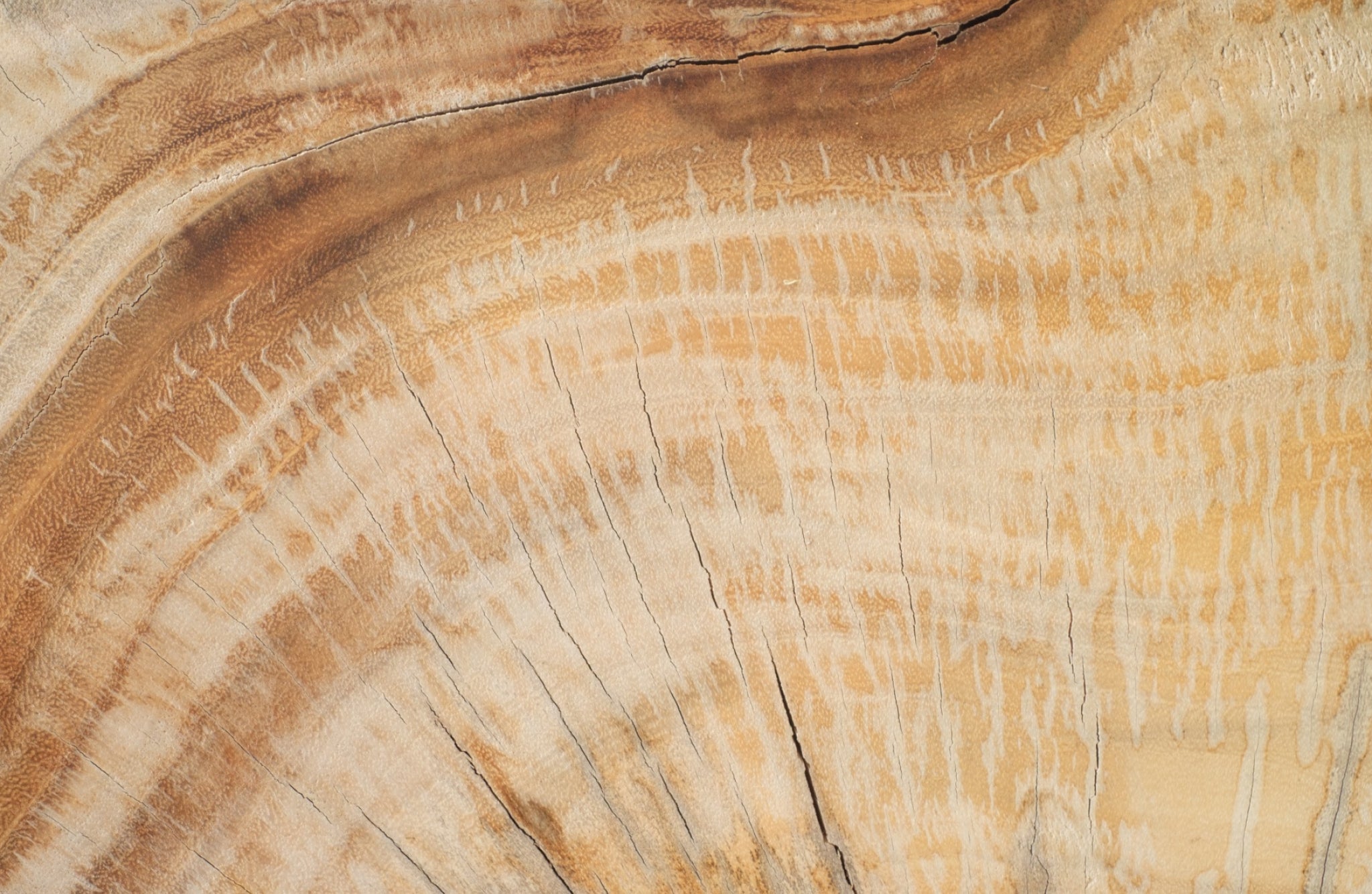
    Grain Patterns: Pine wood features distinctive grain patterns and knots, adding a rustic charm to any decor. These natural patterns provide a unique and attractive appearance, enhancing the aesthetic appeal of wall paneling.

    Cost-Effective: Pine is generally more affordable than many hardwoods, providing a budget-friendly option without sacrificing quality. Its lower cost makes it accessible for various projects while still offering excellent durability and aesthetics.

    Workability: Pine is a relatively soft wood, making it easy to cut, shape, and install. This translates to a smoother and potentially more affordable construction process. Its workability allows for quick modifications and adjustments during installation.

    Durability: While not the hardest wood, pine offers decent durability, especially when treated with a sealant or stain. Proper care ensures your pine wall panels last for years to come, maintaining their appearance and functionality even in high-traffic areas.

    Why Pine Wood Makes a Good Wood Panel Material
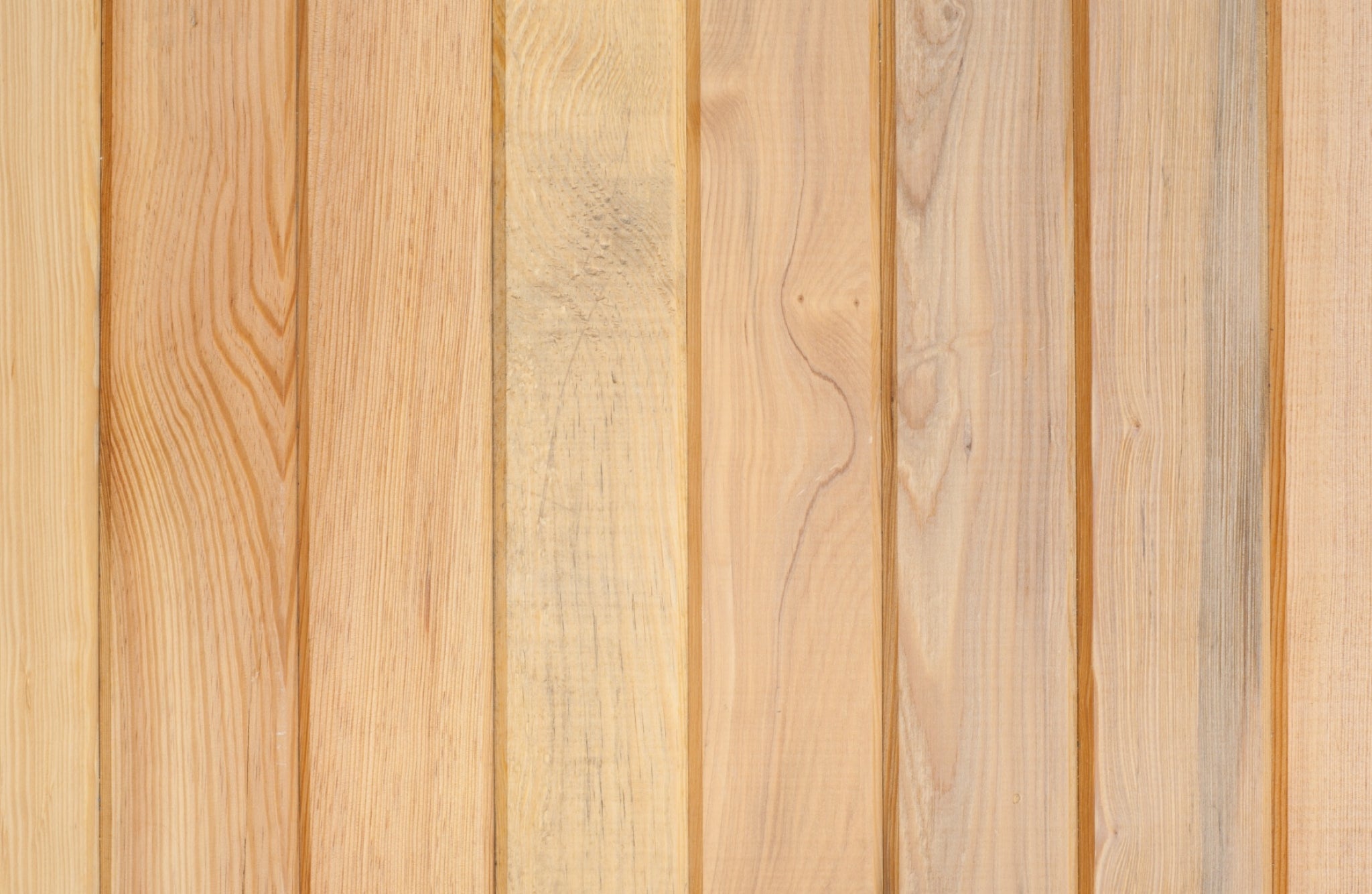
    pine wood

    Pine wood is an excellent material for wall paneling due to its combination of aesthetic appeal and functional benefits:

    Aesthetic Appeal: The natural grain and knots in pine wood create a warm and inviting look, perfect for both modern and traditional interiors. The unique patterns add character and charm, making each panel distinct and visually appealing. This natural beauty can enhance the ambiance of any room, adding a touch of rustic elegance or contemporary style.

    Durability: Pine wood’s resilience to wear and tear makes it a durable choice for high-traffic areas. Despite being a softwood, pine is quite strong and can withstand daily use without showing significant signs of damage. Its ability to resist dents and scratches makes it ideal for busy households and commercial spaces where durability is a priority.

    Versatility: Pine can be stained, painted, or left natural, offering endless possibilities for customization. Its ability to absorb stains well allows for a variety of finishes, from light and natural to dark and rich. Whether you want to highlight the wood’s natural beauty or match it to a specific color scheme, pine wood panels can be tailored to suit your design preferences.

    Eco-Friendly: Pine trees grow relatively quickly, making pine wood a sustainable and environmentally friendly choice. Sustainable forestry practices ensure that pine is harvested responsibly, contributing to forest regeneration and environmental conservation. Choosing pine wood for paneling supports eco-friendly building practices and helps reduce the carbon footprint associated with construction materials.

    Pine Wood Comparison with Other Wood
    pine wood

    When comparing pine wood to other types of wood, several factors stand out:

    Pine vs. Oak

    While oak is harder and more durable, pine is lighter and easier to work with. Oak’s grain is tighter and more uniform, providing a sleek and polished look that is ideal for formal and traditional settings.

    Pine, on the other hand, offers a more rustic and natural appearance with its visible knots and grain patterns. Oak’s density makes it more resistant to dents and scratches, but pine’s softness makes it easier to carve and shape, allowing for more intricate designs.

    Pine vs. Maple

    Maple is known for its hardness and smooth grain, making it ideal for high-end furniture and flooring. Its durability and resistance to wear and tear make it a popular choice for areas that experience heavy use.

    Pine, however, is more cost-effective and easier to customize. Its workability allows for various finishes and stains, making it a versatile option for different decor styles. While maple provides a more polished and uniform look, pine offers warmth and character with its natural imperfections.

    Pine vs. Cedar

    Cedar is naturally resistant to moisture and insects, making it ideal for outdoor use, such as in decks and outdoor furniture. Its aromatic properties also make it popular for use in closets and storage chests to repel moths and other pests. Pine is more versatile for indoor applications due to its aesthetic appeal and affordability.

    While cedar’s durability in outdoor conditions is unmatched, pine’s adaptability and lower cost make it a preferred choice for interior wall paneling and furniture. Cedar’s rich color and natural fragrance add to its appeal, whereas pine’s light color can be easily stained to match various interiors.

    Pine Wood and MDF
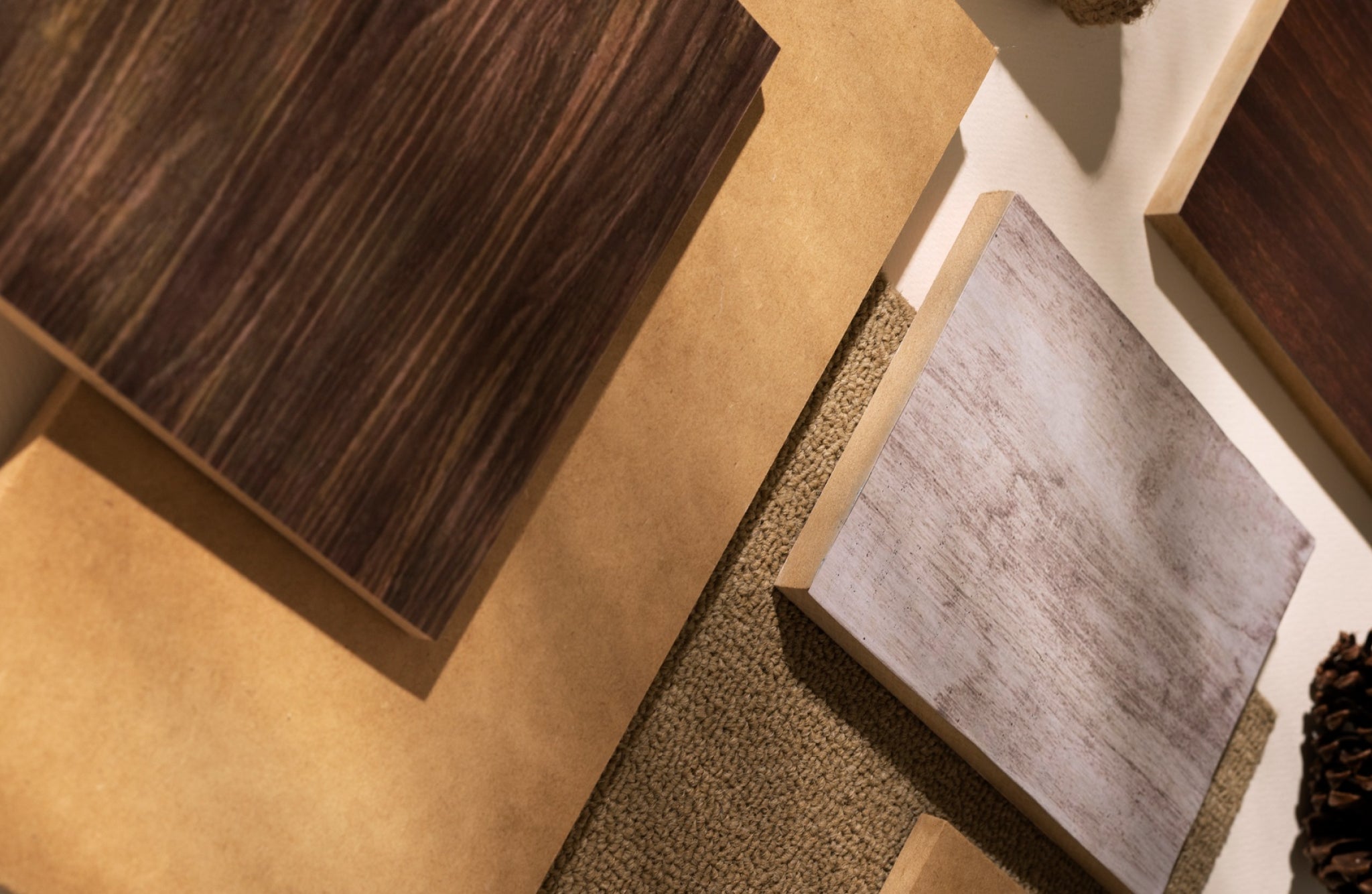
    pine wood

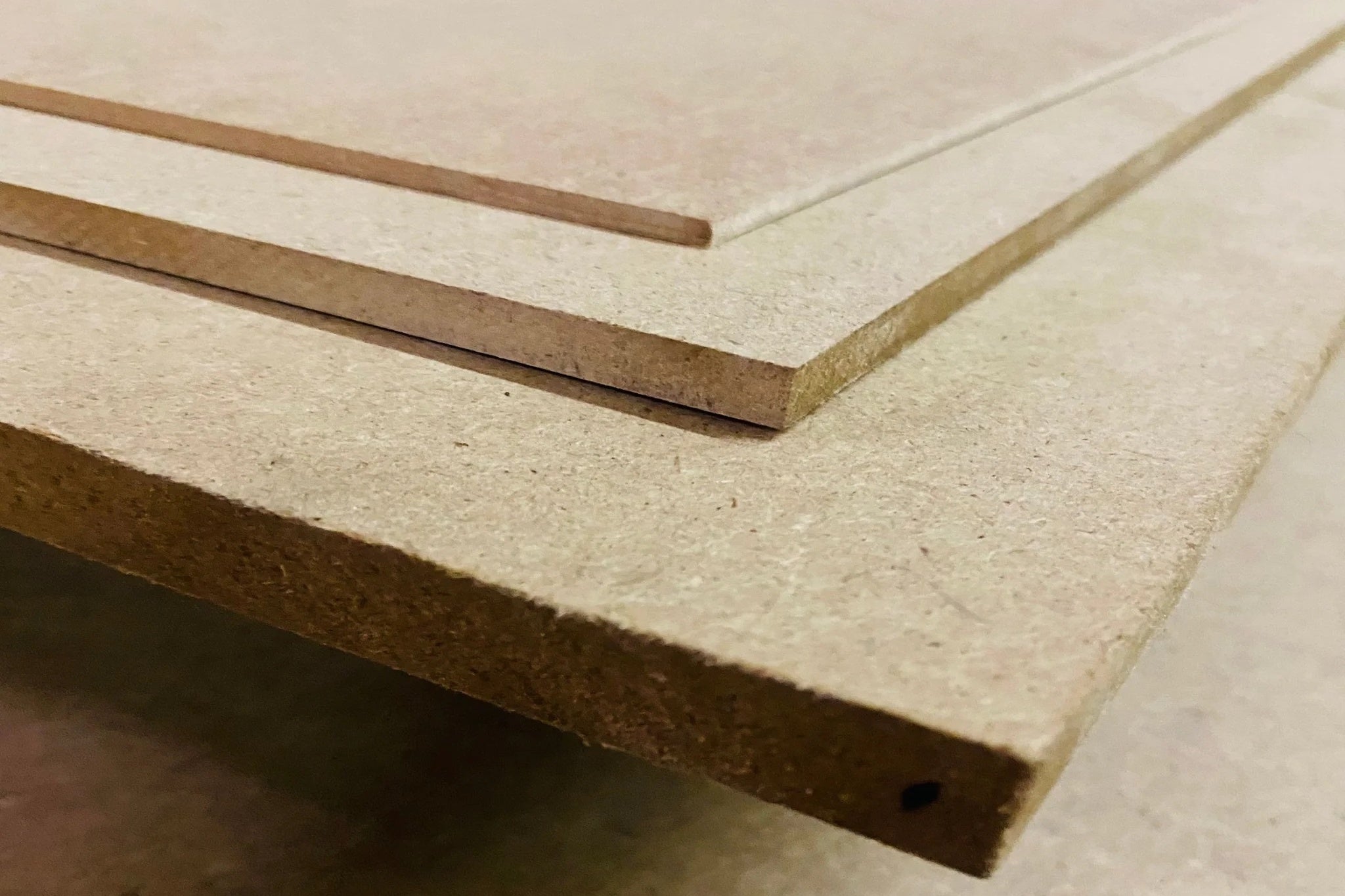
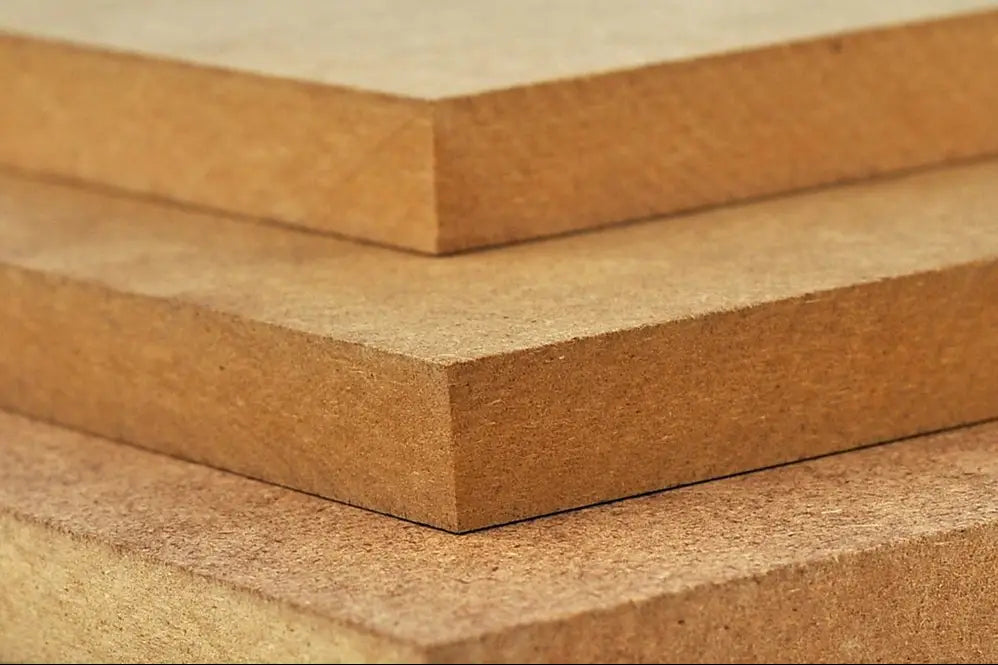
    Medium-Density Fiberboard (MDF) is another popular material for wall paneling. Here’s how it compares to pine wood:

    • Durability: Pine wood is generally more durable and can withstand more wear and tear compared to MDF, which is prone to swelling and damage when exposed to moisture.
    • Aesthetic: Pine wood offers a natural and rustic look with its visible grain and knots. MDF, being a composite material, lacks natural grain but provides a smooth surface for painting.
    • Workability: Both materials are easy to work with, but pine wood’s natural grain can make cutting and shaping more challenging compared to the uniform texture of MDF.
    • Cost: MDF is usually cheaper than pine wood, making it a budget-friendly alternative. However, the natural beauty and durability of pine can justify its higher cost.

    Related to: What is MDF Wood: A Comprehensive Guide in 2026

    Maintaining and Caring for Pine Wood Panels

    Proper maintenance is essential to ensure the longevity and appearance of pine wood panels:

    Cleaning: Regular dusting and occasional cleaning with a damp cloth help maintain the wood’s appearance. For deeper cleaning, use a mild soap solution and a soft cloth, ensuring you do not saturate the wood with water, as excessive moisture can lead to warping or staining.

    Sealing: Applying a sealant or finish can protect pine wood from moisture and stains, preserving its natural beauty. Use a high-quality wood sealant or varnish that provides a protective layer against spills, humidity, and daily wear and tear. Reapply the sealant as recommended, usually every few years, to maintain optimal protection.

    Avoiding Damage: Use protective pads under furniture to prevent dents and scratches caused by movement. Additionally, avoid placing sharp objects directly on the wood surface. Consider using coasters, placemats, and trivets to protect the wood from hot, cold, or wet items that can cause damage or discoloration.

    Additional Tips:

    • Humidity Control: Maintain a consistent indoor humidity level to prevent the wood from expanding or contracting excessively, which can cause cracking or warping.
    • Sunlight Protection: Prolonged exposure to direct sunlight can cause pine wood to fade or discolor. Use curtains or blinds to shield your panels from direct sunlight or apply UV-protective finishes.

    Conclusion

    Pine wood is a versatile, cost-effective, and aesthetically pleasing material that makes an excellent choice for wall paneling. Its unique properties and natural beauty can enhance any space, providing both functionality and style. Whether you prefer a rustic or modern look, pine wood panels offer endless possibilities for customization and design. Explore the benefits of pine wood for your next wall paneling project and transform your home with its warm and inviting charm.

    FAQs: What Is Pine Wood Good For? Perfect Uses in Paneling and Beyond

    Is pine wood good for wall paneling?
    Yes, pine wood is a popular choice for wood wall paneling due to its lightweight nature, affordability, and natural grain. It’s easy to cut, install, and finish, making it ideal for both DIY projects and professional applications. Pine also takes paint and stain well, allowing for a wide range of design styles.

    Is pine wood durable enough for furniture and interiors?
    Pine is considered a softwood, so while it’s durable for everyday indoor use, it’s not as hard or scratch-resistant as hardwoods like oak or walnut. It works best for low to moderate traffic furniture, decorative elements, and wall applications rather than heavy-duty use.

    Can pine wood be used in modern interiors?
    Absolutely. Pine wood fits well in modern interiors, especially when finished in lighter tones or painted for a clean, minimalist look. It’s also commonly used in Scandinavian and rustic-modern designs due to its natural warmth and versatility.

    Does pine wood need to be treated or sealed?
    Yes, sealing pine wood is recommended to protect it from moisture, stains, and wear. Applying paint, stain, or a protective finish helps extend its lifespan and maintain its appearance over time.

    Is pine wood suitable for humid areas like bathrooms?
    Pine can be used in low-humidity areas if properly sealed, but it is not ideal for spaces with constant moisture exposure. For bathrooms or kitchens, it’s better to use moisture-resistant materials or ensure proper ventilation and sealing.

    What are the main advantages of pine wood?
    Pine is affordable, widely available, easy to work with, and visually appealing due to its natural knots and grain patterns. It’s also lightweight, making installation easier compared to heavier hardwoods.

    Does pine wood warp or crack over time?
    Pine can expand, contract, or warp if exposed to changes in humidity and temperature. Proper sealing, installation, and maintaining a stable indoor environment can help minimize these issues.

    Is pine wood eco-friendly?
    Yes, pine is considered a sustainable option because it grows quickly and is widely sourced from managed forests. This makes it an environmentally friendly choice for furniture and interior applications.
  • Enhance Your Interiors: Walnut Wood Wall Panels Comprehensive Guide

    Enhance Your Interiors: Walnut Wood Wall Panels Comprehensive Guide

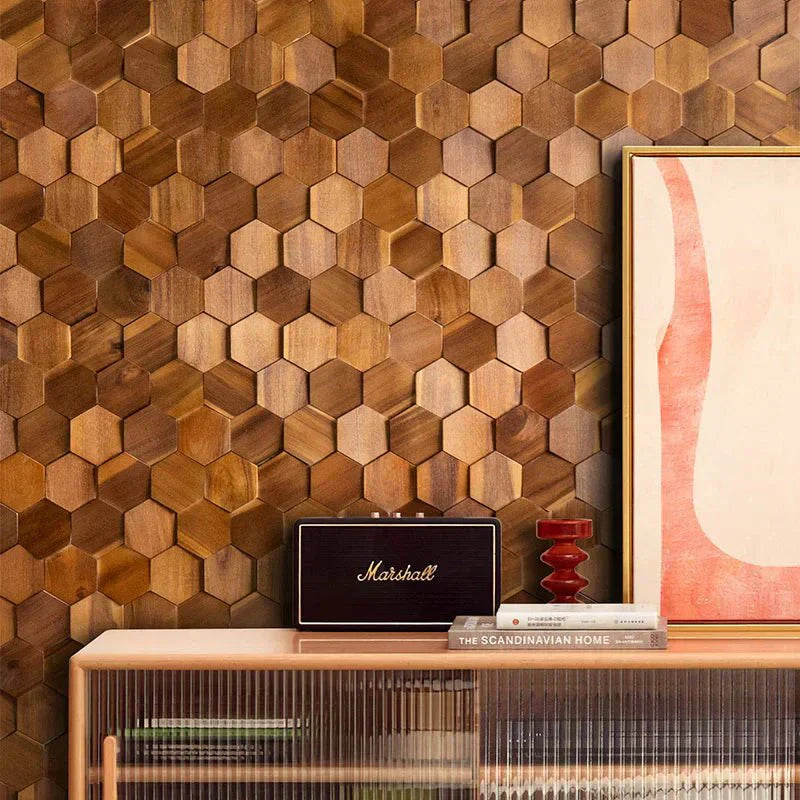
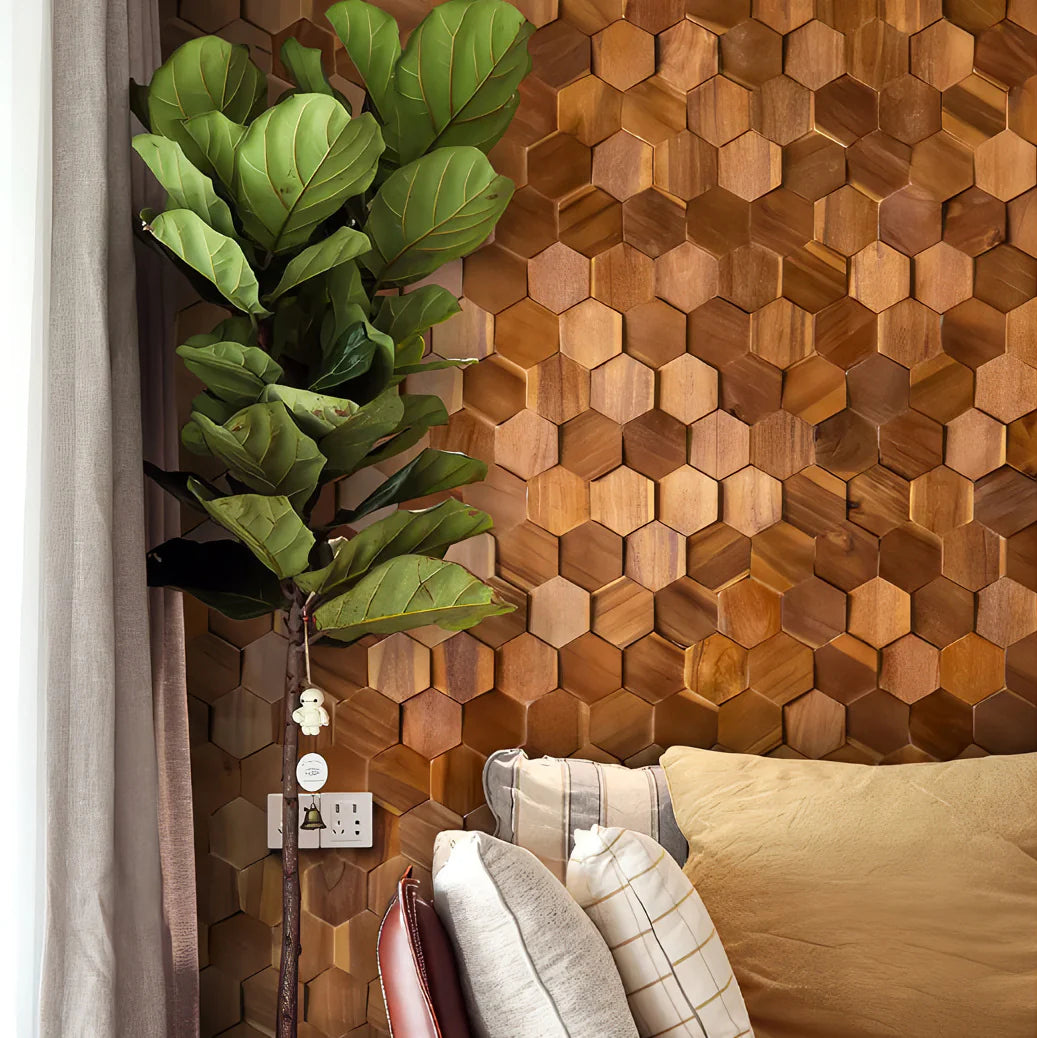
    Can you picture walking into a room that glows with nature’s beauty? Walnut wood wall panels do just that. They’re perfect for lovers of elegant home decor. These panels bring rich, deep browns to your walls, making any room feel more stylish. Choose walnut wood for a design that lasts. The Walnut Hexagon Wall Panel is on sale for $349.00. It offers beauty and quality for your home.

    Table of Contents

    The Timeless Elegance of Walnut Wood Wall Panels

    Walnut Wood Wall Panel

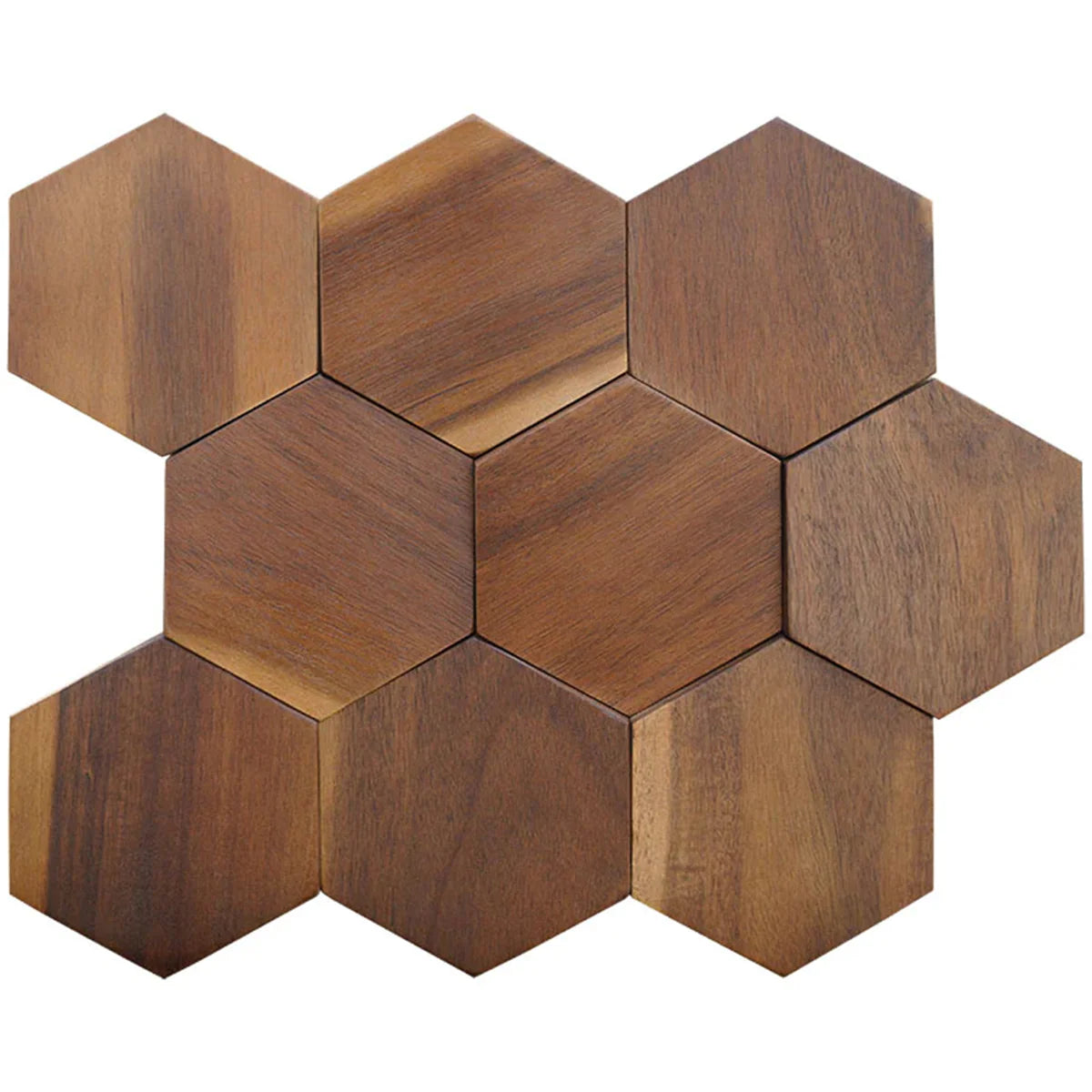
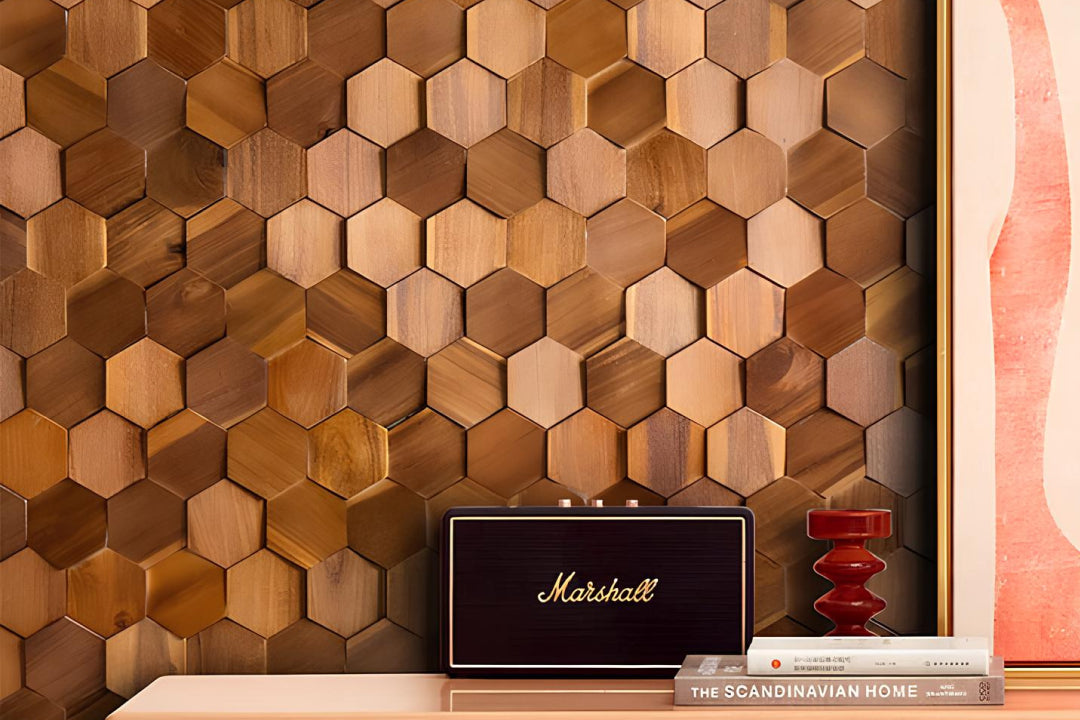
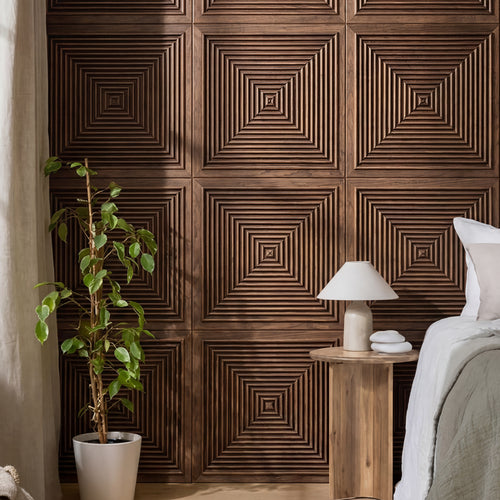
    Imagine changing your home’s look with the natural beauty of walnut wood wall panels. Walnut hexagon wall panels offer an elegant upgrade for your home. Each box comes with 5 carefully made panels. They smoothly blend sophisticated wood details into your walls.

    They now cost $349.00, making them a great deal for upgrading your home’s look. These panels have a seamless design that looks very modern and classic. Plus, they come with free shipping and quick delivery from the US. This makes buying these premium wall panels easy and convenient.

    The walnut surface adds a warm and stylish feel to any room. It’s a great base for all sorts of decor. Whether your style is old-fashioned or modern, the walnut’s deep tones work well with any theme.

    These panels don’t just look good, they’re also easy to install indoors. You can use glue, screws, or timber to put them up. They come ready to use, with a shiny gloss that shows off the wood’s beauty. Even small details like knots and cracks add to their charm.

    Adding these wall panels to your home brings in a touch of luxury. They make your space feel special the moment you walk in. Their walnut design and quality make them a standout feature wherever they’re placed.

    Understanding the Quality of Walnut Wood

    Walnut Wood Wall Panel

    Choosing walnut wood for wall paneling is a smart move. It’s not just about looks. Walnut wood stands out for its strength and the luxurious feel it brings to any room. Designers and architects love using walnut wood because of these reasons.

    Resistant to Insects and Decay

    Walnut wood is naturally tough against insects and decay. So, your wall panels will stay beautiful and strong without big repair jobs. This makes walnut wood perfect for long-lasting walls in any indoor space.

    Naturally Durable and Long-Lasting

    Walnut wood lasts a long time, making it a top choice for interior designs. It can handle daily use and still look grand for years. With careful processing, walnut wood brings elegance and function to homes and offices, thanks to its lasting strength.

    Read More: Hidden Door Ideas: Discover the Magic of Secret Doors

    Why Choose Walnut Wood for Your Wall Panels?

    Walnut Wood Wall Panel

    Thinking of changing your walls? The material you pick can change how your space looks and works. Walnut wood is known for its beautiful rich brown and deep grain pattern. It’s a top pick for wall panels. Let’s see why.

    Rich Brown Hue and Beautiful Grain Pattern

    Walnut wood panels draw you in with their looks. Each piece has a unique grain design full of twists and turns. These features capture the eye and make your room feel deeper. The dark hues of walnut also add warmth to large areas. Plus, the smooth finish brings a touch of natural grace. This fits well with any style, whether classic or modern.

    The Prestige of Hardwood Lumber in Interior Design

    Walnut walls are not just about looks. They add a touch of hardwood’s elegance. Walnut is known for lasting a long time. It’s one of the most respected materials for making rooms look great. Each panel is designed carefully, making it not just a wall but also a work of art. And walnut’s strength and its luxury look make it great for high-end designs.

    Walnut Wood Wall Panel Specifications and Dimensions

    Walnut Wood Wall Panel

    Choosing the perfect wall covering means knowing the precise panel measurements and wall panel specifications. Each walnut wood wall panel size is 12 x 10.2 inch. They vary in thickness, from 0.23 – 0.55 inch. These different sizes fit many design settings, from small nooks to large office walls. Each box has 5 panels, covering about 4.25 sq. ft.

    The walnut wall panels are both beautiful and practical. They have a natural walnut front and a plywood back. This makes them not only pretty but also durable. They resist warping or twisting over time.

    Wood panel area coverage is planned with care. This makes project designing easy and without waste. It helps pros and enthusiasts alike achieve a perfect, tidy finish.

    Walnut wood wall panels make any space feel luxurious and thoughtful. Their wall panel specifications add a touch of elegance. They blend well with nature, creating a calm and connected atmosphere.

    The Seamless Installation Process for Walnut Wood Panels

    Walnut Wood Wall Panel

    Using walnut wood wall panels can really change how your space looks. It’s not hard to do-it-yourself. Even if you’re new to DIY, you can make your space look pro with little work.

    Tools and Materials Needed for Installation

    Starting out with your wood panel project? You’ll want to gather a few basic tools. Don’t forget your tape measure, pencil, and spirit level.

    Also, grab construction adhesive, a drill, screws, and a screwdriver. An electric saw or jigsaw is handy too. Having all your tools ready makes the job easier.

    Step-by-Step Guide for Successful Paneling

    First up, let the walnut wood panels adjust to the room’s conditions. This step is key for the panels to fit well. Make sure your wall is clean, dry, and free of dust.

    Then, use a pencil to mark where the panels will go. For glued panels, put construction adhesive on the back in a zigzag. Place the panels on your marks and press them in place.

    If you need screws, start by fixing battens to the wall. This is important for acoustic panels. Then, drill and attach the panels securely.

    You can install the walnut wood panels in different ways. They can go up and down, side to side, or even at an angle. This lets you get creative with your space. The whole process is designed for easy DIY, making it fun to beautify your home.

    Versatile Applications of Walnut Wood Panels

    Walnut wood panels can transform your space in many ways. They add beauty that fits both classic and modern styles. If you want a standout feature like a statement wall, or need a unique touch for a headboard, walnut is perfect.

    From Walls to Backsplashes and Headboards

    Walnut wood panels let you be creative inside your home. You can use them in many sizes and shapes. They’re great for making a plain wall look interesting or protecting your kitchen walls with style. And using them for headboards adds a cozy and elegant touch to bedrooms.

    These panels are easy to put up, even on different surfaces. They come in many finishes with colors ranging from light yellow to dark brown. This variety makes your walls both nice to look at and touch.

    Walnut is strong and doesn’t need much effort to keep up. It stays beautiful in many kinds of spaces, with the right care. This means you can enjoy walnut’s look and benefits for a long time.

    Explore walnut beyond just walls; try using it in unique ways. It can make your living or working space feel special. Its lasting quality and beauty are hard to beat.

    The Environmental Advantage of Sustainable Forestry in Wall Paneling

    Walnut Wood Wall Panel

    Choosing walnut wood wall panels does more than add beauty to your space. It also backs forests that are cared for with the environment in mind. These panels come from forests that focus on being eco-friendly. The goal is to make sure wood is produced in a way that helps, not harms, the environment.

    The idea of sustainable wood isn’t just about planting more trees. It’s a whole system of care for the forests. This involves cutting down trees with care and always planting more. By picking these materials, you’re helping keep nature diverse and the world healthy.

    Today, makers of wood products are avoiding harmful substances. This makes wood panels a great choice for inside your home or office. It also supports the worldwide move towards safer, eco-friendly products. Companies such as Rulon International lead this change by focusing on sustainability in everything they do.

    Using sustainable wood in your wall paneling is about more than just doing what’s right for the planet. It’s also about creating spaces that are beautiful and reflect your style. These panels can be customized in many ways, from classic to modern looks. This means you can have a space that’s not only beautiful but also truly your own.

    It feels good to know that picking walnut wood wall panels can make a difference. They make your space look great while supporting eco efforts. By choosing these materials, you’re pushing the design world to keep getting better at being green.

    Samples and Previews: Testing the Walnut Wood Aesthetic in Your Space

    Walnut Wood Wall Panel

    Starting an interior design or renovation project needs careful thought and understanding. Consider using walnut wood wall panels? It’s key to get wood panel samples first. This lets you see how they fit your home and what different finishes offer. It helps you make choices that are smart and sure.

    Today, people want spaces that reflect who they are. So, trying out different wood finishes is more than a step; it’s crucial. These trial wood finishes let you feel and see the texture and colors. They help a lot in making hard design decisions. Whether you want a warm, welcoming feel or a cool, modern look, this experience shapes your space’s mood and style.

    Putting these samples in various light makes a big difference. It shows how your walnut wood panels will actually look in your home. This step is important not only for the look but also for practical reasons. Like, making sure everything matches your current decor and furniture.

    Choosing walnut wood wall panels is a big part of designing a unique space. By working directly with wood samples, you make sure the material matches your goals. It lets you push on with your project with confidence and flair.

    Enhancing Your Design with the Right Wood Finishes

    Choosing walnut wood wall panels is a key step towards making your home look great. To bring out the best in wood’s color and feel, you need the right finish. This finish can make walnut wood stand out, making your rooms beautiful. It also helps protect your wood, making it last longer.

    Selecting the Best Wood Stains and Finishes for Walnut Panels

    To get the perfect wood finish, you need high-quality products that work well with walnut. These kinds of wood need special stains and finishes. They make the colors better and keep the wood safe from damage. With the right skills, you can pick a finish that makes the walnut’s dark colors shine while protecting them.

    Look for finishes that soak in well and seal effectively. They keep your walnut looking good and prevent damage. Choosing a finish that balances moisture and scratch protection with the wood’s natural beauty is key. This way, your wood panels will stay luxurious and stylish at home.

    The correct finish keeps your wood strong and looking its best. So, your walnut panels will remain vivid and appealing for years to come. No matter if it’s a living room or a study, the finish matters a lot. Spend time to select a finish that matches your style and space’s needs. You will then watch your walnut wood wall panels change your space for the better.

    Creating Statements with Wood Veneer Variations

    Enhancing your home’s look means picking the right materials. Wood veneer choices let you design spaces that show who you are. With many unique wood grains to pick from, you can create any mood in your rooms.

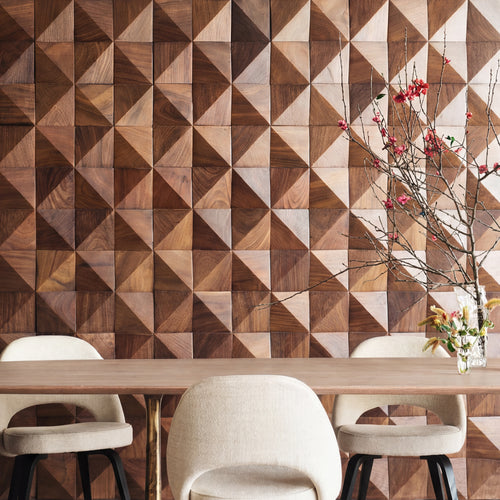
    Think about how signature wall accents can change a room. For example, wood panels with eye-catching designs, like walnut squares, or special grain changes, bring a unique beauty. They also add a special touch you can feel. This makes your space not just look good but feel like it’s truly yours.

    Old-style design usually focuses on matching items. But now, mixing things up is cool. A wall covered in walnut, for example, can bring a timeless appeal combined with a modern look. Adding the right furniture and colors can make your room both elegant and welcoming.

    Wood veneer panels do more than just look good on your walls. They fit any space because they come in many sizes and can be customized. You can even install them as a quick weekend DIY project. Also, some wood veneers are waterproof, so you can use them in wet places like bathrooms. This makes them more useful and attractive.

    Picking the right wood veneer variations is an investment. It makes your home look and feel more luxurious and cozy every day. Choose unique wood grains that match your style. This way, you’ll create rooms that truly reflect who you are.

    Read More: 5 Best Modern PVC Wall Panel Design for Bedroom in 2024

    Incorporate Fine Woodworking and Craftsmanship into Your Decor

    Walnut Wood Wall Panel

    Adding custom wood features can make your space stand out. It shows a unique style and values artisan skills. By adding wood carvings and turnings to your decor, you invest in beauty, quality, and originality.

    The Art of Woodturning and Carving for Custom Wall Art

    Woodturning and carving are ancient methods that turn plain wood into beautiful art. You can use them, especially with walnut wood, to make your walls more attractive. Picture a walnut panel with intricate designs, making your living room or study special. This kind of art isn’t just decoration. It’s an art piece that adds life to your space.

    Every wood piece is special. It could be the smooth curves of wood sculpture or the detailed carvings, they turn any space into a work of art.

    Think of a big walnut panel beautifully carved on a wall. It’s not just there to look good. It’s the main focus, changing how you see the whole room. These types of features impress everyone and show the hard work behind their creation.

    Adding custom wood to your decor shows your love for elegant interiors. Each piece tells a story of the artist’s love for wood. It’s a story told through the craftsmanship put into every detail.

    In the end, adding such unique wood pieces to your space does more than just beautify. It also helps keep the traditions of wood art alive. This shows how these ancient skills are still relevant today.

    An Investment in Durability: Walnut Wood’s Resistance to Moisture and Wear

    Choosing walnut wood wall panels means a lot. You’re picking hardwood flooring endurance and wood panel longevity. Walnut wood is known for lasting a long time and looking great doing so. It fits well with many interior styles. Its hardiness shows it’s a top choice for long-term use. It also fights off moisture, important for places with changing humidity.

    Walnut wood rocks a Janka hardness of about 1,010 pounds-force. This means it resists dents and scratches, perfect for busy spots. Its bending strength is top-notch too. This is great for areas that might get wet. With walnut’s high density, it can take a lot of pressure without breaking.

    Think about how sustainable walnut wood can be. If it comes from responsible sources, it’s good for the planet and local towns. This fits the trend of using materials that look good and do no harm.

    Also, walnut wood lasts a long time, reducing the need to replace it often. This means less waste and more chances to reuse and recycle. Whether at home or at work, walnut wood wall panels bring timeless beauty and stay strong for years.

    Tips on Maintaining the Luxury Look of Your Walnut Wood Panels

    Walnut Wood Wall Panel

    Want to keep your walnut wood panels looking great? It’s easy with some good maintenance tips and wood care. Taking care of them keeps your home or office looking stylish and valuable. Know how to clean and fix your panels to make them last longer, no matter where they are.

    Regular Cleaning and Care Routines

    Keeping your walnut wood panels clean is important. Start by dusting them weekly with a soft cloth. This stops dust from building up and harming the wood. Use a gentle cleaning solution to wipe them for a deeper clean. Always dry them immediately to avoid water damage. By following this, the panels will keep their shiny look.

    Dealing with Damages: Easy Fixes and Repairs

    Sometimes, your panels might get scratched or dinged. But, you can fix this. Use special wood markers or wax for light scratches. For bigger issues, like cracks, get a professional. They can make your panels look new again with the right repair work.

    Doing these steps regularly ensures your walnut panels stay beautiful. By caring for and quickly fixing any damage, you make sure your investment lasts a long time. A well-kept walnut wood panel is a symbol of quality and beauty in your space.

    Keep Exploring: Wood Species & Veneer

    FAQs: Walnut Wood Wall Panels Comprehensive Guide

    Are walnut wood wall panels a good choice for modern interiors?
    Yes, walnut wood wall panels are highly favored in modern interiors for their rich tone, natural grain, and timeless appeal. They add warmth and depth to a space while maintaining a clean, sophisticated look that works well in both contemporary and classic designs.

    Are walnut wall panels expensive?
    Walnut is considered a premium material, so solid walnut panels tend to be more expensive than other wood types. However, walnut veneer panels offer a more affordable alternative while still delivering the same elegant appearance and consistent finish.

    Do walnut wall panels make a room look darker?
    Walnut has a naturally darker tone, which can make a space feel more intimate. To balance this, it’s best to pair walnut panels with lighter walls, flooring, or furniture, and ensure proper lighting to keep the room feeling open and inviting.

    Can walnut wood wall panels be used in small spaces?
    Yes, when used thoughtfully. Installing walnut panels on a single feature wall or using vertical slat designs can add depth without overwhelming the room. Combining them with lighter elements helps maintain a balanced look.

    Are walnut wall panels durable?
    Yes, walnut is a durable hardwood that performs well in interior applications. When used as veneer over a stable core like MDF, walnut panels offer both strength and resistance to warping, making them suitable for long-term use.
    Can walnut panels be used for ceilings?
    Yes, walnut wood panels can be installed on ceilings to create a warm, cohesive look. They are often used in living rooms or offices to add architectural interest and enhance the overall design.

    Do walnut wall panels require a lot of maintenance?
    No, maintenance is relatively simple. Regular dusting and occasional cleaning with a dry or slightly damp cloth are usually sufficient. Avoid excessive moisture and harsh chemicals to preserve the finish.

    Conclusion

    Our look at walnut wood wall panels has revealed something special. These items aren’t just additions. They’re key choices that boost how a room looks. The charm of walnut brings a sense of class and style. It’s what many homeowners and designers dream of.

    Walnut wood wall panels make any room look richer. They mix well with various styles. This type of wood is strong and adapts easily. That’s why people love using it in homes and businesses.

    The making of these panels also helps the planet. They’re crafted with care for the environment in mind. Choosing walnut panels adds beauty to your space and supports a green tomorrow. So, these panels are a smart pick for creating a cozy, stylish space that stays beautiful for a long time.

    Read More: 3 Best Kitchen Wall Panels Idea: Sleek, Stylish, and Durable in 2024

    FAQs

    What makes walnut wood wall panels a good choice for interior design?

    Walnut wood wall panels bring sophistication to any room. Their deep brown color and unique patterns make your space elegant.

    How do walnut wood panels contribute to a luxurious home upgrade?

    Walnut wood adds a luxurious feel. It makes a room look rich and elegant, bringing timeless sophistication.

    What are the benefits of the hardwood lumber used in walnut wood panels?

    Walnut wood is naturally tough against bugs and rot. This means your panels will stay beautiful and strong for years.

    Why is walnut wood considered prestigious in interior materials?

    Walnut is valued for its beauty and strength. It’s known for making spaces feel elegant and luxurious.

    Can I install walnut wood wall panels myself?

    Yes, installing walnut panels is easy. They use an interlocking design. You need glue, nails, and you can find helpful videos and guides online.

  • 2026 Wood Paneling Makeover Ideas: Photos, Inspiration, and Tips

    2026 Wood Paneling Makeover Ideas: Photos, Inspiration, and Tips

    Are you looking for a way to refresh your home decor? Tired of your home’s outdated wood paneling? This year, wood paneling is making a stylish comeback by blending the charm of traditional designs with modern aesthetics. Wood paneling makeover is the key to achieving a cozy and sophisticated ambiance in any room. 

    In this article, we’ll guide you through the latest wood paneling makeover ideas, providing you with photos for inspiration and expert tips for flawless execution. We’ll cover everything from selecting the right type of wood and finish to installation techniques and creative design ideas. Get ready to be inspired and discover how wood paneling can elevate your home decor in 2024.

    Related to: Wood Paneling Makeover Ideas: Easy DIY for a Modern Look

    Benefits of Wood Paneling Makeover 

    Incorporating wood paneling into your home can significantly enhance both its visual appeal and functionality. This choice aligns well with your preference for quality and understated elegance, providing a blend of aesthetic charm and practical benefits that can transform any space into a sophisticated, inviting environment. Here are some key advantages of doing wood paneling makeover:

    Aesthetic Appeal

    Wood paneling enhances a room’s warmth and texture, creating a cozy and inviting atmosphere. Its versatility allows it to complement various interior design styles, from rustic to modern. High-quality wood paneling adds a touch of sophistication and timeless elegance to any space.

    Practical Benefits

    Wood paneling provides additional insulation, helping maintain comfortable temperatures and reducing energy costs. Its durability ensures it can withstand wear and tear, offering a long-lasting solution for walls and ceilings. Additionally, the density of wood helps absorb sound, contributing to a quieter environment.

    AlignPro Walnut Wood

    20 reviews
    $90

    American Oak Slat Wood

    18 reviews
    $225 $249

    American Walnut

    20 reviews
    $409

    Crossinglines Mosaic Wood

    32 reviews
    $199 $299

    Feline 3D PVC

    20 reviews
    $109

    Flower 3D PVC

    13 reviews
    $219

    Hexagon Walnut Solid Wood

    13 reviews
    $349 $399

    Rectangular 3D PVC

    16 reviews
    $219

    Triangle Mosaic Wood

    11 reviews
    $369

    Waves 3D PVC

    15 reviews
    $219

    Health and Sustainability

    As a natural renewable resource, wood is an environmentally friendly choice, especially when sourced responsibly. Unlike synthetic materials, wood does not emit harmful chemicals, leading to better indoor air quality. Incorporating natural elements like wood can also promote well-being and reduce stress through biophilic design.

    Easy Maintenance and Customization

    Wood paneling is relatively easy to clean and maintain with regular dusting and occasional polishing. It can be stained, painted, or treated to achieve various colors and finishes, allowing for customization to match personal preferences and decor themes.

    You might also like: Best Wood Trim Accent Walls Ideas in 2024

    Wood paneling has always been popular for adding warmth and elegance to homes. In 2024, wood paneling makeover are focusing on blending traditional charm with modern style. Homeowners and designers are finding fresh ways to use wood paneling to create unique and inviting spaces. We will highlight the latest trends in wood paneling makeover ideas and show how they can refresh interiors with a mix of classic and contemporary looks:

    Natural and Rustic

    wood panel makeover ideas

    Natural wood paneling with visible grain and knots brings a rustic charm to any space. This style is perfect for creating a cozy and inviting atmosphere in both living rooms and bedrooms. The raw and organic look of the wood adds warmth and character, making it an ideal choice for those who appreciate a more homey feel.

    Painted and Colorful

    wood panel makeover ideas

    Bold colors are trending in 2024, with painted wood paneling in vibrant hues making a striking statement. For a modern twist, try deep blues, greens, or even soft pastels. Proper preparation and priming are essential to achieve a smooth, professional finish. This approach works well for accent walls or to add a pop of color to a more neutral space.

    Geometric Patterns

    wood panel makeover ideas

    Geometric designs are hot this year. Whether it’s chevron, herringbone, or other intricate patterns, geometric wood paneling adds a contemporary edge to any room. These designs can be created using different wood tones or painted sections, providing a dynamic and visually appealing look. Geometric paneling is a great way to add texture and interest to walls, making it a popular choice for modern and eclectic interiors.

    Shiplap and Tongue-and-Groove

    wood panel makeover ideas

    Shiplap and tongue-and-groove wood panels are versatile options that fit both traditional and modern spaces. Shiplap is great for a clean uniform look, while tongue and groove panels add depth and interest. The seamless interlocking design of these panels ensures durability and ease of installation, making them a practical and stylish choice for various applications.

    Room-by-Room Wood Paneling Makeover Ideas

    Transforming your home with wood paneling can create a warm and inviting atmosphere. By choosing the right wood, stain, and style for each room, you can enhance both the look and functionality of your space. Let’s explore room-by-room wood paneling makeover ideas to help you craft a home that reflects your personal taste:

    Living Room Wood Paneling

    wood panel makeover ideas

    The living room is the heart of your home, and wood paneling can elevate its style. Consider full wall paneling in rich tones like walnut or cherry for a luxurious feel. If full paneling seems too intense, an accent wall behind the sofa or TV can add just the right touch of elegance. For a rustic yet sophisticated look, exposed wooden beams on the ceiling are a great choice.

    Bedroom Wood Paneling

    wood panel makeover ideas

    Transform your bedroom into a cozy retreat with wood paneling. Panel the wall behind the bed to create a dramatic headboard effect. Darker woods can add a sense of intimacy and comfort. Update closet doors with sleek modern wood paneling for a stylish look. For rooms with high ceilings, a wood-paneled ceiling adds warmth and sophistication.

    Kitchen Wood Paneling

    wood panel makeover ideas

    Wood paneling can be both functional and beautiful accent for your kitchen by using it as a backsplash to create a warm and inviting ambiance. When using wood panel in your kitchen, ensure the wood is treated for moisture resistance to maintain its beauty over time. For another idea, cladding your kitchen island in wood paneling can also make it a stunning focal point.

    Bathroom Paneling

    wood panel makeover ideas

    Wood paneling in the bathroom adds a touch of natural elegance. Half-wall paneling with wood on the lower half of the walls, paired with tile or paint above, is a classic choice. Make sure the wood is treated for moisture resistance. Incorporating wood paneling on the vanity adds a luxurious feel, while a wood-paneled accent wall can bring warmth to the space.

    Home Office

    wood panel makeover ideas

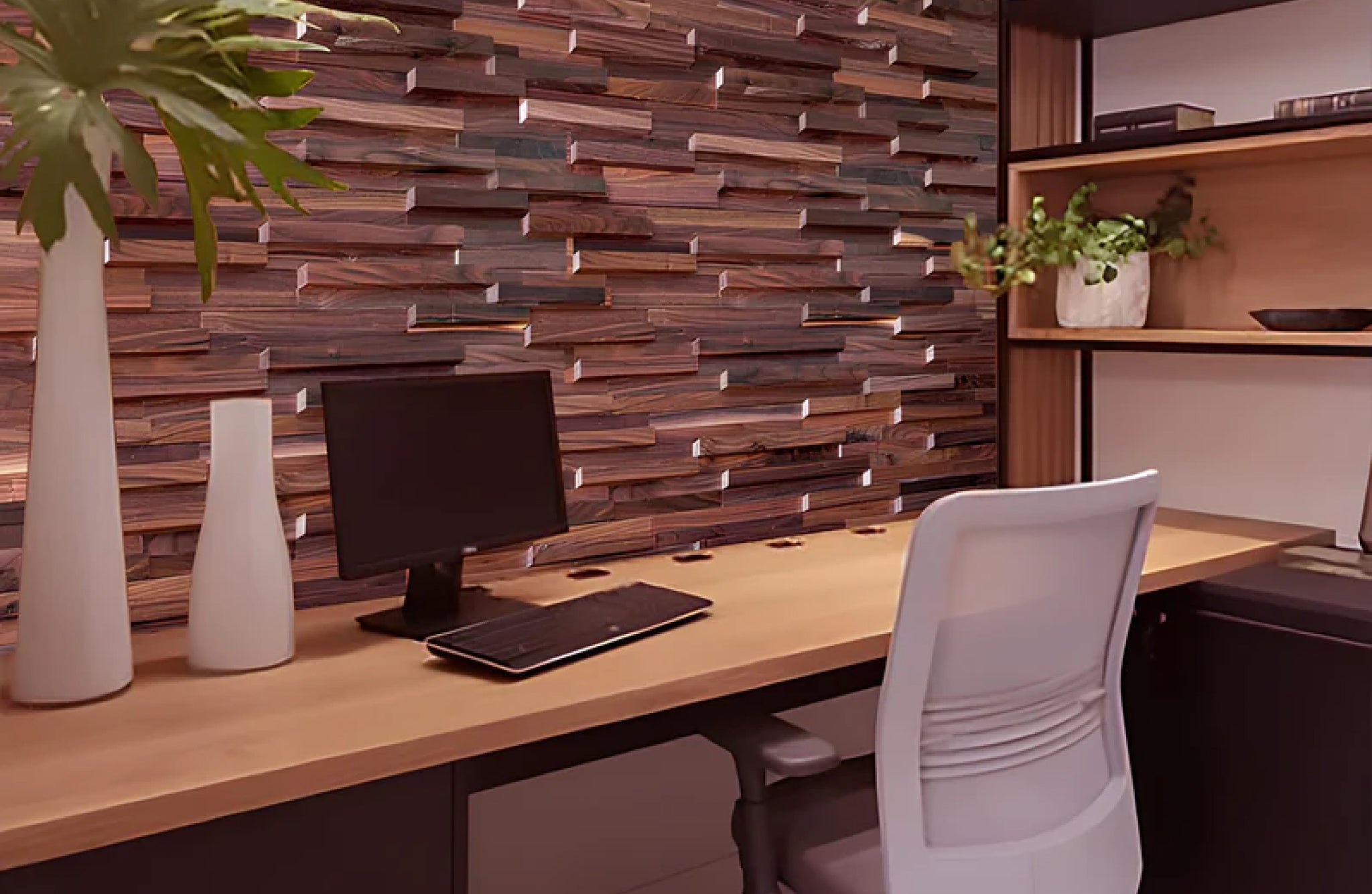
    Create a productive and stylish workspace with wood paneling in your home office. For a traditional look, consider full wall paneling in a deep wood tone. Integrate wood-paneled bookshelves for a cohesive design. Paneling the wall behind your desk can create a focal point and add a touch of sophistication.

    Practical Tips for Wood Paneling Makeovers

    Before getting into the tips for wood paneling makeovers, it’s important to know how this classic decor can transform your space. Often seen as outdated, wood paneling can be refreshed with a few creative changes. Let’s explore how to update your wood paneling easily and stylishly.

    • Preparation: Before starting your wood paneling makeover, thorough preparation is key. Begin by cleaning the walls to remove any dust, dirt, or grease. Measure the area accurately to determine the amount of paneling needed, and gather all necessary tools and materials to streamline the installation process.
    • Installation: Installing wood paneling requires precision and patience. Start by laying out your panels to ensure they fit together correctly, then apply adhesive to the back of each panel or use nails for a more secure fit. Begin installation from the bottom up, checking that each panel is level before securing it in place. 
    • Finishing Touches: Once the panels are installed, add finishing touches to enhance the overall appearance. Fill in any gaps or nail holes with wood filler, then sand these areas smooth.
    • Sustainable and Eco-Friendly Options: Choosing for sustainable and eco-friendly materials can make your wood paneling makeover both beautiful and environmentally conscious. Choose reclaimed wood or panels made from sustainably sourced timber to reduce your environmental impact. 

    Conclusion

    To wrap up, wood paneling is a versatile and timeless choice for any home makeover in 2024. These makeover ideas provide a wealth of options to suit every style and budget. Whether you choose a rustic reclaimed look or a sleek modern finish, the right paneling can elevate any room. Don’t be afraid to mix textures, colors, and patterns to create a unique statement. With these tips and inspirations, you’re well on your way to achieving a stunning makeover. 

    Use these ideas as a starting point to explore your creativity and personalize your home. Here’s to a stylish and sophisticated new year with wood paneling makeover!

  • How to Install WPC Wall Panels Like a Pro

    How to Install WPC Wall Panels Like a Pro

    WPC wall panels have taken the interior design world by storm. These versatile panels, crafted from wood-plastic composite (where it gets its name from), offer the warmth and beauty of wood with the weather resistance and easy maintenance of plastic. But the true magic lies in their ease of installation, making them a perfect DIY project for anyone who wants to elevate their space.

    So, are you ready to unleash your inner interior designer and transform your walls with WPC panels? This comprehensive guide equips you with all the knowledge and steps to achieve a flawless installation.

    Gather Your Tools and Supplies: Essential for WPC Wall Panel Installation

    how to install wpc wall panel

    Before diving headfirst, ensure you have all the necessary tools and supplies:

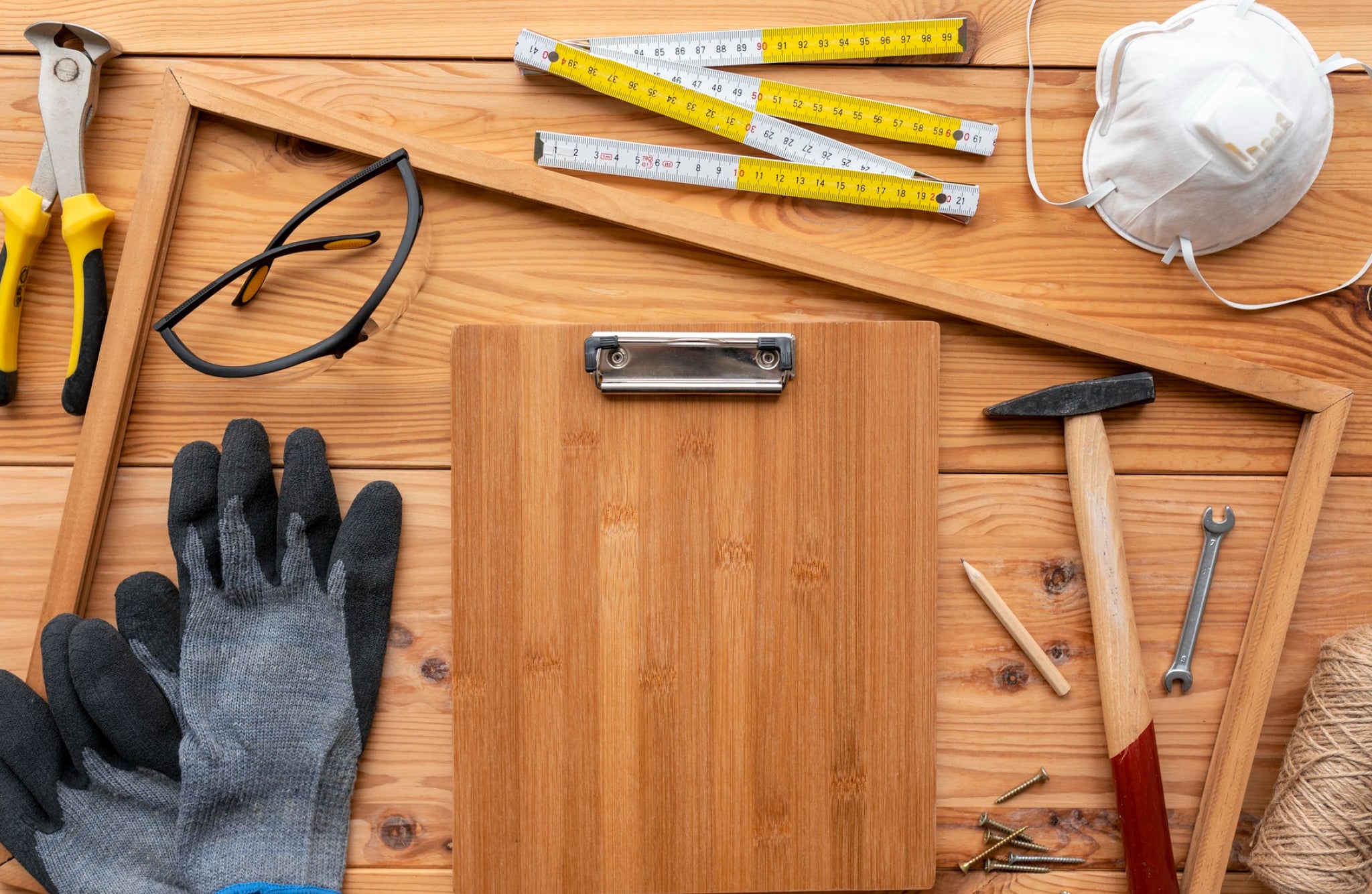
    • Safety gear: Safety glasses, dust mask, and gloves are crucial to protect yourself during cutting and installation.
    • Measuring tools: Tape measure, level, and pencil for accurate measurements and marking.
    • Cutting tools: Mitre saw or circular saw for precise panel cutting.
    • Power drill: For drilling pilot holes and attaching the panels to the wall.
    • Installation materials: Construction adhesive, nails or screws (depending on your chosen installation method), and metal trims (optional) for a clean finish.
    • WPC wall panels: Of course, the stars of the show! Ensure you have enough panels to cover your desired wall space.

    Read more: Mastering the Process: How to Install Shower Wall Panels Like a Pro

    Preparing Your Walls for WPC Panel Installation

    Proper wall preparation is key for a smooth and successful installation:

    1. Clear the Canvas: Remove any existing wall coverings like wallpaper or paint. Ensure the wall surface is clean, dry, and free of dust, dirt, or debris.
    2. Inspect and Address Issues: Look for any cracks, holes, or uneven surfaces. Patch these imperfections using appropriate fillers or sanding to create a flat and even surface.

    WPC Wall Panel Installation: Step-by-Step Guide

    how to install wpc wall panel

    Now comes the fun part – installing your WPC wall panels!

    1. Measure and Mark: Carefully measure your wall and mark the starting point for your first panel. Use a level to ensure everything is straight.
    2. Installing the Corner Trim: Begin by installing corner trim pieces on the wall edges using adhesive and screws. Ensure the trim is plumb and level, providing a straight reference for the panels.
    3. Cutting the Panels: Following your measurements, use your saw to cut the WPC panels to the desired size. Remember to factor in any necessary trims or gaps between panels.
    4. Apply Adhesive: Spread a consistent layer of construction adhesive on the back of the first panel, following the manufacturer’s recommendations.
    5. Attaching the Panels: Carefully position the panel on the marked spot on your wall and press firmly. Use a level to ensure it’s straight. Secure the panel with nails or screws (depending on your chosen method) through the designated holes.
    6. Repeat and Connect: Continue attaching the WPC panels one by one, ensuring each panel connects seamlessly with the previous one. Utilize spacers or wedges for consistent gaps between panels if desired.
    7. Trimming Touches (Optional): For a polished finish, you can add metal trims along the edges or corners of your WPC wall panel installation.

    Read more: 5 Best Wooden Panel Wall Decor Choices for a Natural Look

    Common Mistakes to Avoid When Installing WPC Wall Panels

    Installing WPC wall panels can transform your space, but like any DIY project, there are common pitfalls that can complicate the process or impact the final result. Here are some key mistakes to avoid to ensure a smooth and successful installation:

    Inaccurate Measurements:

    Failing to measure the installation area accurately can lead to panels that don’t fit properly, resulting in gaps or misalignment. Solution: Always double-check your measurements before cutting any panels. Use a measuring tape and level to ensure precise dimensions. Plan the layout carefully, considering any obstacles like windows or electrical outlets.

    Poor Surface Preparation:

    Installing panels on a dirty or uneven surface can prevent proper adhesion and result in a subpar finish. Solution: Clean the wall thoroughly to remove dust, grime, and old paint or wallpaper. Repair any cracks or holes with filler and sand the surface smooth. This ensures that the panels adhere well and look professional.

    Incorrect Adhesive Application:

    Using the wrong type of adhesive or applying it unevenly can cause panels to loosen over time. Solution: Choose an adhesive specifically designed for WPC panels. Apply it evenly on the back of each panel, covering the entire surface to ensure a strong bond. Follow the manufacturer’s recommendations for best results.

    Skipping Expansion Gaps:

    Not leaving enough space for panel expansion can cause warping or buckling as the material expands and contracts with temperature changes. Solution: Leave a small gap at the top and bottom of each panel to allow for natural expansion. This prevents warping and ensures the panels remain securely in place over time.

    Ignoring Level and Alignment:

    Installing panels without checking for level and alignment can lead to a crooked or uneven appearance. Use a level to ensure each panel is plumb before securing it. Solution: Continuously check alignment as you work across the wall. This attention to detail will result in a clean, professional look

    Read more: 5 PVC Wall Panelling Solutions for Easy Installation

    Maintenance and Care

    To ensure the longevity of your WPC wall panels, regular maintenance is essential. Clean the panels periodically with a mild soap solution and a soft cloth. Avoid abrasive cleaners and harsh chemicals. Regularly inspect for any signs of damage and replace panels as needed.

    Congratulations! You’ve Installed Your WPC Wall Panels

    Take a moment to admire your handiwork! You’ve transformed your space with beautiful and durable WPC wall panels. Now, sit back, relax, and enjoy the revamped ambiance of your room.

    Pro Tip: Consult the specific installation instructions provided by your WPC wall panel manufacturer. These might include slight variations to ensure optimal results with their particular product.

    With careful planning and this handy guide, installing WPC wall panels is an achievable and rewarding DIY project. So, unleash your creativity, grab your tools, and get ready to elevate your home with the magic of WPC wall panels!

  • What is MDF Wood: A Comprehensive Guide in 2026

    What is MDF Wood: A Comprehensive Guide in 2026

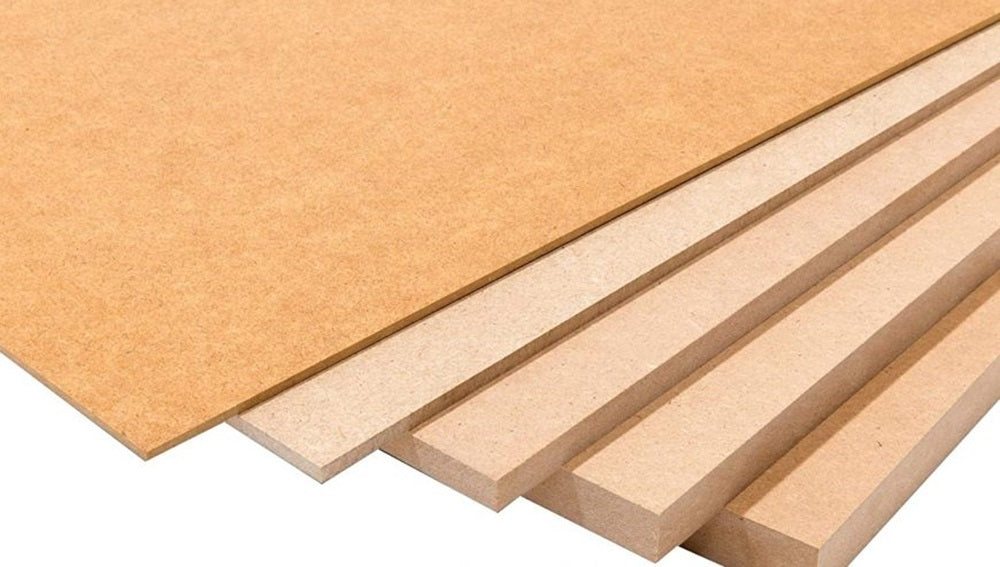
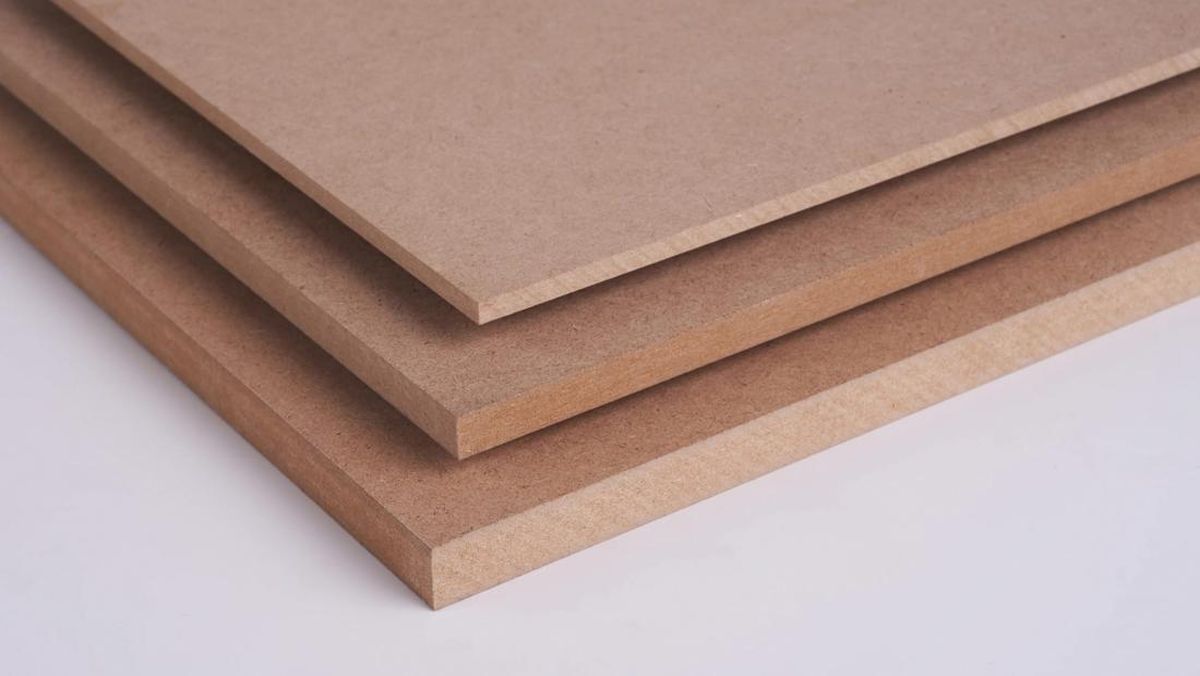
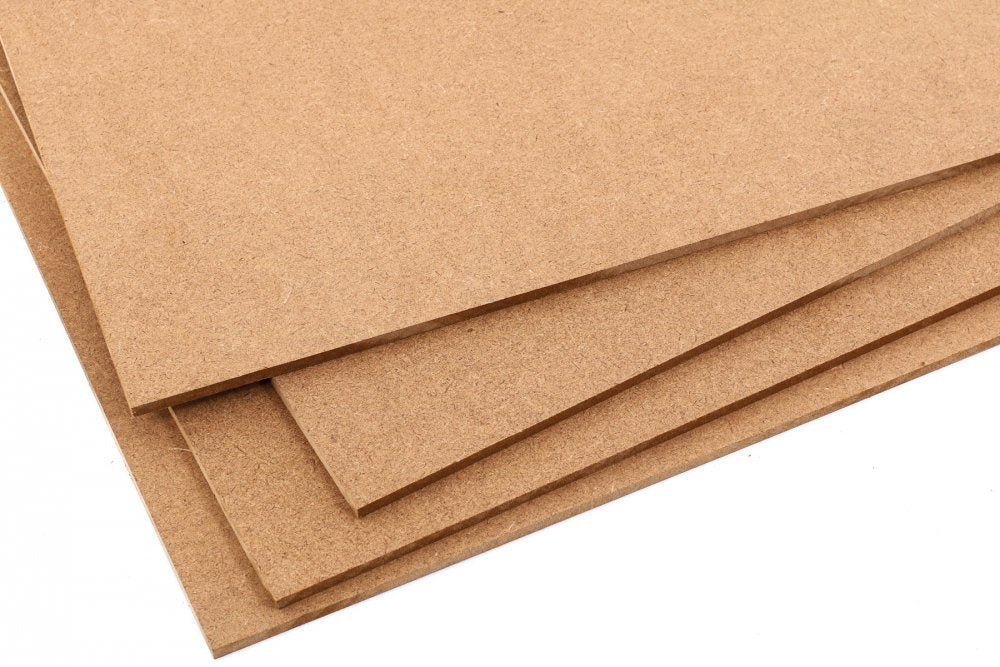
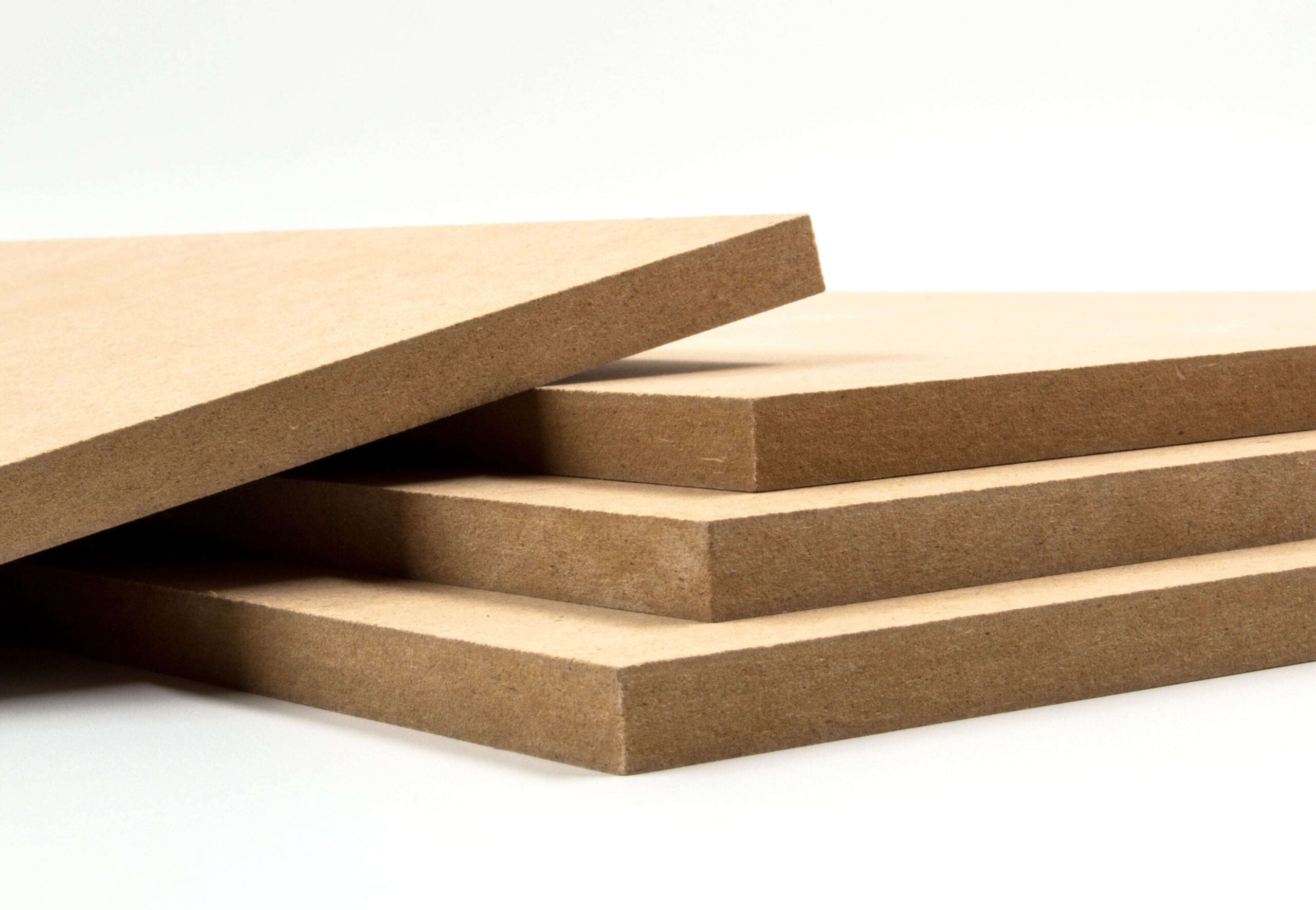
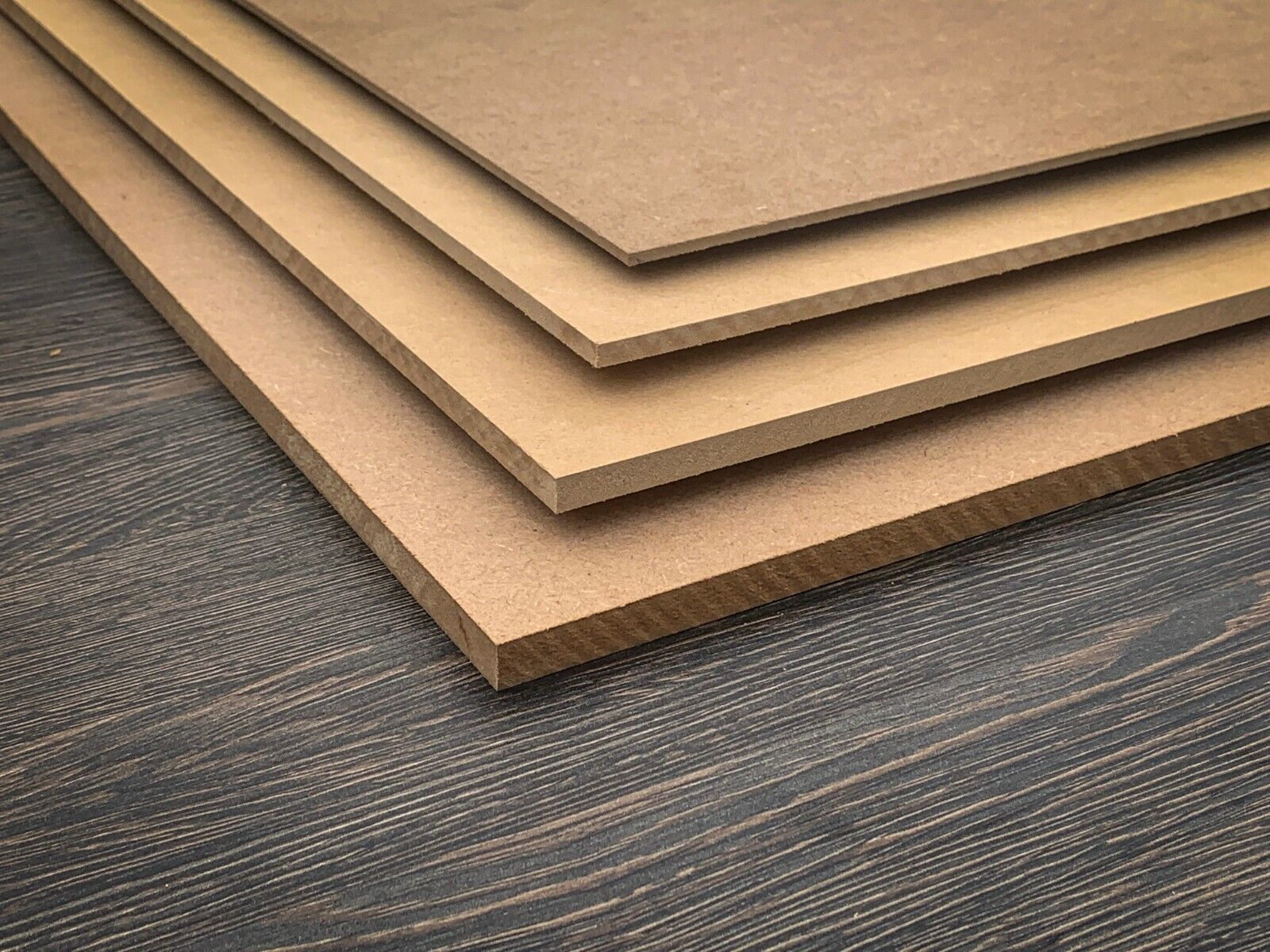
    Medium Density Fiberboard (MDF) is an engineered wood product that has gained widespread popularity in the construction and manufacturing industries due to its versatility and affordability. Comprising wood fibers mixed with resin and wax, MDF offers a range of benefits that make it an appealing alternative to traditional wood.

    This guide delves into the details of MDF, explaining its composition, benefits, and how it stacks up against other materials like plywood and natural wood. Whether you’re a seasoned carpenter, a DIY enthusiast, or someone curious about material options for home projects, understanding the properties and uses of MDF is essential.

    MDF is particularly valued for its uniform density and smoothness, which facilitate precision in detailed craftsmanship such as cabinetry and decorative moldings. Its ability to be easily painted or finished to mimic various textures and appearances also adds to its utility in design and decor.

    As we explore the ins and outs of MDF, we’ll uncover not only its advantages but also the considerations to keep in mind when choosing it for specific applications.

    MDF Meaning

    What is MDF Wood

    MDF stands for Medium Density Fiberboard, a popular type of engineered wood product. It is made by breaking down hardwood or softwood residuals into wood fibers, which are then combined with wax and a resin binder under high temperature and pressure.

    MDF is known for its uniformity, smoothness, and structural integrity, which makes it a favorite in many manufacturing and construction applications.

    What is Medium Density Fiberboard?

    What is MDF Wood

    Medium Density Fiberboard, or MDF, is a versatile construction material that offers a smooth, dense surface and a consistently strong structure without knots or rings.

    This makes it ideal for detailed and precise work, such as in cabinetry, furniture, and molding. MDF’s fine particles allow for intricate, precise cuts without splintering, which is often a challenge with natural wood.

    MDF Material

    What is MDF Wood

    MDF is primarily composed of wood fibers, wax, and a resin binder, which are combined and pressed into dense, smooth panels. Its composition allows for a high degree of stability and resistance to warping, making it an excellent choice for indoor applications.
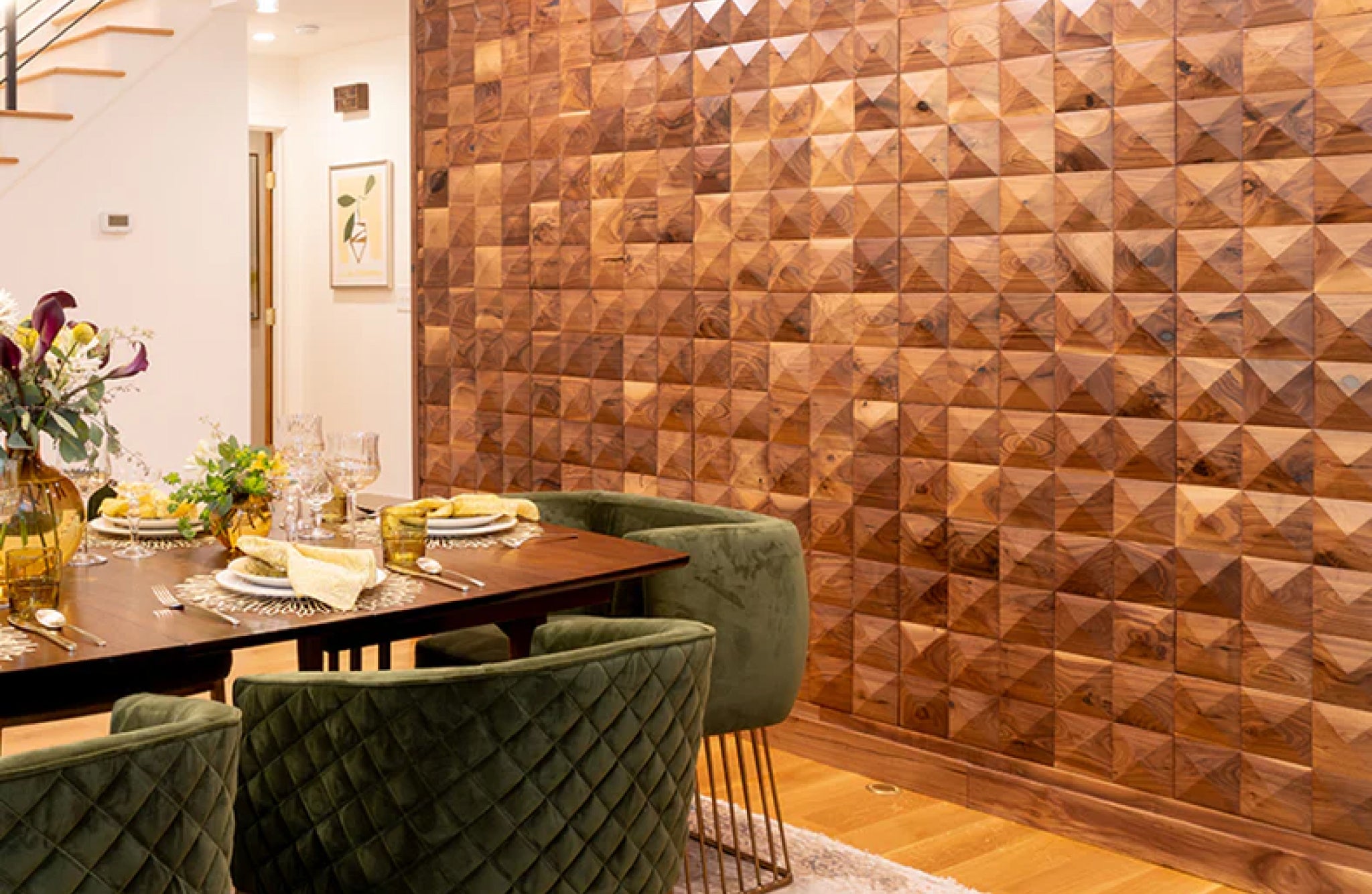
    MDF can be easily painted, veneered, or laminated to match any decor style, providing versatility across various projects.

    Read More: Hidden Door Ideas: Discover the Magic of Secret Doors

    Is MDF as Good as Wood?

    What is MDF Wood

    MDF compares favorably to natural wood in several applications, particularly where a smooth finish and structural uniformity are crucial. It is easier to work with than natural wood when it comes to machining and finishing, making it a preferred material for detailed work.

    However, it doesn’t possess the same load-bearing capabilities as solid wood, which may be a consideration for structural applications.
    What is the Disadvantage of Using MDF?

    What is MDF Wood

    While MDF is versatile and easy to work with, it has its limitations. It is notably heavier than natural wood, which can complicate installation and transportation.
    Additionally, MDF is susceptible to water damage; when exposed to moisture, it can swell and deform. This makes it less ideal for outdoor use or in high-humidity areas unless properly sealed or treated.

    Is MDF Wood Waterproof?

    What is MDF Wood

    MDF is not inherently waterproof or water-resistant. If exposed to moisture, standard MDF will absorb water and swell, which can compromise its structural integrity.

    However, moisture-resistant MDF options are available for use in environments like bathrooms and kitchens where humidity levels are higher. These boards are treated with special resins to enhance their moisture resistance.

    The Difference Between MDF and Plywood

    What is MDF Wood

    While both MDF and plywood are engineered wood products, they differ significantly in structure and application. Plywood is made from thin layers of veneer that are glued together, offering high strength and flexibility, making it suitable for structural applications like flooring and roofing.

    MDF, on the other hand, provides a smoother surface and greater uniformity, ideal for decorative projects. The choice between MDF and plywood often depends on the specific requirements of the project.

    Read More: 5 Best Modern PVC Wall Panel Design for Bedroom in 2026

    Environmental Impact of MDF

    What is MDF Wood

    One of the concerns with MDF is its environmental impact, particularly regarding the formaldehyde-based resins used in its production. These can contribute to indoor air pollution unless the MDF is labeled as low-formaldehyde.

    However, many manufacturers are moving towards more eco-friendly resins and recycling wood waste, which helps mitigate these concerns.

    Cost-Effectiveness of MDF

    What is MDF Wood

    MDF is generally more cost-effective than natural wood, which makes it an appealing option for budget-conscious projects. Its ease of manipulation and lower cost also make it ideal for large-scale projects or for practicing designs before using more expensive materials.

    Innovative Uses of MDF

    What is MDF Wood

    Innovatively, MDF is not just used in traditional woodworking. It’s also employed in acoustic paneling, in decorative wall panels, and even in high-end audio equipment for its acoustic properties. Designers and engineers continue to find new uses for MDF, exploiting its blend of performance, affordability, and versatility.

    Read More: 3 Best Kitchen Wall Panels Idea: Sleek, Stylish, and Durable in 2024

    Keep Exploring: PVC, MDF & Material Alternatives

    Conclusion

    In conclusion, MDF stands out as a highly functional and economical choice in the realm of engineered wood products. Its ease of use, coupled with its capacity for detailed and aesthetic finishes, makes MDF a favorite among professionals and hobbyists alike.

    However, it is important to recognize the limitations of MDF, particularly its susceptibility to moisture and environmental concerns related to its production.

    By choosing the appropriate type of MDF for your needs—whether standard, moisture-resistant, or with reduced formaldehyde emissions—you can maximize the benefits while minimizing potential drawbacks.

    As the industry continues to innovate, the role of MDF is likely to expand, incorporating more environmentally friendly practices and enhanced product features.

    Whether you’re planning a simple home improvement project or a complex architectural endeavor, understanding the properties and applications of MDF can help you make informed decisions that lead to successful outcomes.

    Embracing MDF for its strengths and addressing its weaknesses effectively will ensure that your projects not only look great but also stand the test of time.

  • Dark Wood Bedroom Furniture Decor Ideas (2026 Expert Tips!)

    Dark Wood Bedroom Furniture Decor Ideas (2026 Expert Tips!)

    Dark wood bedroom furniture brings a level of warmth, depth, and timeless elegance that lighter alternatives simply cannot replicate.

    So, where do you start your dark wood furniture decor games? How do you balance its rich tones without making the space feel cramped? Worry-less, because this article is your ultimate guide to dark wood bedroom furniture decor ideas. Whether you want a cozy retreat or a sleek contemporary look, this decor inspo will help create a stunning and inviting space. Here are inspiring dark wood decor ideas to help you design your perfect sanctuary!

    Related to: Modern Bedroom Wall Panelling Ideas: 2026 Trends

    Benefits of Dark Wood Bedroom Furniture 

    Choosing the right furniture can transform your bedroom into a serene and stylish sanctuary. With its rich tones and timeless appeal, dark wood furniture offers many benefits that seamlessly elevate your bedroom decor. We’ll explore how dark wood furniture can enhance your bedroom’s decor and functionality:

    • Timeless Elegance: Dark wood furniture adds sophisticated charm to your bedroom that will always stay in style.
    • Warmth and Richness: The deep colors of dark wood create a cozy and inviting atmosphere.
    • Versatility: Dark wood furniture works well with many different design styles, letting you personalize your bedroom easily.
    • Durability: Dark wood furniture is known for its sturdiness and durability, making it a wise investment for long-lasting bedroom pieces.

    Bedroom Decor Ideas With Dark Wood Furniture

    Now that we’ve covered the benefits of dark wood bedroom furniture, let’s look at ways to incorporate it into your home. We’ll share ten bedroom decor ideas that pair perfectly with dark wood furniture, helping you create a stylish and cohesive space.

    Dark Wood Bed Frame 

    dark wood bedroom furniture decor ideas

    A dark wood bed frame can be the centerpiece of your bedroom. Opt for a sleek, minimalist design for a modern look, or choose an intricately carved headboard for a classic touch. Pair it with neutral bedding to let the bed frame stand out.

    Dark Wood Nightstands

    dark wood bedroom furniture decor ideas

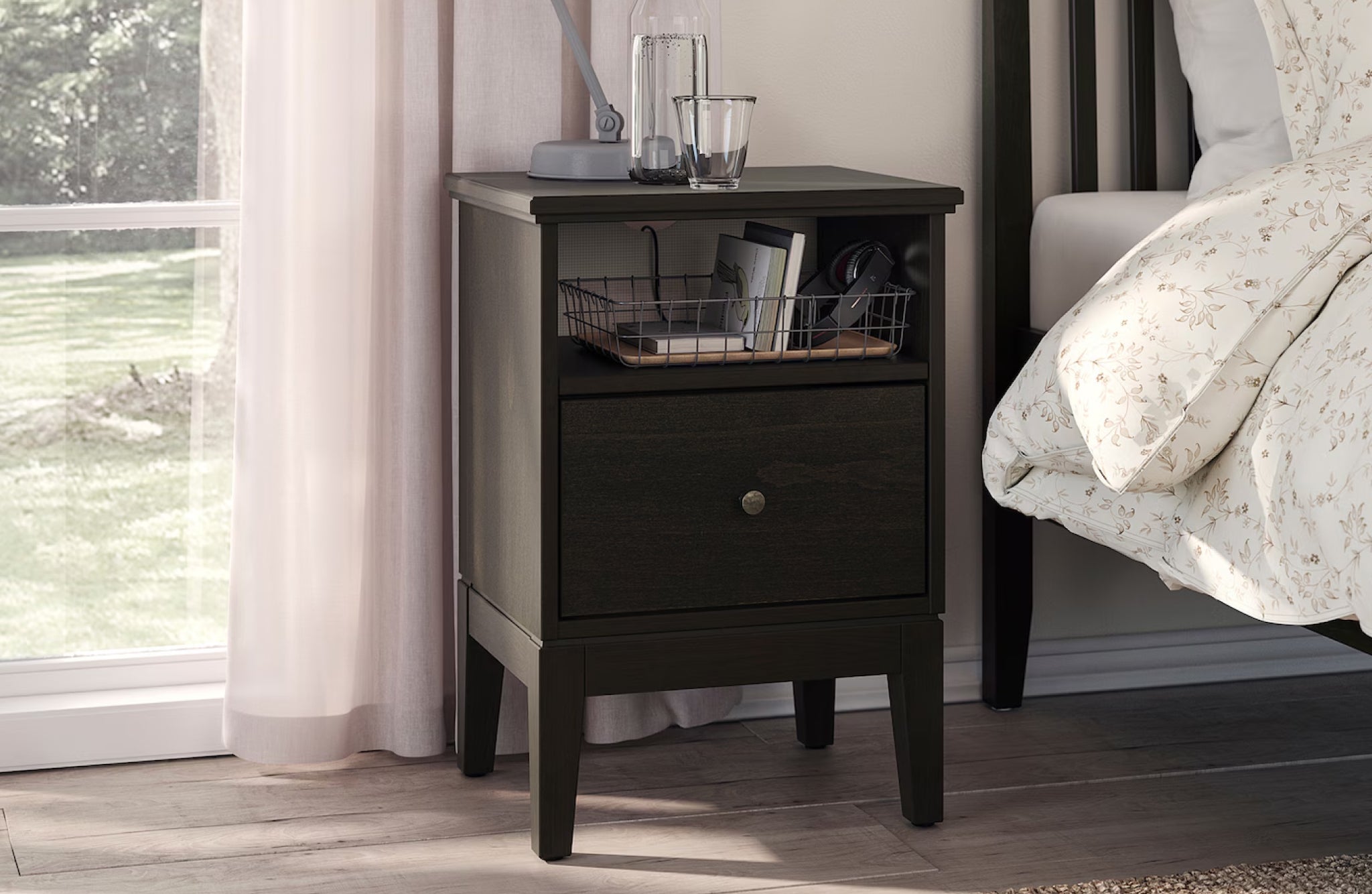
    Integrate dark wood nightstands to complement your bed frame. These pieces provide both functionality and style, offering a cohesive look. Choose nightstands with built-in storage to keep your space clutter-free.

    Dark Wood Dressers and Wardrobes

    dark wood bedroom furniture decor ideas

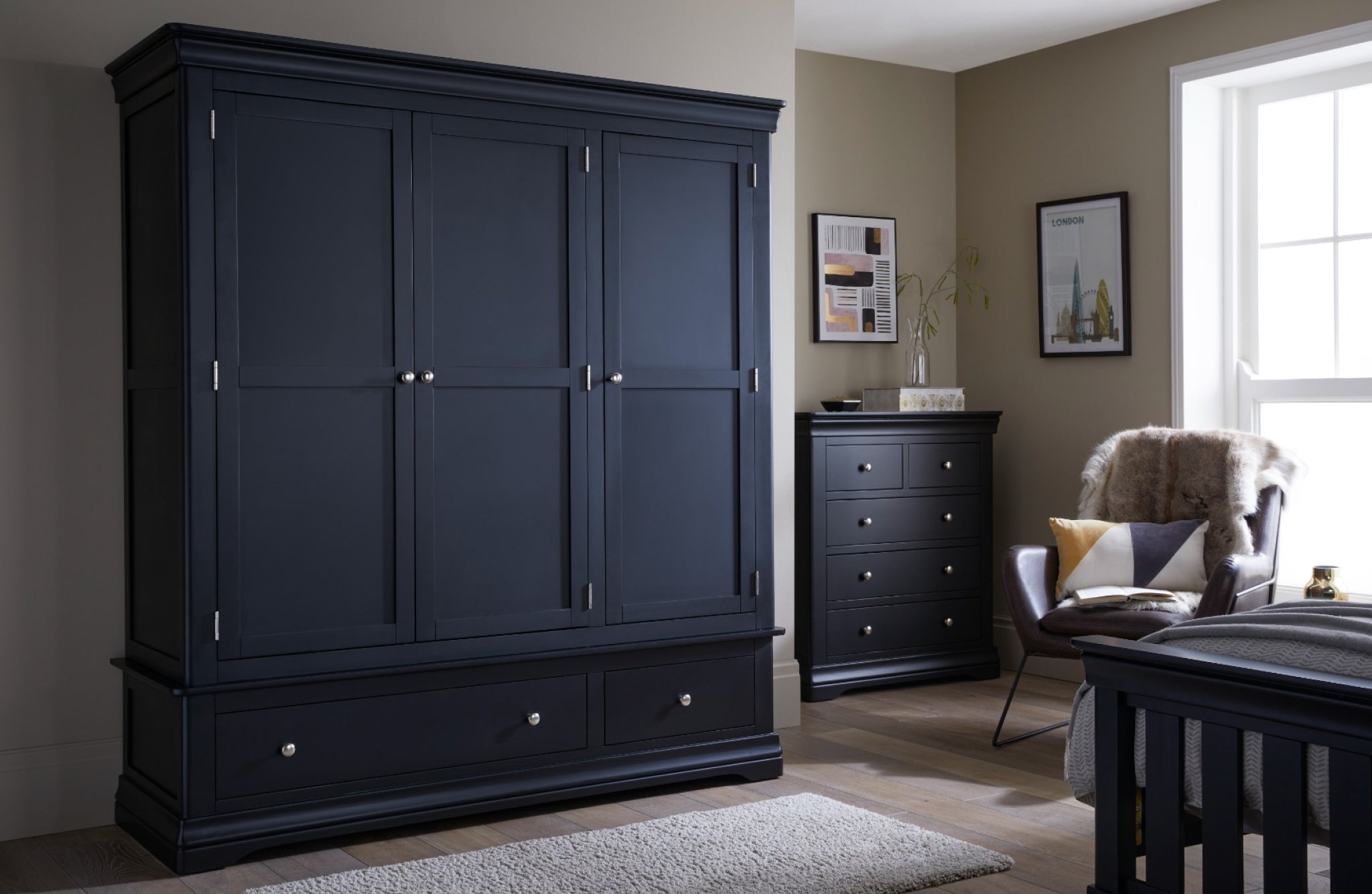
    Enhance your bedroom’s storage solutions with dark wood dressers and wardrobes. These pieces offer ample storage and contribute to the room’s overall aesthetic. Look for dressers with clean lines and understated hardware for a sophisticated look.

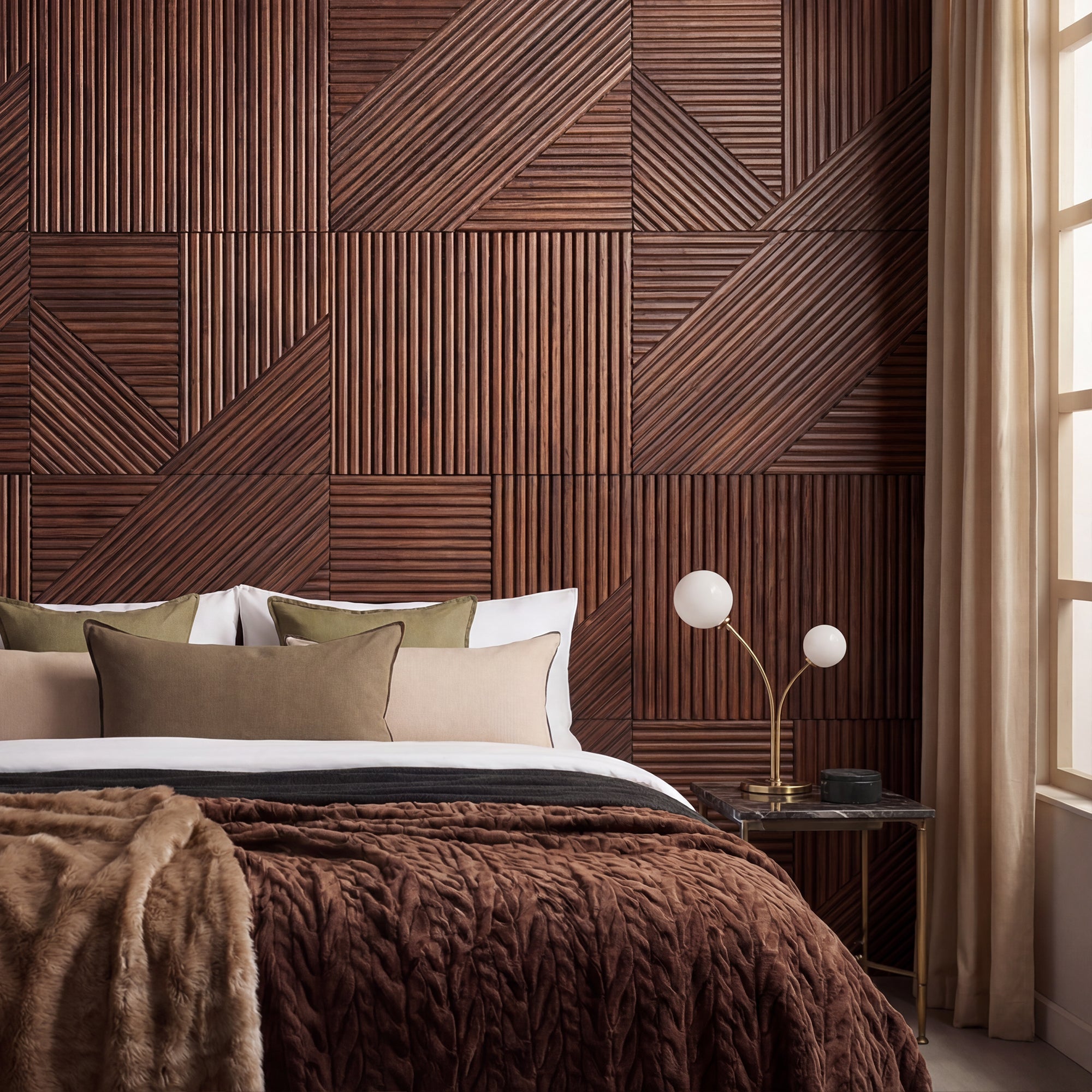
    Dark Wood Wall Panels

    dark wood bedroom furniture decor ideas

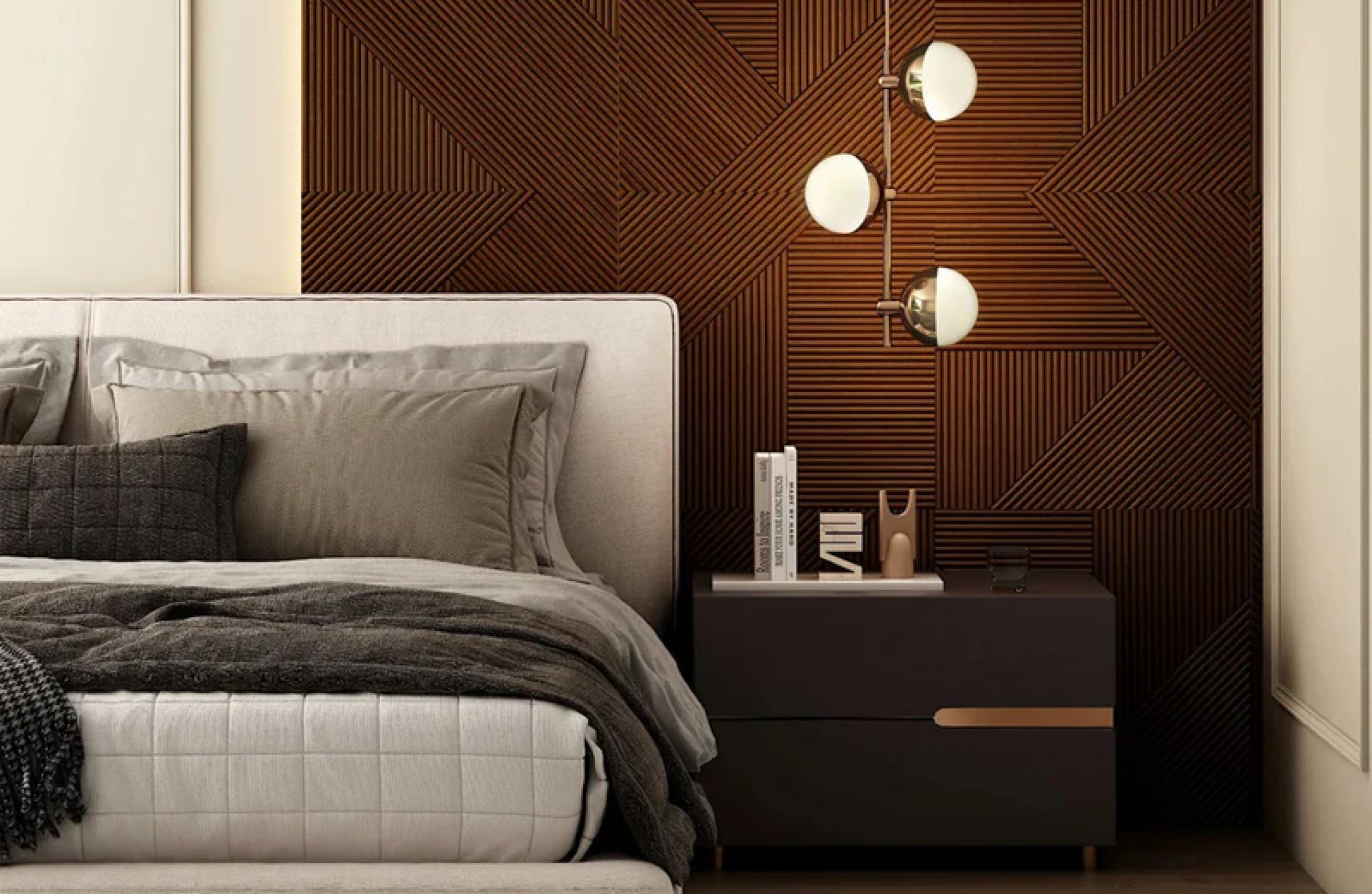
    Dark-colored wood wall panels can add texture and depth to your bedroom. This feature can create a stunning backdrop for your bed and add a cozy, intimate feel to the room. Consider using panels on one accent wall to avoid overwhelming the space.

    Dark Wood Shelving

    dark wood bedroom furniture decor ideas

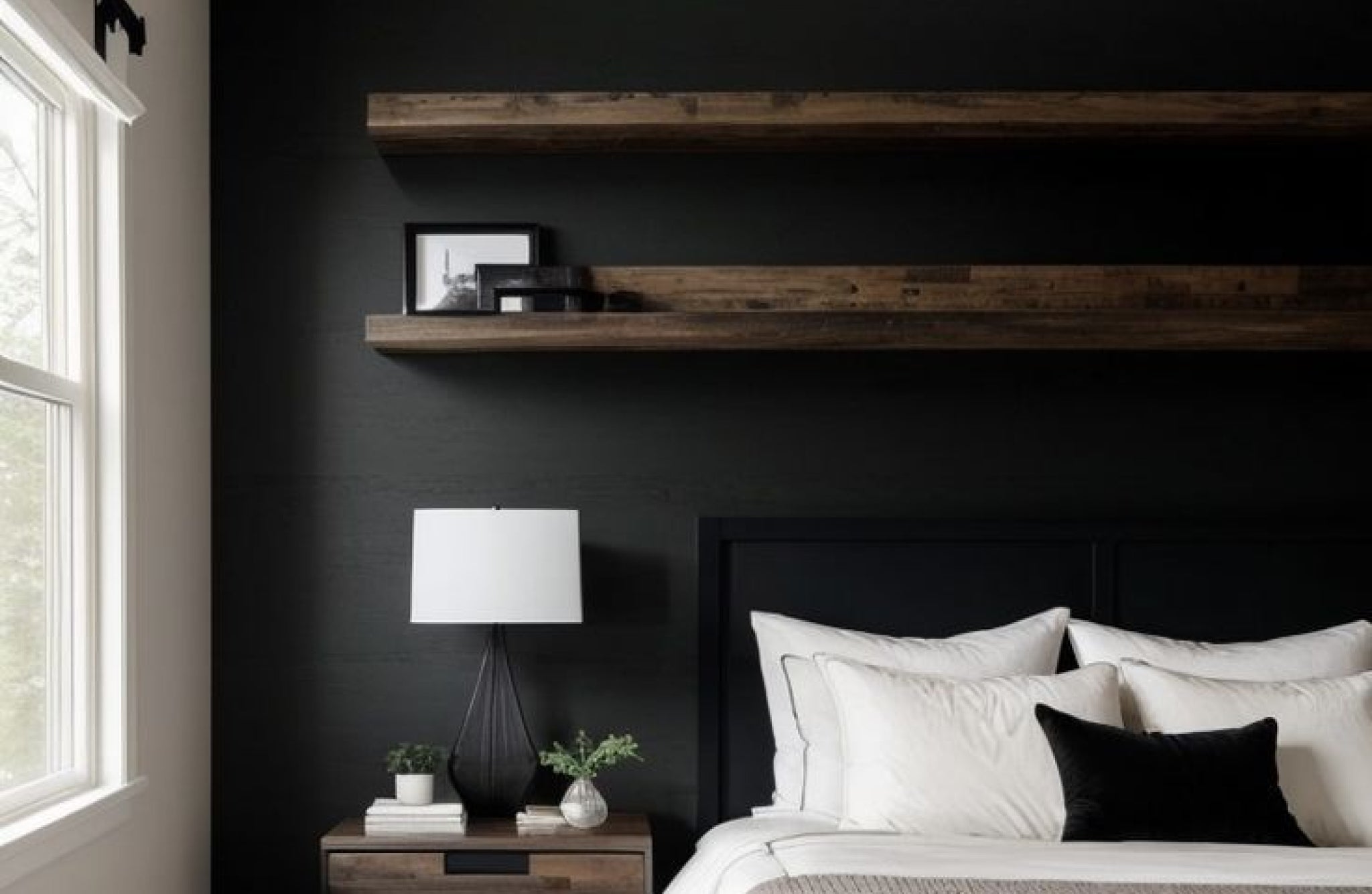
    Incorporate dark wood shelving to display your favorite decor pieces. Shelves can be functional and decorative, offering space for books, plants, or artwork. Choose floating shelves for a modern look or traditional bracketed shelves for a classic touch.

    Cozy Dark Wood Reading Nook

    dark wood bedroom furniture decor ideas

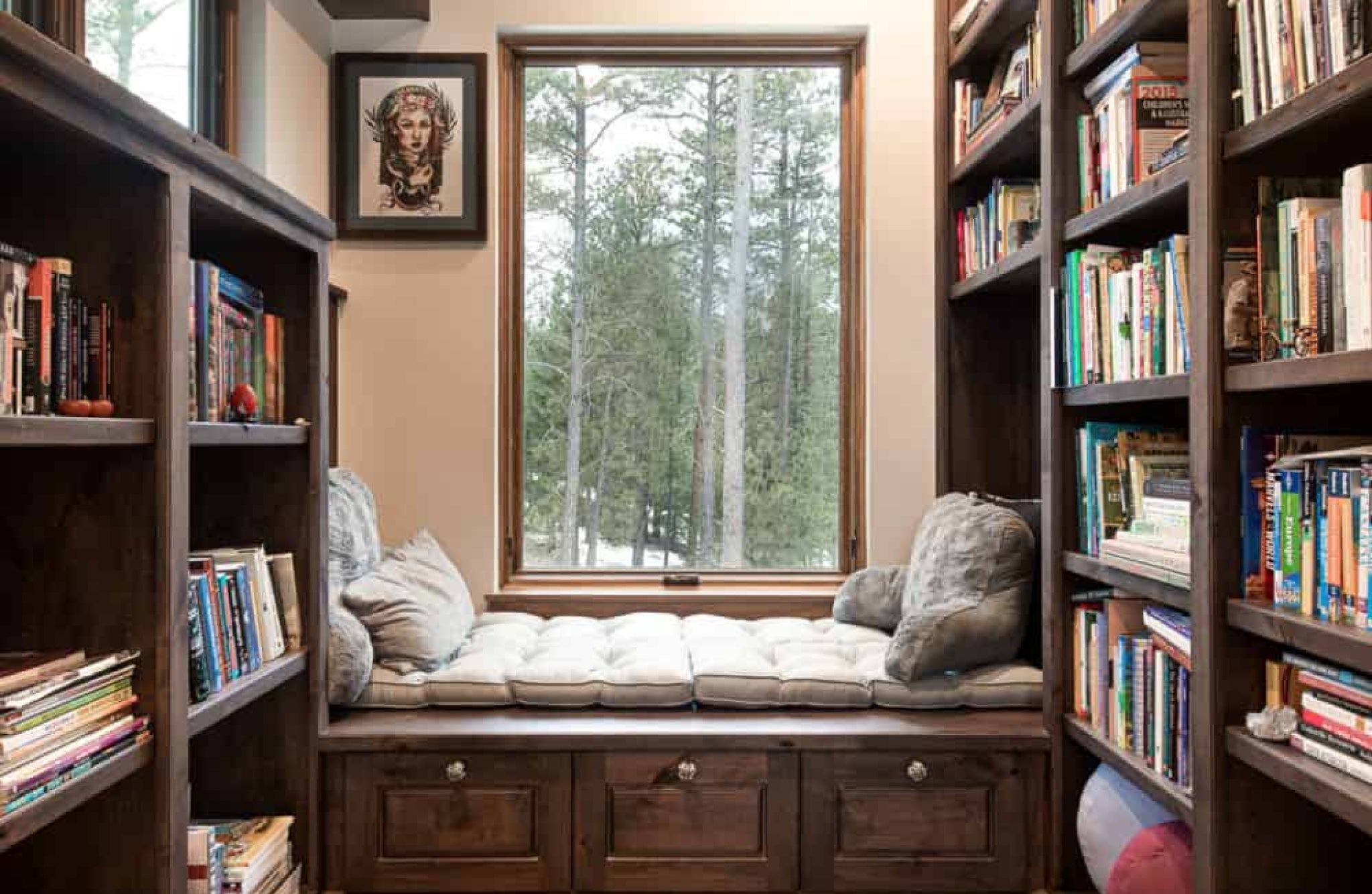
    Dark wood furniture can create a cozy reading nook in your bedroom. A dark wood bookshelf, a comfortable armchair, and a floor lamp can make a perfect corner for relaxation. Soft throw blankets and pillows can enhance comfort.

    Small Bedroom Decor Ideas With Dark Wood Furniture

    Decorating a small bedroom with dark wood furniture can create a cozy, sophisticated, and stylish space. The key is to balance the richness of dark wood with smart design choices that enhance the room’s functionality and aesthetic. Here are some small bedroom decor ideas with dark wood furniture that will make your space feel warm and inviting without overwhelming it.

    Compact Dark Wood Bedroom Furniture

    dark wood bedroom furniture decor ideas

    Opt for smaller pieces of dark wood furniture to avoid overcrowding the room. A dark wood bed frame with built-in storage or a compact dresser can provide the elegance of dark wood without taking up too much space.

    Multi-Functional Dark Wood Bedroom Furniture

    dark wood bedroom furniture decor ideas

    Choose multi-functional dark wood furniture to maximize the utility of your small bedroom. A bed with drawers underneath or a nightstand with shelves can provide extra storage. Look for furniture pieces that serve multiple purposes to save space.

    You might also like: 2026 Wood Paneling Makeover Ideas: Photos, Inspiration, and Tips

    Choosing the Right Dark Wood Furniture Bedroom 

    With those fantastic bedroom decor ideas fresh in your mind, you’re excited to bring the beauty of dark wood furniture into your own space. Now, let’s focus on how to choose the right dark wood furniture for your bedroom. We’ll help you pick the right pieces and the look you want to create on your bedroom. 

    • Consider the size of your bedroom: Dark wood furniture can make a room feel smaller, so choose pieces that are proportionate to the size of your space. If your bedroom is small, opt for lighter-weight pieces or those with open designs to avoid a cramped feeling.
    • Think about the style of your bedroom: Dark wood furniture can be used in various styles, from traditional to modern. Choose pieces that complement the overall aesthetic of your room.
    • Choose the right type of wood: There are many different types of dark wood, each with its unique grain and color. Some popular choices include mahogany, walnut, and cherry. Consider the look you want and choose a wood that complements your other furniture and decor.
    • Add some contrast: Dark wood furniture can look stunning when paired with lighter colors and textures. To create a balanced and inviting space, you might want to add white bedding, light-colored walls, or a colorful rug.

    Conclusion

    Decorating your bedroom with dark wood furniture can transform it into a serene and sophisticated sanctuary. Dark wood’s timeless elegance, warmth, versatility, and durability make it an excellent choice for creating a cozy and inviting space. Whether you want a sleek modern look or an intricately detailed design, dark wood furniture can seamlessly elevate your bedroom decor.

    Consider dark wood wall panels for those looking to add a touch of elegance and texture to their bedroom. They provide a stunning backdrop that enhances the overall aesthetic of your room.

    Ready to transform your bedroom into a stylish haven? The Panel Hub offers an exquisite selection of dark wood wall panels that will add the perfect finishing touch to your decor. For a bolder look, a geometric wood wall panel makes a striking dark-wood headboard.

  • Waterproof Wall Panels for Bathrooms: Options and Essential Tips 2026

    Waterproof Wall Panels for Bathrooms: Options and Essential Tips 2026

    Is your bathroom stuck in a time warp? Are chipped tiles and peeling wallpaper bringing down the vibe? Fear not, weary bathroom warrior! Waterproof wall panels are here to transform your shower haven into a space that’s both beautiful and functional. But before you dive headfirst into panel paradise, let’s explore the wonders these innovative materials hold.

    Why Choose Waterproof Wall Panels for Your Bathroom?

    Waterproof Wall Panels for Bathrooms

    Let’s face it, traditional bathroom tiles can be a hassle. Installation can be messy and time-consuming, and grout is a notorious magnet for mold and mildew. Waterproof wall panels offer a solution that’s both stylish and practical:

    • Effortless Elegance: Wall panels come in a wide variety of colors, textures, and finishes, allowing you to create a bathroom that reflects your unique style. From sleek marble to rustic wood grain, there’s a perfect panel waiting to elevate your space.
    • Waterproofing Whiz: Unlike traditional tiles, waterproof wall panels are, well, waterproof! This means no more worries about moisture damage or pesky leaks behind the walls.
    • Low Maintenance Marvels: Forget scrubbing stubborn grout! Waterproof wall panels are easy to clean with a simple wipe-down, saving you precious time and effort.
    • Installation Inspiration: Unlike tiles, which require a professional touch, many waterproof wall panels boast a user-friendly installation process. This means you can potentially transform your bathroom yourself, saving on renovation costs.

    The Wonderful World of Waterproof Wall Panel Options

    Waterproof Wall Panels for Bathrooms

    Now that you’re convinced about the magic of waterproof wall panels for bathrooms, let’s explore the different types available:

    PVC Panels

    PVC panels reign supreme in the world of waterproof wall panels for bathrooms thanks to their perfect blend of affordability and functionality. Made from polyvinyl chloride, these durable panels are renowned for their moisture resistance, making them ideal for high-splash zones like showers and bathtubs. But don’t be fooled by their practical side – PVC panels come in a stunning array of styles and colors.

    From classic white to trendy marble finishes, you can find PVC panels that complement any bathroom aesthetic. And the best part? PVC panels are known for their relatively easy installation process, often featuring a click-lock system that even DIY novices can master.

    Luxury Vinyl Tile (LVT) Panels

    Craving the timeless elegance of traditional tiles but without the backbreaking installation process? Look no further than Luxury Vinyl Tile (LVT) panels! These innovative panels offer the realistic look and feel of ceramic or stone tiles. Howcbut with a much simpler installation process. LVT panels typically come with a click-lock system that allows for quick and easy assembly, saving you time and effort.

    They’re also lightweight and flexible, making them a great option for walls that might not be perfectly even. And let’s not forget the amazing selection of styles and finishes available! LVT panels offer a world of design possibilities to transform your bathroom. Be it classic subway tile patterns to modern wood grain looks.

    Stone Composite Panels

    If you dream of a bathroom that exudes luxury but your budget whispers practicality, then stone composite panels are your answer. These panels are crafted from a blend of natural stone and recycled materials, offering the stunning look and feel of real stone like granite or marble, at a fraction of the cost and weight.

    Stone composite panels are not only beautiful but also incredibly durable and moisture resistant, making them perfect for high-traffic bathroom environments. While their installation process might be slightly more involved than some other options, the end result is a bathroom that feels like a luxurious spa retreat.

    Glass Panels

    Looking to create a bathroom that feels light, airy, and oh-so-sophisticated? Glass wall panels are your secret weapon. These panels come in a variety of finishes, from clear glass to frosted or patterned options, allowing you to create a custom look that complements your bathroom’s design.

    Glass panels not only add a touch of elegance but can also make your bathroom feel visually larger and more open. They’re perfect for smaller bathrooms or for creating a spa-like ambiance with a touch of serenity. However, it’s important to note that glass panels might require professional installation and can be slightly more susceptible to showing water spots or fingerprints. 

    Transforming Your Bathroom: Tips for Installing Waterproof Wall Panels

    Waterproof Wall Panels for Bathrooms

    While many waterproof wall panels boast a DIY-friendly installation process, a little planning goes a long way. Here are some tips to ensure a smooth and successful bathroom transformation:

    • Measure Twice, Cut Once: Before you get started, meticulously measure your bathroom walls to ensure you order enough panels. Remember to factor in cuts and account for any fixtures or outlets.
    • Prepare the Surface: For optimal adhesion, ensure your walls are clean, dry, and free of any debris or unevenness.
    • Follow the Manufacturer’s Instructions: Every panel type might have slight variations in installation. Pay close attention to the manufacturer’s instructions to avoid any mishaps.

    Not Every Bathroom is a Panel Paradise: When to Reconsider Waterproof Wall Panels

    While waterproof wall panels offer a plethora of benefits for bathroom renovations, there are a few situations where alternative solutions might be better suited. Here’s a quick guide to help you decide if wall panels are the right choice for your specific bathroom:

    Uneven Walls

    One of the advantages of wall panels is their ability to hide imperfections on relatively smooth walls. However, if your bathroom walls have significant cracks, bumps, or uneven surfaces, installing wall panels might become a challenge.

    The unevenness can cause the panels to not adhere properly, leading to a less-than-ideal finished look. In such cases, opting for traditional tiles or addressing the unevenness before installation might be a better solution.

    Extremely Damp Bathrooms

    Waterproof wall panels are certainly moisture resistant, but they’re not entirely impervious to water infiltration, especially if not installed correctly. For bathrooms with chronic poor ventilation or excessive moisture issues, like windowless bathrooms or those prone to mold growth, alternative solutions like waterproof paint or moisture-resistant wallpaper might be a better long-term option.

    These solutions can help create a moisture barrier and allow the walls to breathe better, potentially reducing the risk of mold or mildew build-up behind the panels.

    Complex Layouts or Tight Spaces

    While some wall panels are easy to cut and customize, navigating intricate bathroom layouts with numerous pipes, vents, or oddly shaped corners can be tricky.

    The cutting and fitting process can become time-consuming and lead to wasted materials. In such cases, opting for smaller tiles or even moisture-resistant wallpaper might offer more flexibility when working around complex bathroom elements.

    Historical Homes or Restorations

    If your bathroom is part of a historical home or requires a specific aesthetic for restoration purposes, waterproof wall panels might not be the most fitting choice. These panels often have a modern look that might clash with the period-specific design of your bathroom.

    Consulting with a restoration specialist can help you find suitable materials and techniques to maintain the historical integrity of your bathroom while ensuring its functionality.

    Keep Exploring: Bathroom Wall Panel Guides

    Conclusion

    Waterproof wall panels for bathrooms offer a revolutionary solution for anyone seeking a stylish and functional bathroom renovation. From effortless elegance and low maintenance to a wide variety of styles and textures, these innovative panels cater to every taste and budget.

    So, unleash your inner interior designer, explore the world of waterproof wall panels, and get ready to transform your bathroom into a spa-like haven you’ll love spending time in. After all, a beautiful bathroom shouldn’t have to be a hassle!

  • Get Started Today: 30 Easy Half Wall Paneling Ideas for Beginners

    Get Started Today: 30 Easy Half Wall Paneling Ideas for Beginners

    Do you want to give your home a bit of style and sophistication? No need to look any further than half wall panels! This style is great for beginners because it can be used in many ways and doesn’t cost a lot of money. You’ll be amazed at how easy it is to get a beautiful look with our list of 30 easy half wall painting ideas.

    We have ideas for everyone, whether you want something classic or more up-to-date. Get your tools together, let your imagination run wild, and get ready to change the look of your walls with these simple, do-it-yourself projects!

    30 Simple and Unique Half Wall Paneling Ideas

    half wall paneling ideas

    Our list of 30 easy and one-of-a-kind half-wall paneling ideas will help you learn more about interior design. These creative ideas are sure to make your living spaces look better with style and class, whether you want to update a cozy spot or a whole room.

    1. Traditional wainscoting

    When you want to add a bit of class and elegance, traditional wainscoting is the way to go. This style has raised panels divided by grooved strips, and it can make any room look better right away. It comes in many styles, from traditional raised circles to more modern takes on the look. 

    You can paint it white to make it feel light and airy, or you can finish it with a warm wood tone to make it feel more cozy. It doesn’t matter what style you choose, traditional wainscoting will always add a touch of class to your half-wall paneling job.

    2. Board and batten

    For a touch of casual class, board and batten is another great choice for half-wall paneling. Vertical boards with a flat batten at the top and bottom make up this simple but effective design. It’s very flexible and can work with a lot of different styles, from coastal to country chic.

    For people who like a clean look, board and batten wood is another great choice. Because it has clean lines and few details, it looks calm, which makes it perfect for making any room more relaxed.

    3. Shiplap

    Calling all people who like a relaxed vibe! Shiplap gives your room a touch of country warmth. These straight planks with a small space between them make the room feel calm and friendly. Shiplap can make a room feel like a cozy beach house or a cute country kitchen.

    Shiplap is beautiful because it can be used in many ways. You can paint it white for a light and airy beach look, or you can use a brighter color to make a wall stand out. For a more dramatic look, you can even stain it a dark color. Shiplap adds a touch of easy style to your half wall paneling job, no matter what you choose.

    4. Painted wood panels

    Use painted wood pieces to show off your art! This is a great choice for people who like to make a statement. Paint plain wood pieces a bright color to make them stand out. Adding charm to any room is easy and makes a big difference.

    Do you want to play? Choose a two-tone look or use paint to make a geometric design. With this choice, you can really make your half-wall paneling your own and make it the main point of the room. So get out your favorite pen and let your artistic side shine!

    5. Wood panels with wallpaper above

    Want to give your half-wall panels a little more style and personality? Then think about putting wallpaper above wood panels! It makes the look more interesting and lets you play with colors and shapes. Imagine having clean white wainscoting on the bottom and pretty flower wallpaper on the top half of the wall in your dining room.

    This is a great way to add some fun or make a sophisticated difference. There are a lot of options! Select a wallpaper that goes well with the style and color of your wood panels, and get ready for the room to look completely different.

    6. Stained wood panels with white trim

    There’s a reason this traditional mix works so well! Stained wood panels with white trim give any room a classic grace that makes it look better. Warm tones from the stained wood give the room depth and warmth, while the clean white trim gives it a touch of class.

    This pair is very flexible; it looks great in hallways, dining rooms, living rooms, and even bedrooms. How about giving the sides a deep walnut stain and adding bright white trim to the edges? The two colors look great together and will always be in style. Also, the sharp edges and bright colors make it visually interesting, which will grab everyone’s attention.

    7. Board and batten with board and batten wallpaper

    The classic board and batten design is taken to a whole new level with this fun choice! If you don’t want to leave the top half empty, why not add wallpaper that looks like board and batten? Putting things together in this way makes them look complex and interesting, which is great for adding some fun to your space.

    Imagine having a fun board and batten pattern in a soft blue color run along the bottom half of your nursery wall and matching wallpaper with the same design elements on the top half. That’s a cool and unique way to give your half-wall painting project more depth and personality.

    8. Shiplap with shiplap wallpaper

    All you shiplap fans, listen up! How can you make your love for this country style even stronger? Why not cover the top half of your wall with shiplap wallpaper and add your favorite shiplap paneling? This makes a look that flows well and is visually appealing, and it shows off the beauty of shiplap.

    Picture clean white shiplap panels on the bottom half that flow into a light gray shiplap wallpaper pattern on top. Making this small change will have a big effect on your half wall paneling job. Playful together, these colors are great for making any room feel calm and welcoming.

    9. Beadboard paneling

    Beadboard wood is a great way to add a touch of old-fashioned charm to any room. This traditional style has thin vertical planks that have a small bulge in the middle. It makes any room feel more cozy and unique, which is why many people choose it for their kitchens, bedrooms, and even entryways.

    It would add a touch of classic grace. Beadboard paneling’s soft texture and clean lines make it visually interesting without being too much. It’s a flexible choice that goes well with a lot of different design styles.

    10. Two-tone paneling

    Do you want to play? There are many great ways to add color and personality to your half-wall paneling job. Two-tone paneling is one of them. Painting the bottom half of the wall one color and the top half another is an easy but effective way to do it. 

    Feel free to be creative! If you want a smooth look, pick colors that go well together. If you want to make a statement, pick colors that are very different from each other. Think of your living room wall as having a crisp white on the bottom half and a soft seafoam green on the top half. It’s a simple and fun way to make any room more interesting to look at.

    11. Accent wall with bold wallpaper

    Want to give your room a dramatic center point? You can make a great accent wall with half-wall wood and bold wallpaper. This mix of styles lets you make a statement while giving your room color and pattern.

    This is a great way to show off your love of big patterns and get people talking in any place. For a smooth look, make sure that the wallpaper you choose goes with the style and color of your half-wall wood.

    12. Chevron paneling

    Calling all people who like geometric shapes! Chevron paneling gives your half-wall paneling project a modern look and makes it more interesting to look at. For this look, you paint or stain wood pieces in a chevron pattern.

    You can make chevrons that aren’t too noticeable by using the same colors or go for a stronger difference for a more striking look. It would make a great first impression. Adding chevron flooring to a room is a great way to make it more unique and classy. To get the best zig zag look for your home, don’t be afraid to try out different colors and sizes.

    13. Half wall paneling with wainscoting and shelves

    This is a great choice for people who want to style their space and store things at the same time. The woodwork makes the room look more elegant, and the built-in shelves make it easy to show off things.

    As an example, picture the bottom half of your living room wall being lined with clean white paneling that has shelves built right in. You can put books, favorite decorations, or even small plants in pots on it. This combination makes a focal point that is both visually interesting and gives you much-needed storage room.

    Half Wall Paneling Ideas

    14. Board and batten with a built-in bench

    This smart design makes the most of the space you have and gives your room more uses. The board and batten paneling makes a cute background, and the built-in bench gives you extra sitting or a cozy place to unwind.

    Picture a mudroom with board and batten wood on the bottom half of the wall and a comfortable built-in bench with storage under it. It’s a great way to keep shoes and bags in order and give yourself a place to put on or take off your shoes. This set is not only stylish, but also very useful for keeping your entrance clear of clutter.

    15. Shiplap with a fireplace surround

    With a shiplap surround, you can make the area around your fireplace feel warm and welcoming. The natural beauty of the fireplace goes well with the rough charm of the shiplap, and the wood adds some texture and visual interest. 

    It makes a beautiful focus point that draws the eye and makes the room look better right away. Putting these two things together makes a nice and welcoming space that’s great for hanging out with family and friends.

    16. Kitchen backsplash

    You can use half-wall wood in more than just your living room or bedroom. It’s also a great choice for a border in the kitchen. The wood gives your room a stylish touch and keeps you from getting paint on your walls.

    Picture a wall behind your kitchen sink that is made of smooth white beadboard. It’s simple to clean, gives the kitchen some texture, and goes with many cooking styles. Plus, it’s a cheaper option than standard backsplash materials like tile as well.

    17. Bathroom wainscoting

    Wainscoting has been used in bathrooms for a long time for a good reason. Not only does it look nice, but the smooth, easy-to-clean surface makes it great for places where water and splashes are likely to happen.

    Plus, wainscoting gives any bathroom a bit of classic elegance that makes it look better. It keeps the walls from getting damaged by water and makes the room feel like a high-end spa. This pair of stylish and useful items is perfect for remodeling a bathroom.

    18. Mudroom board and batten

    Get rid of the mess in your mudroom with board and batten flooring that looks good and works well. This pattern not only adds a touch of style, but it also makes a strong background for all of your mudroom essentials.

    This would be a great place to hang hooks, shelves, or even a coat rack. Because it has clean lines and a simple design, board and batten wood is great for places that get a lot of use, like mudrooms. It’s also simple to clean and keep, which is great for days when your shoes get dirty or it rains!

    Now, let’s explore some creative ways to add a touch of personality to your half wall paneling:

    19. Picture ledge on top of half wall paneling

    Looking for a way to showcase your favorite photos or artwork? Consider adding a picture ledge on top of your half wall paneling! This simple addition creates a designated space for displaying cherished memories or adding a touch of personality to your space.

    Imagine a sleek black picture ledge resting above a warm wood shiplap paneling in your living room. It’s a perfect platform for displaying family photos, artwork, or even small sculptures. This combination allows you to personalize your half wall paneling and create a space that reflects your unique style.

    20. Half wall paneling with a chair rail

    Looking for a way to showcase your favorite photos or artwork? Consider adding a picture ledge on top of your half wall paneling! This simple addition creates a designated space for displaying cherished memories or adding a touch of personality to your space.

    Imagine a sleek black picture ledge resting above a warm wood shiplap paneling in your living room. It’s a perfect platform for displaying family photos, artwork, or even small sculptures. This combination allows you to personalize your half wall paneling and create a space that reflects your unique style.

    21. Coffered panels for a luxurious look

    If you’re dreaming of adding a touch of grandeur to your space, then look no further than coffered panels. These recessed panels with decorative moldings create a sense of depth and sophistication that’s reminiscent of grand libraries or formal dining rooms.

    The intricate details and recessed panels instantly elevate the space and create a truly luxurious atmosphere. While traditionally seen in formal settings, coffered panels can also be adapted to more modern styles with lighter colors or painted finishes.

    22. Flat panels for a minimalist aesthetic

    For those who love clean lines and a clutter-free look, flat panels are a fantastic choice for half wall paneling. These simple panels create a smooth and streamlined surface that adds a touch of texture without overwhelming the space.

    The clean lines and minimalist design contribute to a calm and relaxing atmosphere, perfect for unwinding after a long day. Plus, flat panels are incredibly versatile and can be painted in any color to complement your existing décor.

    23. Spegel Panel (Mirrored panels) for a touch of glamour

    Want to add a touch of sparkle and drama to your space? Look no further than Spegel panels, also known as mirrored panels! These reflective surfaces create an illusion of spaciousness and bounce light around the room, instantly brightening the atmosphere.

    The mirrored panels add a touch of luxury and visually expand the space, making a grand first impression on anyone entering your home. While dramatic, Spegel panels can also be used in smaller doses. Consider a section of mirrored panels above a console table or a fireplace surround for a touch of glamour without overwhelming the space.

    24. Distressed wood paneling for a vintage vibe

    Embrace the charm of yesteryear with distressed wood paneling for your half wall project. This technique adds a touch of rustic character and warmth, perfect for creating a cozy and inviting atmosphere. 

    The imperfections and subtle texture add a touch of vintage charm and create a conversation starter. Distressed wood paneling pairs beautifully with exposed brick walls, vintage furniture, and warm lighting for a truly timeless and characterful look.

    25. Half wall paneling with vertical shiplap

    For a touch of modern farmhouse charm, consider installing vertical shiplap for your half wall paneling project. This simple twist on the traditional horizontal planks adds a touch of visual interest and creates a sense of height in the room.

    The vertical orientation elongates the space visually, making it feel taller and more airy. Plus, vertical shiplap pairs beautifully with modern furniture and clean lines for a fresh and inviting atmosphere.

    Half Wall Paneling Ideas

    26. Board and batten with a board and batten border

    The classic board and batten design is a timeless favorite for half wall paneling. This playful twist adds several benefits. First, it creates a visually defined space that feels separate from the rest of the wall. Second, the additional border adds a touch of whimsy and detail that perfectly complements the playful atmosphere of a child’s room.

    You can even paint the border in a different color than the main battens for an extra pop of personality! This simple modification takes your classic board and batten design to the next level, creating a space that’s both stylish and functional for your little one. 

    27. Stenciled designs on wood panels

    Unleash your inner artist and add a personalized touch to your half wall paneling with stenciled designs! This creative technique allows you to incorporate patterns, motifs, or even quotes onto your wood panels, creating a truly one-of-a-kind look.

    Imagine a soft gray wood paneling on the lower half of your bathroom walls, adorned with a delicate floral stencil in a pale pink color. The stenciled design adds a touch of femininity and creates a custom element that reflects your unique style. Stenciled designs are a fantastic way to personalize your half wall paneling and showcase your creativity.

    28. Metallic painted wood panels for a modern look

    Craving a space that reflects your love for all things modern? Metallic painted wood panels are a fantastic way to add a touch of drama and sophistication to your half wall paneling project. Imagine a sleek, deep bronze painted wood paneling gracing the lower half of your living room walls. The unexpected metallic finish instantly elevates the space and creates a conversation starter.

    While bold metallics can make a statement, don’t be afraid to experiment with softer metallic tones like rose gold or brushed silver for a more subtle yet glamorous touch. Remember, metallic painted wood panels pair beautifully with clean lines, minimalist furniture, and modern lighting for a truly cutting-edge look.

    29. Half wall paneling with a built-in desk

    Looking to maximize functionality and style in your home office? Half wall paneling with a built-in desk is a fantastic space-saving solution! This clever design combines the beauty of paneling with the practicality of a dedicated workspace.

    This combination not only adds visual interest but also creates a designated and organized workspace, perfect for boosting your productivity. Plus, the half wall paneling helps define the workspace and creates a sense of separation from the rest of the room.

    30. Wainscoting with a board and batten wainscot cap

    Add a touch of detail and architectural interest to your classic wainscoting with a board and batten wainscot cap! This simple detail elevates the traditional raised panel design and creates a more visually intricate look.

    The additional detail adds a touch of sophistication and creates a more formal atmosphere, perfect for a dining room. This combination is a fantastic way to elevate a classic design and add a touch of personal flair to your half wall paneling project.

    FAQs: Half Wall Paneling Ideas

    What is half wall paneling?
    Half wall paneling refers to installing decorative panels on the lower portion of a wall—typically covering one-third to one-half of the wall height—while leaving the upper section painted or finished differently. It’s a simple way to add texture, depth, and visual interest without overwhelming the space.

    Is half wall paneling suitable for beginners?
    Yes, half wall paneling is one of the most beginner-friendly wall upgrades. It requires less material, fewer cuts, and simpler planning compared to full-wall installations. Many modern panels are designed for DIY use, making them ideal for first-time projects.
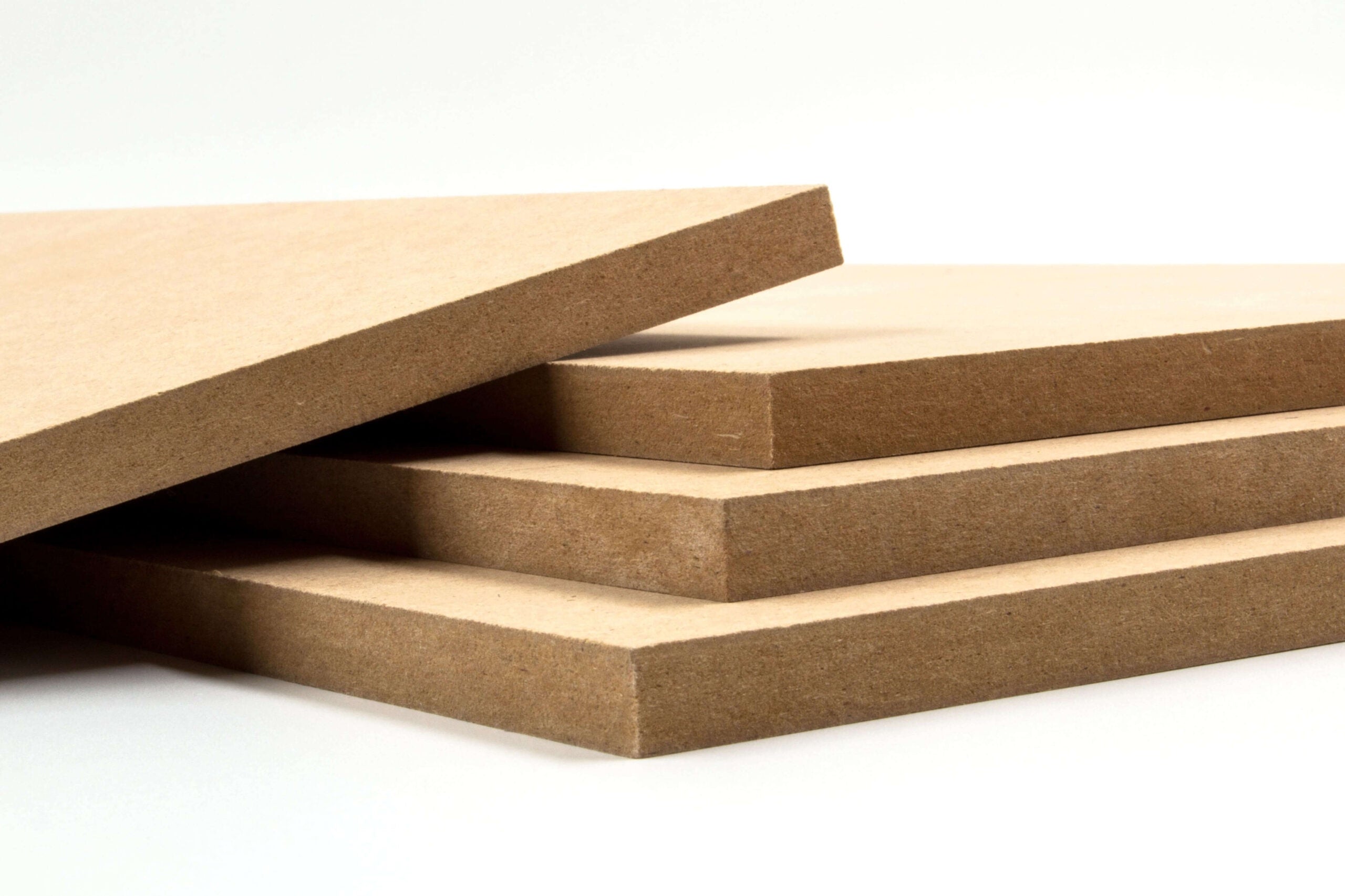
    What height should half wall paneling be?
    There’s no strict rule, but common heights range from 36 to 48 inches. For a more classic look, aim for one-third of the wall height. For a modern style, slightly higher wall paneling can create a bold, statement effect.

    What materials are best for half wall paneling?
    Popular options of paneling include MDF panels, wood veneer slat panels, and PVC or laminate alternatives. MDF is widely used because it’s affordable, smooth, and easy to paint, while wood veneer adds a more natural, premium look.

    Can I install half wall paneling without professional help?
    Yes, many homeowners install half wall paneling themselves using basic tools, including the wood wall panels. Depending on the panel type, installation can be done with adhesive, nails, or screws. Pre-made panels and kits make the process even easier for beginners.

    Does half wall paneling make a room look bigger or smaller?
    When done correctly, it can actually make a room feel more balanced and visually appealing. Lighter colors and clean lines help maintain openness, while vertical elements can make ceilings appear higher.

    Where can I use half wall paneling?
    Half wall paneling works well in living rooms, bedrooms, hallways, dining areas, and even entryways. It’s especially useful in spaces where you want to add character without committing to full-wall coverage.

    What styles work best with half wall paneling?
    It’s incredibly versatile. You can achieve modern, classic, farmhouse, or minimalist looks depending on the panel design, color, and trim details. Simple square or rectangular patterns are especially popular for beginners.

    Conclusion

    In conclusion, half wall paneling is a stylish and flexible way to make your room look better. There’s a style and color choice for everyone, whether you want a classic look with wainscoting or a more modern look with painted metal panels. To make your half-wall paneling unique and show your own style, don’t be afraid to try out different colors, textures, and creative touches like picture ledges or stenciled designs. You can take your walls from plain to amazing with some careful planning and creative thinking.
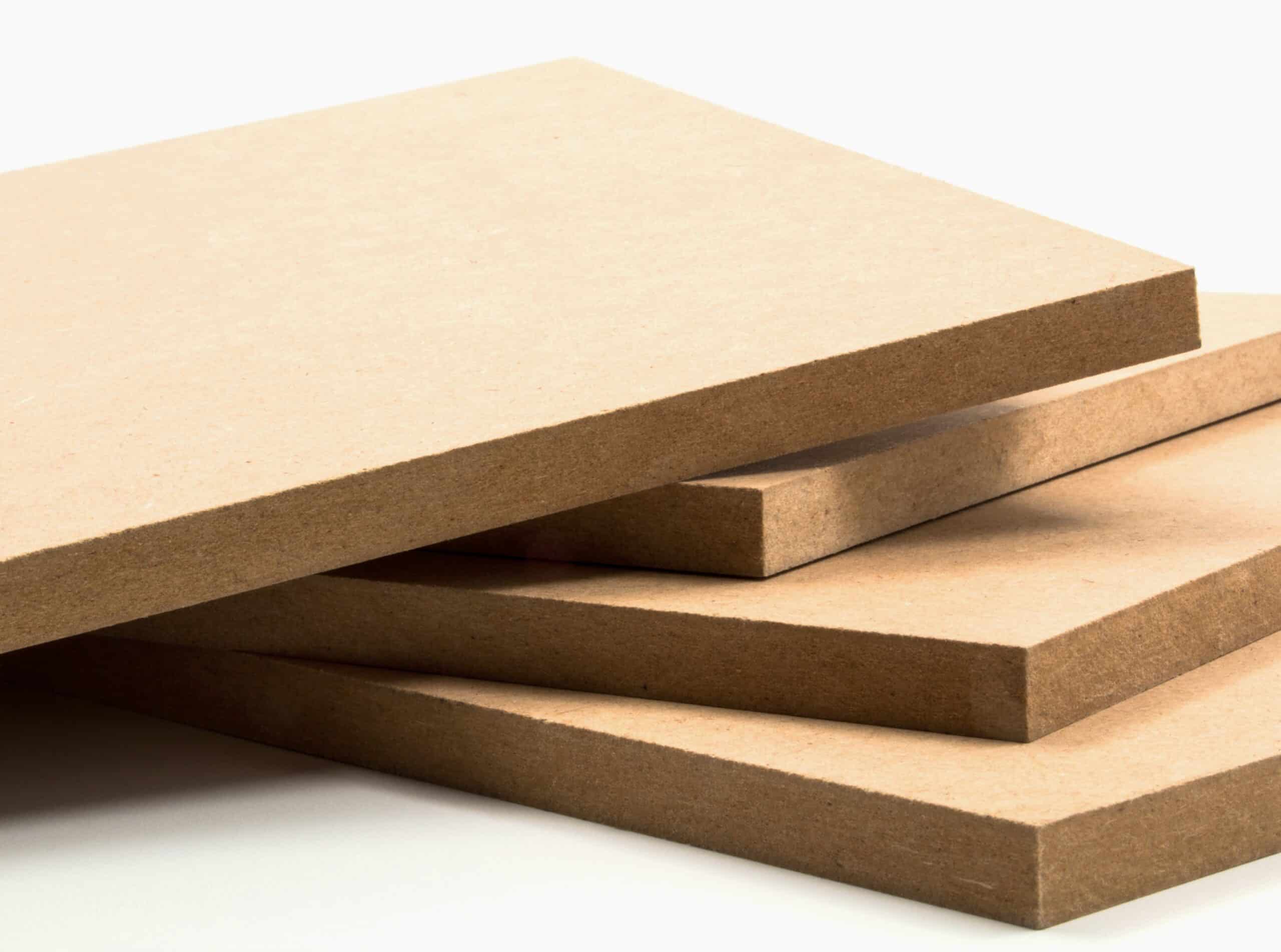
  • Decorate a Living Room with Wood Paneling: 10 Hacks You Never Heard

    Decorate a Living Room with Wood Paneling: 10 Hacks You Never Heard

    If you have wood flooring in your living room, you might feel like you’re in the past. But hear us out! If you do it right, wood paneling can give your room warmth, structure, and a touch of cool retro vibes. How can I arrange a living room with wood paneling so that it doesn’t look old? That’s the main question.
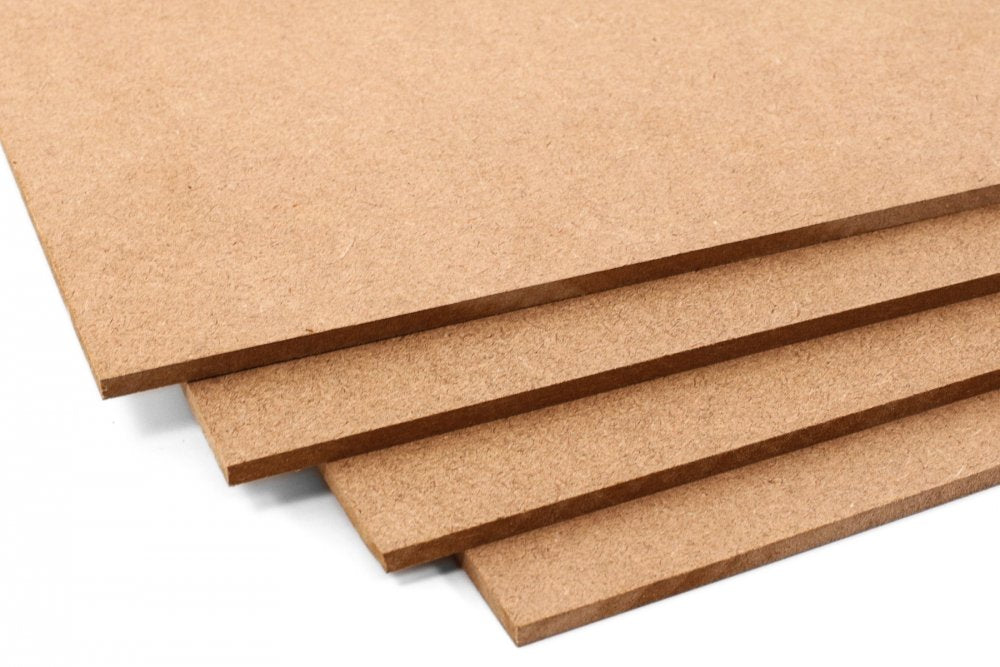
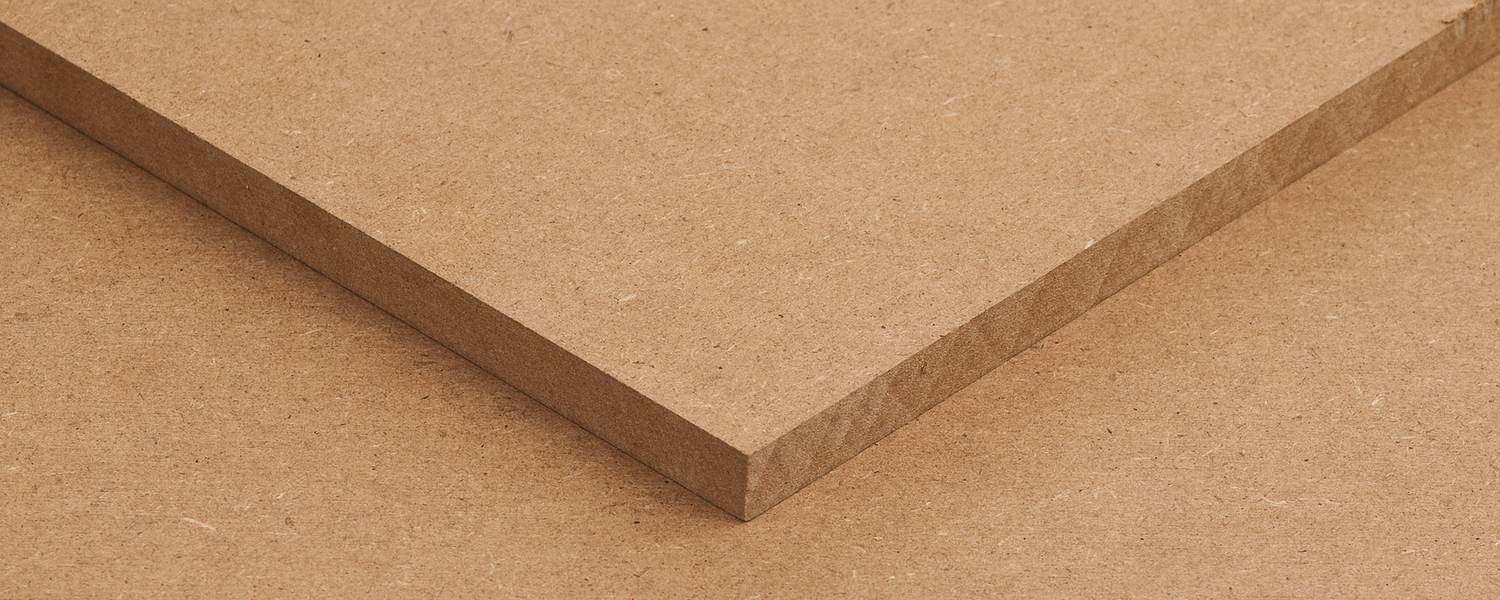
    Don’t worry anymore! Here are 10 great ways on how to decorate a living room with wood paneling and make your wood-paneled living room feel more modern and comfortable. Get your throw pillows ready and let your inner designer loose!

    10 Hacks on How to Decorate a Living Room with Wood Paneling

    If you have wood paneling in your living room, you might feel like you’re stuck in a time warp. But don’t rip out those panels just yet! Wood paneling can actually be a design asset, adding warmth, structure, and a touch of cool retro style to your space. The key is knowing how to decorate with it effectively.

    Here’s the good news: We’ve got 10 hacks to help you transform your wood-paneled living room into a modern and inviting space. So, ditch the worries, grab your throw pillows, and unleash your inner designer! It’s time to embrace the wood and create a living room you love.

    Embrace the Rustic Look

    how to decorate a living room with wood paneling

    Rustic décor is all about simplicity and connecting with nature. This style typically incorporates raw and organic materials that are either untouched or minimally processed.

    Key Elements:

    • Natural Materials: Choose furniture pieces that showcase their natural beauty without too much paint or stain. Materials like leather, wool, unfinished wood, or faux stone wall panels.
    • Simple and Clean Lines: Opt for furniture with simple, clean lines. Avoid ornate details which can detract from the rustic feel. Think solid, sturdy tables, benches, and chairs that speak to farmhouse or traditional styles.
    • Textural Contrast: Incorporate a variety of textures to add depth and interest. A chunky knit throw blanket, a woolen rug, or linen curtains add tactile contrasts that feel cozy and welcoming.
    • Decorative Accents: Use accents like woven baskets, vintage farm tools hung as art, antlers, or pottery to reinforce the rustic theme. Decorative elements made from natural materials help anchor the style.

    Tips for Enhancement:

    • Flooring: Consider warm-toned wood floors with textured rugs to complement the paneling.
    • Lighting: Soft, warm lighting helps enhance the cozy feel; opt for lamps with natural material shades or candles.
    • Plants: Include greenery like succulents, ferns, or potted herbs to bring a touch of nature indoors.

    Go Modern

    how to decorate a living room with wood paneling

    Modern décor focuses on minimalism and often embraces a monochrome color palette punctuated by sleek, functional furniture. Painting wood paneling can modernize a space and give it a fresh, updated look.

    Key Elements:

    • Paint Choices: Light neutrals like white, off-white, or soft gray can brighten a room and make it appear larger. For a dramatic, bold effect, consider black or navy blue, which can turn the paneling into a standout feature.
    • Sleek Furniture: Choose furniture with clean, sharp lines and a minimalist design. Materials like metal, glass, and polished wood complement the sleekness of painted paneling.
    • Minimalist Decor: Keep decor sparse and choose pieces that serve a purpose. Avoid clutter. Use one or two statement pieces, like a large piece of modern art or a geometric light fixture.

    Tips for Enhancement:

    • Contrast Flooring: If the paneling is dark, use light-colored flooring to create contrast, and vice versa.
    • Accent Features: Add a mirror with a minimalist frame or use metal shelves to display monochrome pottery.
    • Textiles: Opt for solid-color throw pillows, sheer curtains, and a plain, plush area rug to maintain the minimalist theme.

    Play with Color

    how to decorate a living room with wood paneling

    Colorful décor can transform the mood of a room by incorporating lively and vibrant tones. This approach works well with wood paneling by either complementing the natural wood tones or contrasting boldly against painted paneling.

    Key Elements:

    • Accent Walls: Choose one wall to paint in a bold color that contrasts with the natural wood or a neutral palette. This creates a focal point and adds a lot of personalities.
    • Colorful Textiles: Use throw pillows, blankets, and rugs in vibrant colors and playful patterns. These can easily be swapped out according to the season or trend.
    • Artwork: Large, colorful artwork can serve as a great conversation piece and color inspiration for smaller accents.

    Tips for Enhancement:

    • Balance: Keep the flooring neutral if the paneling and furniture introduce a lot of colors.
    • Lighting: Use bright white light or strategically placed spotlights to enhance the vibrancy of the colors.
    • Natural Elements: Include natural elements like wood or stone to balance out the bright colors for a grounded, cohesive look.

    Read More: Tile vs Wood Flooring: Which Is Best for Your Home?

    Highlight the Texture

    How to Decorate a Living Room with Wood Paneling

    Wood paneling itself is a strong textural element in any room. Emphasizing this texture can add depth and warmth to the space.

    Key Elements:

    • Complementary Textures: Introduce various textural elements that resonate with the rustic vibe of wood. Consider a chunky rug that can add softness underfoot, woven baskets that offer storage and style, and macramé wall hangings that bring a touch of bohemian flair.
    • Fabric Choices: Use fabrics like burlap, knitted wool, or coarse linen for throw pillows, curtains, and upholstery to complement the wood’s texture.
    • Wood Varieties: Mixing different types of wood and finishes can highlight the paneling by setting it against contrasting textures and colors.

    Tips for Enhancement:

    • Lighting: Use directional lighting such as track lights or adjustable wall sconces to cast shadows and highlight the paneling’s texture.
    • Metal Elements: Incorporate metal accents through fixtures or furniture details which can add a sleek contrast to the rough texture of wood. 
    How to Decorate a Living Room with Wood Paneling

    A gallery wall can transform the wood-paneled wall into a vibrant canvas that showcases your personal style through artwork. For more ways to anchor a living room around a single statement wall, explore these feature wall ideas for living rooms.

    Key Elements:

    • Variety in Artwork: Mix different styles of art—abstract paintings, black and white photos, graphic prints—to capture the eye and engage viewers.
    • Eclectic Frames: Use frames of varying sizes, colors, and textures. This variation can make the display more dynamic and visually interesting.
    • Layout: Plan the layout on the floor before mounting frames on the wall. Aim for balance and coherence, with the wood paneling serving as a unifying backdrop.

    Tips for Enhancement:

    • Symmetry vs. Asymmetry: Depending on the rest of the room’s decor, decide whether a symmetrical or an asymmetrical arrangement works better to create harmony or contrast.
    • Thematic Consistency: Keep some elements consistent, like color tones or frame styles, which can help the gallery wall look cohesive despite varied artworks. 

    Bring in the Greenery

    How to Decorate a Living Room with Wood Paneling

    Incorporating plants into your living room not only adds color and life but also complements the natural, earthy tones of wood paneling.

    Key Elements:

    • Strategic Placement: Use plants as natural decor elements. Position them in corners, on end tables, or in clusters to create a visual impact.
    • Variety of Plants: Include a mix of high and low plants, ferns, flowering plants, and large leaves to diversify the texture and heights in the room.
    • Planters: Opt for planters made from natural materials like clay, stone, or wood that harmonize with the rustic theme.

    Tips for Enhancement:

    • Purposeful Arrangements: Place taller plants near furniture to integrate them into the layout seamlessly. Use hanging plants for vertical decoration and to draw the eye upward.
    • Care and Selection: Choose indoor plants that thrive in your living room’s specific light and humidity conditions to keep maintenance minimal.

    Read More: What’s The Best Interior Timber Wall Cladding?

    Layer in Rugs

    How to Decorate a Living Room with Wood Paneling

    Rugs are essential for adding texture, color, and definition to spaces within your living room. Layering rugs can enhance this effect by adding depth and interest.

    Key Elements:

    • Combining Textures and Patterns: Start with a larger, neutral-toned rug to ground the space, then add a smaller, more vibrant, or textured rug on top. This can define a seating area or highlight the center of the room.
    • Mixing Styles: Combine different rug styles—such as a traditional Persian rug atop a modern geometric rug—to create contrast and intrigue.
    • Alignment and Placement: Align rugs thoughtfully to balance the room. They should complement the arrangement of furniture and the natural lines of the room.

    Tips for Enhancement:

    • Cohesion and Contrast: Make sure the rugs share at least one color element but differ in pattern or texture to maintain visual interest without clashing.
    • Size and Scale: Ensure the bottom rug is large enough to extend beyond the edges of the top rug by at least a few inches on all sides.

    Mix Metals

    How to Decorate a Living Room with Wood Paneling

    Metals add a luxurious shimmer that can modernize the look of traditional wood paneling, creating a balance between rustic and contemporary styles.

    Key Elements:

    • Metallic Accents: Introduce metal through decorative accents such as brass lamps, stainless steel picture frames, copper sculptures, or chrome vases. These pieces provide a contrast in materials and add a sophisticated touch.
    • Consistent Metal Finishes: Stick to one or two metal finishes to maintain a cohesive look. For example, brushed nickel and matte black can work well together and suit a variety of color palettes.
    • Functional Pieces: Incorporate metal through functional items like curtain rods, table legs, or hardware for cabinets. This ensures the metals are not just decorative but also part of the living space’s functionality.

    Tips for Enhancement:

    • Focus Areas: Place metallic items in focal areas where they can catch light, such as near windows or under overhead lighting.
    • Balance and Proportion: Use metals sparingly to avoid overwhelming the natural look of the paneling. Small, reflective pieces can have a big impact without dominating the room.

    Don’t Forget the Lighting

    How to Decorate a Living Room with Wood Paneling

    Lighting is crucial in defining the atmosphere of any room, especially one with wood paneling which can darken a space if not properly illuminated.

    Key Elements:

    • Layered Lighting: Employ a mix of lighting types—ambient (general overhead), task (specific, directed), and accent (decorative) lighting. This approach allows you to control the mood and functionality of the room.
    • Overhead Lighting: Chandeliers or flush mounts can add elegance, while exposed bulbs or track lighting can give a more industrial look.
    • Lamps and Sconces: Table and floor lamps provide direct, warm light and can highlight specific areas or features, including reading spots and artwork. Wall sconces can add symmetry and visual interest, particularly on or near wood-paneled walls.

    Tips for Enhancement:

    • Dimmers: Install dimmers to control light intensity. This can instantly change the room’s atmosphere and is ideal for transitioning from daytime brightness to evening coziness.
    • Light Color Temperature: Choose bulbs with a warm white temperature (2700K to 3000K) to enhance the wood’s natural hues and create a welcoming environment.

    Read More: PVC Wall Panels: Waterproof Solutions for Every Room in 2024 Trends!

    Accessorize with Vintage Finds

    How to Decorate a Living Room with Wood Paneling

    Vintage elements can add unparalleled character and nostalgia to a living room, making the space feel unique and lived-in.

    Key Elements:

    • Vintage Furniture: Look for pieces that can act as a statement, such as an antique wooden coffee table, a mid-century modern chair, or a vintage rug. These items often feature craftsmanship and details not found in contemporary pieces.
    • Complementary Artwork: Vintage artwork or mirrors with ornate frames can enhance the room’s historic feel while still blending seamlessly with the modern touches.
    • Decor Pieces: Smaller vintage items like old clocks, classic books, or retro lamps can serve as accent pieces that highlight the room’s theme without cluttering the space.

    Tips for Enhancement:

    • Restoration: If necessary, restore vintage furniture to preserve its beauty and structural integrity without stripping away its historical essence.
    • Integration: Strategically place vintage pieces to bridge the gap between old and new—allowing them to stand out yet integrate with the overall design.

    Keep Exploring: Living Room Design with Panels

    FAQs: How to Decorate a Living Room with Wood Paneling

    Is wood paneling still in style for living rooms?
    Yes, wood paneling is very much in style, especially in modern and contemporary interiors. Today’s designs focus on clean lines, natural tones, and textured finishes like slat panels, making wood paneling a popular choice for creating warm, sophisticated living spaces.

    What type of wood paneling is best for a living room?
    The best type depends on your design goal. Slat wood panels are ideal for modern, minimalist interiors, while flat or veneer panels work well for a clean, seamless look. If you want added functionality, acoustic wood panels are a great option for improving sound quality while enhancing aesthetics.

    Can wood paneling make a living room look smaller?
    It can if used incorrectly. Dark tones or full-wall coverage may make a space feel enclosed. To avoid this, use lighter wood finishes, apply paneling to a feature wall, or install vertical slats to create the illusion of height and openness.

    How do I match wood paneling with existing furniture?
    Start by considering undertones. Warm wood panels pair well with beige, cream, and earthy colors, while cooler tones match gray, black, or modern furniture. You don’t need an exact match—contrast can create a more dynamic and visually appealing space.

    Is wood paneling expensive to install?
    Costs vary depending on the material and installation method. Solid wood panels are more expensive, while veneer or MDF-based panels like slat acoustic wall panels offer a more budget-friendly option. DIY-friendly panels can also help reduce installation costs significantly.

  • Best Wall Covering Options for Luxurious Yet Affordable Home Interiors

    Best Wall Covering Options for Luxurious Yet Affordable Home Interiors

    When it comes to home decoration, wall-covering options play a pivotal role in setting the aesthetic tone of a space. They are one of the first things noticed by guests and can make or break the perceived elegance and comfort of your home. 

    For homeowners, especially in bustling urban areas of Canada, the USA, and Europe, the challenge often lies in finding wall solutions that are both striking and budget-friendly. This article delves into various wall-covering options that cater to sophisticated tastes without necessitating a hefty investment. 

    Whether you are looking to refresh a room or undertake a complete renovation, understanding how to choose the right wall treatments can help you enhance your home’s interior while impressing friends and clients alike.

    Read also: 10 Cheap Wall Covering Ideas for Bad Walls: Style on Budget

    Understanding Wall Coverings

    Understanding Wall Coverings Option

    The wall covering is any material that is used to cover or decorate walls. From paint to tiles to fabric panels, each type offers its unique aesthetic and functional benefits. Choosing the right wall covering involves balancing cost, ease of installation, durability, and style. 

    This article covers three types of wall covering that I have dug upon my research on countless websites, running down friends’ houses, and asking our expert. Start from the economical wall covering options to the luxurious ones, then go down to the most special option. So, here we go.

    Economical Choices for Wall Coverings

    Economical Choices for Wall Coverings Option with Paint

    These options cater to the needs of homeowners who seek to beautify their living spaces without breaking the bank. Each choice offers unique advantages and can be tailored to the specific aesthetic desires and practical requirements of your household.

    • Paint:

      • Types: Choices range from matte, which provides a non-reflective finish, to high-gloss, which offers a vibrant, durable surface.
      • Pros: Cost-effective, offers unlimited color options, easy to apply and change.
      • Cons: May require frequent touch-ups, especially in high-traffic areas, and is less durable than some alternatives.

    Read also: 9 Most Unique Hallway Paint Ideas to Dazzle Guests (and Yourself!)

    • Wallpaper:

      • Types: Includes vinyl, which is durable and easy to clean; foil, which can add a metallic finish; and flock, for a textured, velvet-like feel.
      • Pros: Provides a wide range of patterns and textures, is relatively durable, and can last many years if properly installed.
      • Cons: Higher quality options can be costly; installation and removal can be challenging without professional help.
    • Wood Panels:

      • Types: Options include affordable reclaimed wood, environmentally friendly bamboo panels, and versatile MDF (Medium Density Fiberboard).
      • Pros: Adds warmth and elegance to any room; varieties like reclaimed wood are often less expensive and more environmentally sustainable.
      • Cons: Depending on the type of wood, may require significant maintenance; some types like bamboo are pricey.

    Read also: [Spring Sale 2024] Essential Tips for Your Outdoor Decor

    Premium but Prudent Choices

    Wall Covering Options for Luxurious Yet Affordable Home Interiors: Premium but Prudent Choices

    While economizing is crucial, some homeowners may opt for slightly pricier materials that offer longer durability and a more distinctive style. These choices, while requiring a higher initial investment, provide a luxurious finish and can prove to be more cost-effective in the long run due to their durability.

    • Fabric Panels:

      • Pros: Fabric panels offer a luxurious texture and aesthetic appeal that is hard to match with other materials. They are excellent for soundproofing, making them ideal for busy households and those in noisy city environments.
      • Cons: The cost can be a barrier; they generally require professional installation and a careful selection process to ensure the fabric complements the interior décor.
    • Stone Veneer:

      • Pros: Stone veneers provide a high-end, natural stone appearance at a fraction of the cost of real stone. They are incredibly durable and maintenance is minimal once installed.
      • Cons: Installation can be costly due to the need for specialized labor. The weight of the material may also require an assessment of the wall structure.
    • Tiles:

      • Types: Ceramic tiles offer a classic look and substantial durability, porcelain tiles are known for their moisture resistance and robustness, and mosaic tiles are best for adding an artistic touch.
      • Pros: Tiles are durable, water-resistant, and offer a modern look with minimal maintenance. They are ideal for areas that are exposed to moisture, such as kitchens and bathrooms.
      • Cons: The cost of both materials and installation can be high; the hard surface may not suit all areas of a home.

    Read also: Best Wood Trim Accent Walls Ideas in 2024

    DIY Wall Covering Ideas

    Installing Shiplap or Wood Panel

    For the hands-on homeowner looking to personalize their space uniquely while controlling costs, DIY wall covering projects are a perfect solution. These projects not only enhance the aesthetic appeal of your home but also allow for a tailored experience to fit your style and needs. Here are a few DIY ideas that are both budget-friendly and stylish:

    • Stenciling Over Paint:

      • Tools Needed: Stencils, acrylic or stencil paint, stencil brush or roller.
      • Process: Choose a stencil that matches your decor theme. Use painter’s tape to hold the stencil in place. Apply the paint using a brush or roller. Carefully remove the stencil and repeat across the wall.
      • Pros: Highly customizable, inexpensive, and a great way to add intricate, hand-painted designs to any room. 
      • Cons: Time-consuming and requires a steady hand or prior painting experience.
    • Homemade Fabric Panels:

      • Tools Needed: Fabric of choice, a canvas or wooden frame, staple gun, and mounting hardware.
      • Process: Stretch the fabric over the frame and secure it with a staple gun. Mount the frame on the wall using appropriate hardware.
      • Pros: Can choose from a vast array of fabrics to match any interior. Adds texture and color, excellent for large feature walls.
      • Cons: Fabric quality can greatly influence the look and feel of the panels; may require sewing skills if edges need to be hemmed.
    • Installing Shiplap or Wood Panels:

      • Tools Needed: Wood panels or shiplap, nails, hammer (or nail gun), saw, level, and sandpaper.
      • Process: Measure and cut the wood to fit the wall. Sand any rough edges. Starting at the bottom, level and nail each piece to the wall, overlapping slightly if using a shiplap.
      • Pros: Provides a rustic, cozy feel. Good for adding character to modern spaces.
      • Cons: Wood can be expensive depending on the type; installation can be labor-intensive.

    Conclusion

    Choosing the right pick among all the wall covering options can significantly enhance your home’s interior both aesthetically and functionally. Whether you opt for economical paints, rich fabrics, or durable tiles and woods, the proper selection will combine luxury with affordability.

    By understanding your space’s needs and mixing materials, you can create a visually impressive environment that respects your budget.

    With the right choices, you can achieve a beautiful interior that will impress visitors and offer a lasting appeal. Start your decorating journey with confidence and create a space that truly feels like home.